Where Malta’s Verdant Value Hides (Beyond the View)
Malta’s stone streets and coastal wildness hide practical green opportunities—RPPI rises signal demand, but lifestyle-led buyers can find verdant value by prioritizing outdoor rooms and retrofit potential.
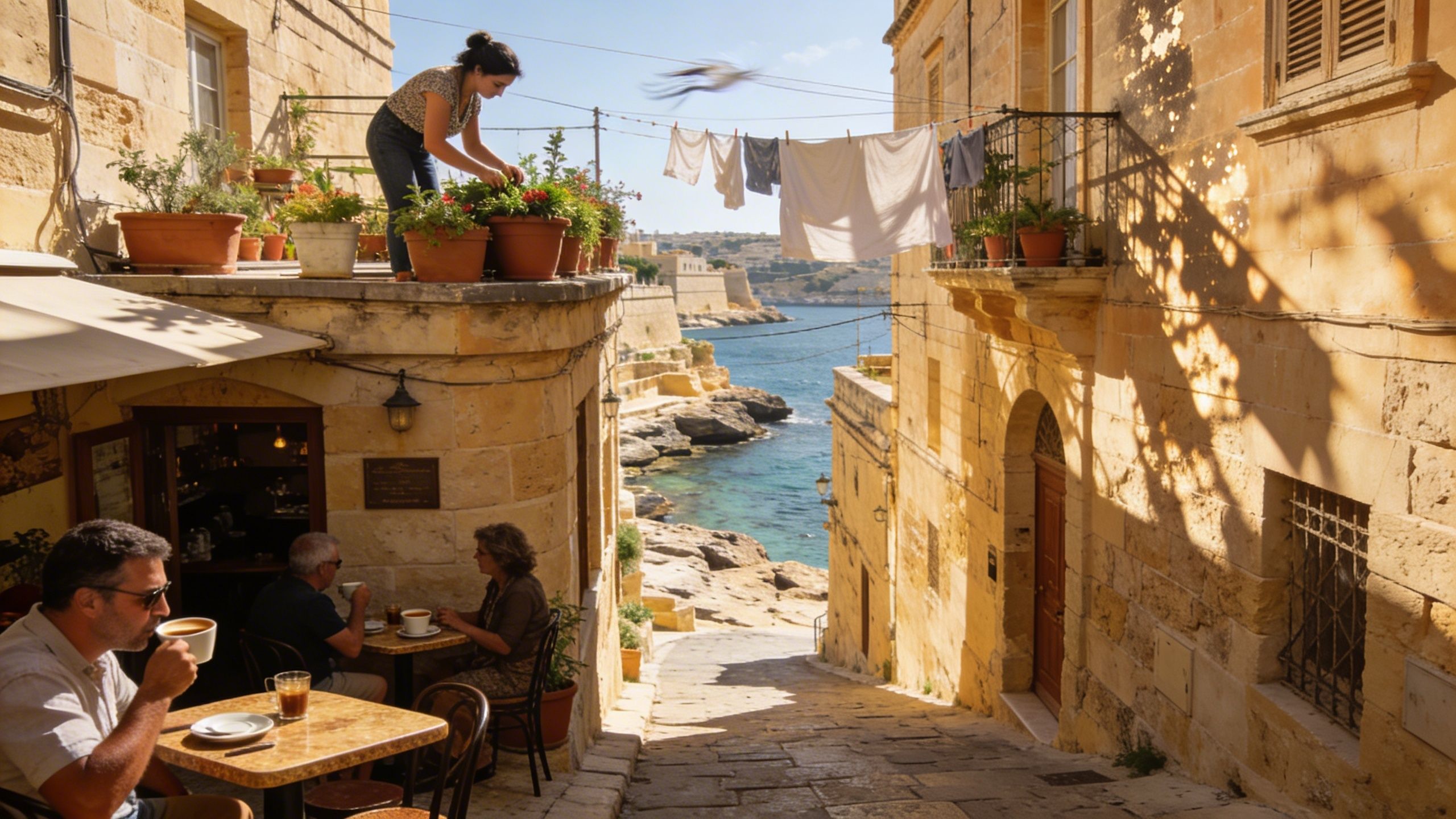
Imagine waking to the metallic clink of café cups in Valletta, then escaping 15 minutes later to a rocky cove where the air smells of salt and rosemary. Malta is compact enough that city life and wild coastline sit cheek by jowl, and that tension—historic streets meeting scrubby coastal landscape—is the island’s quiet magic. For international buyers who prize green living and a strong sense of place, Malta can feel like a stitched-together lifestyle: stone houses with rooftop gardens, compact farms in Gozo, and cooling sea breezes that make passive design meaningful. Yet market headlines about rising prices often drown out where the real, verdant value lies; the data shows steady price growth, but also pockets of opportunity for buyers who look past the obvious.
Living the Malta life: stone, sea and small‑scale green moments
Strolls at dawn through narrow alleys in Mdina, espresso at Café Cordina on Republic Street, a late-afternoon dip at Gnejna Bay—these are the small rituals that shape Maltese days. The island’s rhythm is intimate: markets hum Saturday mornings in Marsaxlokk, churches ring in quiet villages, and terraces become outdoor rooms for long dinners that center local produce. For the eco-conscious buyer, the lived experience is about micro‑greening—courtyards made productive with potted citrus, terraces turned into pollinator havens, and modest renovations that prioritize natural ventilation and reclaimed stone.
Neighborhood spotlight — Three places that feel green in different ways
Gżira and Ta' Xbiex offer a surprising leafy fringe to harborside living: sheltered promenades, small community gardens, and apartments with balcony herbs. Up in Gozo’s Xagħra and Għarb, the pace slows; stone farmhouses with vegetable plots and olive terraces make regenerative living tangible. Even inner Valletta has micro‑oases—hidden courtyards, rooftop terraces, and the slow reintroduction of native planting along restored facades—that prove verdant living doesn’t require acres.
Food, markets and the sea: how daily life feeds a sustainable lifestyle
Buyers who love farm-to-table living will find markets in Marsaxlokk and Ħamrun where seasonal fish and local brassicas set the tempo. Cafés like Caffe Cordina and small trattorias in Birgu curate menus from local suppliers; weekends often mean visiting small producers in the north for honey, capers, and goat cheese. These micro-economies make it easy to live lightly—less reliance on long supply chains, more on neighborly exchange and seasonal cooking.
Making the move: how lifestyle must shape your property checklist
Malta’s property index rose steadily through 2025, reflecting sustained demand and limited land supply—facts that matter when balancing lifestyle desires with realistic budgets. The National Statistics Office reported a 5.7% year-on-year rise in the RPPI for Q3 2025, underscoring that prices are trending upward island-wide. For buyers, the implication is simple: prioritize the lifestyle features you can’t retrofit (orientation, proximity to coast or market, courtyard potential) and be pragmatic about where you’ll accept compromise (floor level, view, or square meters).
Property styles that support verdant living
Traditional Maltese houses—limestone townhouses, terraced maisonettes and rural farmhouses—lend themselves to low‑impact retrofits: rainwater capture in cisterns, passive cooling through high ceilings and thick stone walls, and rooftop gardens that reduce heat gain. Newer apartments often offer roof terraces and the chance to install solar panels where allowed, but pay attention to communal rules and listed‑building constraints. Choosing a property with outdoor cushions—courtyard, roof, balcony—will multiply your connection to nature more than an extra indoor square metre ever could.
How local experts turn a lifestyle wish into a realistic search
Work with agents and architects who understand both Maltese planning rules and small‑scale greening. Your team should advise on orientations that capture prevailing northerly breezes, feasibility of rooftop planting under conservation rules, and practical steps for retrofitting cisterns and greywater systems. A practical checklist ensures your dream terrace becomes a productive, low‑maintenance space rather than an expensive regret.
Practical lifestyle–led checklist for view-to-action (pick 4–6): • Prioritize outdoor rooms (courtyard, terrace) over extra interior area • Confirm solar PV and water harvesting feasibility with local planning • Ask about orientation and prevailing breezes for natural cooling • Check communal rules for rooftop use and planting • Inspect masonry and lime‑based plaster for restoration friendliness • Confirm proximity to weekly markets and a small harbour or beach
Insider knowledge: what expats wish someone had told them
Expats often arrive enchanted by the island’s light but surprised by practicalities: short seasonal rental demand, close-knit administrative channels, and a market where local knowledge speeds deals. Many wish they’d prioritized ease-of-living features—covered parking, an efficient laundry set-up, and a courtyard that cools the house in summer—over a panoramic sea view that comes with maintenance headaches. Also, because land values now dominate property value, understand that restoration-friendly plots can be rare and therefore worth waiting for.
Cultural rhythms, language, and making a community
English is an official language, which lowers barriers for daily life and bureaucracy, but Maltese social life runs on local networks—join a diving club in Sliema, volunteer at a farmers’ cooperative in Gozo, or take a Maltese cooking class to open doors. Local festivals—festa season in summer, Sundays at the fish market—are entry points to neighbors and produce. Patience and curiosity go further than perfect planning; community ties often unlock the best properties and renovation specialists.
Six steps expats used to turn a dream into a stable life in Malta
1. Spend two separate months living in different villages to test rhythms. 2. Prioritize properties with outdoor private space for productive planting and relaxation. 3. Contract a local architect to assess passive cooling and solar options before bidding. 4. Build relationships with a small network of tradespeople for sympathetic restorations. 5. Confirm rental rules if you plan short-term letting—seasonality is strong. 6. Factor in communal fees and conservation area permissions when budgeting for upgrades.
Malta is both an island of stories and a market of statistics. The RPPI and house price indices tell a clear tale of upward pressure, but they don’t tell you where you'll find a mossy courtyard that smells of thyme or a landlord who will let you plant olives. For buyers who balance verdant living with realistic market awareness, the strategy is to invest in lifestyle-defining features that resist market cycles—solar-ready roofs, cistern capacity, and restored lime stonework—while using local expertise to find value in overlooked neighborhoods. If you want help matching a lifestyle brief to the handful of properties that genuinely deliver, an agent who understands both conservation and regenerative retrofits is the single most useful ally.
Next steps: live here briefly, list the non‑negotiables for green living, and let local experts pre‑filter offerings. Start by visiting a market morning, a tiny bay at dusk, and a rooftop with a southerly aspect—if those moments make you breathe easier, you’re on the right track. Then ask an agent to show only properties with specific outdoor potential and passive advantages; that will keep your search focused and your budget honest. Malta’s verdant charms are intimate, and the right property will feel like an ecosystem you can steward for years.
Norwegian market analyst who relocated from Oslo to Provence; guides investors with rigorous portfolio strategy and regional ecological value.