France: Green Finance & the Life You’ll Actually Live
Fall in love with French life while using eco‑loans, energy audits and lender strategies to finance sustainable homes—practical steps and regional insights for international buyers.
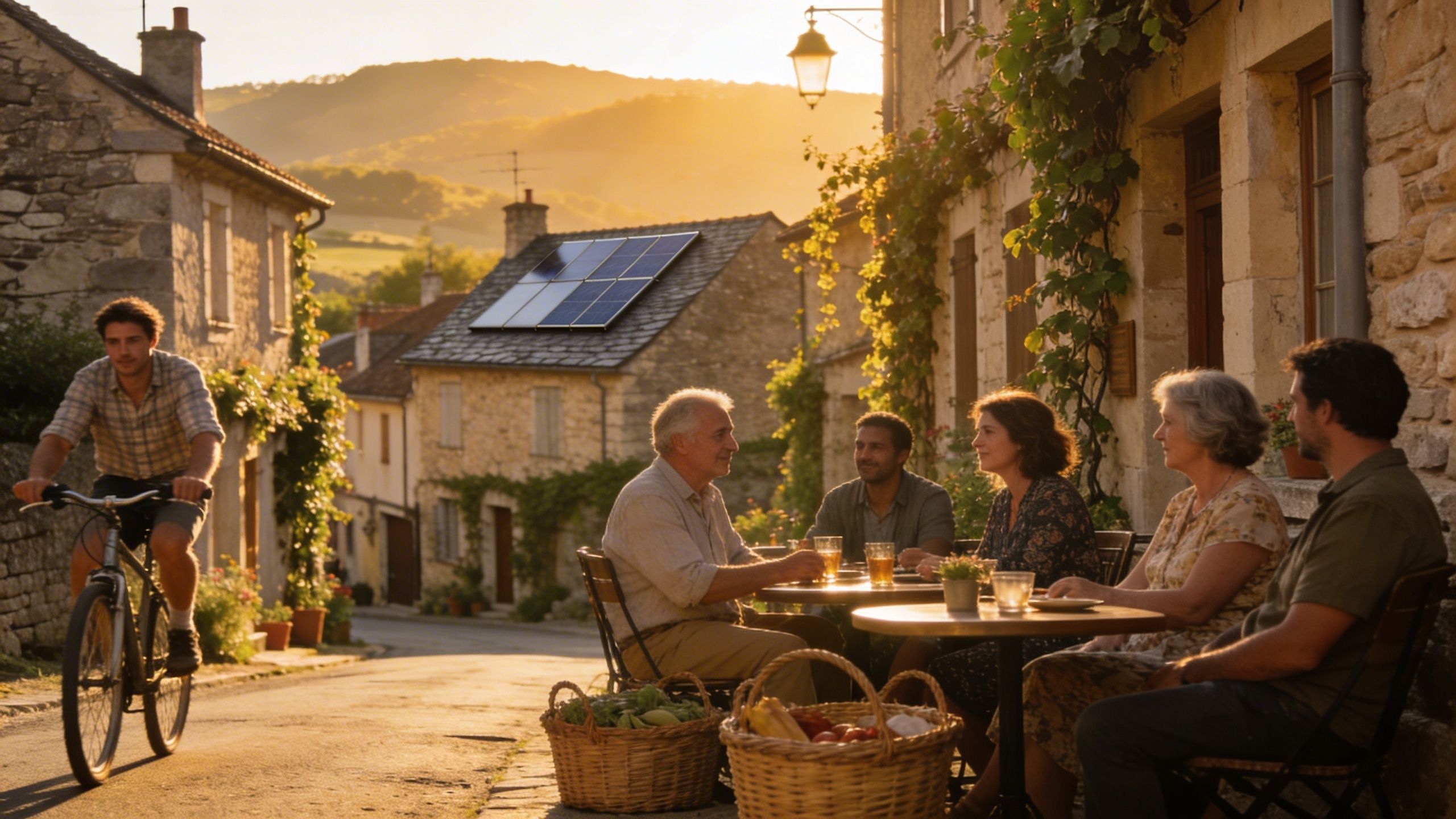
Imagine waking to the smell of fresh croissants, stepping onto a narrow street in Aix‑en‑Provence as geraniums catch the morning light, and knowing your home there also harvests rainwater and stores solar energy. France is equal parts poetry and pragmatism: elegant days at local markets, evenings by a wood‑burning stove, and a growing national push to make homes greener. For international buyers, that romance meets concrete choices — mortgages, eligibility for green loans, and regional quirks that shape whether the life you picture is financially and legally possible. This guide stitches the lifestyle you crave to the financing pathways and compliance steps that make an eco‑minded purchase in France realistic and resilient.
Living the French life — quietly extraordinary
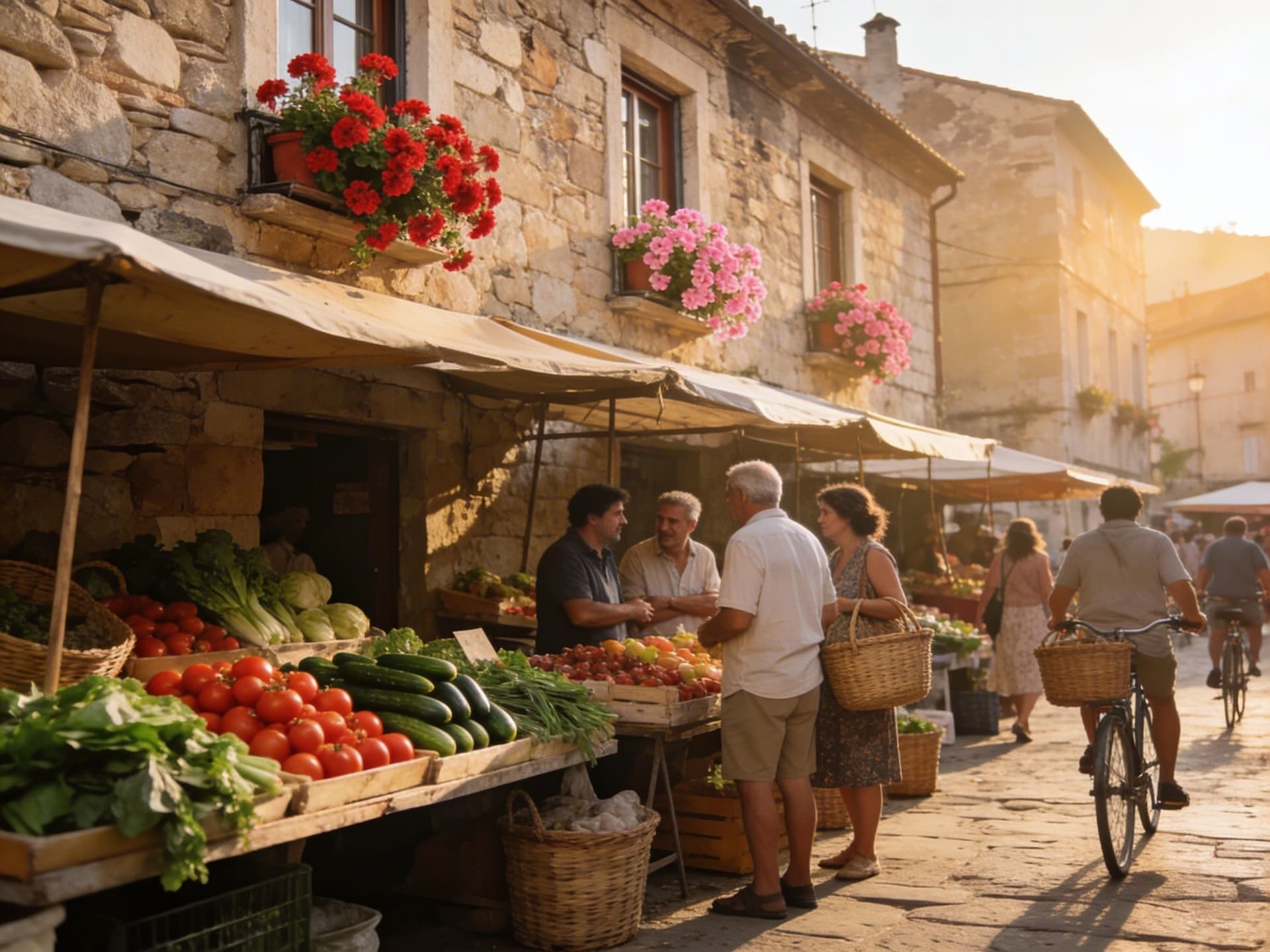
France resists a single story. In Paris you sip espresso in the 11th arrondissement as a boulangerie owner chats about local suppliers, while on the Côte d'Azur mornings bleed into swim‑and‑market afternoons. In the Loire Valley you will find stone cottages with ancient oaks; in the Alps, chalets with south‑facing terraces that gather sun for panels and passive heat. The rhythm here is seasonal — winter stews and long indoor light, spring market days, summer fêtes — and the best homes are those that respect those cycles, using natural materials, efficient heating, and thoughtful landscaping to feel at ease year‑round.
Neighborhood notes: where to look by lifestyle
If you want café life and late nights, the Marais or Canal Saint‑Martin in Paris hum with small shops and community rituals. For quieter days and local markets, towns like Uzès or Saint‑Rémy‑de‑Provence offer weekly market rhythms and stone houses with gardens. Coastal buyers who want a balanced life — village boulangerie plus a surf break — should consider Biarritz’s quieter suburbs or the Camargue fringes, where dunes and salt marshes shape low‑impact building practices. Wherever you land, check how the microclimate influences heating, insulation needs and water management — these shape both your comfort and your running costs.
Food, markets and the sustainable home
A French day often orbits the market: early morning stalls, seasonal vegetables, and conversations that double as neighborhood watch. Buying a home near marché hours means you will actually use local produce — and it rewards homes with practical kitchens, pantry space, and a balcony or garden for herbs. Look for properties with existing rainwater systems, south‑facing terraces for drying and passive solar gain, and room for a compact compost or kitchen garden. These small, sustainable features transform daily life more than a glossy spa or large pool ever will.
Making the move: practical, green financing in France
Romantic visions meet paperwork — and France offers financing tools that can help real green renovations pay for themselves. The government’s eco‑prêt à taux zéro (éco‑PTZ) lets owners borrow at zero interest for eligible energy upgrades and has been extended through 2027, with evolving technical requirements that now often ask for an energy audit to demonstrate improvement. Combining such loans with renovation grants (MaPrimeRénov’) and sensible mortgage structuring can turn a cool stone house into an energy‑light sanctuary without breaking the bank.
How foreign buyers typically finance a French home
Banks do lend to non‑residents, but loan‑to‑value and deposit expectations vary. EU residents often see higher LTVs (up to 80–85%) while non‑EU buyers may expect to put down 20–30%. French lending favors conservative borrowing: notary fees and taxes (roughly 7–8% on older properties) must be paid from cash, and many lenders factor in renovation costs when assessing eligibility if you present a contractor quote and energy‑upgrade plan. Work with lenders who understand cross‑border income and can factor in green loan packages.
- Practical financing tips for eco‑minded buyers
- 1. Get an energy audit early: lenders and éco‑PTZ often require documented gains. 2. Bundle works on one project: larger, coherent renovations more easily qualify for higher eco‑PTZ ceilings and MaPrimeRénov’ support. 3. Budget for notary and transfer taxes separately — they are not typically mortgageable. 4. Ask banks for conditional offers that include renovation financing — this avoids surprises at signature. 5. Look for regional incentives (departments and communes sometimes offer top‑ups).
Insider knowledge: what expats wish they'd known
Many internationals arrive enchanted, then find the rules and rhythms of French life both generous and particular. Foreign buyers represented around 2% of transactions in recent years, concentrated in regions like Alpes‑Maritimes and Haute‑Savoie where lifestyle and accessibility meet — but the best value and quieter stewardship opportunities often lie inland. Expats wish they’d begun speaking a bit of French earlier, met the mairie (town hall) neighbors, and quantified running costs alongside purchase price; those living lightly on the land are almost always the ones who thrive here.
Cultural and seasonal realities that change your buy
In many towns, the social season pivots around markets, municipal fêtes and the school calendar. A house that feels lively in July can be quiet and service‑scarce in January; that’s essential when you plan rentals or part‑time living. Energy efficiency matters more in the snowline Alps or older Breton stone houses; in Provence, water capture and shade design save more over decades than an extra bedroom. Think in seasons when you judge a property’s true value.
- Steps to marry the dream with compliance
1. Visit in the season you plan to live there to sense utilities, service hours and community life. 2. Commission an energy audit and structural survey before making an offer. 3. Discuss green finance options (éco‑PTZ, MaPrimeRénov’) with your notaire and bank for an integrated plan. 4. Ask the syndic or mairie about planned works or zoning that could affect biodiversity or solar access. 5. Reserve a contingency for heritage restrictions when buying in protected areas.
- Local red flags to watch for
• Missing DPE (Diagnostic de Performance Énergétique) or wildly optimistic ratings. • Large unpaid syndic charges in apartment buildings. • Properties in regulated historic zones where restoration costs explode. • Water stress areas with limited irrigation rights. • Sellers who resist documented quotes for essential works — transparency is a good sign.
A final picture — life, stewardship and the first practical steps
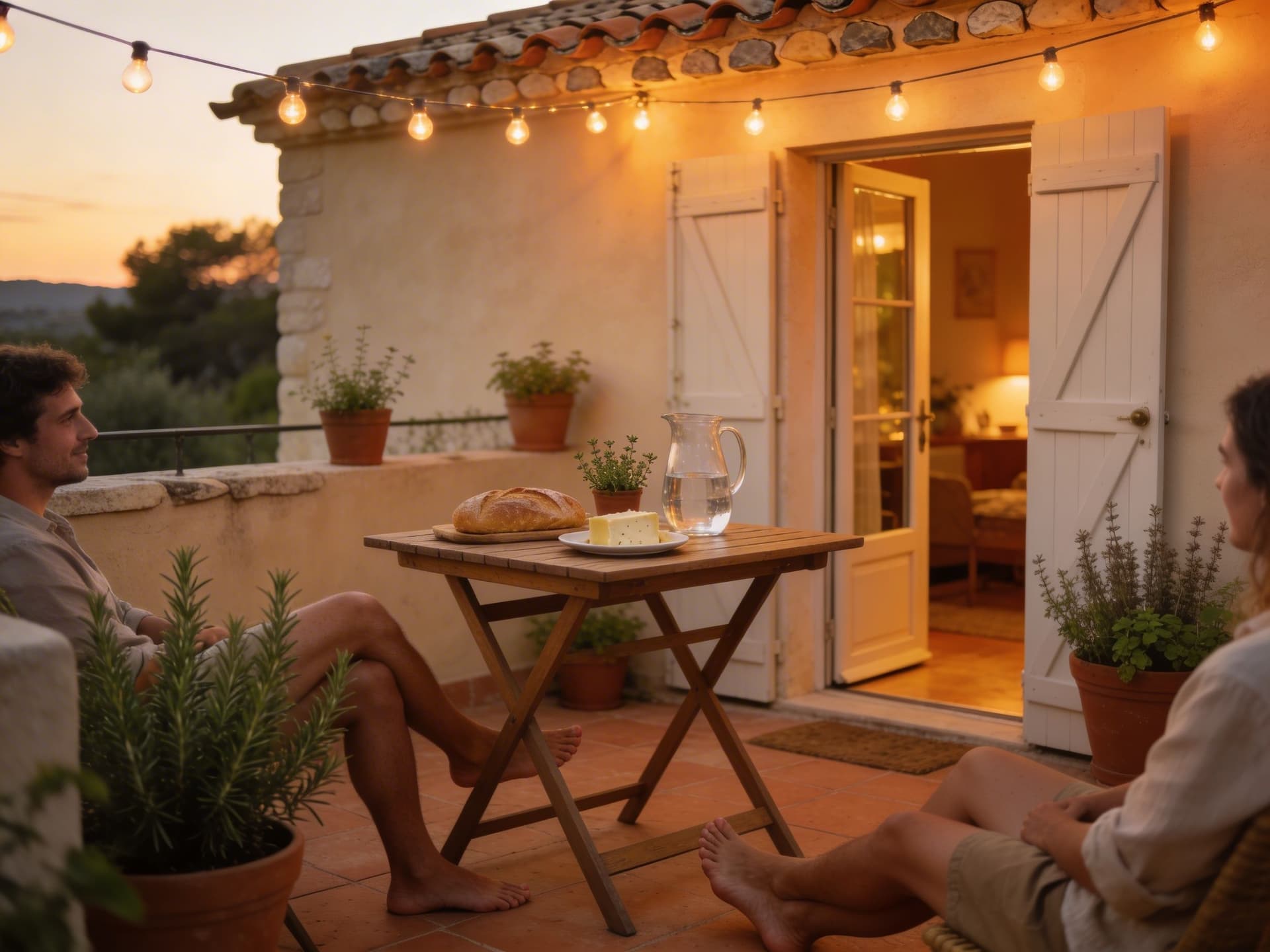
Picture a terrace table heavy with market produce, a small rooftop of panels quietly powering a slow coffee ritual, and a house that breathes with the seasons. That life is possible — and more affordable when financed intelligently and built with the land in mind. Start by choosing two regions that fit your lifestyle, secure a local advisor who understands green finance, and commission an energy audit before making an offer. With those steps you move beyond dreaming to a purchase that supports both your life and the landscape you love.
Conclusion: If France feels like a promise, turn it into a plan. Prioritise season‑aware visits, robust energy audits, and lenders comfortable packaging renovation and green loans; these will protect your lifestyle choices and keep stewardship at the heart of your purchase. When you pair a place’s daily pleasures with financing that rewards low‑impact living, you don’t just buy property — you inherit a slower, richer way of life.
Norwegian market analyst who relocated from Oslo to Provence; guides investors with rigorous portfolio strategy and regional ecological value.