When to House‑Hunt in Cyprus: Seasons, Secrets & Solar
Fall for Cyprus’s light and local rhythms, then buy with seasonal savvy and solar‑first priorities—use market data and local expertise to match lifestyle to property.
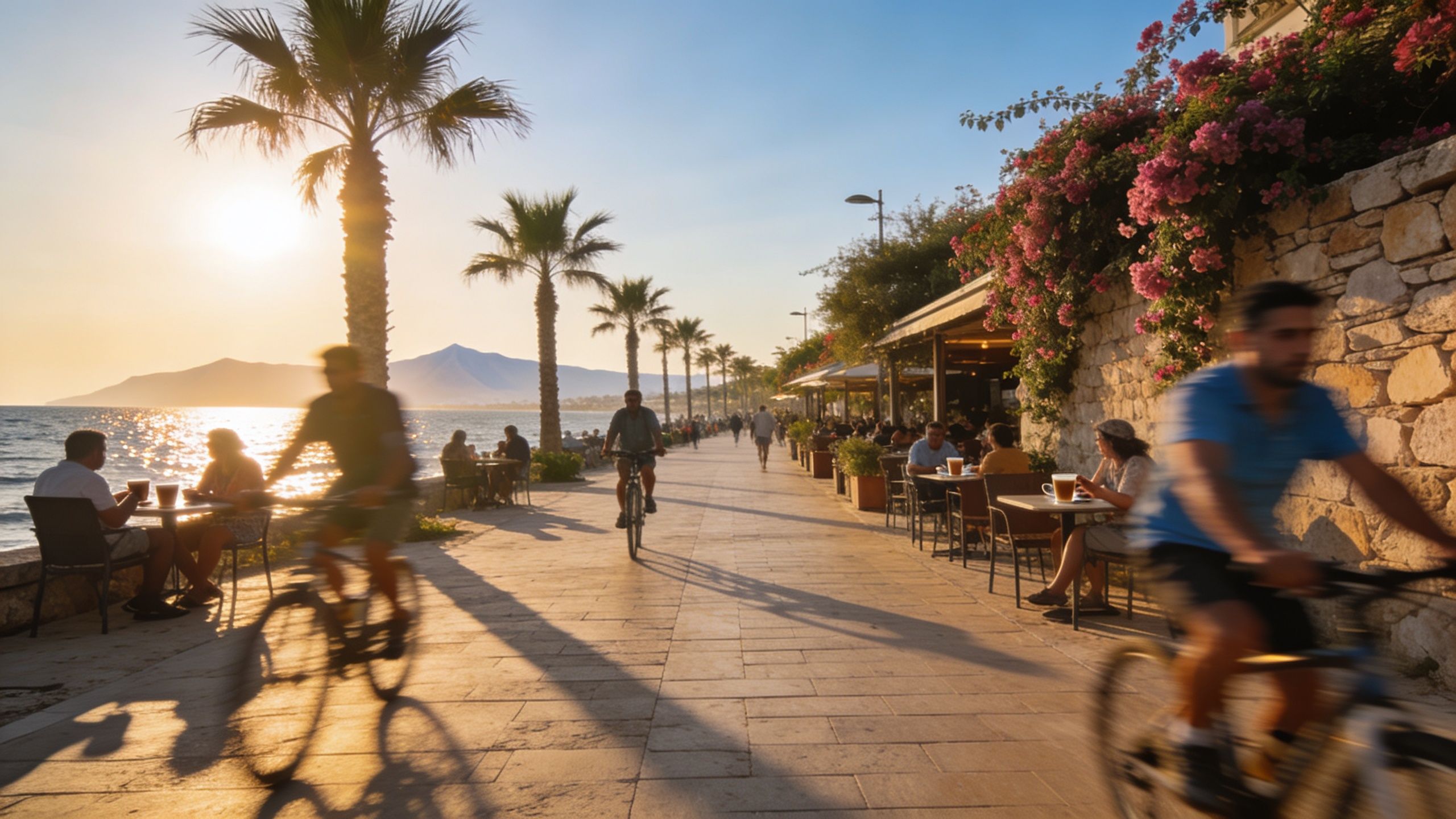
Imagine morning coffee on a tiled terrace in Kato Paphos, bougainvillea brushing your shoulder, with the sea a slow, sapphire presence below. That warmth — the light, the olive groves, the market banter in Nicosia — is what draws people here. But if you arrive only armed with sun-kissed daydreams, the realities of seasonality, neighbourhood rhythms and Cyprus's particular sustainability advantages will surprise you. Start here: a sensory invitation and a pragmatic map, stitched together so your move is as restorative as the place itself.
Living the Cyprus Lifestyle
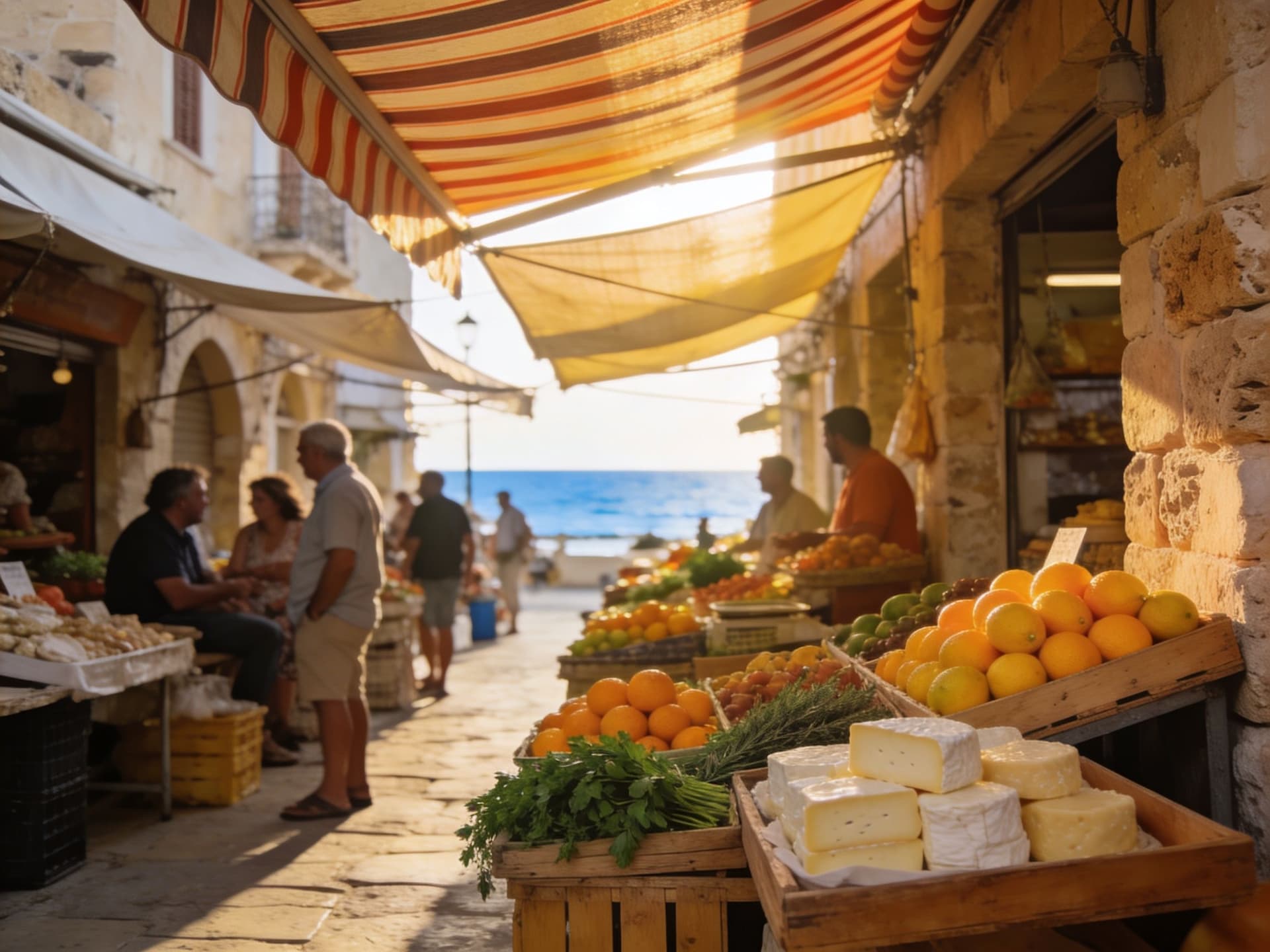
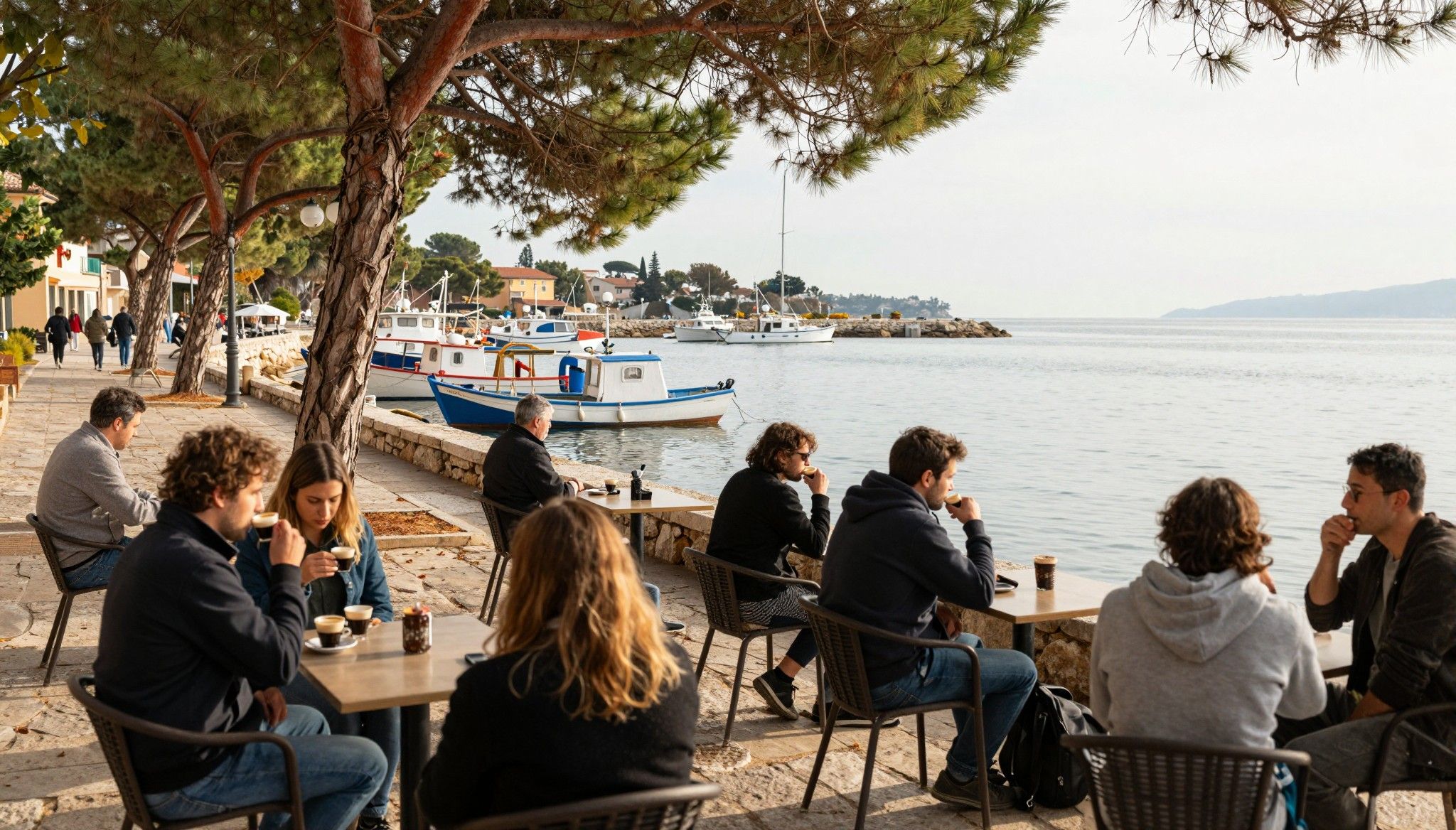
Cyprus feels like a small country that knows how to live. Days move from early walks in pine‑scented Troodos mornings to slow dinners by the seafront in Limassol. The rhythm is both seasonal and local: beaches bustle in August, harvests pull people inland in autumn and spring is when villages breathe again. Living here means expecting an outdoor life, neighbourhood markets, and a built environment that mixes limestone cottages with contemporary, sun-facing apartments. Recent data show modest, regionally varied price growth — an important backdrop to planning when and where you search. (See Q1 2025 HPI.)
Neighbourhoods with character
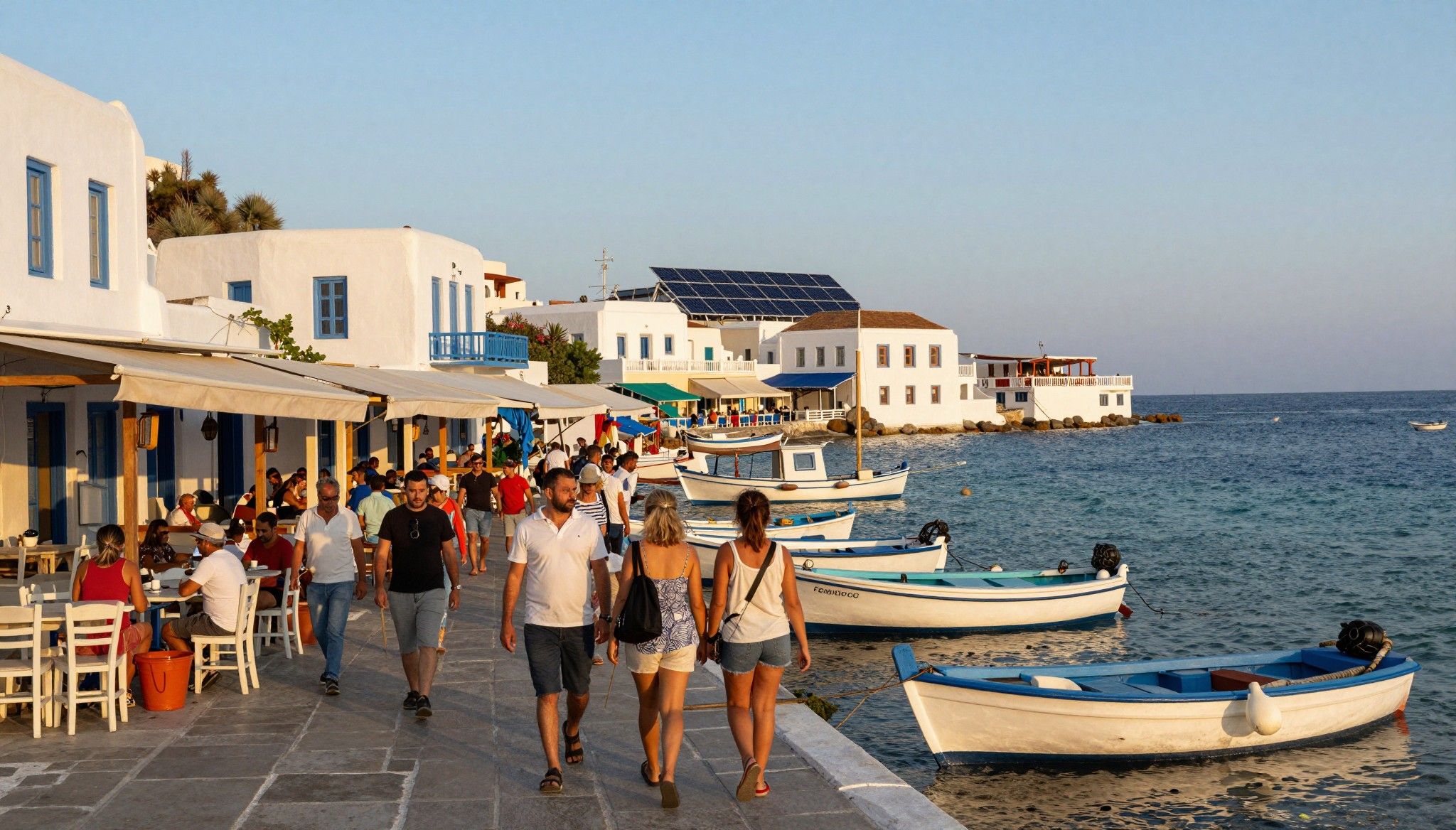
Limassol’s coastal promenade hums with cafés and yachts, pulling a luxury crowd and commanding higher per‑square‑metre prices. Paphos still carries a village-by-the-sea intimacy — try Kato Paphos for ruins and cafes or Peyia for olive-scented evenings. Larnaca mixes a working-port mood with a growing restaurant scene around Zenon Street. Nicosia feels city‑quiet: cedar trees, narrow streets, renovated townhouses. Each district has its own ecology of life and prices, so match the day-to-day texture you crave with the parts of town that actually live that way.
Food, markets and small rituals
Picture Saturday mornings at Omodos or the Municipal Market in Larnaca — figs, halloumi tucked into paper, a fisherman’s story. Meze is social currency here; a table becomes a slow, communal project. Seasonal rituals matter: citrus blossom in spring perfumes village lanes, and autumn brings grape harvests and festivals. These rhythms shape which homes feel alive to you — terraces for alfresco meals, gardens for potted citrus, kitchens with space for communal cooking.
- Lifestyle highlights to look for
- Limassol promenade cafes and evening passeggiata
- Kato Paphos archaeological park and slow seaside dinners
- Larnaca’s Zenon Street food scene and weekly fish market
- Troodos mountain trails and village marketplaces in spring
Making the Move: Practical Considerations
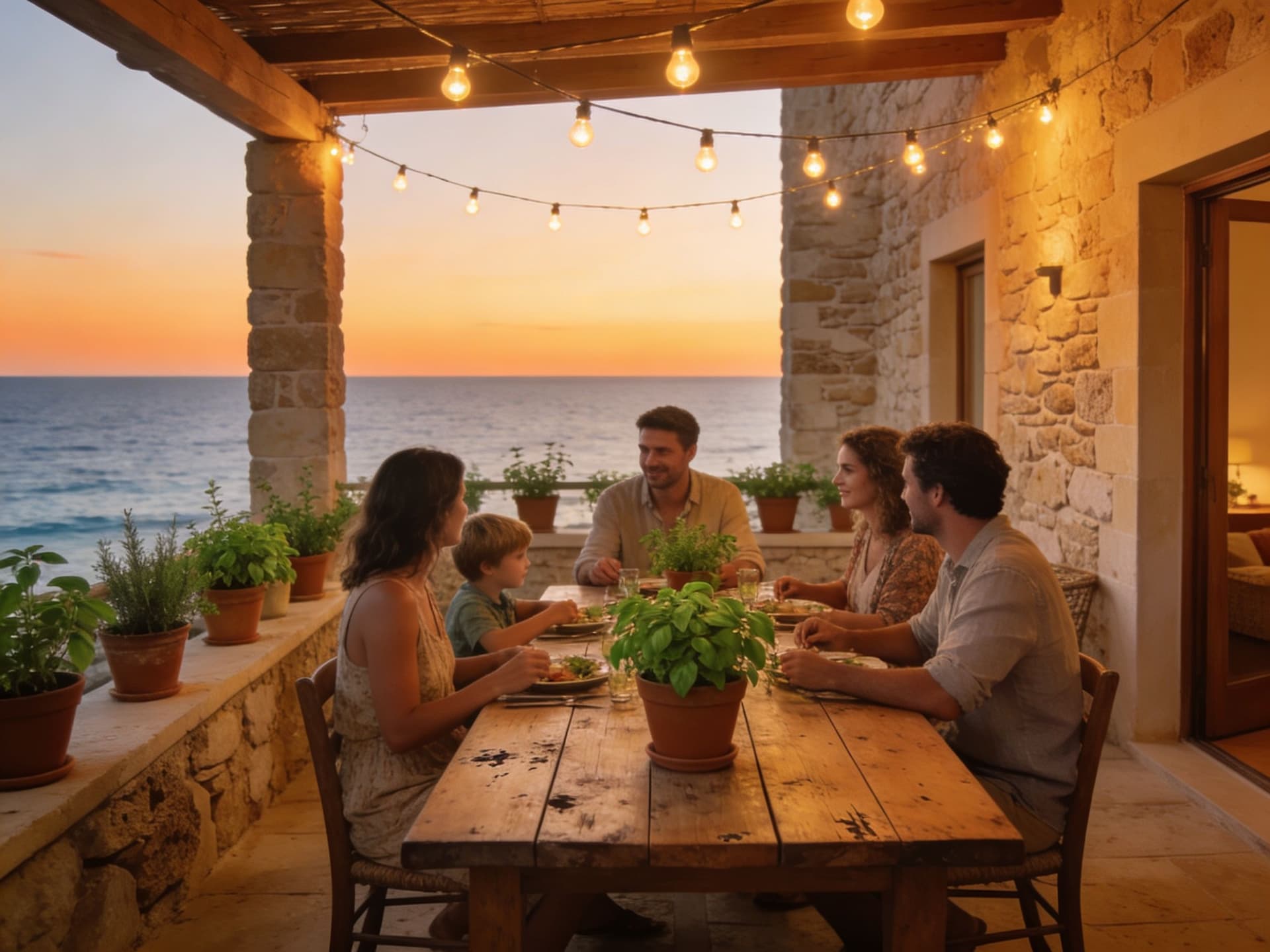
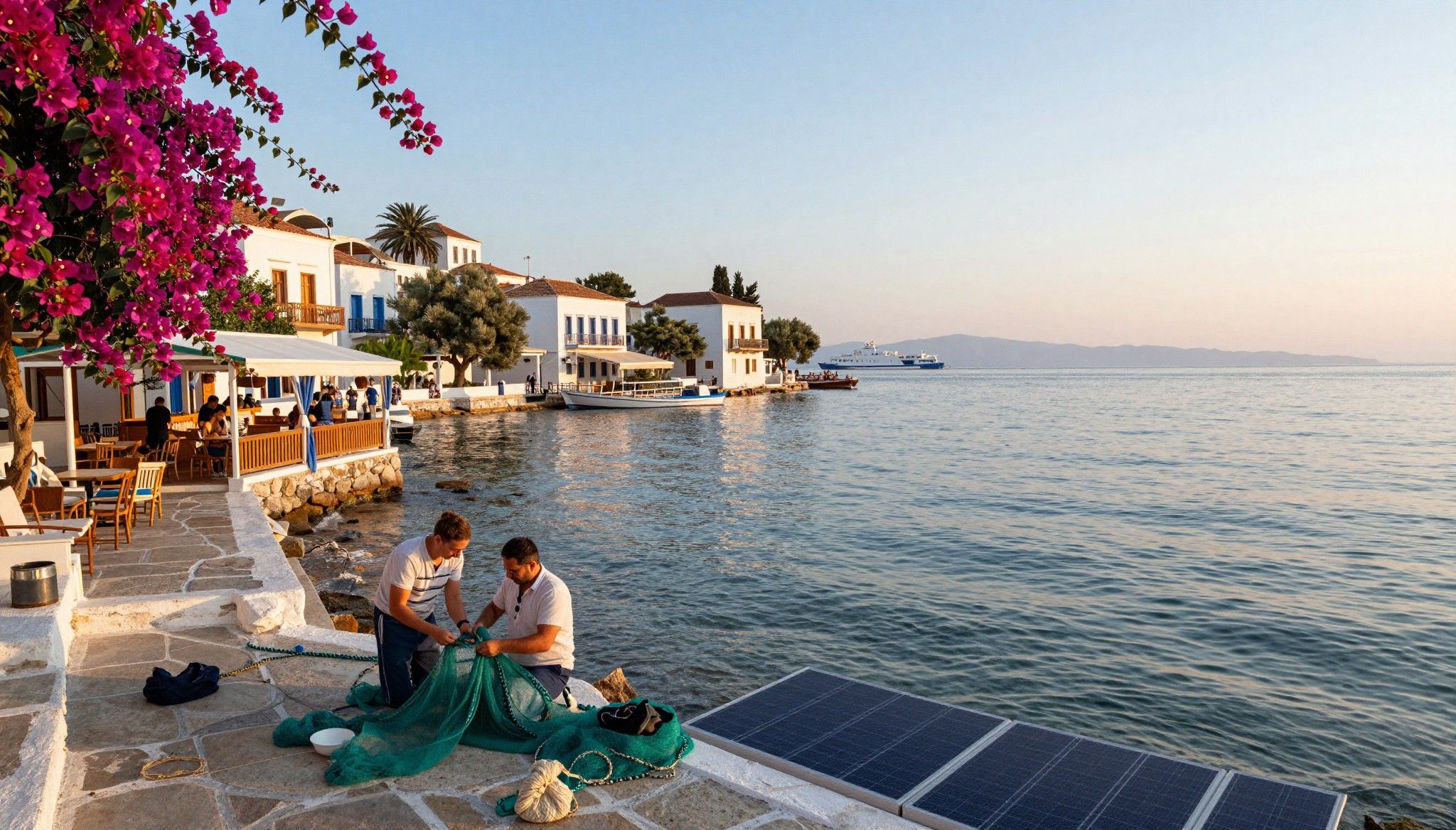
Turning affection into a purchase means reading Cyprus’s market texture. Transaction value was strong in 2024, concentrated in Limassol, though foreign buyer patterns are shifting toward pockets of value in Larnaca and Paphos. Use these trends to time your search: if you want headroom for value growth, look where demand is building rather than where prices have already peaked. Also, Cyprus’s long tradition of rooftop solar water heating and growing renewable integration means you can prioritise homes already adapted to the climate.
Property types and lifestyle fit
Seaside apartments offer easy living and walkable cafés but can be smaller on outdoor space. Stone village houses in the foothills reward patience — thicker walls, cooler summers and gardens where you can grow olives or citrus. New builds give solar-ready roofs and better insulation; older homes reward with thick lime-stone walls and character but may need retrofit work. Think about the life you want: morning market runs, an herb garden, long terraces for evening meals — then choose the property type that enables that routine.
Working with local experts
A green-minded agent is more than a sales intermediary here: they are cultural translators, shepherds for permits, and a source of local trade contacts who understand how to retrofit for energy efficiency. Seek agencies with on‑island project managers, knowledge of village microclimates, and proven links to architects who use local stone and passive cooling techniques. Ask for references from recent expat clients and examples of properties where solar and water-saving features were integrated.
- Steps that blend lifestyle and practicality
- Pick three micro-locations that match daily rhythms (beach mornings, mountain weekends, market runs).
- Visit each in different seasons (spring and autumn reveal true neighbourhood life).
- Request energy and water‑use history for the home; prioritise solar thermal or PV-ready roofs.
- Hire a local surveyor who understands masonry and moisture issues in older stone homes.
Insider Knowledge: What Expats Wish They'd Known
Real talk from people who have lived here: Cyprus is a place where simple technologies — like solar thermal water heaters — become part of daily life. Many homeowners never think they’ll need a big heating system because stone houses stay cool in summer and solar makes hot water effectively free. That familiarity with low-tech, high-impact sustainability is something buyers underestimate until they live with it.
Cultural cues that shape community life
Language is easy to pick up in pockets — English is widely spoken in coastal towns and among business owners. Yet the deeper currency is participation: attend a feast (panigiri), volunteer at a local olive harvest, or join the village coffee circle. Those rituals make neighbours more helpful when you need a local plumber or advice about planning permissions.
Longer‑term lifestyle and stewardship
Think beyond purchase: properties that embrace passive shading, cisterns for rainwater, native gardens and solar water heating age better in Cyprus. The island is expanding renewable infrastructure and interconnection projects that will reduce energy isolation; buying with resilience in mind today—good envelope insulation, PV readiness—protects your comfort and running costs tomorrow.
- Red flags and real checks
- Poor ventilation in older houses (look for mould stains and ask about damp-proofing).
- Rooftops unsuited to solar (orientation, shade from new taller neighbours).
- Properties in tourist-zoned strips that restrict permanent residency or year-round use.
By bringing lifestyle priorities — morning markets, year-round outdoor space, low‑tech solar benefits — into the checklist, you avoid buying a postcard and instead buy into a living pattern. Use local agents as scouts for cultural fit, and ask them for homes that already show evidence of low-impact living.
Next steps: plan two trips (one exploratory, one decision), request seasonal utility records, and begin conversations with an agent who can show you homes by how they feel at dawn and dusk, not just by square metres. If you want help picking neighbourhoods that match a garden, market and sea rhythm, we can introduce you to local, sustainability-first agencies who know the island’s quieter rhythms.
Danish relocation specialist who moved from Copenhagen to the Algarve; supports families with seamless transitions, local partnerships, and mindful purchases.