The Adriatic House No One Thinks To Buy
Fall in love with Croatia’s daily rhythms—then protect them with season-aware due diligence, local expertise and sustainability-minded checks.
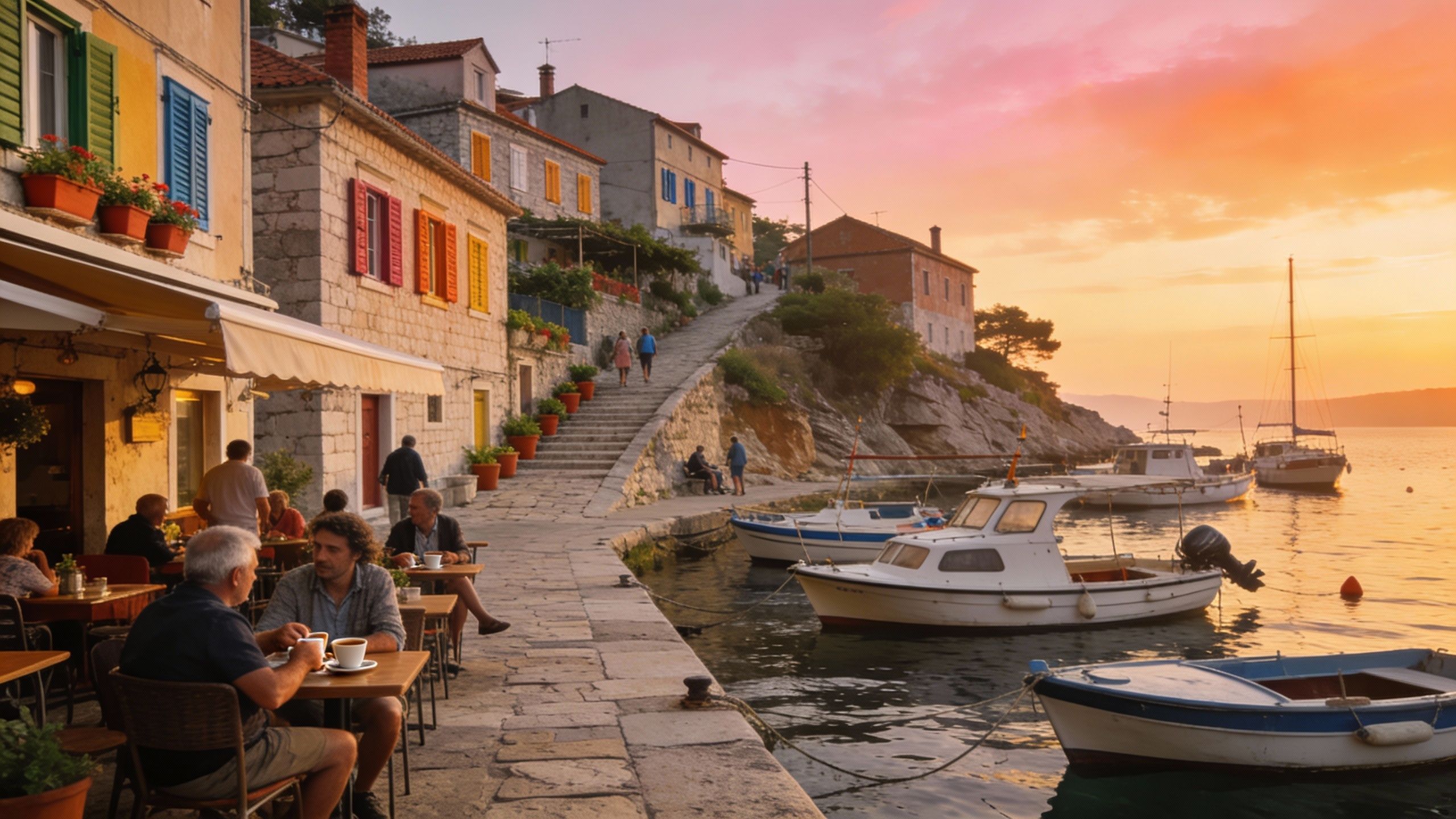
Imagine waking to the smell of roasted coffee on Tkalčićeva, then crossing to a sun-warmed stone quay for a swim before noon — that everyday ease is Croatia. Recent market analysis suggests prices are rising, but the real story for buyers is about seasons, community and the small choices that shape a sustainable life here.
Living the Croatian Lifestyle
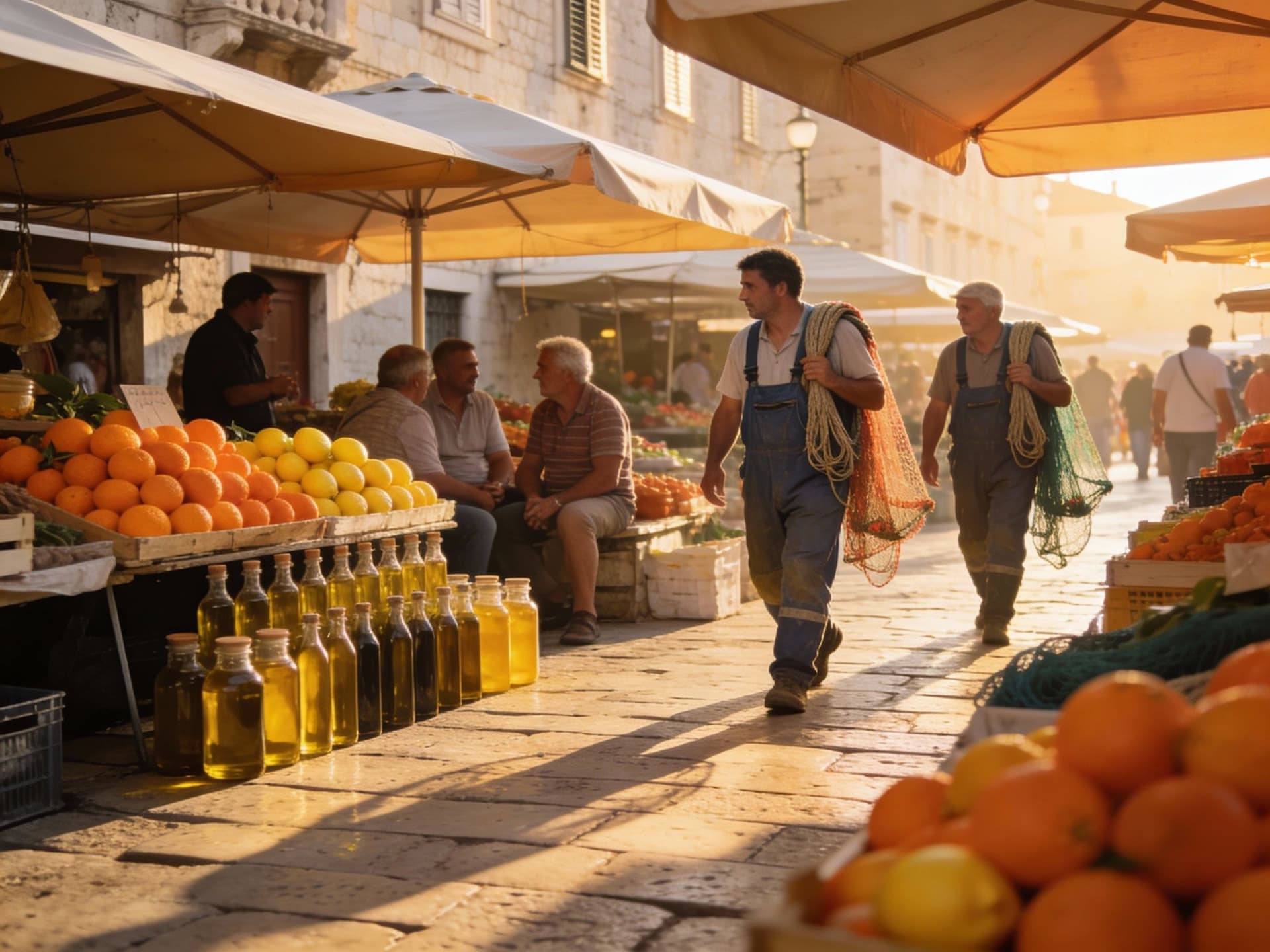
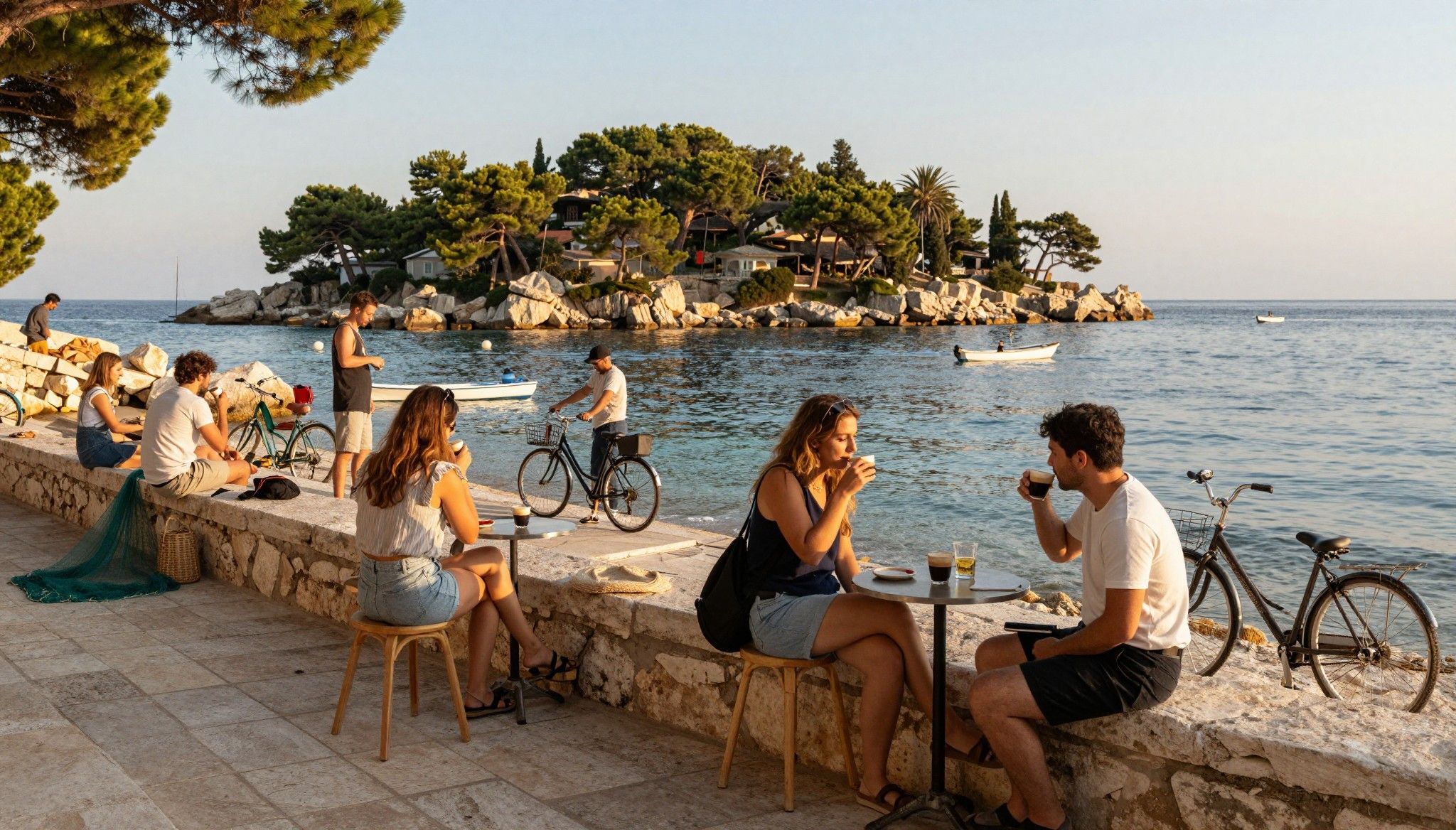
Croatia is a patchwork of Adriatic stone towns, olive-scented hinterlands and a quietly efficient capital. Mornings in Split are about markets at Pazar and espresso at Brasserie on Poljana; evenings in Istria mean truffle dinners and low-traffic lanes. The rhythm here favors slow lunches, sea swims, and strong neighbourhood ties—so when you buy, think about how your day will actually unfold.
Coastal towns: Split, Hvar, Dubrovnik
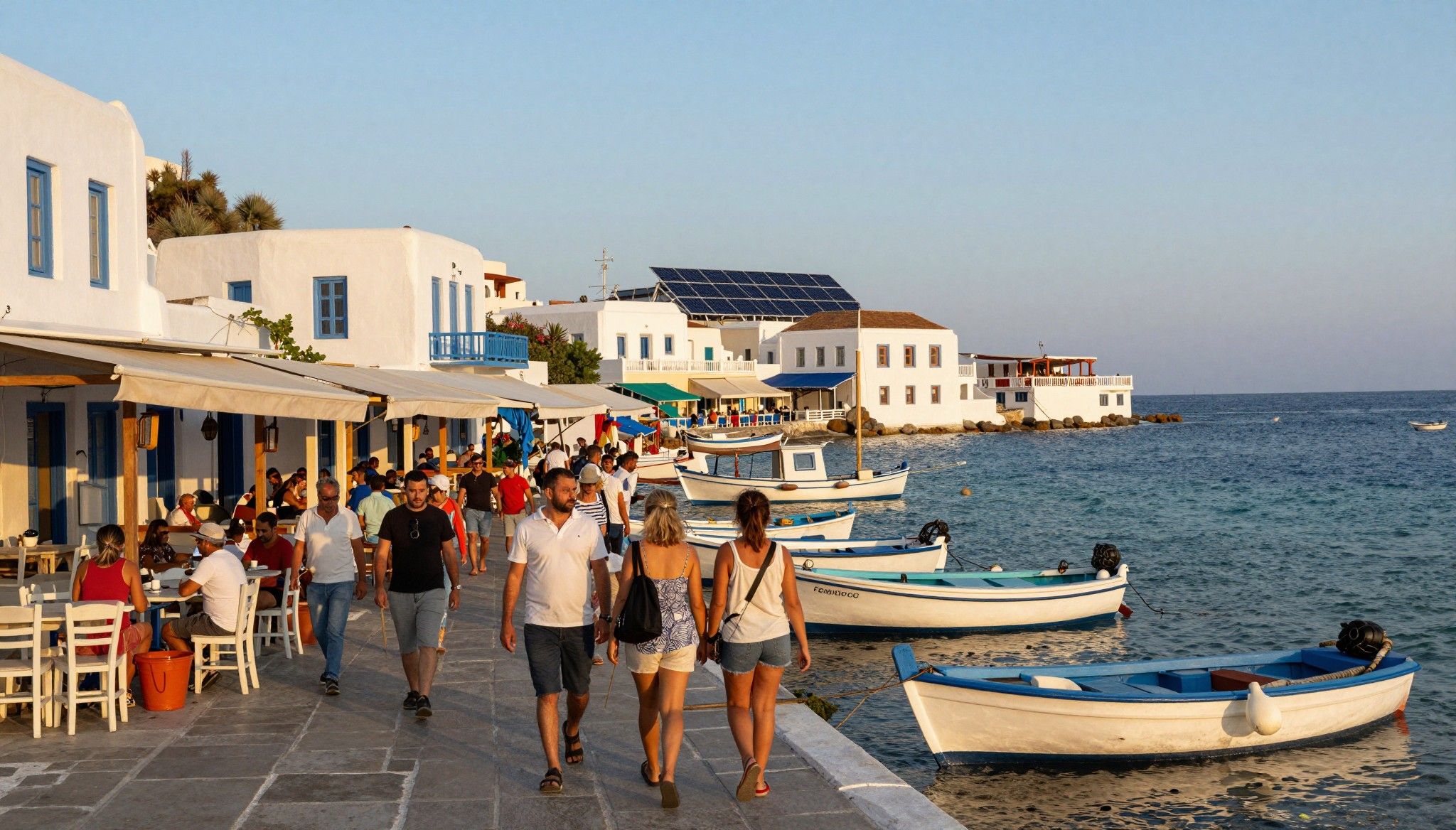
On the coast you live between marinas and medieval streets. Split’s Riva buzzes with ferry traffic and cafés; Hvar’s harbour lights can feel cinematic; Dubrovnik’s Old Town hums with history and heavy tourism in summer. Small details matter: a shady courtyard, window shutters, and a cistern or water tank for drought months make coastal living comfortable and resilient.
Inland and islands: Istria, Zadar, islands’ villages
Istria offers rolling vineyards, weekend markets in Motovun, and truffle-rich forests; Zadar’s sunsets and Roman ruins give a quieter coastal cadence. On smaller islands, you trade convenience for tranquility: mains water and reliable deliveries can be seasonal, so think storage, solar power, and local provisioning when imagining life there.
- Lifestyle highlights: Tkalčićeva cafés (Zagreb), Diocletian’s Palace mornings (Split), Green Market shopping (Zagreb), Zlatni Rat beach day trips (Brač), Motovun truffle walks (Istria), Ferry-side aperitifs (Hvar).
Making the Move: Practical Considerations
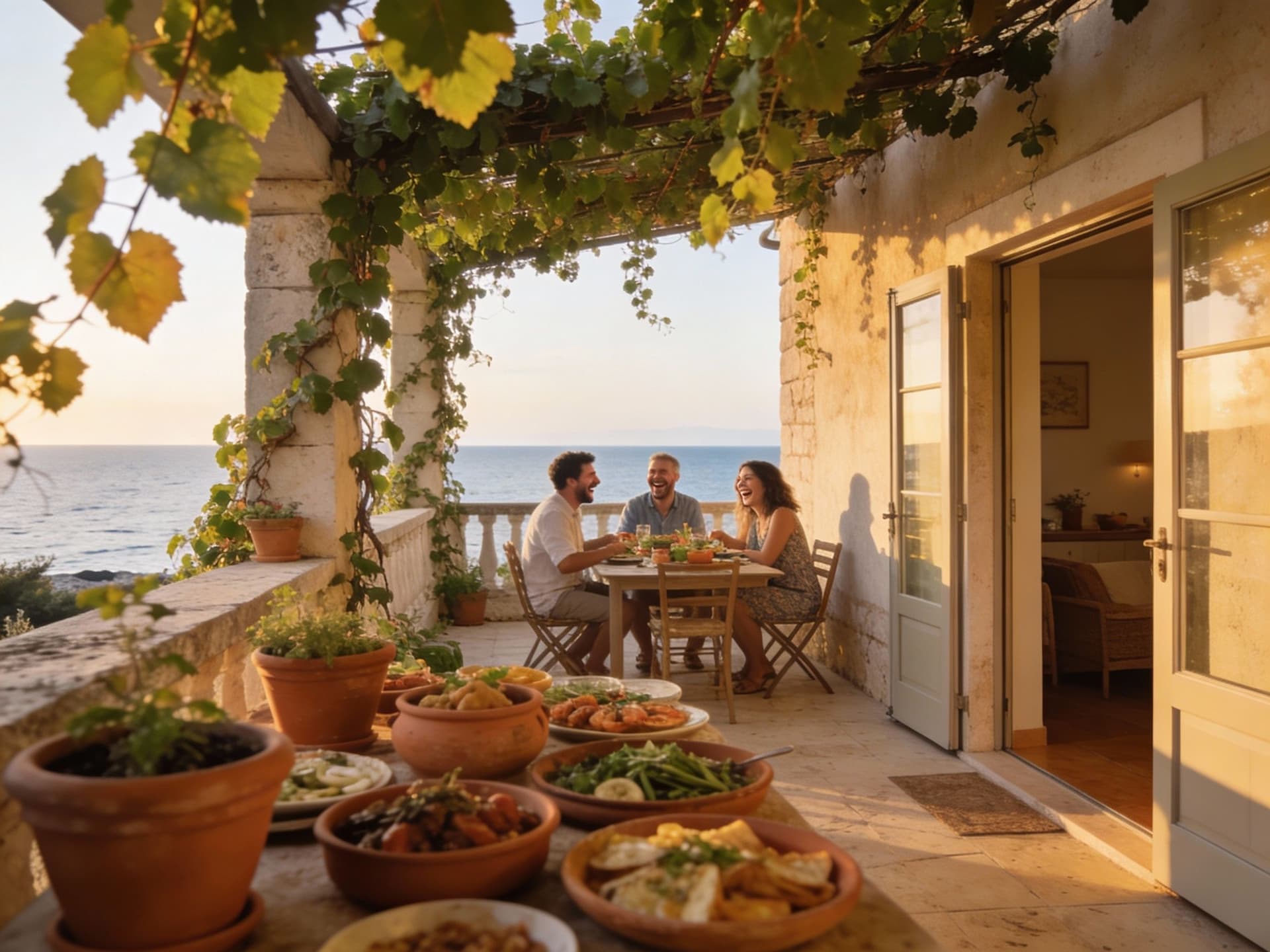
Dreams meet detail when you start paperwork. National statistics show a steady rise in house prices across regions; coastal and urban areas have pushed hardest. That influences where buyers find value — inland villages and lesser-known islands often offer lower entry prices but different trade-offs in services and seasonality.
Property types & how they shape daily life
A stone house with thick walls and wooden shutters cools naturally in summer and needs careful insulation for winter; a modern apartment gives year-round convenience but may lack a garden. For eco-minded buyers, look for passive features — shade, thermal mass, south-facing glazing — and consider solar-ready roofs and rainwater capture as everyday comforts, not add-ons.
Working with local experts who understand the lifestyle
A local agency fluent in permits, coastal setbacks and microclimate realities saves weeks — and sometimes thousands — during due diligence. Choose agents who can introduce you to neighbours, local builders, and municipal clerks; those personal connections reveal history: flood-prone lanes, permit quirks, or hidden easements that never appear on listings.
- Practical steps blending lifestyle and process: 1) Visit across seasons to test noise, ferry schedules and services. 2) Ask sellers about water supply, septic vs sewer, and winter access. 3) Commission a local structural and moisture survey focused on stonework. 4) Check municipal coastal plans for setback rules and future developments. 5) Verify utility capacity if you plan solar or heat pumps. 6) Meet neighbours—community integration matters more than a glossy terrace view.
Insider Knowledge: What Expats Wish They’d Known
We hear the same refrains from buyers who move here: fall in love with a view, but fall in with a community first. Summer can be intoxicating — narrow streets filled with life — but winter reveals the household logistics: heating costs, fewer ferries, and quiet towns. Plan for the full year before signing.
Cultural integration, language, and everyday etiquette
Croatians prize directness and hospitality. Learning basic Croatian phrases opens doors; regular market visits and café habits build local trust. Respect local rhythms—long lunches, Sunday family time—and the occasional bureaucratic patience needed for permits. That social capital eases renovations and long-term stewardship.
Long-term stewardship: sustainability as lifestyle
Think regenerative upkeep: olive tree pruning, native planting to reduce irrigation, and small-scale solar reduce monthly costs and root you in place. Choose materials that age gracefully — local stone, reclaimed wood — and build systems that let you live lightly while celebrating the landscape.
- Red flags and practical checks before you bid: • Missing building permits for extensions or terraces • Unclear land registry (cadastre) entries or disputed boundaries • Properties sold with informal tenant arrangements (holiday lets) • No local contact for seasonal maintenance • Fragile coastal plots with erosion or protected zone restrictions
A short checklist for due diligence that preserves lifestyle: verify title and planning at the local cadastre, check coastal zone maps for setbacks, commission a moisture/structural survey, review neighbour rights of way, and confirm utility capacity for sustainable upgrades. These steps keep the dream intact—and save costly surprises later.
- When to move and why season matters: 1) Late autumn through spring yields calmer viewings and clearer negotiating power. 2) Winter visits reveal heating, access and neighbourhood life off-season. 3) Avoid impulsive summer purchases after enchanted holiday weeks—seasonal illusions can mislead.
Croatia’s coastline and countryside offer a life shaped by sea, olive groves and community rituals. If you crave mornings in a bakery queue and evenings on a stone terrace, buy with that year-round life in mind. Start with local experts who share your sustainability values, visit across seasons, and treat due diligence as a way to protect the rhythm you fell in love with.
Next steps: schedule a multi-season visit, ask a local agent for cadastre and coastal-zone checks, and commission a sustainability-minded surveyor. Small, thoughtful steps lead to a home that feels true to place—and kinder to the land that holds it.
Dutch property strategist who helped 200+ families find sustainable homes in southern Europe; expert in legal pathways and long-term stewardship.