Why Buying Off‑Peak in Croatia Pays—Lifestyle & Paperwork
Fall in love with Croatia’s rhythms, then buy with seasonal smarts: timing, permits and sustainable upgrades shape whether a home enchants or frustrates.
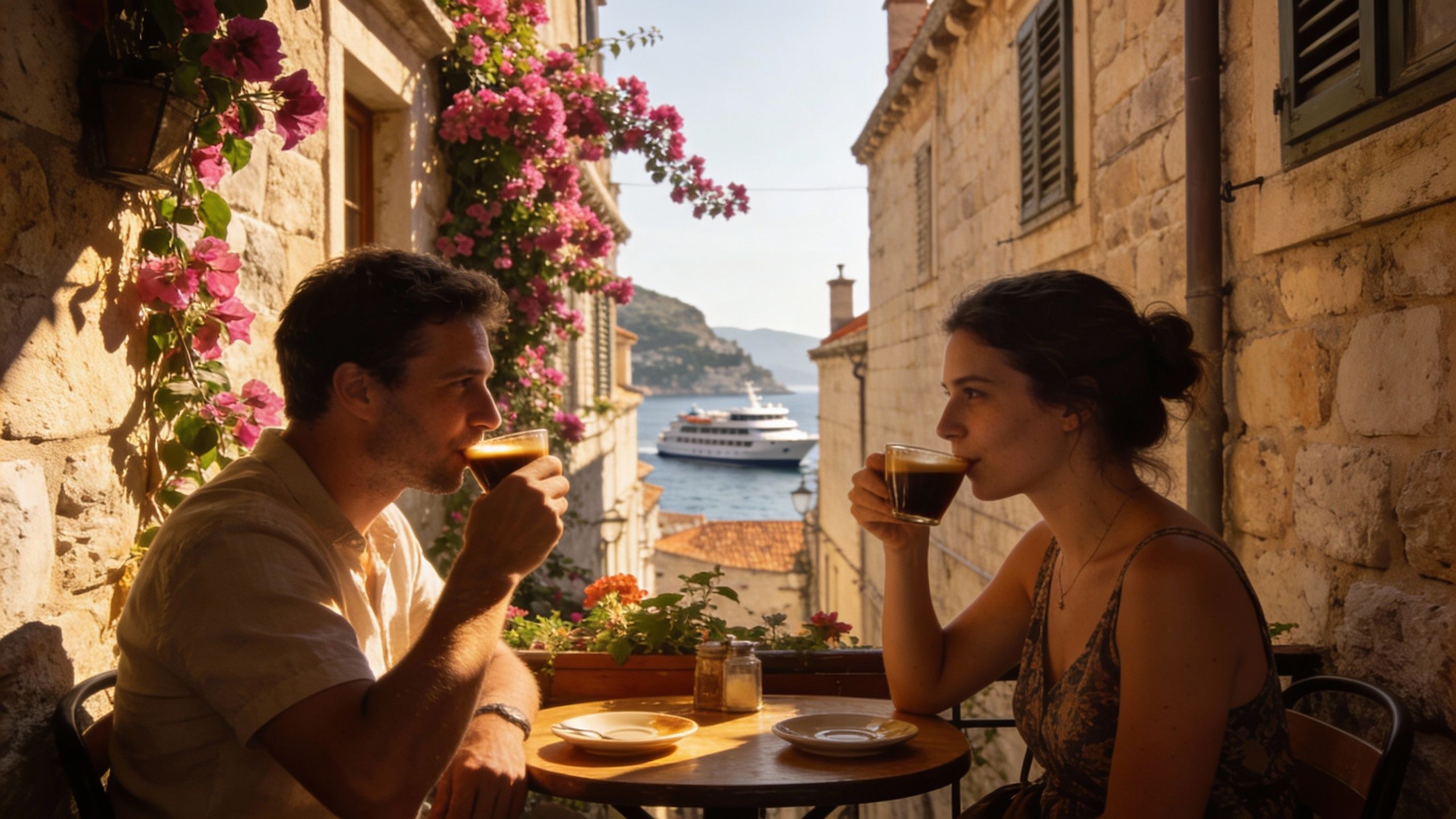
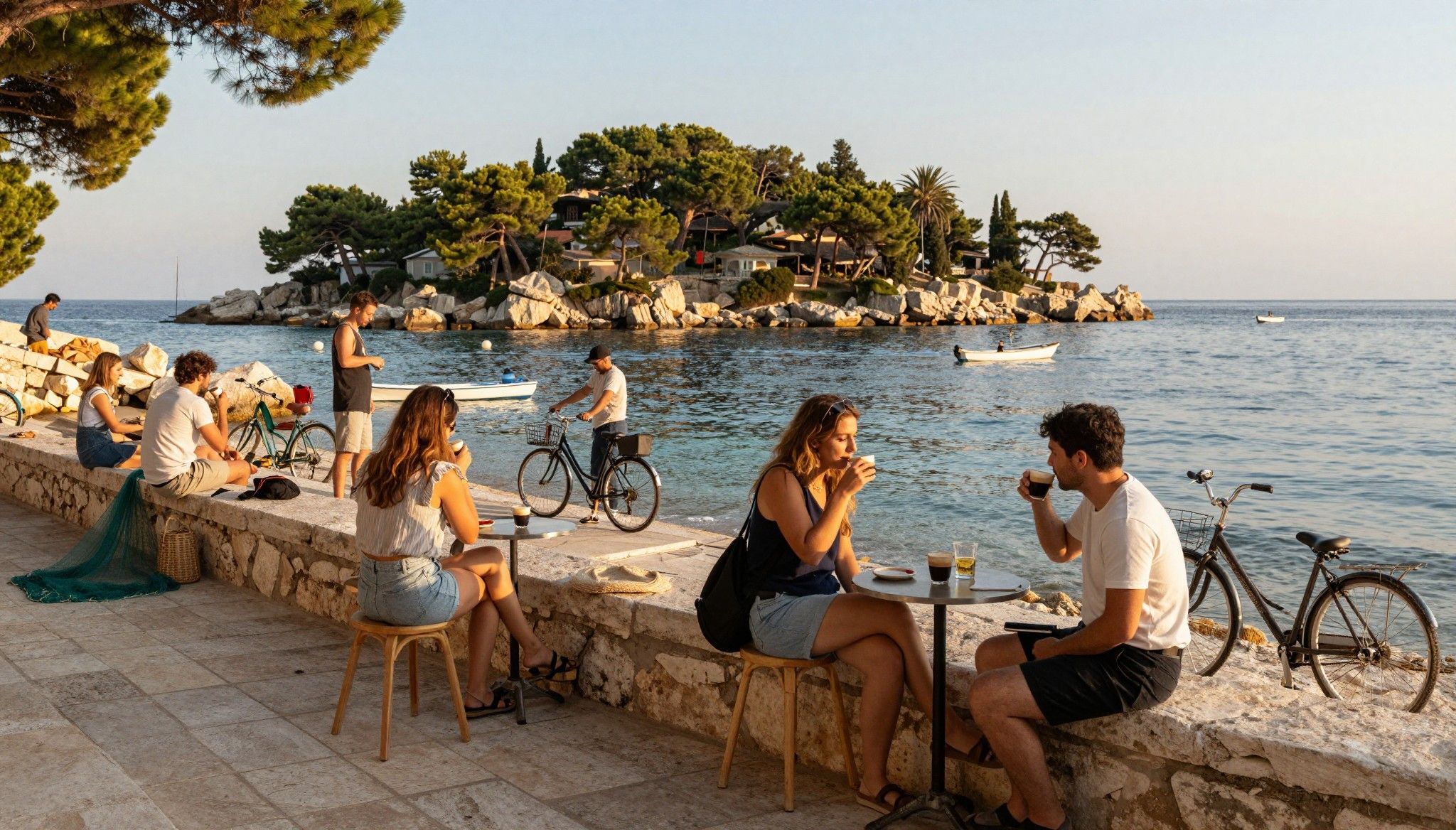
Imagine waking to the smell of roasted beans on Split’s Riva, wandering a farmers’ market in Rovinj with olive oil tasting at 10 a.m., then signing papers for a stone cottage whose roof was rebuilt by a local stonemason. That everyday—slow, sunlit, tactile—is what draws buyers to Croatia. But the dream and the paperwork live in different seasons; knowing which local rhythms shape permits, prices and stewardship is the difference between a house that enchants and one that drains your patience (and wallet).
Living the Croatian life
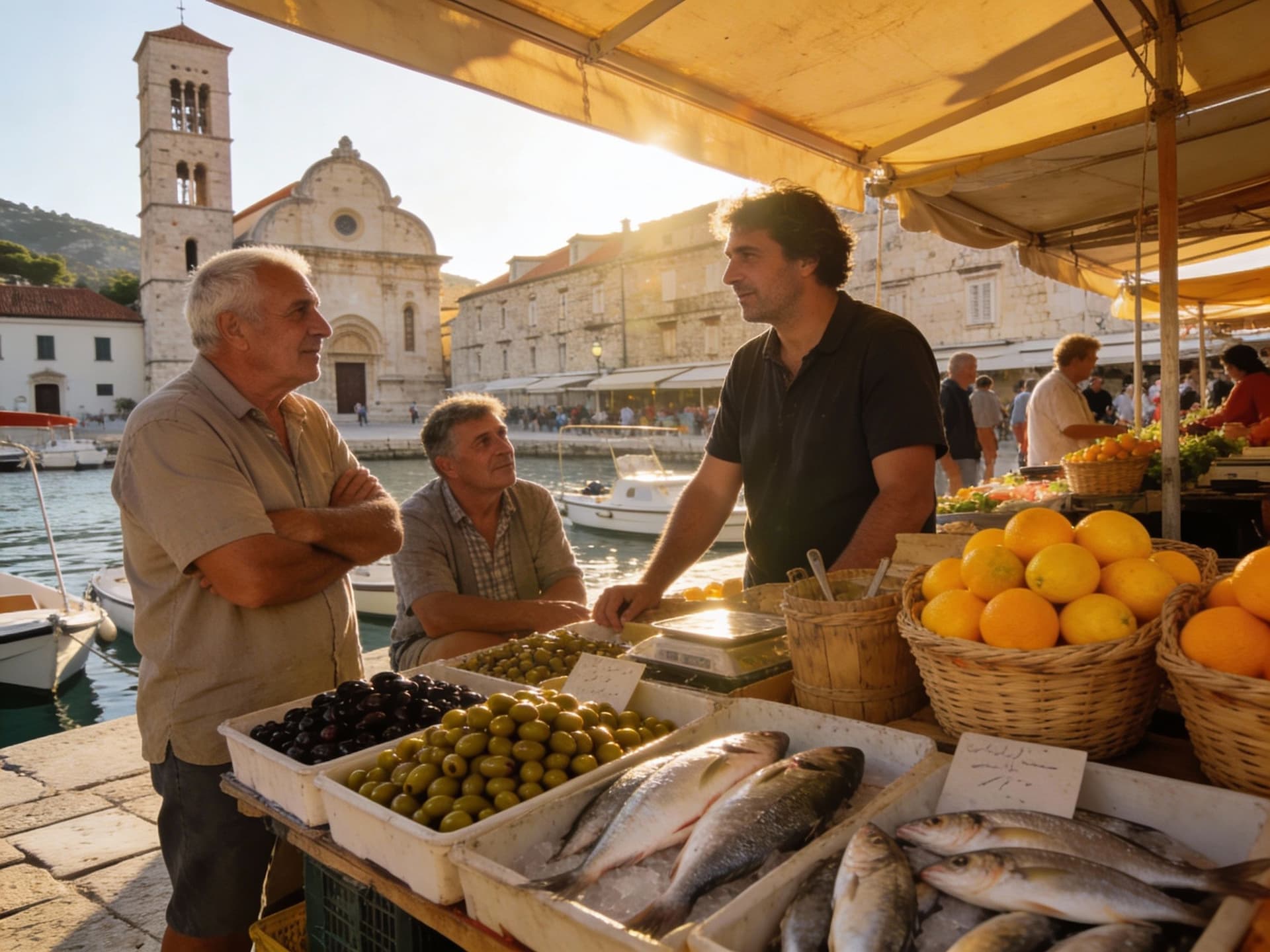
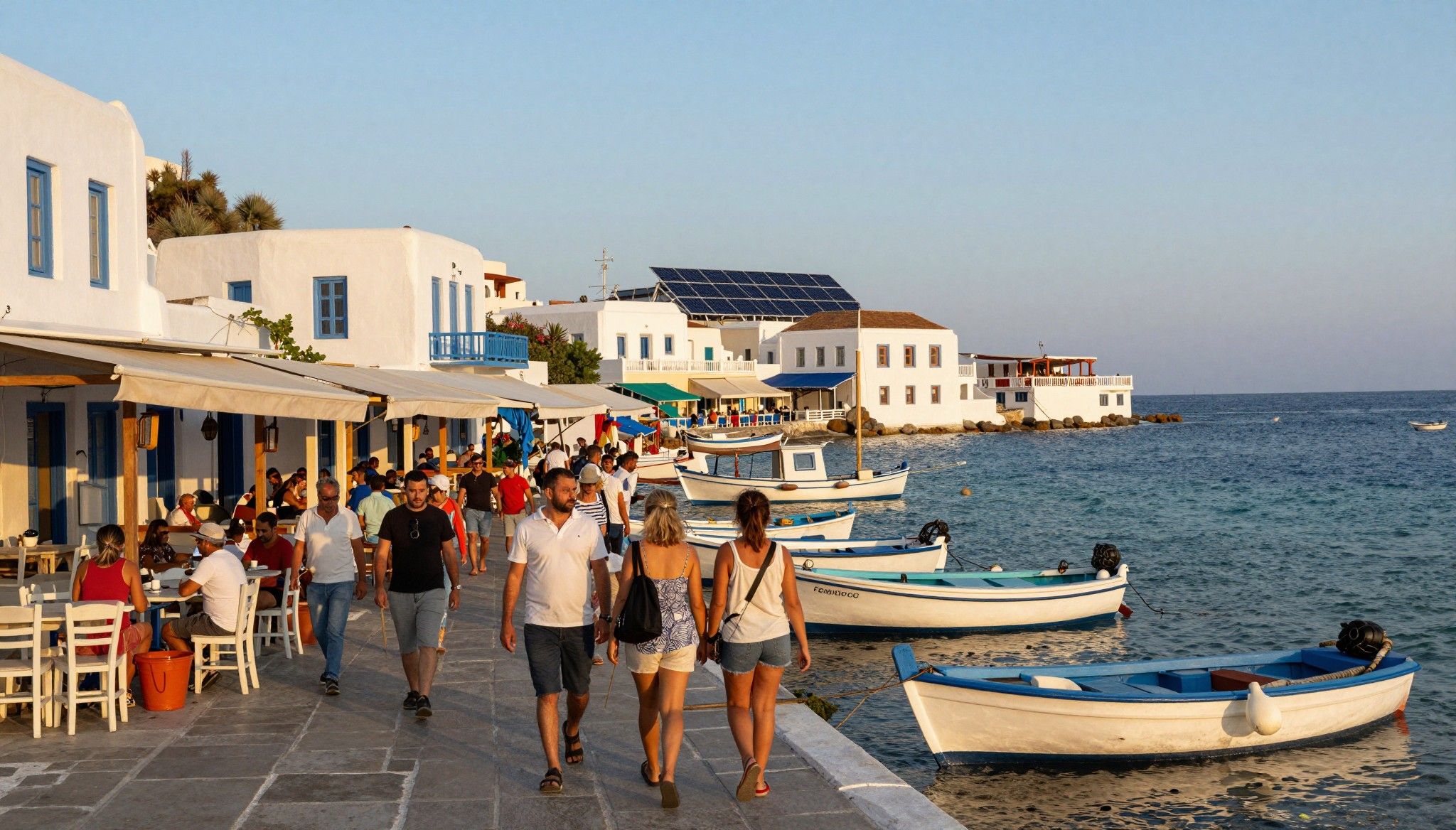
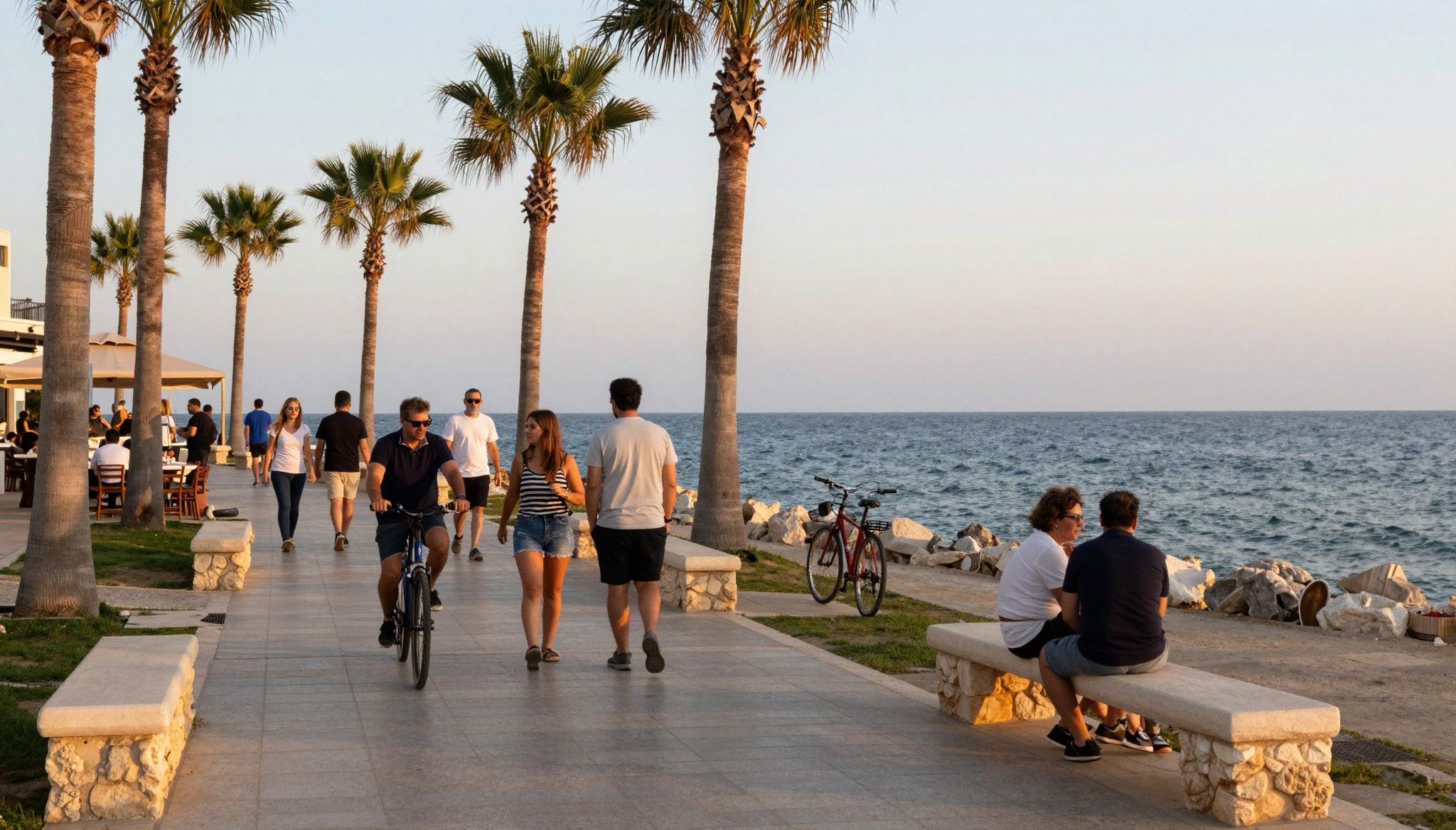
Croatia is stitched of coastal stone towns, pine-scented islands, and quiet inland villages where market day still maps the week. Morning routines vary: in Zagreb it’s espresso and tram chatter, in Hvar a baker’s queue at dawn, in Istria a slow payout of truffle‑hunters returning to tavernas. Seasons shape daily life intensely—August’s coast hums with international crowds, while October to April is when locals reclaim cafés and life returns to measured rhythms. Choosing when to buy means choosing which life you want to step into, and which seasonal stories you’ll tell your neighbours.
Zagreb lanes, Dalmatian riva, Istrian hilltops
Each region wears a different pace. Zagreb’s streets—Tkalčićeva or the leafy paths around Britanski trg—offer city life with parks and galleries; Split’s waterfront and Veli Varos buzz with tavernas and a daily fisherman’s exchange; Istrian hilltops like Motovun promise vineyards and stone houses with thermal mass that cool summer heat. For buyers seeking sustainable living, these microclimates matter: thick stone walls, olive terraces, and south-facing courtyards change energy needs and renovation choices.
Food, markets and community rhythms
Weekends are storytime: fish markets at Split’s Jezera, truffle fairs in Istria, and family picnics under Aleppo pines on Korčula. Local cafés double as community noticeboards; your neighbours will invite you to olive‑oil pressing or a local festa before they invite you to dinner. For sustainability‑minded buyers, this social infrastructure matters—cooperative gardens, community composting, and seasonal food networks reduce the carbon footprint of daily life and influence the kind of property improvements worth investing in.
Making the move: market signals and timing
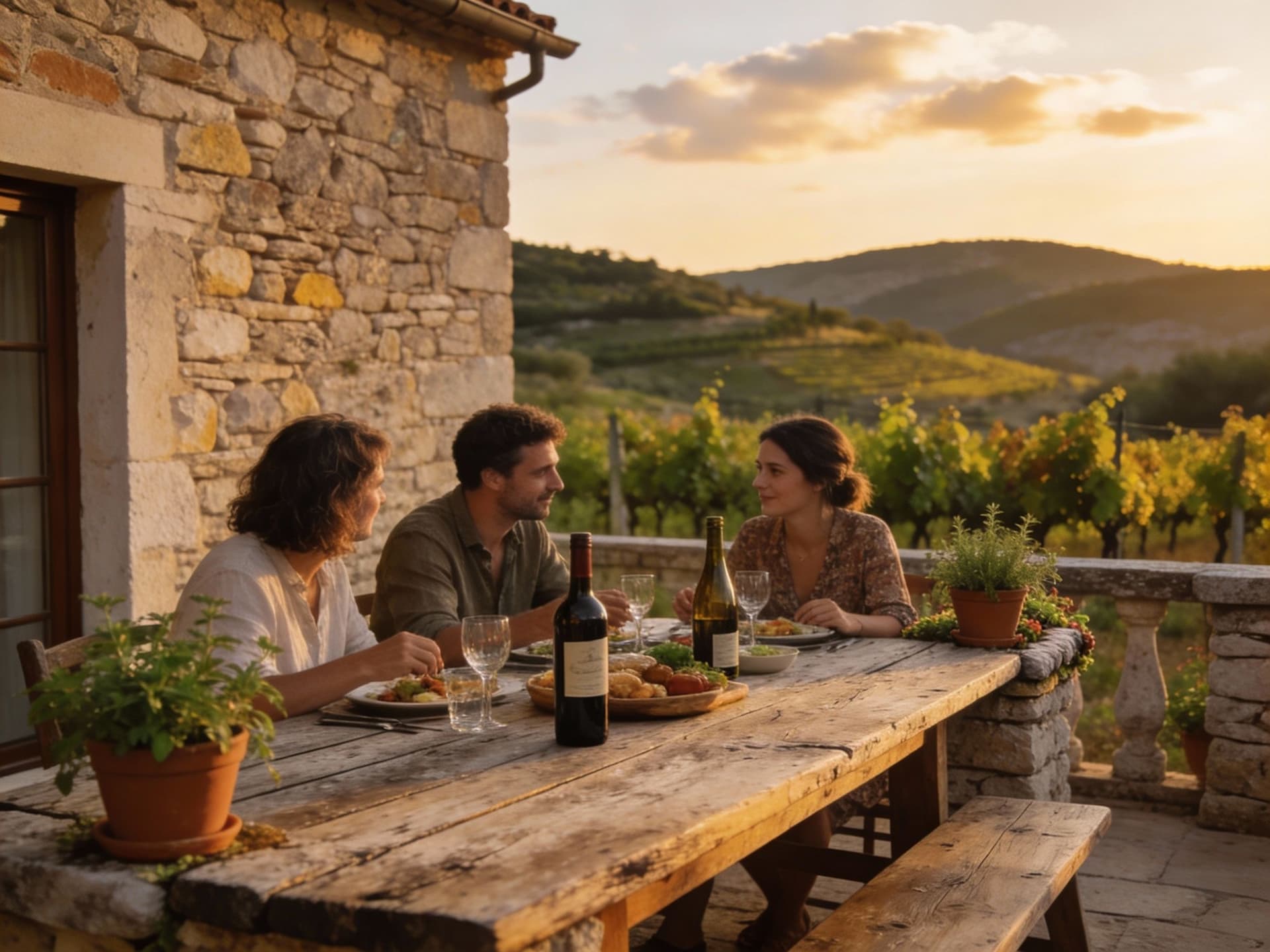
Market data shows strong, regionally uneven price growth: coastal hotspots and Zagreb have seen steeper rises while inland areas remain relatively affordable. The Croatian Bureau of Statistics reports double‑digit year‑on‑year house price increases in recent quarters, driven by limited coastal stock and steady domestic demand. For buyers, that means two practical truths: timing affects price; and seasonal demand (tourist season spikes) can mask the long-term living experience you’ll actually have outside July and August.
Property styles that suit the life you want
Stone houses with thick walls and small windows are brilliant in summer for passive cooling; contemporary coastal apartments often need mechanical cooling but offer views and access. Inland villas give you land for olive trees or a food garden but may require modernised heating for winter months. When you choose a property, map daily life onto built form: if you dream of year‑round living and low running costs, prioritise passive design, solar‑ready roofs and sheltered courtyards over panoramic summer seafront balconies that underperform in winter.
How local experts help you match lifestyle to legal reality
A local agent who knows both the café owners and the municipal planners is invaluable. They’ll flag municipal zoning (coastal protection zones versus urban land), connect you to trusted architects experienced with stone restoration, and warn about permit timelines that lengthen during summer holidays. For sustainable ambitions—solar panels, natural pools, or native planting—your agent should be able to point to examples and the specific local office (općina or grad) handling approvals so you’re not surprised by clauses in contracts.
Insider knowledge: permits, red flags and sustainable wins
Expats often tell the same story: they fell for the light and the market later. The practical hangover comes from underestimated permit waits, unclear title histories in older properties, and municipal coastal restrictions that protect the shoreline. The good news: many of these hurdles are predictable. If you understand zoning layers—coastal protection, cultural heritage listing, and Natura 2000 designations—you can design a purchase and renovation plan that respects local ecology and shortens approval times.
Red flags to spot before you fall in love
- Unclear ownership chains (especially on islands), properties without up‑to‑date utility connections, coastal parcels with pending protection status, renovations done without permits, and promises of 'fast' permissions from sellers.
Steps to make green upgrades legally and sensibly
- 1. Check zoning and heritage restrictions with the municipal planning office; 2. Commission an energy audit to see which passive improvements will save most; 3. Confirm rooftop ownership and solar eligibility before signing; 4. Use local craftsmen for eco‑restoration—stone, lime plaster and reclaimed wood age better and meet local rules; 5. Plan for water management (cisterns, greywater) and confirm local regulations for rainwater harvesting.
These steps keep renovation budgets honest and often shorten permit timelines because authorities prefer upgrades that respect local character and reduce environmental impact.
What expats wish they'd known sooner
Many newcomers say they underestimated the rhythm of seasons and the civic calendar: town halls close for extended summer holidays, lawyers are busier in autumn, and island ferry timetables tighten winter maintenance windows. Learning a few Croatian phrases, joining a local volunteer olive‑harvest or market day, and showing respect for local craft traditions opens doors and accelerates approvals in small communities. Practical kindness—buying from local suppliers, hiring local tradespeople—won’t just be culturally right; it often speeds work and builds goodwill when permits are considered.
Long-term life: stewardship over speculation
If you plan to make Croatia your long home, think in regenerative cycles: plant native hedges to reduce irrigation, invest in proper insulation to lower winter heating, and choose materials that age gracefully in a maritime climate. These choices increase comfort, reduce bills, and deepen your ties with place. They also make your property more attractive to like‑minded neighbors and visitors—those are the people who ultimately preserve the character of your community.
Conclusion: The practical next steps
Fall in love with the light, then do the homework. Start by asking an agent for recent local sales (not just summer listings), obtain zoning printouts from the relevant općina, and commission a small ecological appraisal focused on water and solar potential. If you want to protect both the place and your investment, favour properties where sustainable upgrades are practicable and permitted. When you’re ready, local experts who care about stewardship will help you turn that market‑data paragraph into a lived‑in house that feels like it has always belonged on its plot of land.
Danish relocation specialist who moved from Copenhagen to the Algarve; supports families with seamless transitions, local partnerships, and mindful purchases.