Greece’s Verdant Coasts: Lifestyle Trade‑Offs & Moves
From pine‑scented lanes to Ionian coves: how Greece’s coastal‑forest regions trade off lifestyle, renewables and seasonal reality — and what to check before you buy.
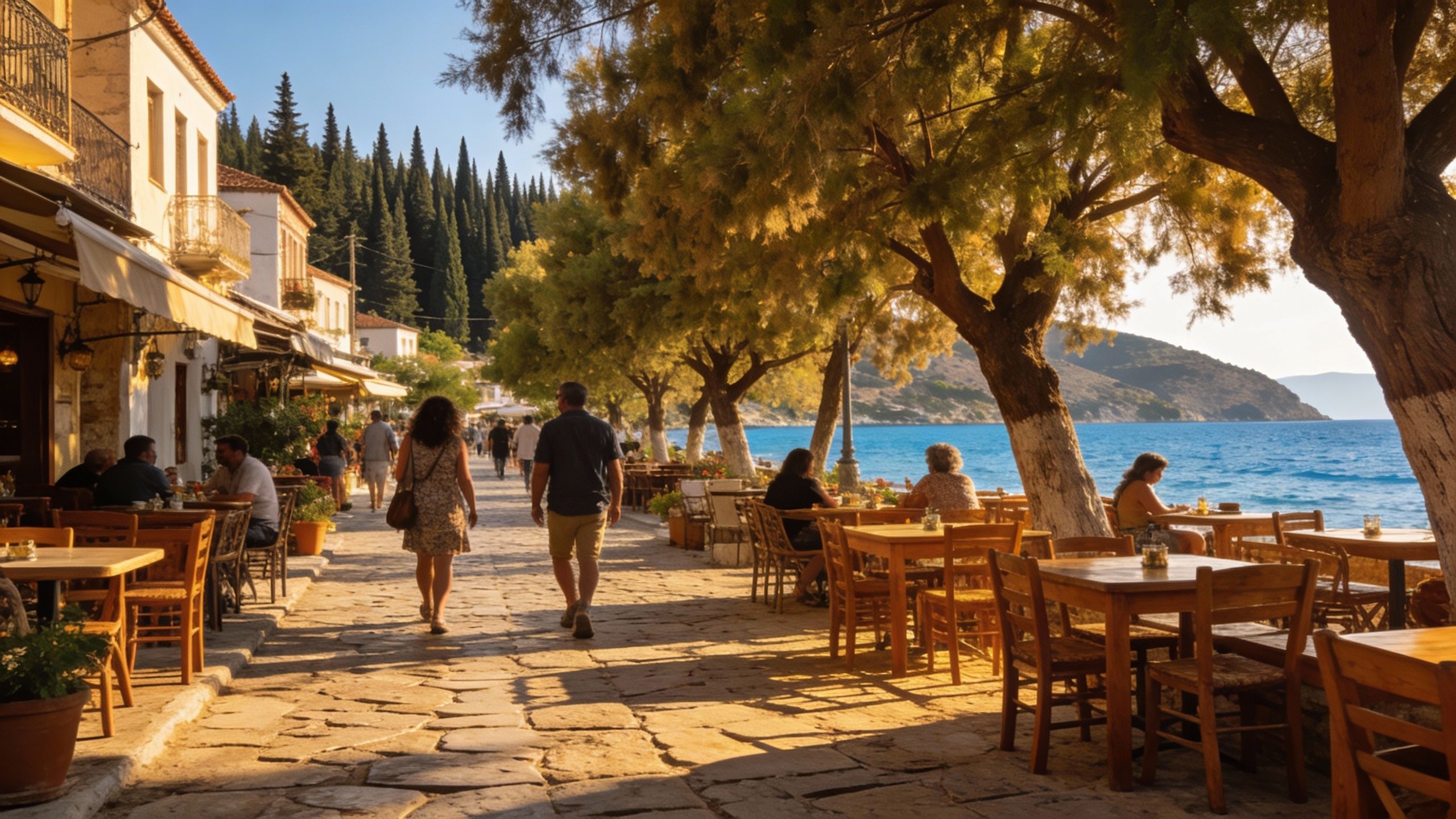
Imagine a morning in Greece where you step out onto a stone terrace shaded by olive trees, hear waves far below, and smell fresh bread from the neighbourhood bakery. In many coastal-forest corners of the country that vision is everyday life: figs drying on terracotta, children biking down laneways, and neighbours swapping market catches. Yet behind this bucolic rhythm lie real trade-offs for buyers who want both green living and coastal access — from how homes manage sun and wind to how local rules shape rentals and renovations.
Living the Greece that feels like a slow film
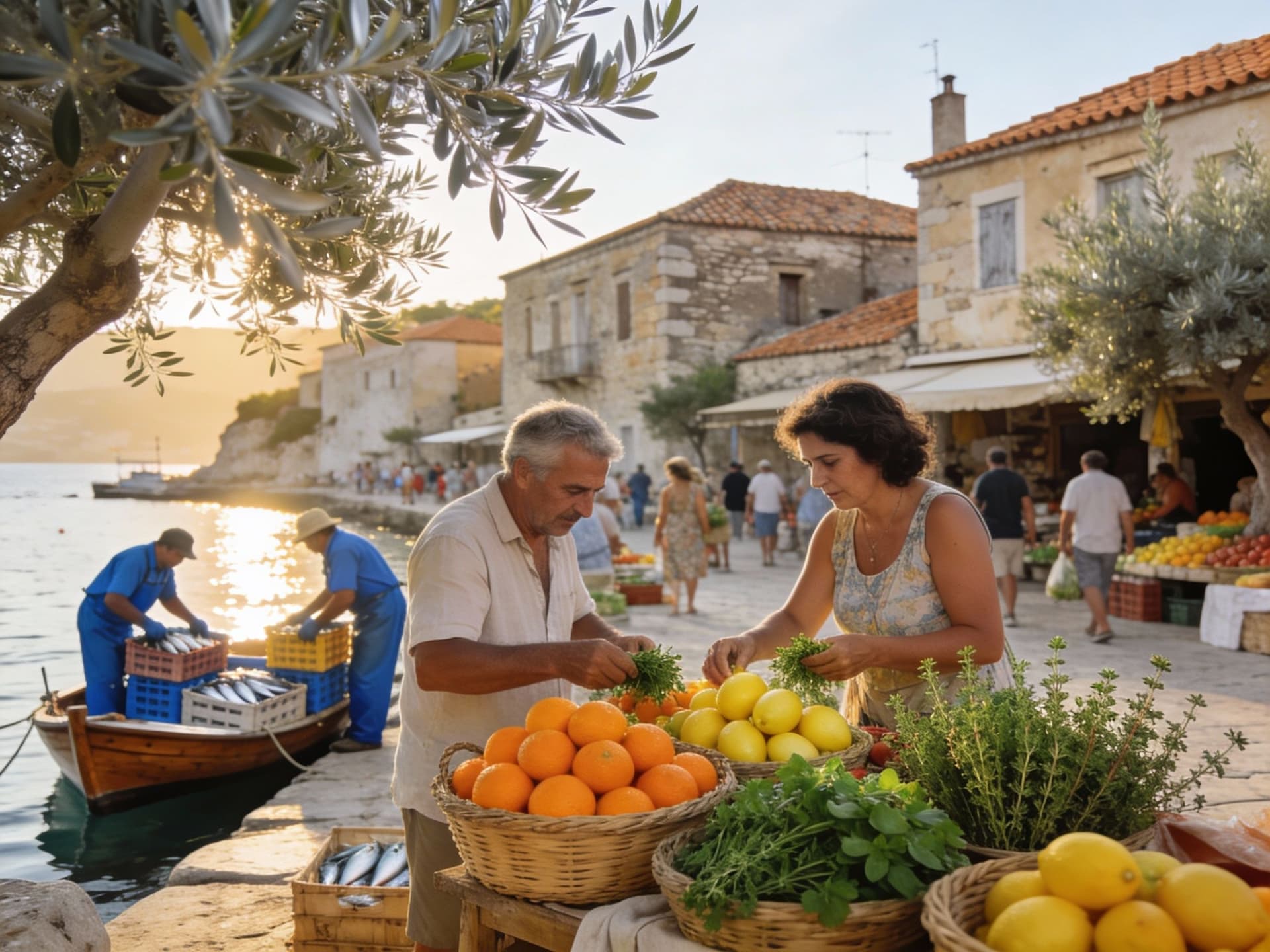
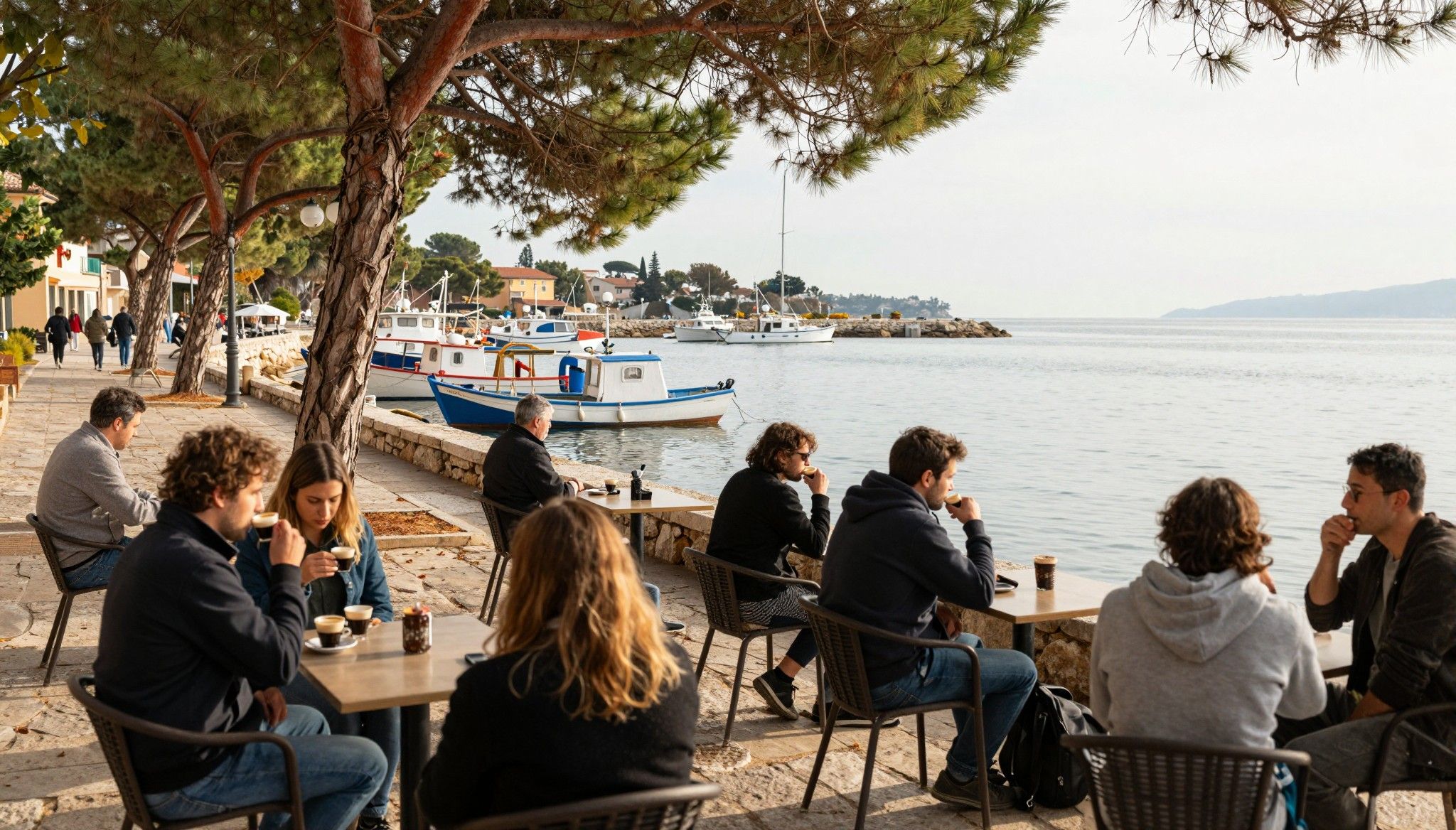
Greece lives in seasons: spring wildflowers on mountain roads, bracing winter winds on the exposed Peloponnese headlands, and long, luminous summers on Ionian coves. Coastal villages such as Kardamyli and the olive-scented slopes of Pelion feel different from island squares in Corfu or Chania’s Venetian lanes. Daily life is sensory — cafes where Greeks linger over freddo espresso, municipal markets stacked with citrus and herbs, and evening walks where the light softens stone facades. Those rhythms shape what you want in a house: outdoor rooms that capture evening breezes, deep shutters for summer heat, and gardens that hold rain in a dry year.
A neighbourhood that breathes: Chania’s old port and nearby pine slopes
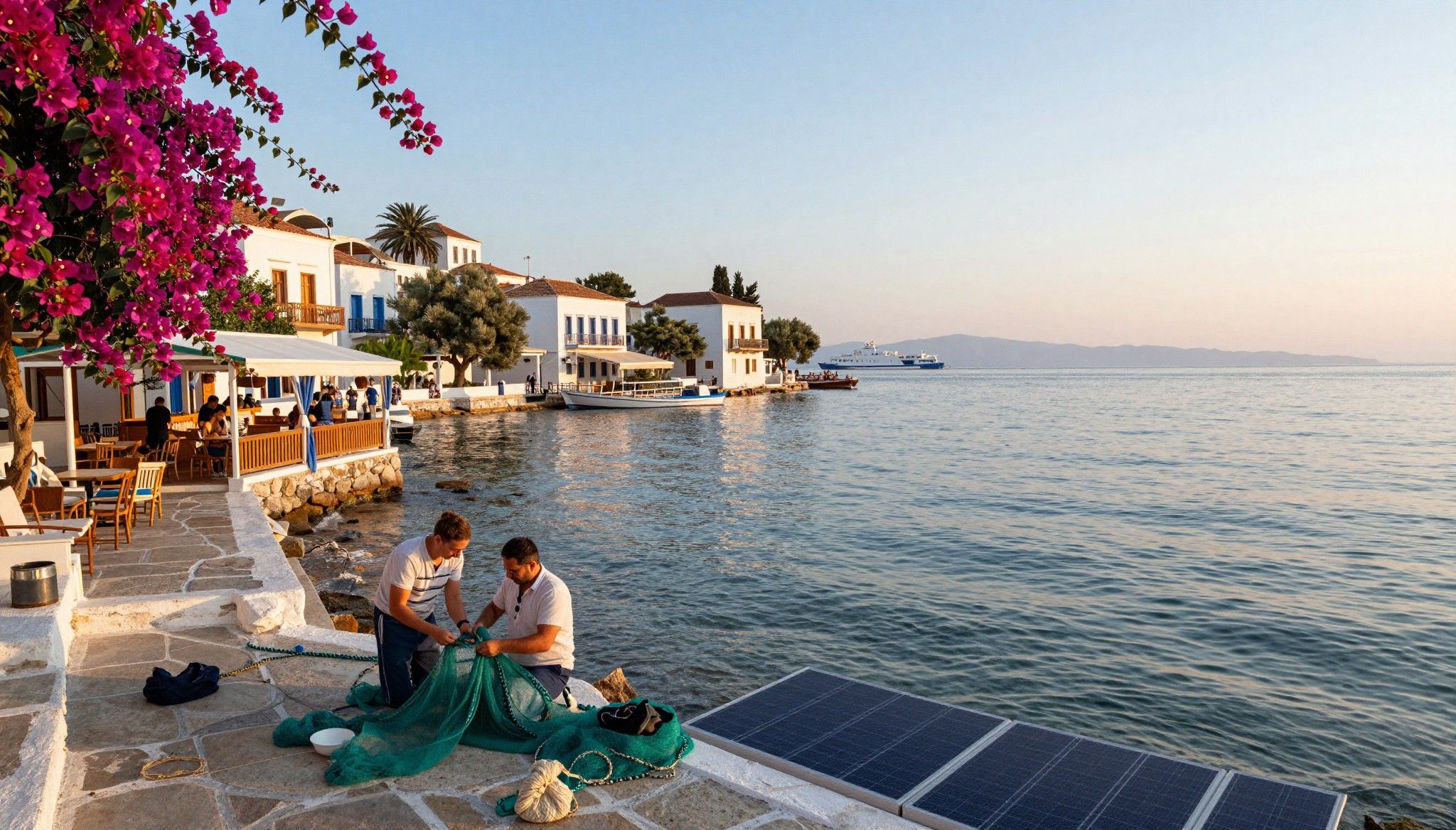
Walk the cobbled spine of Chania’s waterfront at dawn and you’ll see fishermen mending nets beneath cypress silhouettes. Move inland a few kilometres and pine-scented hills tuck into villas with terraced gardens and passive-cooling courtyards. For buyers craving intimate streets, green public squares and local bakeries, this mix offers the lived-in coastal life with quick access to forests for weekend hikes.
Food, ritual and small markets: how meals shape neighbourhood life
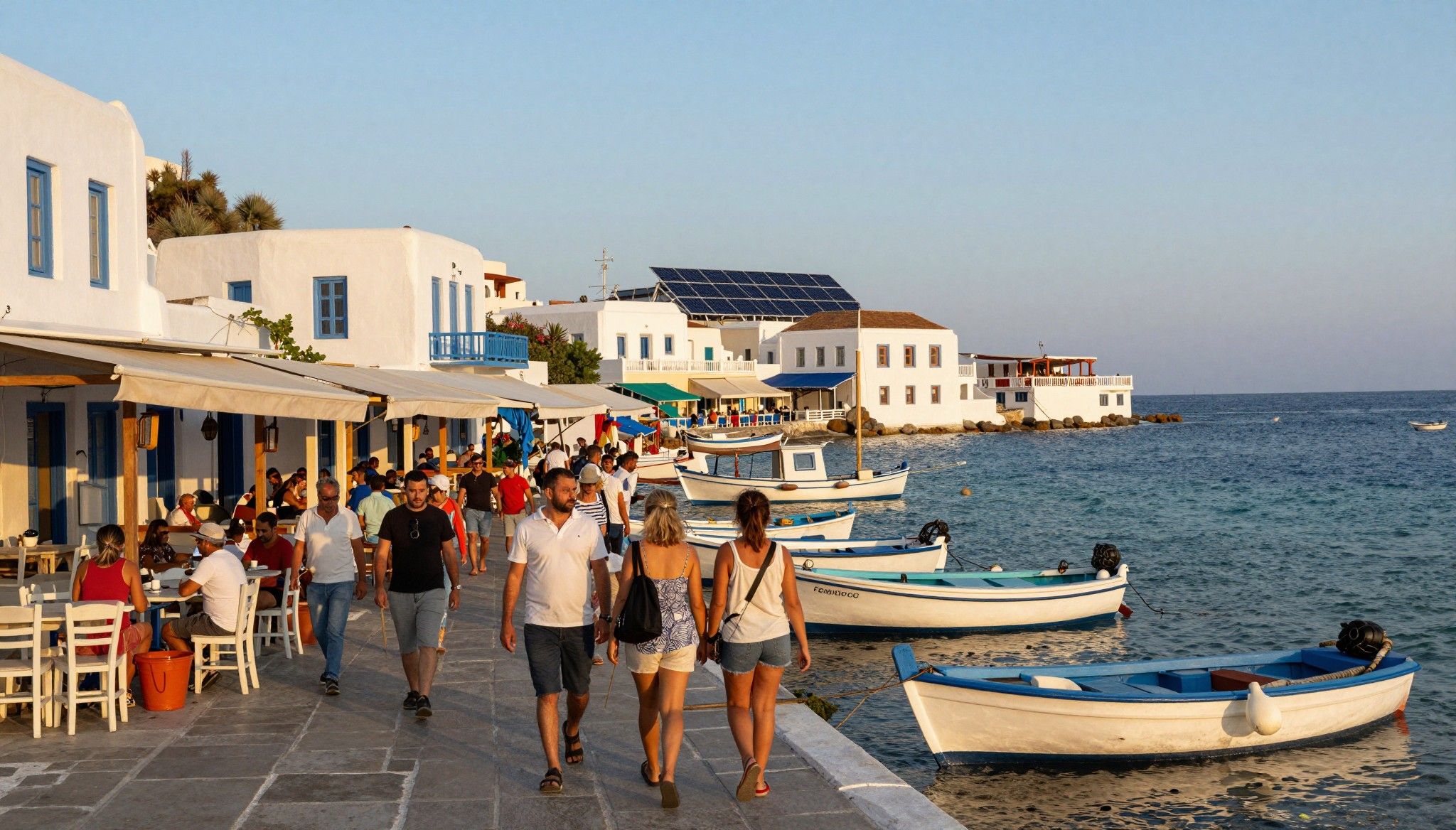
From the Sunday farmer’s market in Nafplio to taverna evenings in small island harbours, food binds communities. Look for properties near weekly markets — even a tiny lane by a permanent market stall can mean regular human connection, fresh produce, and the kind of informal sustainability that grows communities: shared preserves, seasonal swaps and neighbourhood composting.
- Lifestyle highlights: forests, beaches and daily rituals
- Morning espresso under plane trees at Plaka (Athens’ old neighbourhood), then a late-afternoon ferry to the Ionian coast.
- Hikes through Mount Taygetos with stops at family-run kafeneia in Mani hamlets.
- Weekly fish markets in small ports — know your fishmonger and you’ll know the seasons.
Making the move: practical considerations that keep the dream green
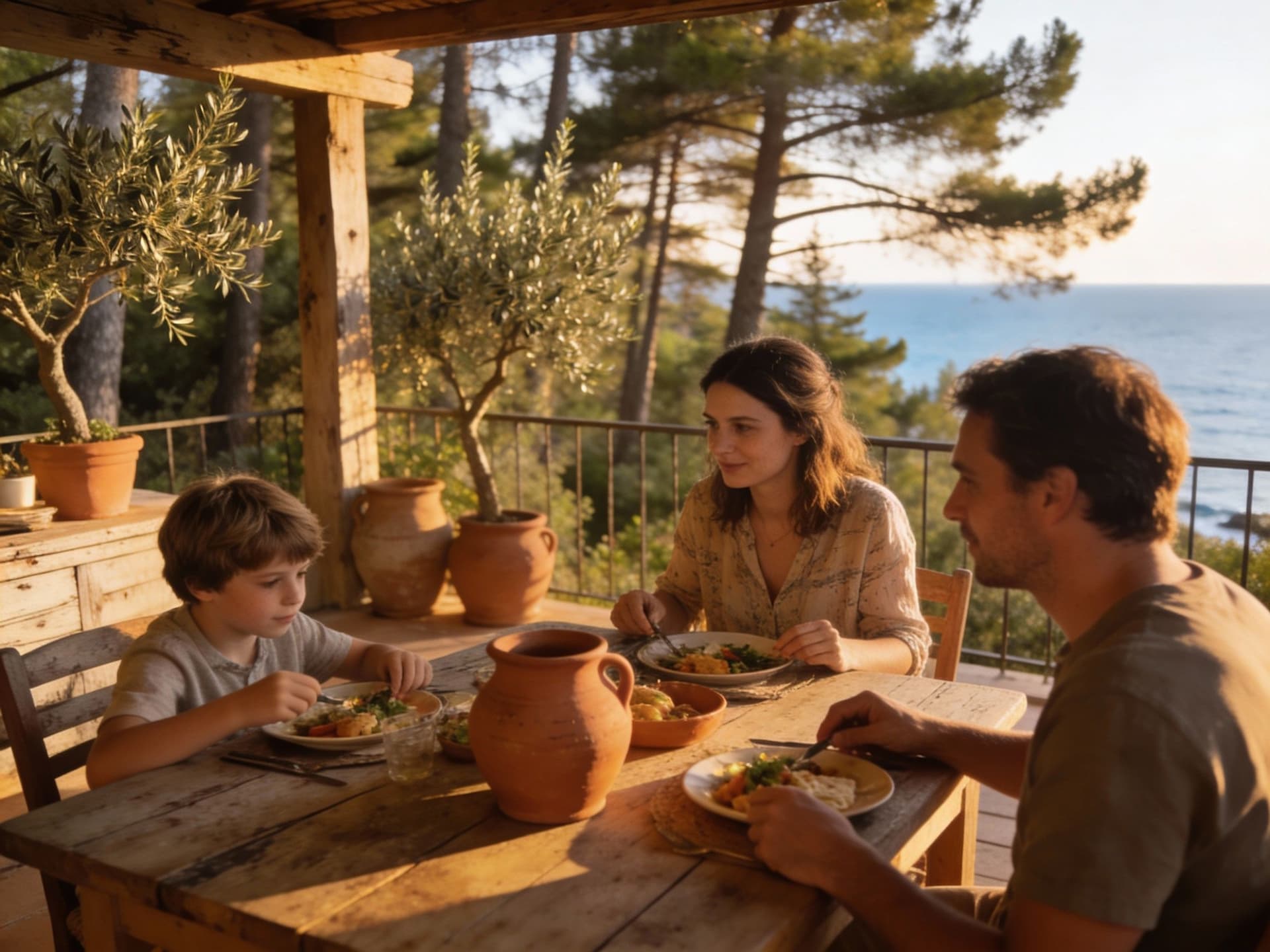
The lifestyle you want — a home woven into pines or a stone villa with access to a quiet cove — needs practical scaffolding. The Greek market remains regional: Athens and top islands command a premium, while inland prefectures and lesser-known coastal belts offer better entry prices. Recent policy shifts tied to rental rules and investor programs have altered demand patterns, so timing and local advice matter more than ever.
Property types and how they serve the life you want
Stone farmhouses inland offer thick walls that keep cool summers at bay and warm winters in — ideal if you imagine year-round living with a garden. Coastal villas often prioritise sea views and breezeways; ask about insulation and summer shading. New-build apartments in Athens prioritise compact, efficient living; they suit buyers seeking urban green-integration — rooftop gardens, rainwater capture or neighbourhood energy co-ops.
Working with local experts who care about place
Find an agent who knows seasonal rhythms: which houses flood in autumn storms, where summer winds make outdoor rooms unusable at noon, and which villages have active municipal sustainability projects. Ask about a seller’s recent energy bills, whether the property has solar-ready roofs, and local planning for renewable projects. An agency that networks with builders, electricians and conservation groups will save months of trial and error.
- Six combined lifestyle + practical moves when viewing properties
- Scan for passive features (thick stone walls, north-facing terraces) before technical systems; these reduce long-term energy needs.
- Check microclimate: ask neighbours which way winds come in July and where soil holds water in autumn.
- Request recent electricity bills and whether any PV panels were registered under the previous net-metering scheme.
- Tour markets, schools and evening routes — lifestyle appears in everyday logistics, not just views.
Insider knowledge: what expats say (and what they wished they’d known)
Expats often arrive enchanted by coastal light, then learn the local calendar: festas, siestas, and municipal rhythms shape business hours. Many tell us they underestimated seasonal infrastructure: a village feels idyllic in summer but is quieter and services scarcer in winter, which matters if you plan full‑time living. Others say the best purchases were off-main-road homes near small harbours — quieter, cheaper, and surprisingly community-rich.
Cultural integration, language and daily belonging
You don’t need perfect Greek to belong, but small acts — learning market greetings, attending a local festival, or joining a community olive-picking day — open doors. Look for properties close to a kafeneio or a small school if long-term social ties matter; proximity to these places often predicts how easily you’ll weave into local networks.
Long-term living: how energy and renewables will affect costs
Greece’s rapid roll-out of solar (record capacity added in 2024) changes the ownership math: roofs are increasingly valuable if they’re solar-ready, and local energy communities are growing. But policy shifts closed broad net‑metering in 2024, changing payback timelines for small residential systems. Ask whether a property’s roof is structurally ready for panels and whether local grid constraints limit exports — that shapes real savings.
- Red flags expats often wish they’d noticed
- No municipal water reserve or unclear drainage — look at autumn after storms.
- Unpermitted extensions or terraces — charm can cost you in legal headaches.
- Roofs that look fine but lack load-bearing certification for panels.
- Buying sight-unseen without a local agent who knows off-market neighbourhood realities.
Conclusion: Picture your everyday, then book local expertise. If your dream is a house that breathes with olive trees and access to a glittering inlet, treat lifestyle as the primary brief and technical checks as the protective frame. Work with agents who listen to how you want to live — not just what you want to own — and ask simple, concrete questions about microclimate, solar readiness, and municipal rhythm. Step one: make a short list of three non-negotiables (seasonal access, energy features, community anchors) and ask an agent to show properties that meet those needs. The right home in Greece will feel like an invitation: warm stone, slow light, and a neighbourhood that keeps you rooted.
Swedish advisor who left Stockholm for the Costa Brava in 2019. Specializes in sustainable, sea‑view homes for Scandinavian buyers and green finance insights.