Sunlit Life in Cyprus — Seasonal Buying & Smart Steps
Sunlit rhythms, season-aware buying and market-backed timing: know where lifestyle and smart due diligence meet in Cyprus’s 2025 property market.
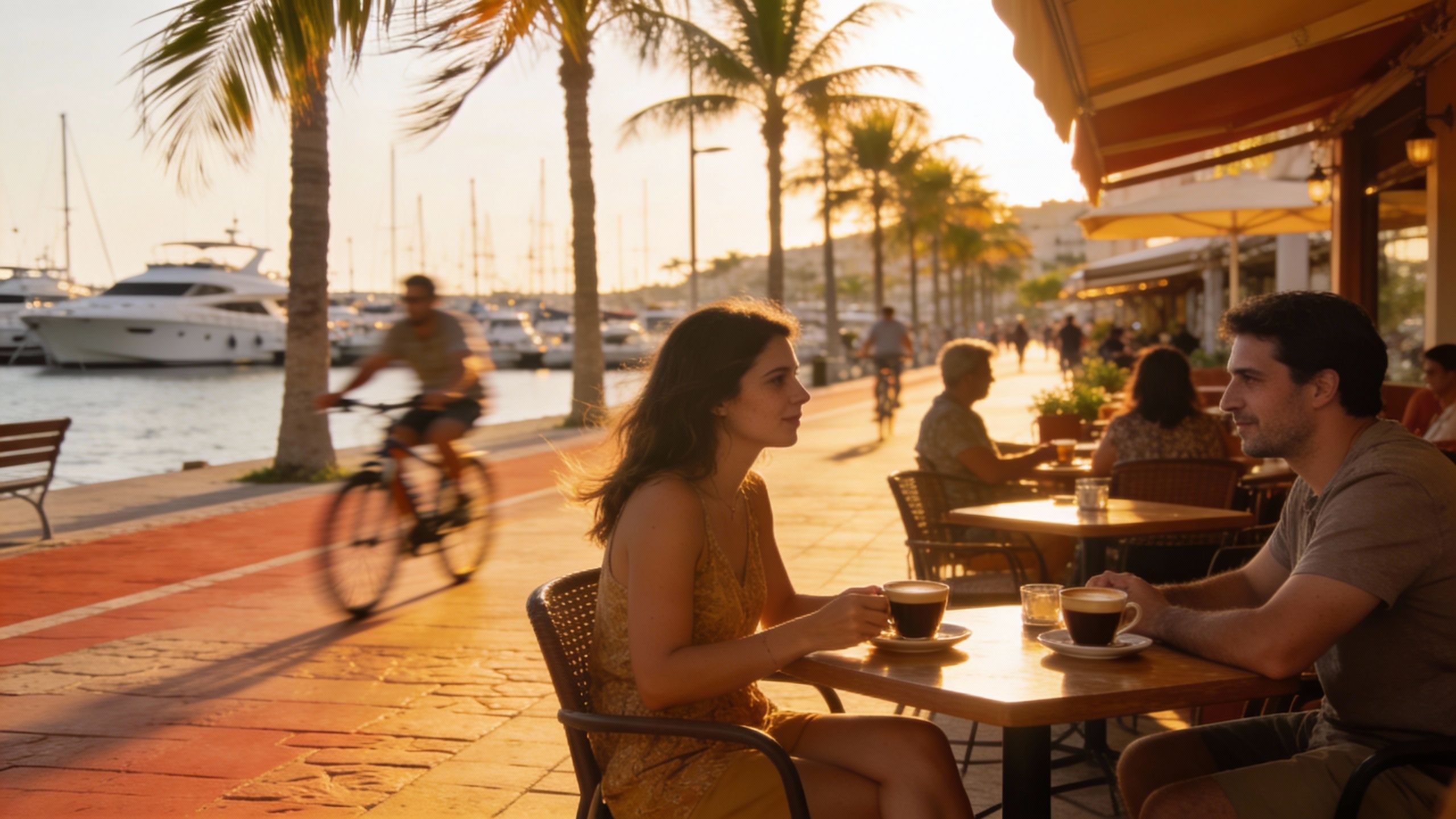
Imagine waking to the clink of cups at a sea‑facing kafeneio in Limassol, then cycling along a wind‑ruffled promenade before lunch at a market stall brimming with citrus and halloumi — that easy, sunlit rhythm is everyday life in Cyprus. For many international buyers the island is not only a Mediterranean address but a slower, greener tempo: stone houses wrapped in bougainvillea, small orchards above Paphos, and terraces that catch the evening breeze. Yet beneath this seductive surface, buyers who blend lifestyle desire with practical local knowledge find the best homes and the fewest surprises.
Living Cyprus: light, seasons and neighborhood character
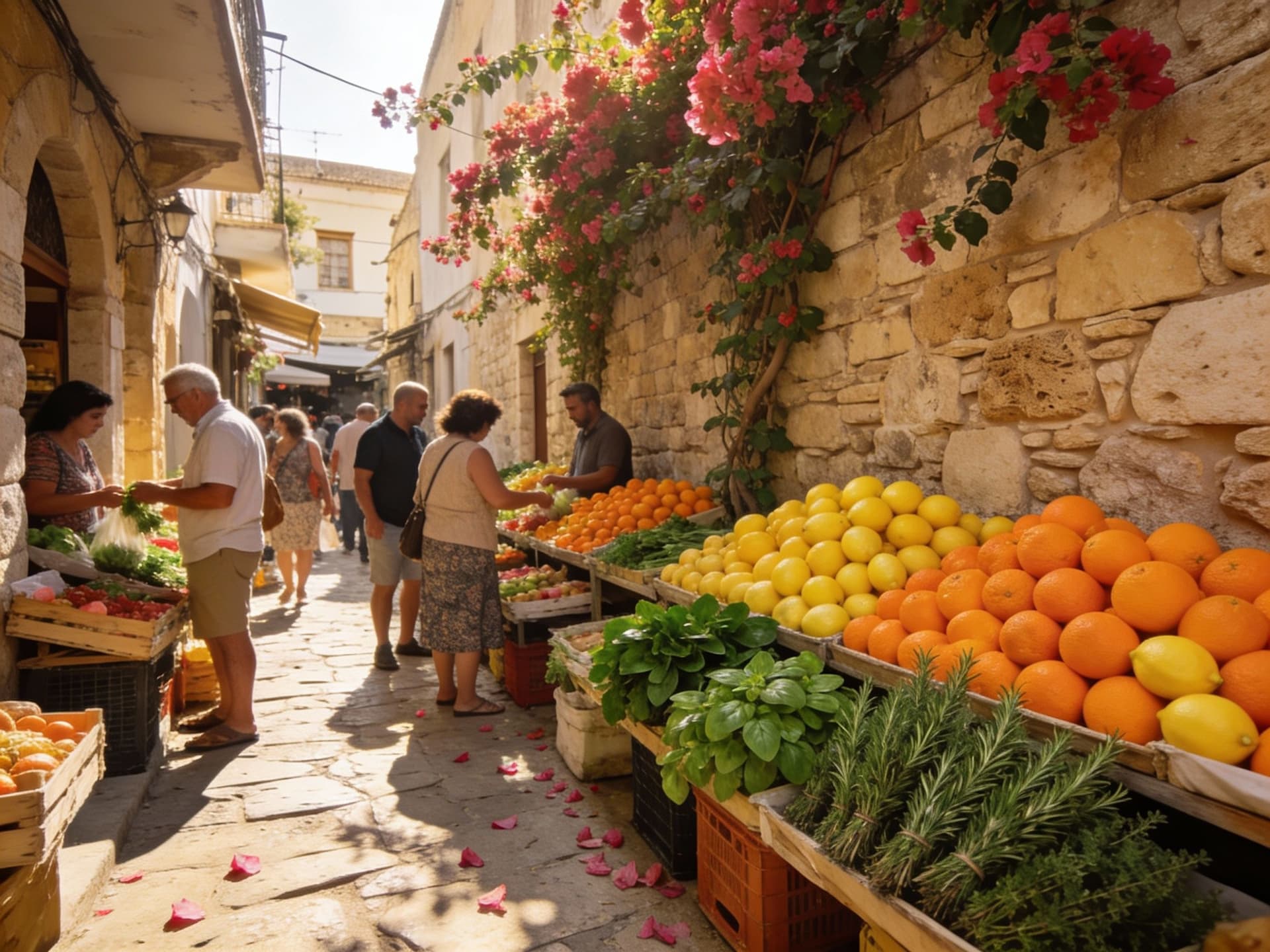
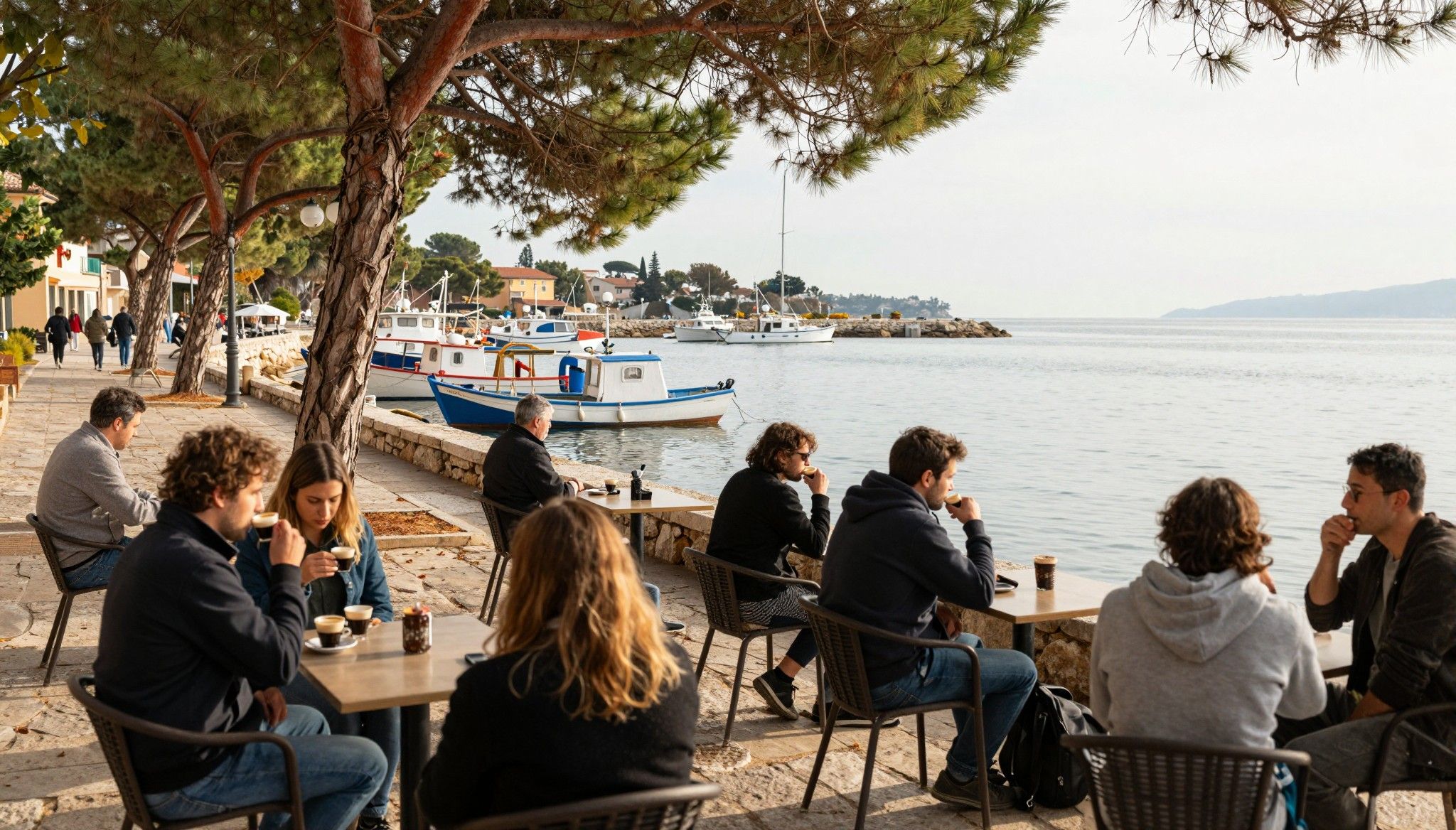
Cyprus feels like two places at once: coastal towns where days bend around the sea and mountainous villages where winter slows time and fires glow in stone hearths. Mornings bring espresso and flaky pastries in Larnaca’s Finikoudes, afternoons are for beach swims at Governor’s Beach or quiet coves near Pissouri, and evenings gather in tavernas beneath jasmine. Seasons shape everything — from the citrus harvest to the months when construction noise fades and you can truly hear the island.
Spotlight: Limassol’s scrubby elegance vs Paphos’ village calm
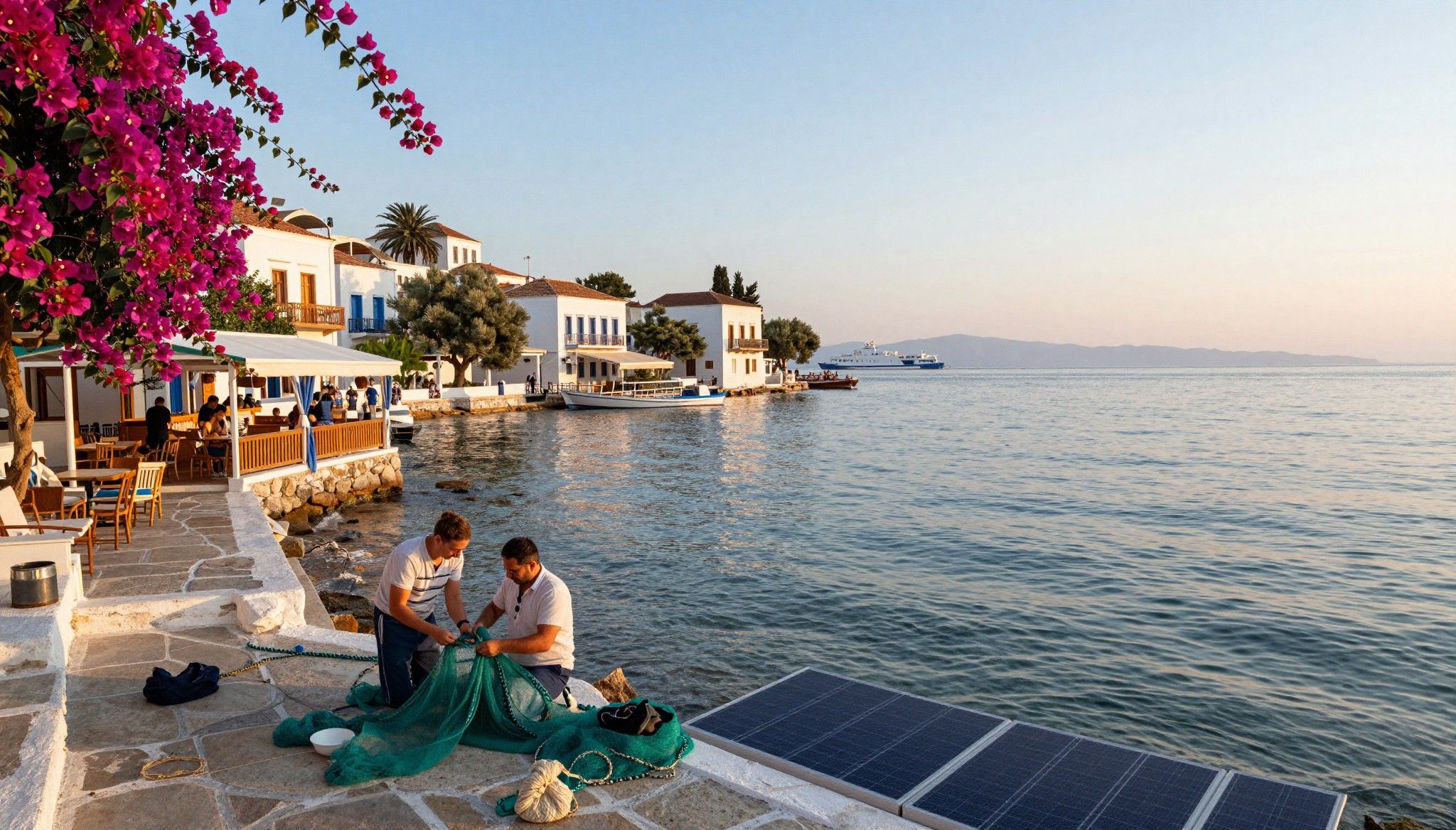
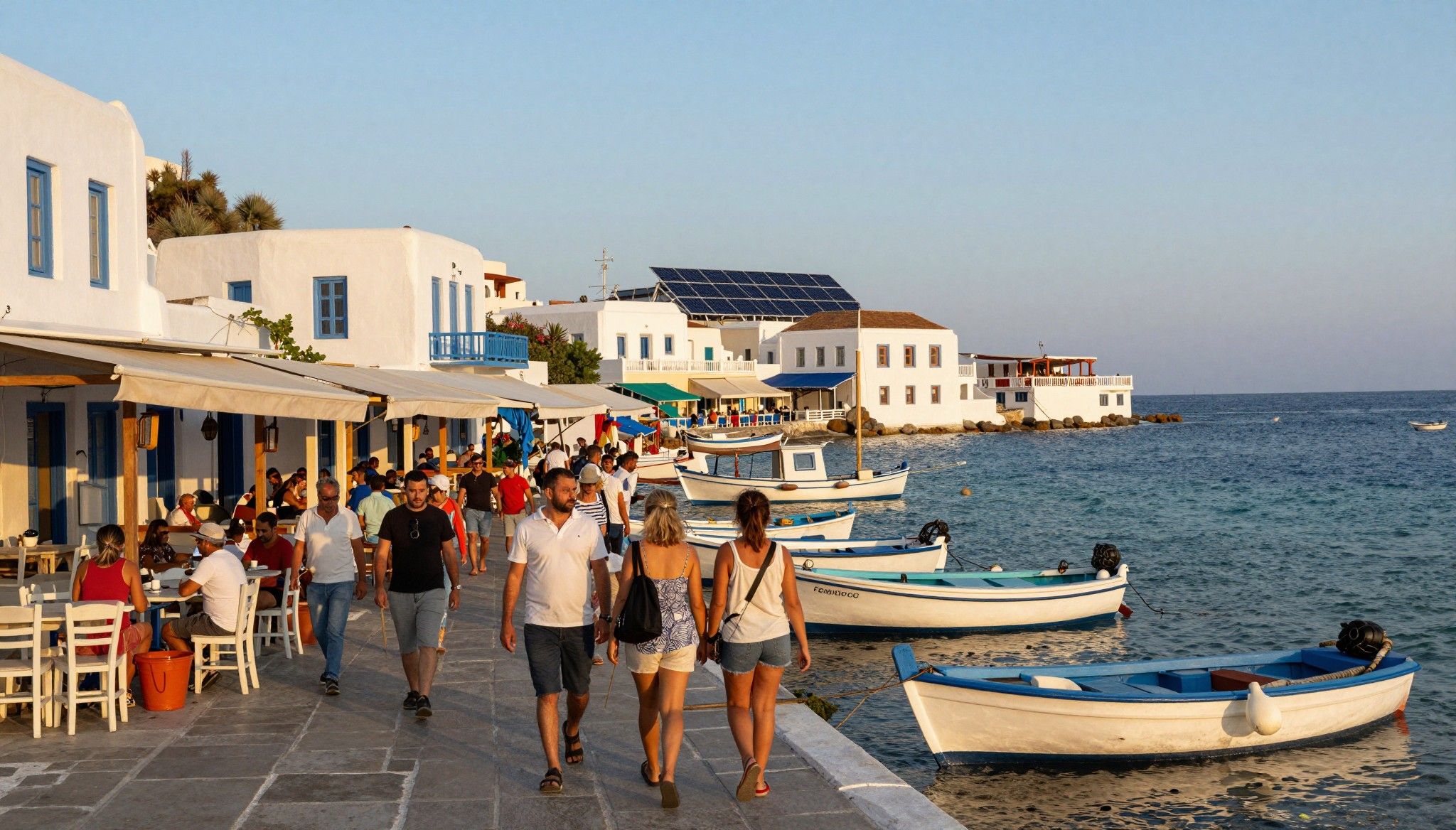
Limassol hums with international life — marinas, contemporary galleries and a cafe culture that spills into narrow streets. Walk Olga Nikolaou or Franklin Roosevelt streets and you’ll see boutique bakeries, yoga studios and families with prams. Paphos, by contrast, rewards slow discovery: archaeological mosaics, hillside vineyards and lanes where locals trade gossip over coffee. Both offer green living options — rooftop solar in new builds, stone‑built village homes with thick walls for passive cooling — but they deliver very different daily rhythms.
Food, markets and the lived small‑town pleasures
Friday markets in Nicosia and Larnaca are where the island reveals itself: herbs scented with thyme, jars of local thyme honey, sun‑dried tomatoes and the bold salt of local cheese. Dinners are long and social; expect to be invited for meze — it’s how communities knit together. These rituals matter when choosing a neighborhood: proximity to markets and a friendly kafeneio often predicts how quickly you’ll belong.
- Lifestyle highlights to scout on visits
- Morning espresso on Nicosia’s Ledra Street or Larnaca’s Finikoudes promenade
- Sunday market at Paphos Municipal Market and fish stalls near the harbour
- Coastal swims at Governor’s Beach, secret coves near Cape Greco, and cliff walks above Akamas
Making the move: market reality and timing
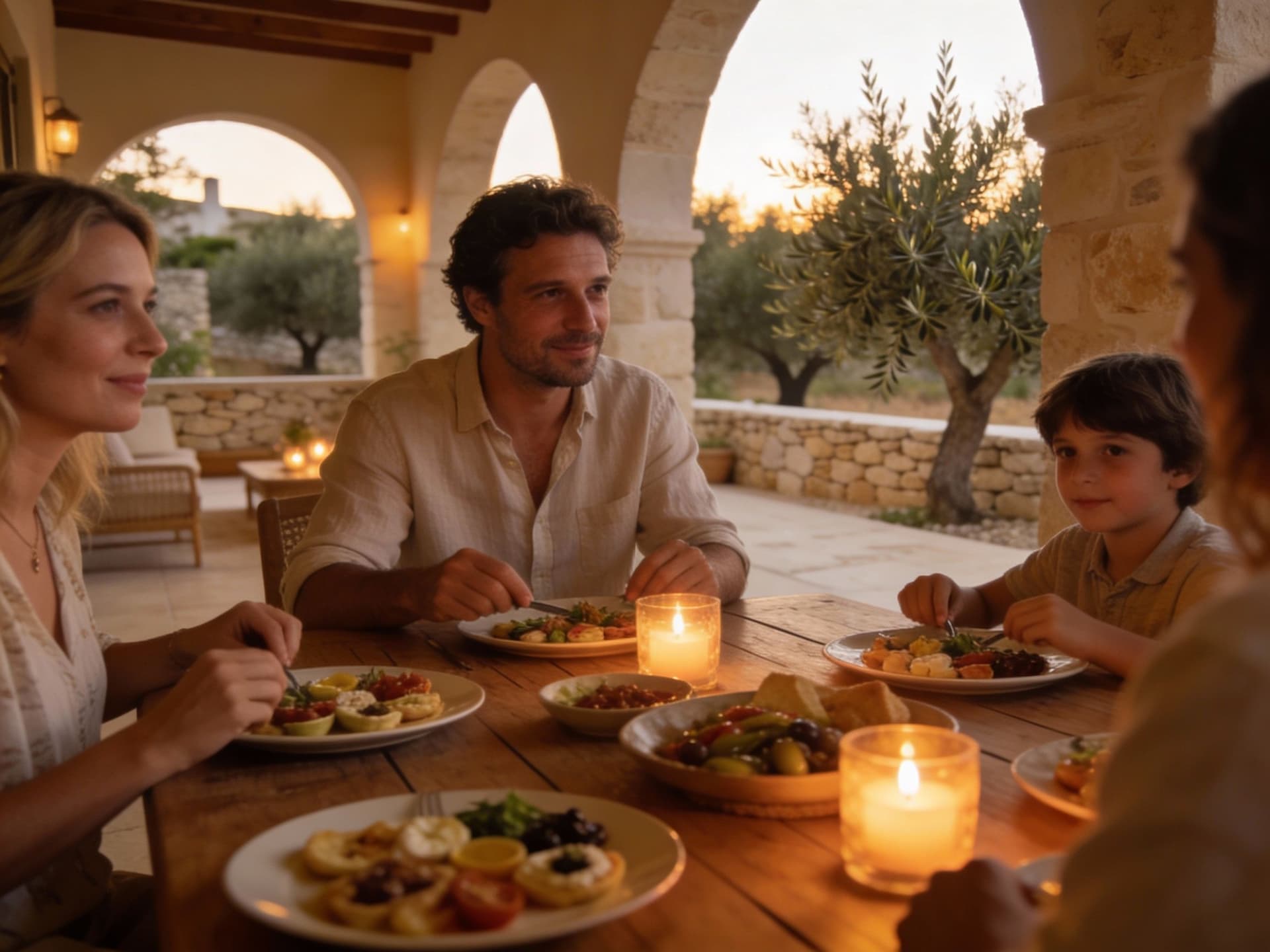
Dreams first, numbers next. Cyprus’s market has been busy — official summaries and industry reporting show stronger transaction value and steady price appreciation in 2024–2025, with district variation that rewards patience and specificity. That means you can find value if you look beyond the obvious seafront and consider Larnaca’s emerging stretch, Paphos’ village belts, or inland gems where green design and land are less expensive.
Property types and how they shape daily life
Apartments near the coast offer easy social life and rental potential, while traditional stone houses in Tala or Omodos give you gardens, fruit trees and a stronger connection to seasons. New eco‑developments increasingly include PV arrays, water‑efficient landscaping and greywater systems — features that lower running costs and deepen the sense that a home belongs in its landscape. Choose property type by the life you want: alfresco dinners and neighbours close by, or orchard mornings and silence?
Working with local experts who speak both languages of place and process
A good agent in Cyprus is part anthropologist and part project manager: they know where morning light falls on a terrace in winter, and they’ll also coordinate surveyors, lawyers and utility transfers. Seek agencies with experience in sustainable builds and a track record of completed green retrofits; they’ll help you weigh trade‑offs like orientation, passive cooling and the durability of local materials.
- Stepwise practical checklist when you begin property hunting
- 1) Visit in two different seasons — summer for coastal life, winter for mountain silence.
- 2) Prioritise orientation and passive design: south‑facing terraces, stone walls or thick insulation for year‑round comfort.
- 3) Ask for utility and maintenance records — solar output, water bills, and past repair invoices reveal hidden costs.
Insider knowledge: what expats wish they’d known
Real people’s regrets are rarely legal — they are lifestyle mismatches: buying a sea‑view apartment and discovering the wind makes windows rattle in winter, or choosing a village house without checking road access in the wet months. Expat communities are generous, and joining local associations — the weekly market, a vineyard cooperative, or a conservation group — accelerates belonging and reveals maintenance realities you won’t see on a viewing day.
Language, community and the slow work of integration
English is widely spoken in Cyprus, especially in business and tourist corridors, but learning basic Greek opens doors: neighbours become friends, tradespeople explain repairs clearly, and you’ll be invited to table‑side celebrations. Integration is less about paperwork and more about showing up — local festivals, church fairs and olive harvests are where people truly connect.
Longer view: sustainability and stewardship over decades
Think beyond resale: choose systems that age well (modular PV, durable local stone, low‑maintenance native landscaping) and prioritize properties that support biodiversity — even small courtyards with native shrubs attract pollinators. This approach keeps costs down and nurtures the island you’ll live in, turning property ownership into a quiet act of stewardship.
- Red flags to spot on the first visit
- Missing title‑deed clarity, inconsistent utility histories, or evidence of unmanaged runoff and erosion on the plot
- Unfinished permits, unclear boundaries with neighbours, or sellers who resist independent surveys
Conclusion: live the life you love, with practical steps to keep it sustainable. Fall in love with Cyprus for its light, food and small‑town rituals, but bring a checklist: seasonal visits, a sustainability‑minded agent, clear titles, and conservative estimates for maintenance. When you pair that slow affection with sober due diligence, your house becomes more than an address — it becomes a home in an island ecosystem worth caring for.
Danish relocation specialist who moved from Copenhagen to the Algarve; supports families with seamless transitions, local partnerships, and mindful purchases.