Croatia: A Stewardship‑First Due‑Diligence Checklist
Fall for Croatia’s rhythm, then check its records: confirm title, permit history, and tax treatment to protect lifestyle and long‑term stewardship.
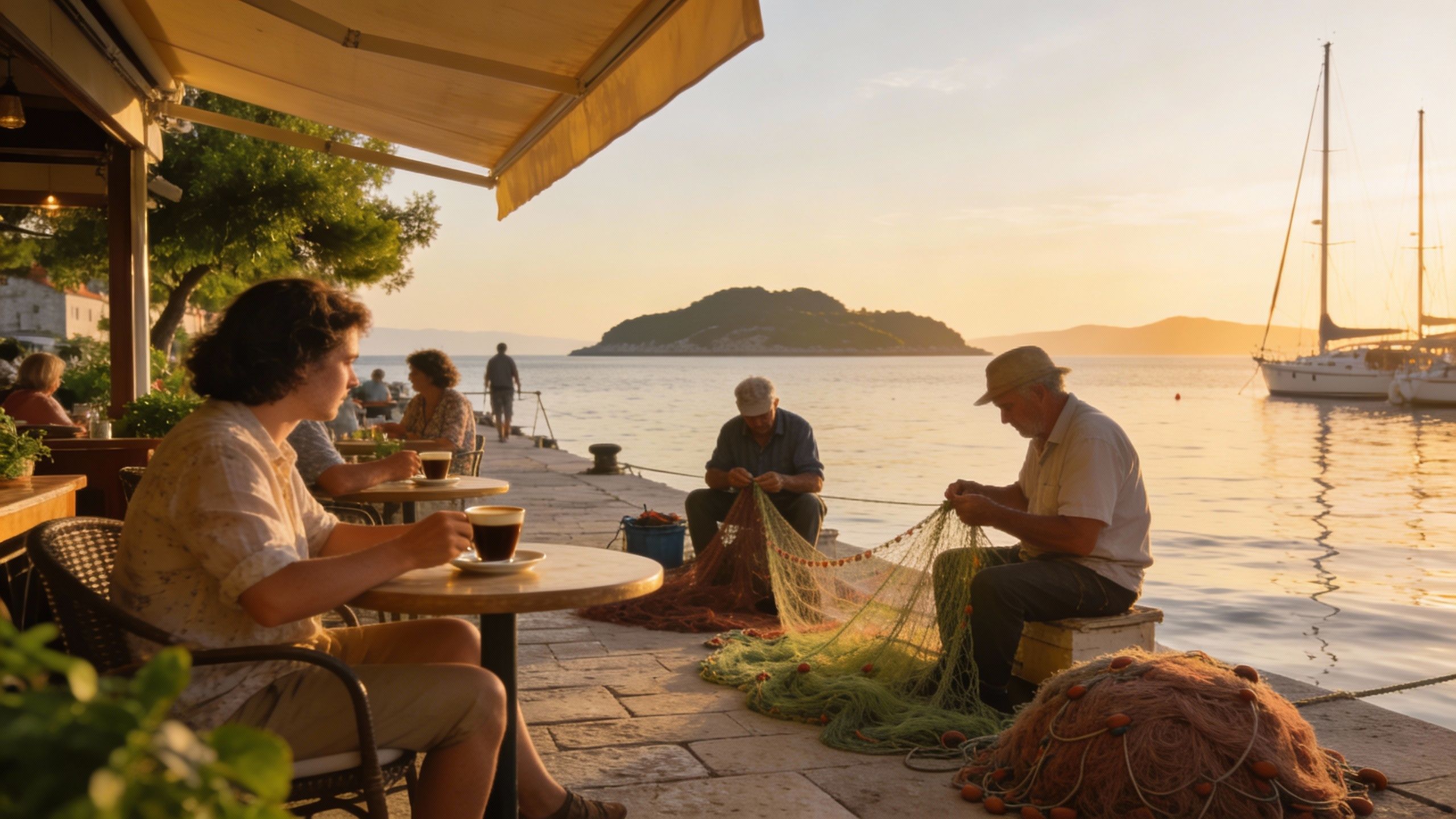
Imagine waking to the salty hush of the Adriatic, then wandering down a cobbled street to a bakery where the scent of fresh bread mingles with rosemary from nearby window boxes. This is Croatia — sunlit stone towns like Korčula and Hvar, forested hills inland toward Istria, and a coffee culture that takes the morning unhurried. But beneath the postcard light lies a different rhythm: paperwork, registries and local rules that can transform a dream buy into a slow, careful stewardship. If you want a home here that honors landscape and law, due diligence is not an obstacle — it’s part of loving the place well.
Living the Croatia lifestyle
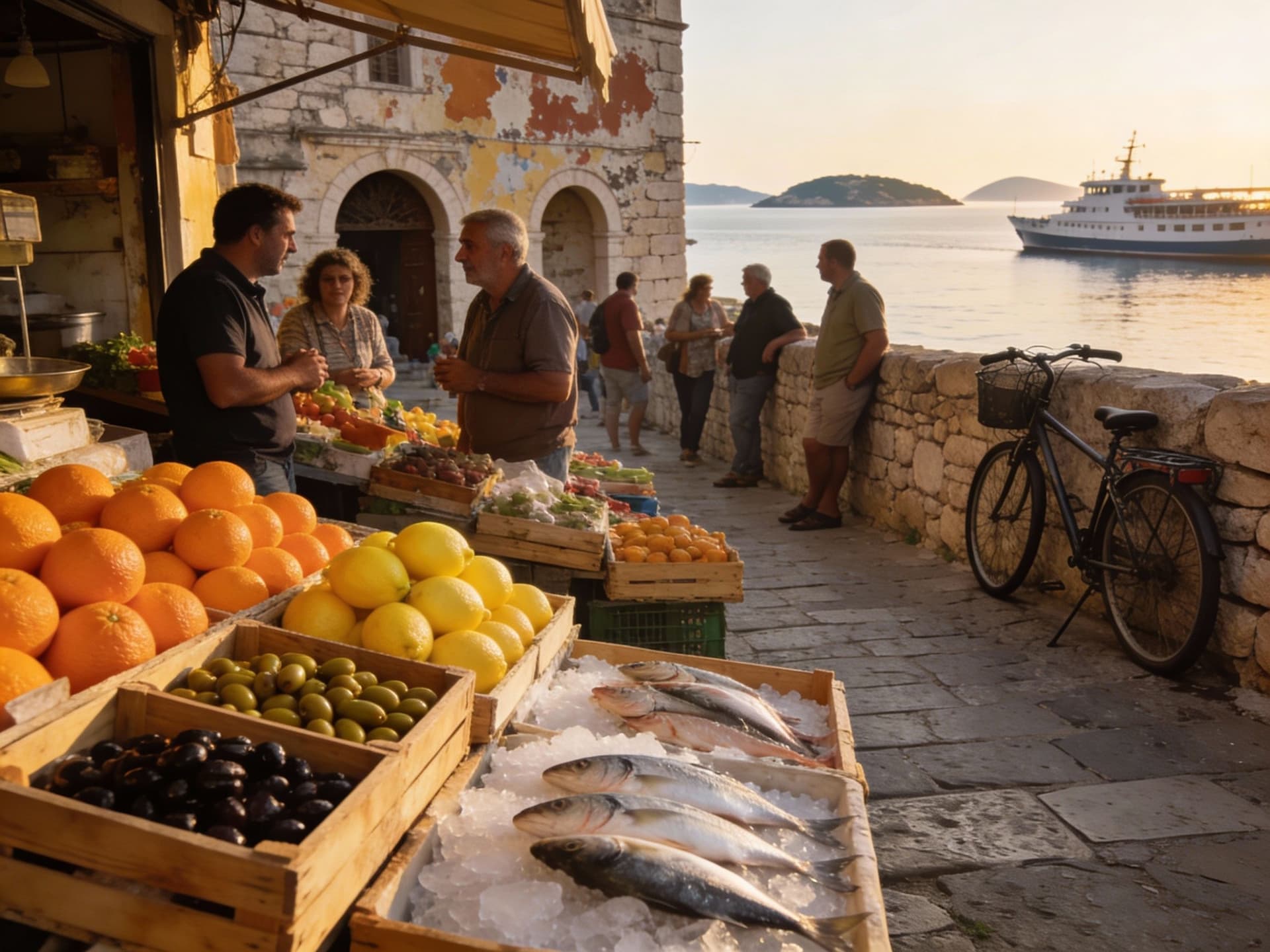
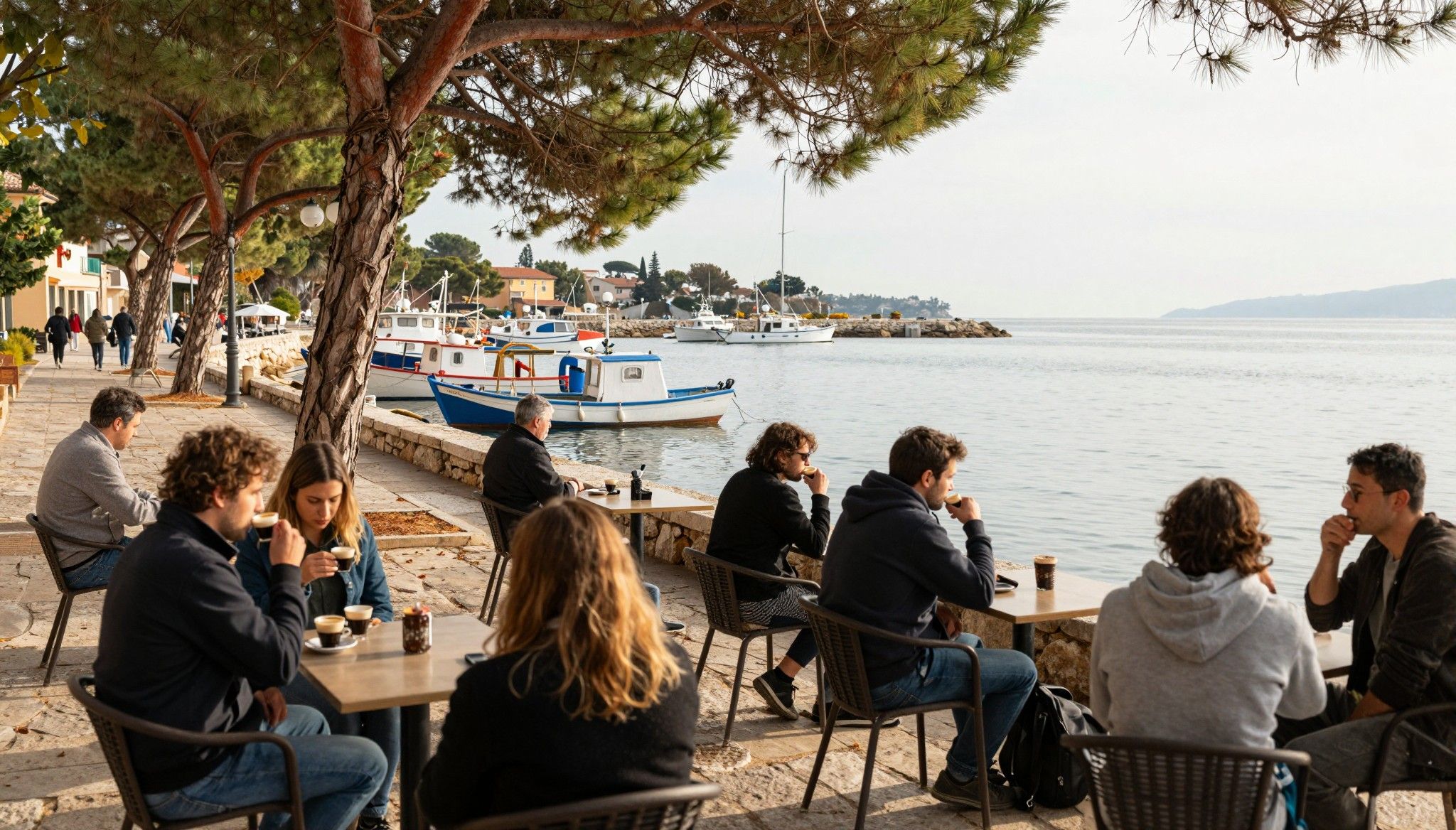
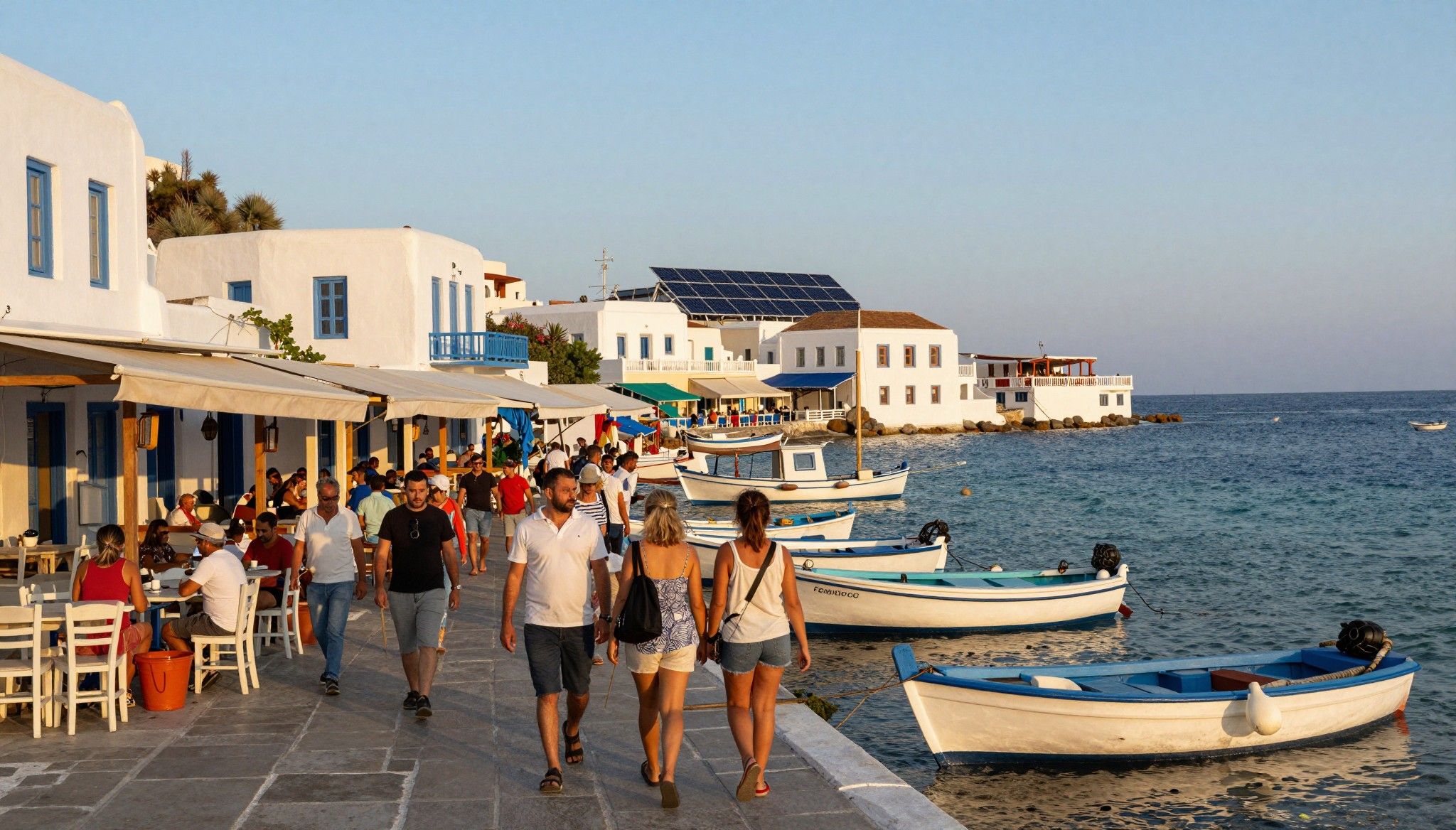
Daily life in Croatia balances coastal conviviality with quiet inland rhythms. Picture mornings on a café terrace — think Split’s Riva or Zagreb’s green squares — afternoons at pebbled beaches or market stalls, and evenings threaded with slow meals of grilled fish, peka, and locally produced olive oil and wine. The seasons shape everything: summer is festival and ferry timetables; late autumn softens crowds and reveals forests and truffle country; winter is about wood heat, thermal spas, and a calmer market where local residents reclaim their towns.
Neighborhood spotlights: Dalmatian charm vs. Istrian calm
Dalmatia (Split, Trogir, Šibenik) dazzles with sea-view terraces, narrow alleys and a tourism cadence that lifts short‑term rental income but raises seasonal maintenance demands. Istria (Rovinj, Motovun) trades that intensity for olive groves, hilltop villages and a quieter year‑round pace — ideal for those who want vineyards, truffle hunts and a slower calendar. Each area affects the kind of home you’ll choose: stone townhouses need restoration care; new coastal builds demand stronger insulation and salt‑resistant materials.
Food, markets and the lived-in home
Markets are the social heart of Croatian towns — fish stalls in Split, fruit sellers in Dubrovnik’s outskirts, and morning markets in Zagreb where cheese and cured ham change hands like gossip. Living close to these places changes how you design a home: an outdoor kitchen for summer, a pantry for preserves, rainwater collection for gardens, and thick stone walls that store heat through short, cool winters.
Lifestyle highlights to look for in a property
Morning espresso at family-run cafés (e.g., Café Dešković in Hvar town)
Weekend market trips to Dolac (Zagreb) or Split’s Green Market for seasonal produce
Coastal swims from pebbled coves (Stiniva on Vis) and island-hopping on local ferries
Making the move: practical considerations
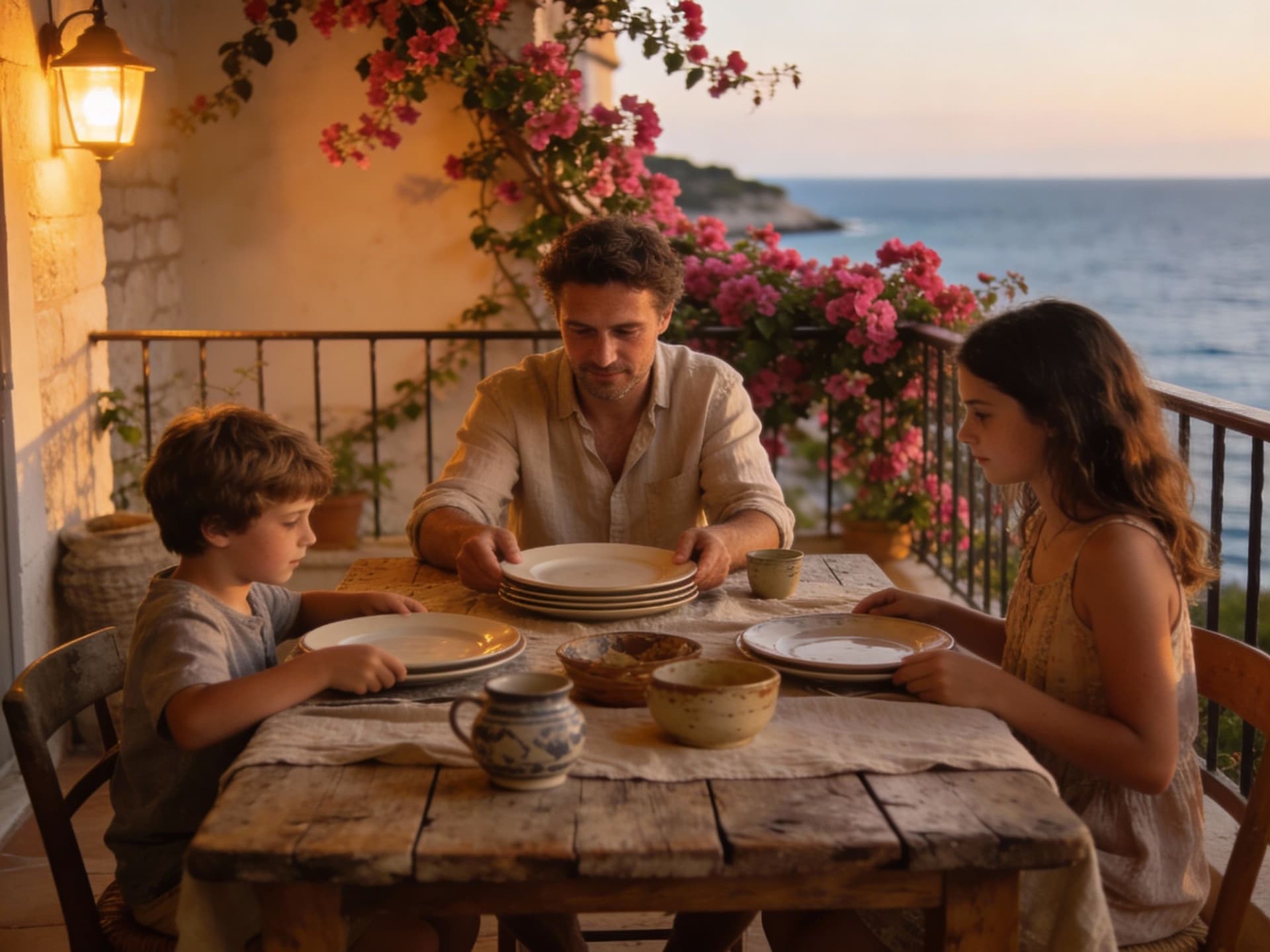
The romance of Croatia meets bureaucracy in the form of land registry checks, tax distinctions and permit systems. Before you sign, treat the property like a small ecosystem: examine ownership records, local planning maps, and any conservation or coastal setback rules that affect future works. The state’s cadastral and land‑registry services are the first stop; their records show ownership, encumbrances and legal descriptions — details that guide restoration choices and sustainable upgrades.
Property checks that protect the lifestyle
Start with the land register and cadastral map to confirm that the plot boundaries on the ground match the legal records. A mismatch is common in older properties and can mean surprise costs or lost olive trees. Check for mortgages, servitudes (right of way), and conservation protections that limit alterations. If sustainability is a priority, also ask about local planning rules for solar panels, greywater systems and native vegetation — some coastal municipalities have explicit limits while inland communes are often more flexible.
Step-by-step due diligence checklist
1. Obtain the land registry extract and cadastral map to confirm title and boundaries.
2. Commission a local survey and structural inspection (masonry, roof, damp) — older stone houses often hide water damage.
3. Ask the municipality about building permits, coastal setback lines, and SEPA/environmental conditions that could affect outdoor works.
4. Clarify tax treatment early: resale properties usually carry a 3% transfer tax, while new builds from companies can be subject to 25% VAT — this choice can change total cost dramatically.
Insider knowledge: what expats wish they’d known
Most expats say the practical surprises weren’t the taxes — they were the seasonal reality and maintenance rhythm. A house that feels perfect in July can reveal structural needs in November rains. Many also underestimate municipal variation: property tax rates and building-permit flexibility differ widely between island communes and inland towns, affecting long‑term stewardship costs more than headline price per square metre.
Community, language and living well
Croatians value directness, hospitality and slow meals. Learn a few phrases, attend a market, and you’ll be welcomed. Expat communities cluster around Split, Dubrovnik and Zagreb, but inland villages reward those who engage with neighbours and local craftsmen. Hiring local tradespeople not only supports authenticity in restorations — using stone, lime plaster and reclaimed timber — it also helps your project pass local inspections more smoothly.
Long-term stewardship: the sustainable choice
Think beyond purchase to how the home will age with place: plant native hedges to reduce irrigation, specify stainless or powder-coated fixtures on the coast, and invest in energy upgrades (insulation, heat pumps, solar with battery) where municipality rules allow. These choices cost more up front but protect both ecological character and resale value in a market increasingly sensitive to stewardship.
Red flags to walk away from
Unclear ownership chain or missing land registry extracts.
Properties in special coastal protection zones without clear permit history for alterations.
Sellers pressuring for quick cash transactions without documented approvals.
Conclusion: buy with your lifestyle in mind and the records to match. Croatia rewards patient stewardship: the best homes are those that connect to markets, neighbours and ecology. Start with land‑registry checks, local experts who speak both language and building code, and a budget for sensitive upgrades that honour stone, sea and sun. When you pair that care with an agency attuned to sustainability, your Croatian home isn’t just a purchase — it’s a place you can tend for years to come.
Swedish advisor who left Stockholm for the Costa Brava in 2019. Specializes in sustainable, sea‑view homes for Scandinavian buyers and green finance insights.