Skip Summer: Why Off‑Peak House‑Hunting Wins in Malta
Skip the high‑season dazzle: Malta’s lifestyle rewards off‑peak house‑hunting, stewardship, and inspections backed by NSO price data.
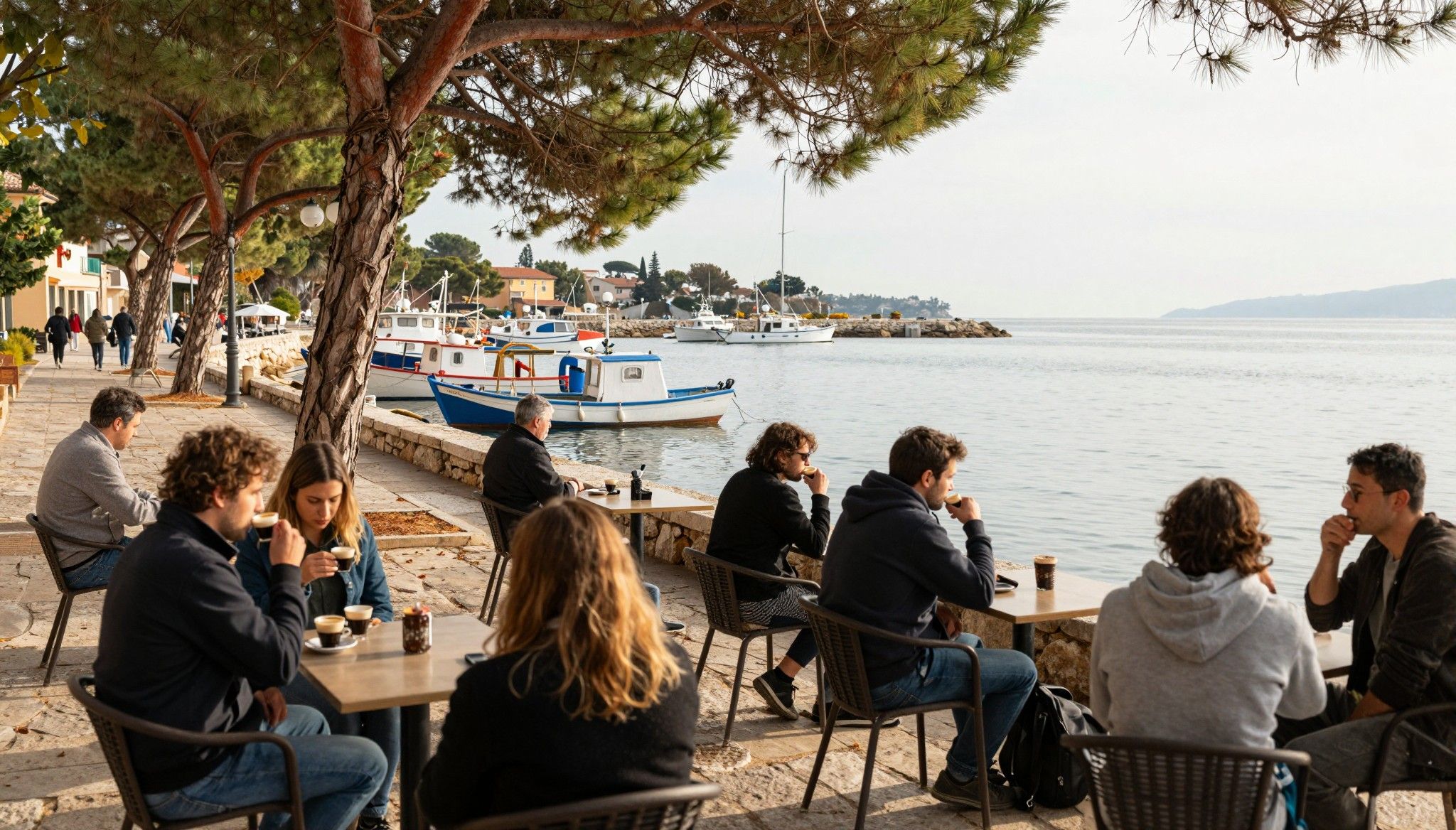
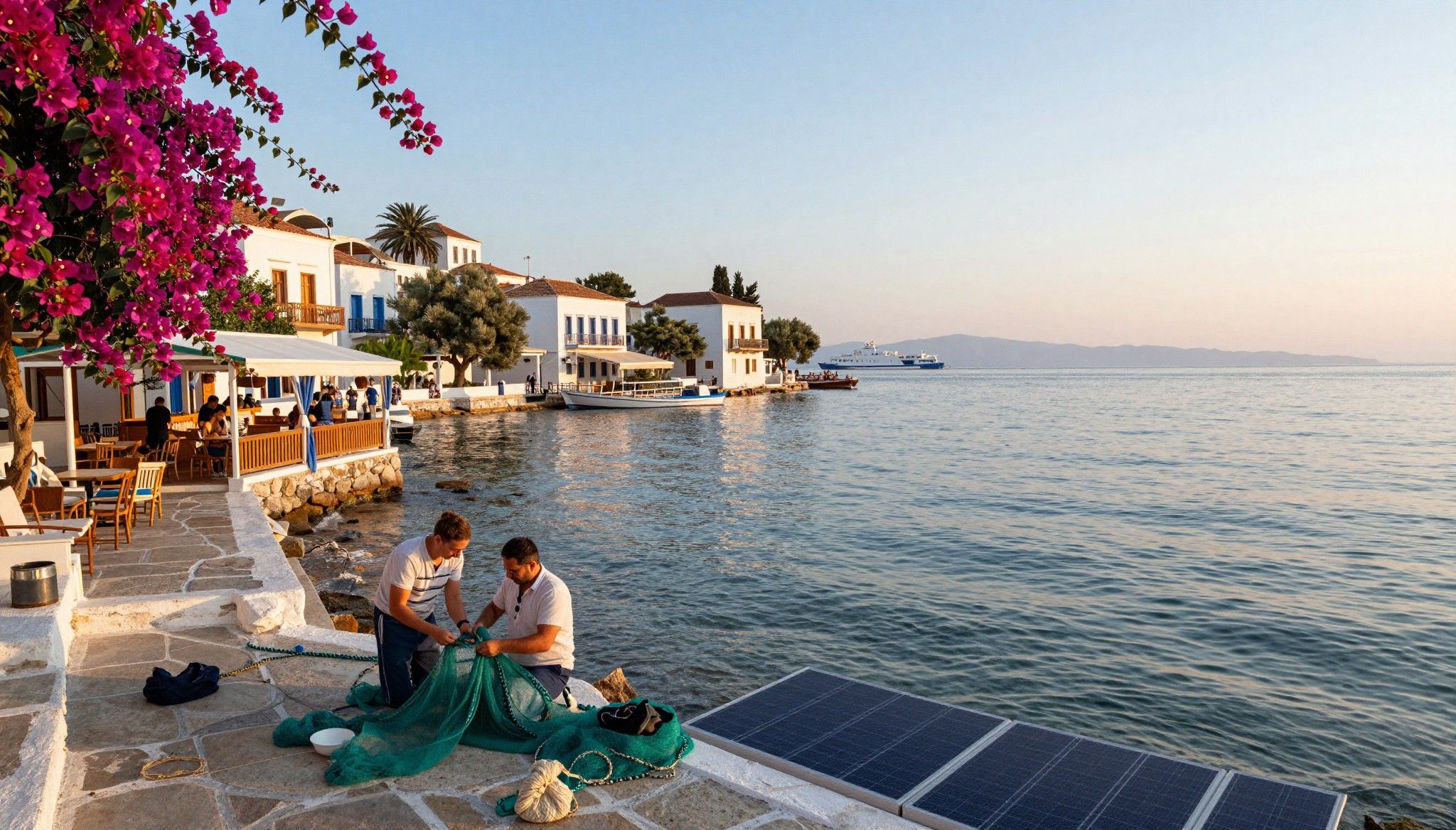
Imagine stepping out at dawn onto Sliema’s waterfront, an espresso steaming in your hand while fishermen untangle nets and limestone terraces glow gold. In Malta, everyday life moves at the rhythm of sea breezes, seasonal festas and slow, convivial mornings — a small island where neighborhoods still feel like villages. But the dream of sunlit terraces and sea views collides with a market that tightens every high season; recent market analysis shows steady price gains that make timing and local nuance important. This piece is for the buyers who want the lived‑in Malta — the cafes, the craftsmen, the wild bays — and the grounded steps that turn longing into a sustainable purchase.
Living Malta: Rhythms, Recipes and Streets
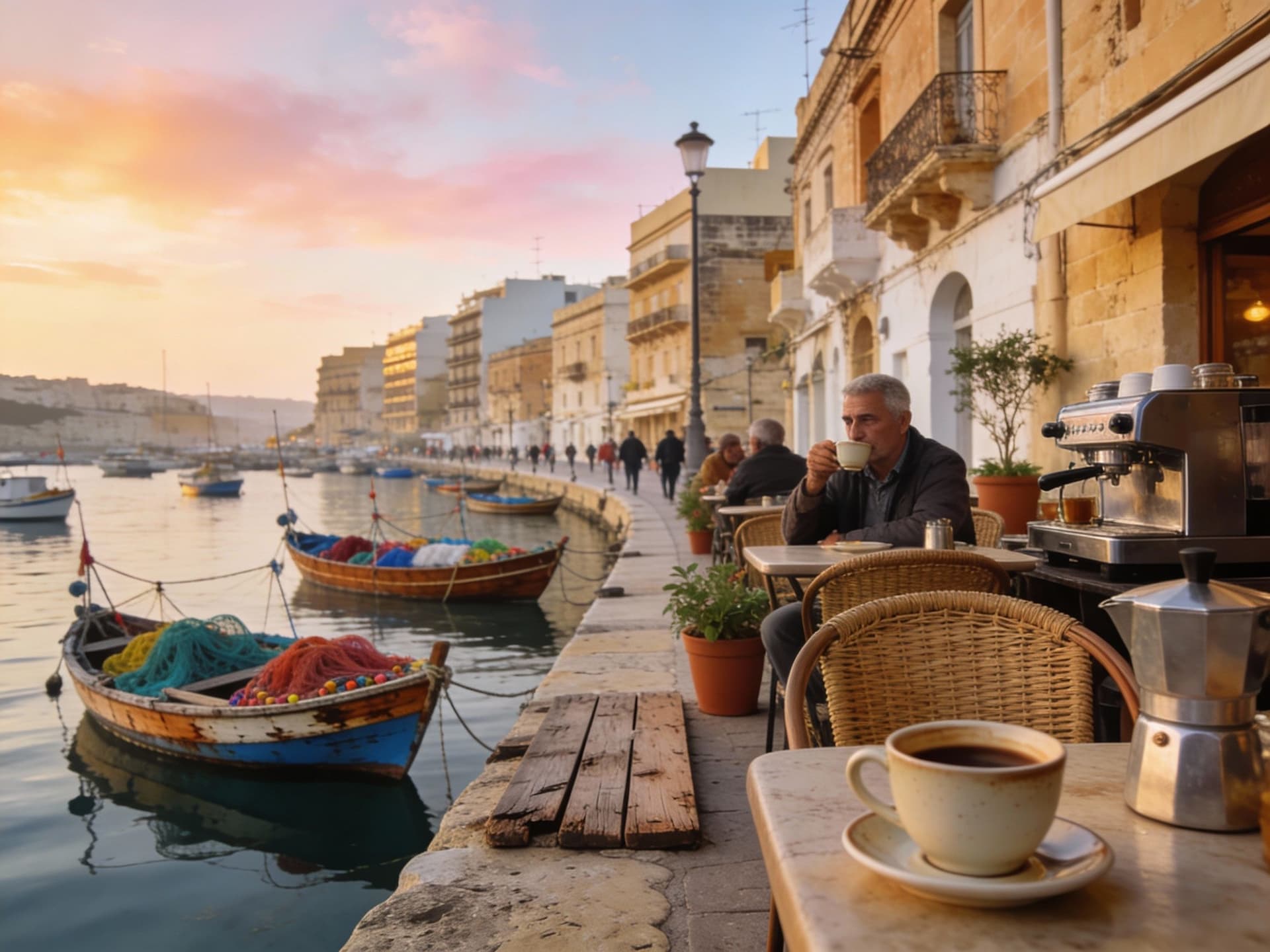
Malta is compact and tactile: limestone lanes, balconies hung with drying clothes, and a coastline that changes mood with the hour. Mornings mean market runs for gbejniet (local cheese) and sun‑warmed tomatoes; afternoons melt into siesta‑like quiet in older towns and busy, laughter‑filled terraces in tourist hubs. Seasons shape daily life — winter rains coax wildflowers onto rubble walls while summer crowds thicken around Blue Lagoon and St George’s Bay — and that seasonal rhythm should shape where you shop for a home.
Sliema & St. Julian’s — sea promenades, cafés and lively evenings
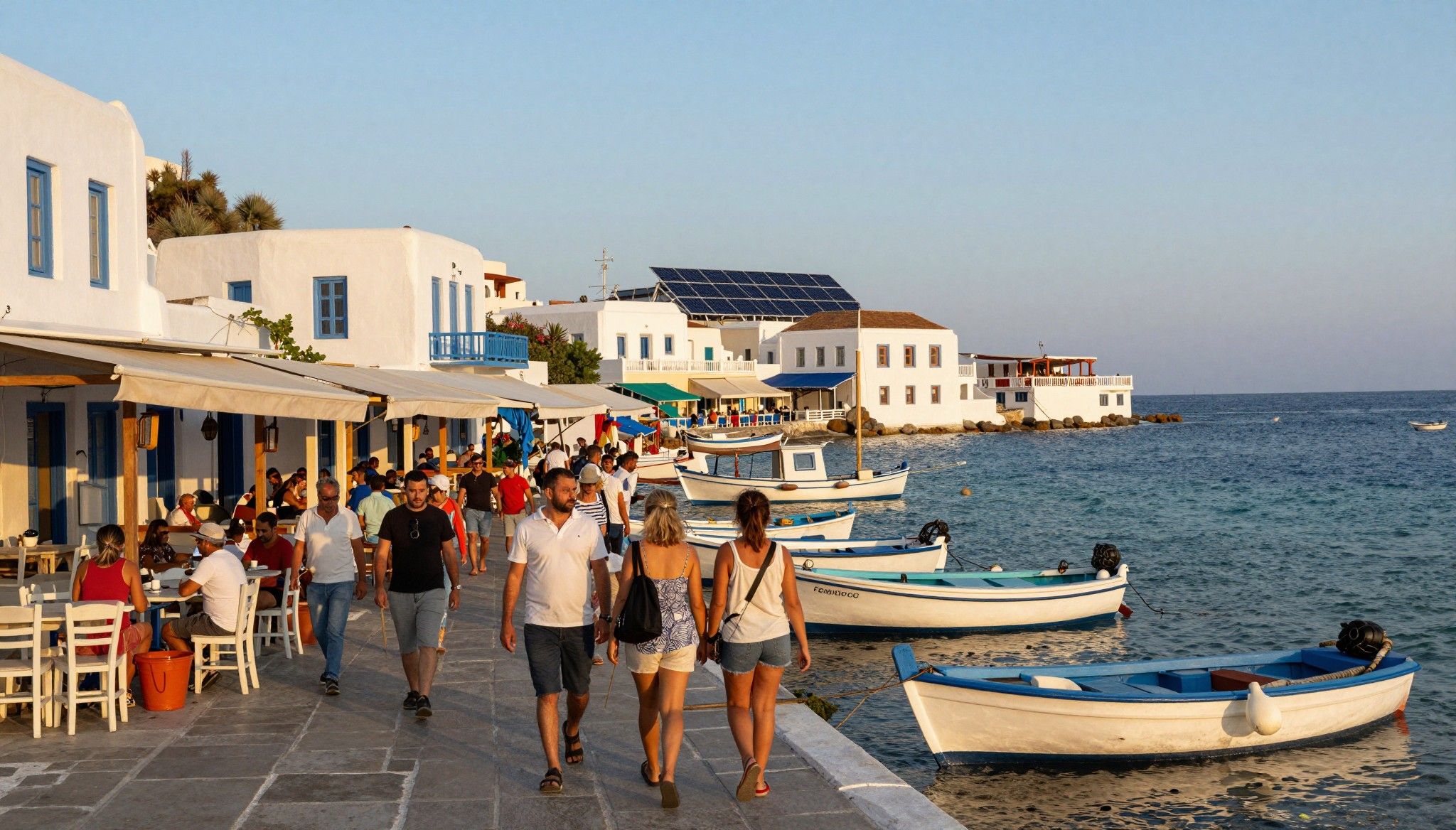
If you want social life and easy amenities, Sliema and St. Julian’s deliver. The stone promenades host morning walkers and after‑work aperitivi, ferries to Valletta and a tight cluster of restaurants and boutique stores. Properties here tend to be apartment‑led, with balconies that frame the sea; they suit buyers looking for an urban‑by‑the‑sea life but be ready for summer crowds and higher per‑square‑metre prices compared with quieter villages.
Mdina, Marsaxlokk & Gozo — quiet, craft and countryside
For contemplative living — stone courtyards, local bakeries and a slower cadence — look inland to Mdina’s quiet lanes, Marsaxlokk’s fish market, or over to Gozo’s greener hills. You’ll meet craftsmen restoring rubble walls, gardeners tending citrus terraces and neighbours who trade home‑made preserves. These areas support hands‑on stewardship: homes that invite restoration, rooftop gardens and rainwater harvesting fit naturally into local life.
- Lifestyle highlights to taste and try in Malta:
- Morning espresso on Sliema promenade; a late‑afternoon swim at St Peter’s Pool; Sunday fish markets in Marsaxlokk; festas in village squares with brass bands and homemade pastries; exploring Gozo’s red‑sand Ramla Bay and inland valleys.
Make the Move: Practical Considerations with a Lifestyle Lens
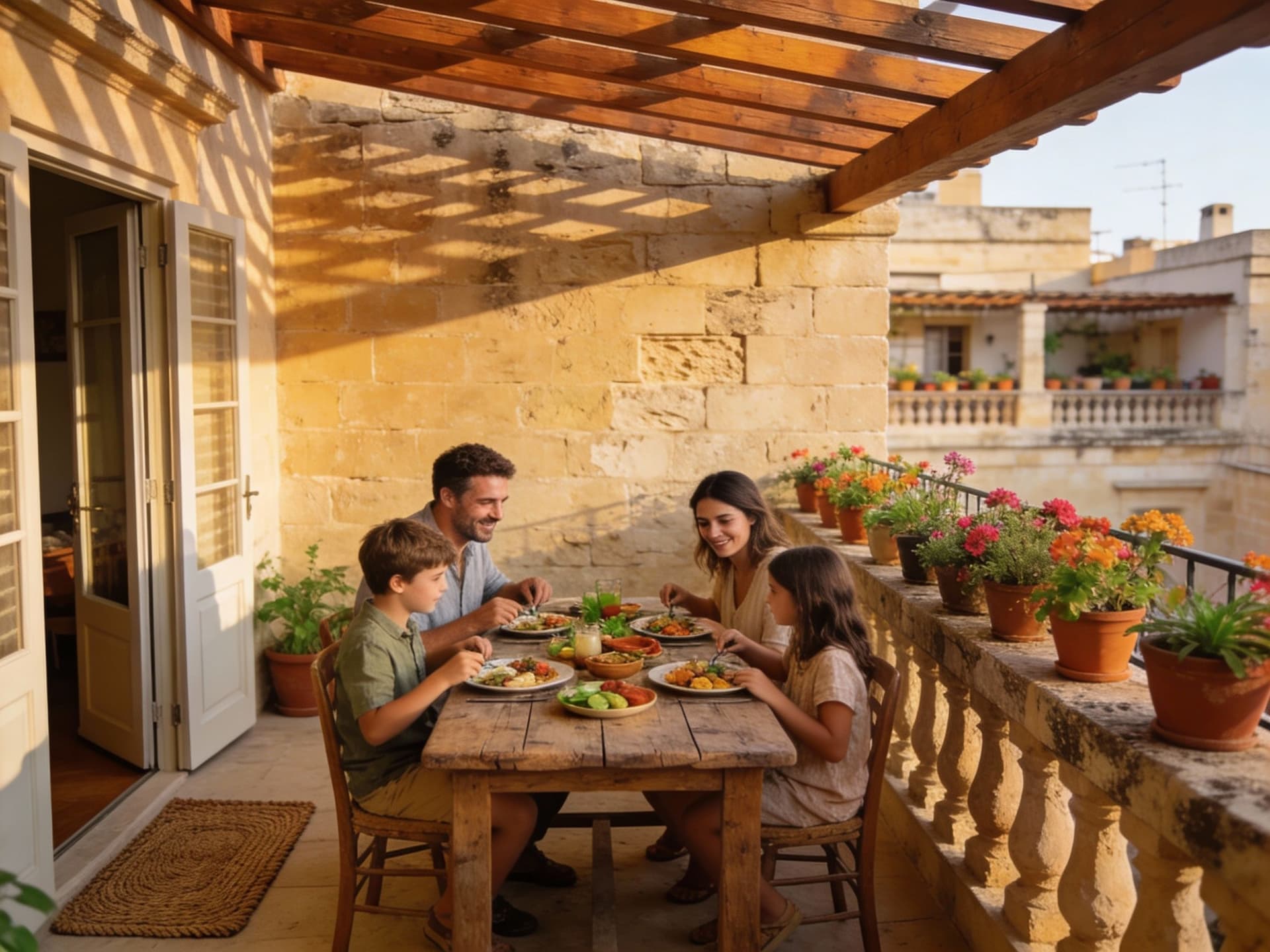
Loving a place and buying there are related but different acts. Malta’s Residential Property Price Index shows steady annual increases — a reminder that timing, type and location matter. Approach your search as layered: first, where you want to live; second, what property type supports that life; third, how seasonality affects both price visibility and quality of viewings. Local agents translate those layers into realistic options, and good ones will pair lifestyle priorities with market data.
Property types: what each means for daily life
Apartments in Sliema and Valletta offer walkable life and sea light but often sacrifice outdoor gardening. Maisonettes give ground‑floor access and street life for those who want a small courtyard or terrace. Traditional town houses and farmhouses — more common in Gozo and rural Malta — give space for gardens, workshops and renewable upgrades, but may need restoration and planning permissions.
Who to work with: agencies as lifestyle curators
Local agents do more than show listings; the best introduce you to the rhythm of a neighbourhood — the baker, the carpenter, the place to plug in solar panels — and help you read seasonal distortions. In Malta’s compact market, off‑market opportunities and local relationships matter, and agencies with strong ties to craftsmen and planning specialists save time and help you steward a property sustainably.
- Six lifestyle‑minded practical steps:
- Visit off‑season to feel daily life, not tourist theatre.
- Ask about past winter utility costs and passive cooling options instead of headline sqm prices.
- Request a site visit at different times of day to assess noise, sun and breeze patterns.
- Prioritise properties where stone, timber and local craftwork reduce need for heavy renovation.
- Confirm permitted outdoor improvements (roof gardens, cisterns, solar) with planning consultants early.
- Hire an agent who can introduce you to local maintenance artisans and seasonal move‑in calendars.
Insider Knowledge: What Expats Wish They’d Known
Many expats tell a similar story: they fell for a picture‑perfect summer view, only to discover the neighbourhood empties in winter or that modest terraces require costly waterproofing. Rising prices, reported by local sources, make it tempting to rush during high season; the wiser path is measured. A home chosen for how you will live in spring rain and winter light lasts longer than one chosen for a postcard‑perfect July evening.
Language, habits and daily courtesy
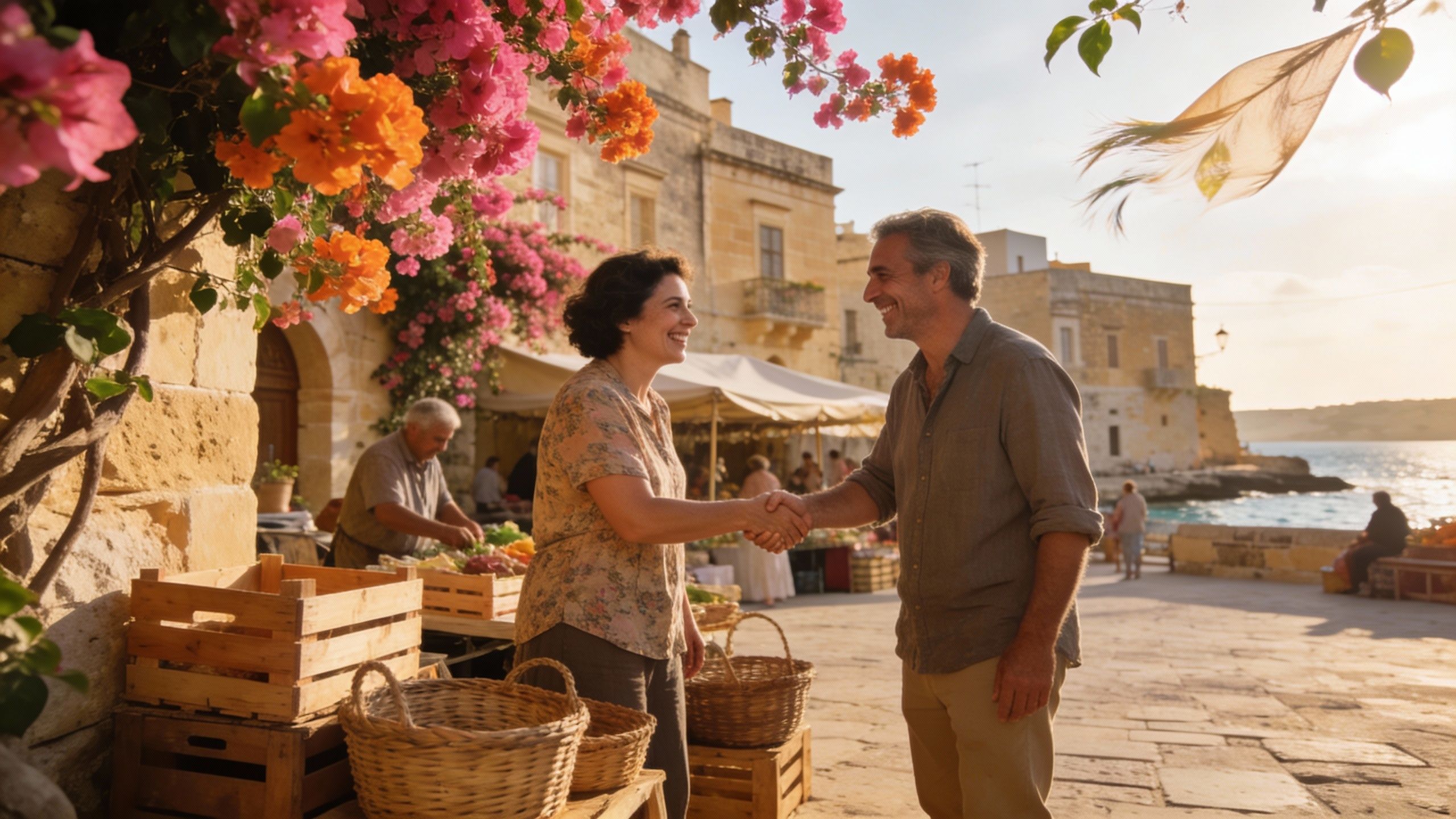
English is widely spoken and that eases many early‑stage moves, but the real key to belonging is small gestures: learning basic Maltese greetings, joining village festa committees, and buying from local tradespeople. These actions ease practicalities — from securing reliable plumbers to navigating minor planning queries — and root you in community rather than seeing Malta as a temporary backdrop.
Long‑term stewardship: making a home that heals the island
Because land scarcity drives value, stewardship matters economically and ethically. Seek homes that allow passive cooling, rainwater capture, native planting and sympathetic restoration rather than wholesale modernisation. These choices lower running costs, protect biodiversity and deepen your connection to place — and they often make a property more attractive to conscious renters or future buyers.
- Red flags and sustainable checks before you bid:
- Unclear airspace ownership (affects rooftop use); lack of documentation for past alterations; persistent damp in basements or old vaults; absence of simple passive cooling options; no access to local craftsmen for repairs.
If you love Malta for its light, limestone and festivals, plan as if you will live through all seasons here. Visit in winter to test the reality of daily life, work with an agent who knows both the market data and the baker down the lane, and prioritise properties that invite stewardship. When you pair the island’s sensuous lifestyle with practical checks and sustainable upgrades, you don’t just buy a house — you join a living landscape.
Next steps: schedule an off‑season viewing, ask for recent RPPI‑adjusted comparables, and request introductions to local craftsmen from your agent. These modest moves protect price, preserve lifestyle and set you on the path to a home that feels like it has always belonged to the island.
Norwegian market analyst who relocated from Oslo to Provence; guides investors with rigorous portfolio strategy and regional ecological value.