The Island Price Myth: Where Greece Still Offers Value
Contrary to headlines, Greece still offers lifestyle value: Golden Visa changes shifted demand — look to secondary islands, Peloponnese and Crete for authentic, sustainable homes.
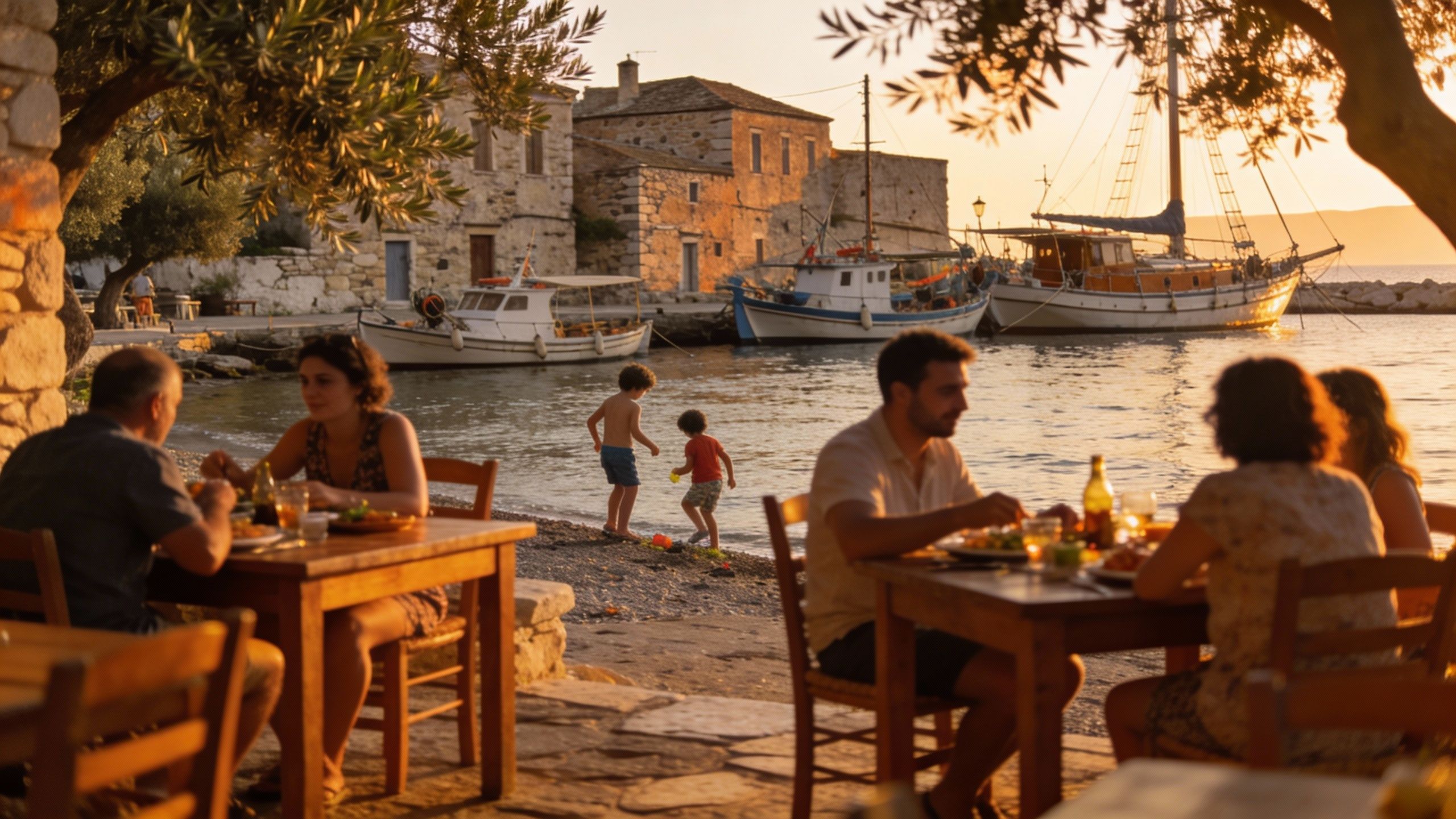
Imagine waking to the smell of salted stone and fresh coffee on a narrow Athens lane, or to cicadas and olive leaves on a quiet Cycladic hill. Greece is not a single rhythm but a chorus — urban mornings in Kolonaki, slow market Saturdays in Kalamata, and summer evenings in Naxos when the whole island spills onto the harbour. These are the small, living moments that shape the choice to buy here — and the truth is often richer, and more practical, than the headlines.
Living the Greek lifestyle: seasons, streets and senses
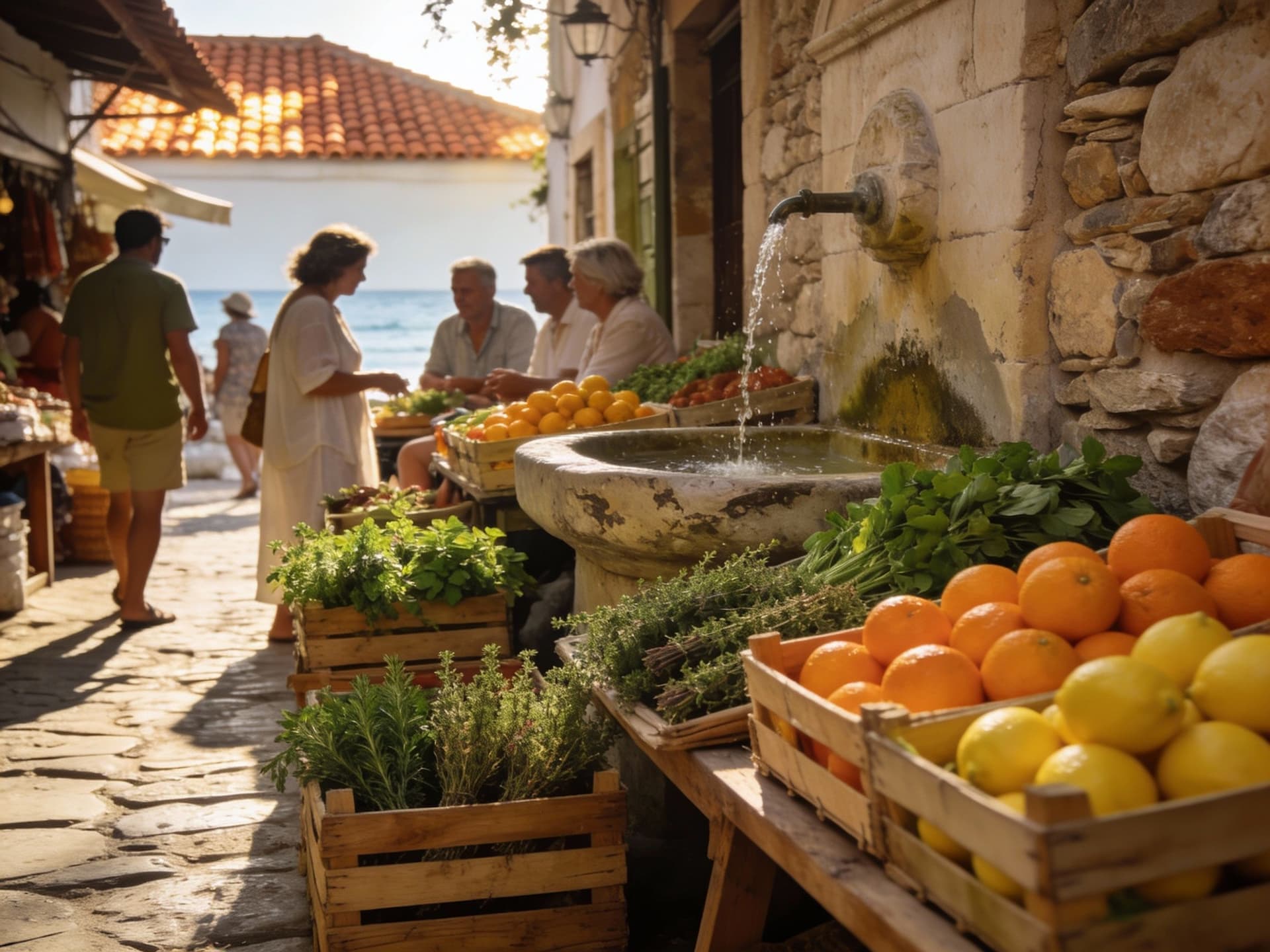
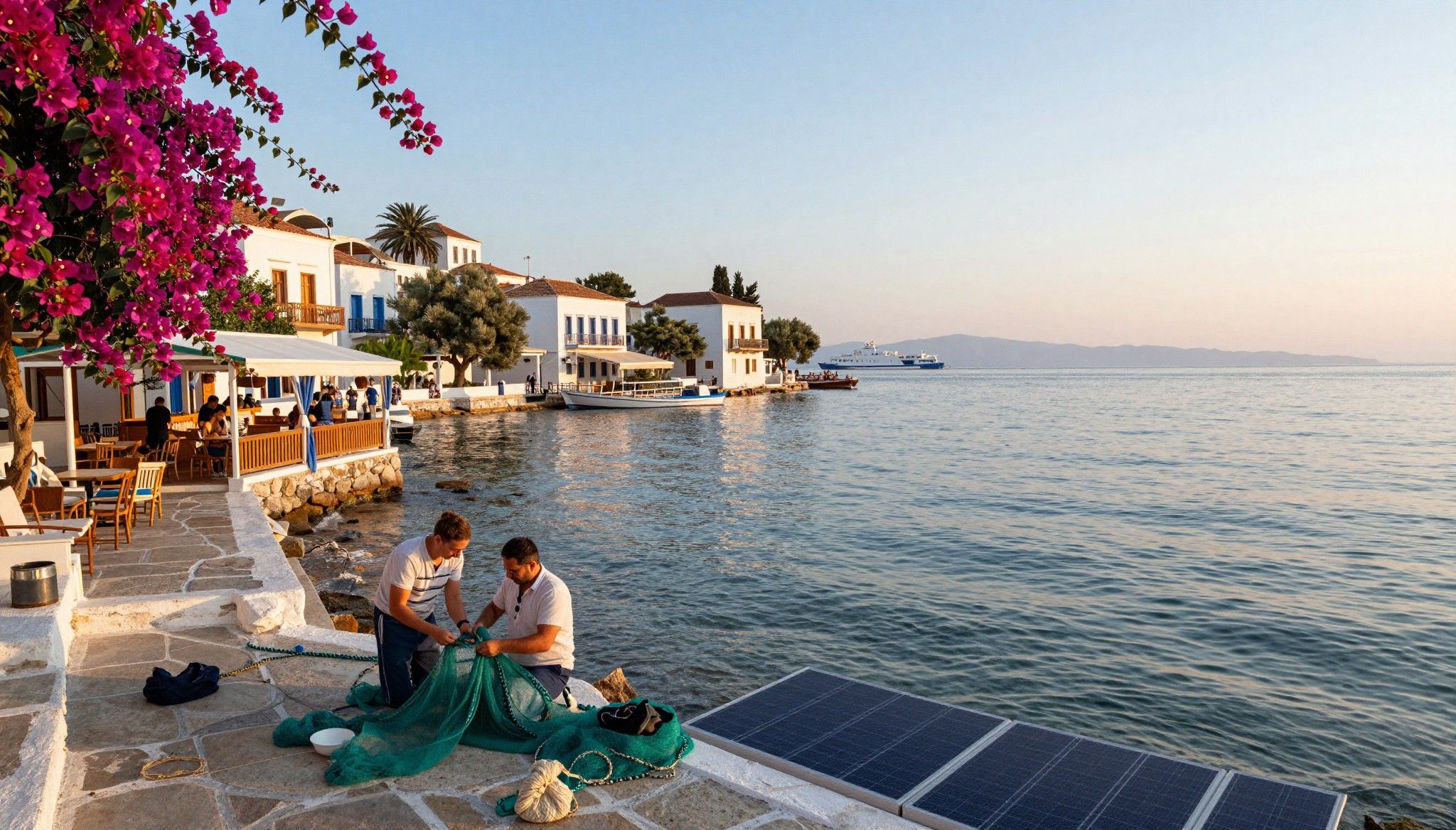
Daily life in Greece is tactile and seasonal. In Athens you’ll learn the sound of late‑afternoon kafes where older men play backgammon on Ermou; on the islands, mornings are for fishermen’s markets and afternoons for siestas or sea swims. The pace changes not just by island versus city but by neighborhood: Glyfada feels Mediterranean suburb; Plaka is a layered history that hums with tourists and locals in equal measure.
Neighborhood spotlights: Athens, Corfu and Milos
In Athens, areas like Kifissia and northern suburbs blend leafy streets, artisanal bakeries and easy access to international schools; the Athens Riviera (Glyfada to Voula) gives seaside living with the city close. Corfu’s Old Town is Venetian stone, narrow alleys and year‑round cafés; Milos rewards slow mornings in fishing coves and modest village houses with big outdoor terraces. These examples illustrate how lifestyle shapes property choices — restored stone homes for olive‑grove living, seafront flats for a social, walkable life.
Food, markets and seasonal life
Markets are calendar anchors: fish markets before dawn, farmers’ stalls that change with season, and cafés that admit long conversations. Recent data from ELSTAT show household spending rising in dining and culture, which echoes how buyers feel the cost of day‑to‑day life here. That said, food and local produce remain superb value and are central to the lifestyle many international buyers seek.
- Lifestyle highlights to look for
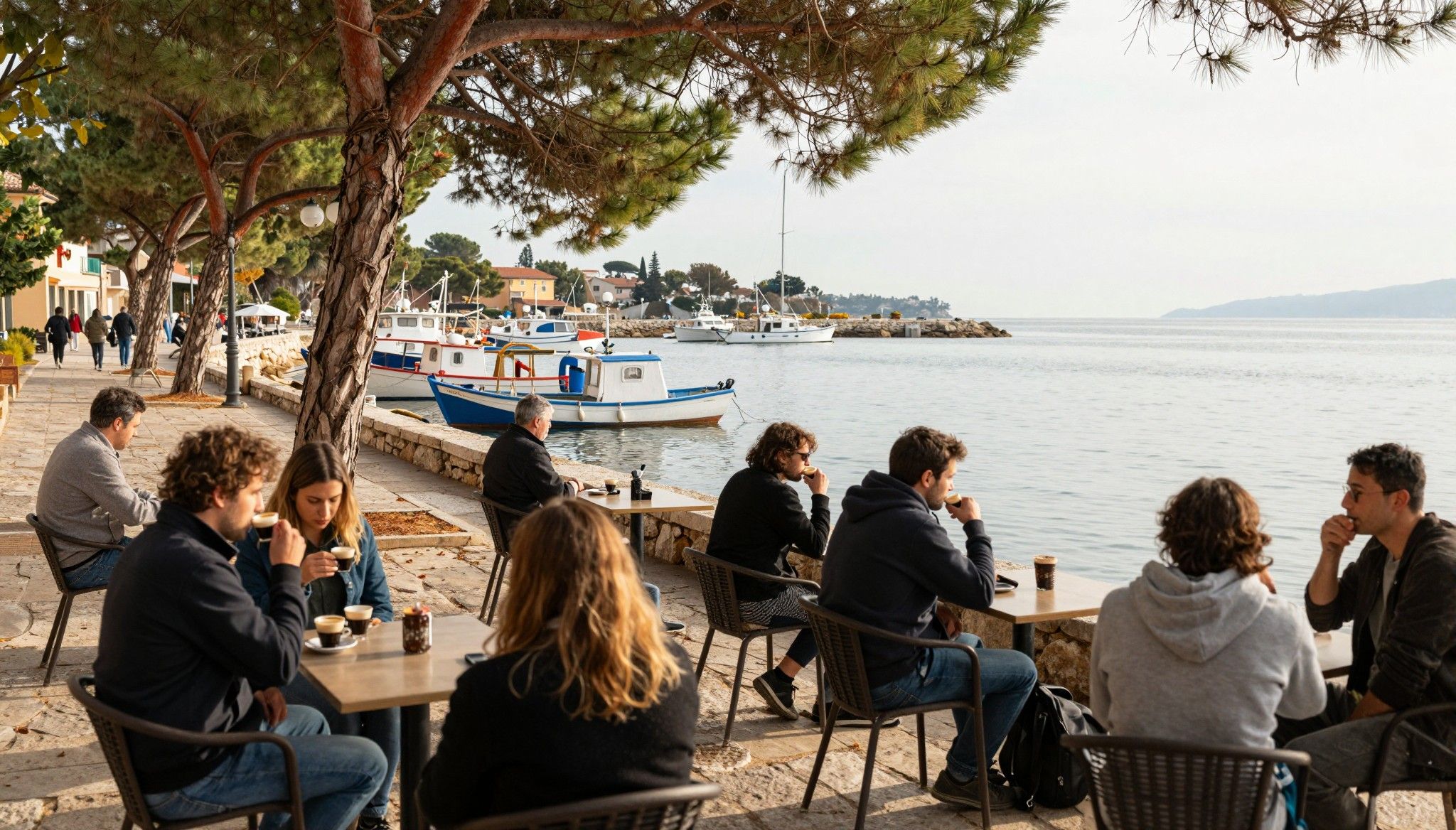
- Morning espresso ritual at a corner kafeneio (try Koumbari in Plaka or To Kouti in Chania)
- Weekly farmers’ markets — Nafplio’s market for produce, Rhodes’ for herbs and cheese
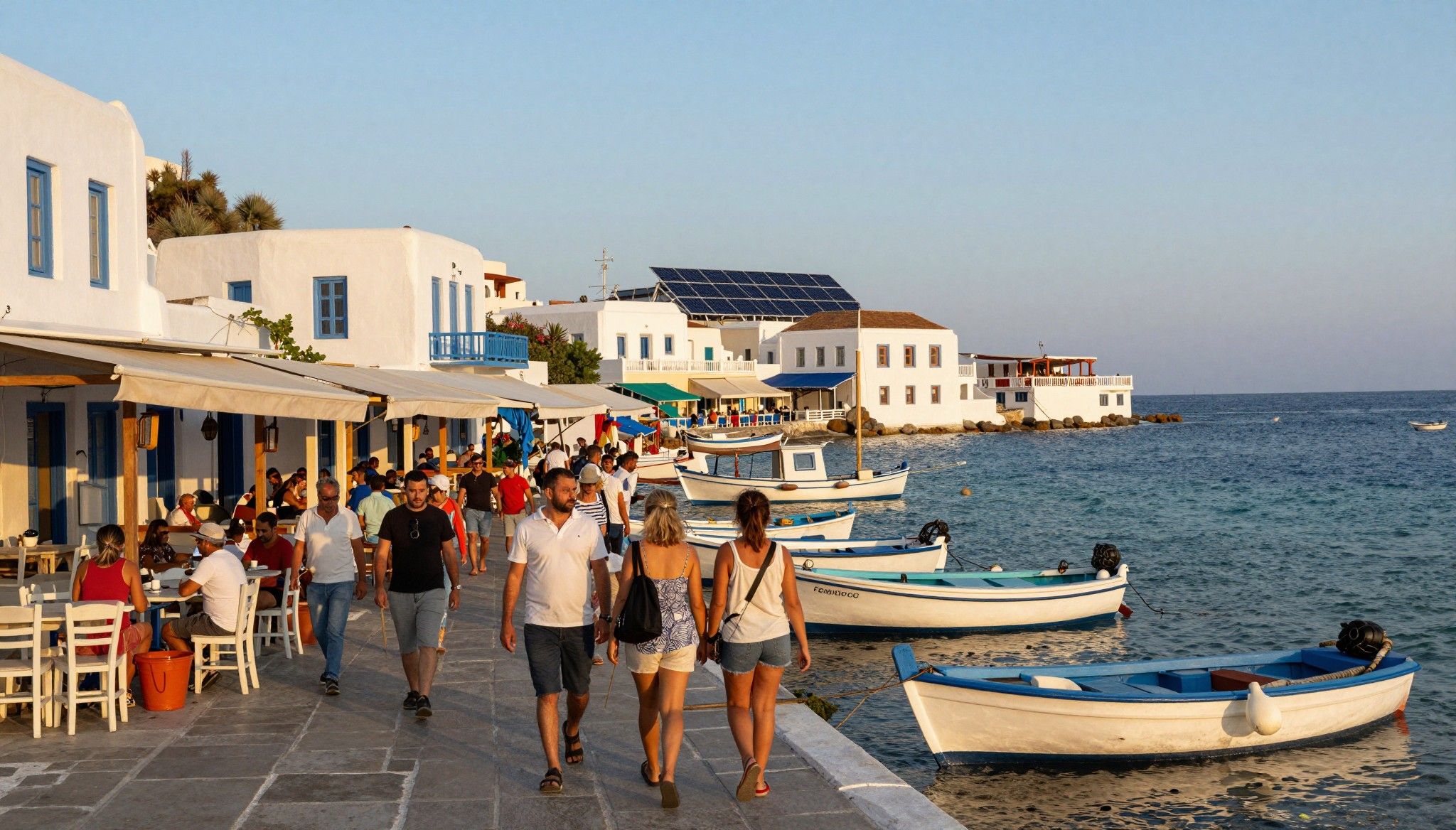
- Evening seaside tavernas with local wine — the real social centre on many islands
Making the move: practical considerations that preserve lifestyle
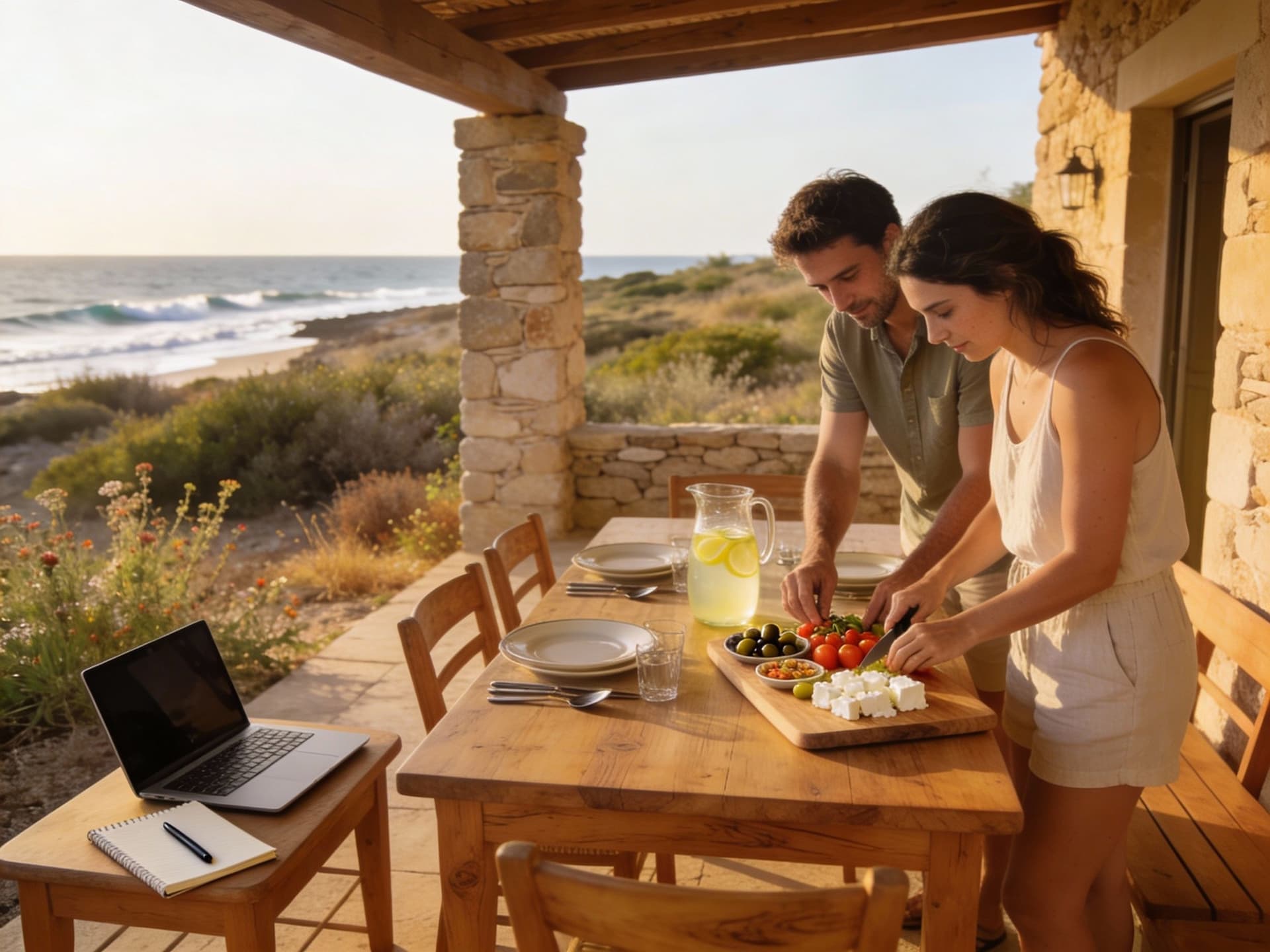
Lifestyle dreams must meet legal and market reality. Recent changes to Greece’s residency thresholds reshaped where many international buyers look: higher minimum investments now apply to Athens, major islands and larger municipalities, while mainland and secondary regions often require lower thresholds. That shift has nudged value‑seekers toward the Peloponnese, parts of Crete and northern Greece — places with deep seasonal life and lower entry prices.
Property styles and how they support life
Traditional stone houses with thick walls and courtyards are excellent for passive cooling and seasonal use; contemporary villas with solar and rainwater collection suit those who want year‑round comfort and home offices. Urban apartments near transport and markets are ideal for a social, walkable life. Match the building type to how you’ll live: long stays favour energy‑efficient modernisations; seasonal use favours simple, low‑maintenance finishes.
Working with local experts who protect both dream and data
A local agent who understands seasonal rhythms, village politics and building idiosyncrasies is indispensable. They help locate properties off the tourist strip, negotiate on customary terms, and recommend trusted architects who respect traditional materials — for example lime plaster, local stone and olive‑wood joinery. Ask for examples of past eco‑restorations and for references from international clients who live the lifestyle you want.
- Steps to balance lifestyle with practical buying (a compact checklist)
- 1) Spend a season living in your target area before committing — rent a restored house or long‑stay apartment.
- 2) Prioritise outdoor space and passive design (shade, cross‑ventilation, insulation) to reduce running costs and increase comfort.
- 3) Insist on documented local surveys for water access, seismic compliance and clear land registry records.
- 4) Build relationships with a local architect and a bilingual notary — they translate more than language; they translate custom.
Insider knowledge: myths, expat realities and seasonal truths
Myth: "Islands are always unaffordable." Counter: while premium pockets (Mykonos, parts of Santorini) command high prices, policy and demand shifts have created new value in secondary islands and mainland coastal towns. Recent reports show domestic buyers increasingly active, and rising thresholds for residency have pushed investors to look beyond headline islands. Knowing which micro‑markets still offer affordable, authentic life is the real skill.
Cultural nuances expats wish they’d known
Greeks value relationships and patience. Expect slower administrative rhythms and celebrate local networks: your neighbour or kafeneio owner will often be the best source of quiet opportunities. Learning basic Greek phrases opens doors; so does showing respect for local traditions — harvest festivals, church events and land‑care practices matter to community acceptance and long‑term stewardship.
Seasonal reality check: summer illusions and winter truths
Summer shows Greece at its brightest — open tavernas, ferry schedules full, cafés at dawn and dusk. But off‑season is where a place reveals daily life: quiet markets, lower running costs, and closer ties with neighbours. If you want year‑round community, investigate connectivity, winter services and local economies — islands like Crete or Corfu offer more all‑season life than smaller Cyclades.
- Red flags and local realities to watch for
- Unclear land registry entries (check with Hellenic Cadastre)
- Properties sold with informal additions or without permits for terraces
- High seasonal maintenance costs for seafront properties exposed to salt and winds
Conclusion: Greece as a living choice, not just a price point
Greece rewards those who choose for life rather than headline returns. Match the neighborhood to the rhythm you want, prioritise passive design and local craftsmanship, and work with agents who know seasonal nuances and local stewardship. Start by staying a season, speak to local residents, and ask your agent for comparable lifestyle examples — the right home will feel like it has always belonged to the place.
Dutch property strategist who helped 200+ families find sustainable homes in southern Europe; expert in legal pathways and long-term stewardship.