Cyprus: Love the Light, Check the Paperwork
Fall for Cyprus’ light while doing due diligence: how to combine lifestyle choices with permit checks, title clarity and sustainability-savvy buying.
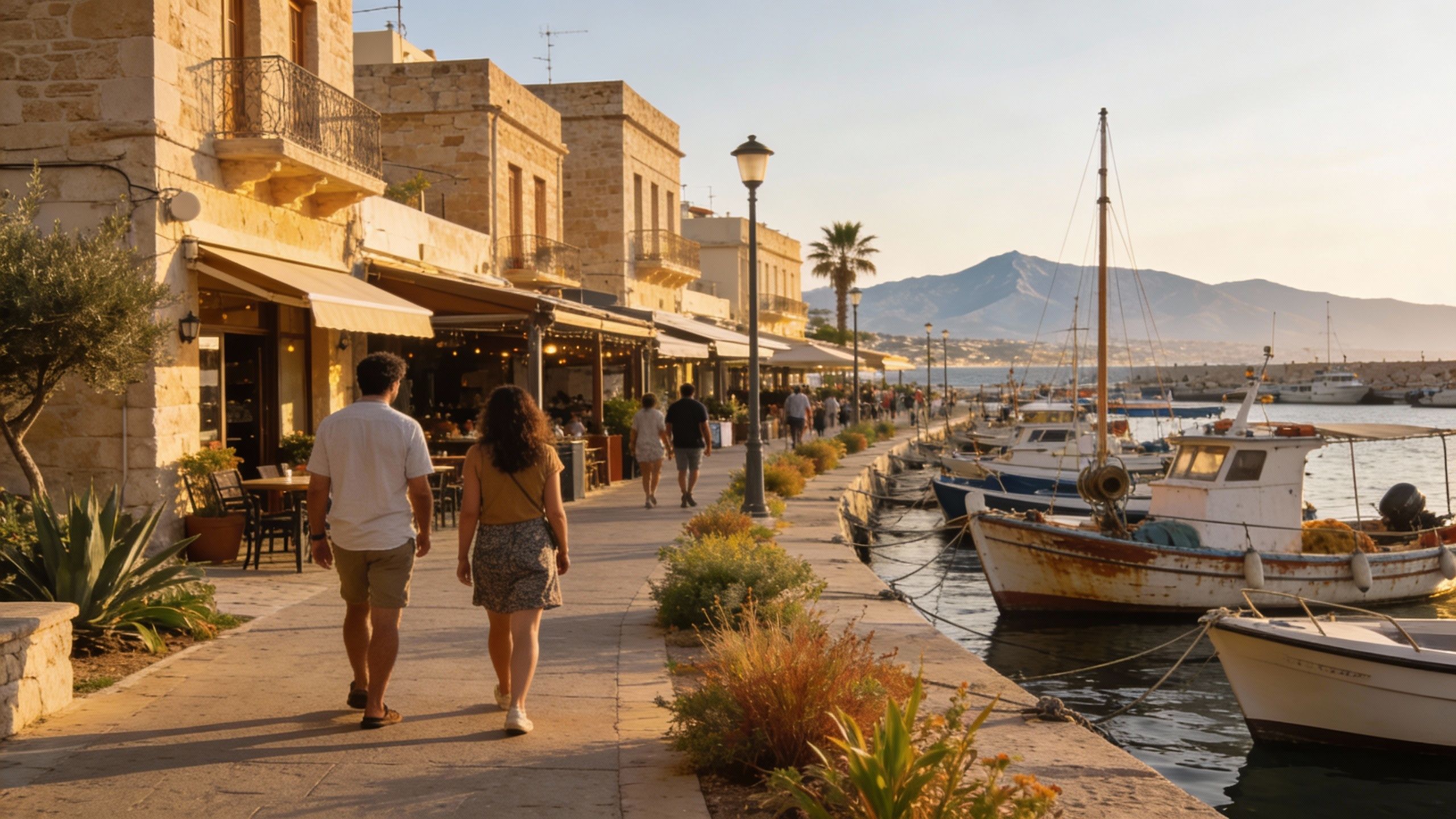
Imagine waking to the smell of cinnamon buns at Ledra Street’s early market stalls, then driving a coastal road where limestone cliffs meet turquoise sea — that sensory ease is what draws people to Cyprus. But love at first sight doesn't replace careful due diligence. In a small nation where sunlit days, village rhythms, and a patchwork of old stone homes meet modern developments, the right paperwork and local intelligence are part of stewardship: protecting both your lifestyle and the island’s fragile landscapes.
Living Cyprus: light, land and daily rhythms
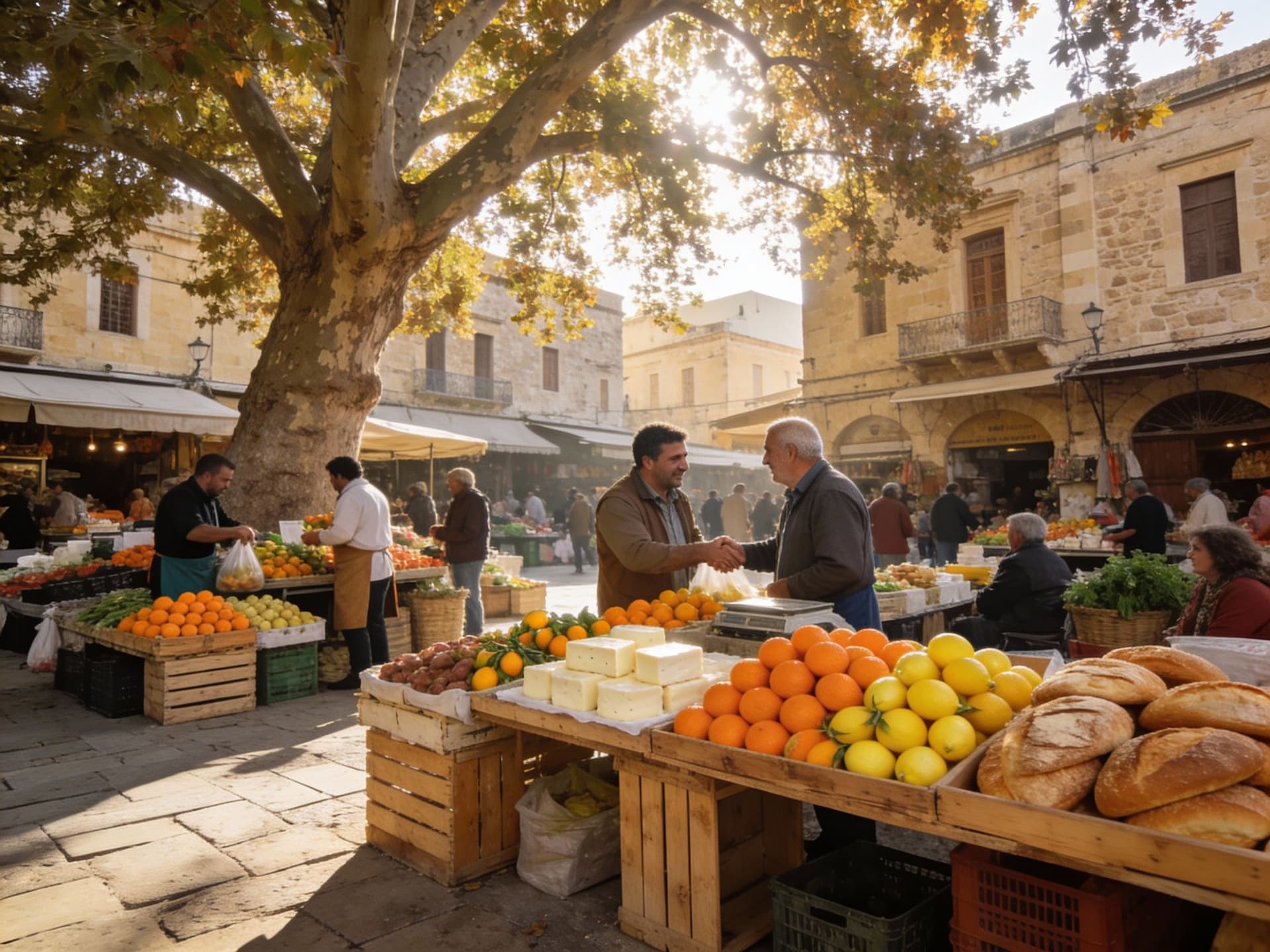
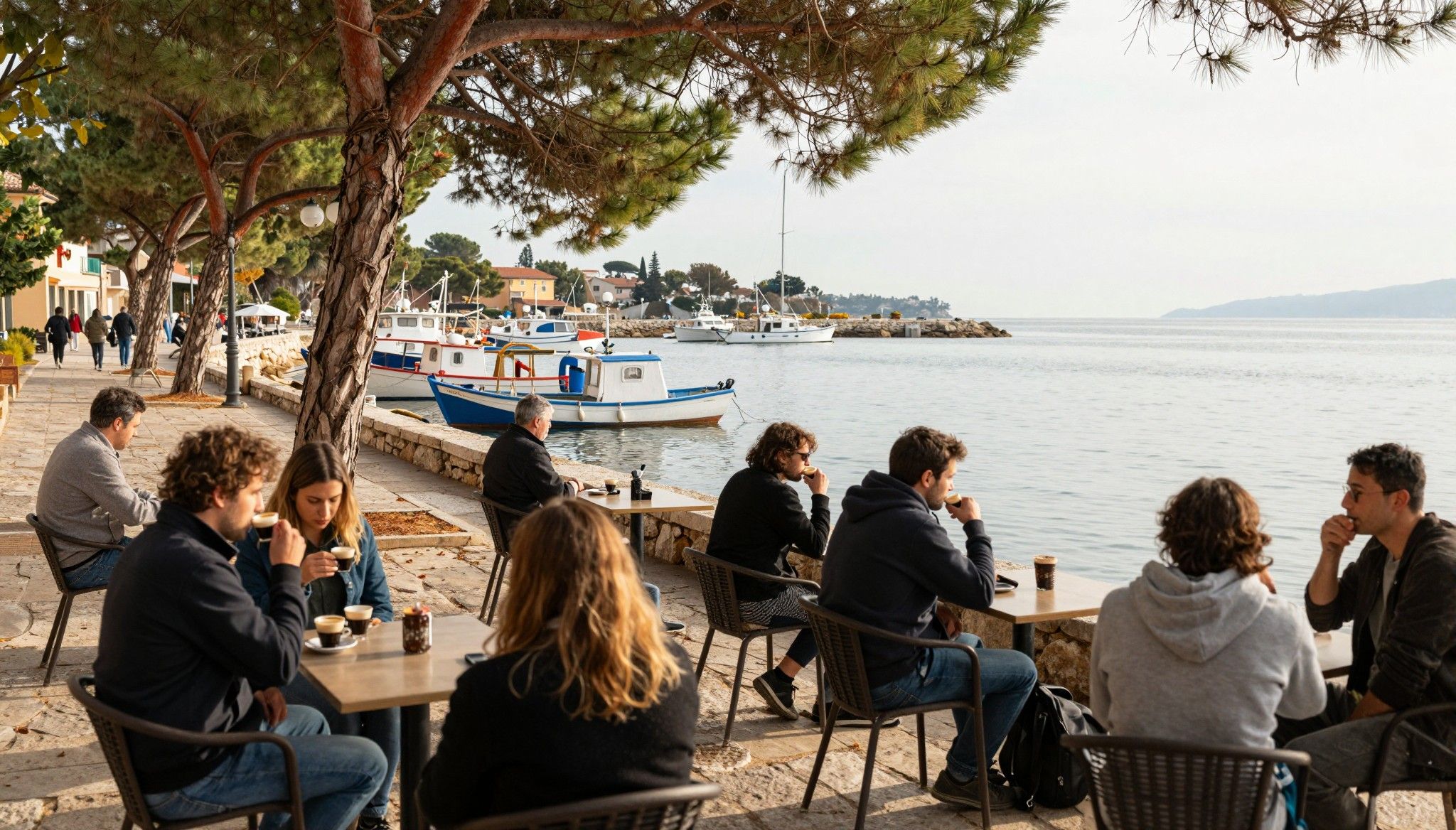
Cyprus feels lived-in and generous. Morning markets spill citrus and halloumi into neighbourhood squares; by noon, cafés in Paphos hum with pensioners playing backgammon under plane trees, and in Limassol surfers and families share long beaches. Seasonal life is pronounced — spring’s wildflowers carpet Akamas; winter brings eucalyptus-scented rains and quieter coastal towns. That rhythm shapes what kind of home you’ll want: a stone village house for slow winters, or a seafront apartment for year-round light.
Neighbourhoods that tell different stories
Every district in Cyprus has its own cadence. Nicosia’s narrow streets are layered with history and practical services; Limassol blends international flair with marina-front living; Paphos keeps a quieter, archeological charm; Larnaca is slow, coastal, and surprisingly community-driven. Small villages like Omodos and Kakopetria offer stone courtyards, grape harvest festivals and deep ties to craft — perfect if you want to anchor yourself in seasonal, regenerative living.
Food, market life and eco-minded routines
Picture buying fish at a Larnaca quay stall at dawn, then cycling home past terraced olive groves. Local food culture is proudly seasonal: shepherd’s pie (kleftiko) on slow Sundays, citrus-and-herb salads in summer, and small bakeries that still use wood-fired ovens. For eco-minded buyers, community gardens, small-scale olive oil co-ops and farm-to-table tavernas are where sustainable living becomes social life.
- Lifestyle highlights to feel the place
- Morning espresso and baklava at Faneromeni Square (Nicosia); weekend farmers’ market at Paphos Old Harbour; sunset promenades at Limassol Marina; grape stomp festivals in Troodos villages; wild-swim coves around Akamas Peninsula.
From daydream to deed: practical, place-aware considerations
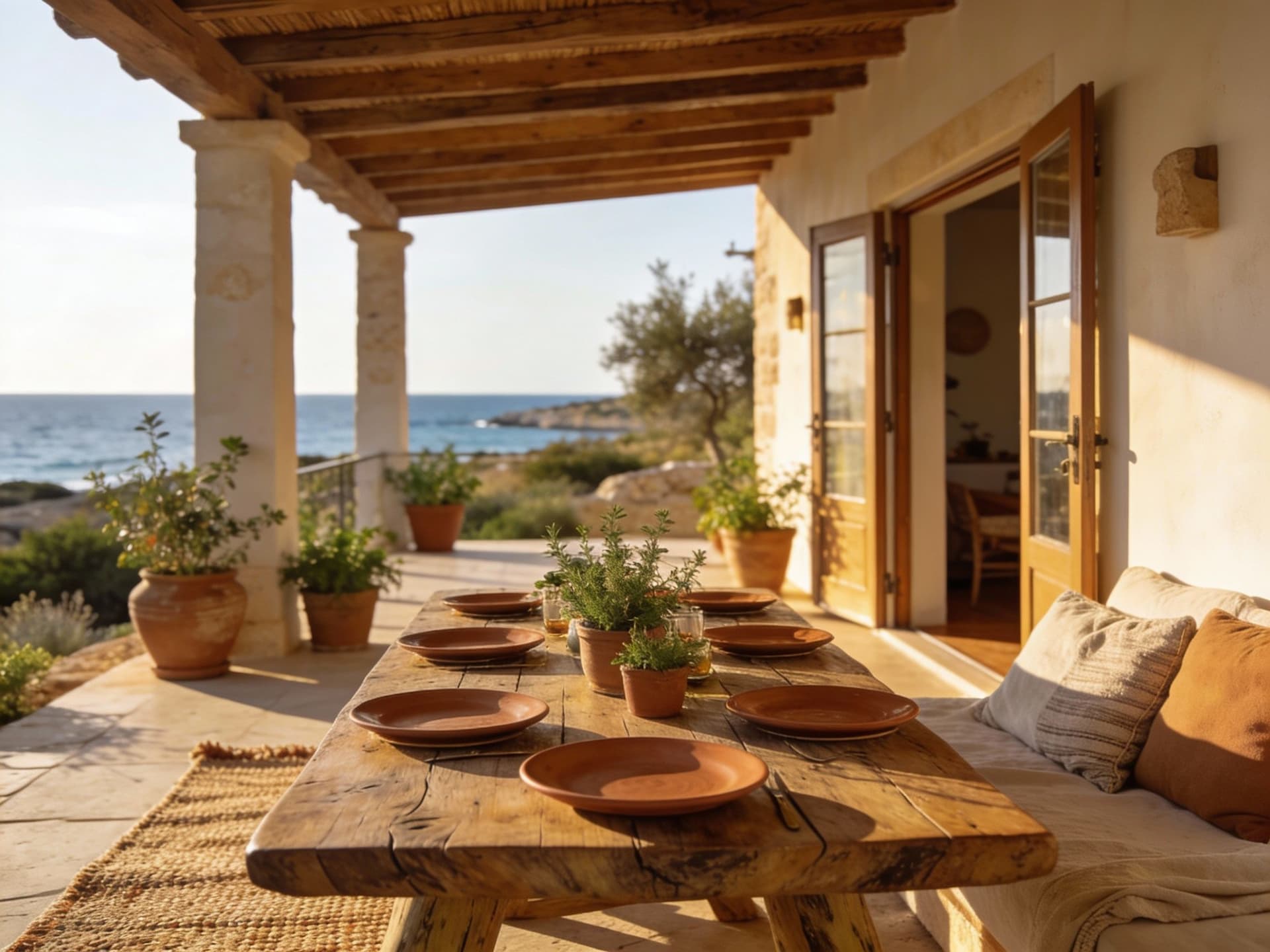
Cyprus’ lifestyle is intoxicating, but the legal steps are precise. Non‑EU citizens must apply for permission to buy land (form COMM 145) through the district administration — a process that is typically straightforward but must be started early. Title deeds, land-use permits and up-to-date Land Registry entries are the scaffolding that lets your life here be secure and low-impact.
Property types, climate adaptation and sustainable fit
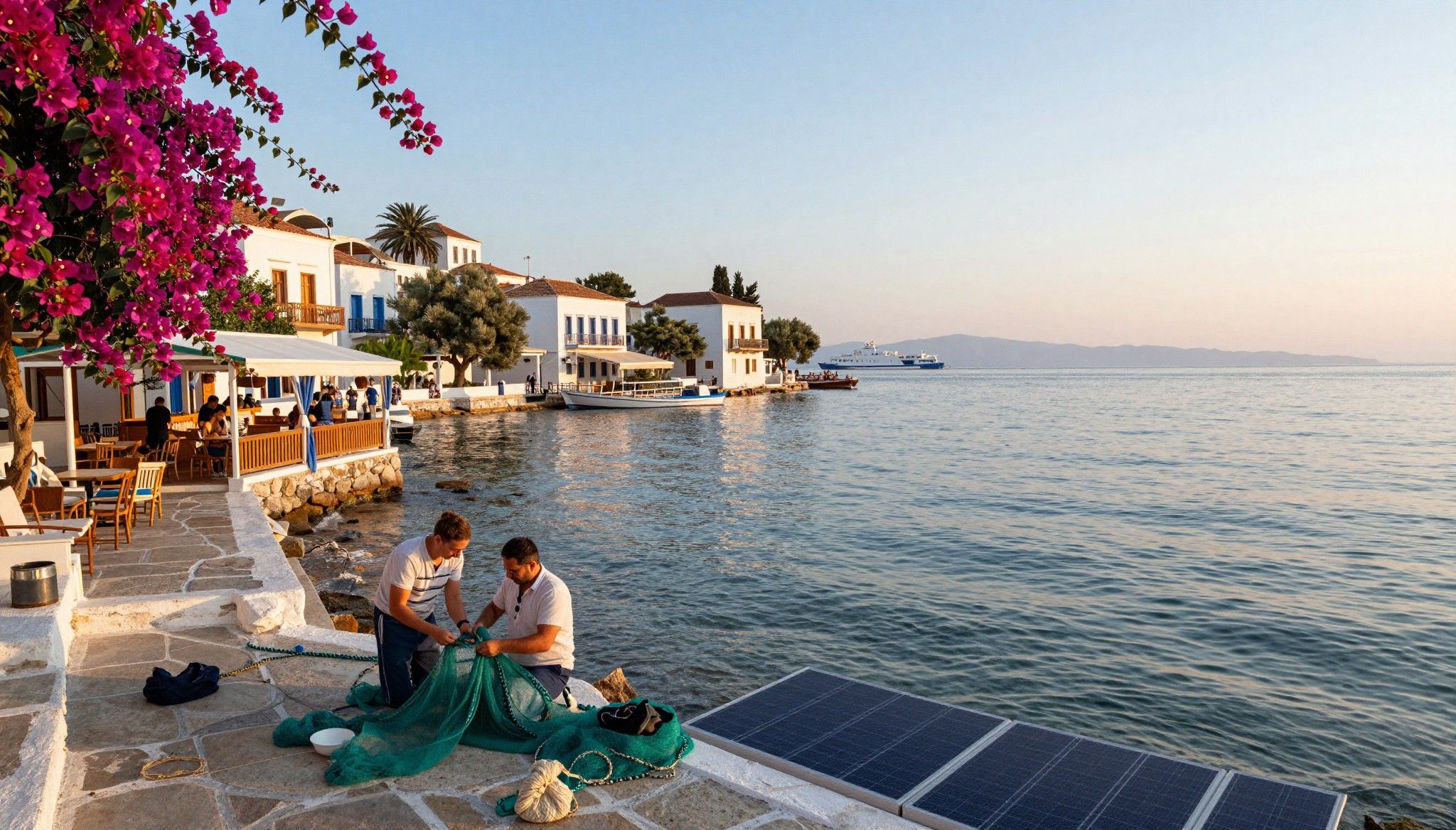
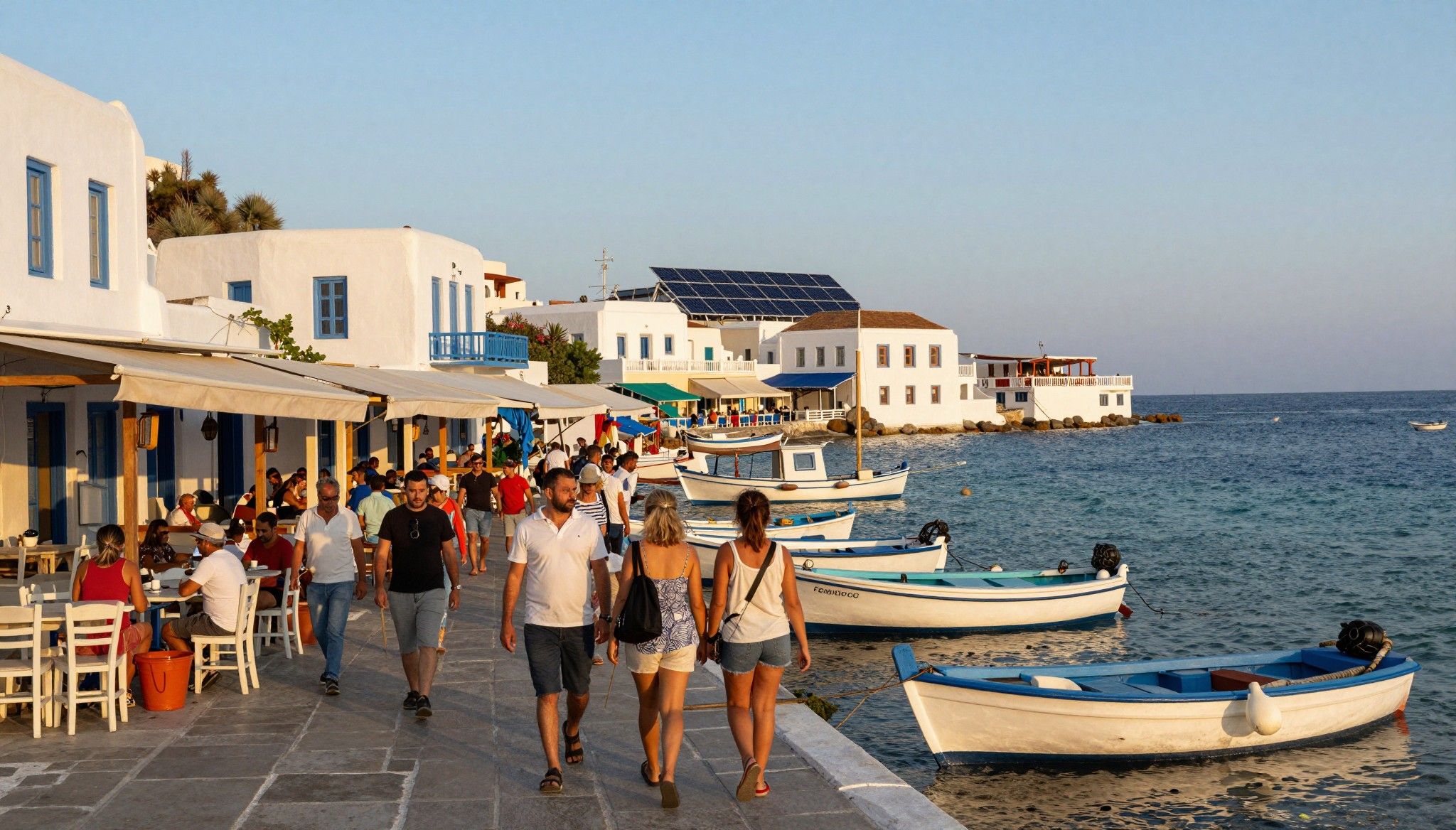
Whether you choose a whitewashed coastal villa or a stone Troodos cottage, think climate: thick stone walls and verandas keep homes cool; solar orientation and PV-ready roofs lower bills and environmental impact; rainwater harvesting and native landscaping reduce water stress. Market data shows house prices and demand remain active across districts, so match the building type to both seasonal life and long-term stewardship goals.
How local experts become your lifestyle stewards
A lawyer versed in Cyprus conveyancing, a local architect comfortable with vernacular materials, and an agent who knows where olive groves meet development plans are essential team members. Choose advisors who value low-impact renovation and can check planning permits, building compliance and any protected-area restrictions that affect rural builds or coastal restorations.
- Step-by-step practical checklist for mindful buying
- 1) Ask your agent for current Land Registry extracts and a clear title-deed history; 2) Engage a local lawyer to file COMM 145 (if non‑EU) and verify municipal permits; 3) Commission an energy and water-efficiency audit; 4) Request a council planning search for protected zones; 5) Confirm all construction work has completion certificates and that VAT/transfer taxes are accounted for.
Insider knowledge: myths, red flags and real opportunities
A few myths deserve correction. Cyprus isn’t uniformly expensive — pockets of exceptional value remain inland and in lesser-known coastal strips, particularly where locals preserve traditional architecture. The real red flags are vague ownership histories, missing completion certificates, and any property described as “off-plan” without escrow protections. Conversely, properties with solar infrastructure, native gardens and verified rainwater systems can be both lifestyle‑enhancing and future‑proofed against running costs.
Cultural cues and what expats wish they’d known
Cypriot social life values face-to-face ties. Accepting an invitation to a village meal or joining a local festival accelerates trust, and those relationships often help when you need a local builder, gardener, or trustee. English is widely spoken in urban and expat areas, but learning simple Greek phrases will deepen your day-to-day connection and respect for local stewardship practices.
Long-term stewardship: sustain the life you buy
Think beyond purchase: integrate native planting, invest in energy efficiency, and favour local craftsmen who use stone and timber. Check the Department of Lands and Surveys for any conservation overlays that influence what you can do to land. A modest upfront investment in insulation, PV panels and low‑flow plumbing preserves both value and the island’s ecology.
- Red flags to walk away from
- No clear title-deed; missing completion/occupation certificate; planning permission older than 20 years with undocumented alterations; seller unwilling to provide council searches; properties in protected coastal zones without permits.
- How to prioritise due diligence when you fall in love fast
- 1) Secure a local lawyer to run title and planning searches; 2) Request a technical survey focused on structure, insulation, and water systems; 3) Verify any advertised “green” features (serial numbers for solar inverters, permits for wells); 4) Agree contract terms that place funds in escrow pending clean certificate delivery.
Conclusion: live lightly, buy wisely
Cyprus offers a life calibrated to seasons, food and human-scale pleasure. If you want to live with the island rather than simply on it, let that lifestyle inform every legal and technical check you make. Start with trusted local advisors who respect both your vision and the land; ask for proof of green credentials and completion certificates; and prioritise homes that already embrace passive comfort and renewable energy. That way, the sun and the sea remain gifts, not liabilities.
British expat who traded Manchester for Mallorca in 2017. Specializes in guiding UK buyers to luxury Spanish estates with clear navigation of visas and tax.