Buy in Croatia When the Market Sleeps
Seasonal rhythms warp Croatia’s market: close in shoulder months, insist on stewardship clauses, and prioritise off‑peak inspections to protect price and place.
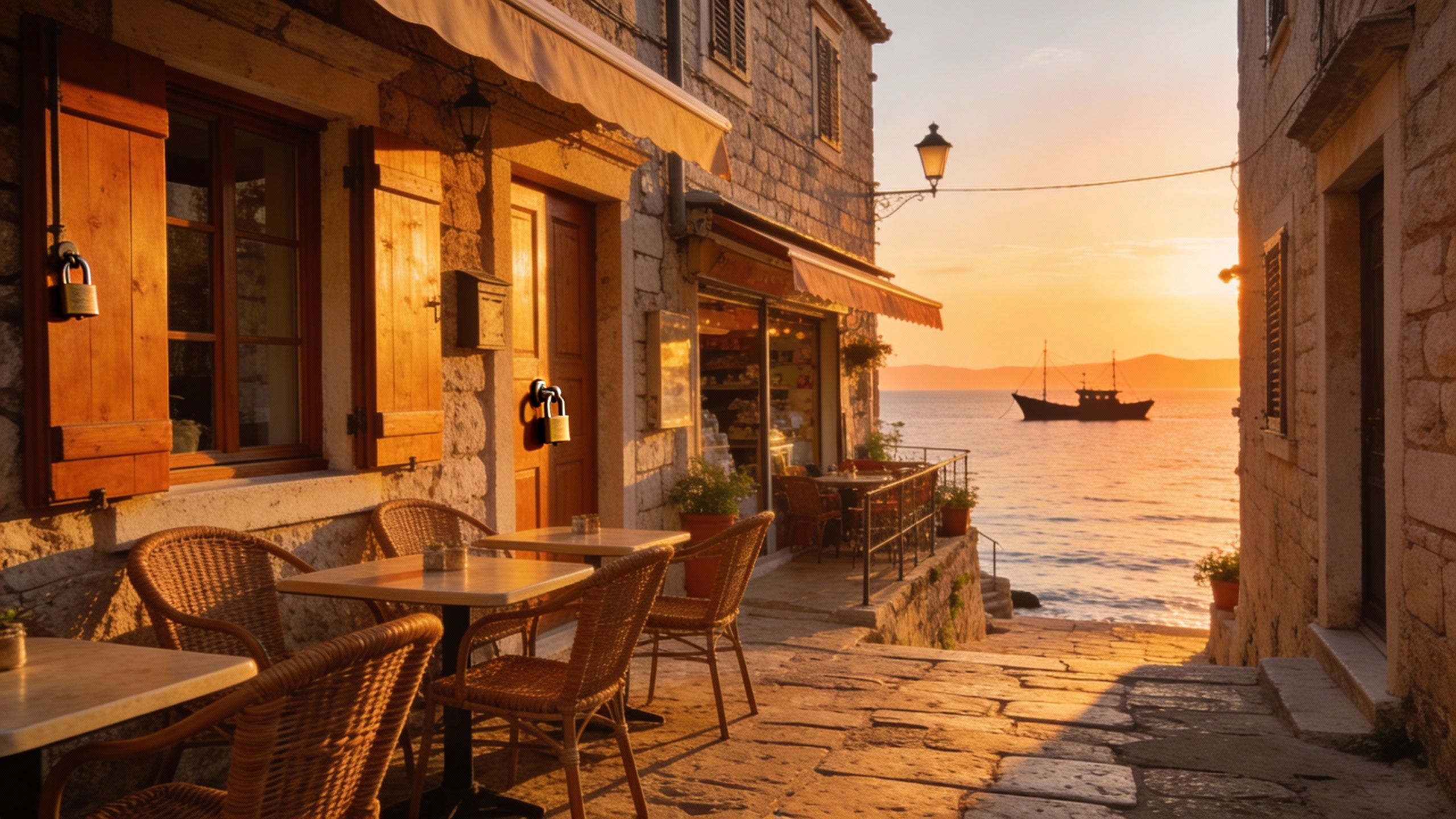
Imagine waking before dawn to buy bread at Dolac market, the scent of sea salt and espresso still in the air, then wandering cobbled lanes in Split while fishermen sort the day’s catch. That easy Mediterranean rhythm — slow mornings, lively late afternoons, long seasons of outdoor life — is why buyers fall for Croatia. But the country’s strong coastal price momentum and seasonal distortions mean closing at the wrong time can turn a dream purchase into a costly lesson. According to recent market analysis, timing your negotiation and closing with seasonal and stewardship strategies can change both your price and long-term happiness.
Living the Croatian lifestyle
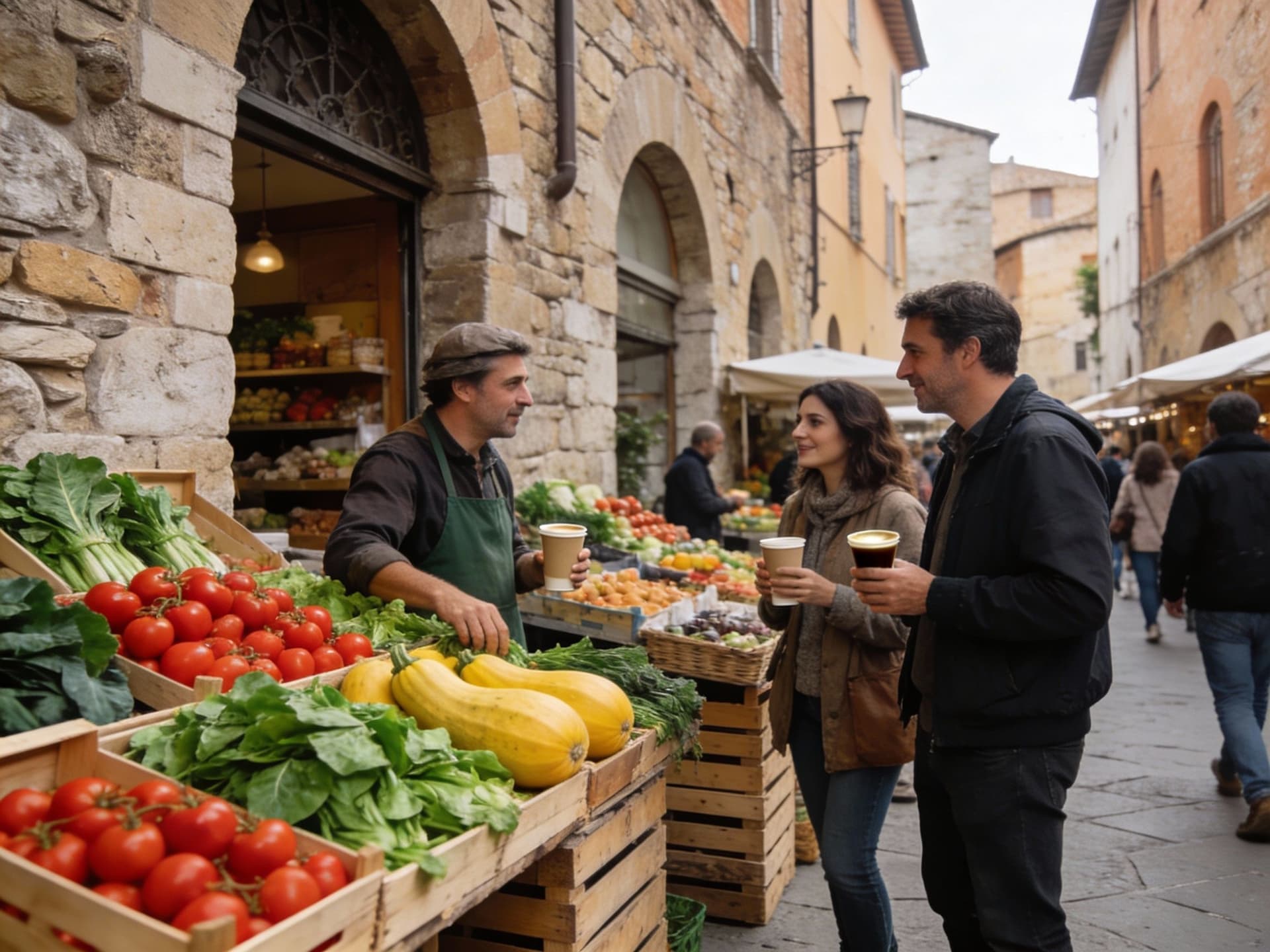
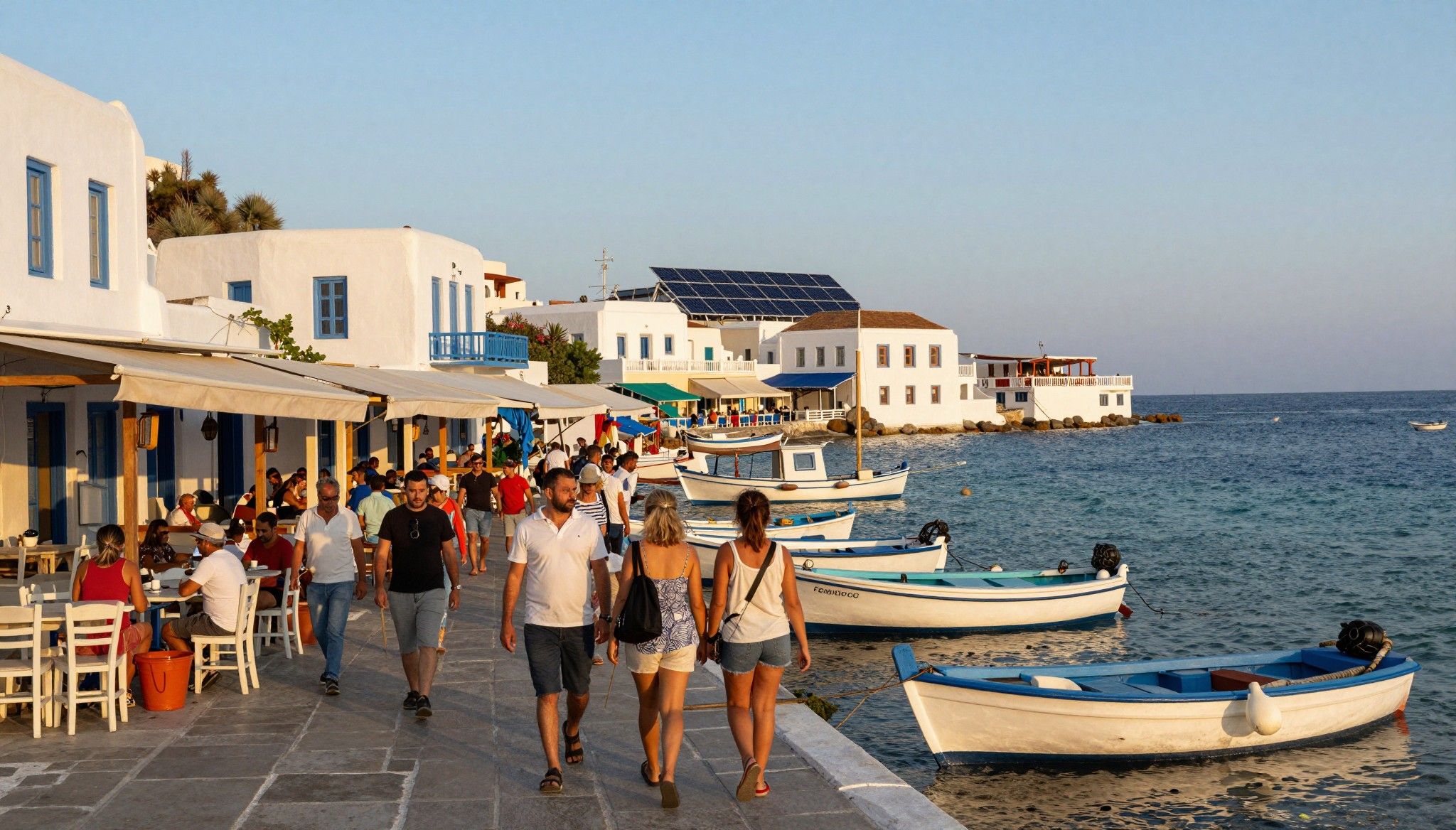
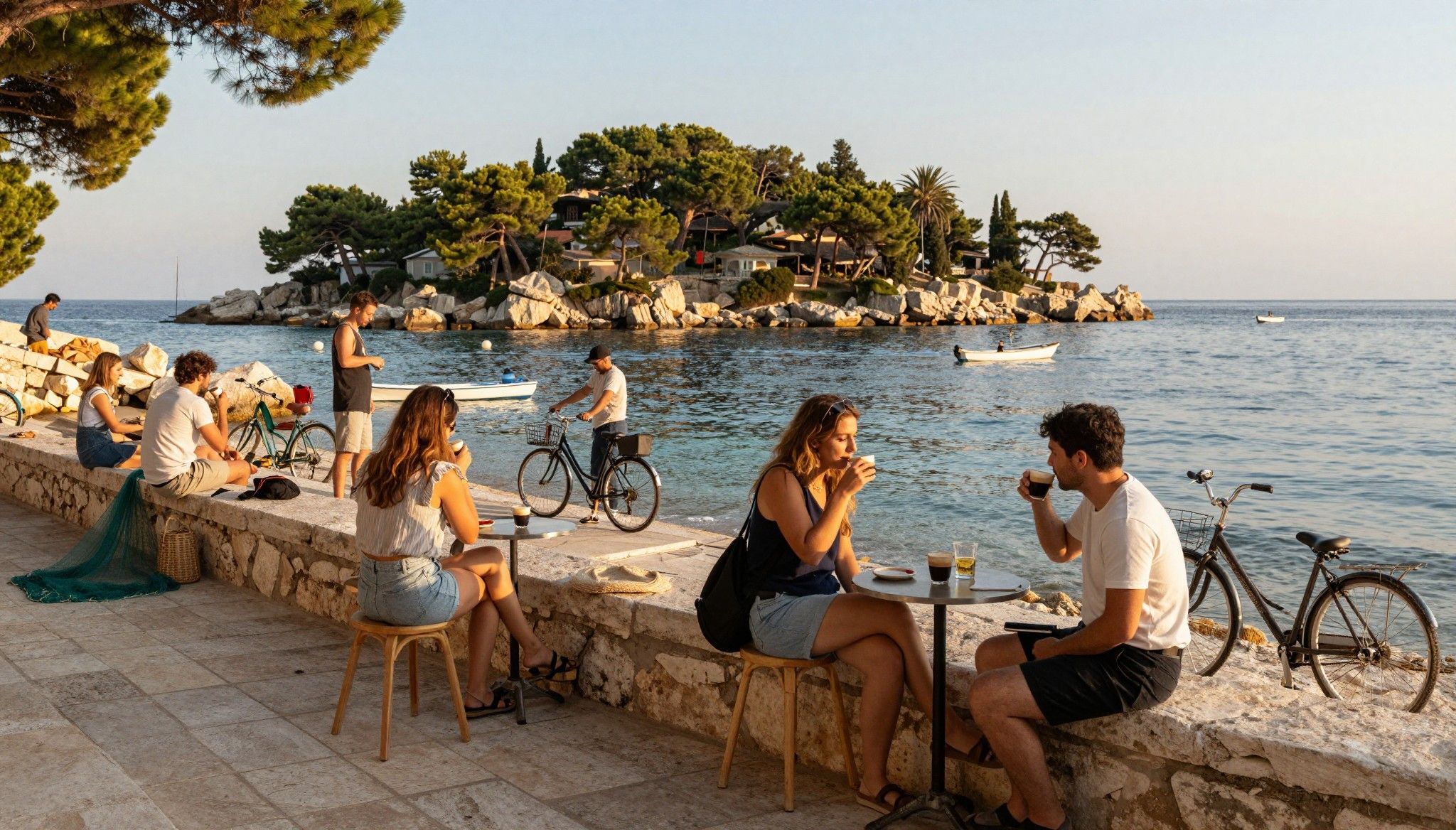
Living in Croatia is sensory in the best way: mornings at Dolac market in Zagreb, late‑afternoon swims at Zlatni Rat on Brač, and aperitivo hours under plane trees in Rovinj’s old harbour. Historic stone houses with shaded courtyards coexist with timbered eco‑renovations in Istria and solar‑ready terraces along the Dalmatian coast. The rhythm of life depends on place — city mornings bustle with cafés on Tkalčićeva, islands quiet down between July and September, and inland hill towns reward slower seasons with wild‑food foraging and vineyard gatherings.
Dalmatia: Coastal theatre and island seasons
Picture Split’s Veli Varoš at dusk — orange light on stone, neighbours chatting over laundry lines — and you understand why second‑home demand is fierce. But summers are theatrical; tourism inflates rents and asking prices, and many properties appear more valuable when the town is full. Buying here means balancing summer energy with off‑season realities: accessibility, maintenance during winter months, and how peak‑season impressions shape your negotiation leverage.
Istria & Zagreb: Food, craft and everyday life
In Istria, truffle hunts and family‑run konobas anchor a slower rural luxury; olive groves and stone roofs mean restoration work often respects vernacular techniques. Zagreb’s rhythm is urban — morning espresso on Preradovićeva, late‑night jazz in Tuškanac — and it attracts buyers looking for year‑round life. These differences shape what you’ll need from a home: storage for harvests, room for guests, insulation for inland winters, or robust ventilation for hot Adriatic summers.
- Dolac market (Zagreb); Tkalčićeva street cafés; Zlatni Rat beach (Brač); Veli Varoš (Split); Rovinj harbour; Istrian truffle trails
Making the move: practical, seasonal, sustainable
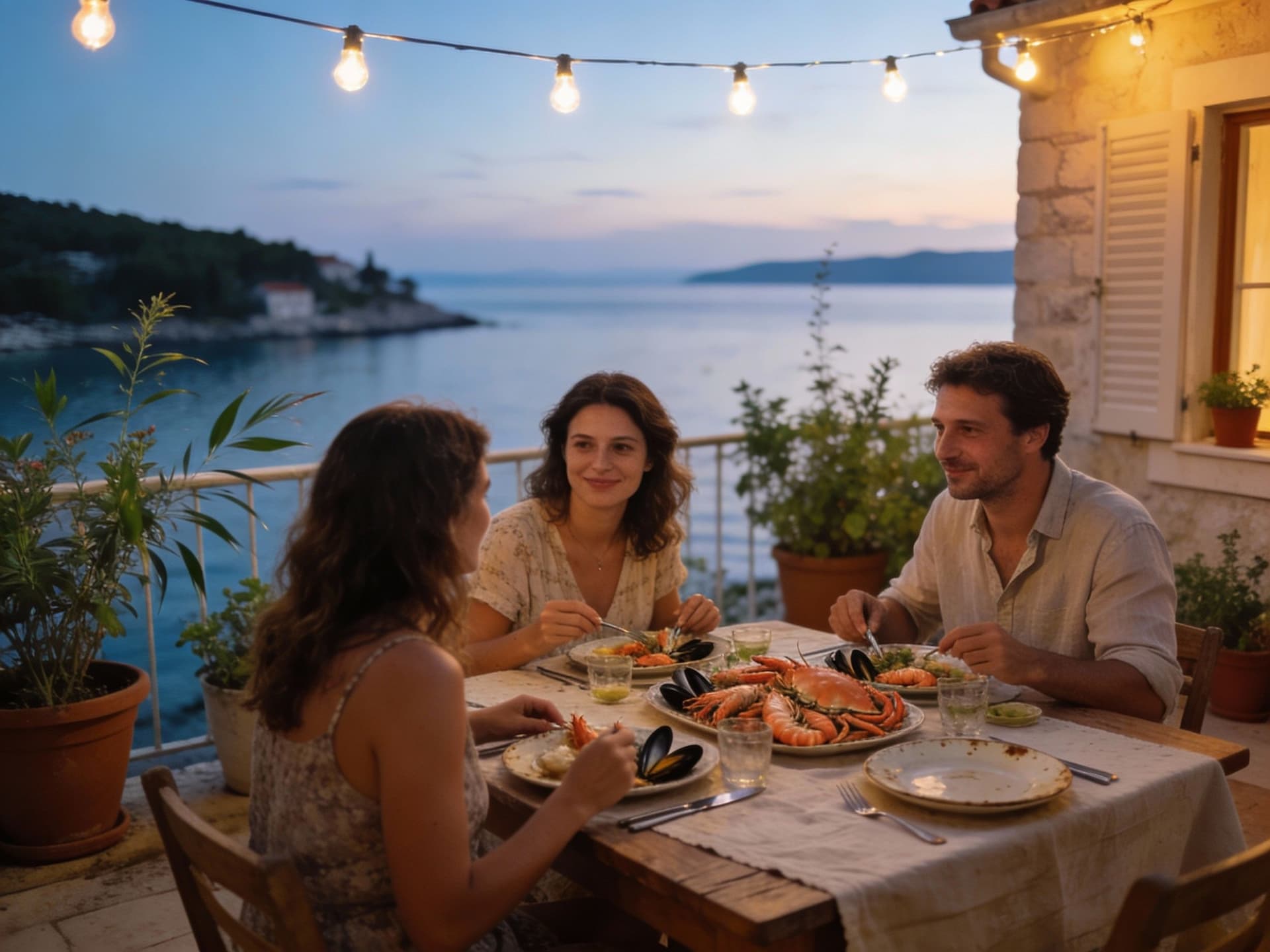
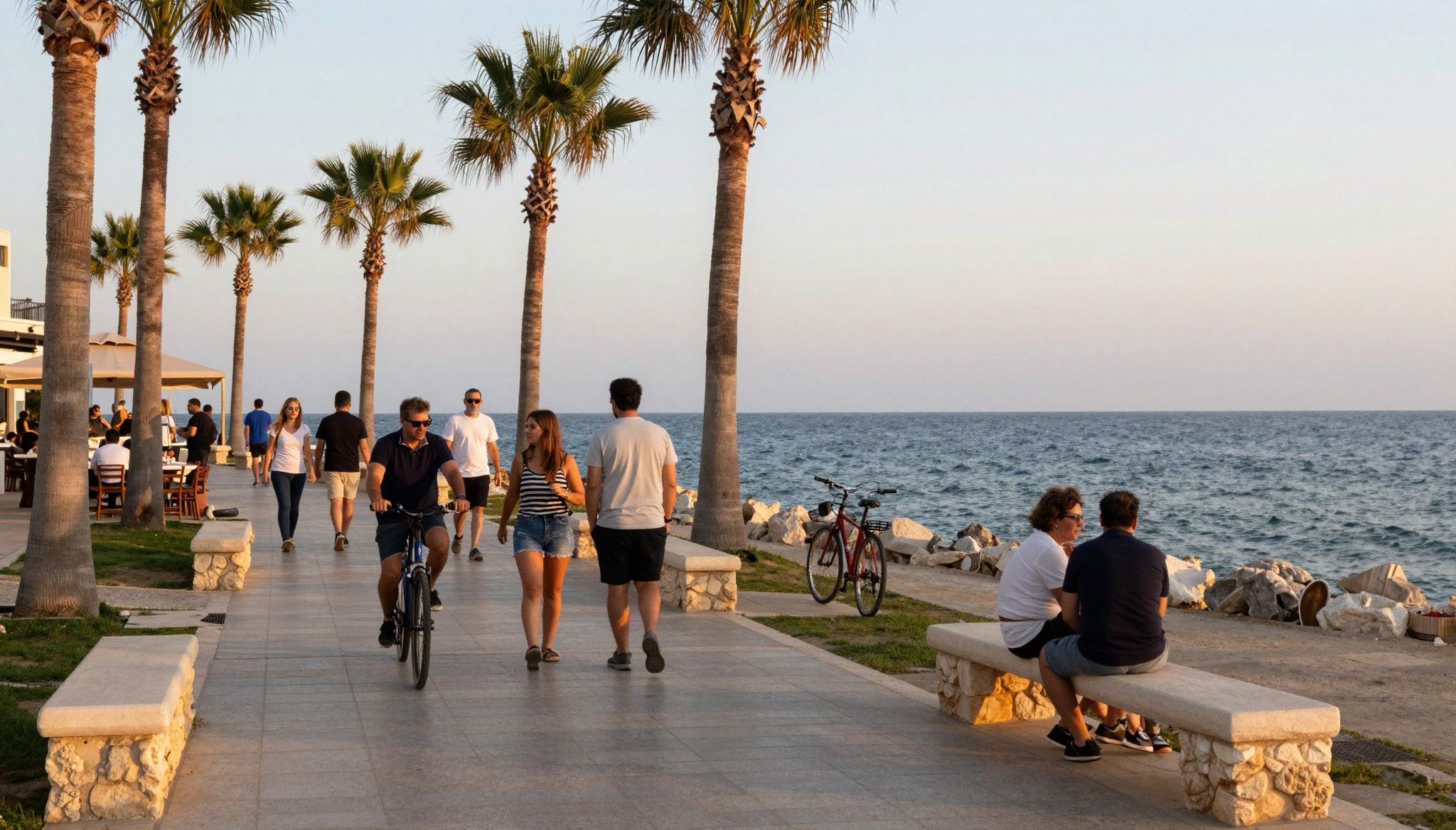
If lifestyle pulls you toward a sunlit terrace, data should steer your timing. National statistics show new dwelling prices rose into 2024, with coastal areas outpacing inland growth; industry analysis also notes a high share of foreign buyers concentrated in Istria and Primorje‑Gorski Kotar. That mix — strong coastal demand plus seasonal visitor peaks — creates windows for negotiation off‑peak. Plan closings and inspections in shoulder seasons when local agents, craftsmen and inspectors are available and when sellers may be more flexible.
Property styles and how they shape stewardship
Stone Adriatic houses, newer coastal apartments, and inland farmhouses each demand different stewardship. Stone homes offer thermal mass and character but often need careful moisture control; new build apartments may have warranties and modern insulation but less local craft. If you care about low‑impact living, ask about passive features (south glazing, cross‑ventilation), on‑site water management (cisterns, greywater) and room for solar arrays — the island grid can reward energy independence.
Working with local experts who know rhythm and regulation
Choose an agency that speaks both the language of place and the language of law. Local agents who live the lifestyle — restaurateurs‑turned‑fixers, architects versed in stone repair, or agencies with green‑retrofit experience — will help you see beyond staged summer photos. They’ll advise on seasonal closing traps: deposits during high season, renovation timelines clashing with tourist calendars, and caretaking plans for months when you’re away.
- Schedule inspections in shoulder seasons; prioritise local craftsmen availability; factor in long‑lead permits for restorations; plan energy upgrades before the high season; secure caretaking for empty months
Insider knowledge: red flags, timing and negotiation tactics
Expats often tell a similar story: they fell in love in July but discovered the house’s true costs in November. Seasonal optics — manicured terraces, summer rental income figures, and busy local markets — can mislead. Know the real occupancy patterns, year‑round access (ferries, road clearances), and winter maintenance costs. Ask for utility histories and speak to neighbours; small conversations reveal whether a home is holiday theatre or a community anchor.
Cultural cues that affect closing and stewardship
Croatian sellers may price emotionally for family legacy or for an idealised tourist season. Respectful, face‑to‑face negotiation lands better than purely transactional offers. Learn a few Croatian phrases, meet a neighbour, and bring proposals that show commitment to stewardship: an offer that includes a plan for sympathetic restoration or biodiversity planting often resonates more than a cash‑only bid.
Practical red flags to watch
- Missing recent electrical or plumbing records; unclear land boundaries or access rights; properties with recent, obvious cosmetic upgrades but deferred structural work; sellers reliant on peak‑season rental projections; lack of winter caretaking plan
Follow a stepwise close that respects both lifestyle dreams and legal safety. First, verify ownership and permitted use; second, schedule an independent structural and moisture inspection in a non‑peak month; third, obtain a clear maintenance estimate (seasonal costs included); fourth, include a stewardship clause in your contract that addresses native planting, energy upgrades or caretaking during absences.
- Confirm title and permitted use with a local lawyer; commission off‑season inspections; request seasonal utility and occupancy data; add stewardship or renovation milestones to the contract; plan a phased retrofit schedule tied to local seasons
Stewardship is part of the close. Consider small, immediate moves that lower environmental and financial risk: a modest solar array to cut summer bills, rainwater capture to ease irrigation, and native plantings that reduce maintenance. Long‑term, these choices protect value and deepen your ties to place — neighbours notice when a garden returns bees and wildflowers, and local craftspeople will often prioritise owners who care for the context.
What expats wish they’d known
Many expats would say: don’t let a sun‑soaked July seduce your offer. Buy after you’ve seen winter light, heard ferry timetables in off‑peak months, and walked the neighbourhood on a rainy day. The best purchases are those that fit daily life — a bakery within 10 minutes, a neighbour who’ll water plants when you’re gone, and a roof that handles winter storms without drama.
Long‑term lifestyle and investment tradeoffs
Foreign buyers still account for a significant share of transactions, concentrated on the coast and in Istria. That creates both opportunity and responsibility: opportunity in market interest and rental potential, responsibility in stewarding fragile coastal ecologies and respecting local housing needs. If you intend to rent, plan for year‑round guest experiences or choose long‑term letting strategies that support local communities.
- Prefer long‑term rentals in dense communities; invest in insulation and passive cooling; hire local property managers who live nearby; plan community‑friendly guest rules; budget for seasonal maintenance
Closing is both transaction and pledge. When your contract includes clear milestones for sympathetic repairs, energy upgrades and a local caretaker, you close not just on a property but on a way of life. That is the stewardship Moss & Hearth invites: homes as active participants in their landscapes, preserved with care and lived in with generosity.
If you’re drawn to Croatia’s coast or its inland quiet, start with a season‑aware plan: visit in shoulder months, commission off‑peak inspections, and work with local experts who value sustainability. Those steps protect your budget and help ensure the home you buy now still feels like home five summers from now.
Danish relocation specialist who moved from Copenhagen to the Algarve; supports families with seamless transitions, local partnerships, and mindful purchases.