Malta Myths: Why ‘Too Expensive’ Isn’t the Whole Story
Malta’s small scale and rising land values complicate myths about cost — but with neighbourhood insight and stewardship‑first choices, sustainable coastal living is attainable.
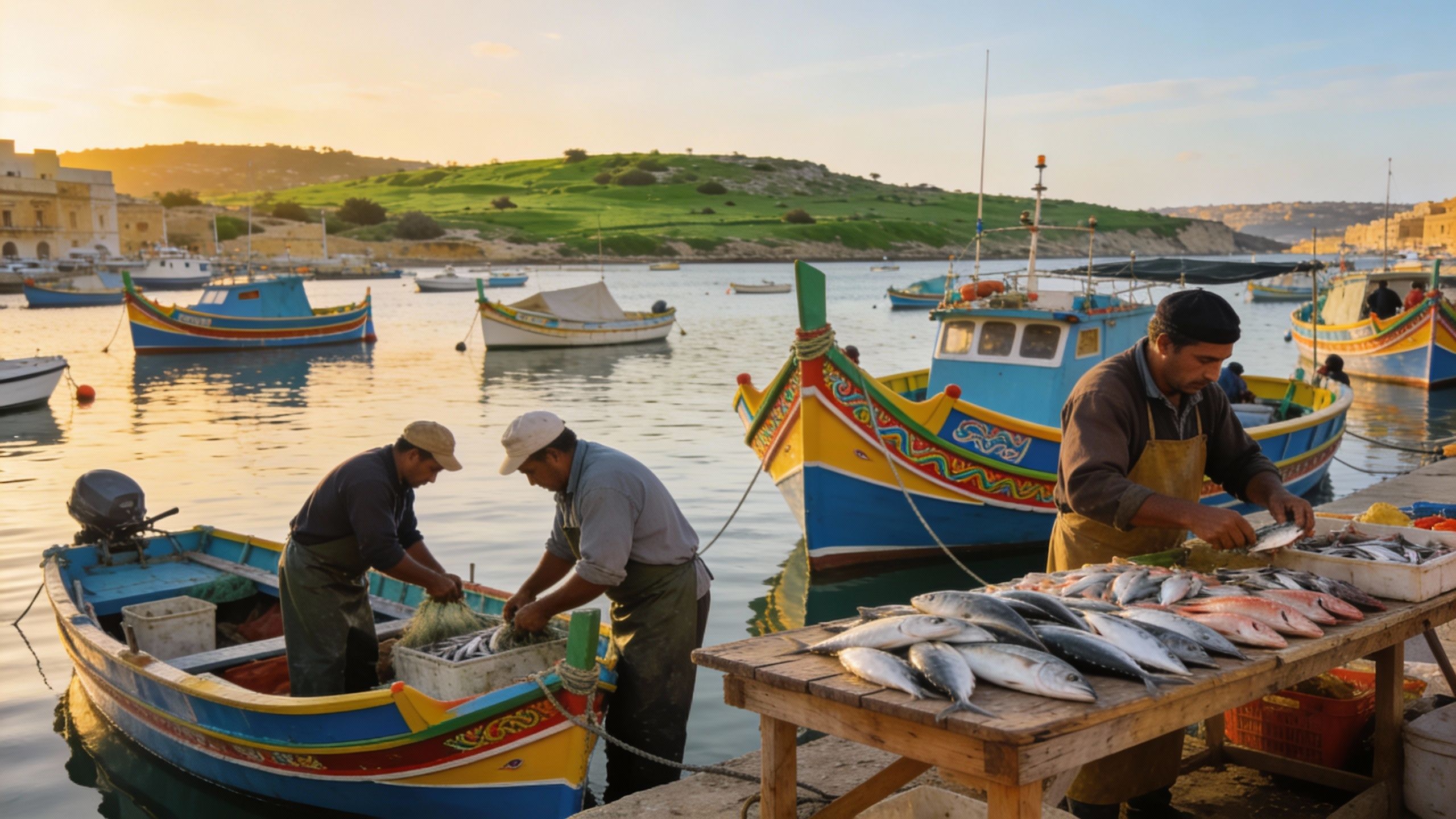
Imagine stepping out at dawn to a narrow street in Mdina, the air salt-tinted from the nearby coast, limestone warmed by soft light, and a small café already steaming with espresso. In Malta the rhythm is compact — centuries of lanes, fishing harbours, and pine-lined headlands compressed into a place you can cross in an afternoon. That intimacy is the island’s delight and the source of many buying myths. Let’s untangle what’s true, what’s misunderstood, and how a verdant, sustainable life here can be more within reach than you think.
Living the Maltese life: sun, stone and green edges
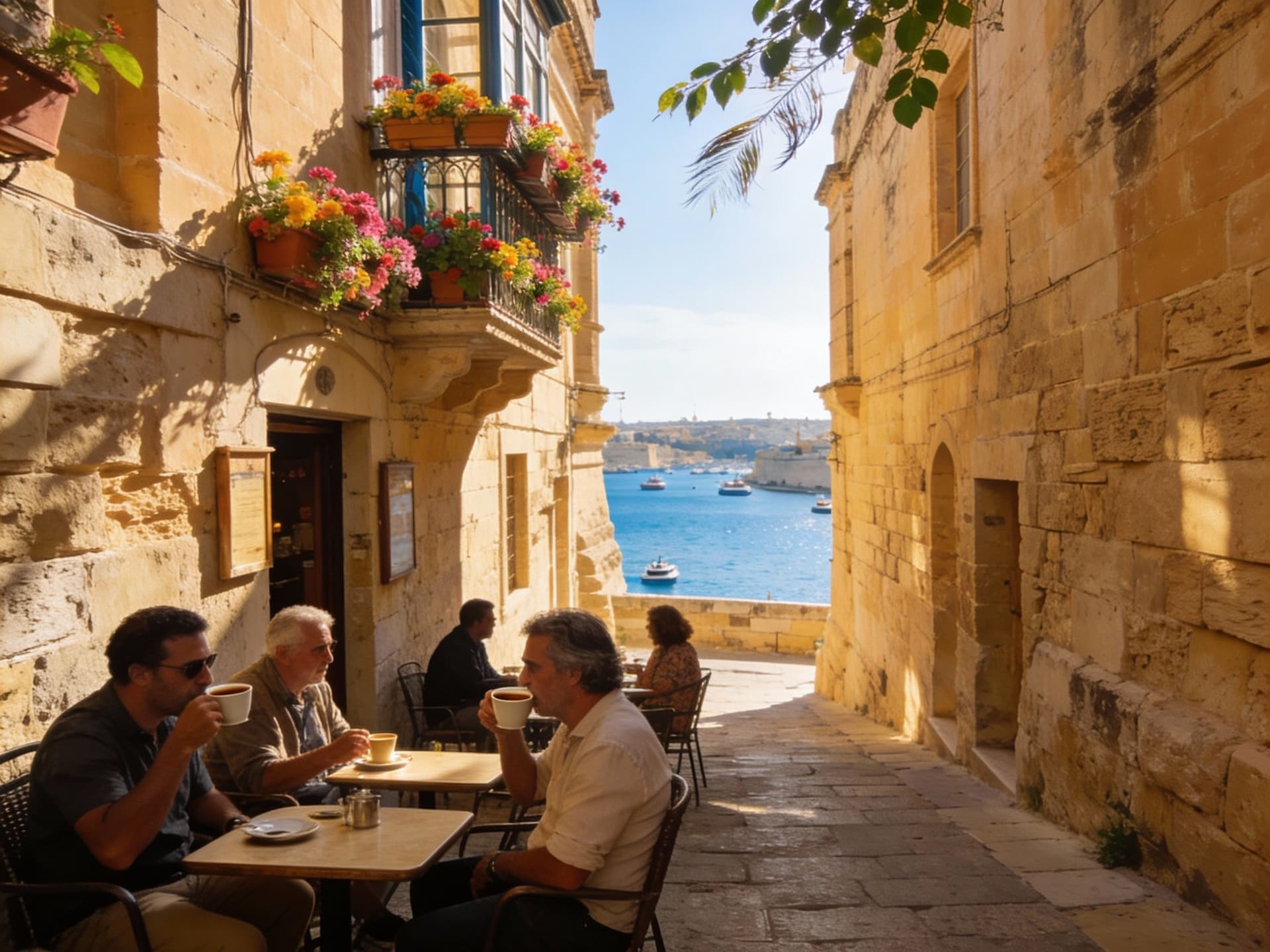
Daily life in Malta moves between sea and orchard, between the ritual of late‑morning coffee in Sliema and evening passeggiata along Marsaskala’s promenade. The island’s compactness means your life stitches together historic plazas, small farms and cliffside walks rather than sprawling suburban lawns. Recent data shows land scarcity has pushed values, but that doesn’t erase neighbourhoods where green living, local markets and coastal trails shape everyday comfort. Understanding where those neighbourhoods sit is the first step to buying with both heart and sense.
Neighbourhood spotlight — Valletta and the Three Cities
Valletta is cinematic: baroque facades, rooftop terraces, and a coffee culture that pulses under the carob trees. Cross the Grand Harbour and the Three Cities — Senglea, Vittoriosa and Cospicua — offer quieter streets, fishermen at dawn and restored warehouses turned into low‑rise homes. These areas are prime if you want heritage woven into daily life, but expect premium pricing for harbour views and converted palazzini. Sustainable buyers often look for retrofits: thick stone walls, shaded courtyards and PV discreetly tucked from view.
Coastal calm — Mellieħa, Gozo and the rugged north
If you crave green edges and quieter beaches, Mellieħa and Gozo deliver pine‑scents, terraced fields and dramatic cliffs. Prices here are generally more modest than Valletta’s core, and properties often come with land — a small garden, an olive patch or a terrace for herbs. National statistics show steady price growth island‑wide, but the coastal north and Gozo still offer better value for outdoor‑centred lifestyles and for buyers who prioritise low‑rise, regenerative landscaping.
- Lifestyle highlights — what you’ll actually do here
- Morning espresso in Valletta’s Strait Street cafés
- Sunday fish market at Marsaxlokk followed by coastal swims
- Hiking the Dingli Cliffs or countryside walks in Gozo
- Community dinners in village squares and seasonal festa life
Making the move: practical considerations that matter to life
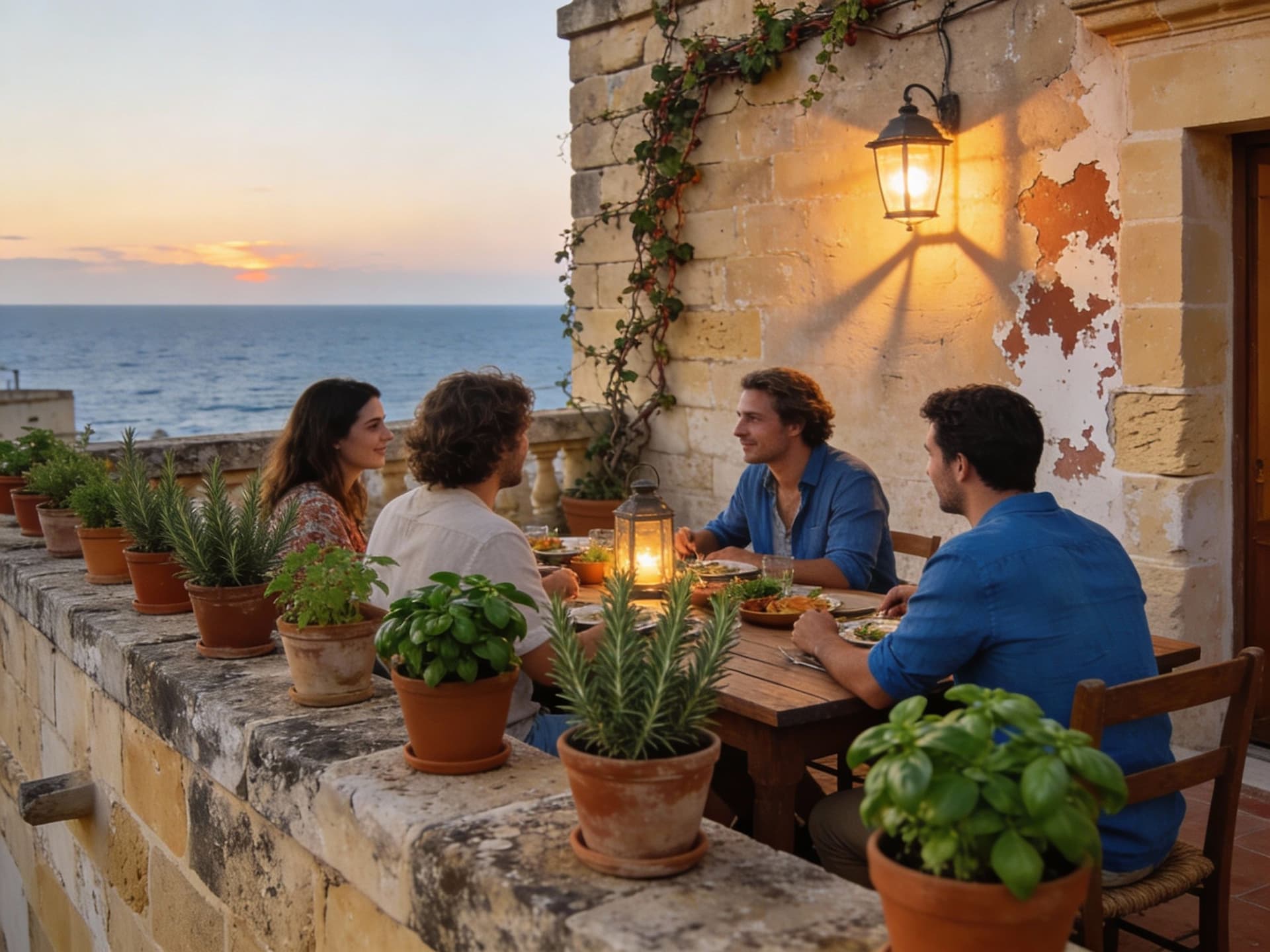
Love of place meets paperwork in Malta — but the two needn’t be adversaries. Think of the practical side as the scaffolding for your new, greener life: the right roof orientation for solar, courtyard gardens for cooling, and neighbourhoods where daily shops are within walking distance. National indexes point to steady price rises, which means timing and location choice affect both budget and lifestyle outcomes.
Property styles: stone maisonettes to modern apartments
In Malta you’ll choose between heritage maisonettes, compact apartments and the occasional villa with a garden. Maisonettes and townhouses bring thick limestone walls that naturally regulate temperature; modern builds may offer better insulation and integrated PV. For an eco‑minded buyer, a restored townhouse with added insulation, water harvesting and native planting often yields the most authentic and low‑impact life.
Who to work with: agencies that know land, light and local rules
Local agents, conservation architects and surveyors who understand Maltese stonecraft are invaluable. They can spot whether a roof’s airspace is sellable, advise on planning nuances for extensions, and identify properties with genuine renovation potential rather than cosmetic appeal. Choose partners who have navigated both restoration projects and newer sustainable builds.
- Steps to blend lifestyle with purchase (practical + dreamy)
- Visit in shoulder season (spring or late autumn) to feel daily life without summer’s tourist veil.
- Prioritise passive comfort (stone walls, shading, cross‑ventilation) before lavish finishes.
- Budget for retrofitting: insulation, rainwater capture and discreet PV if not already present.
- Work with an agent who can introduce local craftsmen — that network is the real advantage.
Insider knowledge: expat truths, seasonal realities and hard lessons
Real talk from people who have lived here: summers feel busier and louder than photos; winters are gentler and deeply local. The controversial ‘‘golden passport’’ era has shifted policy and public conversation — that change matters because it alters investor demand and public attitudes toward development. For expats, patience and community presence pay more than quick flips.
Language, community and the small‑town feel
English is widely used, which flattens many barriers, but social life follows local rhythms: long lunches, festa calendars and neighbourly rituals. Invest time in small acts — shop at the local grocer, attend a village festa — and the integration is both quicker and more rewarding. Expat enclaves exist, but the richest experiences are often in mixed, intergenerational streets.
Longer view: stewardship, resale and the land premium
Long‑term owners here talk about stewardship: maintaining stonework, preserving rooftop terraces and supporting neighbours’ small projects. National figures show property values rising over recent years — much of that growth is land‑value driven — so plan for maintenance costs and choose locations where community planning protects green spaces rather than replaces them.
- Red flags and local headaches to watch for
- Unclear airspace ownership on older tenements (can limit rooftop use or extensions).
- Properties marketed as ‘sea‑view’ where sightlines will be blocked by new builds — check planning records.
- Under‑insulated renovations that look charming but cost more to heat or cool in the long run.
Conclusion: Malta’s compact landscape means trade‑offs, but also uncommon rewards. You’ll trade sprawling garden for proximity to sea and piazza, but gain a life where daily rituals, seasonal markets, and marine bluffs are at your doorstep. Start with a few neighbourhood visits in shoulder season, bring a local agent who values ecological stewardship, and prioritise properties that already lend themselves to low‑impact living. The island’s small size is its advantage — here, stewardship shapes both community and value.
Swedish advisor who left Stockholm for the Costa Brava in 2019. Specializes in sustainable, sea‑view homes for Scandinavian buyers and green finance insights.