Italy: Seasonal Living, Stewardship & Smart Timing
Fall into Italy’s seasonal rhythms — markets, neighbourhood piazze and artisanal craft — and pair that romance with data: modest price growth and rising transactions show buying now can be balanced and sustainable.
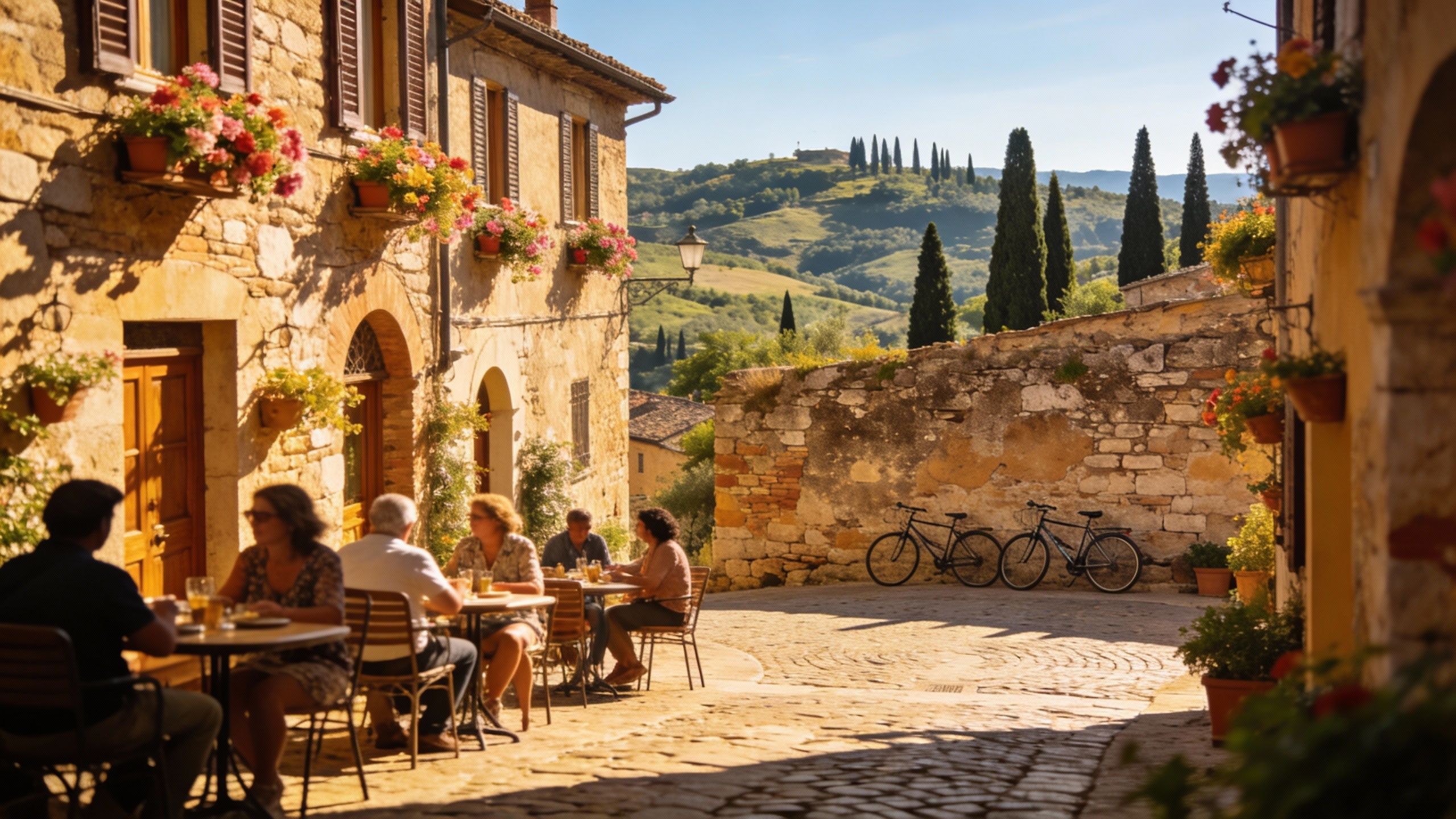
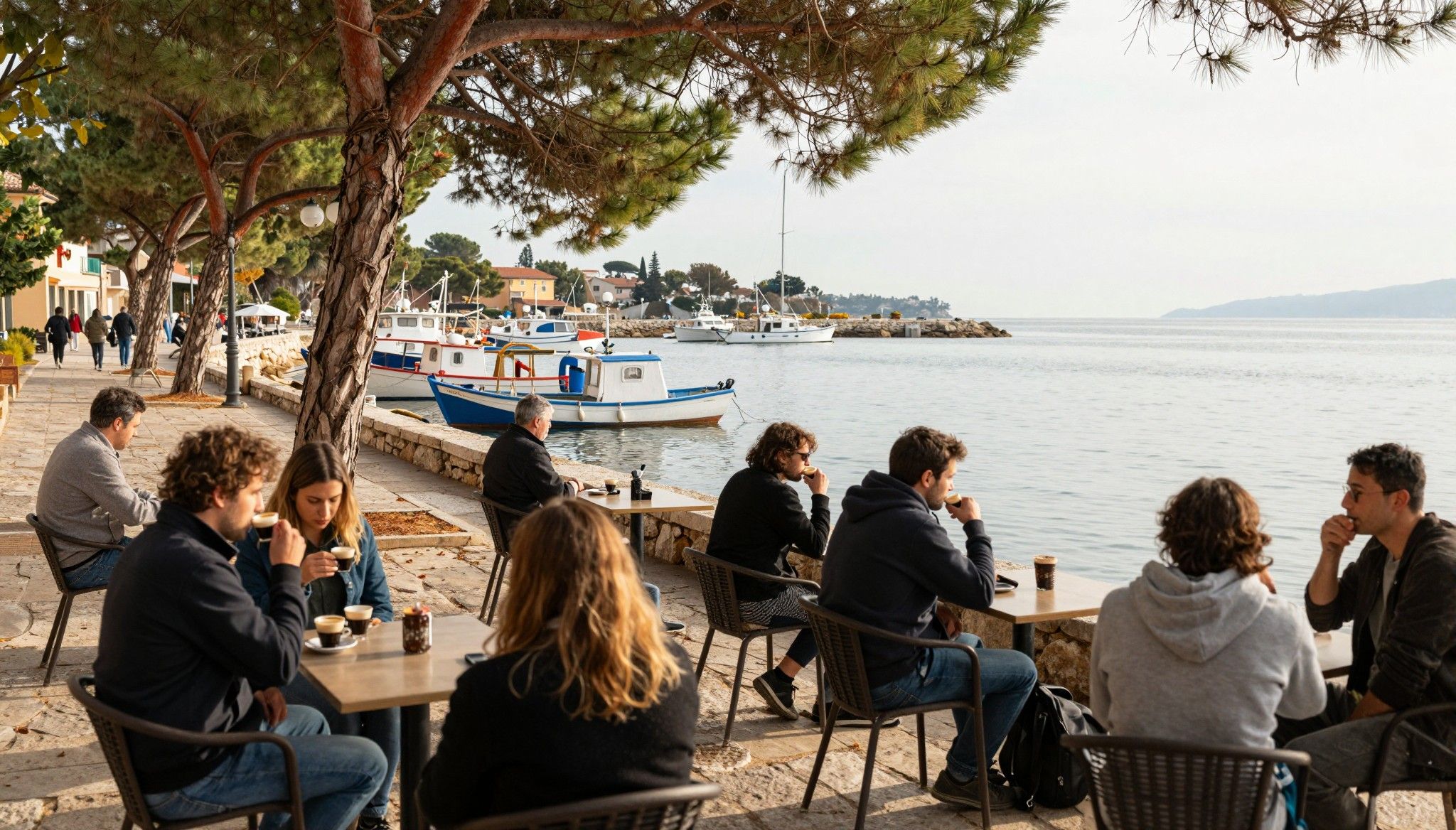
Imagine sipping a morning espresso at a small marble table on Via dei Coronari in Rome, hearing a vendor call out ripened figs at Mercato Centrale in Florence, or watching fog lift off the olive groves in Umbria. Italy feels stitched from seasons — citrus-scented winters on the Amalfi coast, crisp vineyard mornings in Langhe, late summer siestas in Puglia — and those rhythms shape daily life and the kinds of homes people buy.
Living the Italy lifestyle
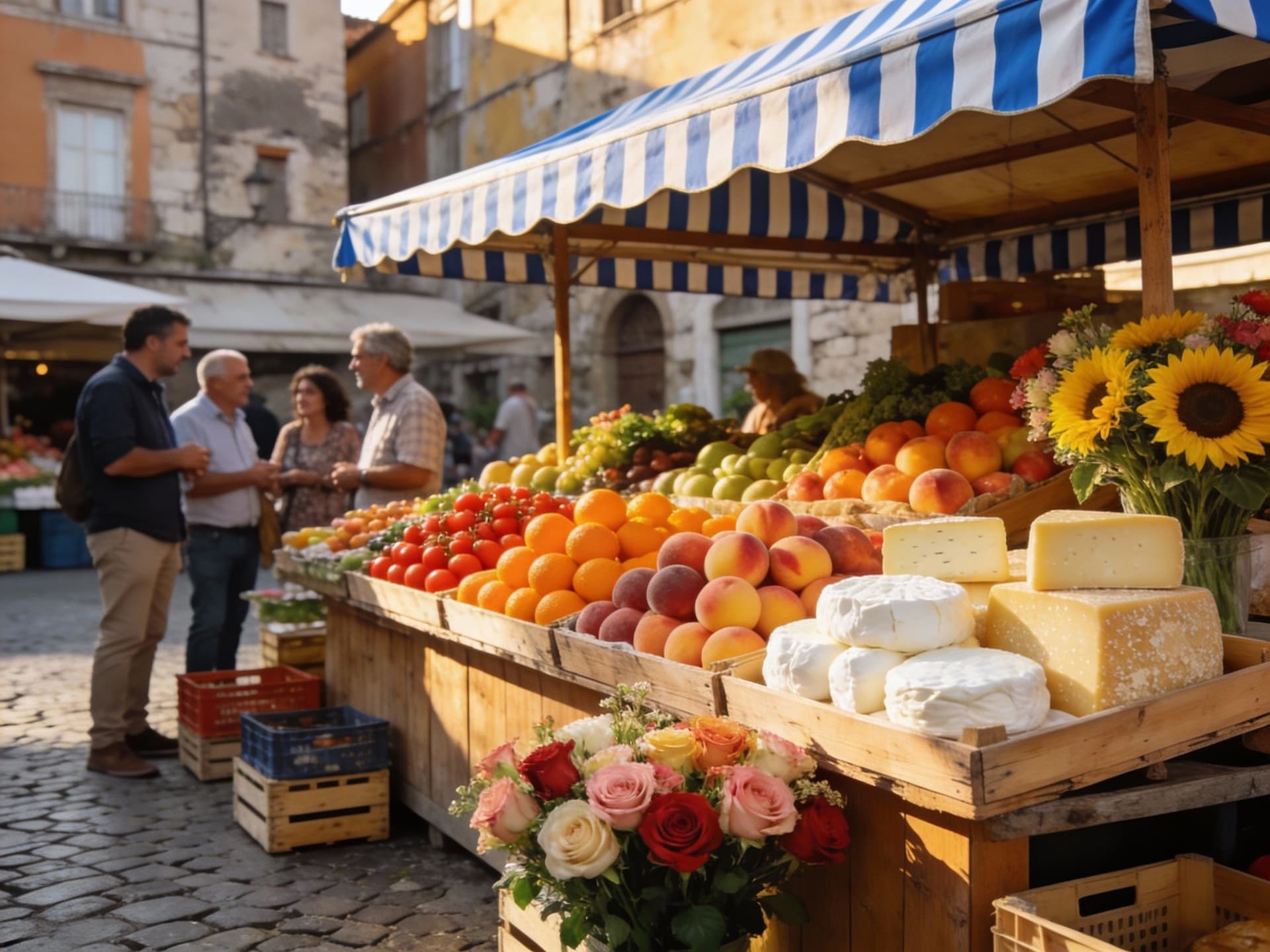
Life here is sensory and local: morning coffee that turns into a conversation, weekly market routes, and homes that open onto courtyards or terraces where dinner stretches past sunset. Neighborhoods are defined by a single piazza, an obscure osteria, or a line of cypress trees — and those small anchor points matter more than square metres when you choose where to live.
City quarters and country rhythms
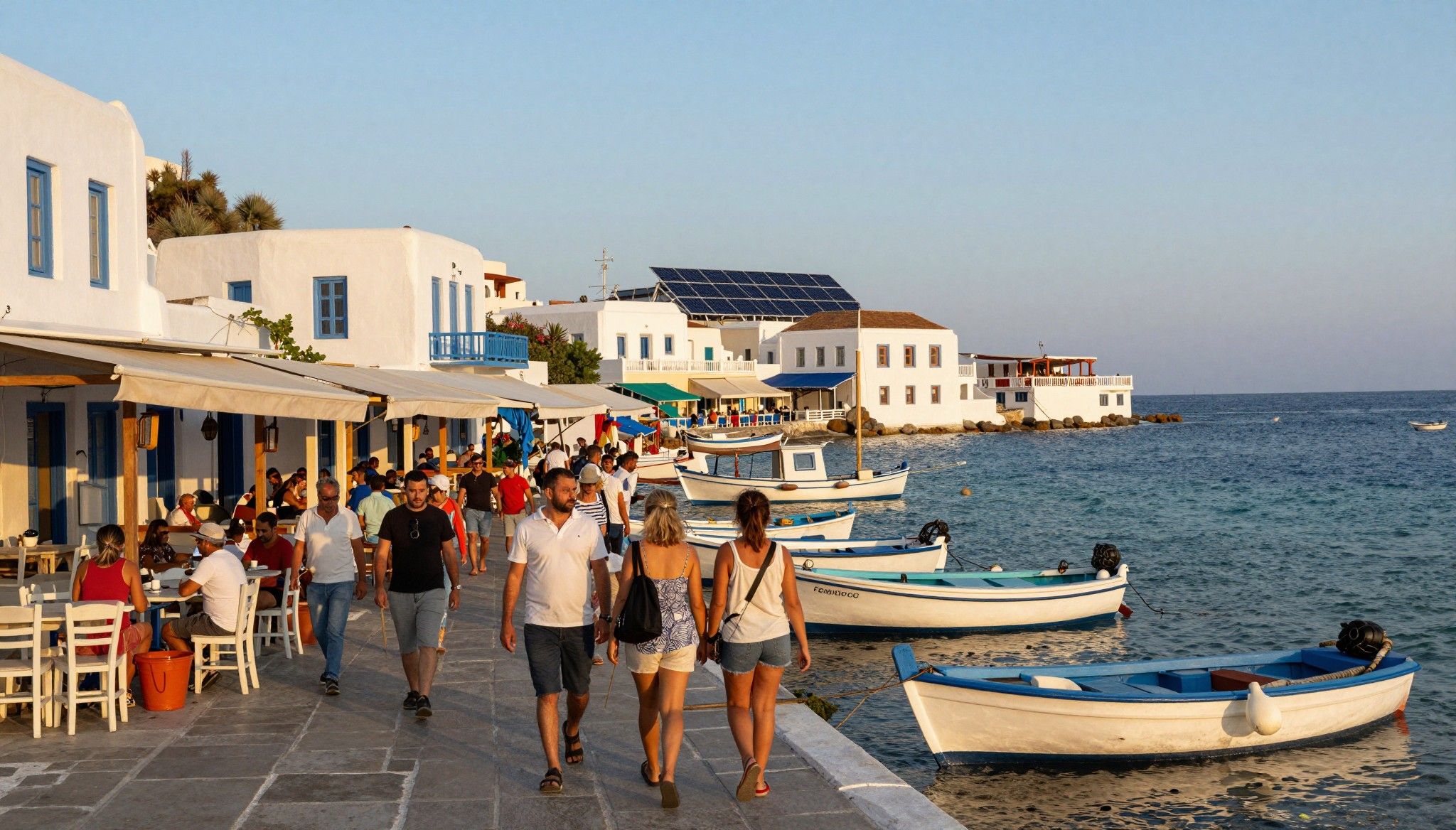
In cities like Milan and Bologna you’ll find bicycle lanes, late-night aperitivo culture and apartments with restored wooden beams. Coastal towns — think Positano’s stairways or Cefalù’s narrow lanes — trade tall windows and terraces for sea views and a slower summer pulse. In the inland hill towns of Tuscany and Le Marche, life orbits around the markets, the baker, and long communal dinners on the piazza.
Food, markets and seasonal living
Markets are the social calendar: on a Wednesday morning you can map a neighbourhood by where the best formaggi are sold. Seasonal ingredients — white truffle hunts in Piedmont, chestnut festivals in Abruzzo — shape social life and local rental demand, so timing your visits around harvests reveals both culture and off‑season buying advantages.
- Neighborhood and lifestyle highlights: • Morning espresso at Caffè Sant’Eustachio (Rome) and late‑night aperitivo near Navigli (Milan) • Mercato di San Lorenzo stalls in Florence and hidden osterie in Oltrarno • Olive‑grove drives around Umbria’s antique farmhouses • Creeks, pebble beaches and fish markets along Liguria and Puglia fronts
Making the move: lifestyle meets reality
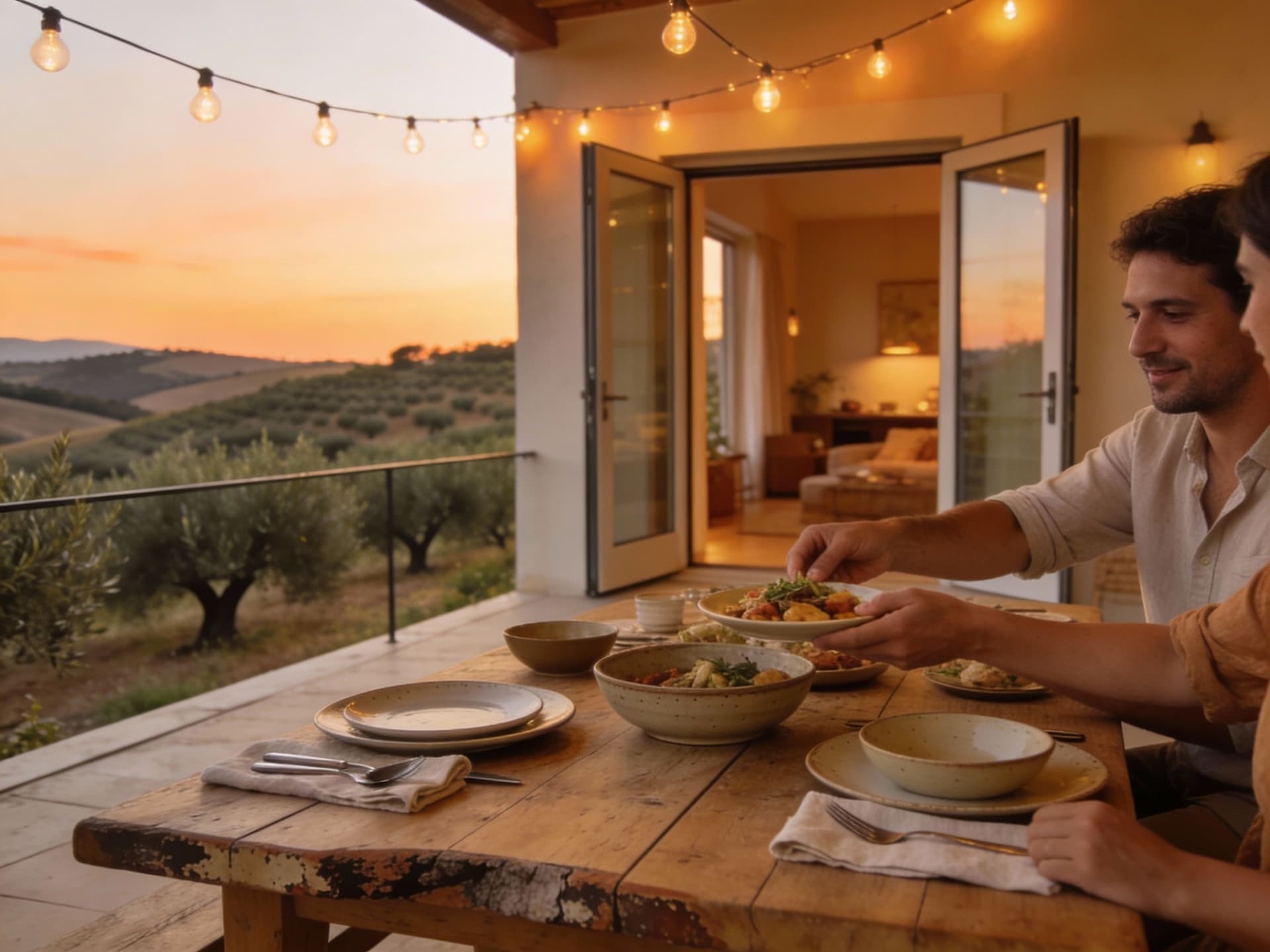
The dream of life among cobbled streets or sunlit vineyards collides with market realities: prices, transaction volumes and regional trends matter. Recent national data show modest price growth and rising volumes — a helpful sign for buyers who time visits outside the tourist peaks and focus on local-season opportunities rather than headline hot spots.
Property types and how they shape daily life
A restored centro storico apartment gives you culture and walkability but often with limited outdoor space and higher renovation constraints. A farmhouse (casale) offers land for a kitchen garden and passive cooling in summer, but think about access, winter heating and maintenance. Newer, energy‑efficient builds in provincial towns balance lower costs with modern comfort and better insulation.
Work with local experts who know the lifestyle
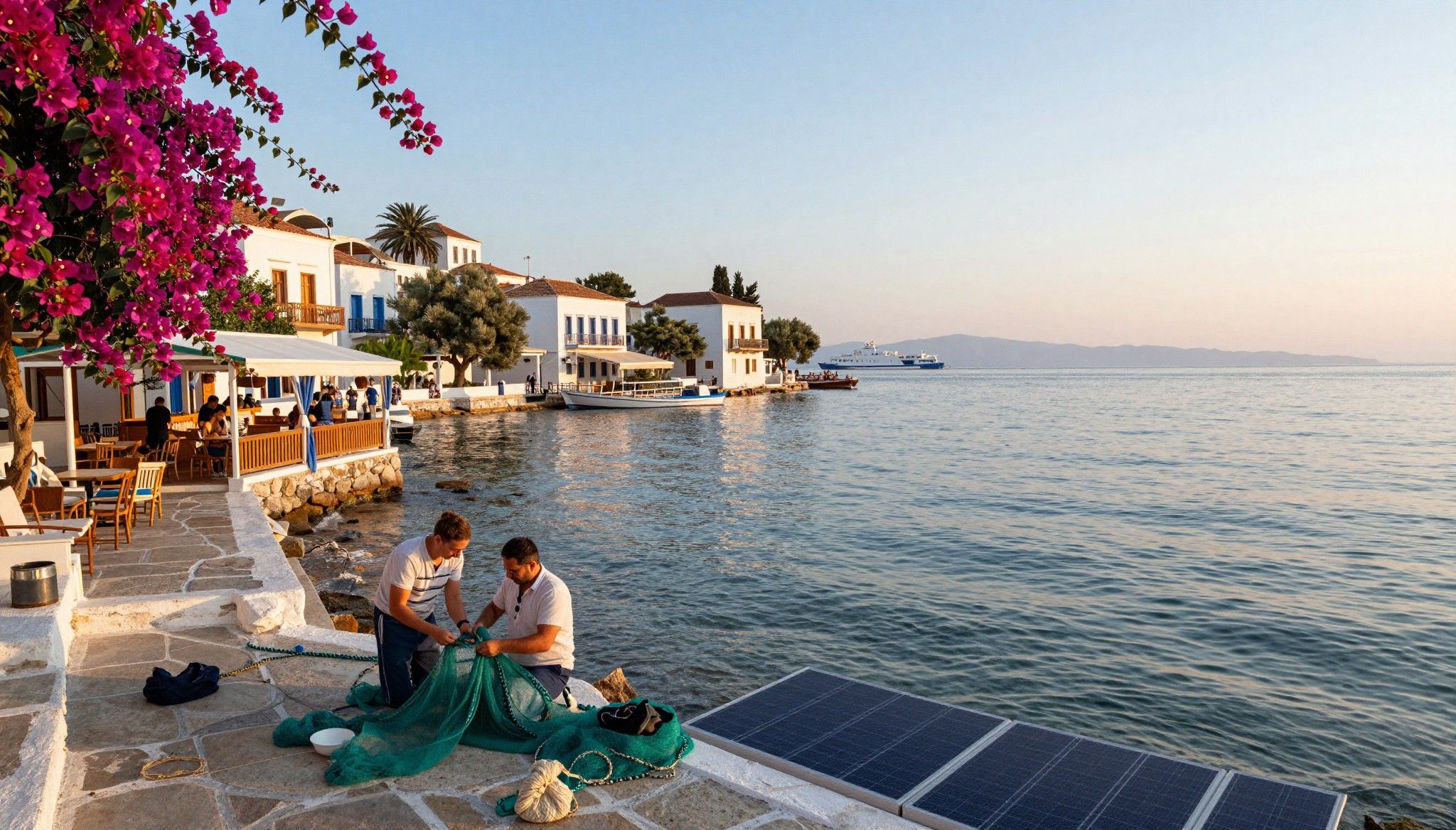
Look for agencies that speak your language, have local sustainability credentials, and can introduce you to craftsmen — a carpenter who fixes shutters, a mason who knows breathable lime plasters, or a solar installer who understands Italian roof regulations. These relationships turn house hunting into finding a future neighbourhood.
- Practical, lifestyle‑focused steps: 1. Time visits during shoulder seasons (spring or October) to feel everyday life, not tourist theatre. 2. Prioritise outdoor living: terraces, courtyards, or nearby parks for the rhythms of Italian social life. 3. Ask agents about energy certificates (APE) and recent insulation work to balance charm and comfort. 4. Meet local artisans — they’re the keepers of traditional techniques that make a restored house live beautifully. 5. Test the commute and services during a week‑long stay to sense real‑life convenience.
Insider knowledge: what expats wish they'd known
Expats tell us the surprises are small and human: the friendly barista who remembers your order becomes your postal contact; seasonal closures mean a bakery might be closed in August; and owning a home often means becoming part of a local circle that expects participation in village life. These realities can be a joy if you come prepared.
Cultural integration and daily norms
Learn a few phrases, attend a sagra (local food festival) and try the simple courtesy of greeting neighbours. Language opens doors, but genuine curiosity — asking about local seasons, recipes, and craftsmen — builds trust faster than perfect grammar.
Long‑term lifestyle and stewardship
Think of a property as part of a patchwork: the home, its garden, and the surrounding ecosystem. Prioritise water‑wise landscaping, passive ventilation, and local materials to keep upkeep low and biodiversity high. Sustainable choices not only reduce bills but integrate your home into place in a way that honours local craft and ecology.
- Red flags and practical checks: • Missing APE (energy performance certificate) or vague renovation receipts • Roofs and foundations without recent surveys — these are common hidden costs • Properties without local contacts for maintenance (no handyman, no reliable plumber) • Overpriced listings in high‑tourist streets that look lively only three months a year
Buying in Italy is ultimately about choosing a rhythm. If you crave daily markets, short walks and cafés that know your name, city quarters and small towns deliver. If you long for orchard mornings and wide skies, a restored farmhouse with solar and good insulation offers a different, deeply rooted life.
Next steps: visit outside peak season, bring a local expert, and spend time in the neighbourhood at different hours. If you love the idea of stewardship and seasonal living, ask your agency about artisan networks and recent sustainability upgrades — those are the signs that a house is ready to become a home.
Dutch property strategist who helped 200+ families find sustainable homes in southern Europe; expert in legal pathways and long-term stewardship.