Malta: Where Limestone Life Meets Roof‑Ready Green Value
Malta’s compact lifestyle and rising renewable infrastructure change where sustainable buyers should look — balance historic charm with roof‑ready practicalities.
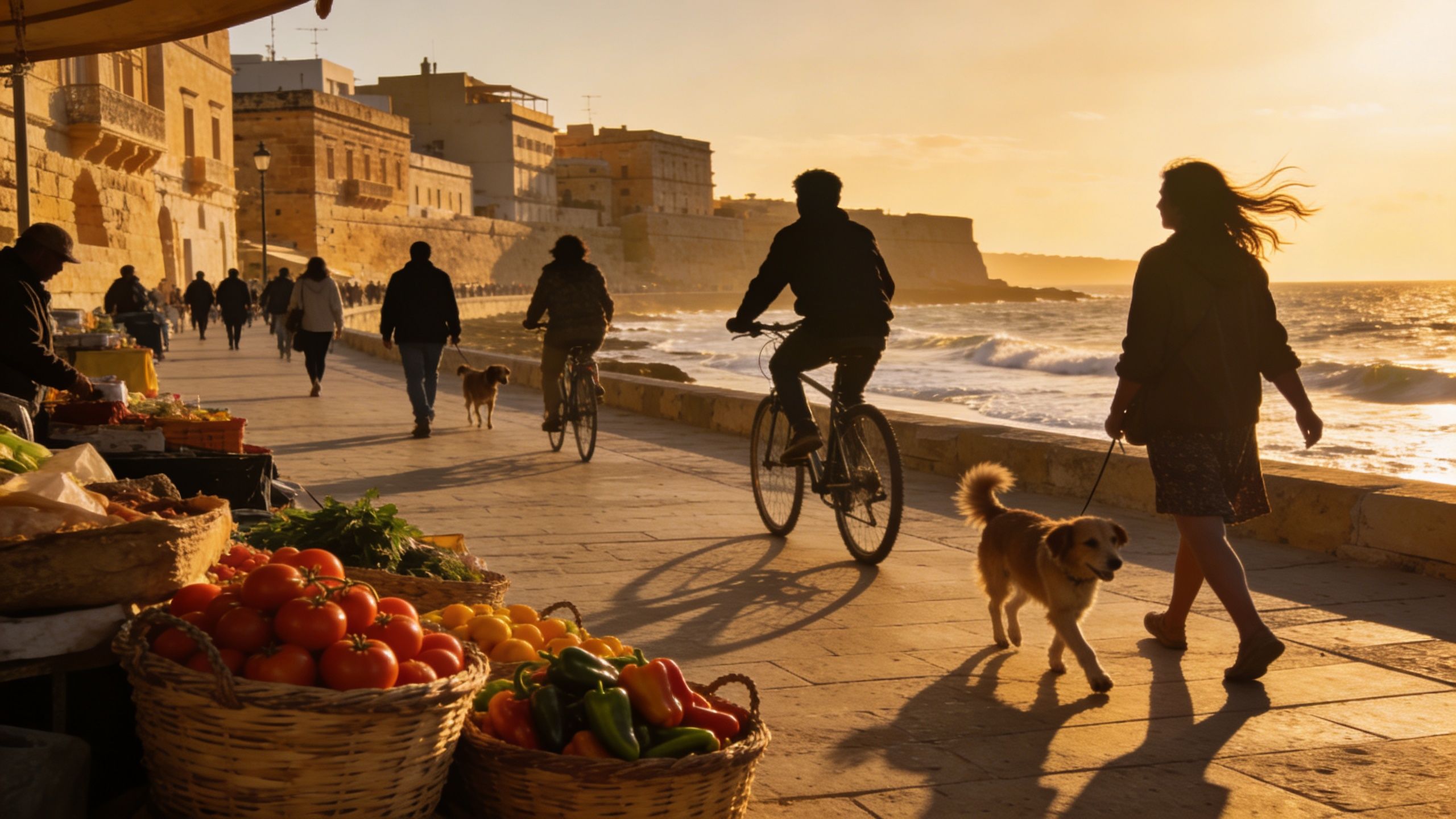
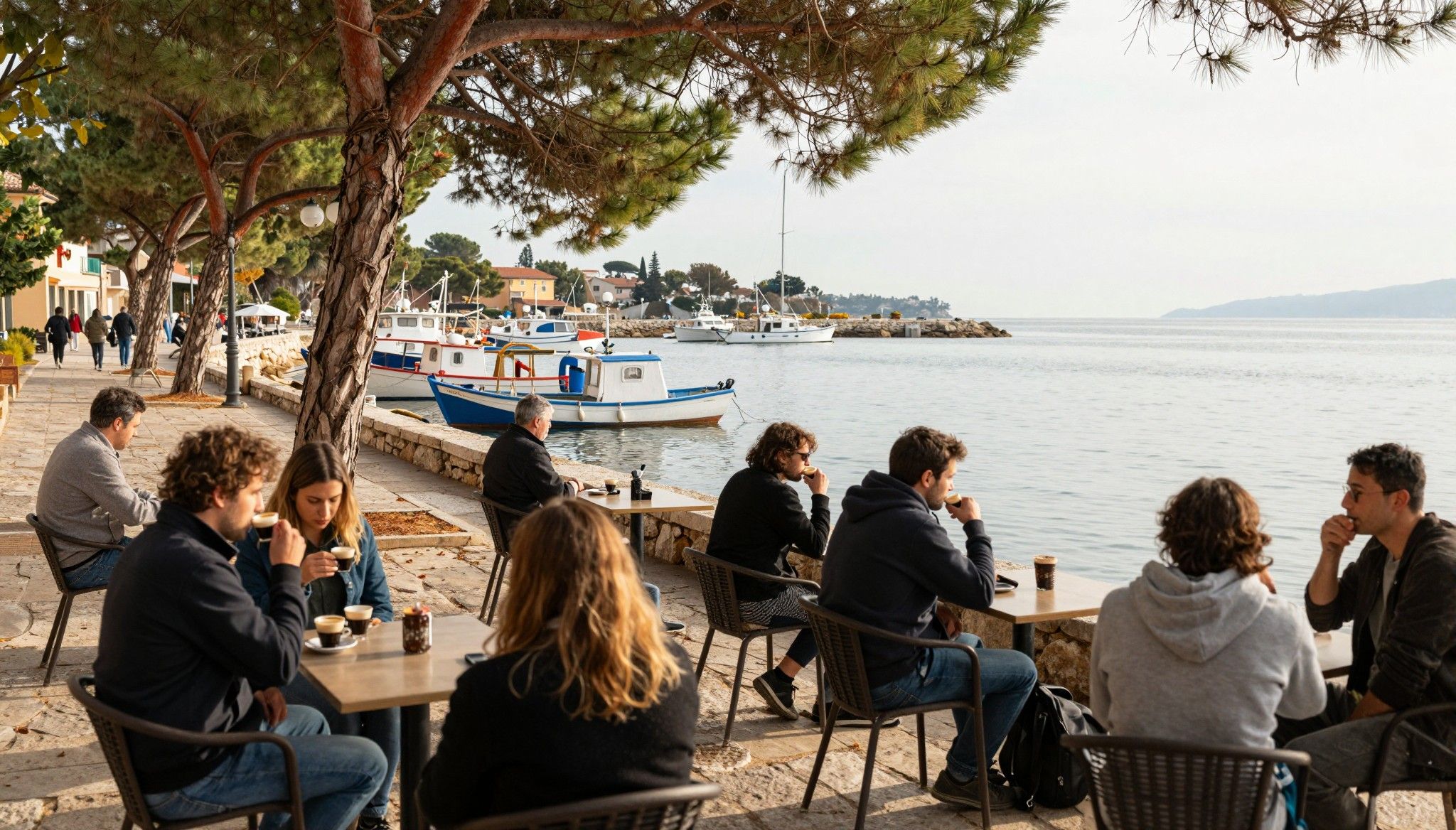
Imagine waking early to the smell of sea salt and freshly baked ftira, then crossing a shaded piazza to a sun-warmed café where conversations drift between English, Maltese and other languages. Malta is compact — every morning routine can include a coastal walk, a market stop in Marsaxlokk or an espresso on a narrow Valletta street — which makes sustainable living tangible: smaller commutes, walkable neighbourhoods and homes built from warm local stone. But beneath the postcard calm are fast-moving property dynamics and a national push toward renewable energy that will shape where you choose to live. This piece blends the sensual pleasures of daily life in Malta with the practical, evidence-based considerations international buyers need when looking for green, long-term value.
Living the Malta Life
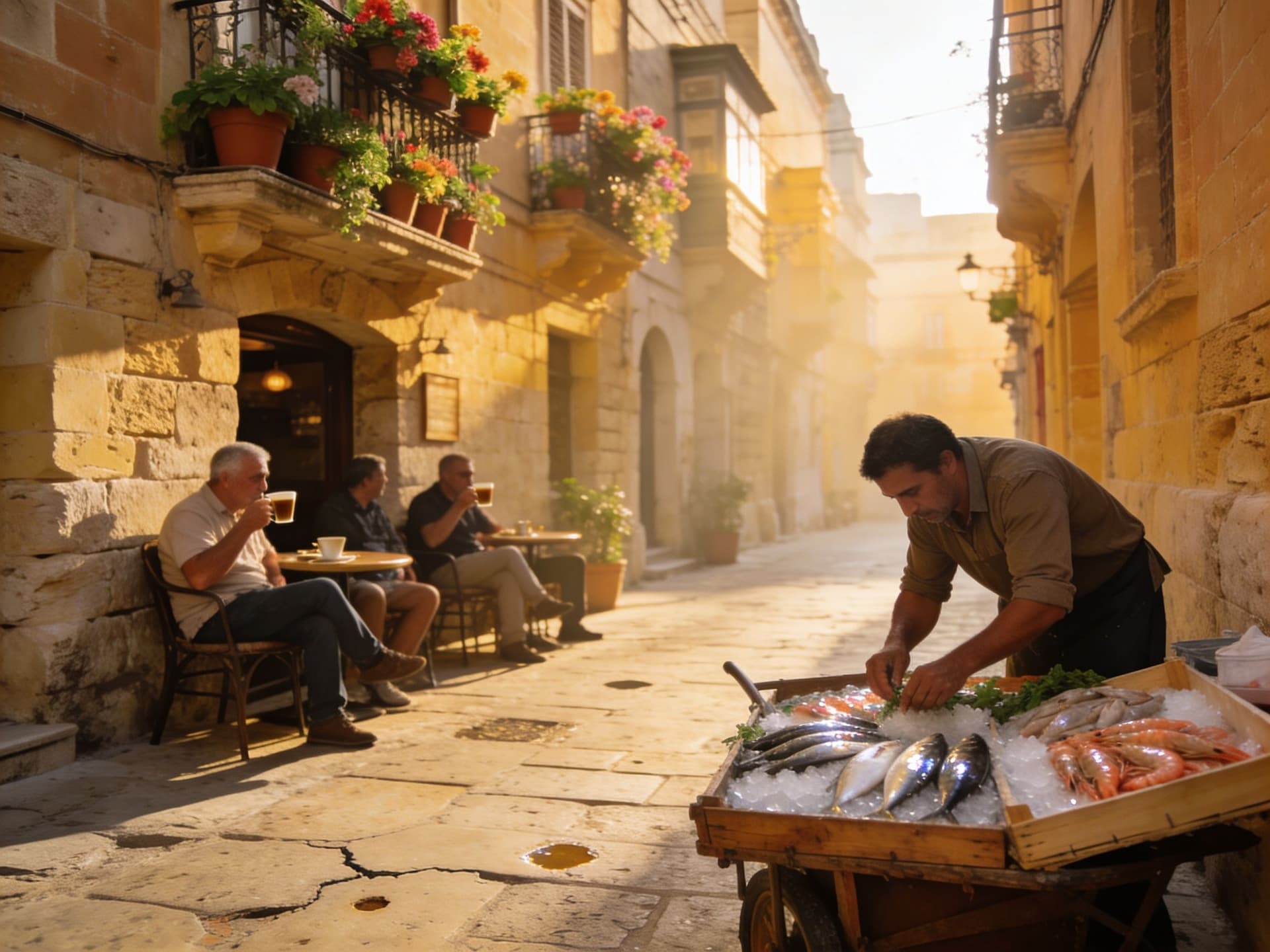
Malta’s rhythm is coastal and civic at once: mornings on promenades, afternoons in neighbourhood gardens, evenings in family-filled restaurants. Prices have been rising steadily — the National Statistics Office recorded notable annual increases in the Residential Property Price Index — so your lifestyle choice is also a market choice. Choosing a neighbourhood here means choosing how you want the sea, light and community to enter your daily life, and whether you want to prioritise a historic town-house or a terrace with room for solar panels and a small green roof.
Valletta, Sliema and the urban pulse
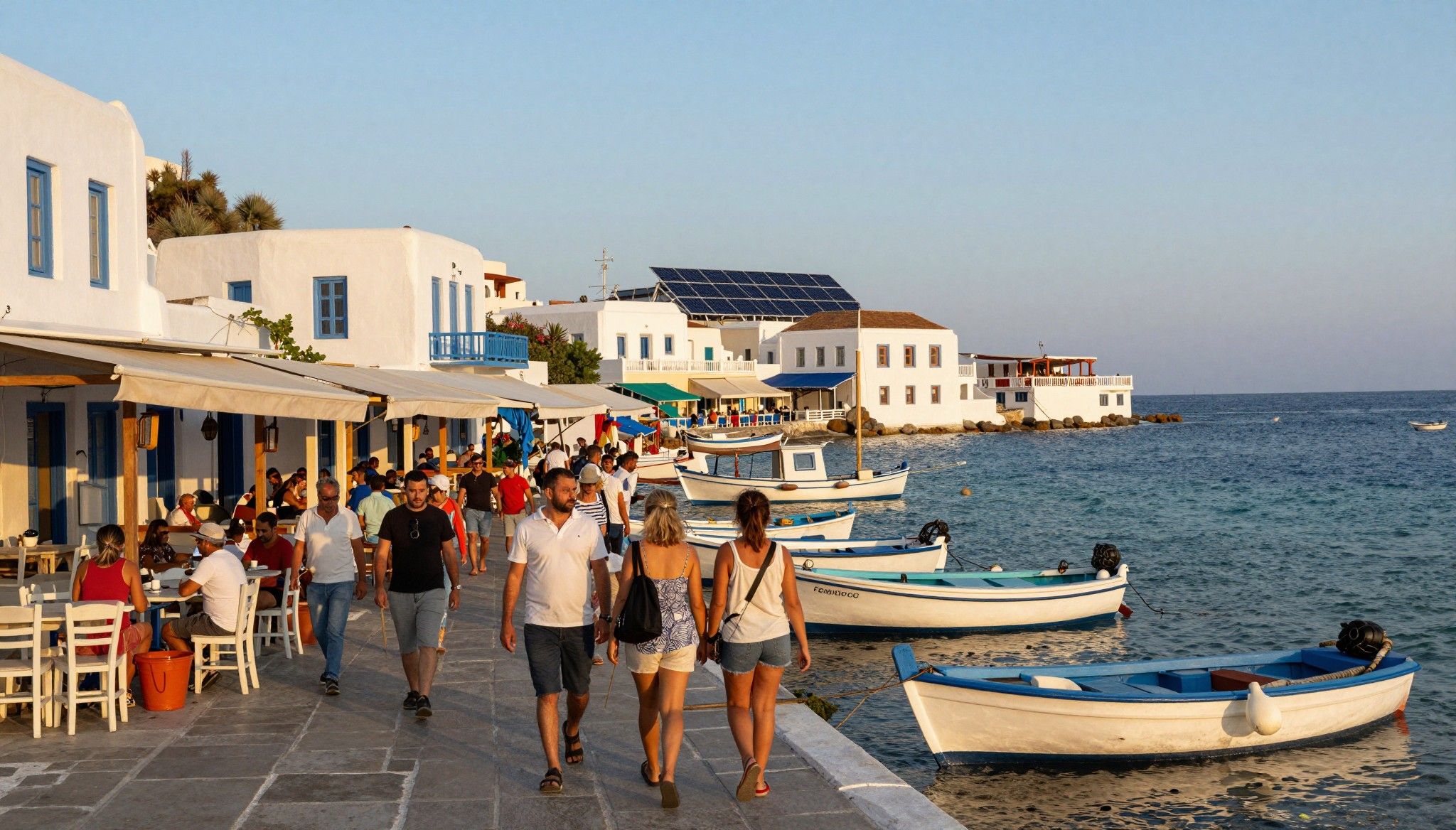
Valletta hums with history: baroque facades, tiny streets that smell of coffee and lemon, and evenings when theatre and harbour lights draw you out. Sliema and St Julian’s offer that liminal life between city and sea — modern apartments with balconies, cafés overlooking the water and a social scene for internationals. If you crave evening walks and café life, these areas put you in the center of Malta’s social map, though compact lots and dense development mean smaller gardens and more creative green spaces such as communal terraces or vertical planting.
Gozo and the quieter coastal towns
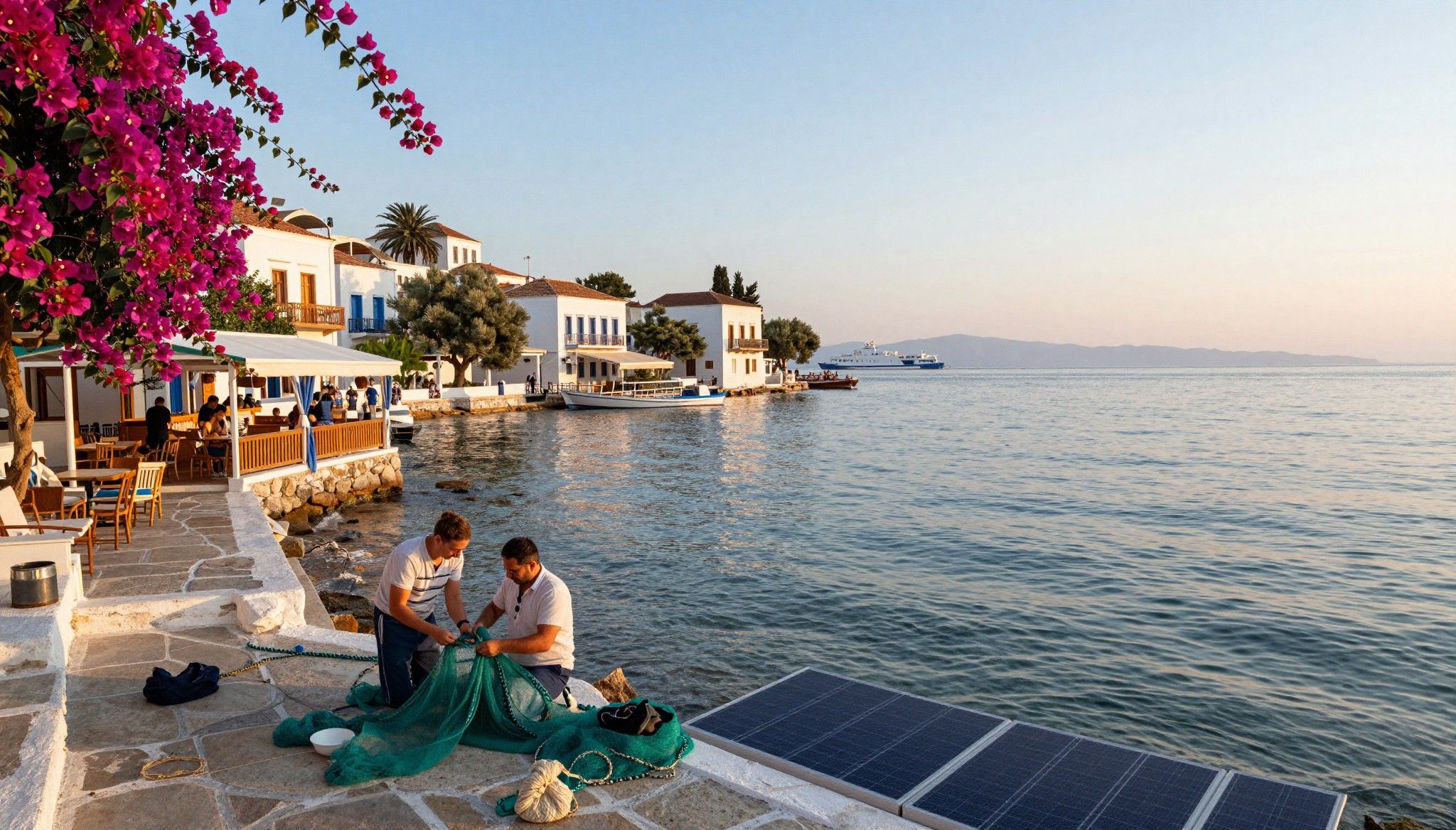
Two islands away, Gozo and villages like Nadur or Xlendi move at a slower beat: stone farmhouses, terraced gardens and skies that feel larger. Here you’ll find properties with land, room for edible gardens and a stronger fit for off-grid ambitions — think rainwater capture, heat-pump friendly houses and space for photovoltaics on south-facing roofs. If you imagine evenings under a pergola with local wine and the sound of cicadas, these quieter corners deliver a different kind of Maltese life.
- Morning markets in Marsaxlokk; ftira at Prego in Valletta; sunset swims at Golden Bay; weekend hikes in Dingli Cliffs; rooftop aperitifs in Sliema; scouting second‑floor maisonettes with original stone balconies.
Making the Move: Practical, Green‑Minded Considerations
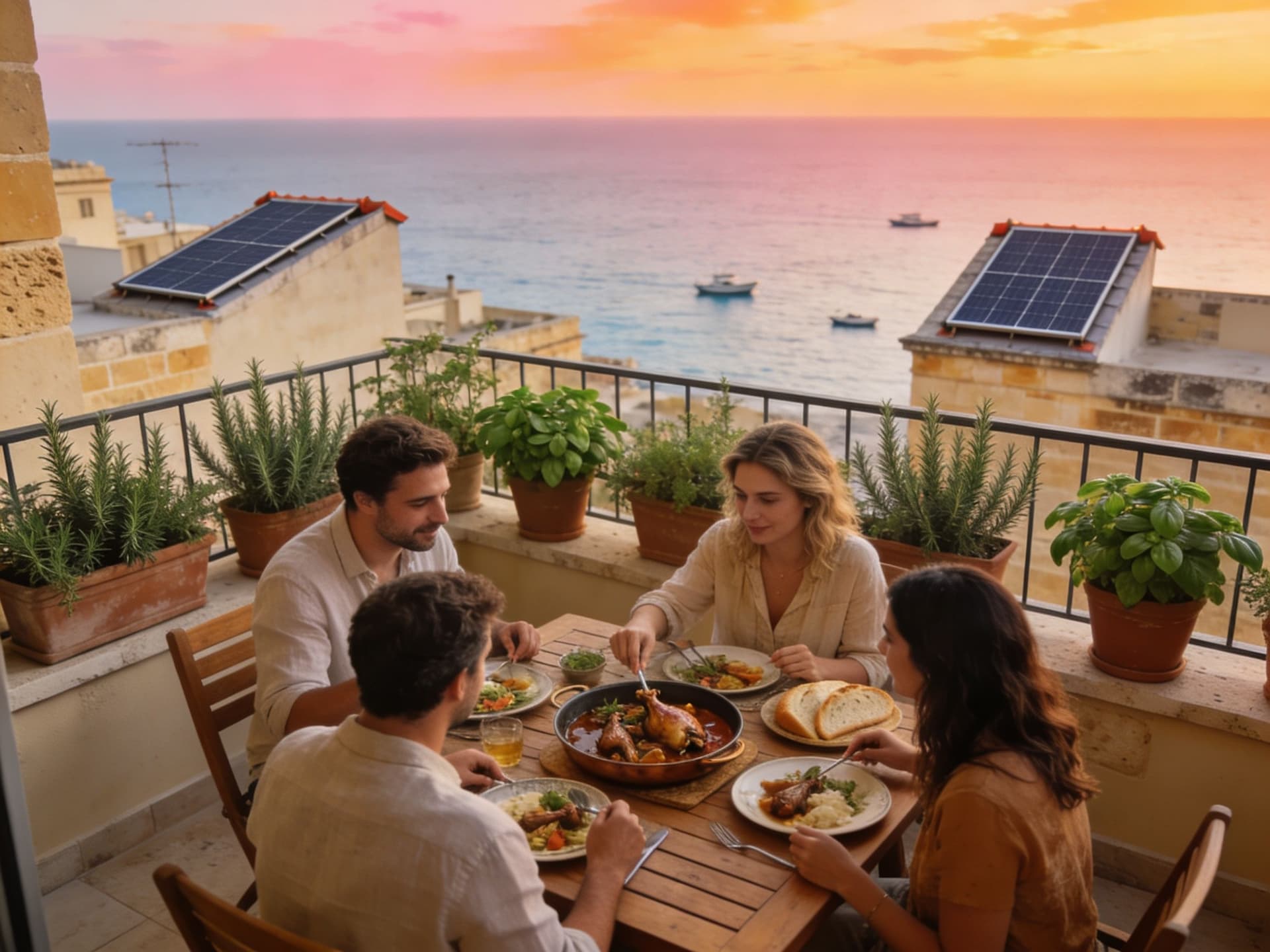
Your dream home in Malta can be poetic — roof terraces, sea views, weathered stone — but that dream should also be aligned with Malta’s energy transition. The government has pushed Malta’s renewable share up significantly in recent years, which affects incentives for rooftop solar, battery installations and heat‑pump uptake. Knowing how national schemes, local planning rules and building typologies interact will help you choose a property that not only feels right but is cheaper and greener to run over the long term.
Property types and green potential
Traditional Maltese townhouses and terraced maisonettes are charming but often require sensitive retrofits to perform well thermally — thicker insulation, breathable lime plasters and discreet PV arrays where permitted. Newer developments frequently include space for air‑source heat pumps and prepared wiring for battery storage, making them an easier path to low‑carbon living. Think less 'one‑size‑fits‑all' and more 'fit the property to the life you want': a small courtyard with a fruit tree can be more valuable to wellbeing than a larger, energy‑hungry open plan living room.
Working with local experts
- 1. Ask agents about orientation and roof aspect: south-facing roofs make solar simple and cost-effective. 2. Hire a local architect or engineer early: they know which traditional materials breathe and which modern interventions will harm listed façades. 3. Request recent energy bills and any incentive paperwork: check what PV rebates or grid-tie permissions exist. 4. Prioritise properties with existing battery or heat-pump-ready infrastructure to reduce retrofit costs. 5. Visit at different times of day and season to assess ventilation, morning/evening light and neighbourhood sound levels.
Insider Knowledge: What Expats Wish They’d Known
Expats often tell us the same surprises: local bureaucracy moves at its own pace, communal living norms are strong, and what looks like an isolated quiet street in winter can host lively festivals in summer. Prices have shown steady growth, so patience and local knowledge pay — chasing a deal without understanding building age, rights of airspace and the reality of upkeep on limestone can turn a romantic purchase into a costly lesson. Cultural fluency — even a little Maltese phrases and respect for local patterns — softens every step of buying and settling in.
Cultural rhythms and community tips
Weekends in Malta are social affairs: family lunches, festas in village squares and early-evening swims that neighbours expect you to join. English is an official language, which makes practical tasks easier, but learning a few Maltese phrases opens doors and invites. Expat communities cluster around Sliema, St Julian’s and parts of Gozo, but the most rewarding connections come from smaller gestures — helping at a festa table, buying from a local greengrocer, or asking an elderly neighbour about traditional lime mortar.
Long-term thinking: stewardship over speculation
- Plan for maintenance of limestone façades; budget for periodic re-pointing and breathable paints. Choose materials and systems that are repairable locally — timber repairs and lime plaster skills are readily available. Favor south- and west-facing outdoor rooms for year-round use and solar access. Consider communal green spaces or rooftop terraces as extensions of your living area — they add lifestyle value and biodiversity. Factor in water-saving measures: cisterns and Mediterranean planting reduce summer irrigation needs.
The smaller size of Malta is both gift and constraint. Distances are short, so the right neighbourhood can give you daily walks, market rituals and a sense of rootedness without the isolation of larger countries. But compactness means demand concentrates quickly, and planning rules can be strict in historic zones. Pair your lifestyle wish-list with local experts who understand both the charm and the technicalities.
Conclusion: If you want life with limestone light, sea-breeze afternoons and a community that still celebrates slow pleasures, Malta is a place that fits the eco-minded imagination. Use credible data — like Malta’s RPPI figures and the government’s renewable energy updates — to time and shape your purchase, prioritise properties with green potential, and work with local architects and agents who value stewardship. Fall in love with the lifestyle first, then let thoughtful, locally informed steps turn that feeling into a sustainable home.
British expat who traded Manchester for Mallorca in 2017. Specializes in guiding UK buyers to luxury Spanish estates with clear navigation of visas and tax.