Italy’s Verdant Coast: Hidden Value in Forest‑Backed Towns
Discover Italy's forest-backed coastal towns — where verdant landscapes meet surprising value. Practical steps for buying, stewardship tips and regional data-backed insights.
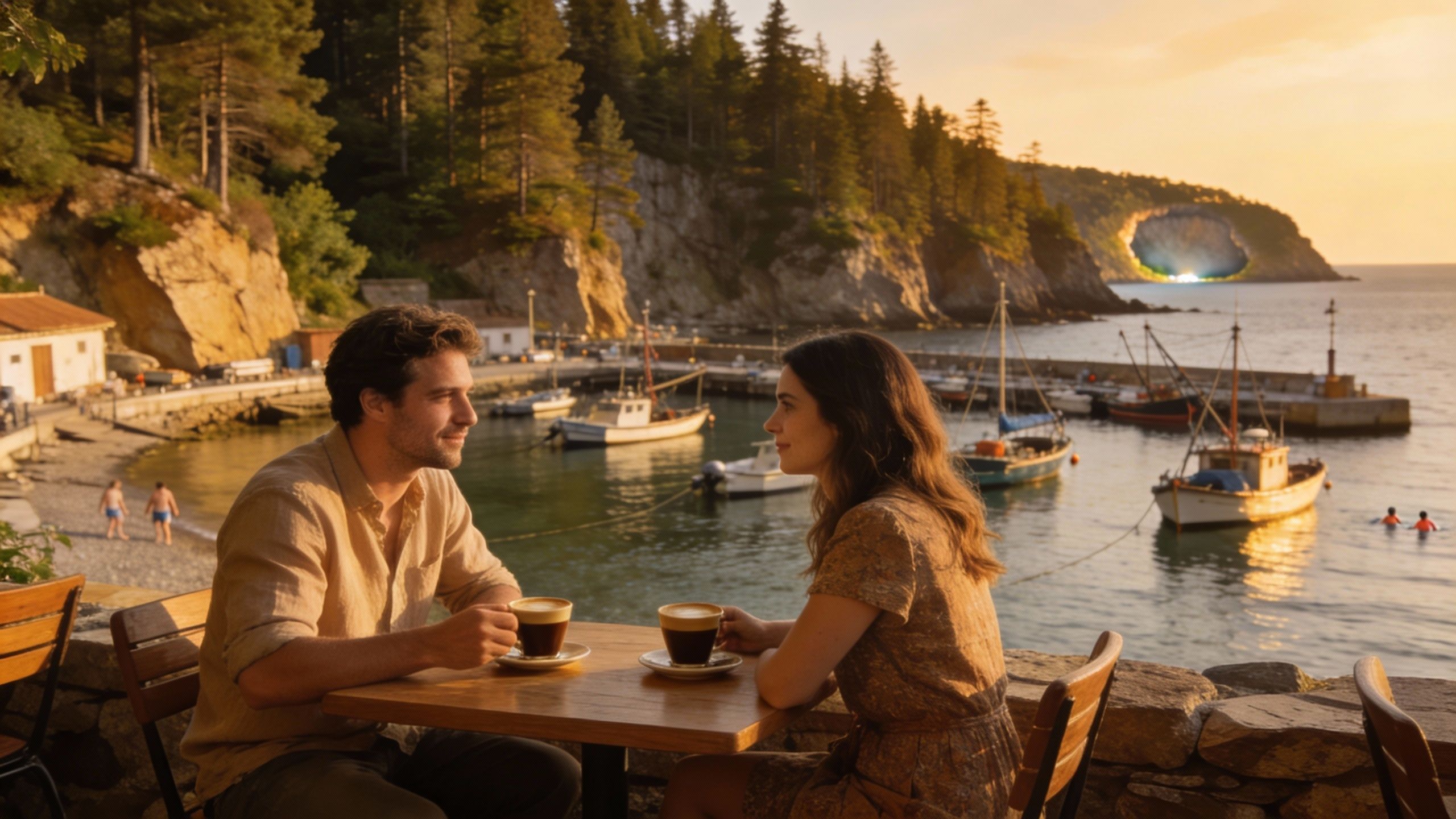
Imagine stepping out at dawn onto a stone-paved square where the air smells of espresso, sea salt and citrus trees. In Italy's greener coastal belts — think the chestnut-shaded cliffs of Liguria's lesser-known coves, the pine-backed beaches of northern Tuscany, or the cork-oak headlands of southern Sardinia — life moves with a rhythm of markets, small harbours and forested ridgelines that cradle villages. For international buyers drawn to rugged coasts and forests, the surprise isn't only beauty: it's where value quietly lingers.
Living Italy's Verdant Coast
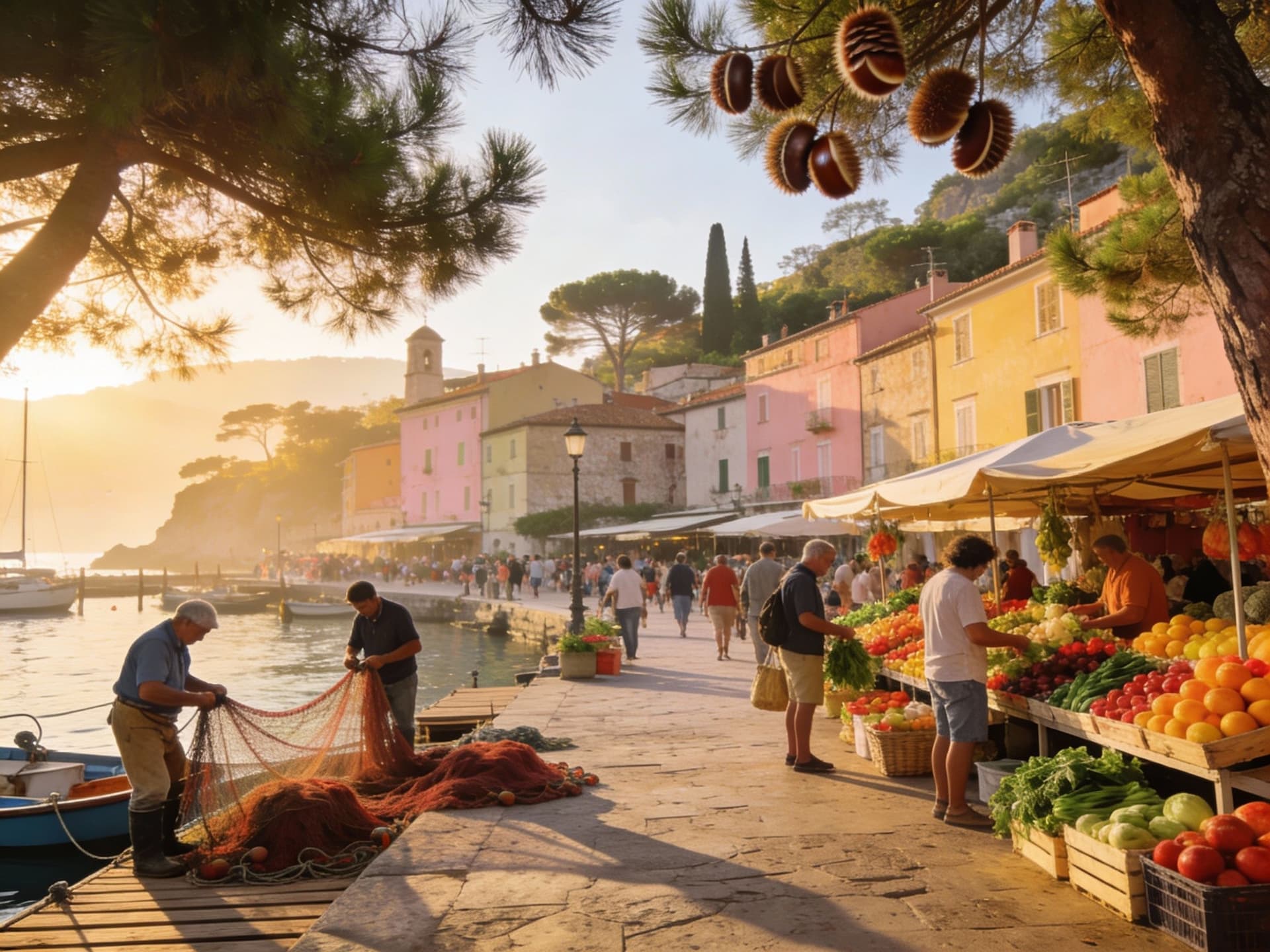
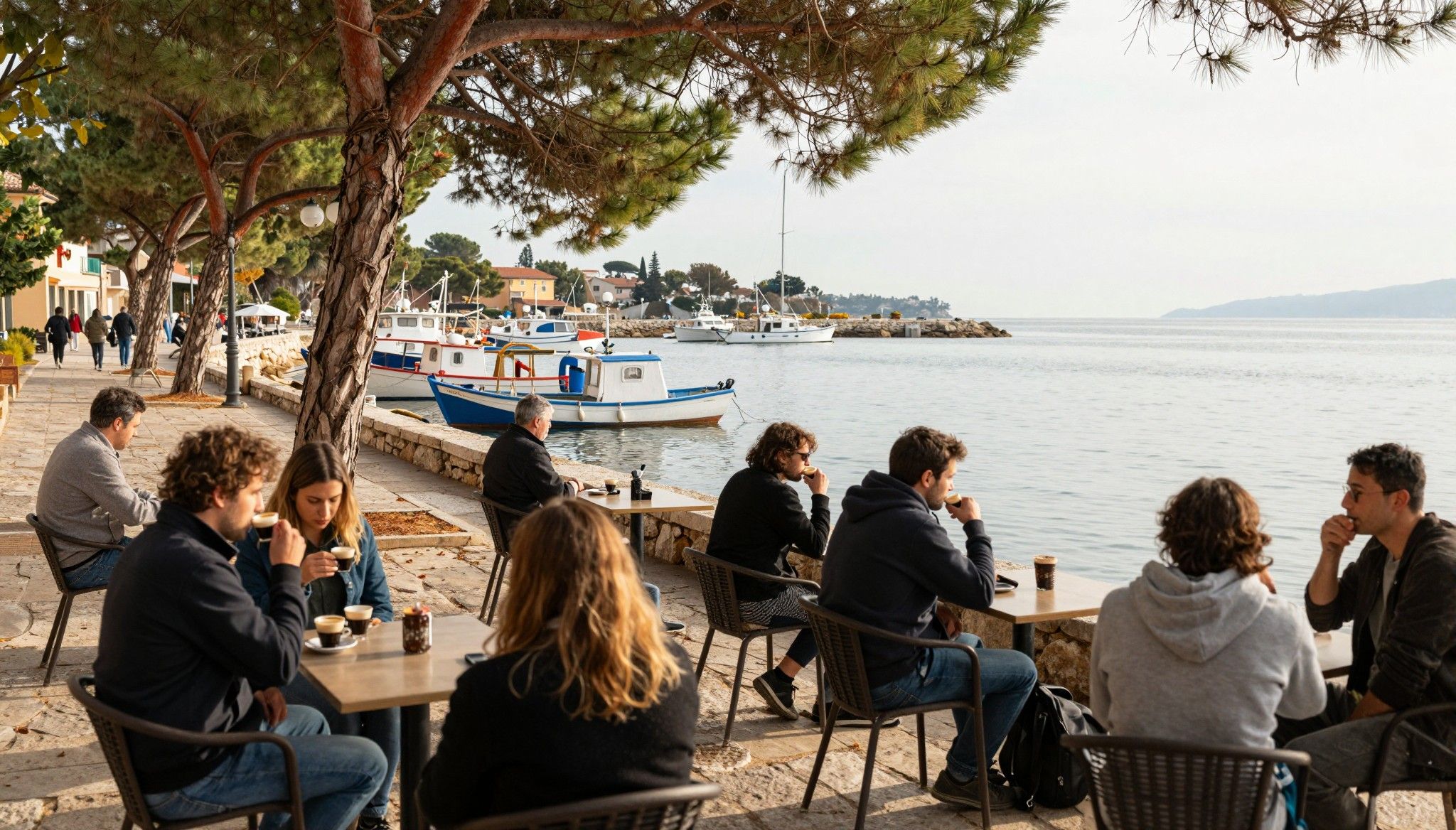
Daily life here is tactile: bakers pull warm focaccia at 7am, fishermen unload a small catch at dawn, and afternoons are for slow swims or walking chestnut woods that slope to hidden coves. Neighborhoods often pivot around a bar, a marina or a weekly mercato where you can buy mushrooms picked that morning and tomatoes still warm from the sun.
Neighborhood snapshot: Levante Liguria vs. Maremma
Walk a single street in Liguria’s Levante and you’ll find pastel houses, steep alleys and tiny terrazze overlooking the sea; in Maremma (southern Tuscany) the architecture leans toward stone farmhouses, cork groves and long, wild beaches. Both offer access to forests and coast — but different day-to-day textures: Liguria is intimate and vertical; Maremma is expansive and rural.
Food, markets and small rituals
From morning markets in Camogli to evening aperitivi in Piombino, food anchors communal life. Look for towns with year-round markets (an indicator of local resilience) and small producers selling chestnuts, honey and artisanal cheeses — these are the towns where a buyer quickly feels at home and where gardens and orchards are part of daily life.
- Lifestyle highlights to look for
- Weekly mercado with local producers (sign of year-round community)
- Forest access within 15–30 minutes for foraging, trails and shade
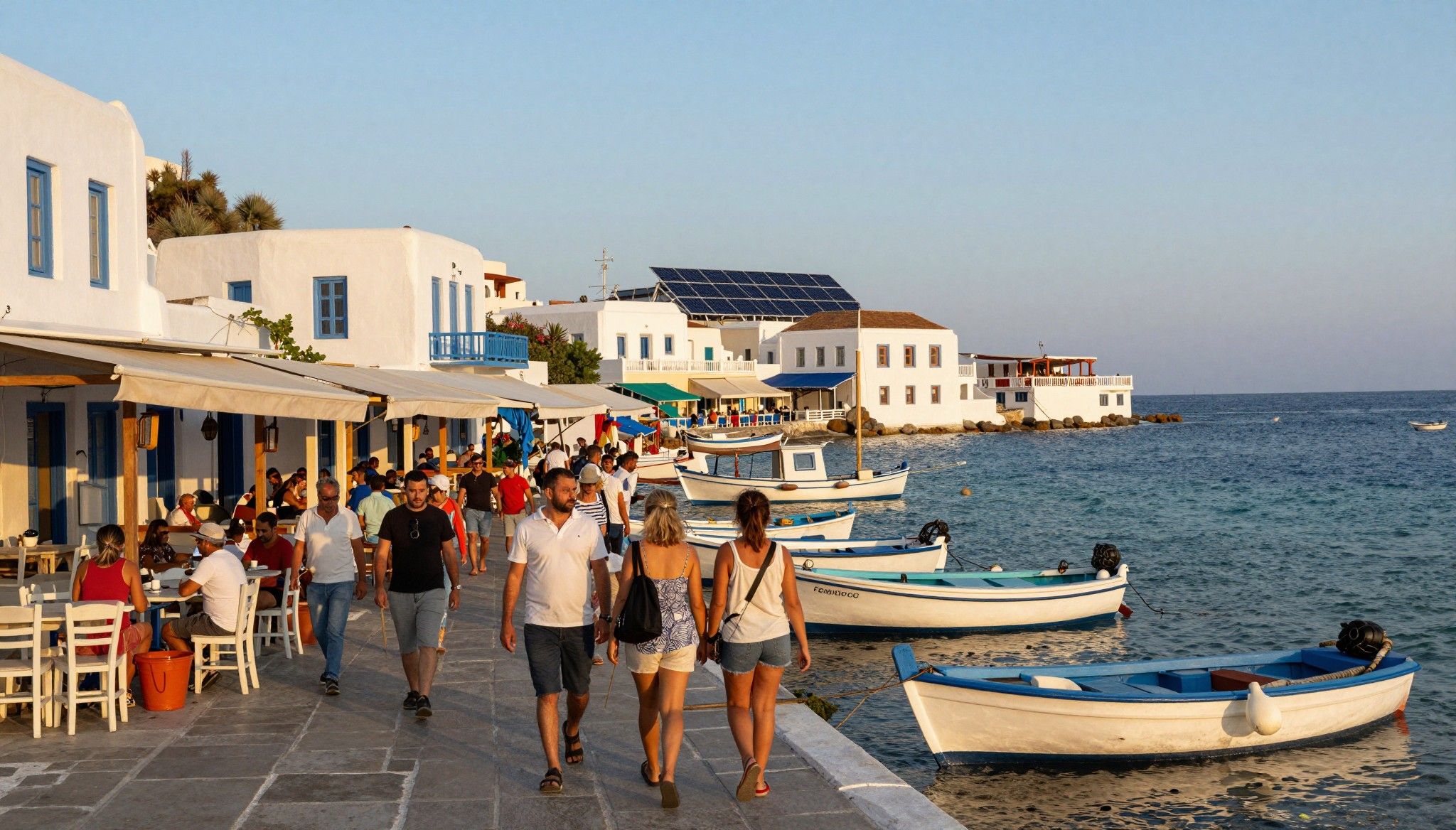
- Small harbour or safe beach — steady social life without mass tourism
Making the Move: Practical Considerations
Italy's coastal market is uneven: headline places like Portofino and Porto Cervo command high premiums, but recent industry surveys show significant growth in lesser-known coastal towns and accessible southern regions — and official statistics confirm steady national price movement. Use regional data, not national averages, when evaluating value and risk. (See ISTAT house-price releases and regional reports.)
Property styles that suit forested coasts
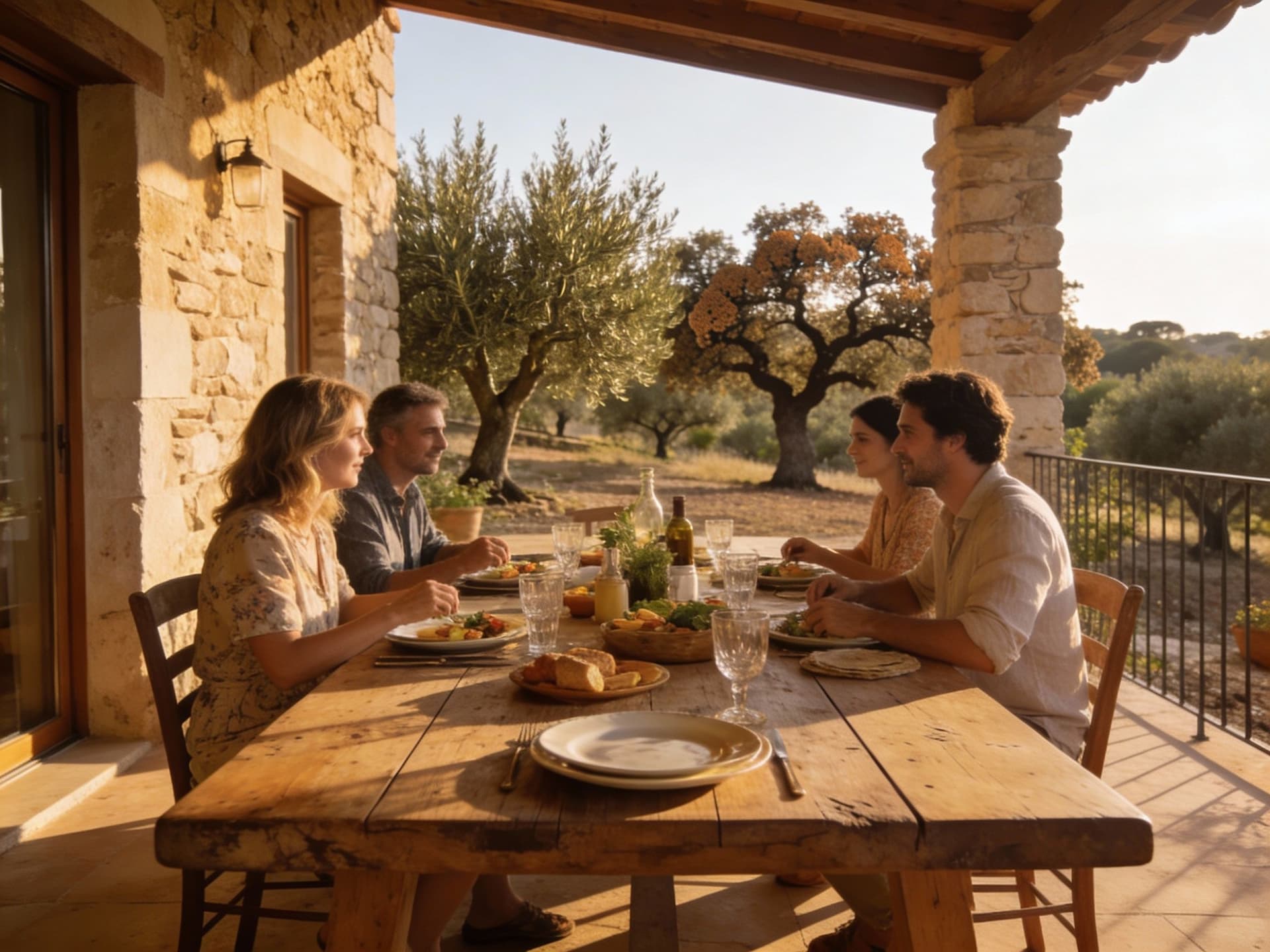
Stone farmhouses with oak beams suit the Maremma lifestyle; compact terraced homes with planted terraces fit Ligurian coves. Look for properties with: south- or west-facing terraces, rainwater collection or space for a cistern, mature trees for summer shade, and simple insulation upgrades — small investments that transform comfort and reduce energy needs.
Working with local agents who care about land
Find agencies with experience in rural/coastal properties and a track record of sustainable restorations. The right agent will introduce you to local handymen, civic contacts for building permissions, and neighbours who will tell you which slopes flood in winter and which olive groves produce the best oil.
- Practical steps that marry lifestyle and due diligence
- 1. Map microclimates: ask the agent which slopes get summer shade and winter winds.
- 2. Check water infrastructure: verify cisterns, well rights and municipal supply resilience.
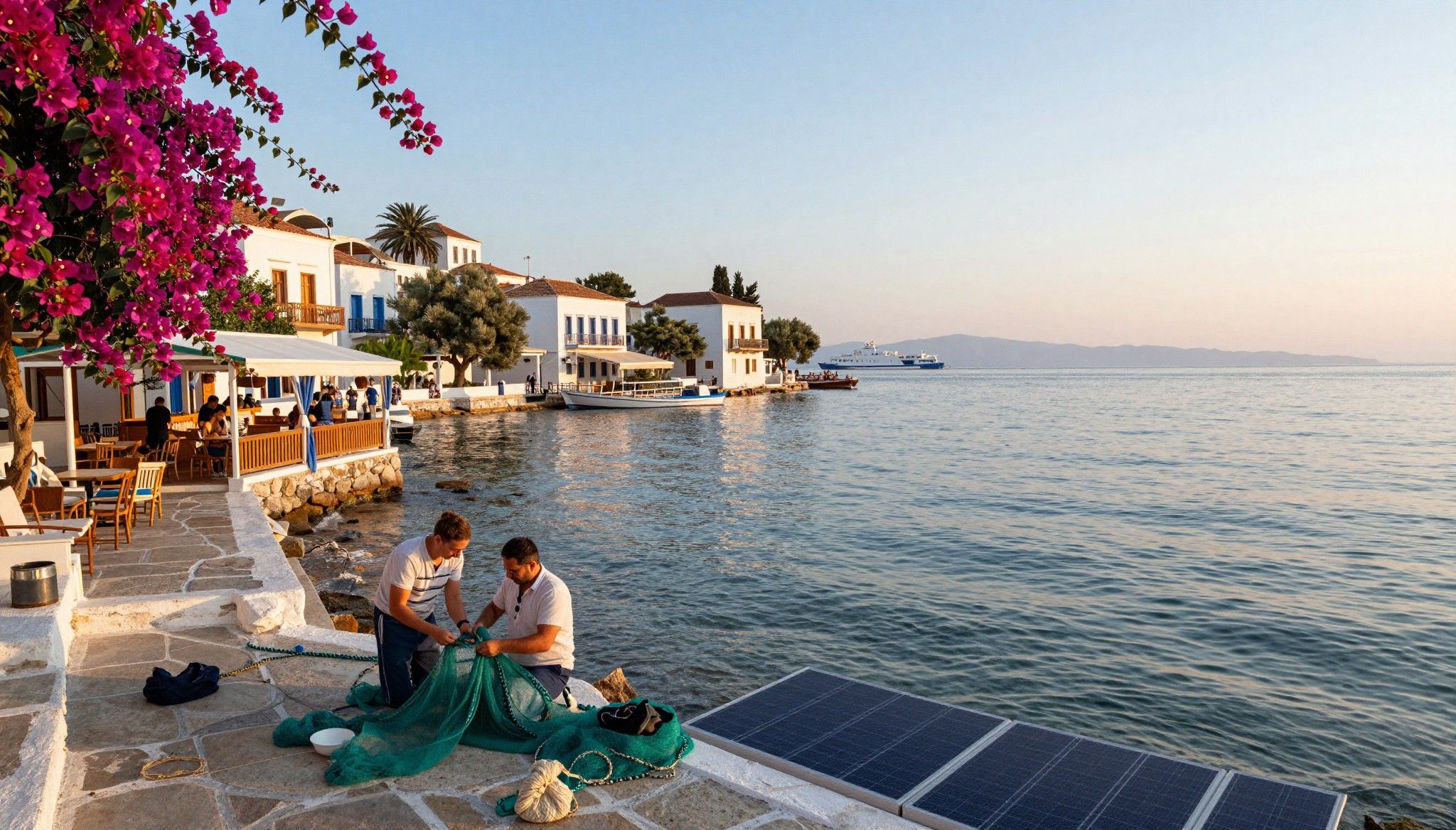
- 3. Budget for small retrofits: insulation, low‑flow plumbing and a modest solar array change year-round comfort.
Insider Knowledge: What Expats Wish They’d Known
Expats often arrive expecting blue‑chip beach towns. Many find greater joy and more affordable stewardship in forest‑backed villages where neighbours trade bread for eggs and seasonal rhythms set the tempo. The quieter life requires patience — slower paperwork, local rhythms and an emphasis on relationships — but rewards with deeper integration.
Language, community and small rituals
A few phrases and consistent presence open doors. Join the local feste, volunteer at a market day, or take language classes at the parish hall. These small rituals convert a house into a home and make maintenance, renovation approvals and neighbourly goodwill far easier.
Long-term stewardship: think beyond resale
Long-term value in these regions often comes from careful stewardship rather than speculative flipping. Official data shows modest but steady national price increases; regional pockets can outperform. Prioritise energy upgrades, biodiversity-friendly gardens and water management now — these improvements increase liveability and are increasingly recognised in local valuations.
- Red flags specific to verdant coasts
- Seasonal access roads prone to landslips — ask for municipal slope-stability records.
- Properties with unclear water rights or informal cistern systems — verify documentation.
- Over-promised sea views that require expensive structural work to maintain — inspect rooflines and retaining walls.
Conclusion: If you want rough coastlines stitched to green forests, look where others look past value for glamour. Choose towns with active markets, reliable agents skilled in rural restorations, and a willingness to invest in simple sustainability. Do this and you gain not just a house but a landscape-shaped life.
Dutch property strategist who helped 200+ families find sustainable homes in southern Europe; expert in legal pathways and long-term stewardship.