Cyprus: Fall in Love — Then Check the Deeds
Fall for Cyprus’ sunlit life, but pair romance with a focused due‑diligence plan — title deeds, permits and green upgrades matter for peaceful ownership.
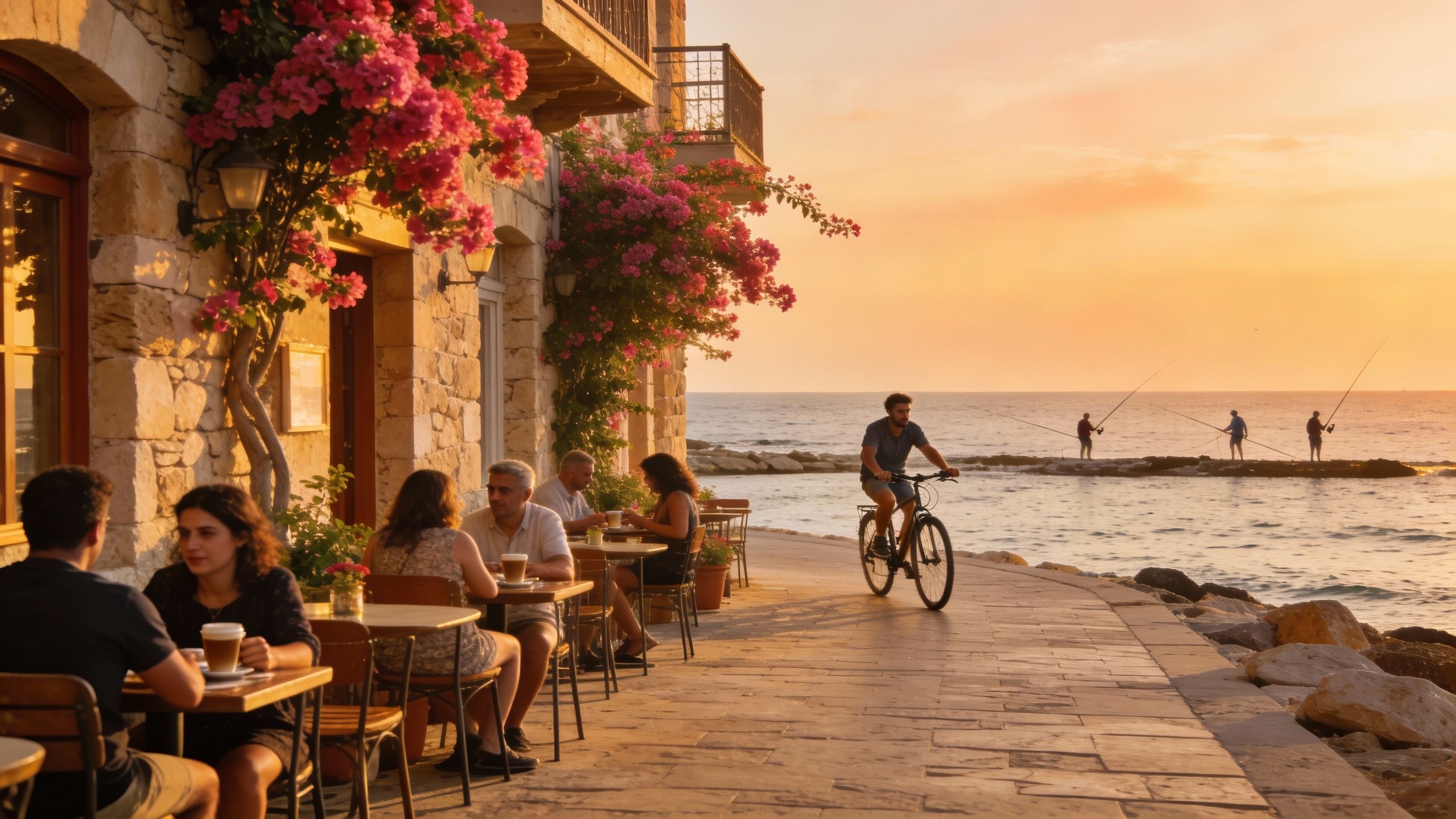
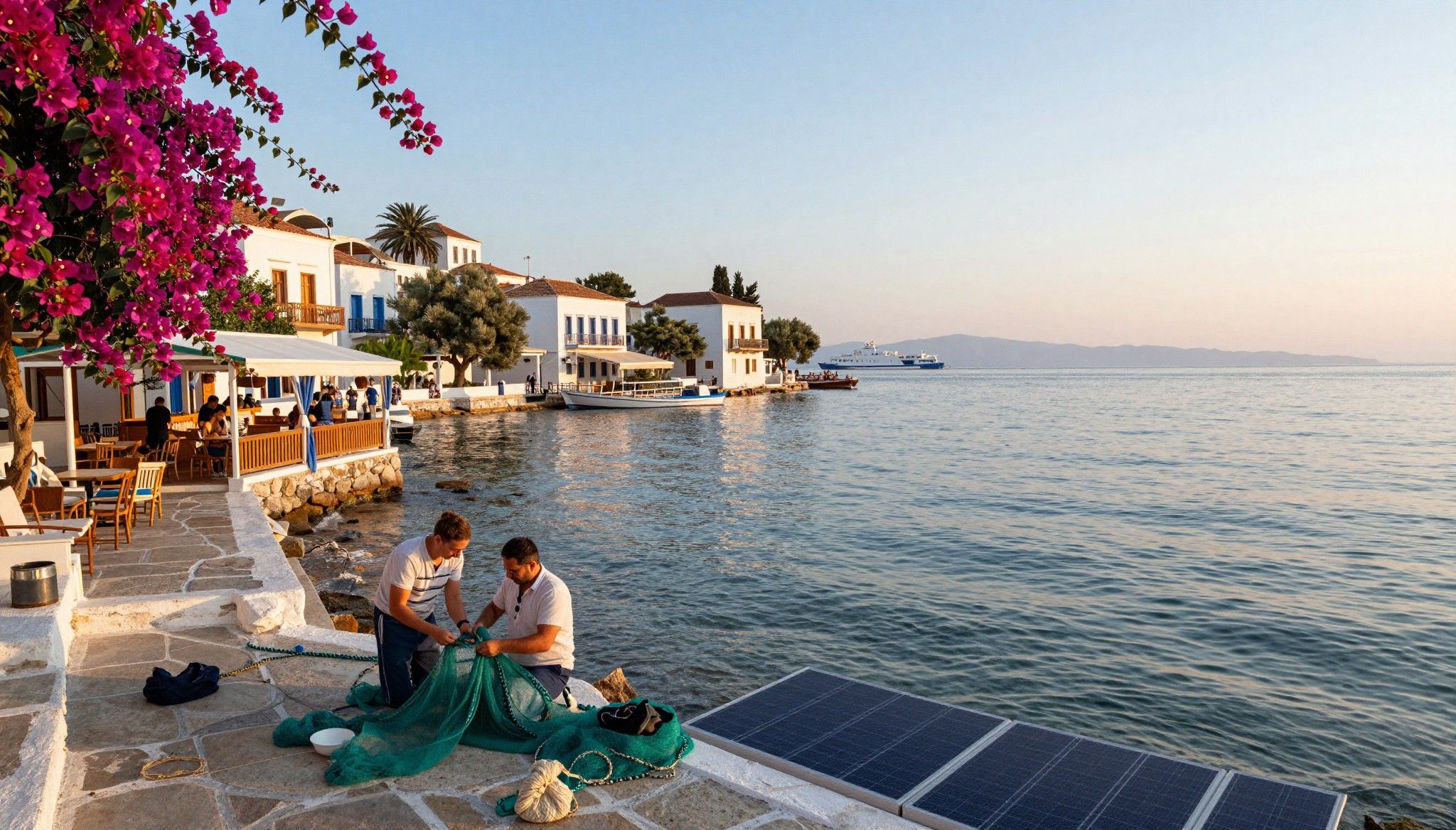
Imagine an autumn morning in Limassol: you smell cardamom coffee as fishermen mend nets beneath bougainvillea‑draped balconies, and stone houses on Petrou & Pavlou whisper stories of olive harvests. In Cyprus the light is generous and life moves with the sea and the hills — but behind that ease, there are paper trails, permits and rules that shape whether a property becomes sanctuary or a long legal headache.
Living Cyprus: rhythm, places and small‑town rituals
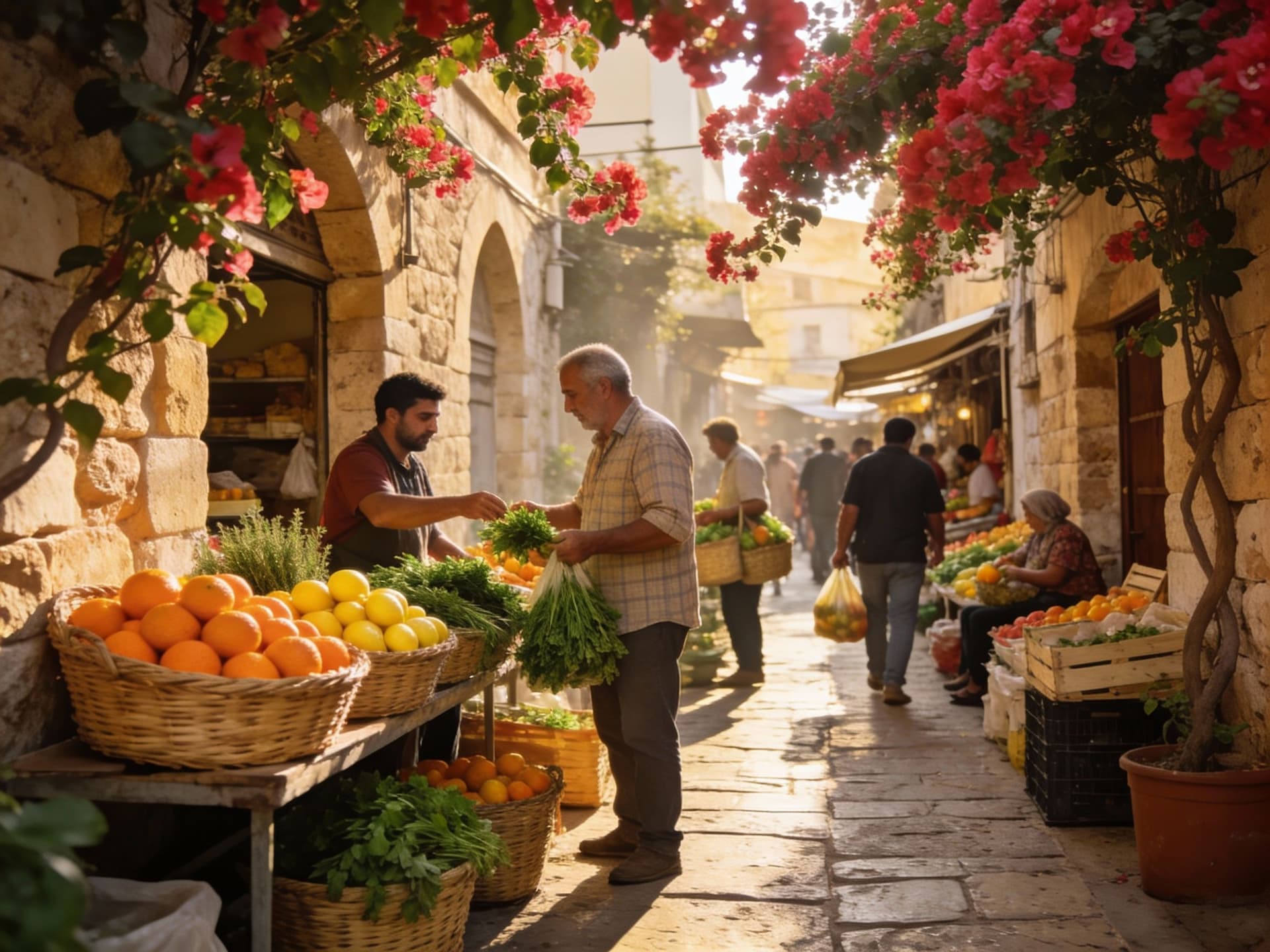
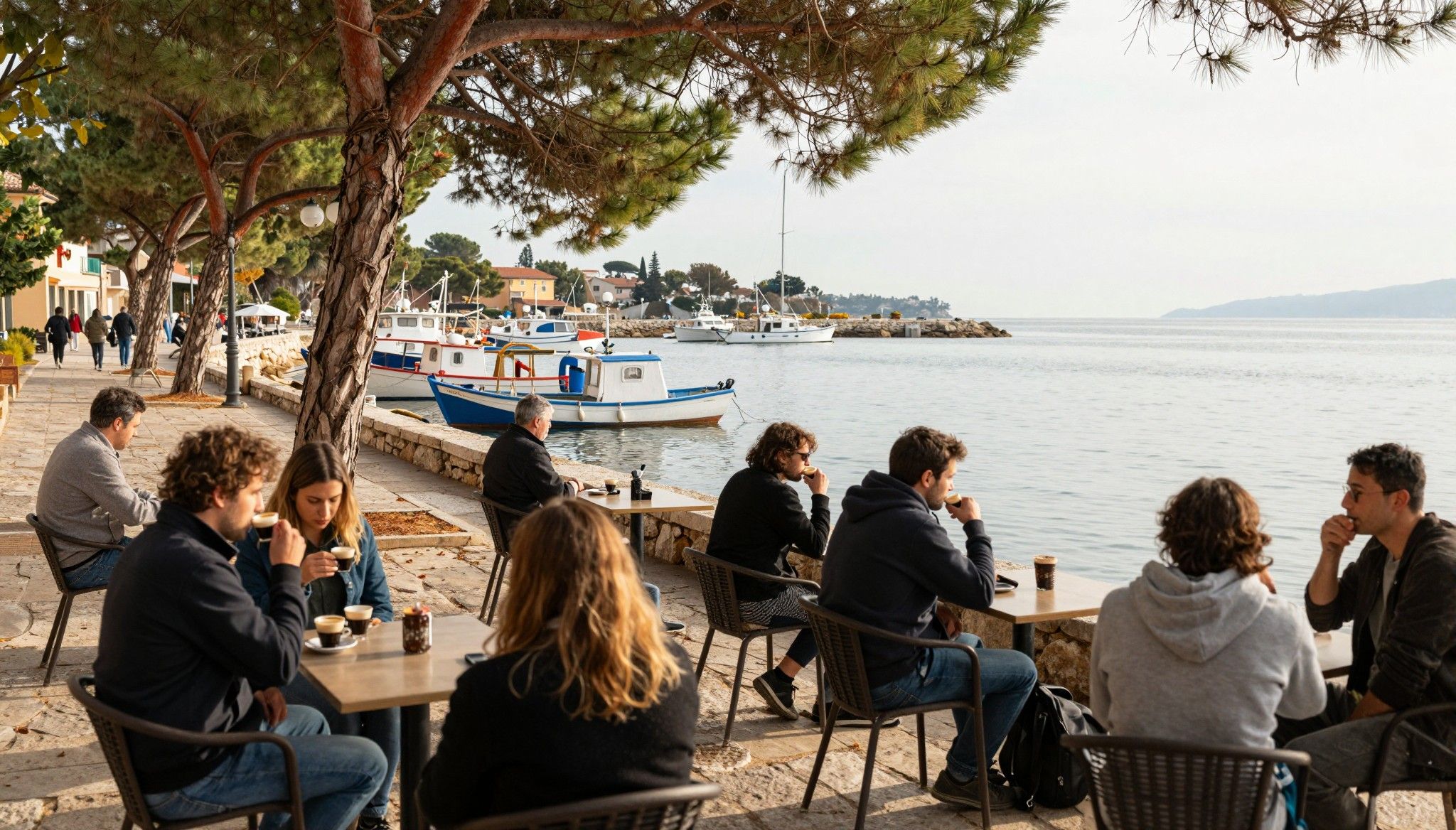
Cyprus feels lived‑in. Mornings begin with espresso and halloumi in narrow cafés; afternoons surrender to siesta and sea; evenings unfurl with mezze and communal laughter. The island’s character changes sharply with the miles: the coast offers cosmopolitan beaches and marinas, the foothills shelter terraced vineyards, and mountain villages give you chestnut‑scented winters and stone cottages with low energy bills thanks to thick walls and passive solar comfort.
Neighborhood pulse: Limassol promenade to Paphos old town
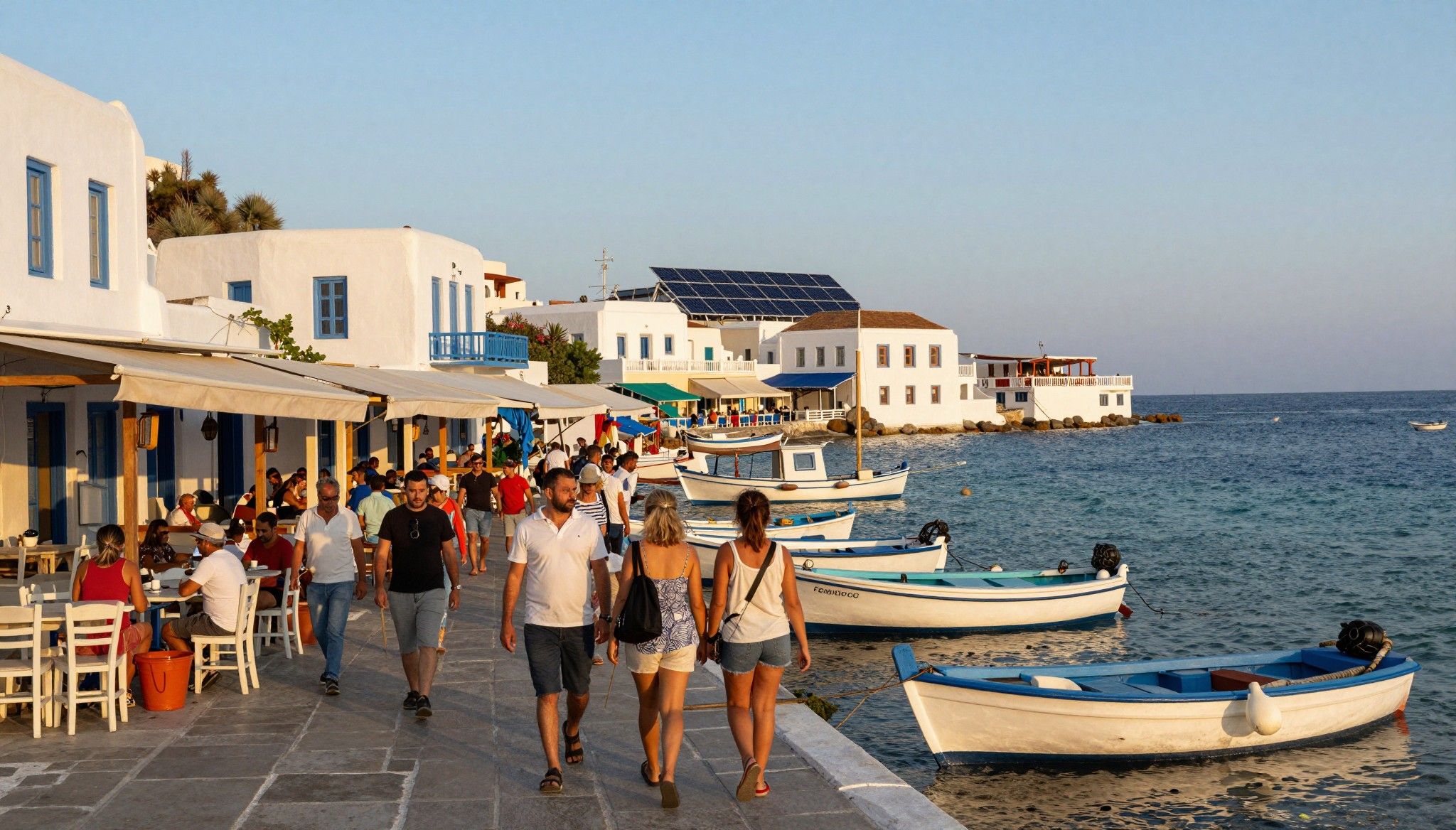
If you want late‑night restaurants and a cosmopolitan expat scene, Limassol’s Molos and old port streets hum with life. Paphos’ Kato Paphos and the mosaic by the harbour feel archaeological and slow—perfect for those who want a daily reminder of history. Up in the Troodos foothills, villages such as Omodos and Platres trade nightlife for community festivals, vine trellises and quiet lanes where neighbours still share produce from their gardens.
Food, markets and the calendar of seasons
A Saturday market in Larnaca or Nicosia is theater: sun‑warmed tomatoes, wild thyme, small goats’ cheeses and local zivania. Seasonal festivals — grape stomping in autumn, almond blossom walks in spring — are where community and land meet. For buyers who dream of a kitchen garden, Cyprus’ long growing season rewards even small terraces with basil, citrus and pomegranate.
- Lifestyle highlights: streets, tastes and small surprises
• Morning espresso at To Kafenio (Nicosia old town) — watch bakers bring out koulouri. • Sunset walk along Limassol Molos, then fish at Ta Piatakia. • Weekend wine tasting in Omodos, then buying chestnuts from village stalls. • Early‑season snorkel at Fig Tree Bay; quiet winter walks on Akamas Peninsula. • Local markets in Larnaca for seasonal veg and friendly haggling.
Making the move: how lifestyle dreams meet legal reality
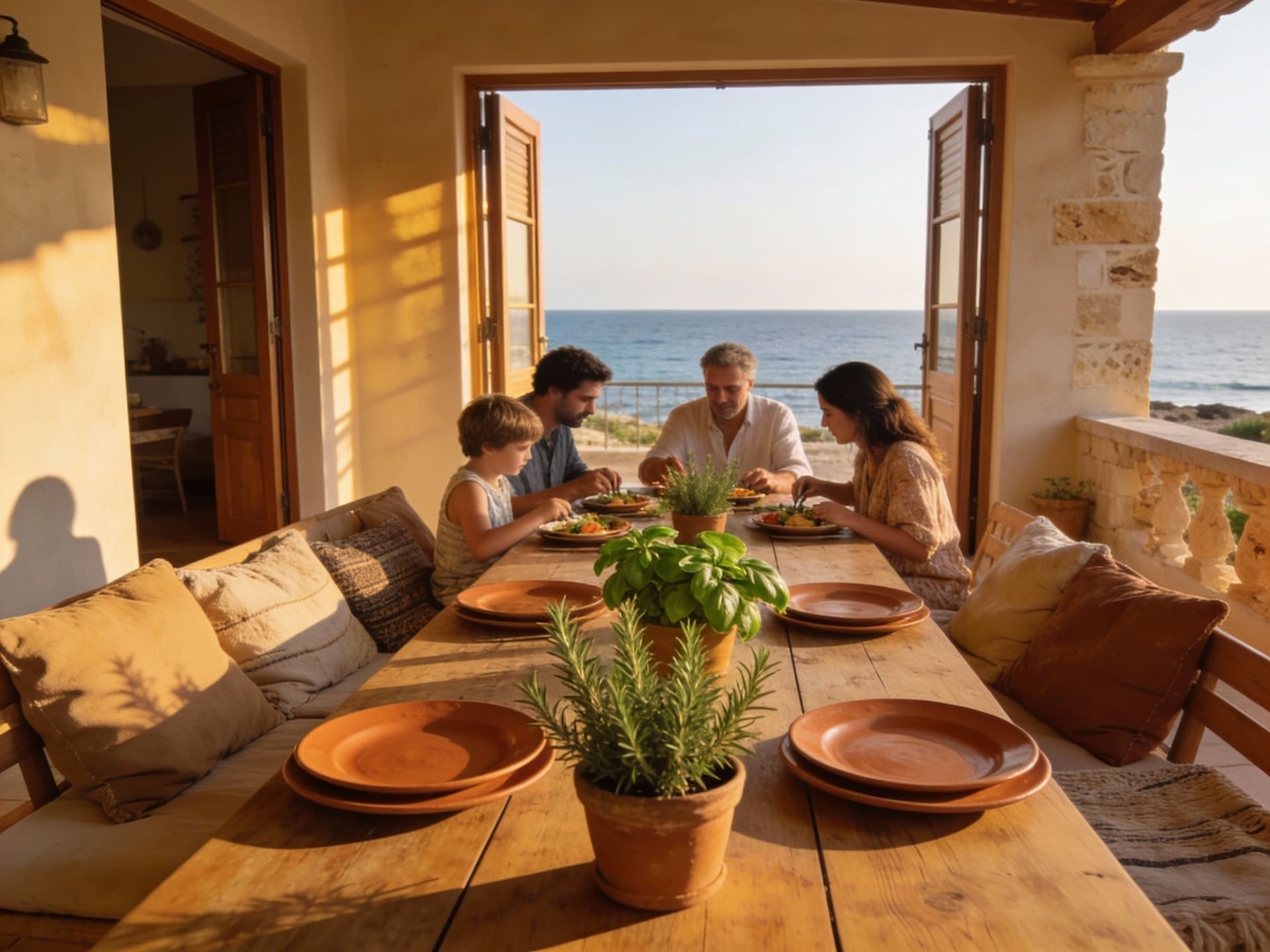
That warm island life is real — and so are the steps required to make it yours. Two issues keep recurring in conversations with expats: title‑deed clarity and the island’s specific permit culture. Recent guides show transfer fees, VAT rules and common pitfalls that can slow or stall transactions, especially for newer developments. Knowing where paperwork can trip you up turns dreamy weekends into confident offers.
Property types and what they mean for daily life
A quaint stone village house gives you thick walls, thermal mass and connection to terraced orchards; a coastal apartment brings light, walkability and marina life but often higher service charges and modern building standards. New builds may include solar‑ready roofs and insulation; older houses reward patience with restoration and opportunities to add discreet PV or rainwater capture systems that match the island’s sustainability ethos.
Work with experts who protect both lifestyle and paperwork
In Cyprus, local solicitors, surveyors and agents who live the rhythm of their town will flag issues early: whether deeds are lodged, if a block’s certificates are complete, or if there are planning irregularities. Recent legal changes addressing “trapped purchasers” underscore why lawyers matter — reforms now provide clearer routes for buyers caught in long title delays, but only if documented steps were followed at contract deposit.
- Steps to blend lifestyle wants with legal safety
1. Insist on seeing a current title‑deed extract and Land Registry plan; don’t accept vague assurances. 2. Commission an independent surveyor to check building permits, boundaries and planning permissions. 3. Ask your lawyer for a written summary of encumbrances, pending applications and service charges. 4. If buying new, confirm VAT status and whether reduced VAT for primary residence applies — it can change the transaction structure. 5. Request evidence of utility connections and any energy‑efficiency work (roof insulation, PV) that affects running costs.
Insider knowledge: the real red flags and green opportunities
Buyers tell us the same truths: never assume a missing deed is only bureaucracy, and never overlook small sustainability investments that cut bills and raise resale appeal. Cyprus has meaningful grant programs for PV and roof insulation, and near‑ubiquitous solar thermal systems — both practical benefits and selling points if you choose wisely.
Common red flags (what to walk away from)
• Contracts that promise deeds “soon” without a deposit date at the Land Registry. • Properties with retroactive extensions that lack building‑permit certificates. • Unclear communal ownership of access lanes or water rights. • Sellers who resist a professional surveyor or independent legal review. • New developments where utilities, roads or landscaping are shown but not legally accepted.
Green advantages you can claim — practical and emotional
• Existing solar thermal systems — common and reliable, they cut hot‑water bills dramatically. • Grants for PV and insulation that lower upgrade costs and raise EPC‑equivalent performance. • Thick masonry and traditional shading that reduce cooling needs in summer. • Opportunity to add low‑impact water capture for garden irrigation in drier months.
What expats wish they’d known before signing
“We loved the terrace, then found the deeds issue.” That sentence repeats in many expat groups. The honest path is slower: spend a few days with a lawyer and a surveyor, visit municipal offices if needed, and walk the neighbourhood at different hours. You’ll learn whether streets are lively or noisy, whether the café culture matches your tempo, and whether the paperwork will let you sleep at night.
- A compact action plan for confident buying in Cyprus
1. Build your team: a local solicitor, an RICS or Cyprus‑registered surveyor, and a sustainability‑savvy agent. 2. Confirm title status and deposit records at the Land Registry before offering more than a holding fee. 3. Ask for municipal building permits, completion certificates and utility acceptance for the exact plot. 4. Check available grants or incentives for PV/insulation that can be applied to the property. 5. Negotiate a contract clause that conditions final payment on clean title and completion certificates.
From daydream to doorstep: living the choice sustainably
Once the deeds are clear and the shutters open to a narrow street or a sea view, life in Cyprus begins in earnest: coffee rituals, neighbours who share excess grapes, and quiet stewardship of olive trees. Choosing modest upgrades — PV panels that sit low to rooflines, native gardens that need little water — lets your home belong to the island rather than dominate it.
Next steps to bring the island home
If Cyprus feels like your place, begin with curiosity: spend a week in two neighbourhoods, meet a local agent who listens to lifestyle needs, and commission that title‑deed check. Small due diligence now buys years of peaceful living — and the freedom to savour that morning espresso under bougainvillea.
Conclusion: The island rewards patience and care. Fall in love with the streets and the seasons, but pair that love with a practical checklist and a team that respects both the paperwork and the natural world you’re stepping into.
British expat who traded Manchester for Mallorca in 2017. Specializes in guiding UK buyers to luxury Spanish estates with clear navigation of visas and tax.