Cyprus: Pay Less Over Time with Green Loans & Local Rhythm
Fall for Cyprus first — then finance smart: how regional rhythms, green loans and local lenders make sustainable home ownership both affordable and life‑affirming.
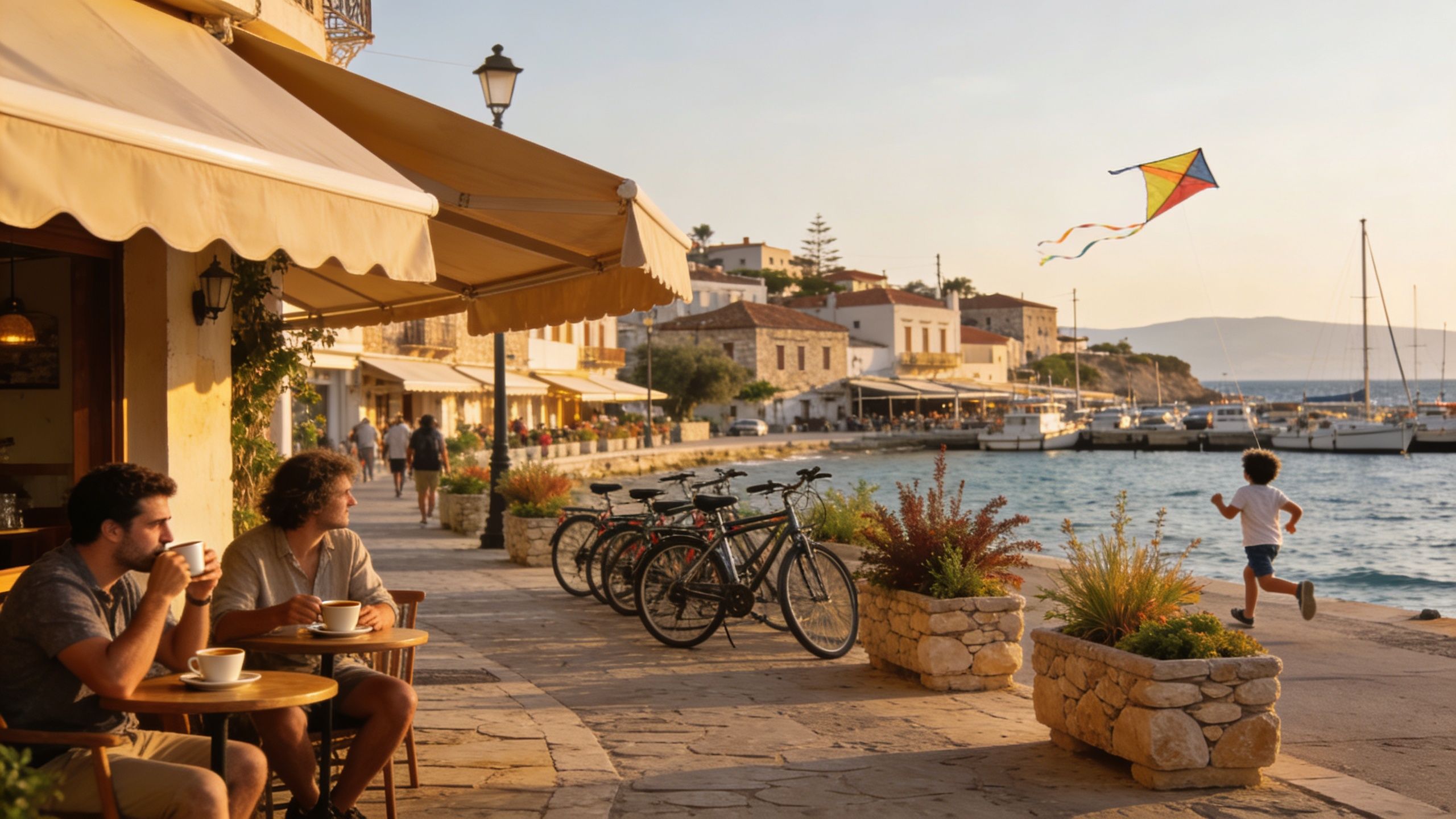
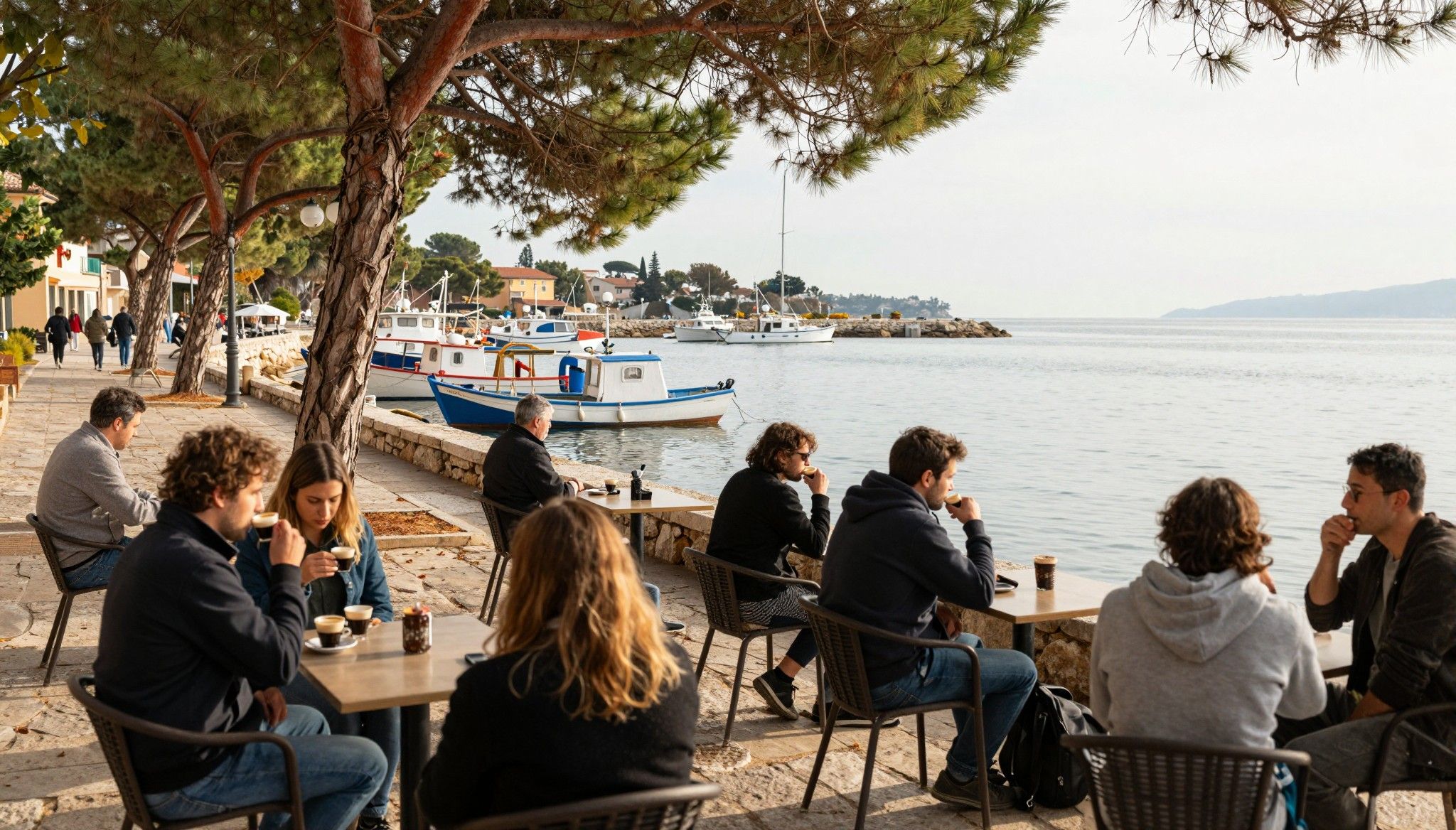
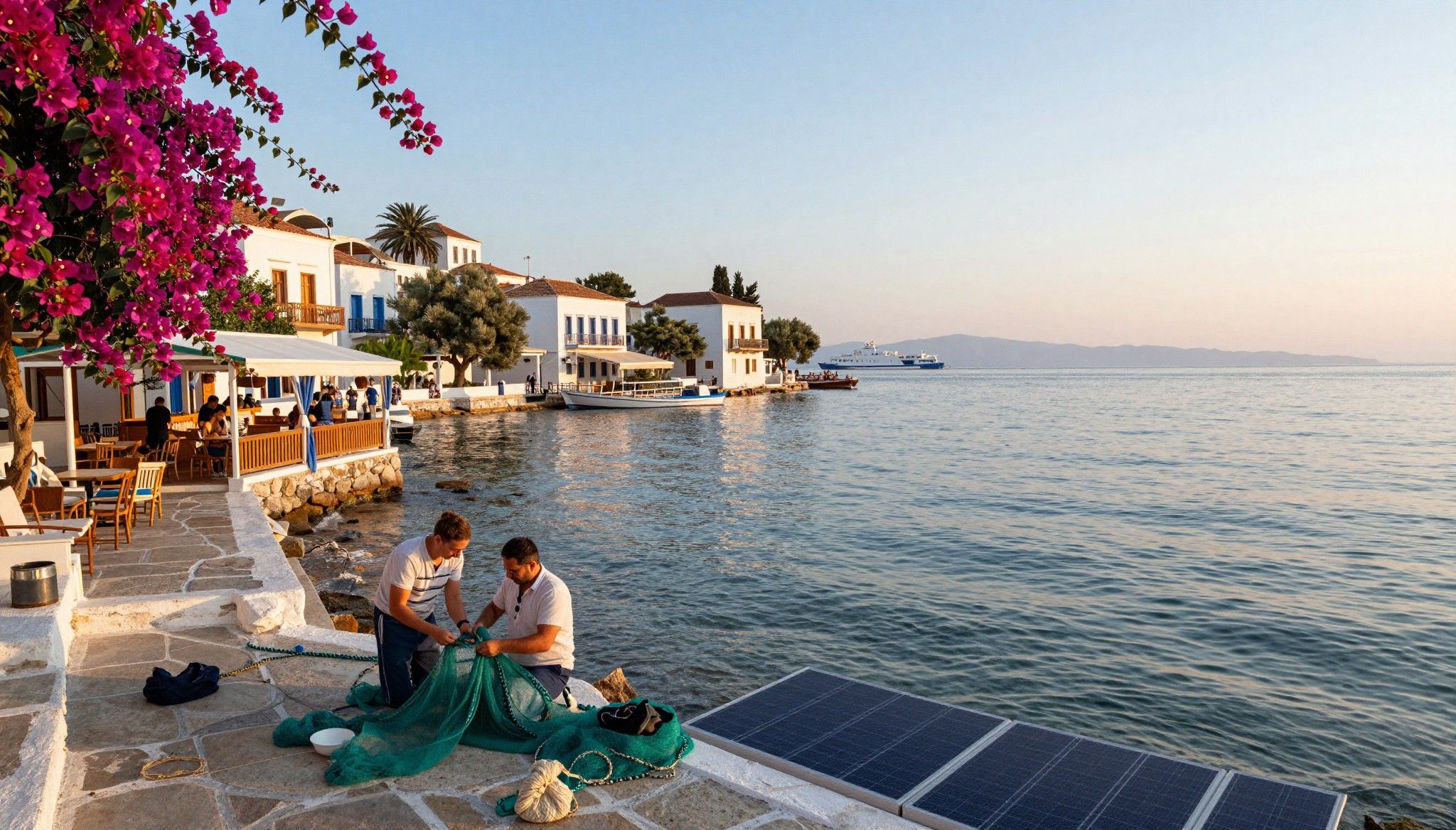
Imagine an olive-scented morning in Larnaca, where a barista hands you an espresso on a sun-warmed pavement and a fisherman mends nets at the harbour — life here moves at a generous Mediterranean pace. Cyprus is at once luminous coastline and cool cedar‑shadowed hills, a place where terraces and courtyards are lived in from spring through soft autumns. For international buyers drawn to low‑impact living, the island offers more than sunshine: neighbourhood rituals, small‑scale agriculture markets and a building tradition that welcomes stone and timber. That feeling — of home as habitat rather than asset — is central to how to finance and steward a Cyprus property well.
Living the Cyprus life
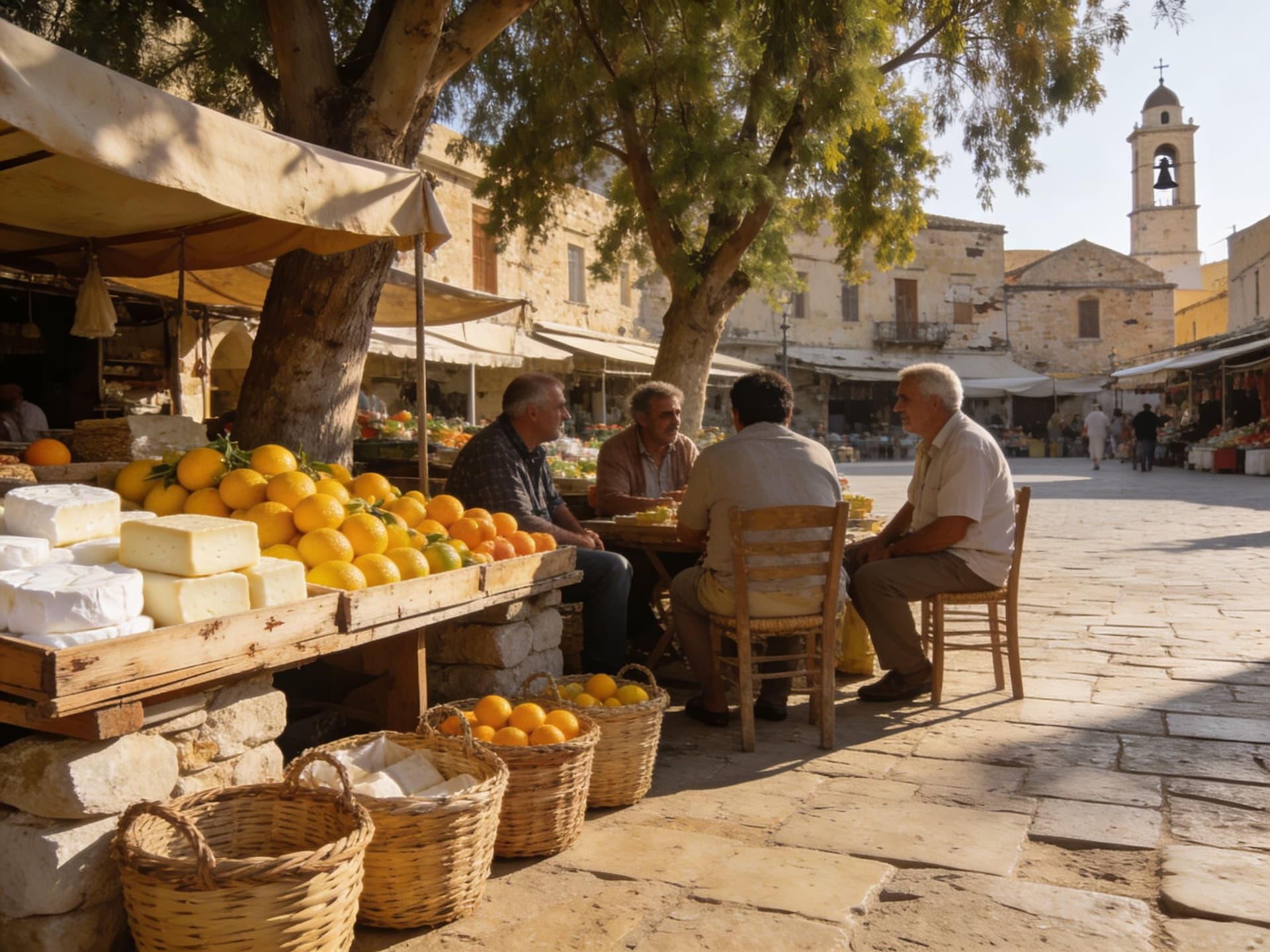
Days in Cyprus begin simply: café cups, children cycling past bakeries and afternoons spent on shaded verandas watching the light change on limestone walls. Cities and villages feel distinct — Limassol hums with international energy, Paphos has a restful coastal intimacy, and the Troodos villages offer cooler summers and a strong craft culture. Moving here means choosing a rhythm — coastal mornings, market‑rich weekends, or mountain silence — and pairing that rhythm to the right property type and financing plan.
Limassol, Paphos, Troodos: three different kinds of green life
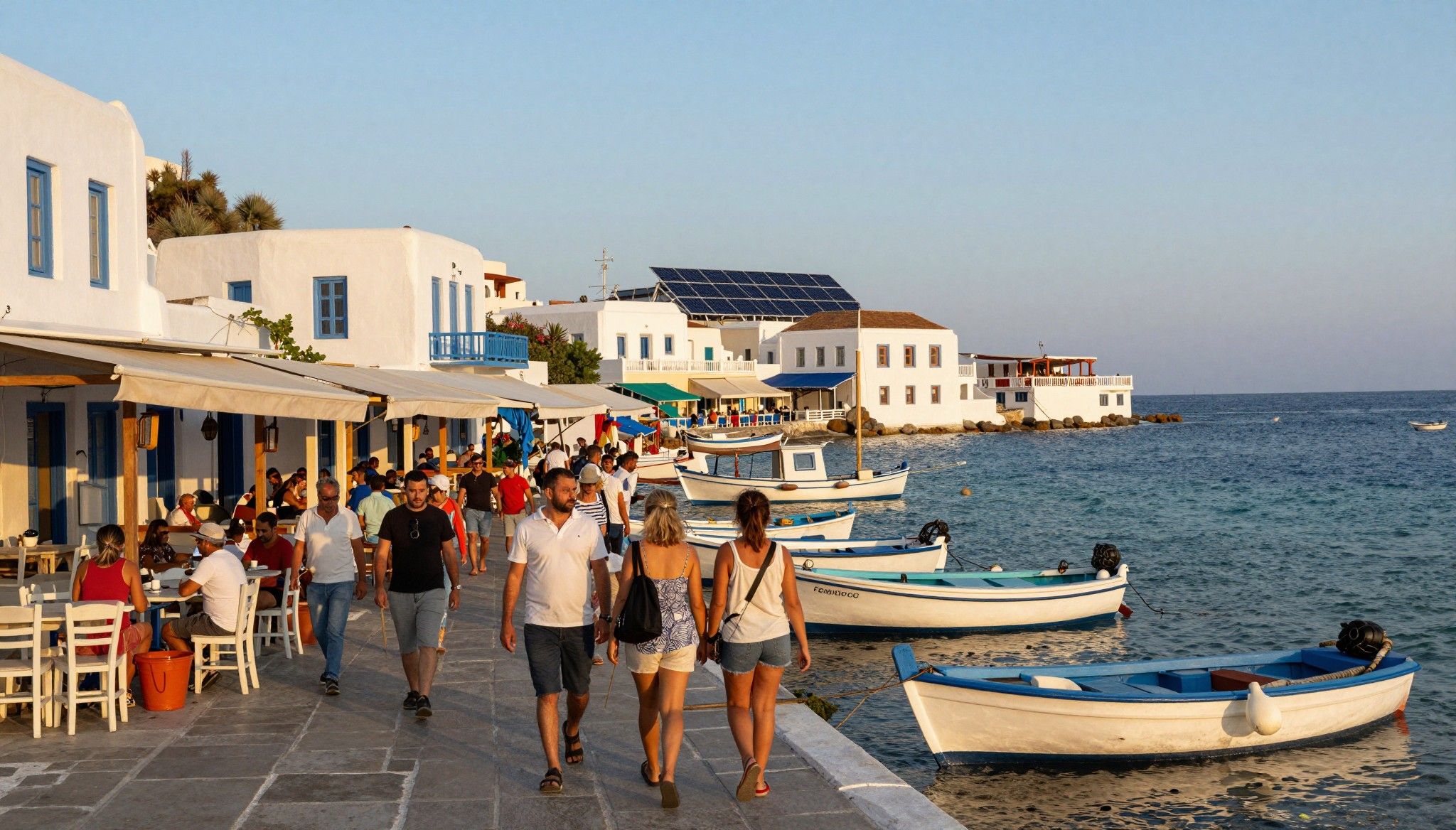
Limassol is for people who want cafés that stay open late and a coastline threaded with contemporary architecture, where rooftop solar and small gardens can meaningfully cut bills. Paphos feels quieter but has pockets of surprising cultural life — stone houses with terraces and olive groves close by. In Troodos, timber eaves and traditional stone create naturally insulated homes; here retrofit mortgages or grants for insulation and heat pumps turn old houses into efficient, charming retreats.
Food, markets and the small economy
Saturdays mean farmers’ markets full of halloumi, hand‑picked citrus and jars of thyme honey — these everyday rituals shape how you live and where you want to be. Buying near a weekly market or within walking distance of a cooperative bakery changes daily choices and reduces car use; it also affects what kind of property makes sense financially. Think walkable blocks, shared courtyards and south‑facing terraces that double as kitchen gardens.
- Life‑defining local touches
- Morning espresso at Zephyros in Old Limassol; terrace breakfasts on Athinon Street in Paphos; mountain walks from Platres with pooled village ovens for bread; weekly organic stalls at Larnaca Central Market; a small vineyard visit in Kouklia; sunset swims at Pissouri Bay.
Making the move: money, loans and the island reality
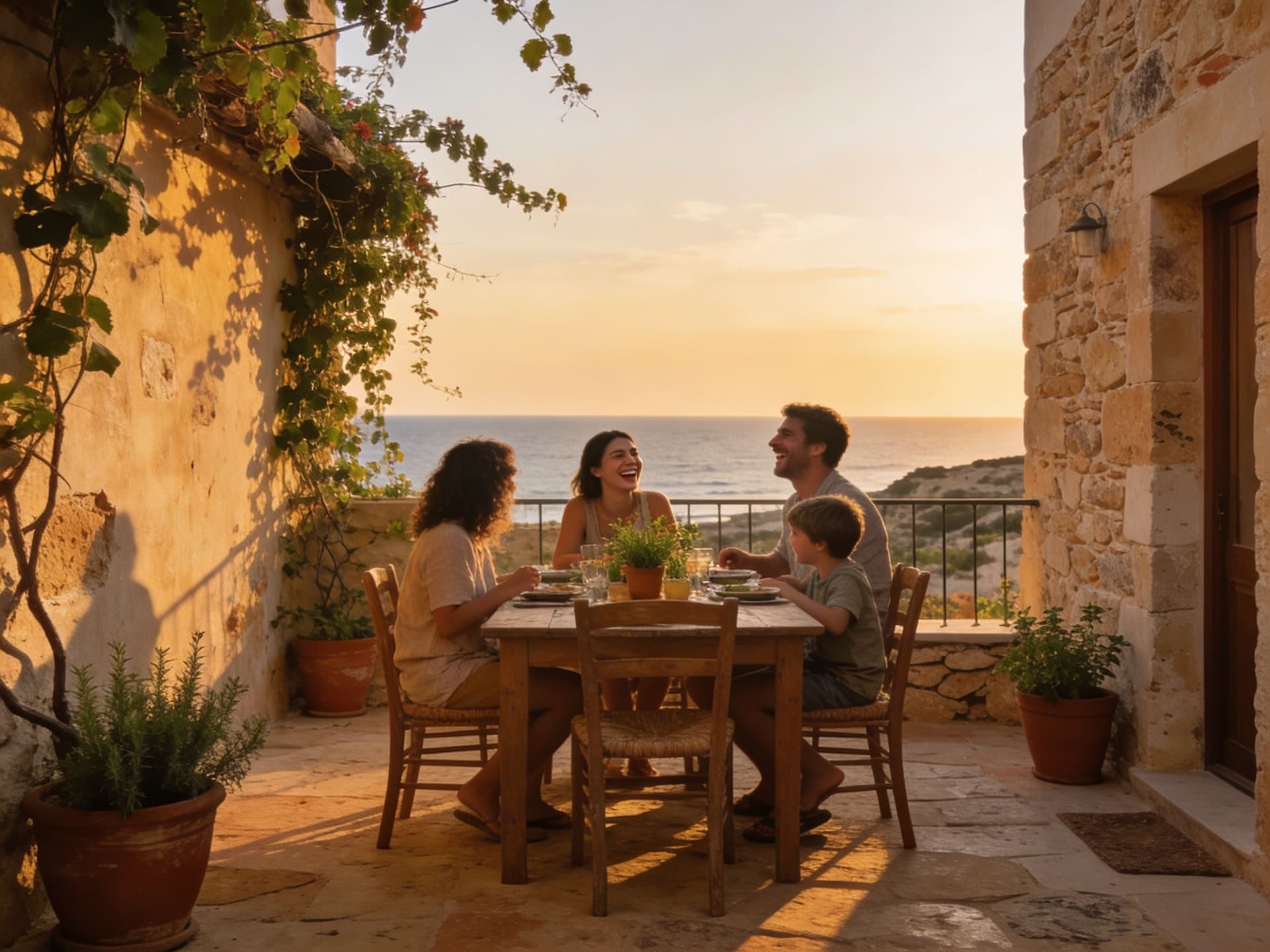
The Cyprus housing market has been growing but the pace has moderated recently — national statistics show modest annual HPI increases and the Central Bank notes deceleration as borrowing costs and supply shift. That means buyers can still find value if they match timing and financing: negotiate on inventory where new supply is rising, and weigh fixed versus tracker mortgages in a market sensitive to Euribor movements. For international buyers, the practical questions are: how much deposit will a Cypriot lender demand, and can green upgrades lower your long‑term costs?
Green loans are real — and useful
Major Cypriot lenders and banking groups now offer green or energy‑upgrade lending — funds for photovoltaics, battery storage, insulation and heat‑pump installation. These products sometimes carry lower margins or preferential terms and can be used alongside mortgages or as dedicated green loans. If you plan to retrofit a stone cottage or add PV to a new build, ask lenders for a green product and for the documentation they require (energy certificates, installer quotes and product warranties).
Practical financing checklist
- 1. Get an in‑principle mortgage offer from at least two Cypriot banks to compare LTV, margins and whether they accept foreign income. 2. Ask specifically about green mortgage discounts or dedicated renewable‑energy loans and what evidence they need (e.g., EPC, certified installer). 3. Budget for transfer fees, VAT on new builds where applicable, and a realistic renovation contingency. 4. Choose fixed vs tracker thoughtfully: trackers follow Euribor and can be cheaper now but more volatile; fix if you prefer predictable payments. 5. Use local currency planning for recurring costs (utilities, municipal rates) to avoid FX surprises.
Insider knowledge: what expats wish they’d known
Expats often arrive enchanted and forget small cultural and seasonal realities: many businesses close for August siesta weeks, winter in Troodos brings chill and occasional snow, and property utility realities (water pressure, solar contribution) vary widely by district. Those who blend into local routines sooner — learning a few Cypriot Greek phrases, joining a village association or volunteering at a market — end up choosing properties that match real daily life, not an Instagram ideal.
Community, language and long-term stewardship
Making a home here is more than bricks: local councils manage planning and sometimes incentivise energy upgrades, while community groups look after shared wells and terraces. Engage local architects or builders who know Permitting norms and traditional materials — they save time and keep ecological integrity. Long‑term owners who invest in photovoltaic systems, water harvesting and native plant landscapes often see the best quality‑of‑life gains and reduced running costs.
Steps to make the dream practical
- 1. Visit in the season you intend to live (not only in summer) to sense noise, services and sunlight; 2. Commission an energy audit before purchase to identify cost‑effective green upgrades; 3. Negotiate a purchase that includes clear timelines for any seller repairs; 4. Ask your lawyer to confirm title, building permits and any conservation rules that limit changes; 5. Arrange a meeting with a local bank to explore combined mortgage + green loan options.
Conclusion: Cyprus asks you to slow down and choose with care — that is the luxury. The statistics show a market that is still growing but moderating, and Cypriot banks increasingly recognise the value of green lending for both residents and newcomers. If you want a home that feels like part of an ecosystem, pair neighbourhood visits with a local mortgage pre‑approval and a green‑upgrade plan. Reach out to a trusted local agent who understands both village ovens and EPCs; they’ll help you find a house that really feels like home and a financing path that respects the island and your budget.
Dutch property strategist who helped 200+ families find sustainable homes in southern Europe; expert in legal pathways and long-term stewardship.