Why Winter House‑Hunting in Malta Can Backfire
Malta’s light seduces buyers, but steady RPPI rises and seasonal realities mean winter viewings can mislead — pair romance with data, seasonal visits, and stewardship-minded agents.
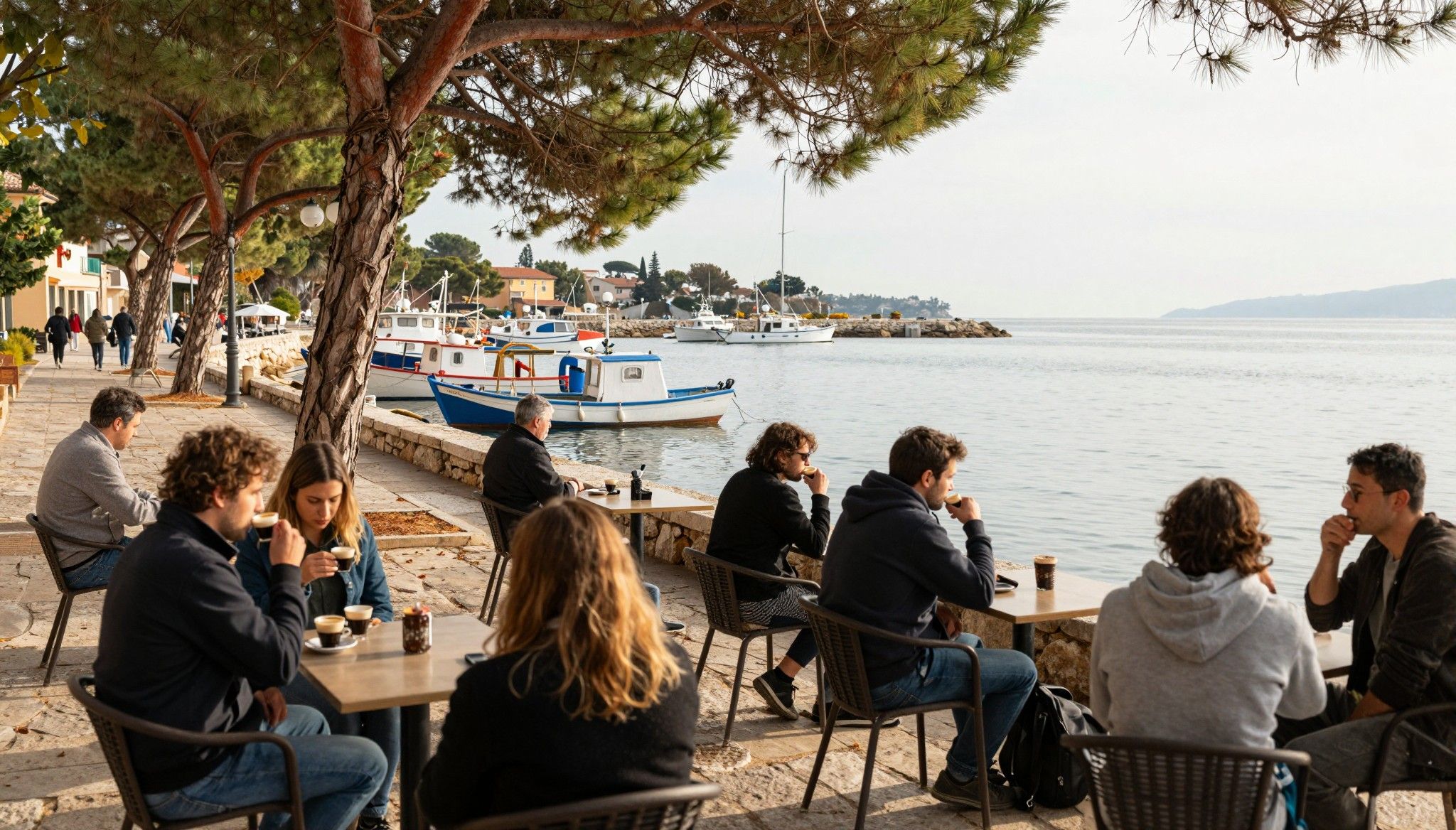
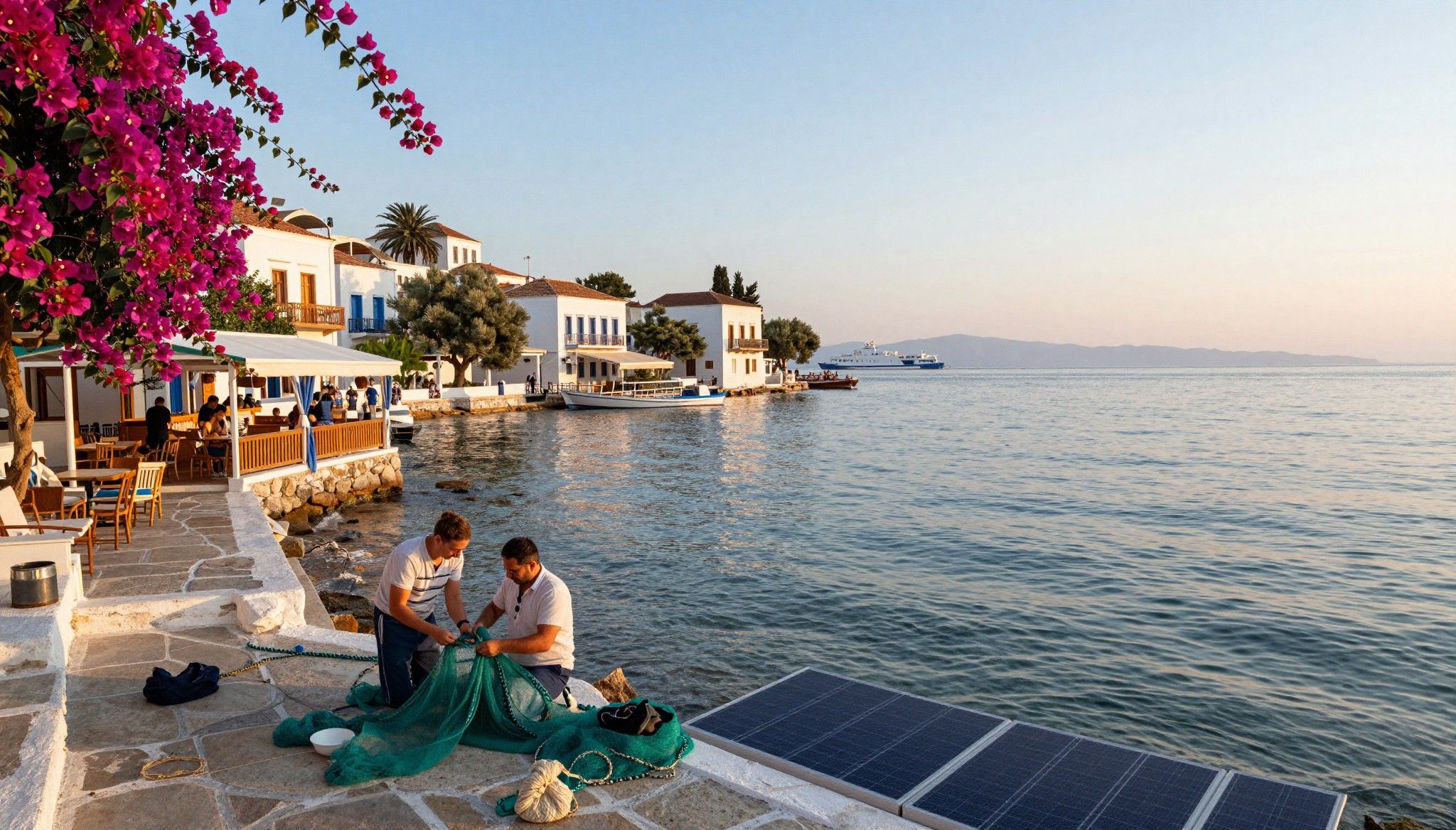
Imagine waking to a slow tram of evening light through honeyed limestone, then stepping out for espresso on Sliema’s promenade before a day at Għajn Tuffieħa beach. Malta lives in small, vivid rituals — a town square aperitivo, fishermen hauling nets at Marsaxlokk, limestone staircases warmed by afternoon sun — and those rhythms shape what it’s like to buy here.
Living the Malta lifestyle: compact, luminous, seasonal
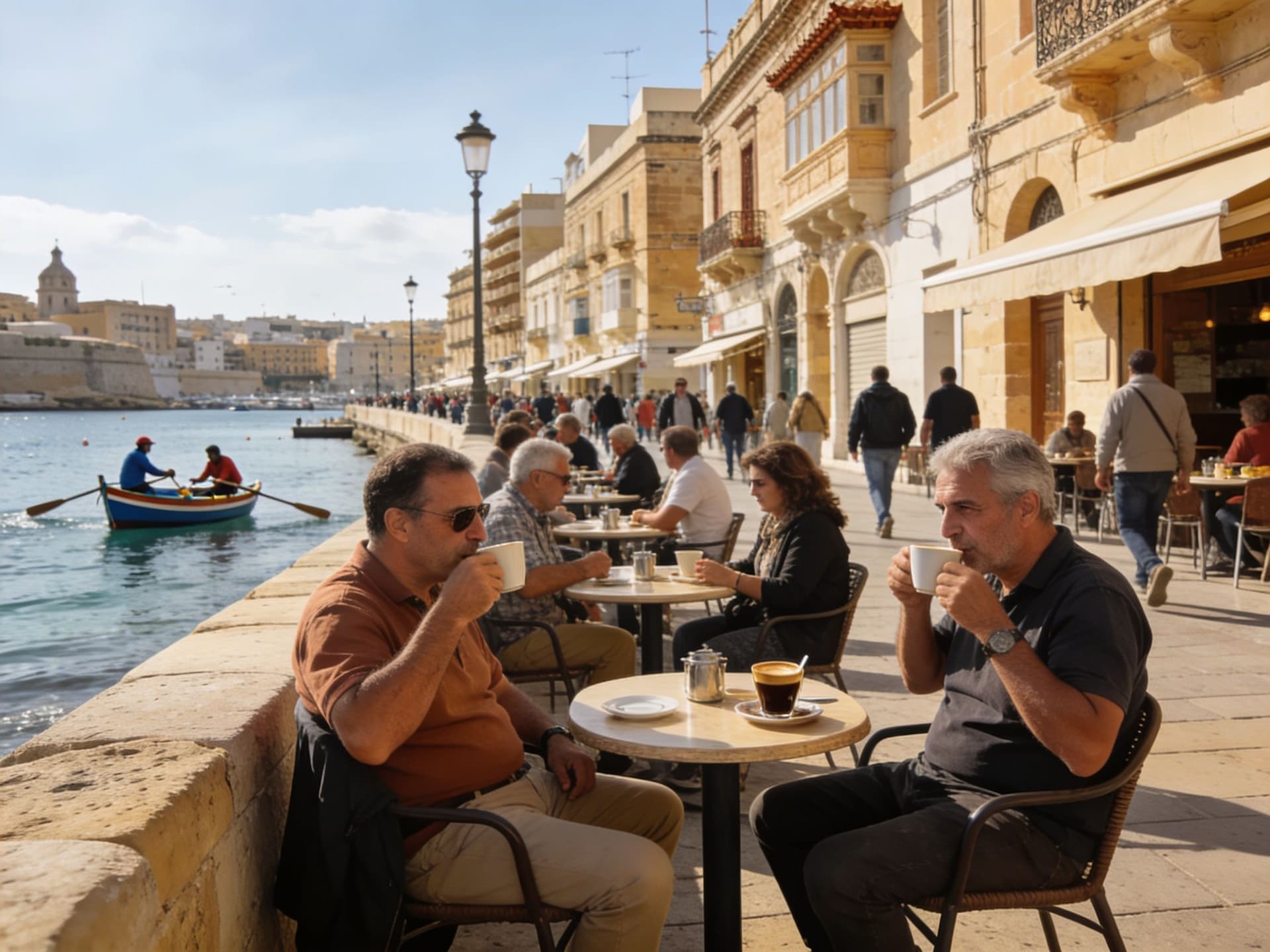
Daily life here is stitched from neighbourhood intimacy and the sea’s proximity; streets are walkable, cafés spill onto pavements, and old stone houses keep heat through long summers. But there’s a current under those rituals: prices have been steadily rising, nudging buyers to think tactically about when to look and what to expect. Practical timing matters almost as much as which street you fall in love with.
Sliema & St Julians: convivial shoreline living
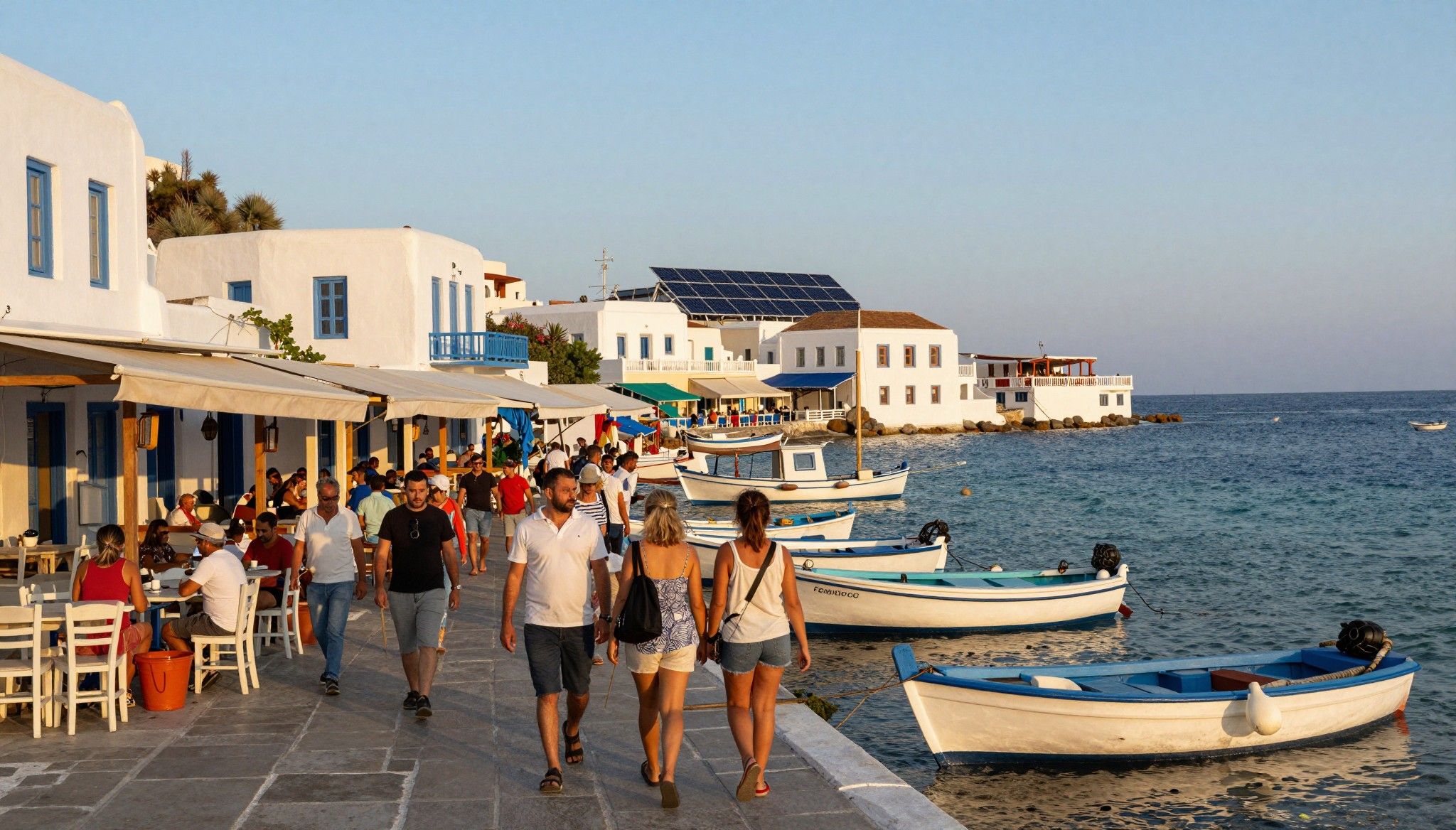
If you picture mornings of espresso, promenades and a lively expat scene, Sliema and St Julian’s deliver. The streets hum with bakeries, small galleries and evening bars; apartments here suit those who want a social, coastal life. Expect newer developments, penthouses with sea glimpses, and higher per-square-metre prices compared with quieter inland villages.
Mdina & Valletta: old stone, quiet routines
Valletta and Mdina are for people who dream of narrow streets, baroque façades and evenings centred on small cultural venues. Properties here often bring character — thick walls, wooden balconies, and the tradeoff of renovation work. Living here feels like joining a long-running conversation between stone, sea and ritual.
Food, markets and the sensory map
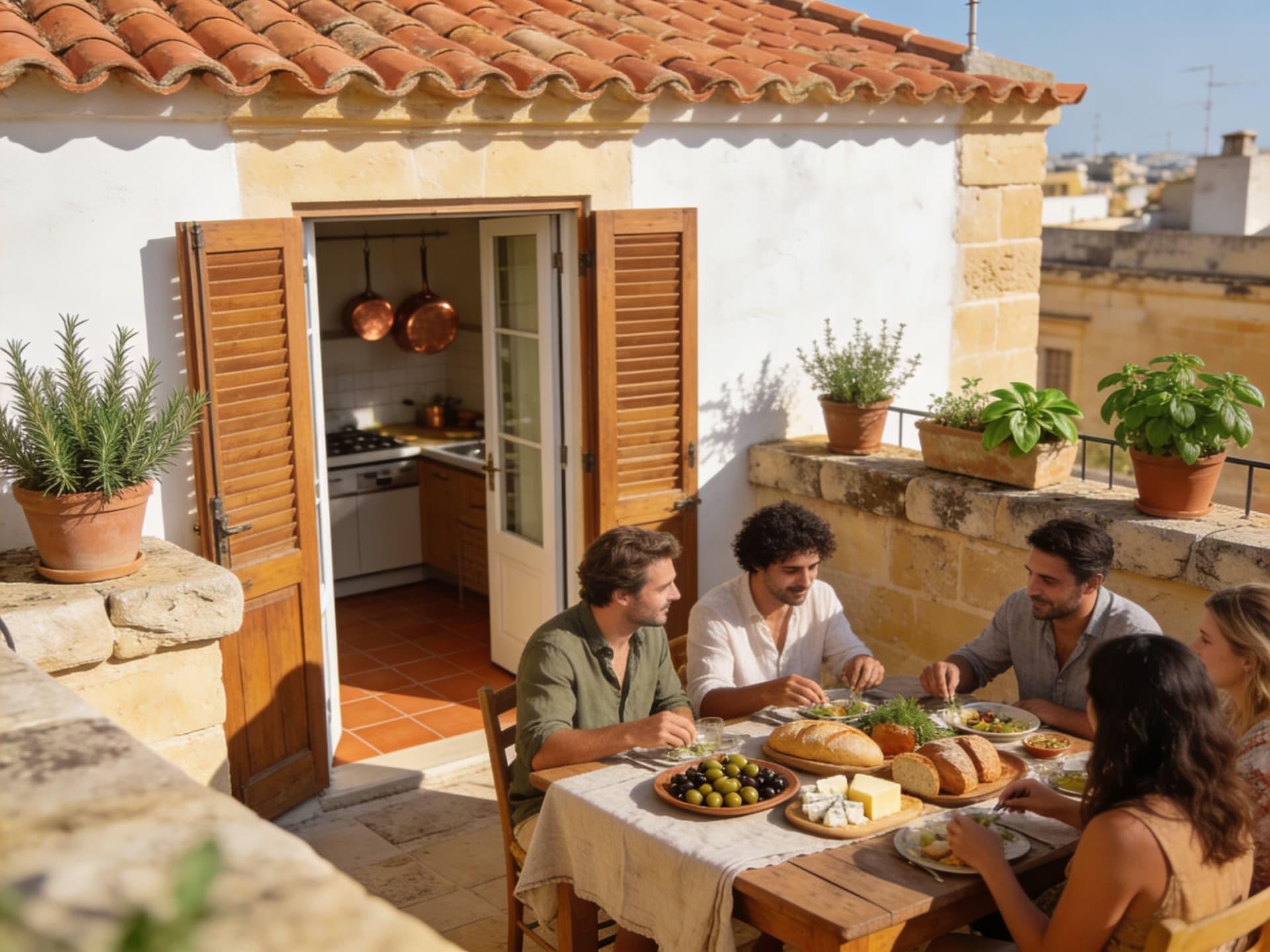
Weekends are mapped by markets and small producers: fish at Marsaxlokk, seasonal fruit at local farmers’ stalls, and neighbourhood bakeries where ftira and pastizzi are still argued over. The best houses come with space for a modest herb bed or a terrace where you can sun-dry tomatoes — the island’s rhythm rewards small, homegrown practices.
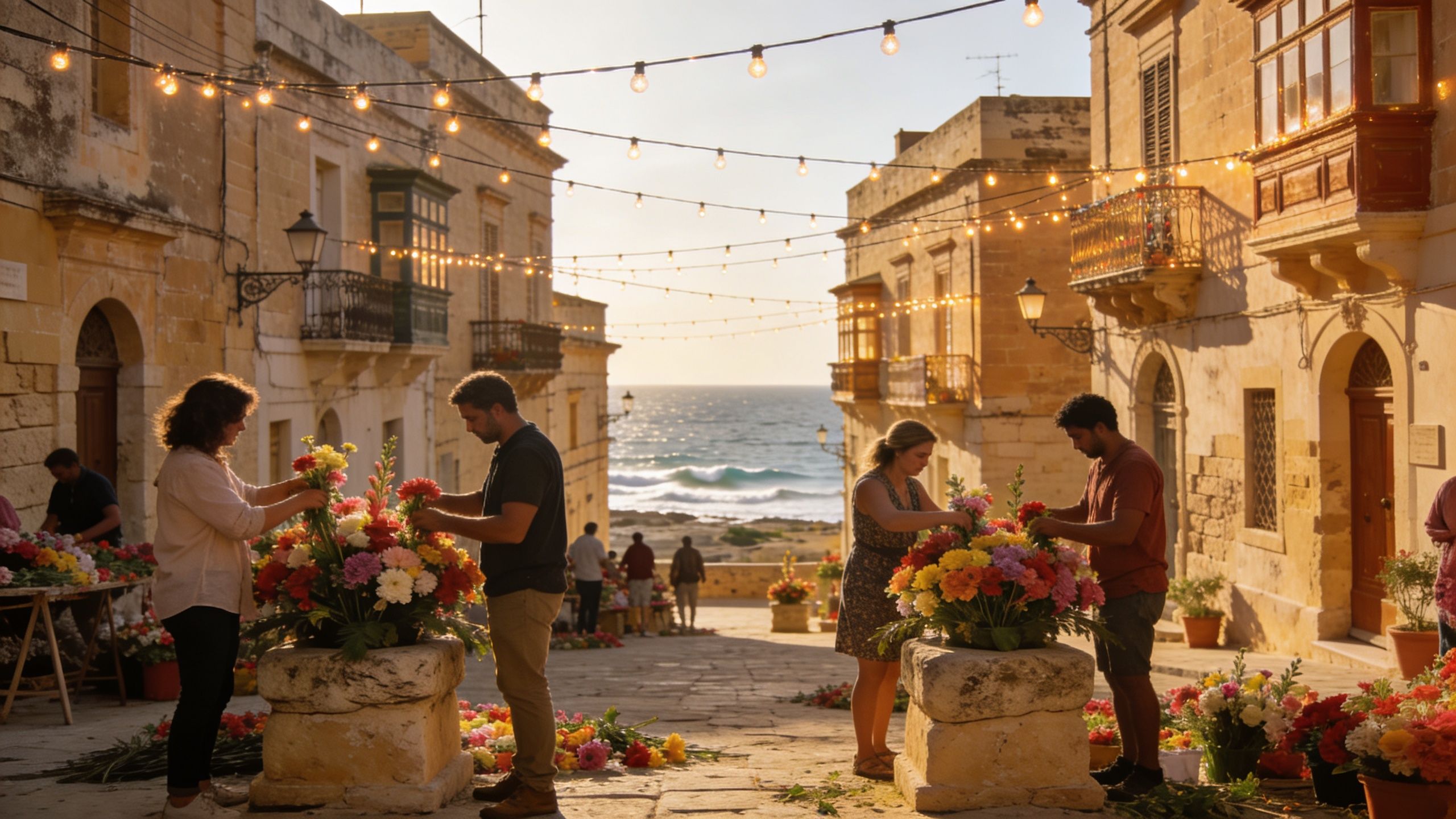
Lifestyle highlights: morning espresso spots (Caffe Cordina, Valletta), sunset swims at Golden Bay, Sunday market in Marsaxlokk, coastal walks from Sliema to St Julian’s, traditional festa evenings in village squares.
Making the move: when season, price and supply collide
Here’s the contrarian take many international buyers miss: hunting in winter — when the island feels intimate and tranquil — can be misleading for budgeting. Market indices show steady annual rises, so a property that seems quieter off-season can still carry seller expectations shaped by year-round demand. Timing your search to low tourist traffic doesn’t always translate into a lower price.
Property styles and how they shape life
From airy modern apartments with solar-ready roofs to restored terraced houses lined with traditional timber balconies, architecture informs daily routines. Thick limestone walls moderate heat, communal roofs become terraces in summer, and many older homes require sympathetic retrofits to add insulation, heat pumps or rainwater capture — subtle changes that transform comfort and environmental performance.
Working with local experts who value place
A good local agency helps you read the rhythms: which neighbourhoods tick upward in price, where conservation rules limit development, and which houses will benefit most from modest eco-retrofitting. Use agents who can show recent comparable sales (RPPI data is public) and who understand seasonal occupancy patterns that influence rental demand and living costs.
Practical steps that blend lifestyle and market sense: 1) Study recent RPPI trends and local comparables before bidding. 2) Visit in both high and low season to feel daily life and maintenance needs. 3) Prioritise homes with passive cooling (thick stone, shutters) and potential for solar. 4) Ask an agent about village festas and seasonal rental patterns that affect income. 5) Budget for sympathetic renovation rather than cosmetic fixes.
Insider knowledge: what expats wish they’d known
Expats often underestimate how cultural rhythms — village festas, school calendars, and the sea’s pull — affect neighbourhood life. Also, recent political changes around residency and investment schemes mean you should verify only current residency routes rather than relying on an old assumption that programmes remain unchanged.
Language, community and everyday etiquette
English is widely used, but learning Maltese opens doors at festa committees, local councils and family-run businesses. Be prepared for warm directness, a preference for in-person meetings about property details, and an appreciation for neighbours who look after shared courtyards and roofs.
Long-term stewardship and seasonal upkeep
Owning in Malta is a long-running commitment to place: roofs need attention after winter storms, terraces require annual checks for waterproofing, and gardens — even small ones — respond to cyclical watering needs. Think in seasons: buy with an eye to how the house performs in August heat and January rain.
Red flags and local wrinkles to watch for: • Unresolved structural cracks in older stone houses. • Missing planning permissions for roof terraces or extensions. • Over-optimistic rental forecasts based on high-season occupancy. • Solar panels installed without inverter certificates or permissions. • Unclear communal maintenance agreements for roof and façade.
Conclusion: Malta asks you to live slowly and choose wisely. Fall in love with a street, but let data (RPPI trends), season-aware visits, and a stewardship-minded agency shape your offer. When you buy with both the island’s light and its rhythms in mind, your home becomes part of the longer seasonal story — a place that breathes, grows and rewards patient care.
British expat who traded Manchester for Mallorca in 2017. Specializes in guiding UK buyers to luxury Spanish estates with clear navigation of visas and tax.