Malta’s Green Grid: Life, Roofs and Rituals
Malta pairs sunlit island living with rapidly growing renewable infrastructure—plan seasonally, prioritise roof and courtyard potential, and work with local experts.
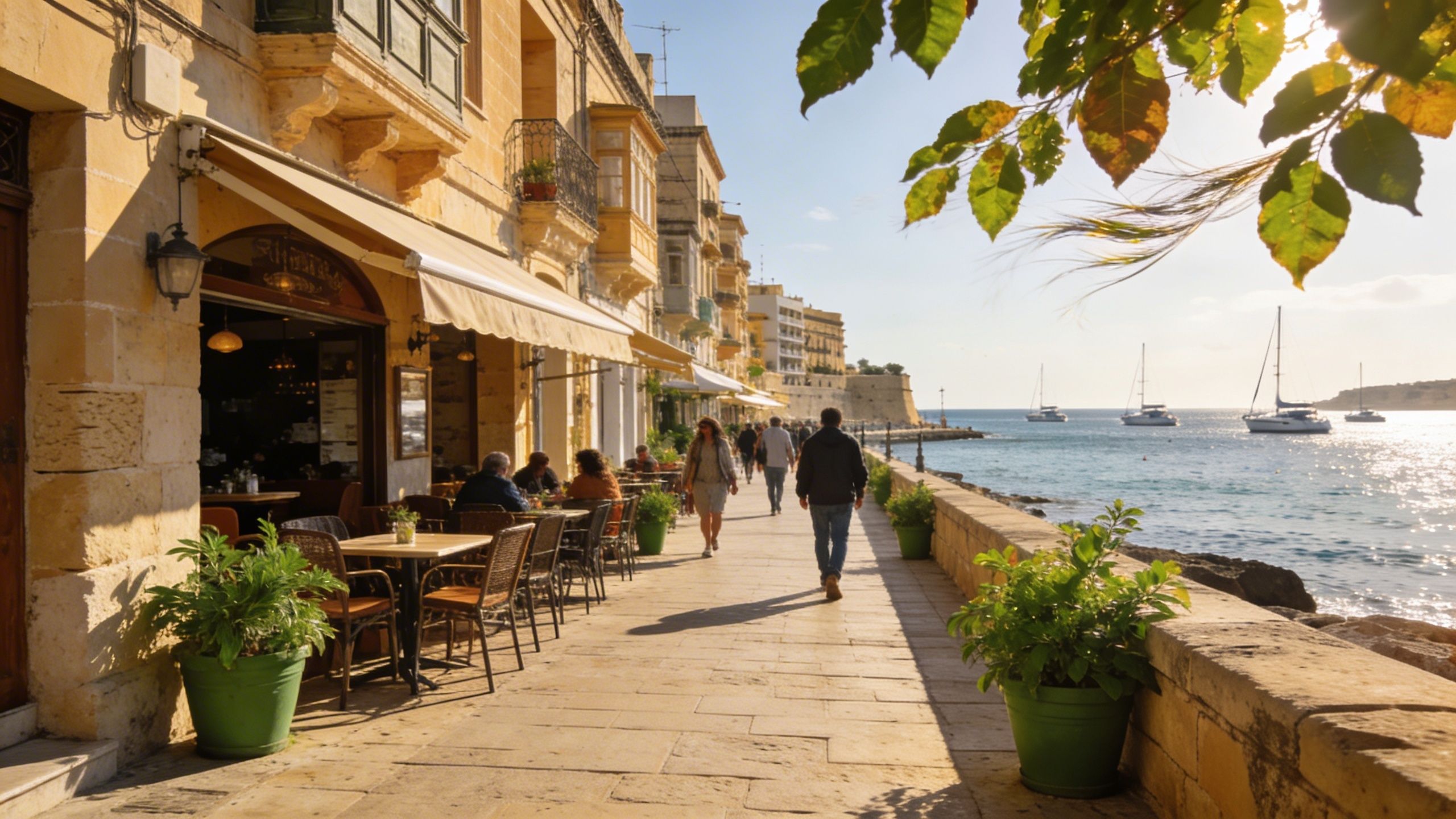
Imagine waking up to limestone terraces warmed by a pale Mediterranean sun, the smell of fresh ftira from a corner bakery, and—just beyond the roof—rows of solar panels quietly turning daylight into power for your home. That sense of small-scale abundance, where old stone meets forward-looking green tech, is Malta's quietly persuasive charm. For international buyers who place nature and resilience at the heart of a move, Malta offers an unusual mix: compact island living, deep cultural rhythm, and rapidly expanding green infrastructure that is changing both daily life and the calculus of buying here.
Living the Malta lifestyle: compact, convivial, sunlit
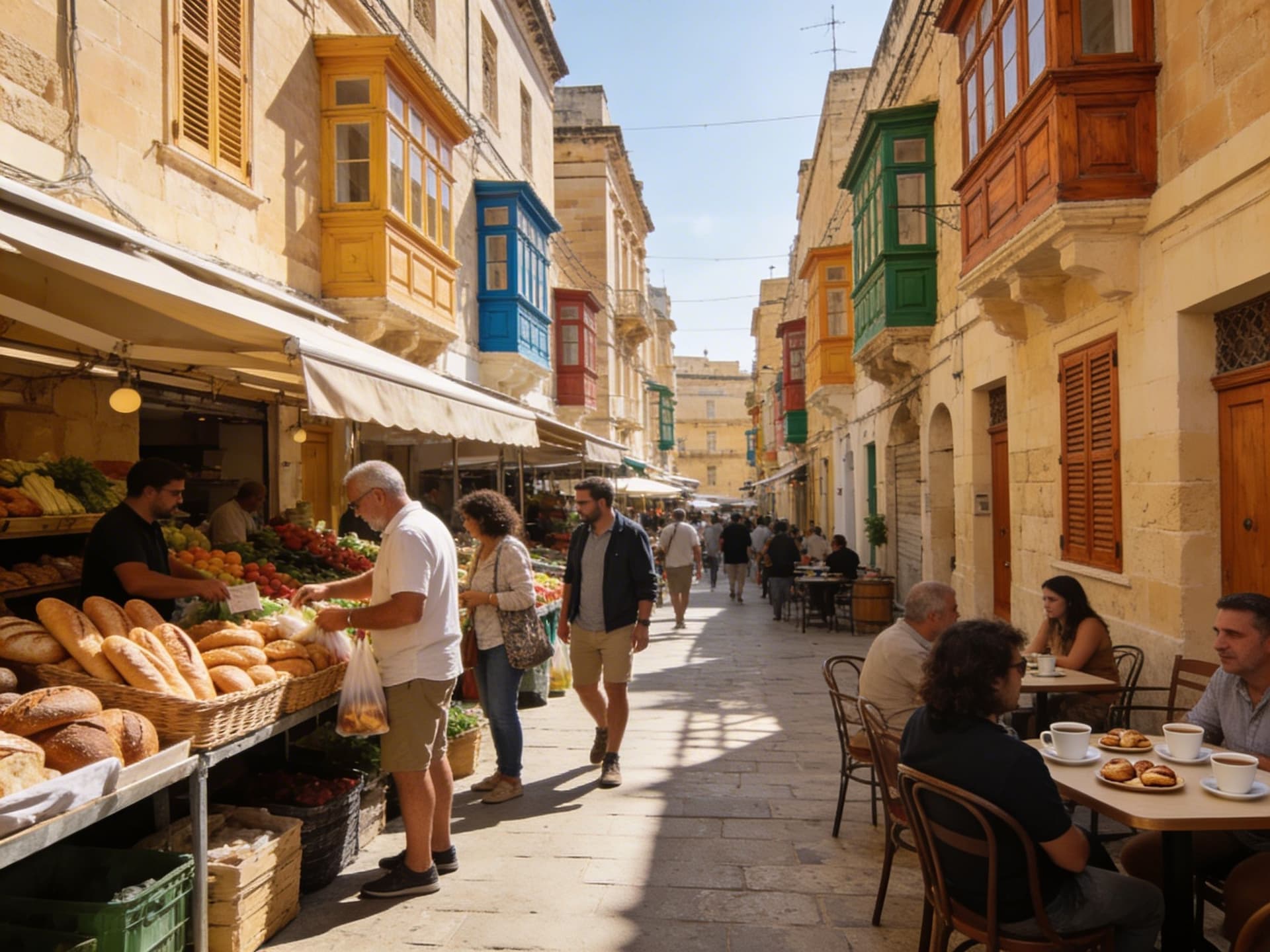
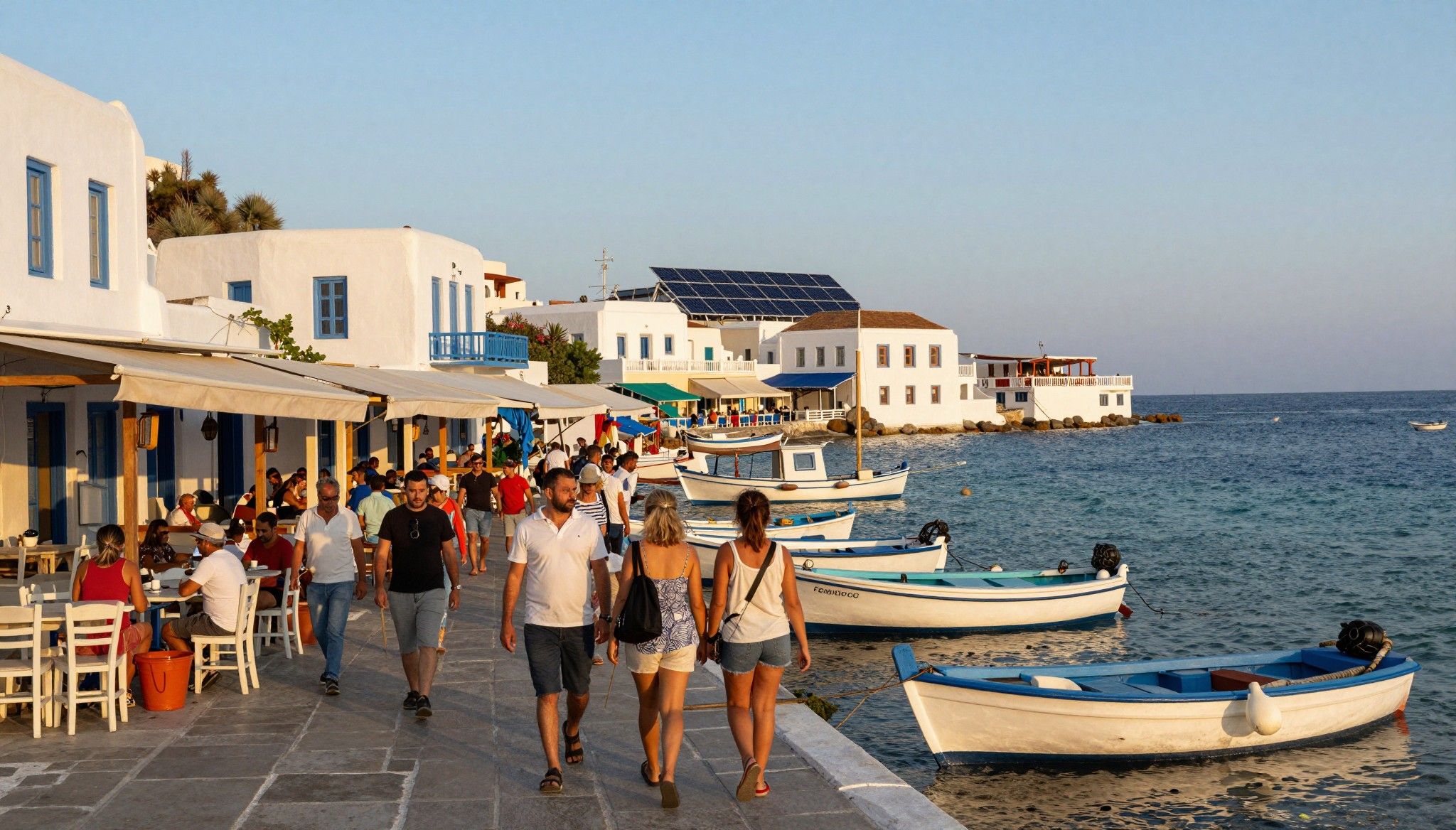
Malta feels like a collage of intimate neighborhoods. Valletta’s narrow streets and baroque facades pulse with museums, cafes and an evening passeggiata. Sliema and St Julian’s trade old fishing-town bones for sunny promenades, waterfront cafes and the kind of apartment life that opens onto sea views. Up north, Mellieħa gives you sandy bays and slower mornings; on Gozo, life breathes at a different pace—rural fields, salt pans and a strong sense of community that sustains small-scale farming and artisanal trades.
Neighborhood spotlight: Valletta & Three Cities
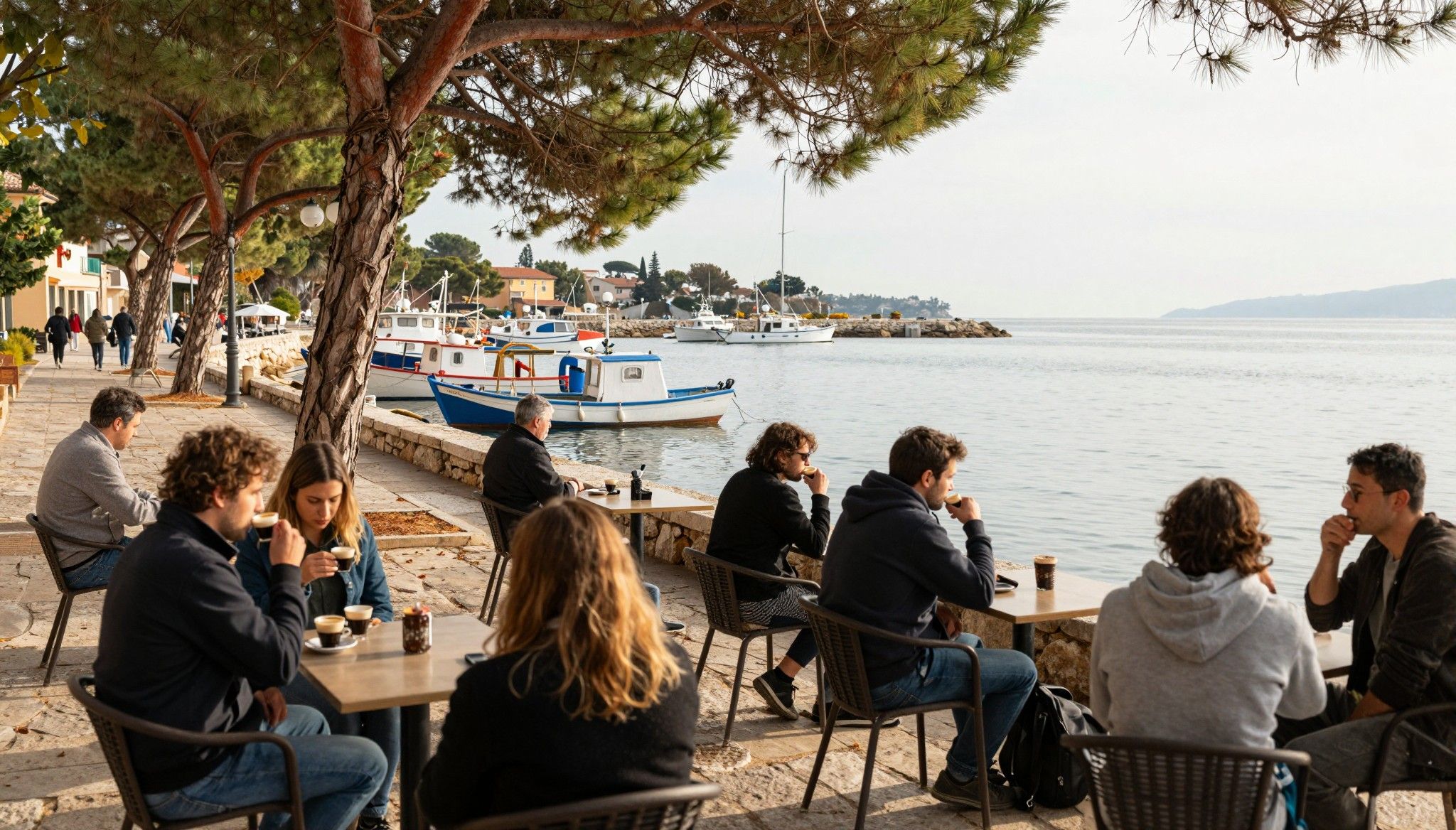
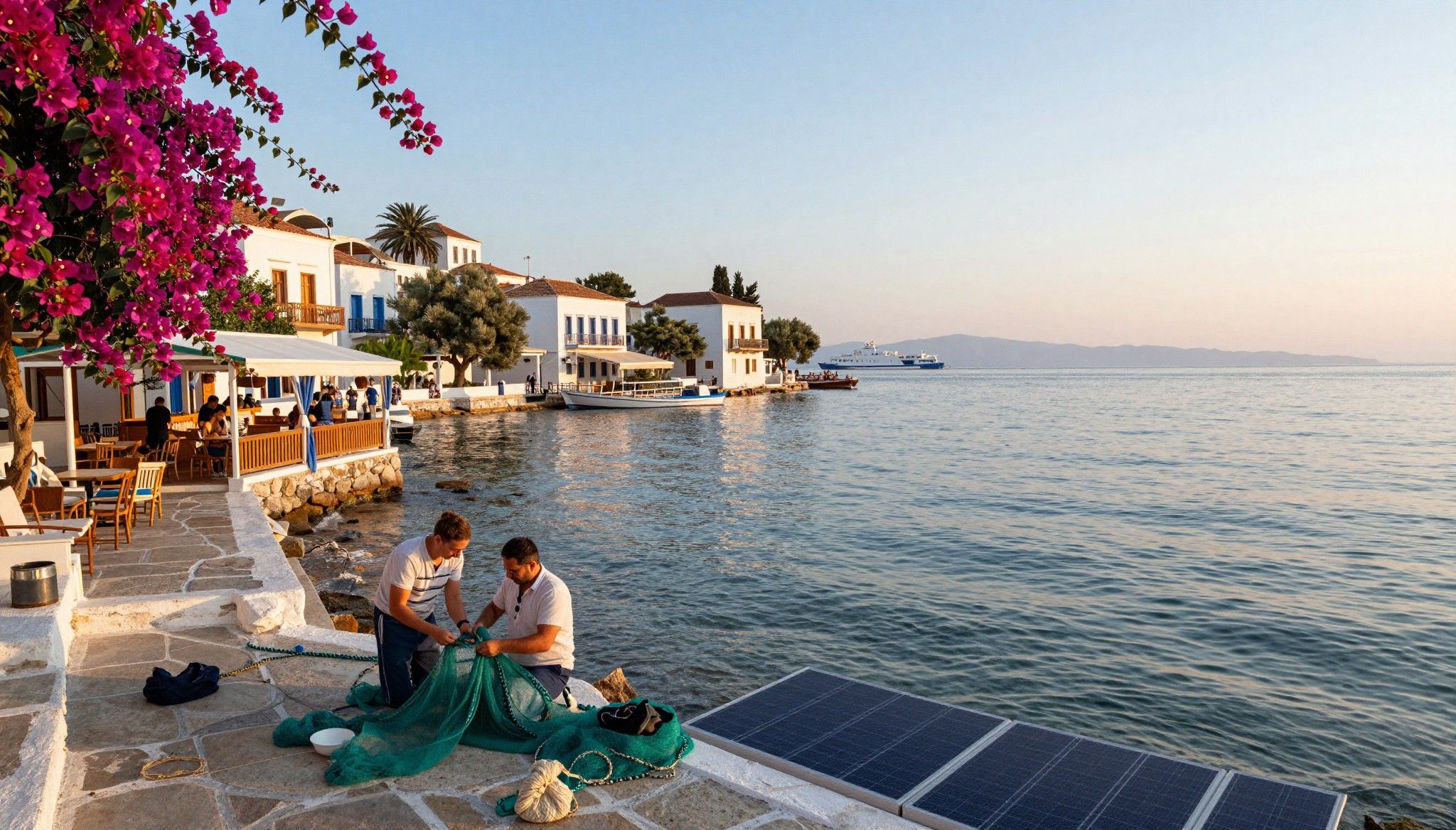
Stroll from Republic Street to the Grand Harbour at dusk and you’ll see locals lingering over espresso, fishermen tending boats in Marsaxlokk, and heritage shutters painted in sun-faded blues. These areas reward buyers who love walkable streets, heritage architecture and living within a rich civic fabric. Expect smaller interiors by continental standards, but unmatched views and a daily life made of piazza conversations, fresh fish dinners and community festivals.
Food, rhythm and local pleasures
Weekends mean visiting markets for sun-ripened tomatoes, joining an aperitivo on a rooftop in Sliema, or taking a 30-minute ferry to Gozo for pastizzi and slow coastal walks. Cafes like Caffè Cordina in Valletta and small, family-run pastizzerias are social anchors. Festivals—festa nights, carnival, and sea-processions—shape the calendar, so buying here is as much about joining local life as it is about owning property.
Making the move: lifestyle meets market reality
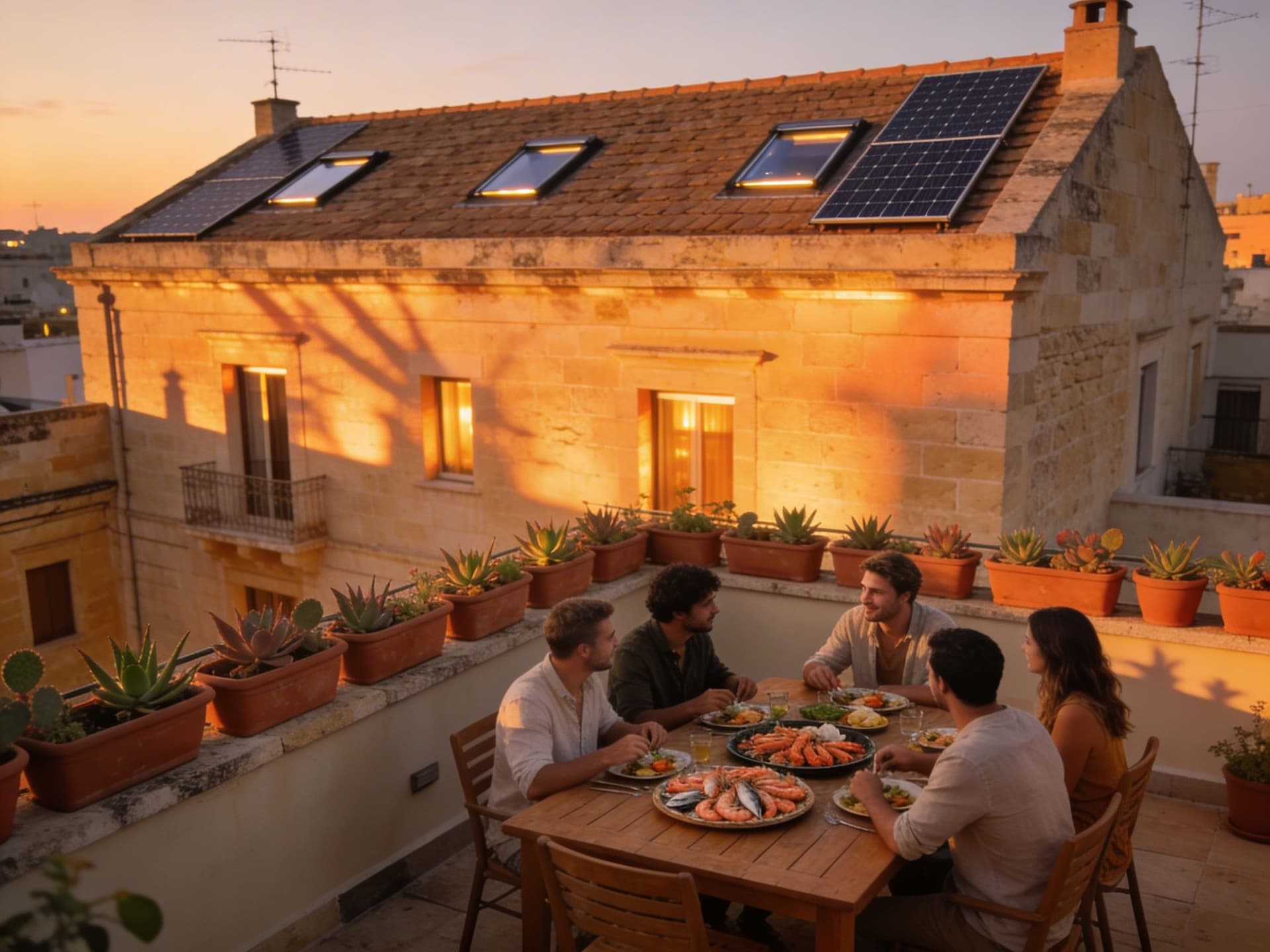
If the lifestyle is persuasive, the market is sobering. Residential prices have continued upward in recent years—the National Statistics Office’s indices show steady increases through 2024–2025—so timing and neighbourhood choice matter. At the same time, Malta’s renewable energy share has climbed meaningfully, driven by rooftop solar, incentives and a national push toward heat pumps and storage. That interplay—rising prices alongside growing green infrastructure—creates subtle trade-offs for international buyers who want both ecological performance and value retention.
Property styles and what they feel like to live in
From traditional limestone townhouses with internal courtyards to modern seafront apartments, Malta’s stock ranges widely. Townhouses offer thick stone walls that regulate temperature naturally and small private courtyards perfect for native planting or a compact PV array. Apartments in Sliema or St Julian’s favour balconies, bright living rooms and communal roof access—ideal for solar panels and social terraces. Gozo’s cottages lean toward regenerative garden plots and rainwater harvesting potential.
- Lifestyle-informed buying checklist
• Choose south- or west-facing roofs when possible—solar yield matters in an island climate. • Prioritise courtyard or terrace space for outdoor living and micro-gardening. • Ask sellers about recent energy upgrades: PV, batteries, LED lighting and efficient water heaters. • Consider proximity to ferries if you plan frequent Gozo trips or island-hopping. • Check communal rooftop rules for apartment blocks before assuming you can add panels.
Insider knowledge: what expats wish they'd known
Expats often tell the same story: they fell in love with Malta’s pace and sunlight, then learned that practicalities—roof access, planning permissions, and the island’s tight market—can complicate eco ambitions. Good news: the government and agencies have been rolling out support for domestic renewables and heat-pump adoption, making upgrades increasingly feasible. Still, knowing how local planning works and when to hire an architect or engineer saves months of frustration.
Cultural rhythms, language and integration
English is an official language and widely spoken, which flattens the learning curve. Yet, community ties form around festas, local clubs and daily cafe stops, so showing up matters. Join a volunteer beach clean, a local craft workshop in Mdina, or a Sunday market in Marsaskala and doors open quickly. Small gestures—learning a few Maltese phrases, supporting neighbourhood shops—accelerate belonging.
- Steps to align lifestyle wishes with buying decisions
1. Visit in different seasons—Malta’s rhythm shifts from sea-focused summer life to quieter winter community routines. 2. Map solar potential: check roof orientation and shading before making offers. 3. Ask for recent energy bills and any green upgrades; factor battery storage into your running-cost calculations. 4. Work with a local agent who understands heritage buildings and planning constraints. 5. Reserve time for conveyancing and a structural/energy survey to avoid surprises.
Conclusion: Malta as a green-laced life choice Malta is compact enough that the sea, markets and community become daily companions; its warming sun is now also an energy resource being taken seriously. For buyers who want a life where limestone courtyards meet rooftop PV and neighbourhood festas, Malta rewards patience and local knowledge. Start with a seasonal visit, prioritise roof and courtyard potential, and lean on a trusted local agency familiar with both heritage rules and renewable programmes. When you marry that lived-in Mediterranean warmth with practical green steps, you don’t just buy a house—you step into a stewardship-minded life.
Dutch property strategist who helped 200+ families find sustainable homes in southern Europe; expert in legal pathways and long-term stewardship.