Why Waiting Until Autumn to Close in Cyprus Wins
Close after peak season, prioritise title clarity and low‑impact upgrades — Cyprus buyers who time closings and plan stewardship save money and protect value.
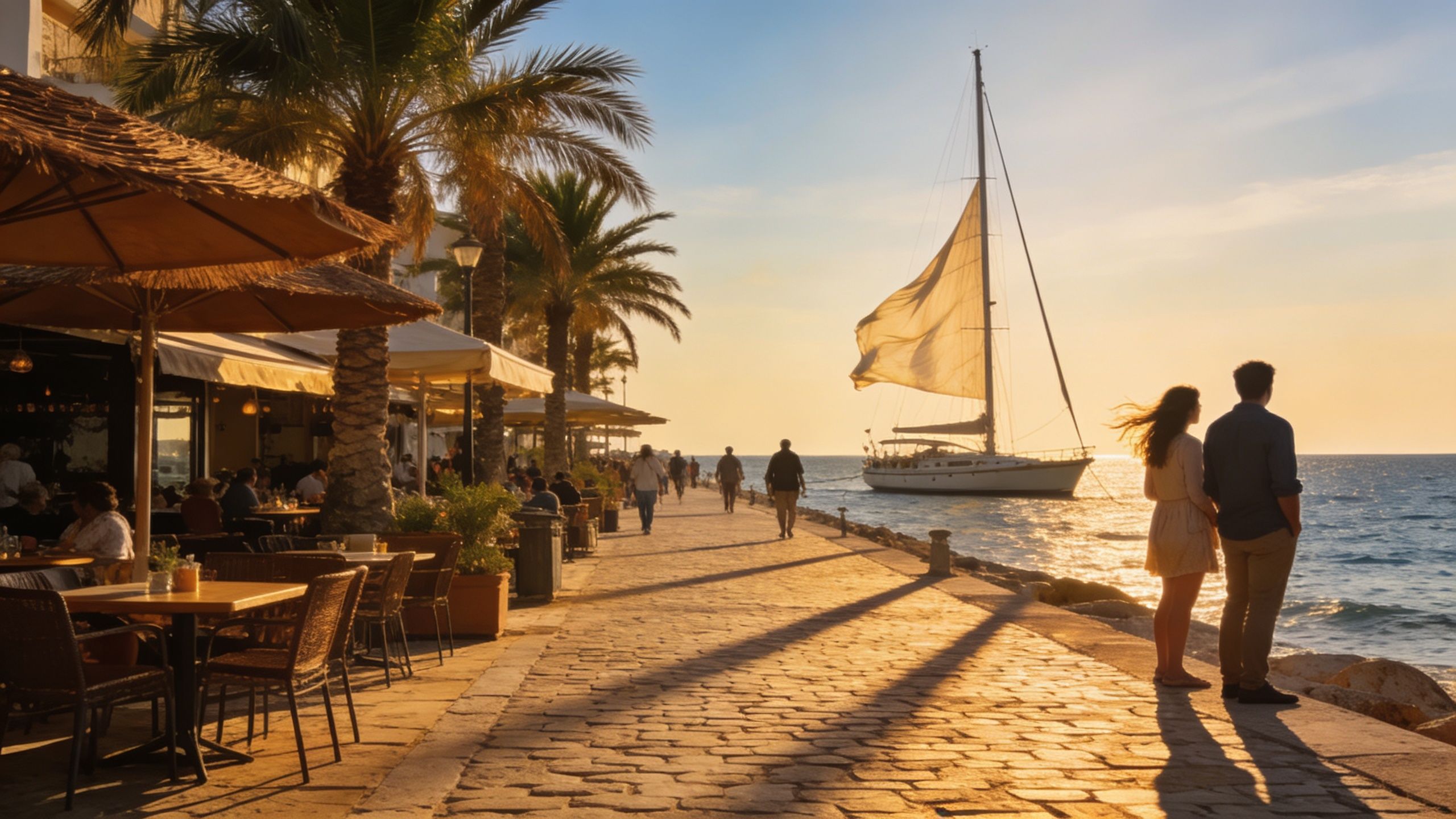
Imagine stepping out at 7am to the smell of fresh halloumi grilling at a street stall in Larnaca, the sea a slow ribbon of light beyond palm-lined Finikoudes. In Cyprus, daily life moves with Mediterranean rhythm — morning markets, long lunches, and evenings that unfold over coffee or a chilled blanc. But falling in love with this light and pace is only the first step; closing a property here and caring for it afterward requires timing, local know‑how and a stewardship mindset that honours the island’s fragile ecosystems.
Living the Cypriot Life — senses, seasons and streets
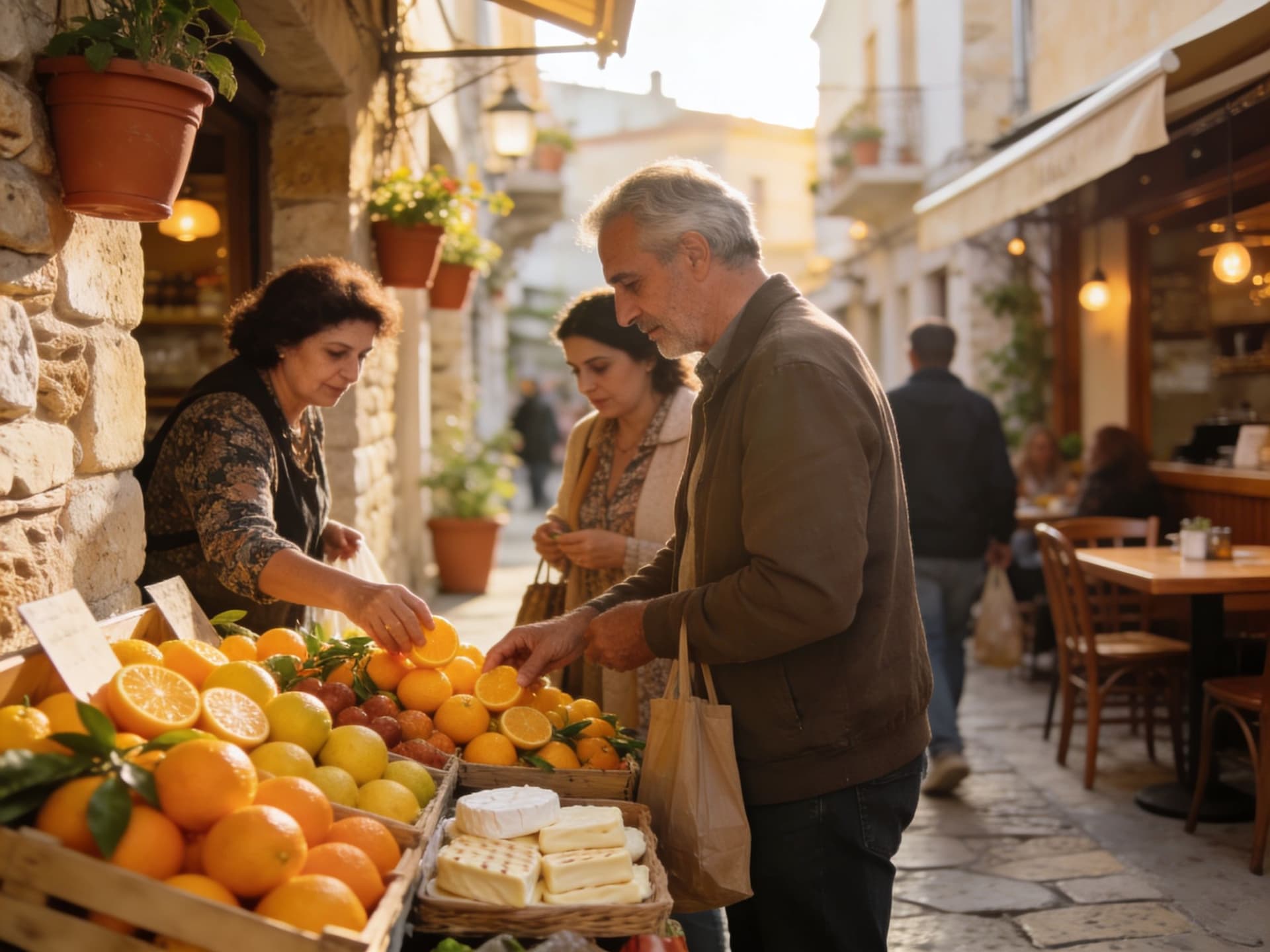
Cyprus is stitched together from contrasts: the slick marinas of Limassol, the fishing piers of Larnaca, sleepy olive-draped lanes in Omodos, and the wind-carved headlands of Paphos. Each place has its own pulse — Limassol hums with cafes and expat clubs; Paphos keeps quieter rhythms, tied to archaeology and vineyard life; Nicosia offers an inland urbanity where markets and ateliers thrive. For a buyer who treasures natural materials and slow living, the island’s mix of stone cottages, timber terraces and solar-ready roofs feels like an invitation to build a low-impact life.
Neighbourhood whispers: where locals actually buy
Look beyond glossy seafronts. In Limassol, families prize the tree-lined streets around Agios Nikolaos for schools and community gardens; in Paphos, residents favour Chloraka’s low-slung houses with private courtyards; and in Larnaca, the area around the municipal market on Athinon Street is quietly reinventing itself with farm-to-table cafés. These are not just good addresses — they are places where you’ll find neighbours who care for communal green spaces and small-scale, repair-first cultures.
Food, ritual and the rhythm of the year
Seasonality shapes more than your wardrobe: it governs planting calendars, festival weeks and when locals open — or shutter — their terraces. Olive harvests in November, wine festivals in September and quiet winters mean the lived experience of a home here shifts through the year. Market trends also respond: price movement has been steady but more selective across districts, so timing your closing around seasonal market behaviour can protect both lifestyle and value. Recent Central Bank reporting shows price rises have moderated, making selective timing worthwhile. ([cbn.com.cy](https://www.cbn.com.cy/article/2025/5/27/839126/house-prices-rising-at-a-slower-rate/?utm_source=openai))
Making the move: practical considerations with a stewardship lens
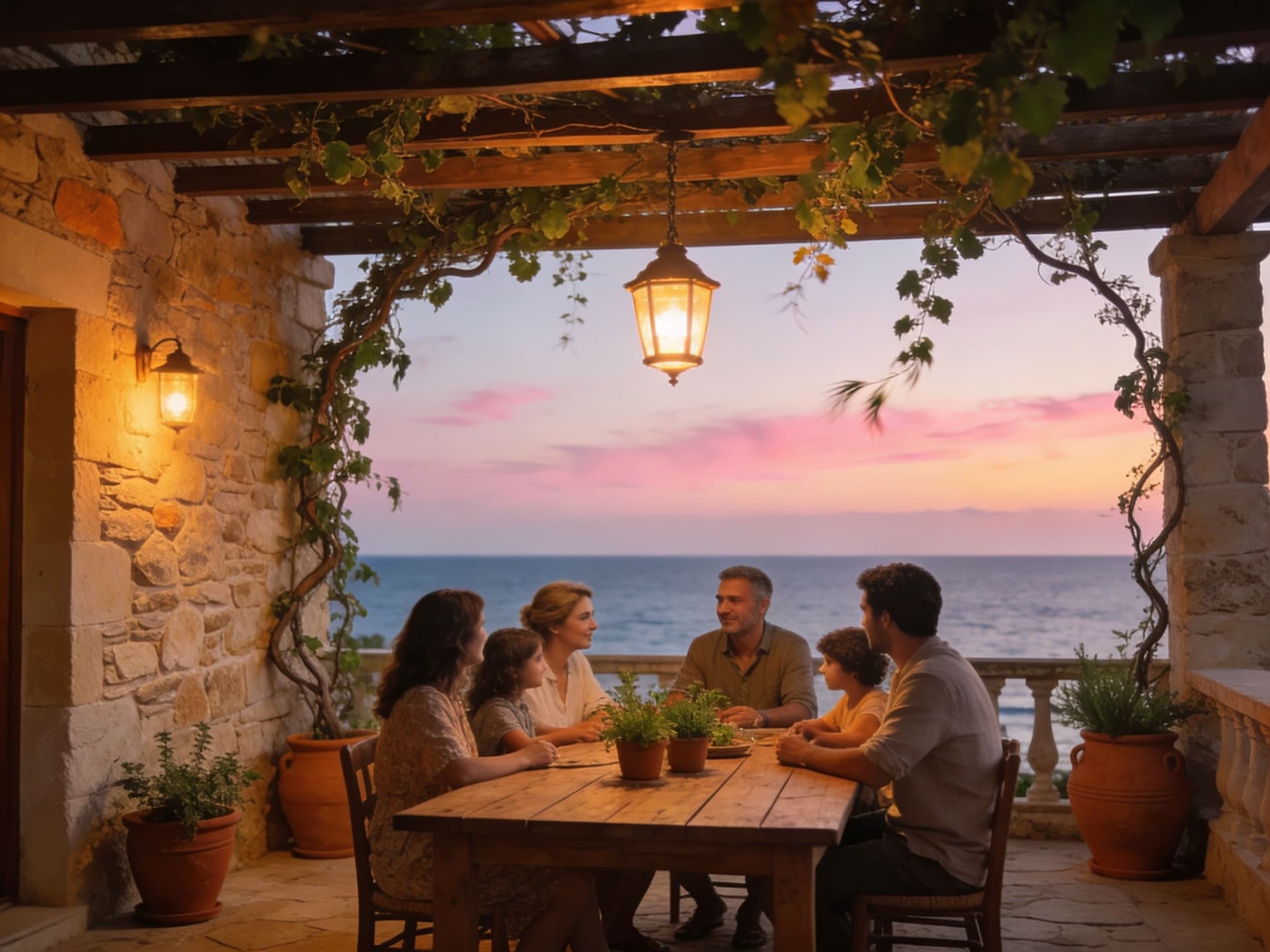
Dreams meet paperwork at the closing table. Cyprus allows non-residents to buy, but there are important permissions and local processes to respect — especially if you want to steward the property sustainably after purchase. Remote closings are possible with power of attorney, yet using a trusted local lawyer and agent who understand seasonal maintenance needs (rainwater harvesting, insulation for winter mountain nights, solar orientation for summer) will save time and protect your values. Expert local advice also helps avoid risky purchases in the island’s sensitive or disputed zones. ([investropa.com](https://investropa.com/blogs/news/cyprus-buy-land?utm_source=openai))
Property styles and how they shape life
Stone village houses invite courtyard gardens, rainwater capture and thick walls that keep summers cool; modern coastal apartments often feature roof terraces suited to solar panels and passive cooling. When you choose a property, imagine daily routines — morning shade on a west-facing terrace, an east-facing kitchen for dawn light, or a south-facing roof for panels — and weigh renovation needs against embodied carbon: restoring local stone and timber usually has lower long-term impact than full demolition and rebuild.
How local experts help marry lifestyle and process
Work with agents who live the lifestyle they sell: ask for examples of properties they restored using reclaimed materials, projects that added rooftop photovoltaics, or neighbours who participate in local composting schemes. A good local team will also flag land-title risks in northern or divided areas, point you to surveyors who check permitted building footprints, and coordinate seasonal closings to avoid summertime administrative slowdowns.
Insider knowledge: myths, red flags and stewardship-savvy timing
Here’s a contrarian truth: closing in high summer because you’re charmed by bustling beaches can be a mistake. Local offices slow, key contractors take holidays, and the market is noisier with tourist-driven listings — not always the best reflection of long-term neighbourhood life. Closing in autumn or late winter often brings clearer title searches, prompt council replies and easier scheduling of ecological improvements. And beware properties advertised in Turkish‑administered northern areas; legal claims can be complex and costly. ([apnews.com](https://apnews.com/article/a989ba9af8375534aa48bf3af392369b?utm_source=openai))
Red flags to watch for at closing
Title irregularities or missing up-to-date survey
Planning restrictions inconsistent with advertised build permits
Unexplained price pressure during summer months (tourist season listings)
Properties within contested zones or without clear access to utilities
A step-by-step closing + stewardship checklist
Engage an independent Cyprus lawyer to run a full title search and explain any historical claims.
Request a local surveyor’s report with flood, erosion and access notes; check permitted footprint and set‑back lines.
Schedule closing outside peak tourist months (late autumn or early spring) to ensure responsive public offices and contractor availability.
Include a stewardship addendum in sale contracts where possible—agree on responsibility for existing gardens, documented condition of rainwater systems, and shared-path maintenance.
Plan immediate, low-impact works: seal roofs, add shade planting, install basic PV and battery-ready wiring before full renovation.
What expats wish they'd known — small truths that change happiness
Expats often tell a few consistent stories: that neighbours will invite you to mend a fence rather than replace it, that municipal schedules matter more than glossy facilities, and that a modest courtyard with mature trees beats a new white box for wellbeing. They also stress the emotional work of stewardship — tending olive trees, learning to prune terraces, and contributing to local community repairs builds belonging faster than a branded luxury fit‑out.
Long-term lifestyle and care: beyond the closing
Think in seasons of ownership: first year, stabilise; years 2–5, invest in energy and water systems; years 5+, cultivate landscape and local ties. Prioritise reversible upgrades—timber work, natural plaster, passive shading—so the house can age gracefully and return value to the neighbourhood’s ecosystem rather than erode it.
Conclusion: close with care, live with stewardship
If Cyprus feels like a love letter written in stone, sea and slow food, then treat the closing as the careful signature that honours it. Wait for the right season, involve local experts, prioritise repair and solar-first upgrades, and always check the title trail. Do this and you’ll arrive to a home that rewards both quiet mornings and long stewardship — a place where living gently is built into every decision.
British expat who traded Manchester for Mallorca in 2017. Specializes in guiding UK buyers to luxury Spanish estates with clear navigation of visas and tax.