Why Italy’s Empty‑House Paradox Is Opportunity
Italy’s romantic rhythms mask practical opportunity: high vacancy and modest price growth open doors for stewardship-minded buyers who choose seasonally and locally.
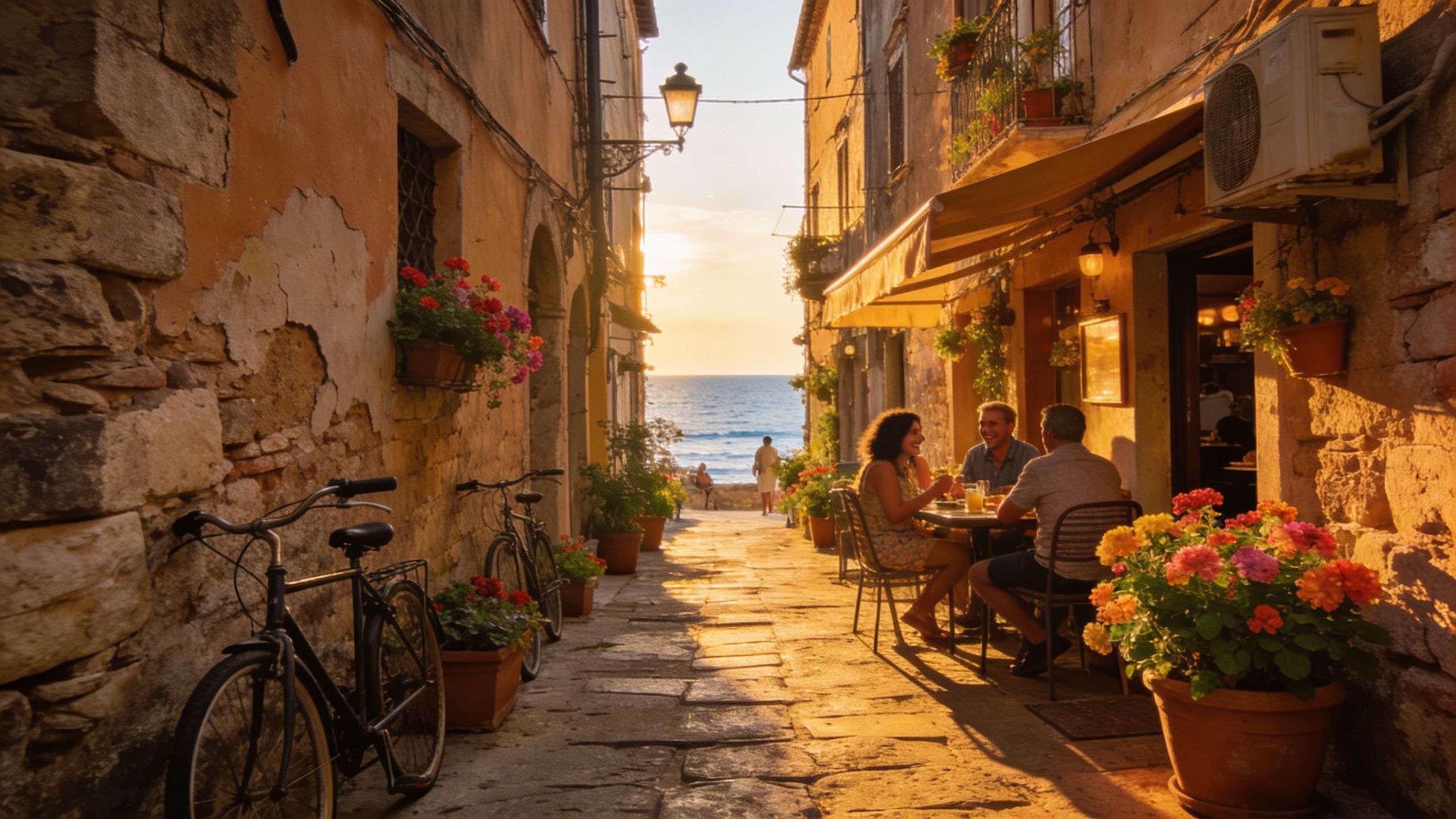
Imagine waking to the smell of espresso, then strolling through a morning mercato where a fisherman folds silver anchovies beside a vendor selling wild porcini. Italy is a mosaic of seasons and small rituals — terraces that fill at sunset, olive groves that hum with insects in June, and villages that close for the afternoon riposo. For international buyers who love nature, handcraft, and slow rhythms, that sensory life is the point; for those of us who also need facts, the same country quietly offers intriguing property opportunities. Recent market analysis suggests the Italian market is stabilising after years of change, and a surprising number of homes sit empty — a paradox that can be a doorway for value-seeking, stewardship-minded buyers.
Living the Italy Lifestyle
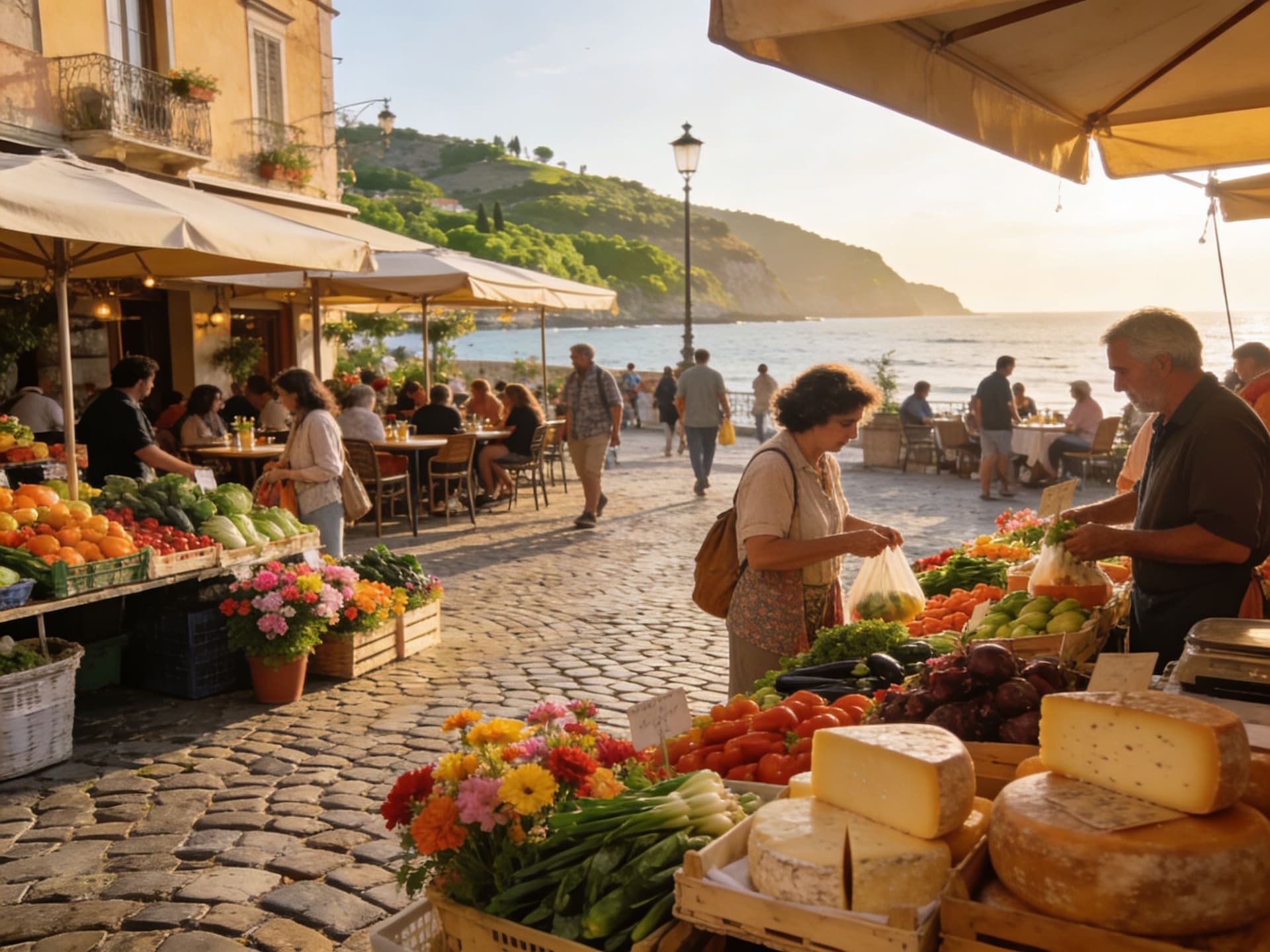
To live in Italy is to live with seasons and craft. In cities like Florence and Bologna you hear morning scooters and late-night conversation; along the Ligurian coast you measure days by light and tides; in the interior, stone houses wear centuries of repairs like badges. The lifestyle is tactile: handmade ceramic cups, markets that set the rhythm of meals, and neighbors who trade home-made preserves. That texture of daily life matters when you choose a property: an apartment with a shady balcony changes how you eat and how you spend summer afternoons, while a small farmhouse with a cistern invites seasonal gardening and a deeper relationship with the land.
Neighborhoods with Character — City and Coast
Milan’s Brera and Navigli speak to café life and ateliers, while Rome’s Trastevere folds history into narrow lanes where evening passeggiate spill from piazzas. On the Amalfi Coast, Positano and Ravello offer dramatic light and vertical gardens; in Liguria, quieter towns like Levanto and Camogli trade tourist crowds for local markets and reef-protected beaches. Each place sets a daily tempo: morning markets and espresso counters in city neighborhoods; late lunches, siestas and collective evening life in coastal towns. Choosing a neighborhood is choosing a tempo as much as a transit time.
Food, Festivals and Seasonal Life
Food in Italy is communal and seasonal: think morning farmers’ stalls, an evening aperitivo by the canal, and festivals that turn small towns into stages. Truffle season in Piedmont, grape harvests in Tuscany, and chestnut festivals across the Apennines are not just tourist events — they define local economies, social calendars, and even when houses change hands. For nature-minded buyers, these seasonal cycles are an invitation to live with the land rather than above it; they also guide practical choices like whether a property needs a cellar for preserves or a courtyard for drying grapes.
- Lifestyle highlights: mercato mornings in Campo de’ Fiori (Rome); weekend hikes and truffle hunts in Alba; grape harvests and wine bars in Montepulciano; sea-swimming before work in Levanto; artisan workshops in Oltrarno (Florence).
Making the Move: Practical Considerations
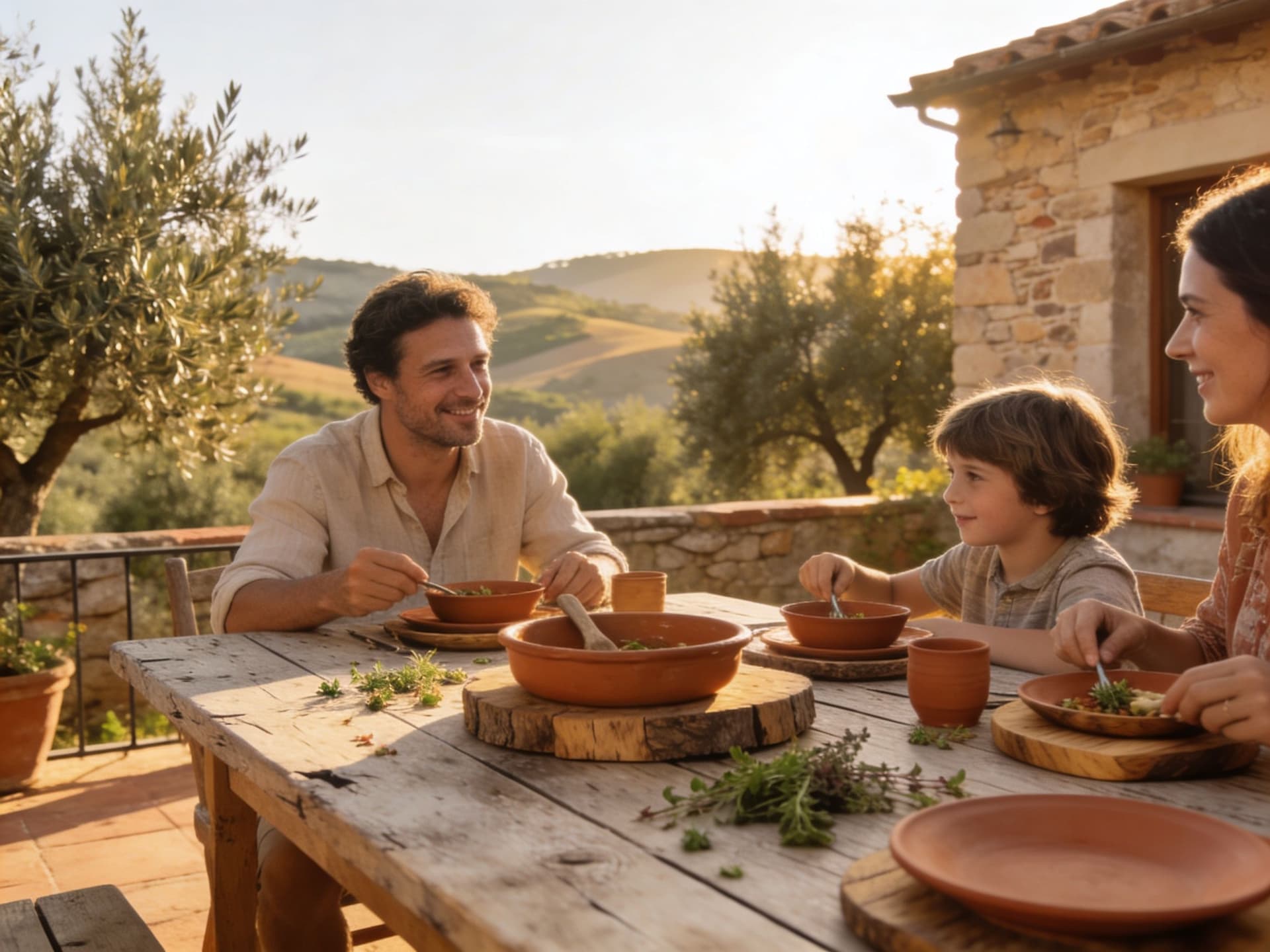
There’s a practical side to Italy’s romance. Official statistics show a high share of unoccupied homes, concentrated in the south and many hill towns — a fact that challenges the ‘too expensive’ headline in some markets and reveals pockets of value elsewhere. Transaction volumes and prices have been recovering modestly, with regional differences that reward local knowledge. Working with a local agency that understands sustainable retrofit, historic fabric, and seasonal use is essential: they can match your lifestyle priorities to the right micro-market, whether you want a sun-warmed terrace for winter herbs or a rain-hollow garden for native plantings.
Property styles and what they offer
Historic apartments in centro storico offer walkable life and thick stone walls that cool in summer, but they often require careful restoration and attention to heritage rules. Country stone houses and farmsteads give you land for food production and wildlife corridors, but may need investment in insulation, water capture, and modern heating. Newer eco-builds near Bologna or Milan can offer passive design, solar and battery-ready systems that align with sustainable living from day one. Match the property type to how you want to live: courtyard gardening, market-based cooking, remote work with fibre, or seasonal hosting for friends.
Working with local experts who know the lifestyle
A small, locally rooted agency can introduce you to neighborhood artisans, the right notary for heritage properties, and local suppliers for lime plaster or native garden planting. Agencies that specialise in sustainable homes can advise on incentives — for example, Italy’s renovation bonuses and ecological incentives (your agent should confirm current schemes) — and help sequence work so a renovation becomes a stewardship project rather than a cost sink. Look for agents who speak both the language of craft and the language of permits; they will keep your lifestyle vision intact through legal realities.
- Steps to marry lifestyle and logistics: 1) Spend at least one season living locally (rent or hospitality stay) to feel rhythms. 2) Build relationships with a local agent, a notary and a craftsman before making offers. 3) Prioritise properties with passive advantages (orientation, thick walls, mature trees). 4) Budget for modest retrofits that improve comfort and biodiversity (rainwater, native planting, plaster and insulation). 5) Plan for seasonal use—some towns are quiet in winter and lively in summer.
Insider Knowledge: What Expats Wish They’d Known
Longtime expats often tell the same stories: the first winter in a stone house will teach you the value of proper insulation, and the best friendships begin at the mercado. Practical realities include local bureaucracy, community rhythms that influence when tradespeople work, and the seasonal nature of rental income if you plan to host visitors. Market reports note increased international investment in cities like Milan and Rome, while countryside markets continue to offer value for owners willing to steward older buildings. Those differences matter: the city is about convenience and services, the countryside about stewardship and seasonal reward.
Cultural integration, language, social scene
Learning a few phrases — and respecting local rhythms like riposo and mercato hours — opens doors faster than any investment. Join a local volunteer group, a food cooperative, or an artisans’ circle and you’ll be welcomed into town life. Expat communities cluster in coastal Liguria, parts of Tuscany and cities like Milan, but the deepest connection comes from showing up: shopping locally, learning to compost the right way for your comune, and supporting small producers. Integration enriches life and makes property ownership feel reciprocal rather than extractive.
Long-term lifestyle and sustainability considerations
Think beyond resale: choose materials and systems that age gracefully and benefit biodiversity — native hedges, permeable paving, and solar-ready roofs. Italy’s climate variability makes water management and passive cooling especially important; properties that capture rain, shade fruit trees, and retain thermal mass will serve you better over decades. Stewardship-minded buyers can convert empty houses into regenerative homes that host pollinators, produce food, and preserve craft traditions — a legacy approach that aligns lifestyle with conservation.
Conclusion: If Italy feels like a dream, treat it like a long-term project of place-making. Travel at least one season, work with agencies who know craft and permits, and prioritise properties that support the life you want — whether that’s market mornings and tiny balconies or olive groves and moonlit terraces. There is real opportunity in the country’s pockets of empty houses and in cities that are again attracting investment; with patience and stewardship, your Italian home can be both a daily joy and a contribution to a living landscape.
British expat who traded Manchester for Mallorca in 2017. Specializes in guiding UK buyers to luxury Spanish estates with clear navigation of visas and tax.