Hidden Costs You Didn't Expect Buying in Cyprus
Fall for Cyprus’ sea-salted lifestyle — but prepare for permits, hidden fees and seasonal realities with research-backed steps and local experts.
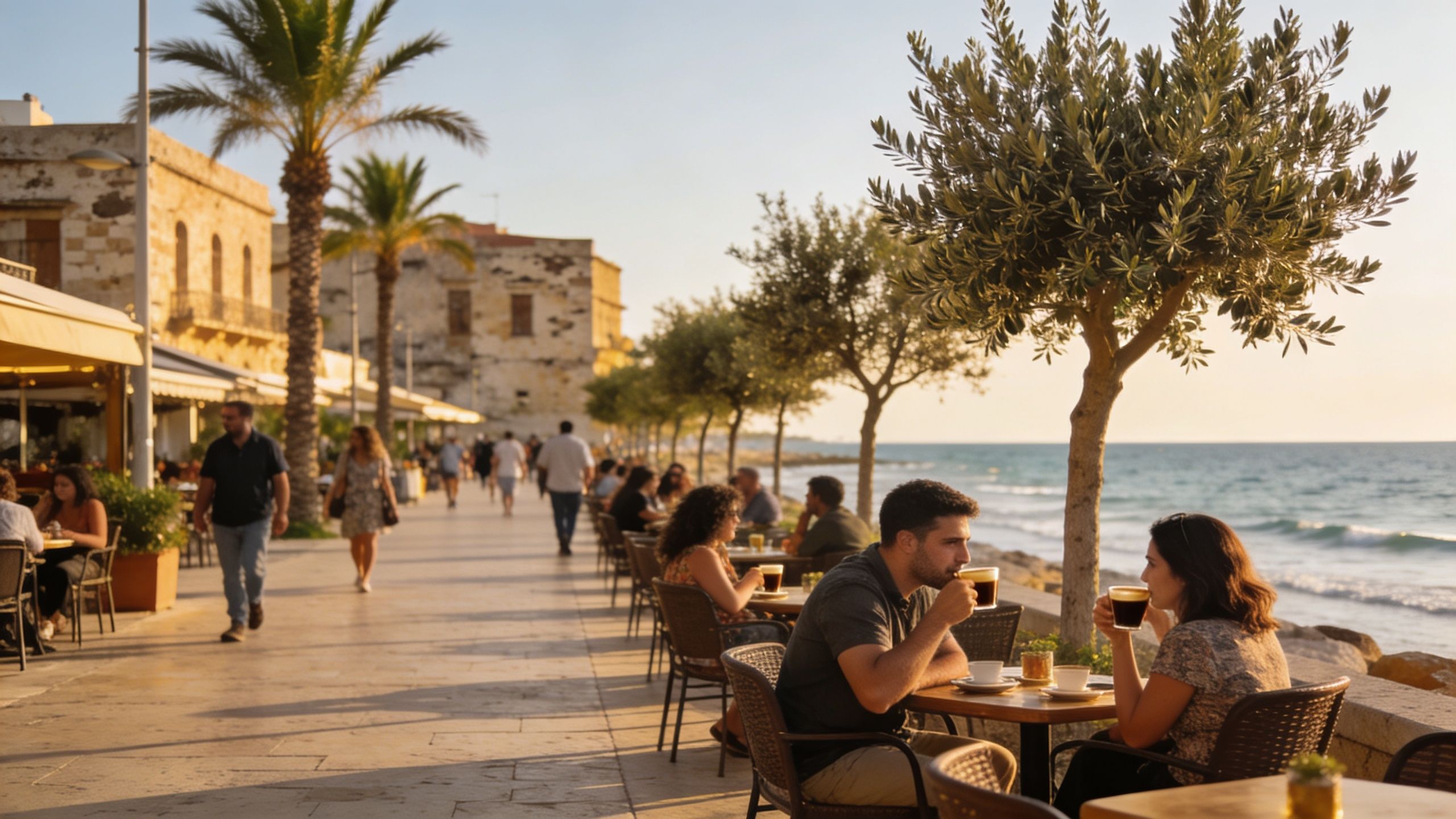
Imagine waking to the smell of strong coffee on a narrow Larnaca street, the sea a pale wash beyond the palms, and a neighbour offering a jar of home‑made halloumi. Cyprus is a place where daily rhythms bend toward the outdoors — long lunches, late evening promenades and markets that still trade in the language of seasons. But that gentle life sits beside paperwork, permits and quiet costs that can surprise the unprepared. This piece blends the salted, sunlit life you dream of with the exact, research‑backed due diligence you’ll need to protect that dream.
Living Cyprus: the senses, seasons and where you’ll belong
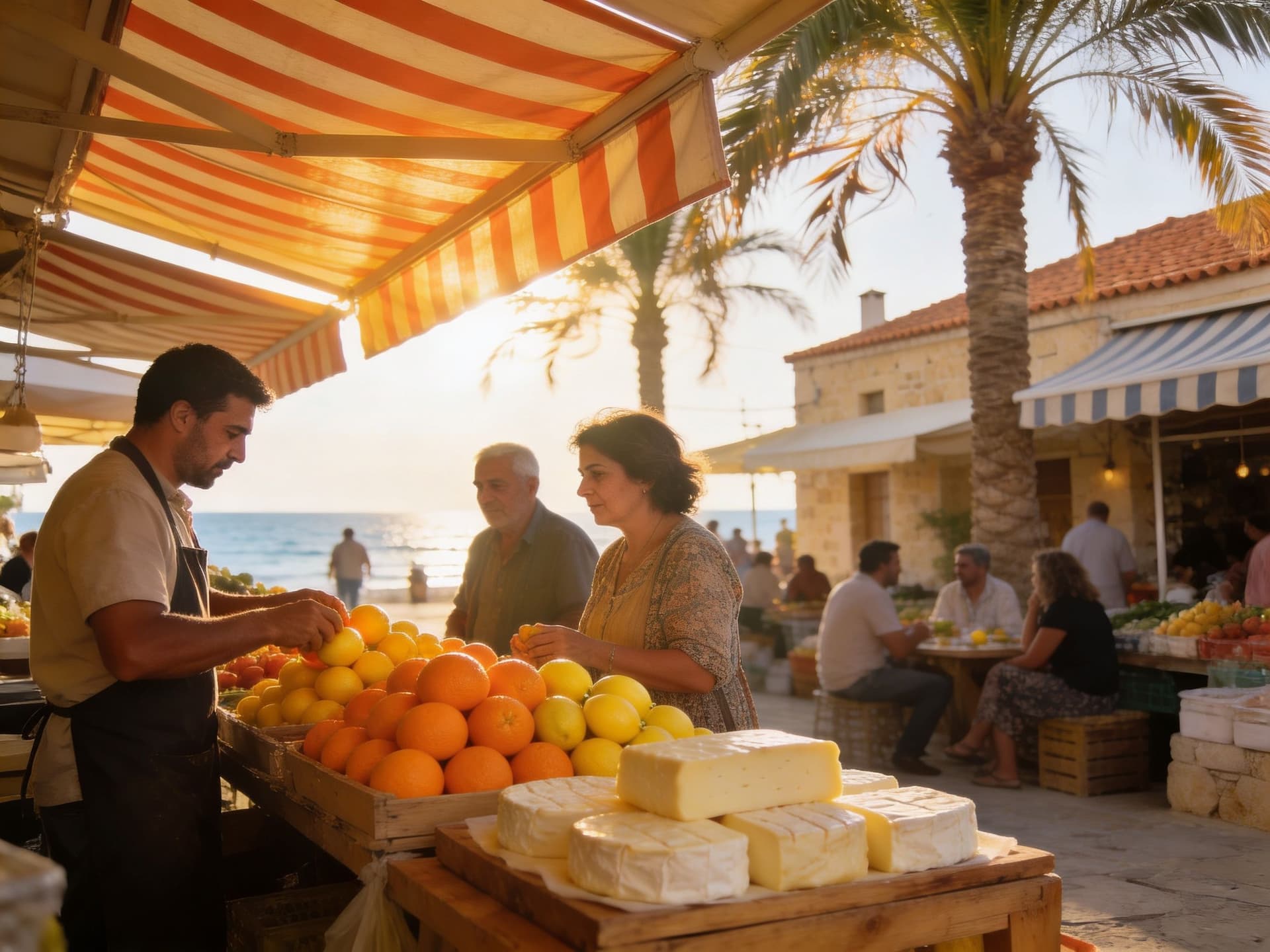
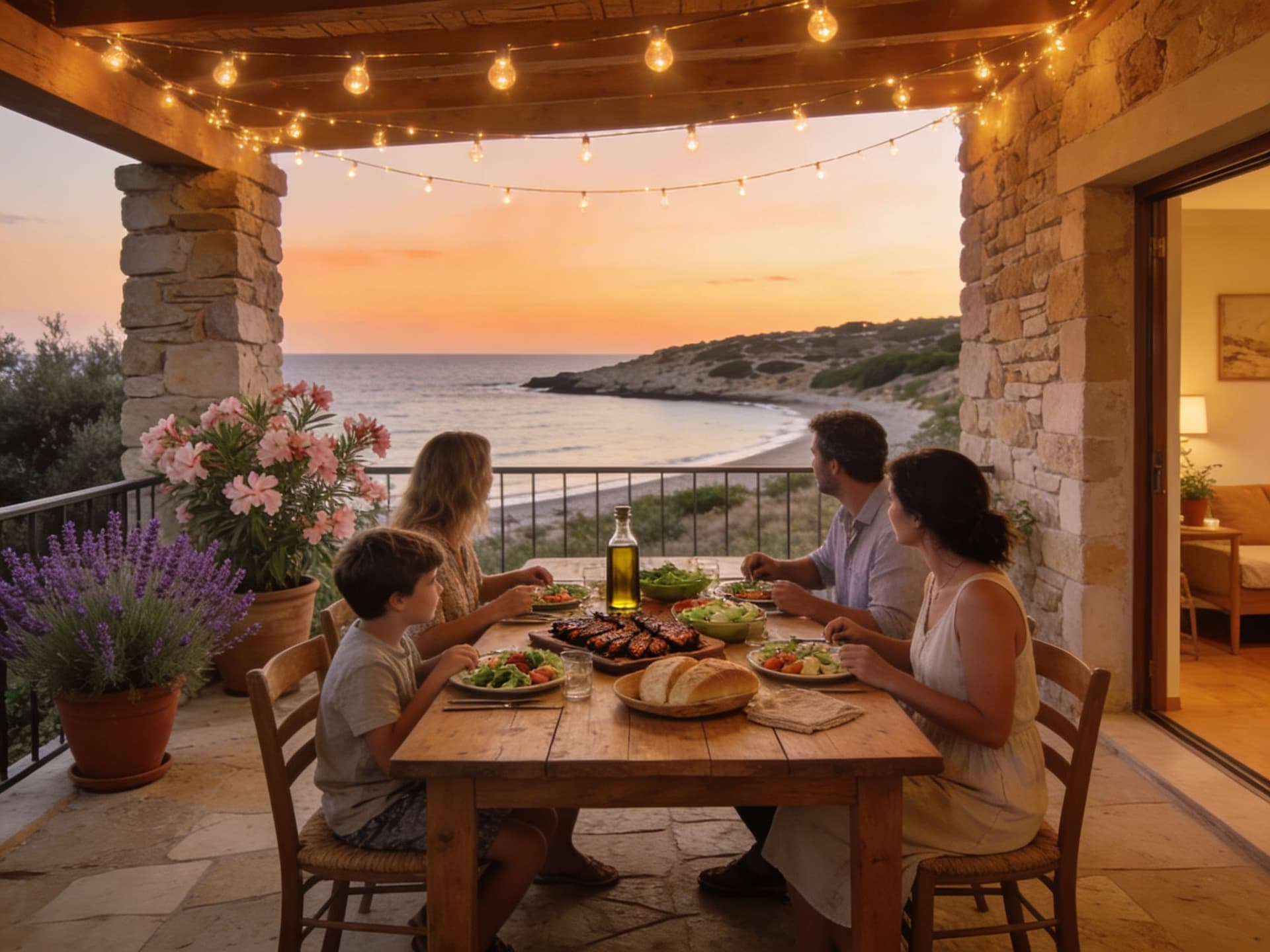
Cyprus feels immediate and tactile: limestone walls warmed by sun, rosemary and thyme in dry garden beds, and coastlines that change character every 20 minutes. Mornings in the old towns bring bakeries filling plastered alleys with steam; evenings unfurl into harbourfront tavernas lit by fairy lights. For internationals, English is widely spoken in service and real‑estate circles, but local rhythms — siesta stretches in smaller villages, long family Sundays — shape how neighbourhoods function year‑round.
Coastline contrasts: Ayia Napa to Paphos
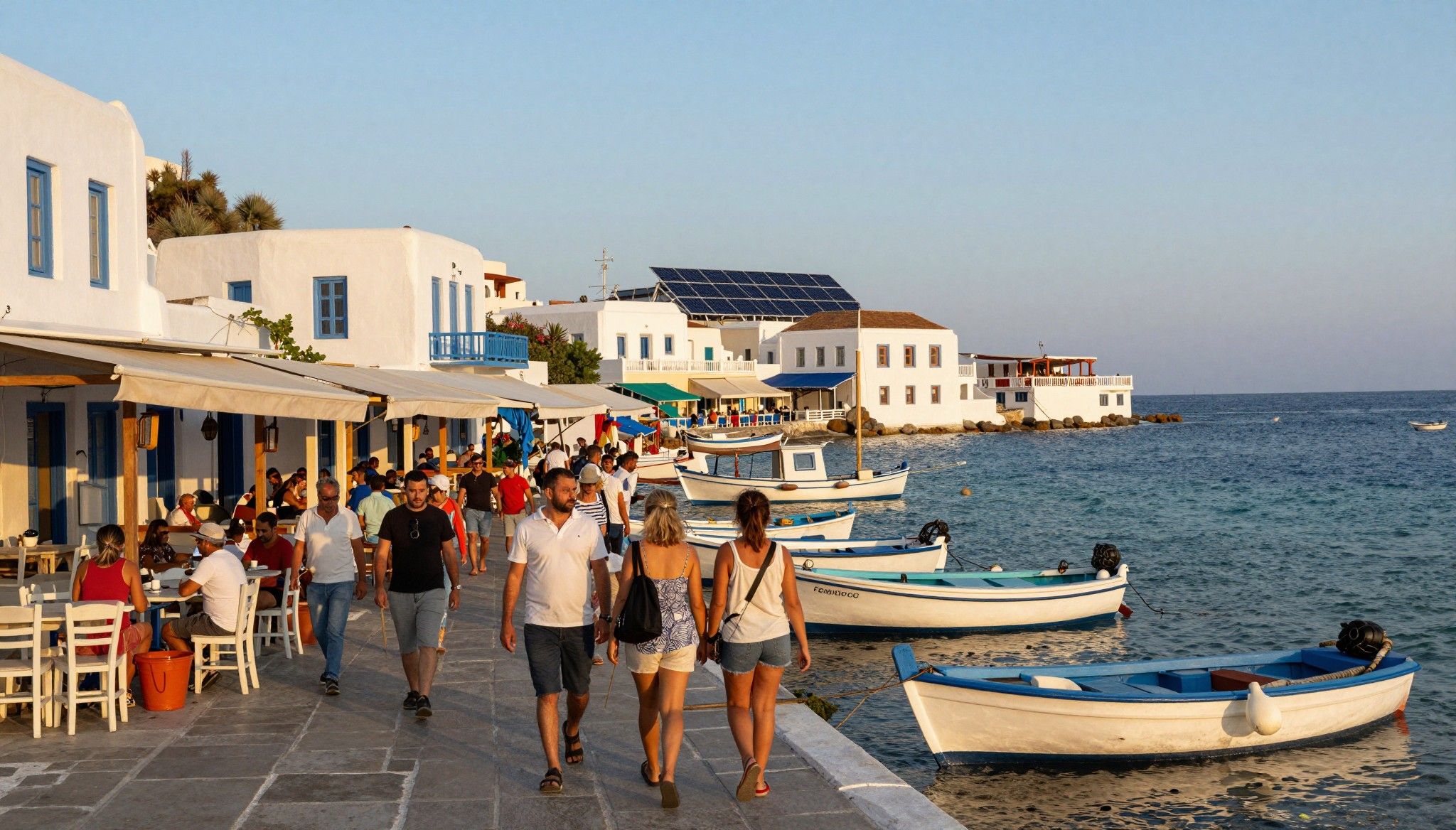
Ayia Napa pulses with summer energy: beaches, late nights and a rental market that spikes in July and August. Paphos, by contrast, mixes archeology and expat pockets with quieter coves and a growing calendar of organic markets and coastal hikes. If you want gentle winter life and a tangible village community, look to villages like Tala (above Paphos) or small Limassol suburbs where olive groves still edge new developments.
Food, markets and the weekday ritual
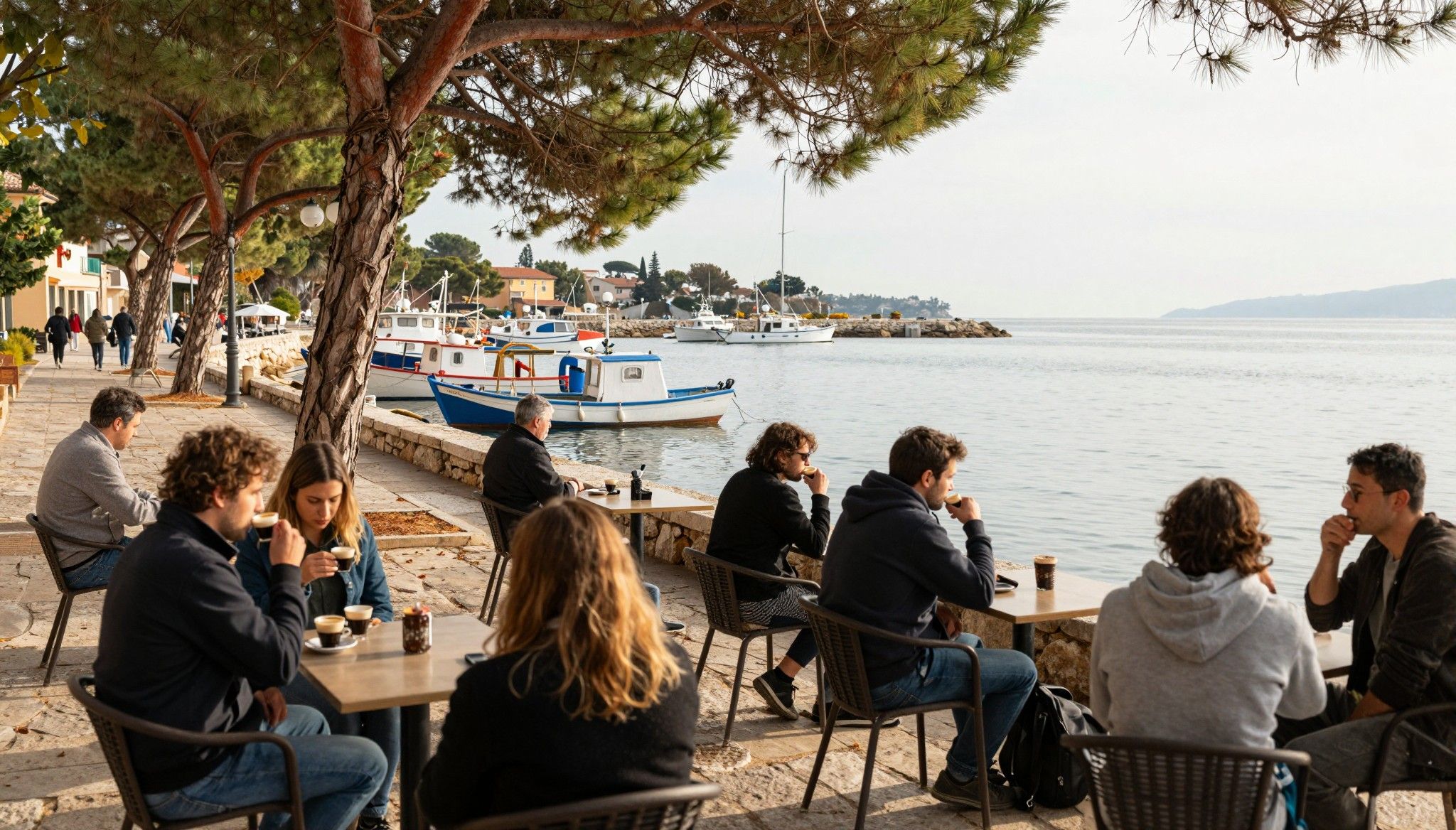
Weekdays often revolve around fresh food: fish stalls at Larnaca Municipal Market, mountain bakeries in Troodos on a Saturday morning, and small neighbourhood cafés where locals linger over Nescafé and conversation. These routines shape where you want to live — proximity to a market means hands‑on cooking, a short drive to the sea makes outdoor dinners habitual, and a local coffee spot becomes your first community hub.
- Lifestyle highlights to scout on visits
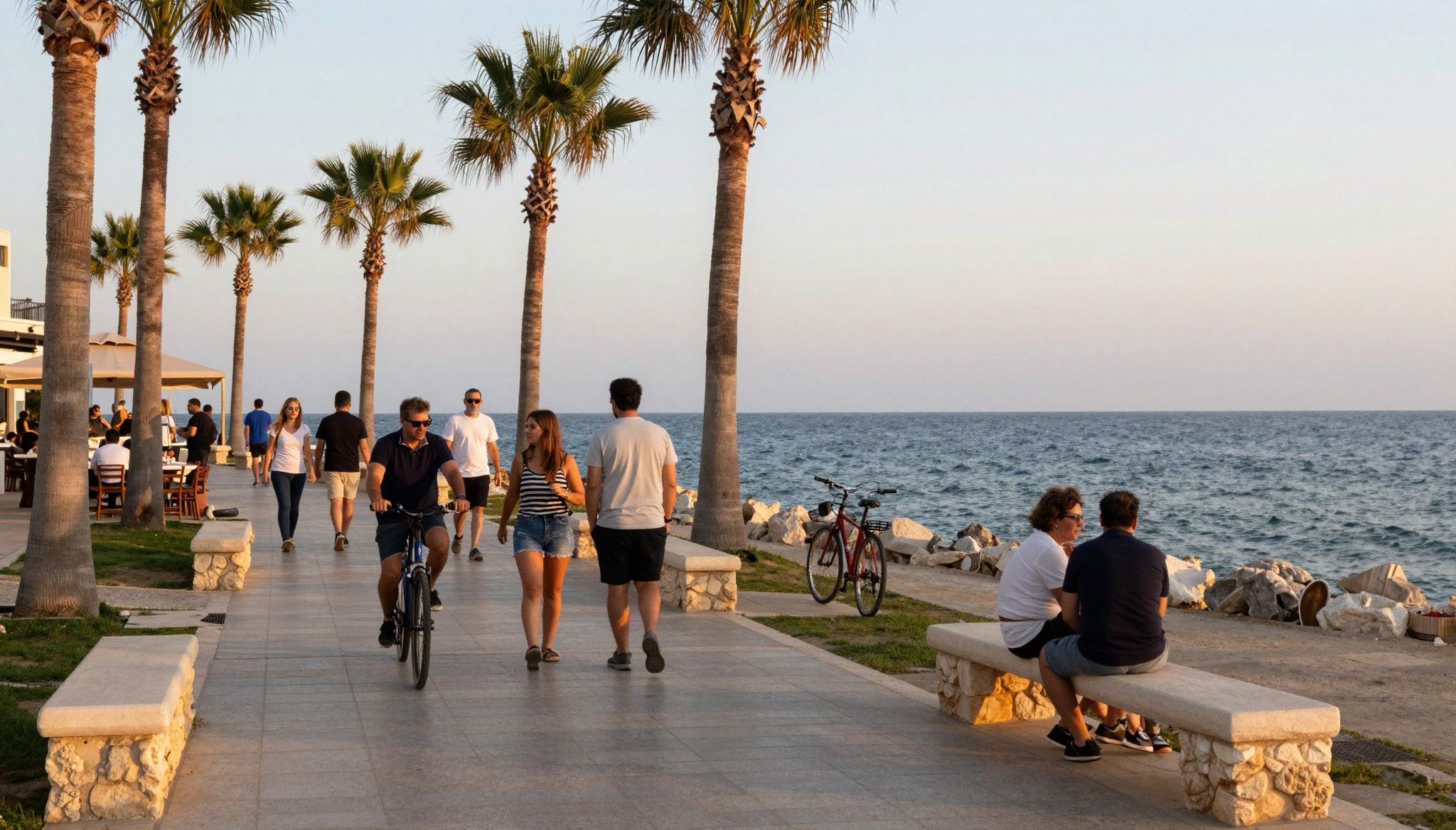
- Morning coffee on Limassol’s Molos promenade; weekend farmers’ market in Paphos (Palepafos); olive‑grove walks above Polis; late‑season swims at Ayia Thekla; a family‑run taverna on Anogyra’s main street.
From daydream to deed: real legal steps that matter
Cyprus is welcoming to foreign buyers, but there are concrete rules that shape what you can buy, how quickly you can build, and what permission you must secure. The Acquisition of Immovable Property (Aliens) Law requires non‑EU buyers to apply for permission through the District Administration (a process that typically takes a few weeks). Understanding these gateposts early reduces delay, preserves negotiating leverage and keeps a sunny house from becoming a legal headache.
Property types and their hidden practicalities
New builds in Cyprus often advertise sea views and energy‑efficient systems, yet not all developers deliver on promised renewable infrastructure. Stone village houses offer authentic charm and passive cooling but can demand substantial retrofit to meet modern insulation or solar needs. Ask sellers for recent EPCs, planning permissions, and confirmations on shared‑service maintenance before you fall for a terrace and almond tree.
What local experts actually save you
A bilingual legal advisor plus an architect familiar with local materials will spot red flags faster than sightseeing visits do: unclear title deeds, unapproved extensions, or a property advertised with a larger plot than registered. Agencies who work with eco‑conscious retrofits can also advise on solar suitability, cistern placement and native landscaping that reduces water bills.
- Steps to protect lifestyle value and paperwork (do these early)
- 1) Check title and land registry records with a local lawyer. 2) Request planning permission documents and building permits for any structures. 3) Confirm district administration approval if you are non‑EU. 4) Commission an independent structural and energy survey. 5) Agree on a written schedule for any seller repairs or green upgrades before exchange.
Market myths and a contrarian truth: prices, timing and policy
You may have heard that Cyprus is either 'cheap' or 'too expensive' depending on who you ask. The reality — borne out in recent HPI data — is steadier: national house prices have been rising gradually rather than exploding, and regional pockets play a large role in perceived value. That means timing your purchase around lifestyle seasons, not just market headlines, often yields greater satisfaction than trying to out‑guess national indices.
Why summer viewings can mislead you
A home staged during high tourist season will feel alive, but that vibrancy can hide year‑round noise, parking challenges and rental demand that drives short‑term prices. Visiting in shoulder seasons (late autumn or early spring) reveals how neighbourhoods function when locals return and markets slow — exactly the life you’ll live outside July and August.
- Contrarian timing tips
- Visit in November–March to assess community life; schedule a mid‑week visit to hear real noise patterns; check winter sun angles for terrace use and passive heating.
Policy context every buyer should note
Cyprus ended its citizenship‑by‑investment scheme after scandals exposed abuses; this policy shift changed buyer profiles and tempered some speculative pressure on luxury coastal stock. While this reduces a certain kind of foreign‑buyer volatility, it raises the bar for buyer diligence: financial provenance checks are stricter and compliance scrutiny is higher, so transparent documentation and reputable advisers have become more valuable than ever.
Insider knowledge: small things that protect the dream
Expats we spoke to wish they’d known three things: how seasonal services change (deliveries, municipal waste collection), how communal maintenance agreements are enforced, and how native gardens lower ongoing costs if planted right. These practical elements shape daily pleasure more than an extra sea view or glossy terrace.
Practical red flags to spot on first visits
- Unresolved extensions or outbuildings without permits; absence of a clear title history; drainage or winter waterlogging signs; lack of documentation for shared services; and ‘too good to be true’ energy claims without an EPC.
Long‑term stewardship: practical green moves that pay
- 1) Prioritise solar panels sized to your household’s real use. 2) Convert to drip irrigation and native plantings to cut water bills. 3) Insulate roofs and shutters to reduce summer cooling. 4) Negotiate any seller‑agreed green retrofits into the contract with milestones and penalties.
These small, measurable steps keep your running costs low and honour the island’s fragile ecosystems — they also make a property more desirable to long‑term renters or future buyers who increasingly value energy resilience.
Conclusion: live the island life, but close with care. Fall in love with narrow streets, thyme‑scented hills and harbour evenings — then lock the practicals into place. Start with a bilingual lawyer, secure district administration permission if you’re non‑EU, commission an energy and structural survey, and visit out of season to hear how a place truly lives. Local agents who share your sustainability values will not only introduce you to the right houses; they’ll help you shape a home that belongs to Cyprus and to the life you want to lead.
Dutch property strategist who helped 200+ families find sustainable homes in southern Europe; expert in legal pathways and long-term stewardship.