Italy: Where Green Power Meets Daily Life
Italy’s romantic rhythms meet a rapid green transformation—learn how renewables, local infrastructure and lifestyle combine to change where and how you buy.
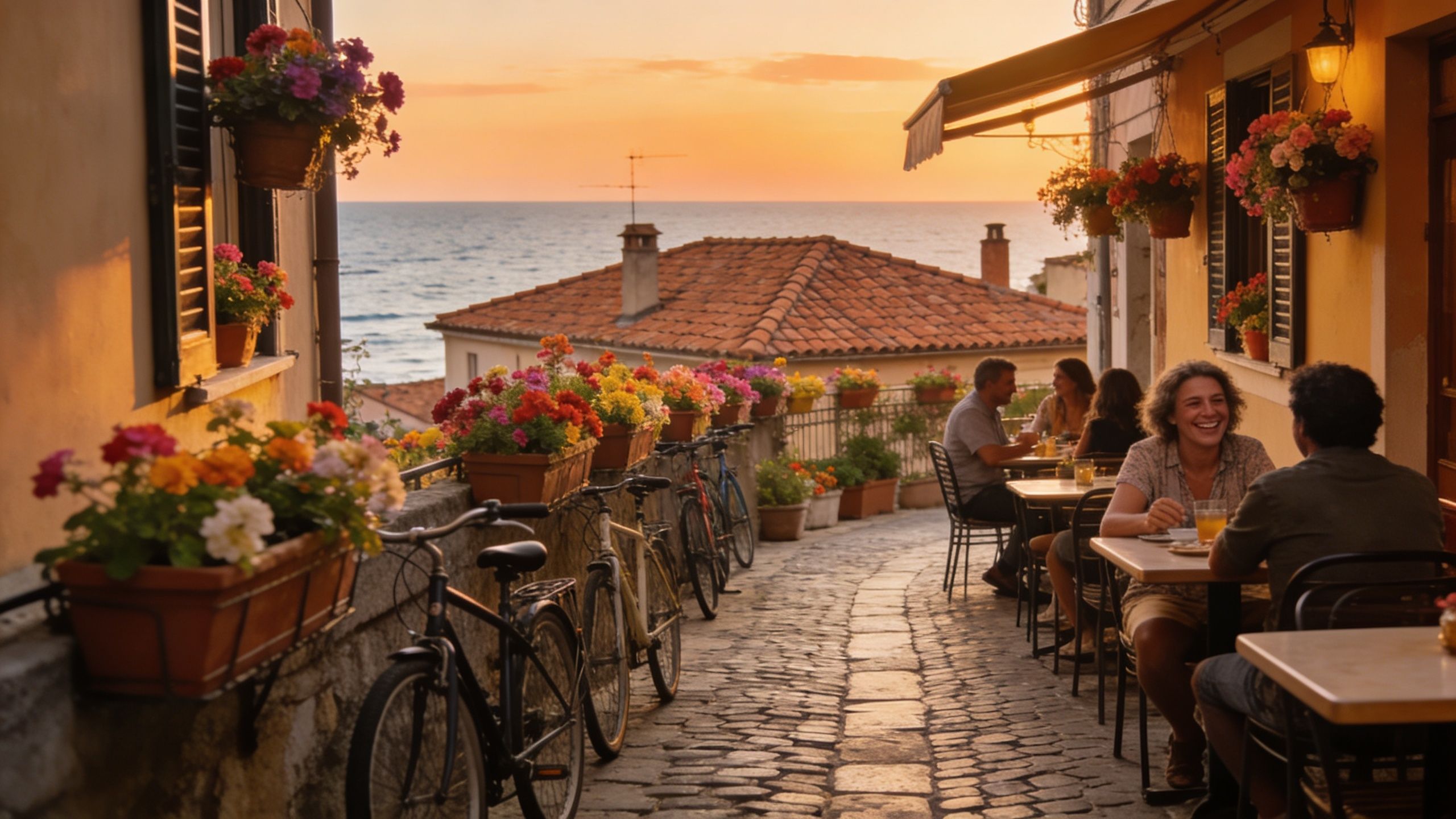
Imagine waking to the smell of espresso and wood smoke, stepping out onto a terrace where olive trees slope toward a cobalt sea or a low-hilled vineyard. Italy lives slowly in the best way—market mornings, late dinners, and winters that invite cosy, fireside projects—yet underneath that timeless rhythm a modern green transformation is speeding up. For buyers who want beauty and a smaller footprint, Italy’s rolling regions and coastal towns are quietly becoming a global model for renewable-ready living. Terna’s recent reporting shows how fast renewable capacity is growing here—and why that matters for where you buy.
Living the Italy lifestyle with a green heart
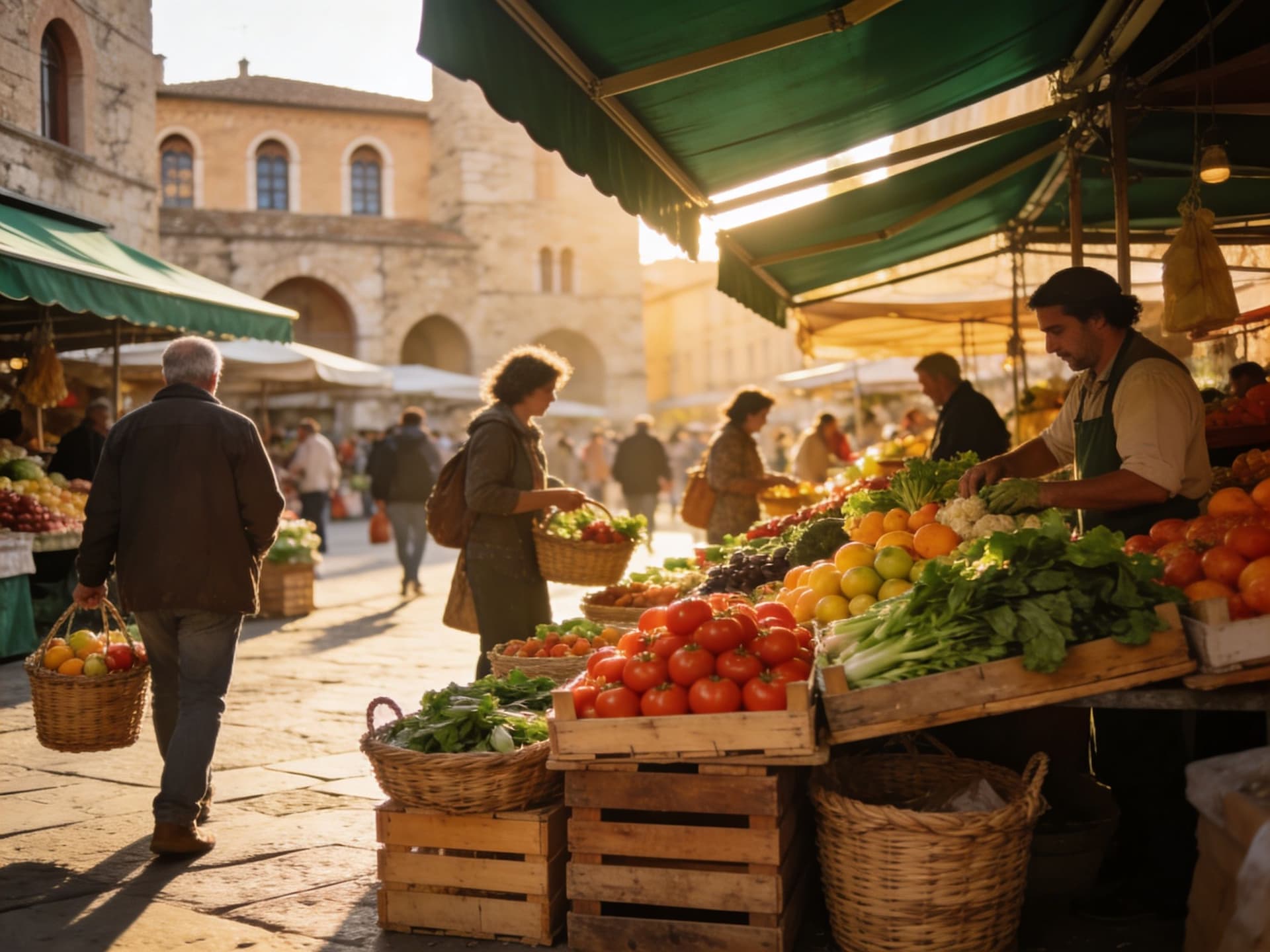
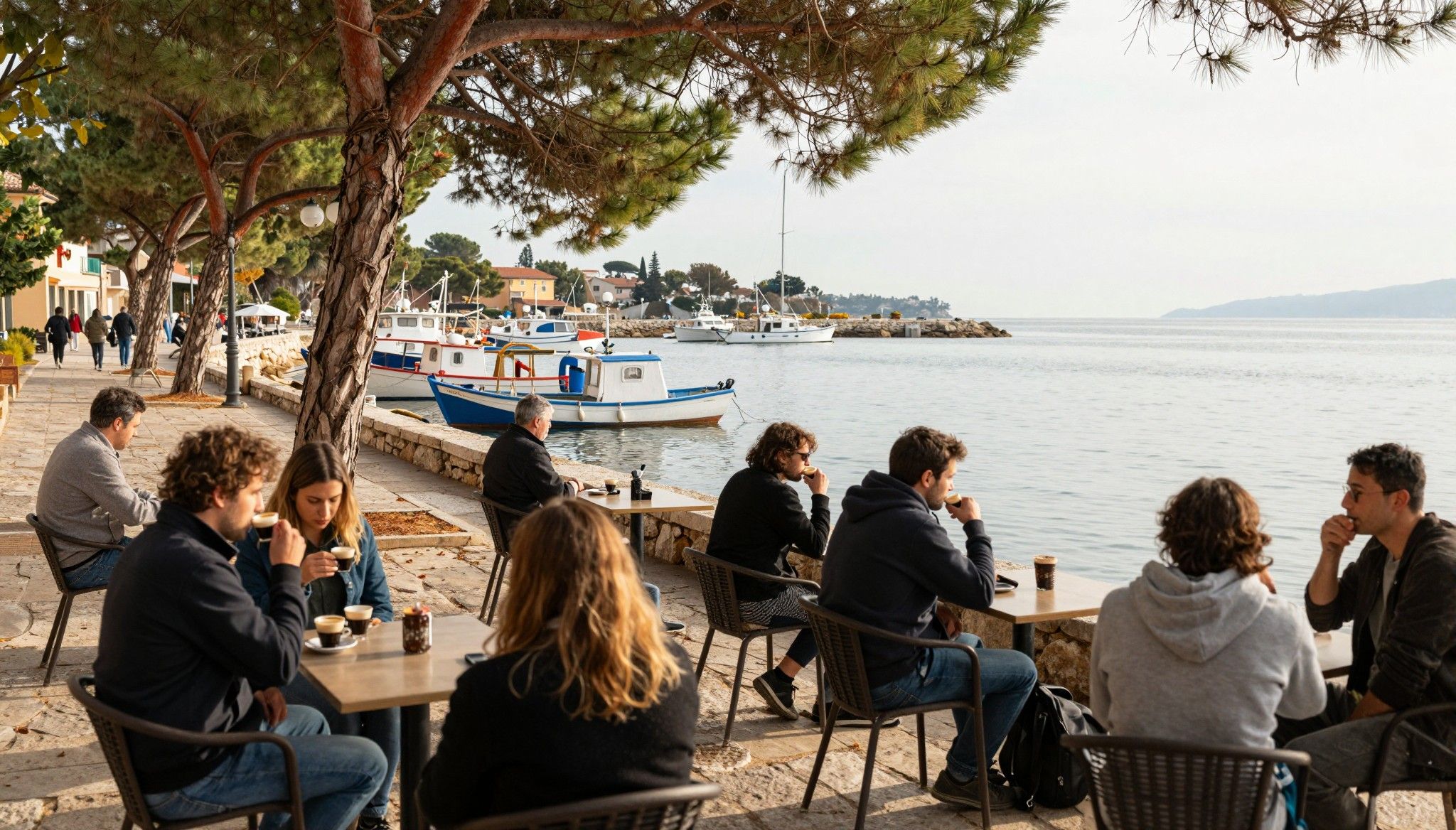
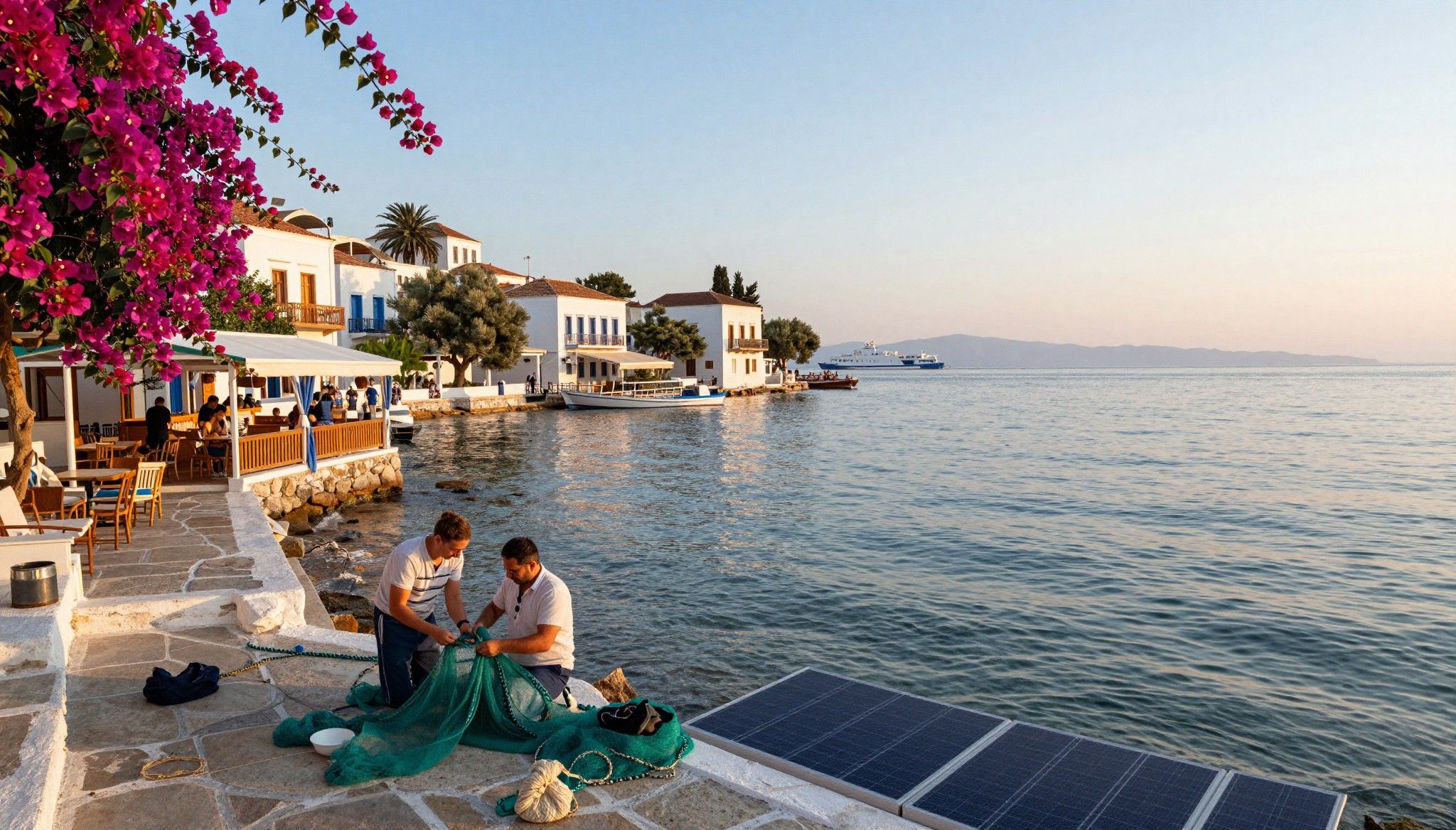
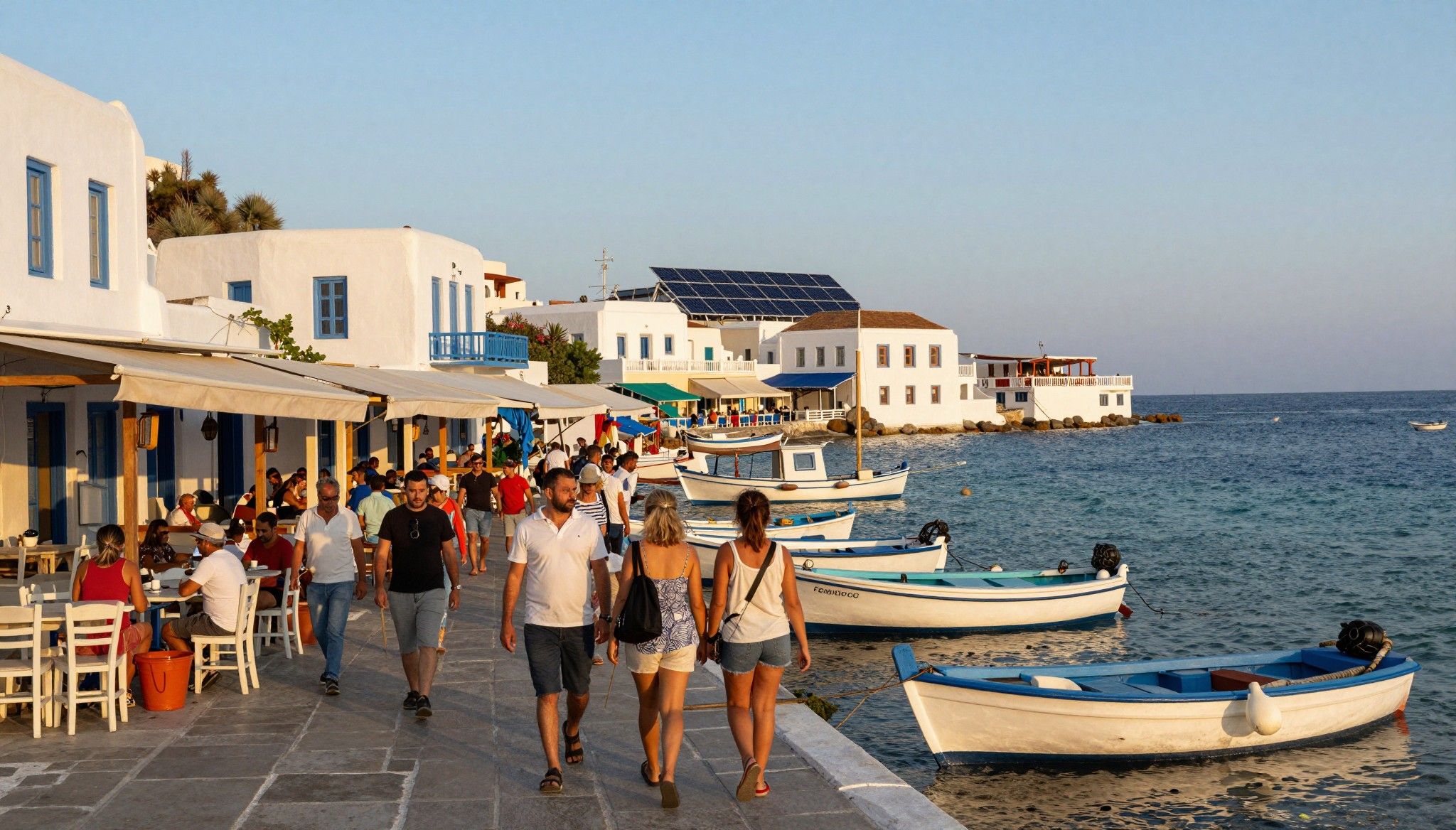
On the street, Italy still feels ancient and affectionate: baristas know your order, market vendors call you by name, and small piazzas host long conversations at dusk. But just beneath that sensory layer, solar arrays, small hydropower projects and community batteries are reshaping daily life—cleaner electricity, lower running costs, and an easier path to self-sufficient homes. In 2024–25 solar and hydro growth pushed renewables to roughly 40% of the electricity mix, a shift that changes what a house here can be: a passive, low-cost sanctuary rather than an expensive burden. That reality turns lifestyle dreams—terrace gardening, year-round outdoor living, local food economies—into sustainable choices.
Neighborhood spotlight: Pigneto, Brera, and a village in Tuscany
Pigneto in Rome hums with cafés, street art and small co‑working hubs powered increasingly by rooftop solar. Milan’s Brera is artful and walkable, where courtyard gardens and restored lofts make compact luxury feel lived-in. Then there are Tuscan villages—Radda in Chianti or small hamlets around Lucca—where stone farmhouses sit on terraces of olive and grape and where installing a modest PV array and battery often pays back in a handful of years. Each place offers a different rhythm, but all share a promise: homes that invite outdoor life and low-impact living.
Food, markets and seasonal life: how climate shapes choice
Markets set the tempo—Sicilian citrus in winter, truffle stalls in Piedmont come autumn, and coastal fish markets at dawn. Those seasonal rhythms affect how you’ll use a property: a summer terrace is a second living room, a cellar becomes essential in cooler regions, and passive cooling or cross-ventilation is invaluable in southern summers. Choosing a home in Italy is as much about culinary seasons and sunlight as about square metres.
- Lifestyle highlights to look for (actual places)
- Morning espresso at Caffè Propaganda (Rome) or a walk through Mercato di Sant’Ambrogio (Florence)
- Sunset aperitivo on the Navigli (Milan) or a seafood lunch at Viareggio’s harbour market
Making the move: how green infrastructure affects decisions
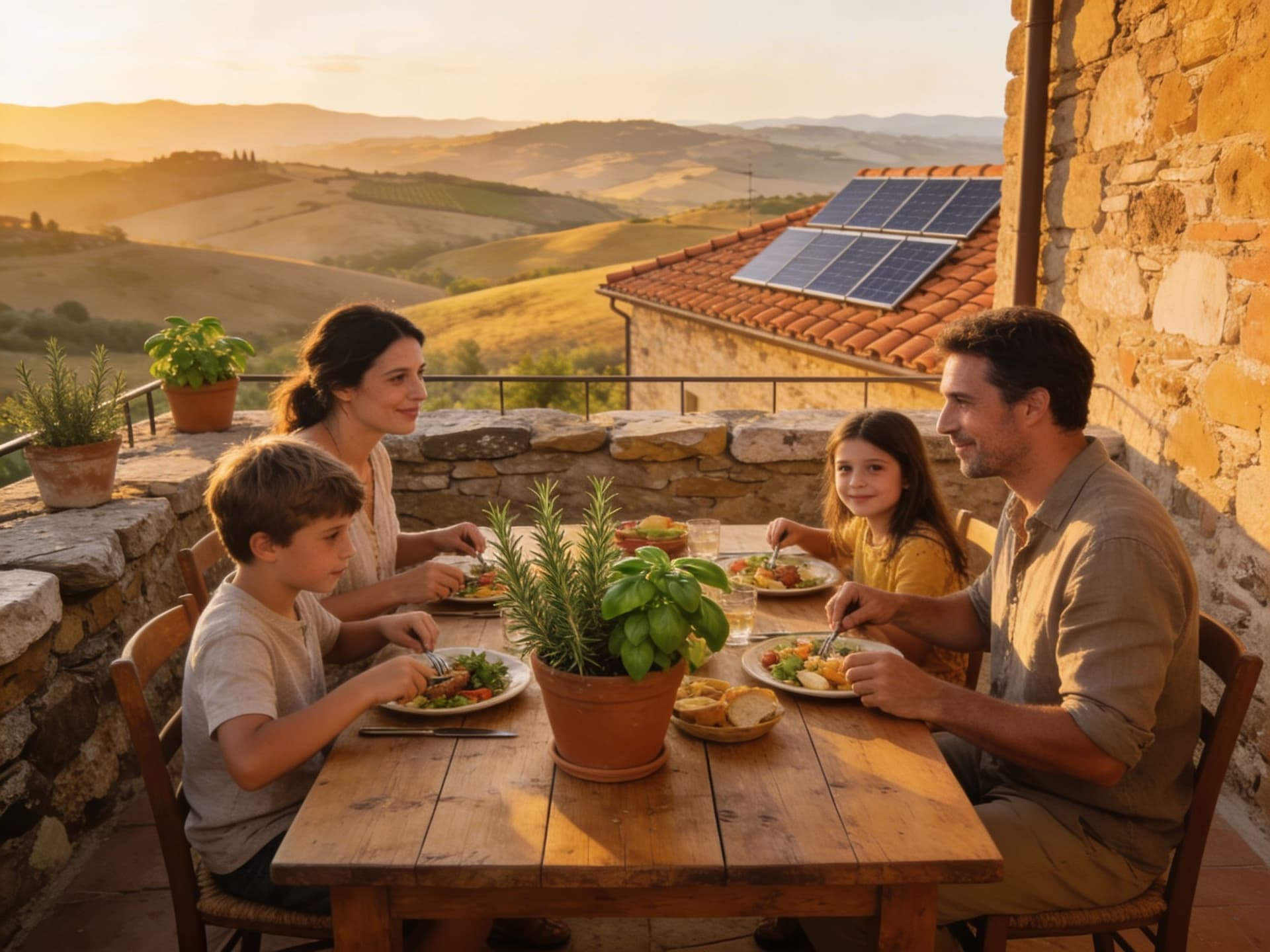
Dreams meet contracts here. Italy’s market showed modest growth in recent years and remains regionally diverse; cities like Milan and Florence are pricier while many southern towns still offer value. For international buyers, green infrastructure is no longer a nicety—it’s a factor that affects resale, running costs, and quality of life. Buying near reliable grid connections, in municipalities offering PV incentives, or in towns with community energy schemes can turn an attractive property into a low-cost, resilient home.
Property styles that match a green lifestyle
Stone farmhouse with thick walls: great for thermal stability and summer cool. Restored urban lofts: ideal for retrofitting with heat pumps and rooftop PV. New eco‑builds: often designed with insulation, rainwater capture and integrated solar. When you imagine life—garden dinners, a home office with reliable power, low utility bills—match that vision to the style. Sometimes the cheaper renovation is the smarter long-term choice if you can add insulation and photovoltaics.
Working with agencies who know the green map
Local agents who can point to municipal PV registries, connection capacity reports, or recent examples of rooftop retrofits save you months of hunting. Look for professionals who can connect you to architects experienced with Italian heritage rules and installers who understand local grid constraints. They are not salespeople—think of them as local stewards helping align your lifestyle with the realities of place.
- Practical next steps that blend lifestyle and process
- Visit in-market during a season that matters to you (truffle season for foodies, summer for sea-lovers) to test daily life and running costs.
- Ask sellers for recent energy bills and any PV or thermal system papers; compare those to local averages to spot savings potential.
- Request a site report showing grid connection limits (Terna’s dashboards are a useful starting point) before budgeting major electrical upgrades.
Insider knowledge: expat truths and misunderstood signals
Expats often talk about language or bureaucracy as the big hurdles, but the subtler truth is rhythm: Italian life runs on seasons, markets and municipal calendars. A town that looks sleepy in January can be transformed by festivals, tourists in summer, or by autumn harvests that revive local commerce. Equally, a home with solar and rainwater capture can feel materially different—cheaper to run, less anxious in storms—and that small comfort transforms daily life more than a skyline view ever will.
Cultural integration: language, habits and neighbourliness
Learn a few local phrases, attend a market, help with a harvest or volunteer—these familiar acts open doors. Neighbours in Italy matter: many communities organize shared repairs, cooperative gardens, or local energy co‑ops. The house you buy is part of that social fabric; invest in relationships as much as in bricks and mortar.
Longer view: stewardship, legacy and adaptability
Think in decades: will a roof be easy to equip with solar in 5 years? Can walls be insulated without harming historic character? Choosing a property with adaptable bones—good orientation, room for discreet panels, and space for a garden—keeps options open and preserves both value and the local ecosystem.
- Red flags to watch for
- Municipal moratoria on rooftop installations or wind permits; these can block planned upgrades.
- Properties with consistently high winter bills—poor insulation often hides behind charming stone walls.
- Distant grid connection points that make battery backup or EV charging costly.
Conclusion: Italy as a life and a landscape to steward
If you want a home that feels rooted and future-ready, Italy is a rare place where deep culture meets accelerating green infrastructure. Start with lifestyle—where you picture your mornings and market visits—then fold in the practical: energy data, grid access, and local expertise. Local agents, architects and a glance at Terna or national statistics will show which towns already benefit from the clean‑energy shift. Come for the light and the food; stay because your house costs less to run, feels in tune with the seasons, and invites you into a living community.
Norwegian market analyst who relocated from Oslo to Provence; guides investors with rigorous portfolio strategy and regional ecological value.