Cyprus: Light, Limestone & Smarter Green Financing
Fall in love with Cyprus’s light and slow rhythms — then protect your purchase with smart mortgage choices, green loans and careful legal checks.
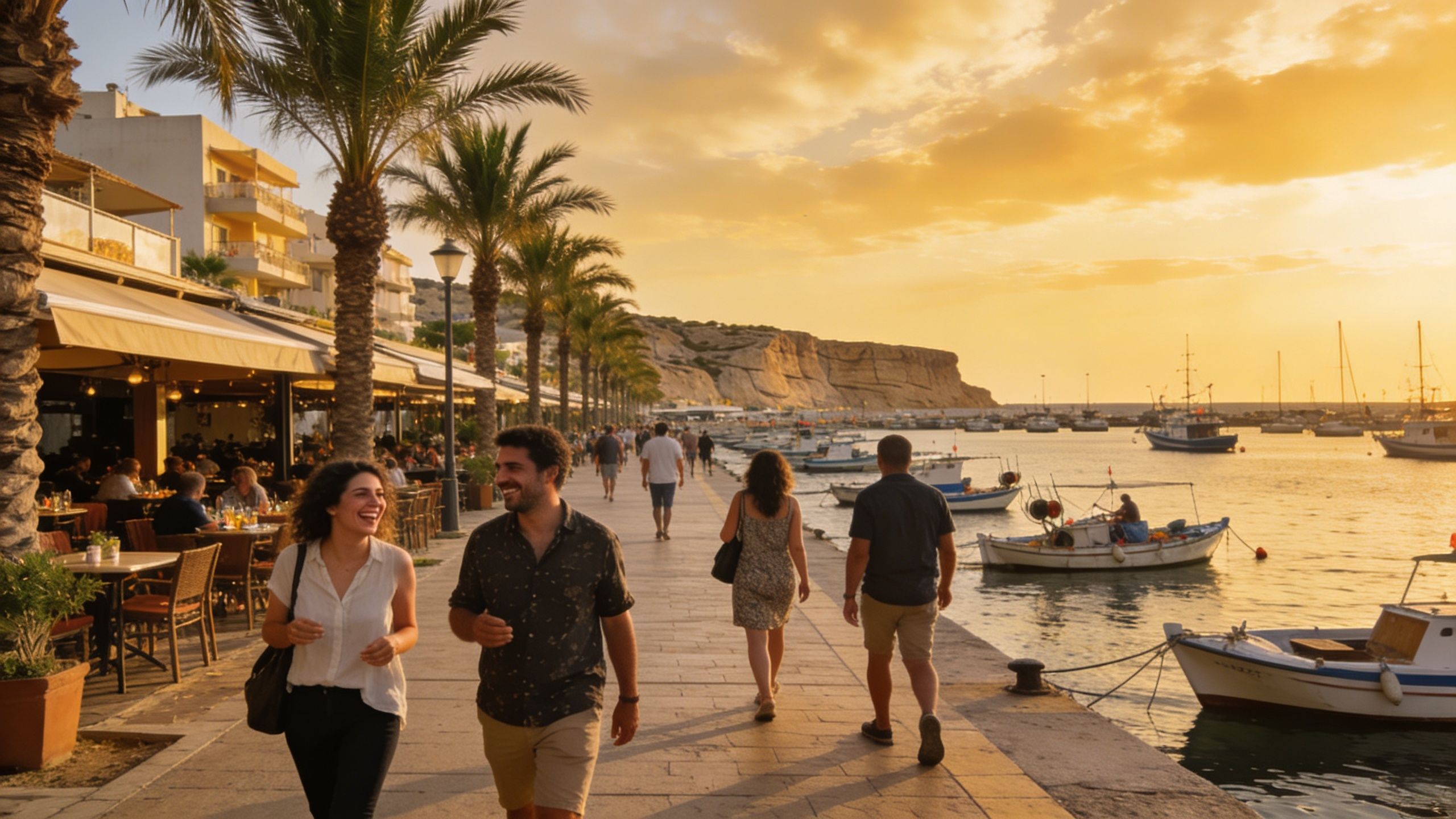
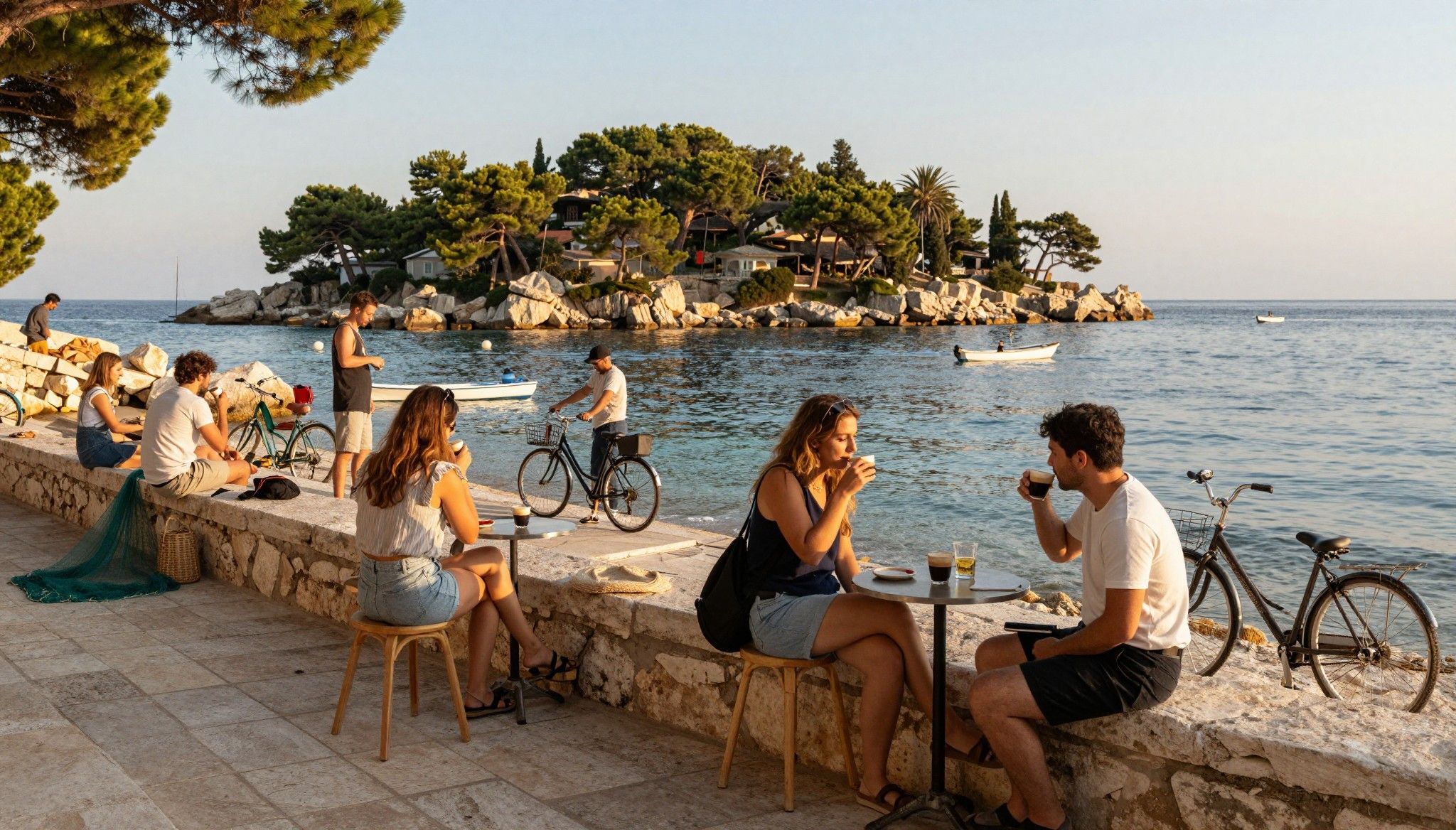
Imagine waking to the lemon-thin light that slips between limestone walls in Paphos, the smell of fresh halloumi grilling nearby, and a narrow street where a cafe serves the same espresso your neighbour bought this morning. Cyprus feels alive in small, sunlit rituals — island life measured in markets, coastal walks and slow Sunday lunches. But for international buyers lured by that light, the practicalities of mortgages, foreign-purchase rules and — increasingly — green finance shape whether that dream becomes a restful home or an expensive lesson.
Living Cyprus: light, limestone and neighbourhood rhythm
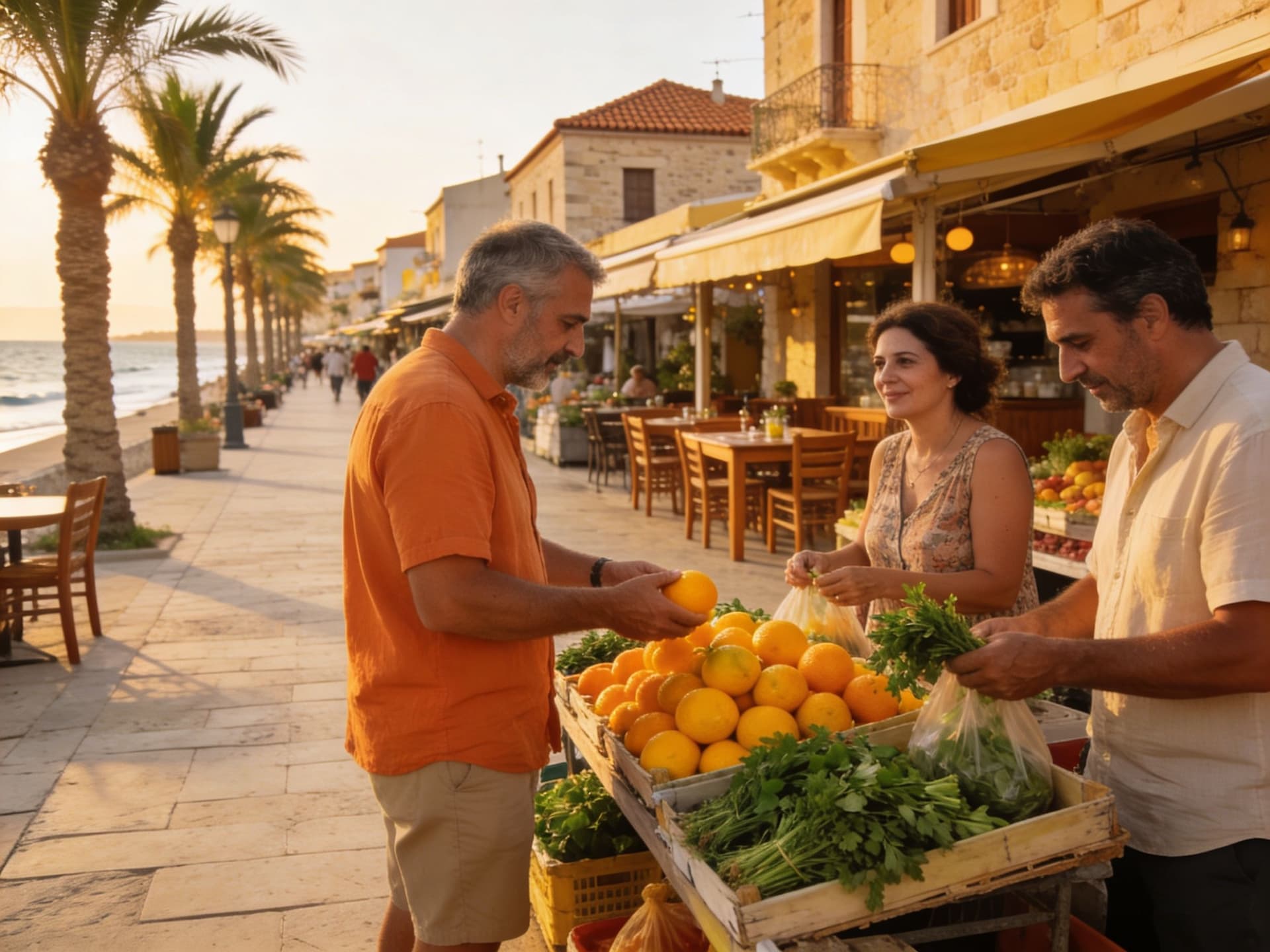
Cyprus is a collection of small lives stitched to coastline and mountain: Limassol’s cosmopolitan cafes, Larnaca’s low-key marina and Paphos’s olive-scented lanes offer different daily cadences. Mornings often begin at a bakery on Anexartisias Street in Limassol or a sea-facing terrace in Kato Paphos. Evenings favour communal meals; a rooftop terrace near Larnaca’s Finikoudes can feel like an extended family table where neighbours swap recipes and local gossip.
Paphos lanes, Limassol buzz, Larnaca’s calm
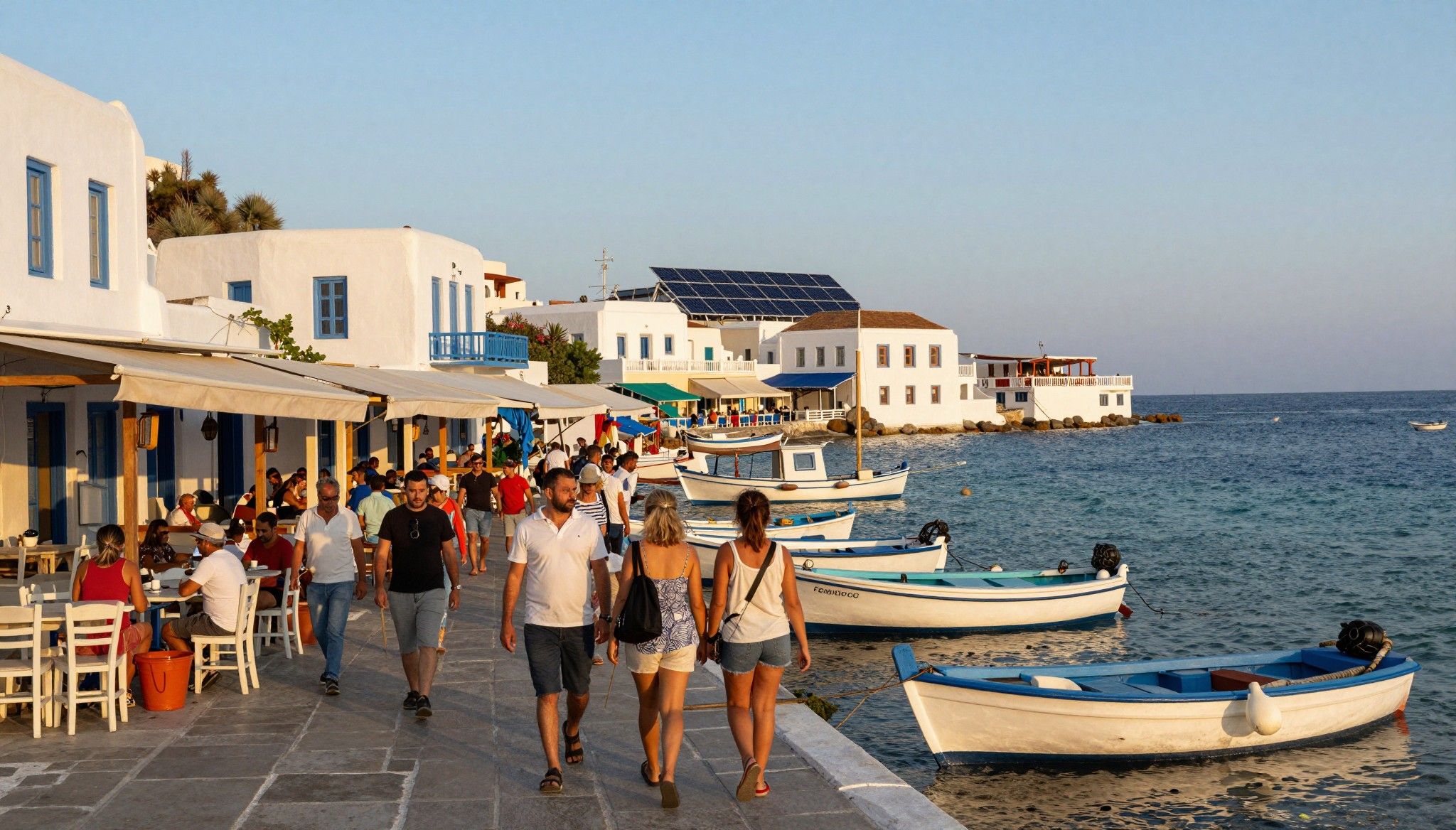
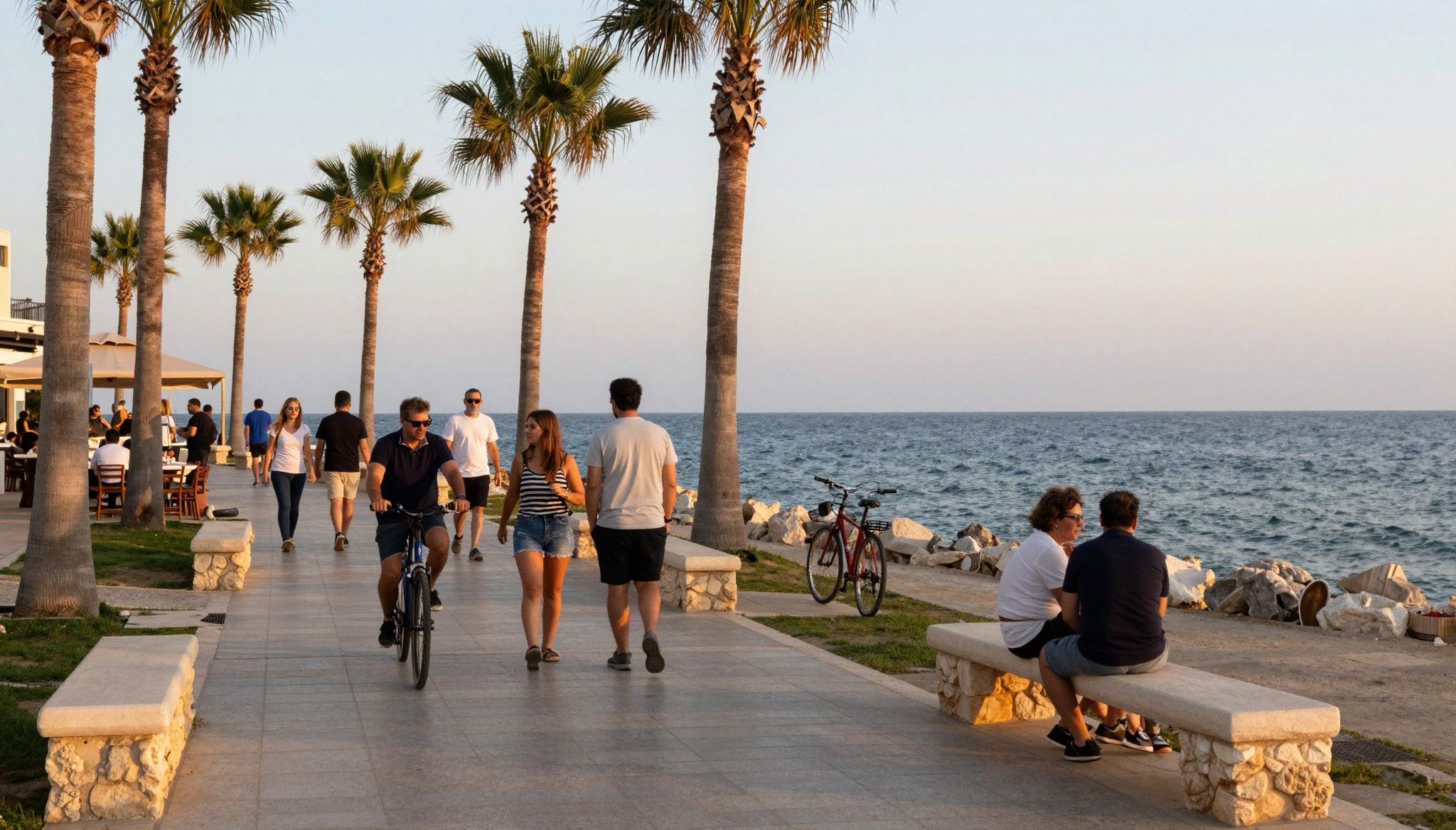
Paphos keeps a village heart — wander Kato Paphos and you’ll find fishermen mending nets beside modern cafés. Limassol hums; Molos waterfront and its cluster of design-forward eateries draw seasonal crowds and year-round expats. Larnaca is quieter, with palm-lined promenades and a growing scene of small, solar-conscious developments aimed at families and remote workers.
Food, markets and the seasons that shape life
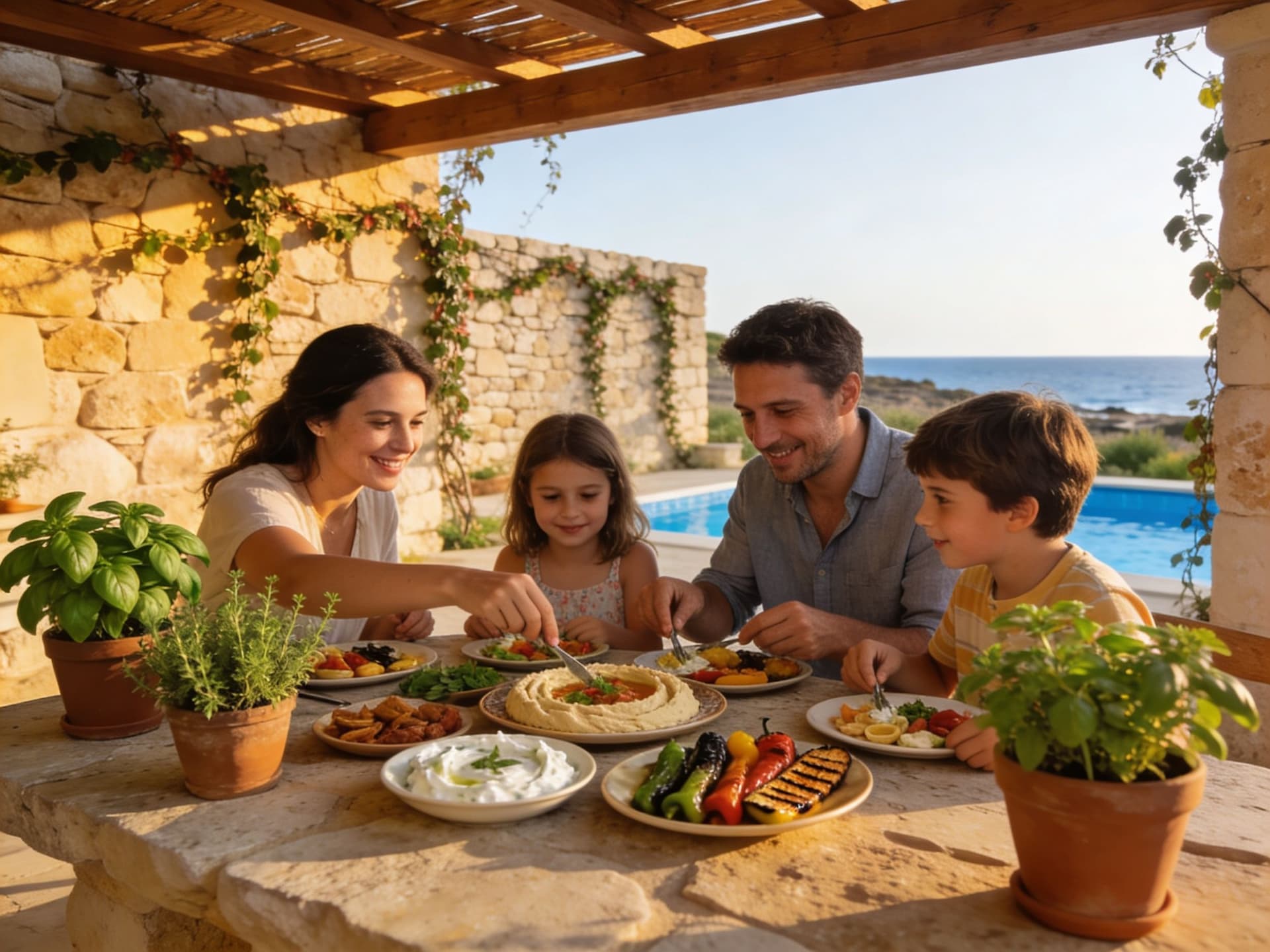
Weekends are for markets: Nicosia’s municipal market brims with citrus and herbs in winter, while coastal towns stage evening fish tavernas in summer. The island’s Mediterranean climate means outdoor living is central to the architecture — terraces, pergolas and courtyards are where family life happens, so consider sun orientation, breezes and shade when choosing a property.
- Lifestyle highlights: espresso on a shaded terrace, Sunday village meze, early-morning market runs, coastal walks on Avdimou beach, olive harvest volunteering in rural communities
From dream to deed: how Cyprus’s rules and finance shape your move
The romance of place meets paperwork early. EU citizens enjoy greater freedom to buy; non-EU buyers currently face formal limits and an application process under the Immovable Property Acquisition (Aliens) Law (Cap. 109). Recent parliamentary debates indicate further tightening of rules to close company-loopholes and protect sensitive land, so your plan should assume checks on ultimate beneficial ownership and possible ministerial permissions.
Mortgage realities and green finance opportunities
Local banks provide mortgages to foreigners, though terms vary by residency, income documentation and the property’s legal standing. The Central Bank reports ongoing credit expansion in housing loans alongside easing interest trends, which is good news for buyers. Equally interesting: several lenders and EU-backed schemes now offer energy-efficiency-linked loans — lower rates or cashback for solar, insulation or efficient heating — turning sustainability choices into financial savings.
- Step-by-step financing checklist: 1) Get a pre-approval from a Cypriot bank and clarify foreign-buyer terms; 2) commission an energy audit early — it can unlock green-loan options; 3) insist on a legal search confirming title and planning permissions; 4) include conditional clauses that protect your deposit if ministerial permission is delayed; 5) budget for transfer fees, VAT where applicable, and smallbacked reserve for upgrades to reach green-loan criteria
Insider knowledge: myths, red flags and contrarian tips
Two myths keep circulating: that Cyprus is uniformly ‘cheap’ and that any sea‑view plot is a safe buy. In reality prices vary sharply — Limassol commands premium per‑square‑metre rates while inland villages can be modest — and legal complexity remains near the divided north, where title disputes continue to surface. Treat any north-of-buffer-zone listing with extreme caution and always verify title through the Republic’s Land Registry.
Neighbourhoods locals prefer that outsiders overlook
Contrary to glossy brochures, some quieter streets offer better long-term living: Agios Tychonas in Limassol gives coastal access without the ultra‑touristy pulse, and Tala above Paphos combines local tavernas with mature gardens and cooler summers. These pockets often have properties with verandas, mature trees and potential for modest retrofits (solar panels, greywater systems) that dramatically improve livability and qualify for green finance incentives.
- Red flags and what to ask: unclear title history, missing planning permits, advertised sea-view on contested land, no energy certificate, seller unwilling to allow a structural survey, offers that push for cash-only deals
Why summer is often the worst time to close
It’s tempting to finalise in sunlit months when the island looks irresistible, but summer slows professional services: municipal offices run reduced hours, and key professionals may be away. For foreigners dependent on fast approvals or title searches, autumn or winter closings are usually smoother — and buying off-peak gives you leverage and time to plan eco-upgrades before the next tourist season.
- Negotiation moves that respect local rhythm: 1) offer a fair deposit with a clear timeline for permission steps; 2) propose a phased completion tied to green upgrades (e.g., agreed instalment on installation of PV panels); 3) use a Cypriot solicitor experienced in Aliens Law; 4) ask sellers for recent utility bills and energy performance certificates
Practical next steps — a sustainable buying checklist
If Cyprus feels right, move with a blend of heart and caution. Start with a short list of neighbourhoods (one coastal, one village, one town), secure a pre-approval, commission a title and planning search, and get an energy appraisal. Talk to lenders about green-loan products and ask your agent to prioritise homes with passive cooling, south-facing terraces and space for solar. These choices steep your purchase in savings, resilience and seasonal joy.
- Immediate actions: visit off-peak to feel real life, verify title at the Department of Lands and Surveys, request recent energy bills and EPCs, ask local expats about neighbourhood tempo, confirm whether the property is eligible for green mortgage incentives
Conclusion: Cyprus asks for slow love. The island rewards those who arrive curious about seasons, neighbourly rituals and sustainable choices. By marrying a lifestyle-first search with careful legal, financial and green planning, you do more than buy a property — you join a living landscape where home supports ecology as much as it shelters life.
Dutch property strategist who helped 200+ families find sustainable homes in southern Europe; expert in legal pathways and long-term stewardship.