Greece: Seasonal Life, Market Reality & Smart Moves
Fall in love with Greece’s seasonal life — then pair that romance with market data and local expertise to buy a sustainable home that suits how you truly live.
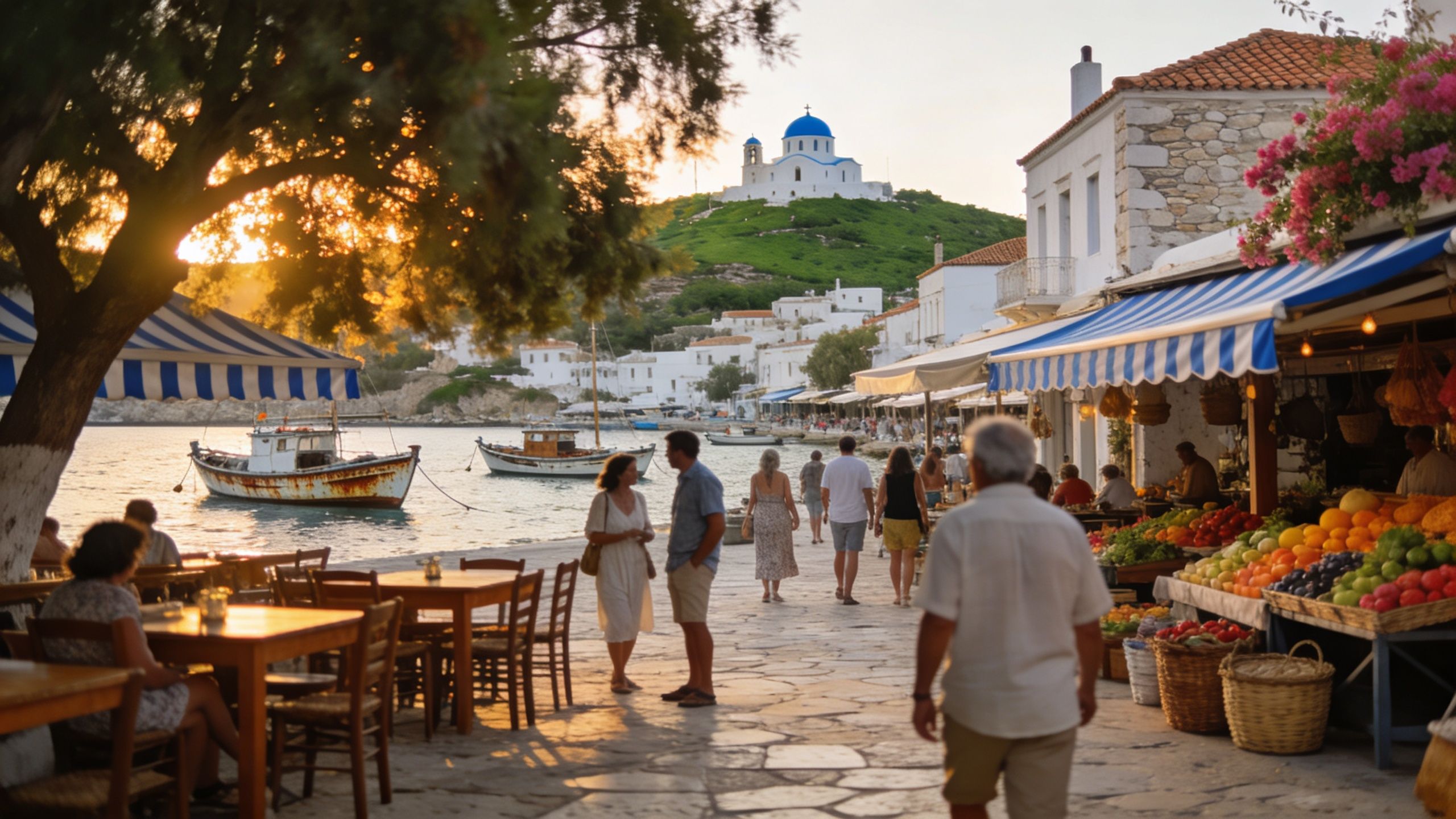
Imagine waking to the scent of orange blossoms, walking to a neighborhood kafeneion for espresso, then letting the sea decide your afternoon. Greece is a place where ordinary days are threaded with ritual, small markets, and hands-on craft traditions — from Thessaloniki’s spice lanes to the stone courtyards of Chania. For international buyers in search of a life embedded in local ecology and seasonal rhythm, the appeal is visceral; yet the property journey needs realism as well as romance. Recent market data shows both opportunity and shifting dynamics for foreigners that are worth understanding before you fall too fast.
Living the Greek life — senses first
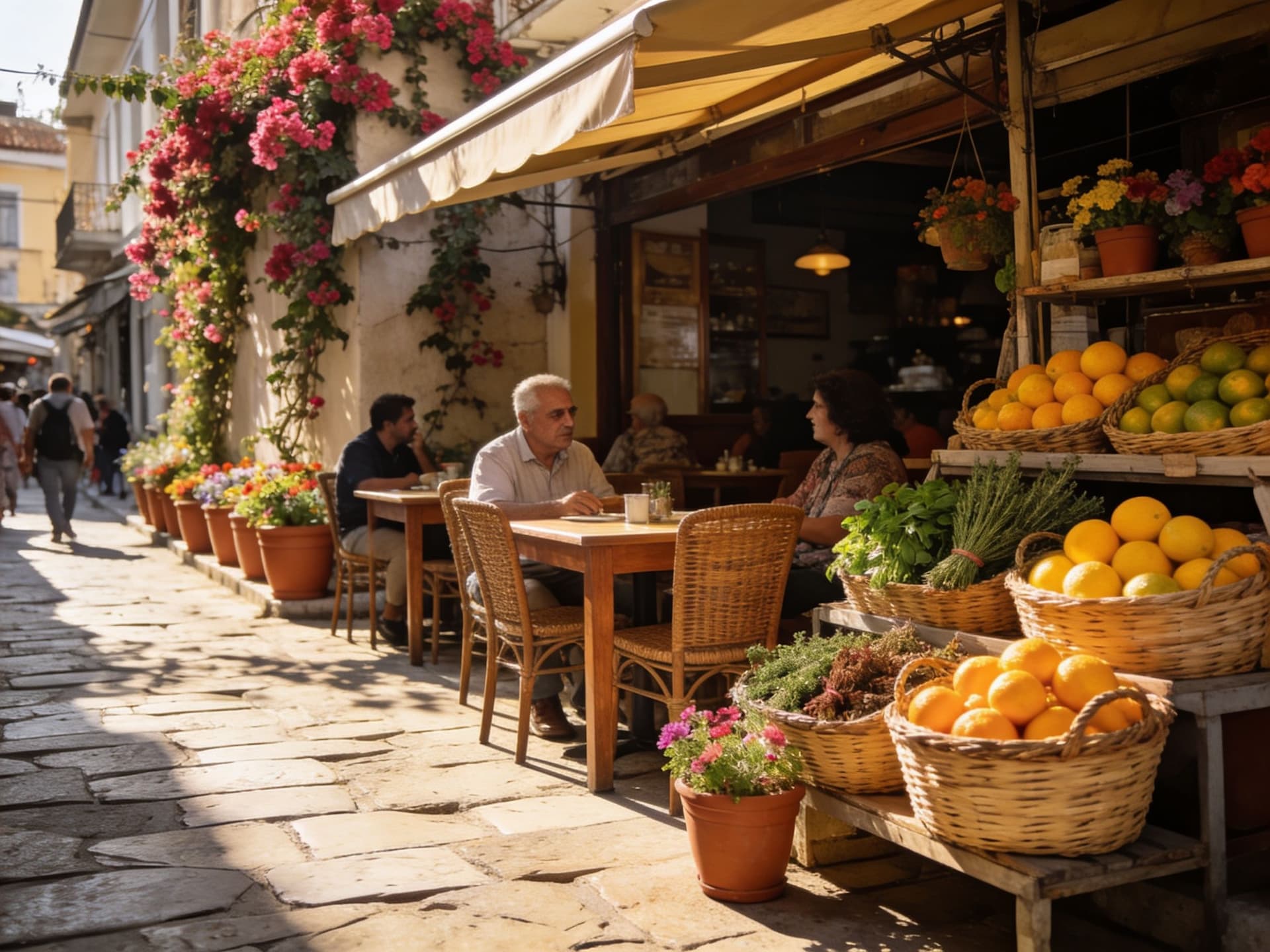
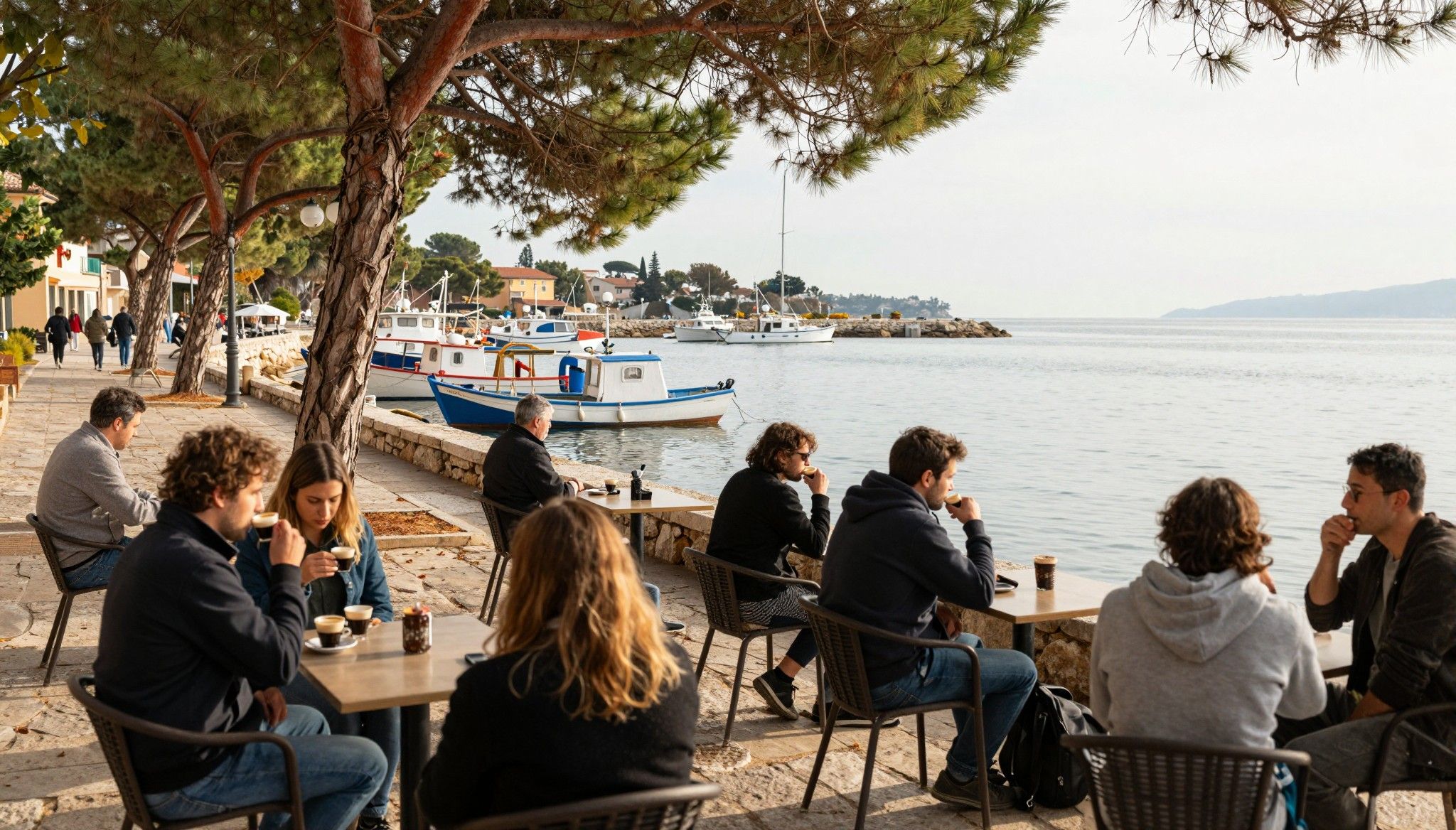
Start with morning routines: espresso at a sun-faded table, bakers delivering koulouri, and the neighbor pruning a potted olive tree. Streets vary dramatically — Athenian neighborhoods hum with cafes and galleries, island lanes smell of salt and herbs, and mountain villages keep time by church bells and seasonal harvests. Seasonal living matters here; winter’s quiet invites woodworking, foraging, and indoor craft, while summer opens the sea and outdoor kitchens. That rhythm shapes what kind of home will feel right: a compact apartment close to café life, or a courtyard house that hosts olives and bees.
Neighborhood notes: from Koukaki to Kythira
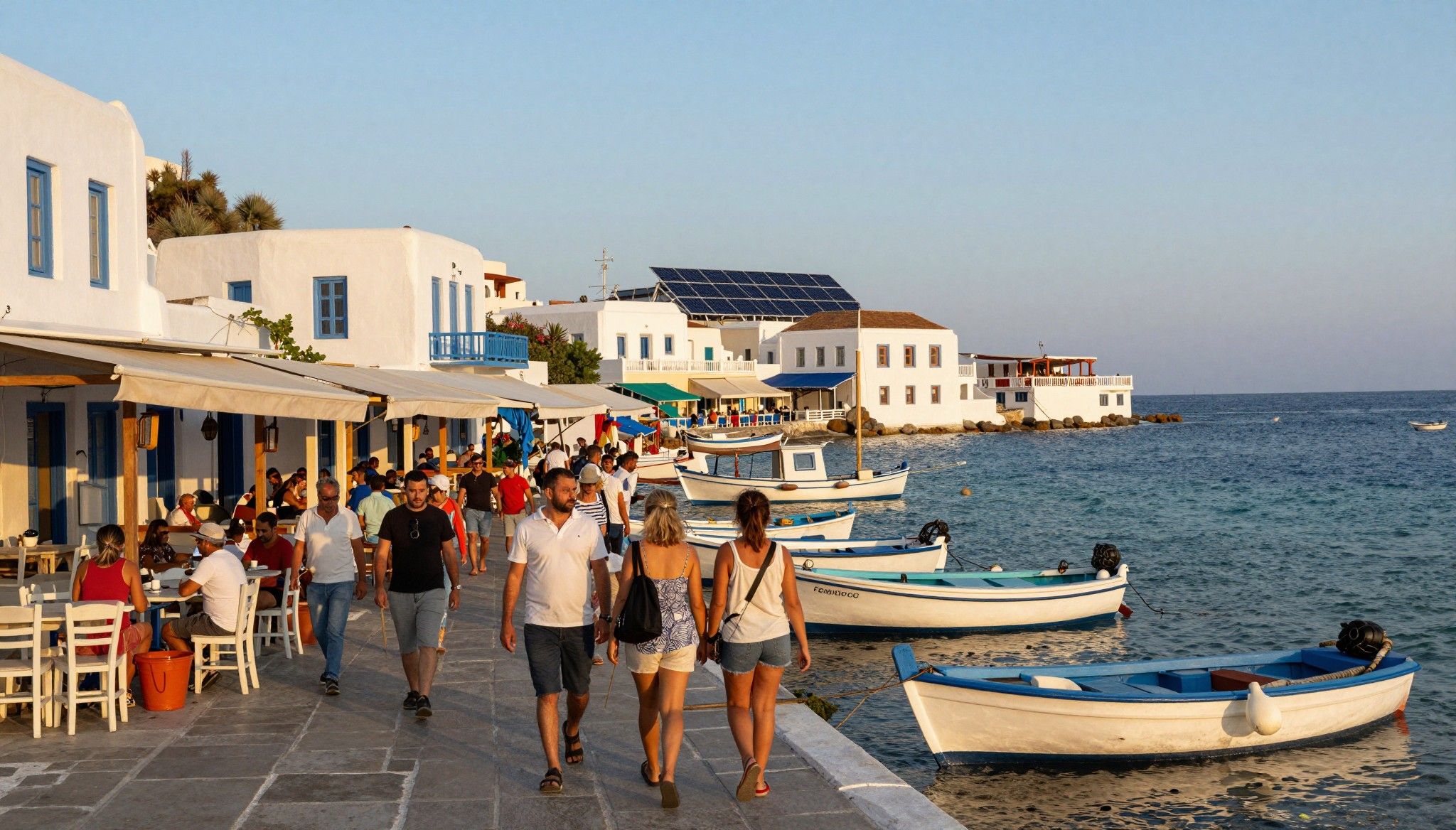
If you picture Athens, imagine Koukaki and Pangrati for walkable streets, small tavernas, and an easy metro ride to the Acropolis. On the islands, places like Naxos and Paros mix working farms with windmills and tavernas serving produce from the same day’s market. Crete’s Chania and Rethymno pair Venetian alleys with fishing harbors and a strong local craft scene — ideal for buyers who want authenticity and year-round life. Each neighborhood carries its own tempo; try living a week as a local before you decide which tempo matches your own.
Food, markets and seasonal rituals
Greece’s daily markets are a classroom in seasonality — figs in late summer, bergamot and citrus in winter, wild greens in spring. Food culture is social and local: lunch can be a slow family affair, while evenings spill into plazas where mezze are shared under plane trees. For a sustainable home life, seek properties with space for a small garden or terraces where you can dry herbs and collect rain. These practical details anchor the romantic image: a roof terrace where you crush olives, a basement for preserving, or a kitchen sized for convivial cooking.
Making the move: lifestyle-minded practicalities
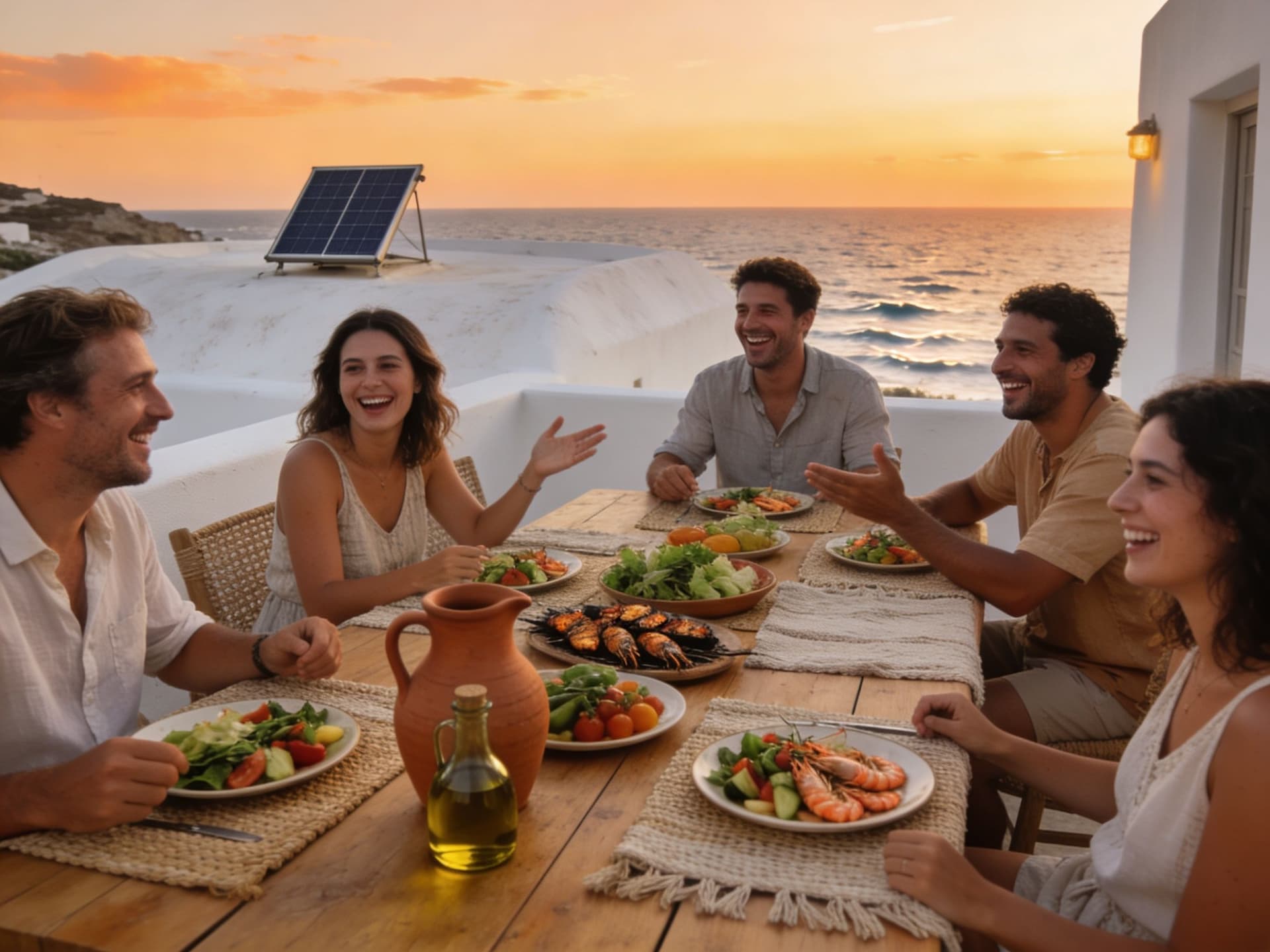
Dreams guide the search, but market realities must shape the offer. In recent years many international buyers chose resale apartments under 100 m² and properties in the €100k–€300k range, preferring location and manageability over grand size. Market inflows have been significant, yet regional divergence is real: Athens and Thessaloniki behave differently from remote islands. Use a local agent who knows both lifestyle fit and the micro-market — they will help you translate a courtyard’s charm into resale risks, permit histories, and seasonal maintenance needs.
Property types that match green-living days
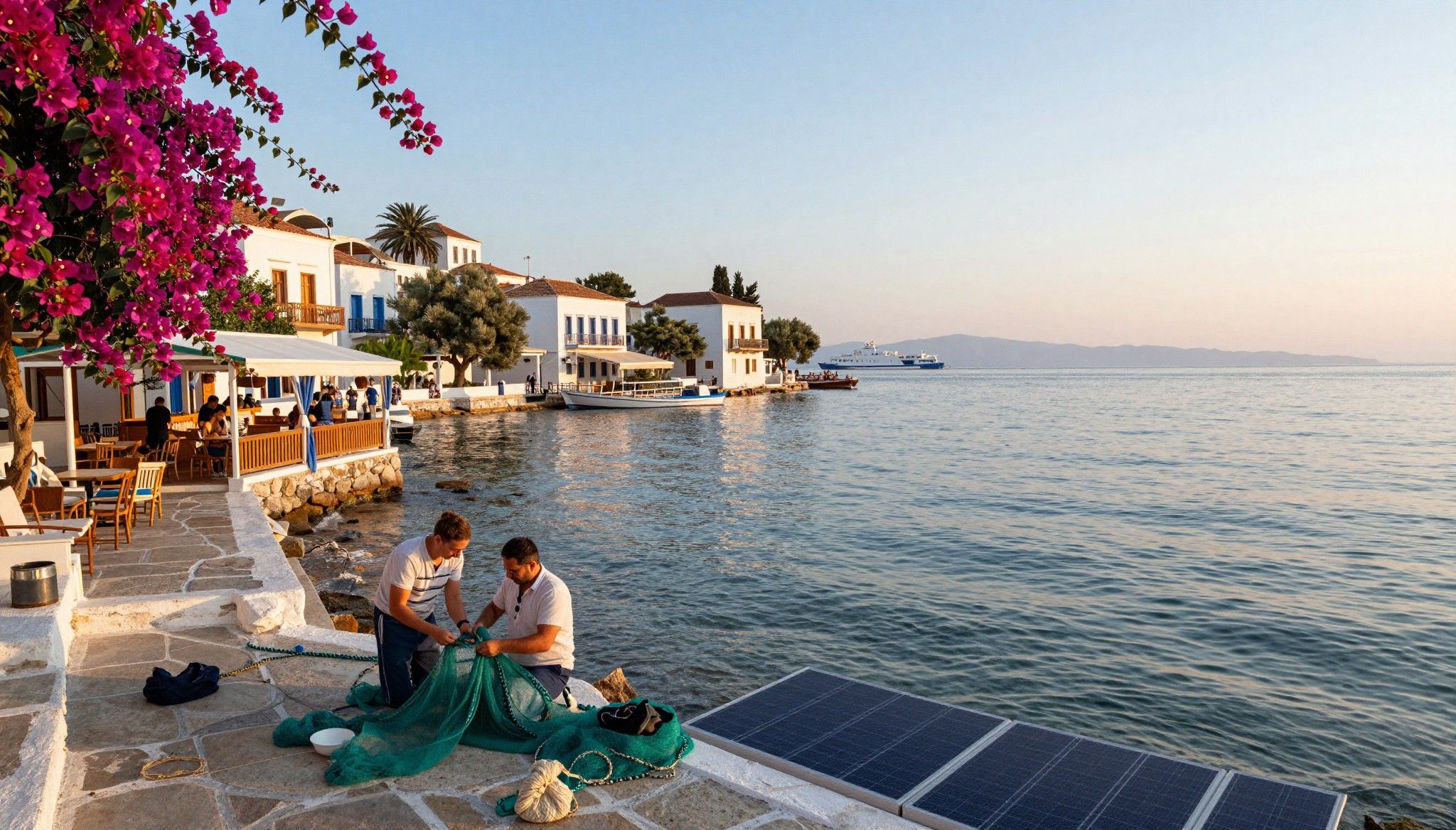
Stone village houses with thick walls naturally regulate temperature and feel deeply rooted in local craft traditions, perfect for buyers who value low-tech sustainability. Apartments in historic centers give daily walkability and access to markets, cafés, and community life, but require attention to common-area energy upgrades. New A+ builds promise insulation, solar readiness, and modern systems — they cost more but cut running costs and support year-round comfort. Match the property’s ecological advantages to the life you want: winter woodstove evenings or sunlit terraces for summer dining.
Working with local experts who know the rhythm
A trusted local agency is your translator — of neighborhoods, craftsmen, and municipal quirks. They’ll advise on energy upgrades that are common in Greek retrofits, local artisans for lime plaster or traditional roof repairs, and regulatory shifts like short‑term rental rules that affect income potential. For residency questions, programs such as the investment-based residence permit have historically attracted buyers; always check the latest thresholds and conditions with specialists. Good agencies combine lifestyle curation with rigorous due diligence so your dream home is also a sustainable one.
Insider knowledge: trade-offs locals live with
Expats often tell a similar story: the first year is enchantment, the second year is paperwork, and the third is learning where the quiet spots are. Expect infrastructure trade-offs — remote villages offer quiet and land for gardens but can lack broadband or year‑round services; islands bloom in summer but quieten in winter. Recent policy debates on short‑term rentals show how regulations can reshape neighborhoods; areas once dominated by vacation lets are shifting back toward residents in response to reform. Knowing these rhythms helps you choose not just a house, but a community to steward.
Cultural cues and how they change where you live
Greeks prize presence: shared meals, neighborly visits, and hospitality shape social life and even property layouts, where large kitchens and shaded courtyards matter. Language matters less than effort — learning a few phrases and attending local festivals opens doors faster than perfect fluency. Respect for local craft and land stewardship is appreciated: hiring local masons, planting native species, and supporting seasonal markets weave you into community life. These small choices also raise your property’s long-term resilience and local goodwill.
- Lifestyle-proof checklist before you buy
1. Spend at least two different seasons living in your chosen town to test the rhythm. 2. Verify water, waste and broadband reliability with your agent — remote charm can come with service trade-offs. 3. Inspect for passive features: thick walls, shutters, terraces for summer shade, and solar-ready roofs. 4. Ask neighbors about short-term rental pressure and municipal plans that may change neighborhood character. 5. Meet a local craftsman: restoration skills keep character alive and maintain resale value.
Conclusion — the kind of life your home should enable
Greece offers a life where seasons set the pace and community forms the architecture of days. Let your property choice reflect how you want to spend mornings, harvests, and slow dinners rather than only metrics and yields. Work with agencies that speak the language of place — those who value green retrofits, local craft, and regenerative thinking will guide you toward homes that feel like belonging. When you combine sensory curiosity with careful local research, you end up with not just a house, but a stewardship project that grows more meaningful each year.
Norwegian market analyst who relocated from Oslo to Provence; guides investors with rigorous portfolio strategy and regional ecological value.