Italy’s Green Rhythm: Lifestyle Wins & Practical Checks
Italy pairs sensual everyday living with rapid renewable growth — buy with a lifestyle-first lens and plan phased green upgrades backed by local experts.
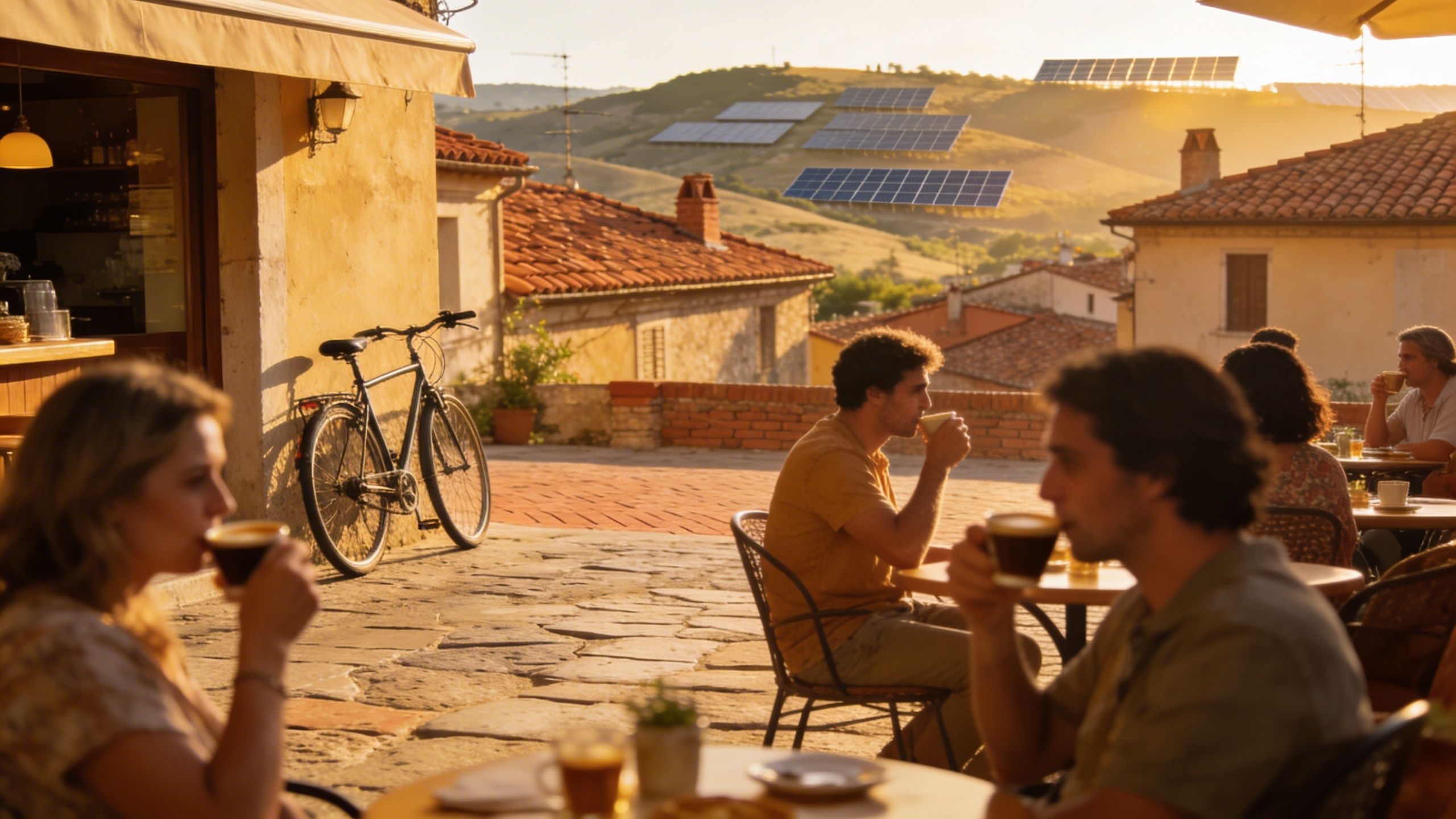
Imagine sipping an espresso under a plane tree in a stone piazza as a small electric van hums past and the café’s rooftop panels glint in the sun. In Italy the romance of slow mornings and market days sits beside a very modern story: roofs, fields and coastlines are quietly producing more of the country’s power. That everyday pairing — old-world texture and new-world energy — is the heart of why buying here feels like joining a living system, not arriving at a postcard.
Living the Italy lifestyle: rhythms, tastes and green seams
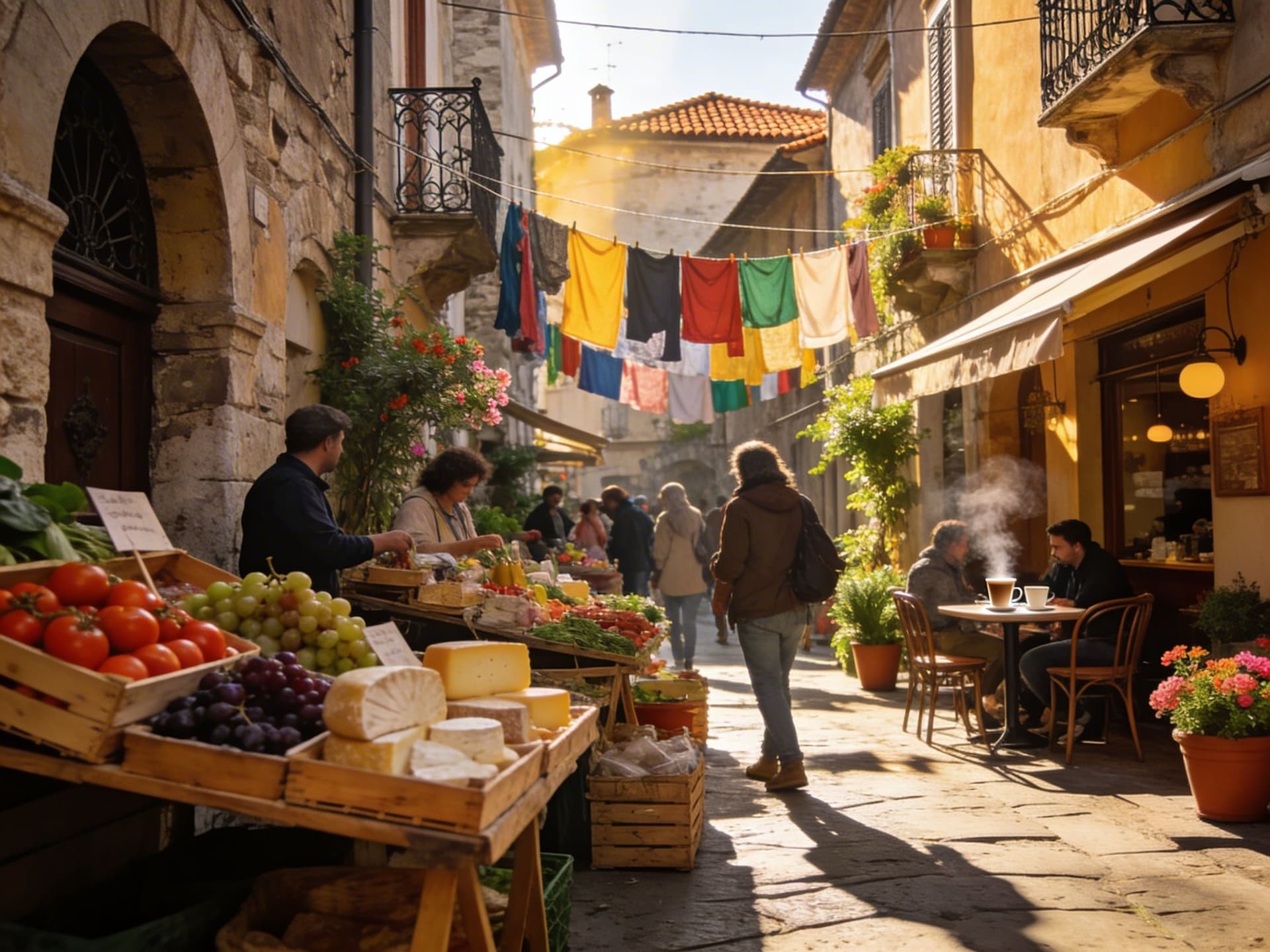
Daily life here moves with the seasons: early-market mornings in Campo de' Fiori, golden-hour walks along Amalfi’s cliffs, Sunday barbecues after harvesting late-summer tomatoes from a terrace garden. But increasingly those terraces, clay tiles and farm sheds wear solar like a second skin — Italy added gigawatts of PV capacity in recent years, changing how homes perform and what to expect from energy bills. For the international buyer, that means lifestyle and running-cost wins often come bundled together.
Neighborhood spotlight: Florence’s Oltrarno and coastal towns like Cefalù
In Oltrarno you’ll find cobbled lanes, artisans’ workshops and shutters that open onto lemon-filled terraces — a life stitched into community rhythms. Coastal Cefalù, by contrast, pairs sandy coves with fisherfolk markets and olive groves climbing toward hilltop hamlets. Both places prize intimacy with place: local food, shared piazza life and practical adaptations — like pergolas for shade and rainwater barrels — that make green living tactile and pleasurable.
Food, movement and seasonal patterns
Picture a day: a quick morning coffee, the market for seasonal produce, an afternoon of cycling through vineyards or a seaside swim, then an evening aperitivo with neighbors. Seasonal festivals — truffle fairs in Piedmont, grape harvests in Tuscany — are not just spectacles but community economies that shape when homes are lived in, rented and serviced. For buyers wanting an integrated, low‑impact life, these rhythms are as important as square meters.
- Lifestyle highlights: local places and practices to love
- Morning markets — Campo de' Fiori (Rome), Mercato Centrale (Florence), Ballarò (Palermo) — where seasonality drives menus and garden planning.
- Neighborhood cafés and bottegas: find community bulletin boards, shared vegetable plots, and local repair workshops that extend a home’s life.
- Coastal paths and mountain trails — daily movement that encourages smaller, walkable properties with outdoor rooms rather than expansive, energy‑hungry estates.
Making the move: practical considerations that keep the dream rooted
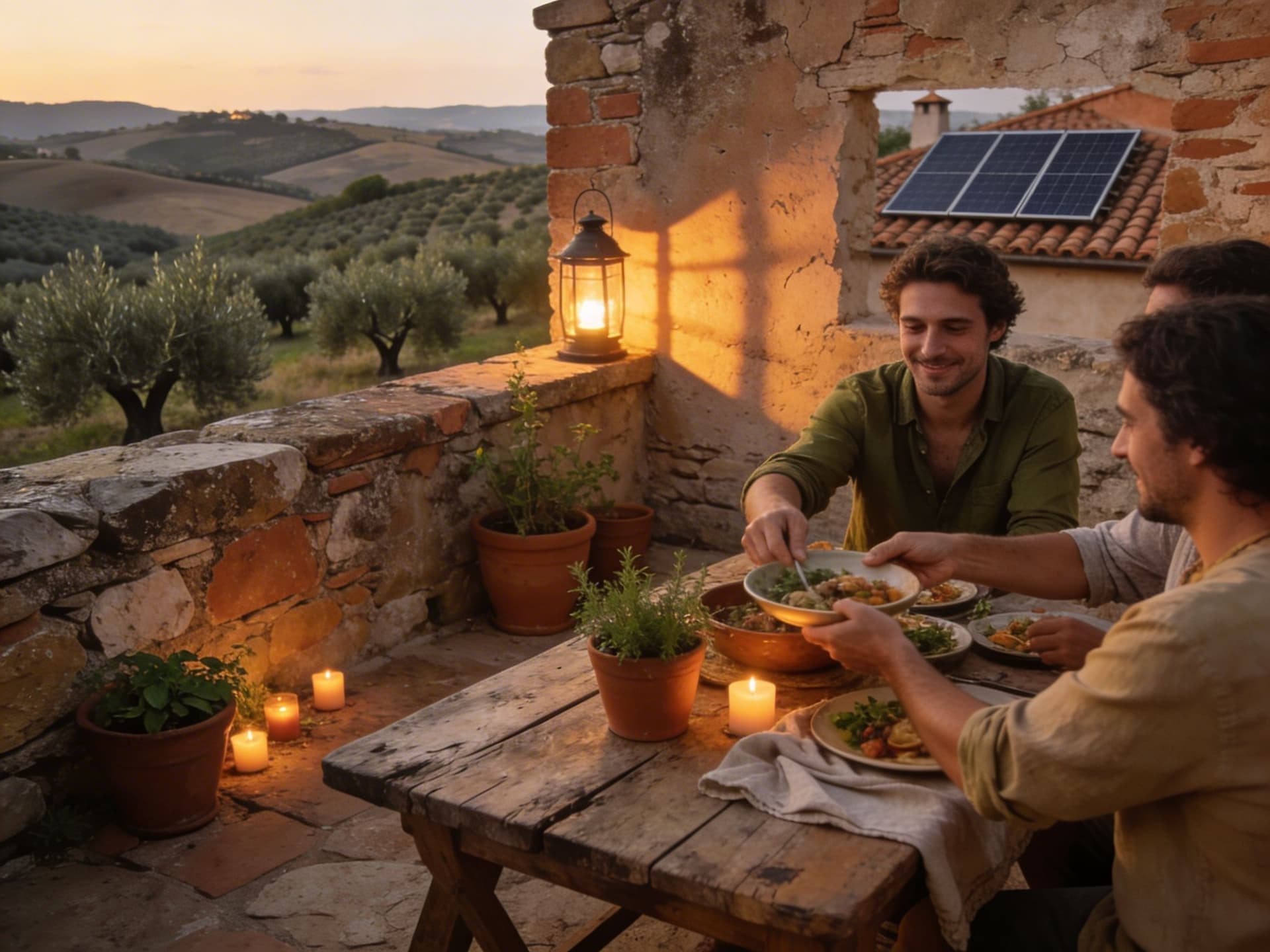
Dreams need scaffolding. As renewables claim a larger share of Italy’s grid and solar capacity surges, buyers should weigh running costs, grid stability and how a property’s fabric supports seasonal living. New solar or efficient heating can transform an old stone house from charming but costly to pleasantly self‑reliant. Recent national data show renewables covering a record share of electricity, which changes the economics of an eco‑minded purchase and the types of upgrades that deliver real comfort.
Property styles and what they mean for daily life
From medieval apartments in historic centers to farmhouse restorations in Umbria, each asset class has green tradeoffs. Old town flats are inherently low‑impact thanks to scale and walkability but often need careful insulation and modern heating systems. Country farmhouses offer space for gardens, solar and battery systems but demand attention to water management and biodiversity-friendly landscaping. Recent PV surveys underline that residential solar remains a meaningful advantage where roof orientation and local rules allow it.
Working with local experts who understand lifestyle and green infrastructure
- How local agents add value: 1) They translate local building customs into realistic renovation timelines and budgets; 2) they reveal municipal incentives and permit quirks for solar, batteries and rainwater systems; 3) they connect you to craftspeople who respect traditional materials while improving energy performance; 4) they surface off‑market opportunities where owners want buyers who will steward the land.
Insider knowledge: the things expats wish they'd known sooner
Expat communities often tell the same stories: that language is a bridge, not a barrier; that being present for harvest or local festivals deepens ties; and that small investments in insulation, shutters and efficient heat make daily life exponentially better. Many buyers overestimate the glamour and underestimate the seasonal chores — garden pruning, tile repairs, and the slow bureaucracy around heritage façades.
Cultural integration and daily social life
Make friends at a market stall, a volunteer olive harvest, or a neighborhood bocce court. Learning a few phrases unlocks invitations to dinners where recipes, seeds and tips on winterising a terrace are exchanged freely. This is where sustainability becomes social practice: composting lessons from a neighbor, shared tool sheds, and cooperative planting projects often outlive policy as drivers of low‑impact living.
Longer view: how your life and the place will evolve
Italy’s transition to renewables and its embrace of retrofit culture mean a bought house is rarely static. Over five to ten years expect neighbors to add panels, municipalities to tighten energy performance standards, and community-led green projects to increase local amenity value. Buyers who plan for incremental upgrades — a phased PV+battery then insulation and water harvesting — find the greatest lifestyle return on investment.
- Red flags and practical checks before signing
- Unclear roof rights or heritage restrictions that block solar or pergola installation.
- Old heating systems with high running costs — ask for recent energy bills and contractor quotes.
- Water access and local regulation for wells and irrigation — important for gardens and orchards.
- Proof of recent structural and termite inspections in rural properties.
Conclusion: fall in love, then plan with care. Italy offers a life where sensory richness and low‑impact living sit side by side — a sunwarmed terrace, a productive olive tree, neighbours who swap preserves and tools. Start by deciding which daily rhythms matter most, then work with an agent who sees the property as part of a landscape and community. Ask about recent energy upgrades, local rules for solar and water, and a phased retrofit path: the right planning turns romance into a durable, sustainable home.
Swedish advisor who left Stockholm for the Costa Brava in 2019. Specializes in sustainable, sea‑view homes for Scandinavian buyers and green finance insights.