France: How Green Loans Turn Lifestyle into Home
How to blend French lifestyle with green financing: eco‑PTZ, MaPrimeRénov', local red flags and practical steps for international buyers.

Imagine waking to the smell of fresh croissants on Rue des Abbesses, then slipping upstairs to review a renovation quote for a limestone cottage outside Aix. In France the art of daily life is threaded through markets, cafés and seasons, and that rhythm changes how you buy. Recent market analysis shows the national market stirring back to life, and with it a new attention on financing that rewards energy upgrades. For international buyers who care about sustainability, understanding green loans, state grants and local habits turns a dream into a resilient home.
Living France: rhythm, neighborhoods and seasonality
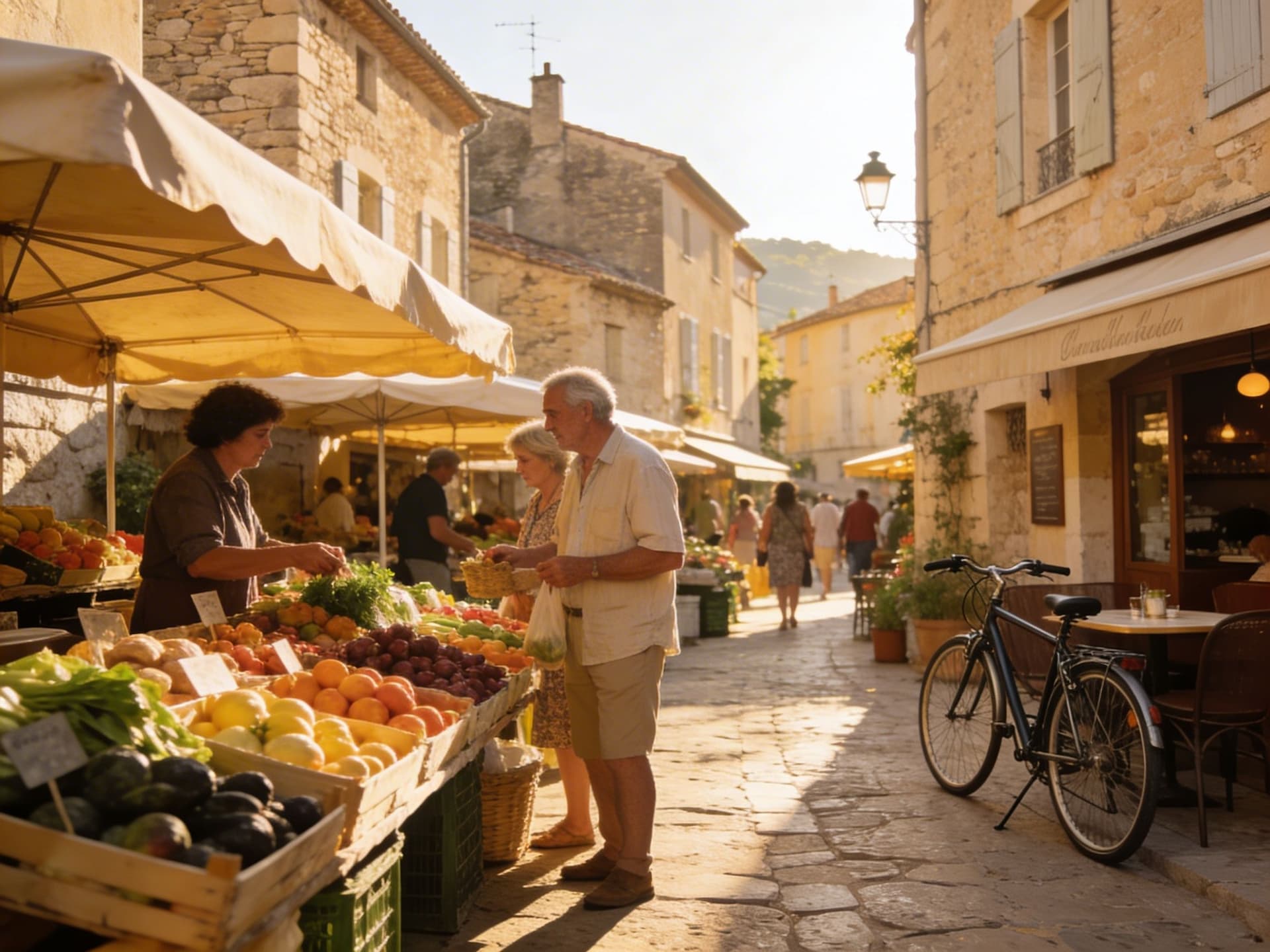
France is not a single scene but a mosaic: morning markets in Lyon, salt-sweet wind on the Île de Ré, slow cafés in the Marais. Everyday life is tactile — bread steam, shop shutters, village fêtes — and that texture shapes where buyers want to be. When you think 'France' for sustainable living, picture stone walls with thick insulation, small orchards, and community gardens rather than anonymous new-build blocks. Those sensory cues also point to practical choices: older homes often need energy work, and rural life asks for different financing than a city flat.
Parisian corners and provincial calm
In Paris, arrondissements differ by light and habit: Saint‑Germain for slow lunches, Belleville for a multicoloured street life, and the 7th for classical facades. Outside the city, Provençal lanes, Breton coasts and Dordogne valleys offer gardens, wood-burning stoves and space to grow food. Each place trades off transit and services for ecological benefits — sun for solar panels, sheltered north walls for moss and cool basements. If you crave a vegetable plot and native hedges, rural villages will fit; if you want short daily walks to culture, inner-city neighborhoods win.
Food, markets and the slow calendar
Weekends are for markets: salmon-sellers at Marché des Enfants Rouges, mushrooms in Perigord, and the almond-scented stalls of Nice. Dining rhythms influence property life — kitchens become central stages and storage for preserves matters. Seasonal life affects heating needs and renovation timing: ambitious insulation projects are best planned in spring or early autumn when artisans are available and grants are active. For buyers, lifestyle choices will ripple into what financing or green incentives you pursue.
Money that grows your home: green loans, grants and timing
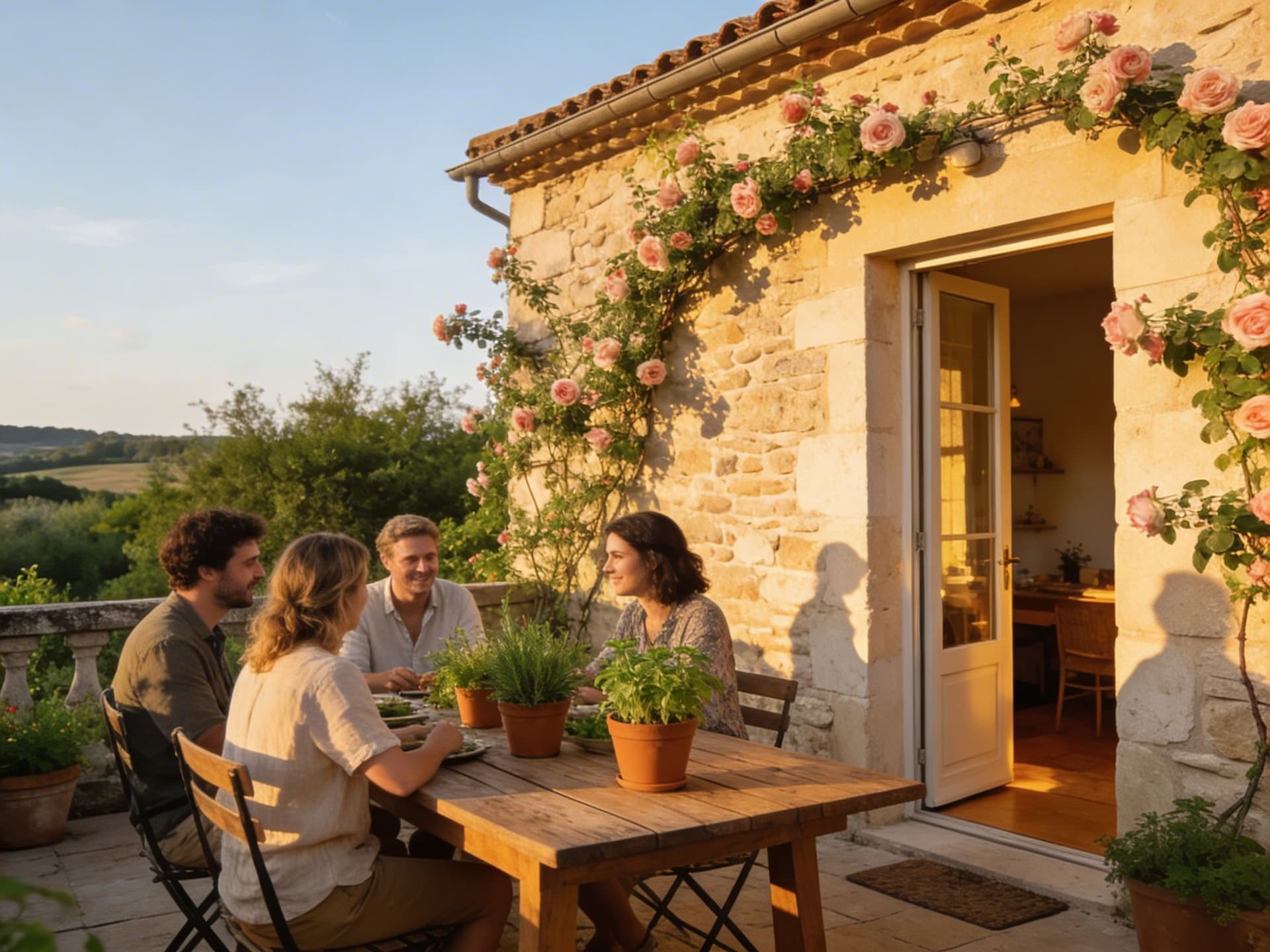
France offers a layered patchwork of green financing: the eco‑PTZ (zero-interest eco loan) to finance energy works, MaPrimeRénov' grants for renovations, and bank 'prêt vert' offers that reward energy-efficient homes. These programs can stack — eco‑PTZ is often used alongside MaPrimeRénov' — but rules change, so planning matters. For internationals, proving residency or rental intention can affect eligibility; lenders and advisors will map which combination fits your purchase and renovation plan. Use official guidance and local advisors to secure the best package.
What eco‑PTZ and MaPrimeRénov' actually do for you
The eco‑PTZ is a no‑interest loan for energy works that can reach sizable amounts and, since 2025, its eligible works have been harmonized with MaPrimeRénov' criteria. MaPrimeRénov' targets poorer energy performers and helps reduce the owner's outlay for insulation, heat pumps and more. Together they lower monthly costs and raise home comfort — a practical win and a green value-add when you resell. Keep in mind: works usually must be carried out by RGE‑certified professionals and documentation (audit, DPE) is central to applications.
Steps to blend green finance with your purchase
Obtain an energy diagnostic (DPE) or audit to understand baseline performance and the most impactful works.
Get quotes from RGE artisans and confirm eligibility for eco‑PTZ or MaPrimeRénov' before signing a sale or loan.
Ask your notaire and bank about timing: some grants require works to begin within a set window after purchase and notarised proof.
Structure borrowing to separate purchase mortgage and renovation credit where useful — eco‑PTZ can complement an existing mortgage without increasing interest cost.
Insider knowledge: cultural quirks, red flags and local experts
Expats often romanticize stone façades and open terraces, but the real vote of confidence is local expertise. Notaires and local agents not only handle contracts; they translate municipal rules, co‑ownership quirks and energy obligations. Watch for moisture in basements, poorly documented extensions, or outdated electrical systems — these are pragmatic red flags that can make green upgrades costlier than expected. A local agent with eco‑project experience and a notaire who understands renovation grants will save weeks of paperwork and unexpected bills.
How local agencies earn their keep
An agency steeped in local life points you to neighbourhood suppliers of reclaimed stone or architects who specialise in passive retrofits. They can also spot neighbourhood microclimates that favour solar or geothermal options. For international buyers, agencies that speak your language and can coordinate audits, RGE contractors and notaires are priceless. Prioritise agencies with case studies of energy renovations — it signals practical experience, not greenwashing.
Quick red flags to check before you love a listing
No recent DPE (energy diagnostic) or conflicting energy certificates; you’ll need a baseline to plan works.
Unlicensed or undocumented extensions — these can block grants and complicate notarised deeds.
Sellers who resist providing invoices or warranties from prior work; missing paperwork creates hidden costs later.
No local contacts — if the agent can’t introduce an RGE supplier and a notaire quickly, proceed with caution.
Buying in France is as much about embracing a new daily rhythm as it is about spreadsheets. When your bank, notaire and a green-savvy agency align, financing and compliance become conduits to a home that breathes with the land. Start with a clear lifestyle brief (how you want to live daily), then map financing to that brief: which grants to apply for, what loan structure keeps monthly costs sensible, and which renovations return both comfort and resale value. The right local team will turn seasons, markets and regulations into a sustainable roadmap.
Practical next steps
Draft your lifestyle wishlist — heating, garden, proximity to markets — and get a pre‑approval from a French bank that understands international buyers.
Commission a DPE/audit for any property you seriously consider, then seek RGE quotes to estimate renovation budgets and grant eligibility.
Speak with a notaire before signing to clarify tax timing, inheritance implications and whether the property’s legal status affects green grant access.
In France, a home is as much a relationship with place as it is an asset. If you begin with the life you want — markets, quiet mornings, a garden that hums with bees — financing and compliance become tools to steward that life. Reach out to an agent who knows the neighbourhood rhythms and green pathways; they translate the municipal rules and state programs into something you can action. Take a slow, sensory first step: visit a market, meet an RGE artisan, then sign with full eyes.
Norwegian market analyst who relocated from Oslo to Provence; guides investors with rigorous portfolio strategy and regional ecological value.