Why France’s ‘Expensive’ Image Hides Seasonal Value
France’s price reputation hides regional and seasonal value. Use off‑peak visits, eco‑loans (éco‑PTZ, MaPrimeRénov’) and local expertise to convert cost into lasting sustainable value.
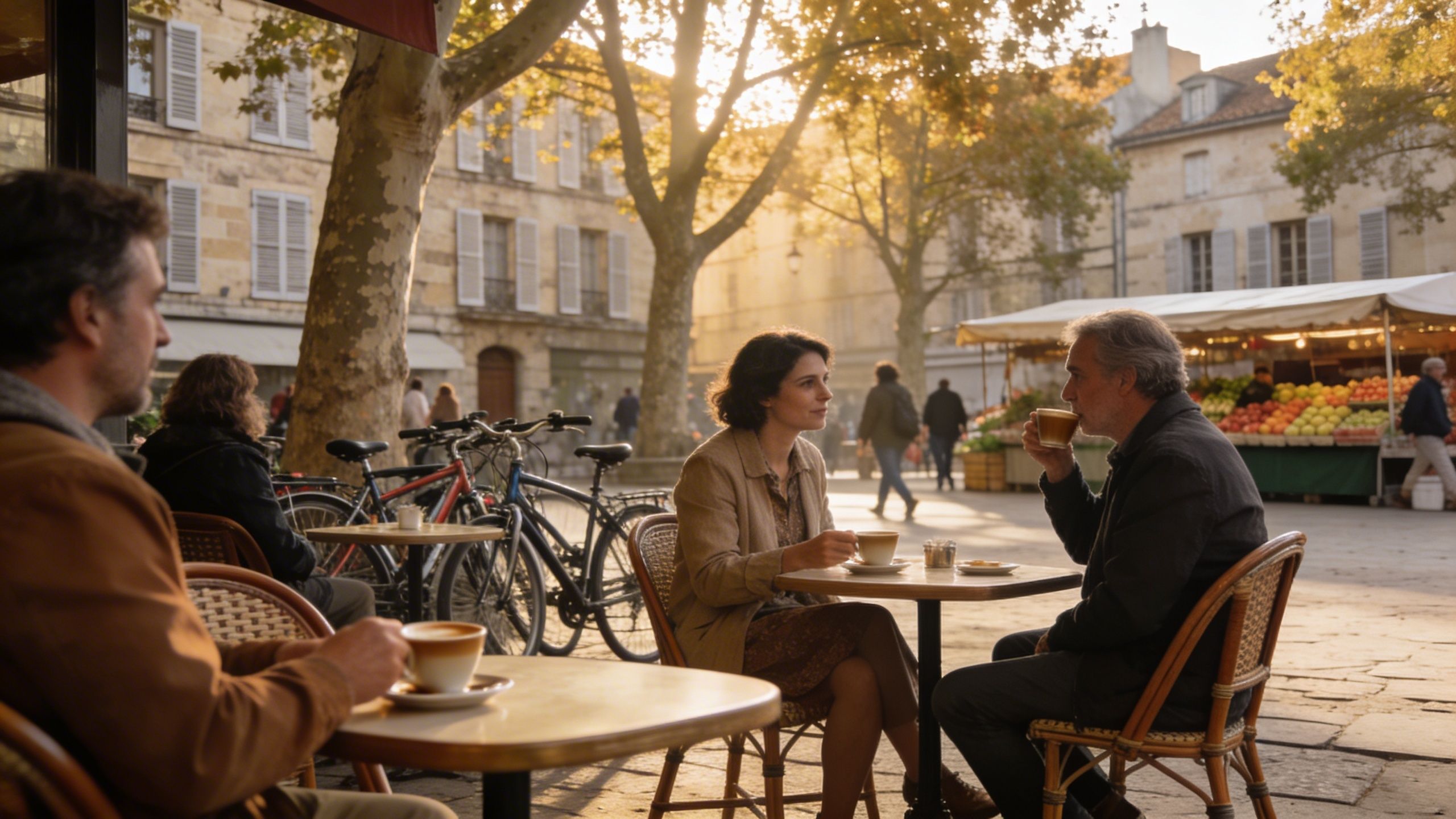
Imagine the slow, golden light over a Provençal market at dawn: crates of figs, a baker signing the air with warm bread, and neighbors trading gossip beneath plane trees. In France, life still moves around food, seasons and small rituals, and that rhythm reshapes how value appears in the property market. Recent market analysis shows prices stabilising after a dip, which means the oft-repeated line “France is too expensive” misses a seasonal, regional and sustainability-shaped story. If you look beyond Paris and the Riviera at the right time of year, opportunities — especially for buyers focused on green renovation and long-term stewardship — quietly emerge.
Living Frenchly: light, rhythm and the places that hold them
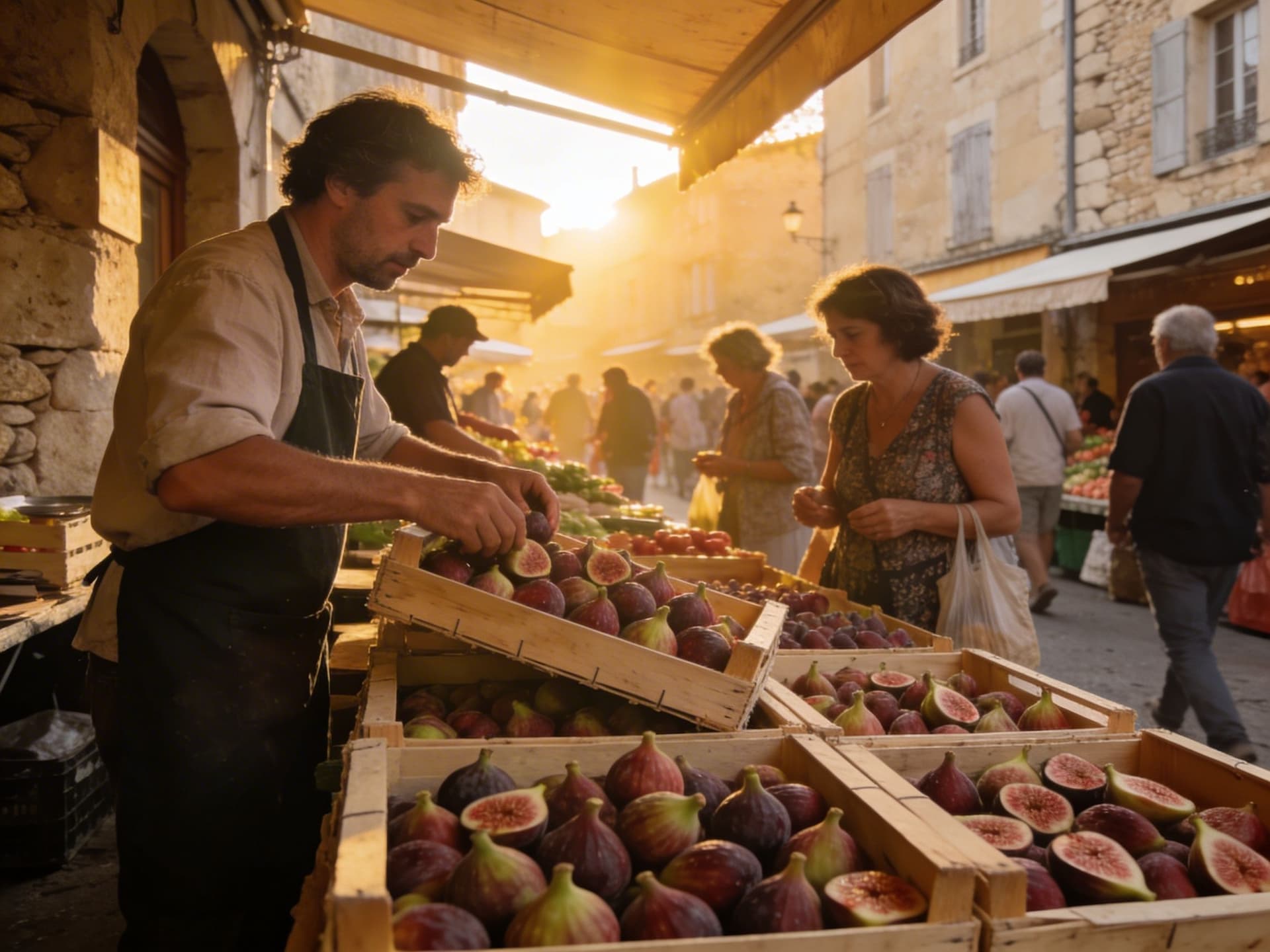
France is not one mood but a chorus: the surf hum of Hossegor, the lavender breath of Luberon, the hushed stone courtyards of Carcassonne. Living here means mornings at marchés, long afternoons in cafés, and evenings where a simple terrace meal feels like ritual. For international buyers who dream of a life integrated with landscape, the country offers neighborhoods that read like lifestyle chapters — from Parisian passages lined with second‑hand books to Breton harbors smelling of seaweed and diesel. That sensory variety also explains why price labels can mislead: what’s expensive in Paris may be comparatively gentle in rural Nouvelle‑Aquitaine or parts of Occitanie, and seasonal demand amplifies apparent scarcity.
Neighbourhood spotlight: Saint‑Jean‑de‑Luz to Montparnasse
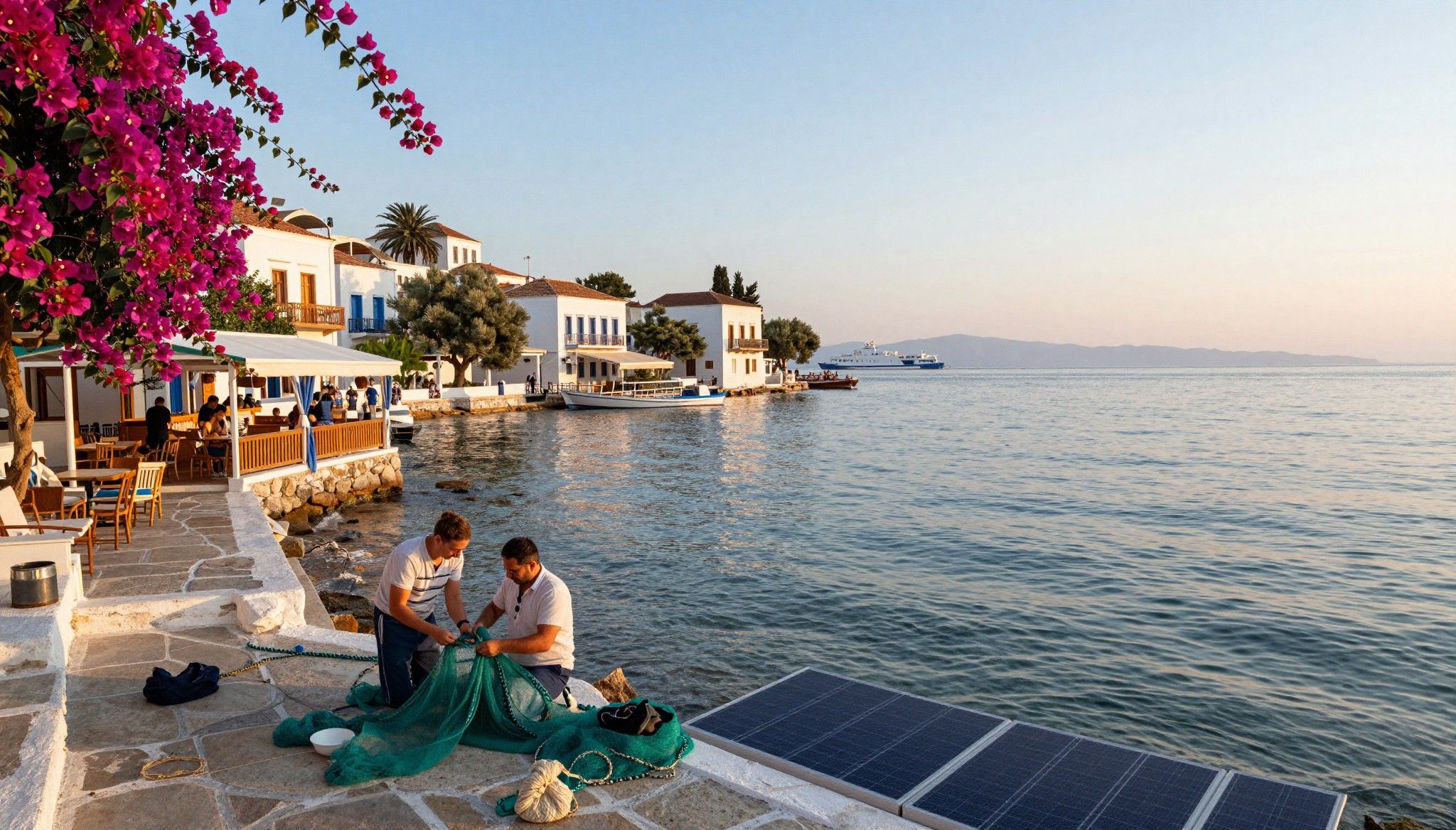
Head to Saint‑Jean‑de‑Luz at sunrise and you’ll see fishermen mending nets and locals buying the day’s catch — a daily rhythm that elevates small seafood houses and modest villas with ocean views. Contrast that with Paris’s Montparnasse, where narrow streets hide art deco apartments and late‑night crêperies; the cost per square metre there reflects density and cultural premium rather than a universal ‘France tax’. For buyers, the lifestyle question — which morning ritual do you want? — is more useful than a headline price number. Pick a neighbourhood for what it gives you every day, not just for its resale headline.
Food, seasons and small economies
Markets define more than menus: they shape where bakeries survive, where local produce keeps houses occupied seasonally, and where community life persists through winters. Regions with active seasonal economies — Dordogne truffle circuits, Provence harvest weekends, coastal surf towns — often present off‑peak windows where negotiating power increases. For eco‑minded buyers, this is doubly important: you can find properties that already include or can be upgraded with solar, insulation and water‑wise landscaping at prices that allow investment in genuine sustainability rather than token gestures.
- Markets and moments to experience life here
- Marché Forville (Antibes) — morning bustle, local fish stalls and an easy walk to seaside homes
- Rue Mouffetard (Paris) — old‑world cafes and small flats where life spills into the street
- Place du Palais (Avignon) during festival month — cultural energy that supports short‑let income for owners
Making the move: money, green loans and realistic trade‑offs
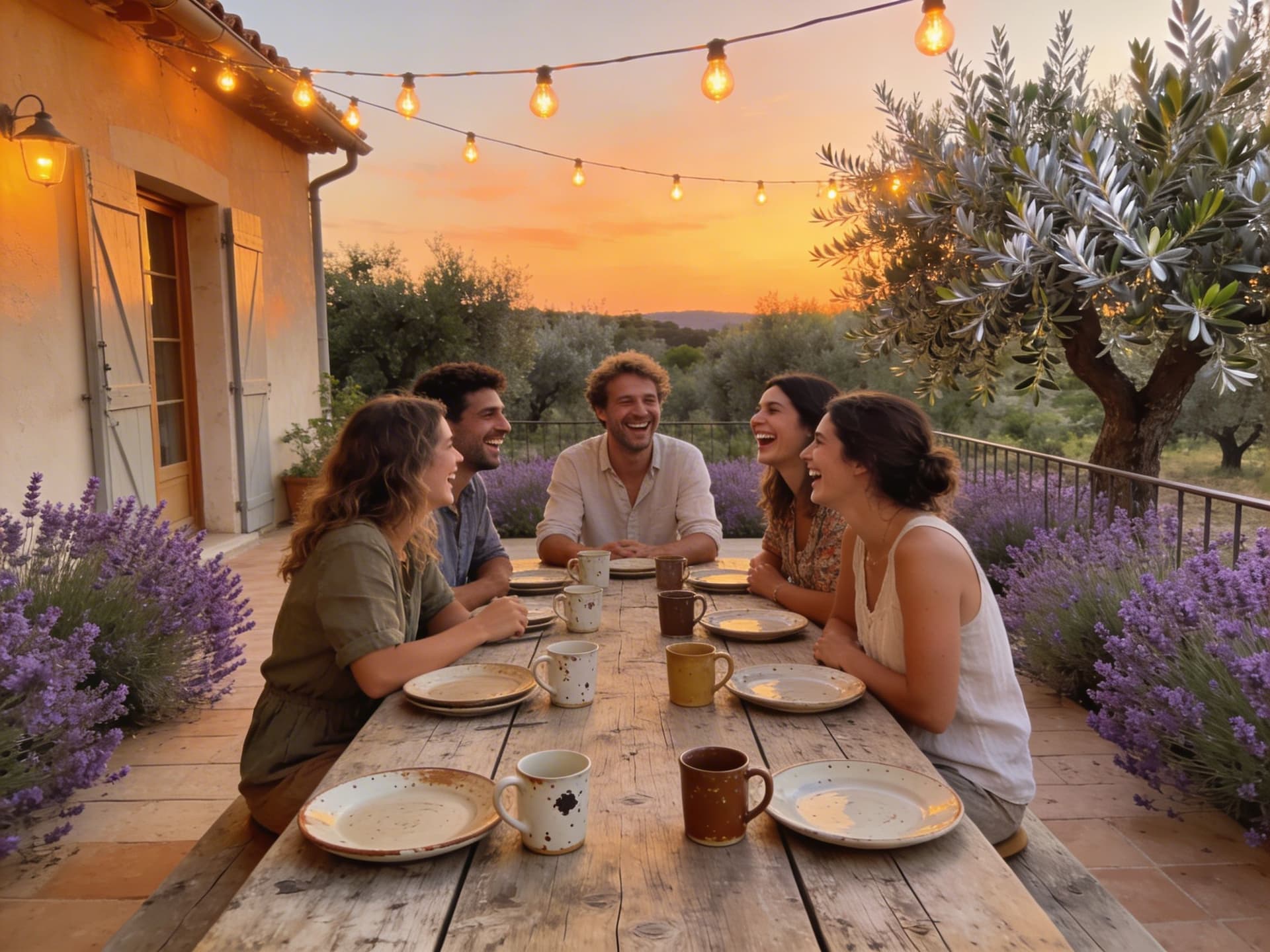
If the lifestyle draws you, the practical work begins with finance shaped by French policy. The government’s eco‑loan tools (notably the éco‑PTZ and MaPrimeRénov’) make energy upgrades affordable and are designed to be combined, lowering the real cost of buying an older home and bringing it to modern environmental standards. These schemes have been actively updated through 2025 to tighten technical eligibility and encourage multi‑measure renovations, which matters for buyers who want lasting, high‑value sustainability upgrades. Understanding these products — and timing work to align with grant windows — can convert a seemingly expensive purchase into a wise, future‑proofed investment.
Property types and the sustainability play
Stone farmhouses, Haussmannian apartments, seaside villas: each comes with a different sustainability ledger. A rural stone home often needs insulation and heating overhaul but rewards owners with land for solar, water capture and food gardens; urban flats may already have district heating or require less land‑based intervention but face stricter co‑ownership (copropriété) rules for communal upgrades. Think of the purchase as the first investment, and renovation as the long game: eco‑loans and grants reduce upfront friction and improve living comfort, while low‑impact materials and passive measures yield the most durable returns.
Working with agents who speak both language and soil
- Choose local agents who can: 1) advise on copropriété rules and recent co‑ownership votes; 2) interpret DPE (energy performance) reports and estimate real upgrade costs; 3) connect you with certified RGE contractors who qualify for MaPrimeRénov’. These three capabilities shorten negotiation cycles and protect buyers from surprises. European banks and French lenders increasingly factor in renovation plans when offering mortgages, so a clear sustainability roadmap strengthens borrowing terms.
Insider knowledge: timing, myths and the small print that saves money
A few myths deserve the scalpel. First, “France is uniformly expensive” is false — national statistics show regional and seasonal variance, with prices stabilising in recent quarters and second‑hand prices even rising modestly in early 2025. Second, buying in high season (summer) often costs more in tourist hotspots; winter and harvest windows give leverage and reveal a place’s quieter reality. Third, green upgrades are not add‑ons but premium changemakers: when financed with eco‑PTZ and MaPrimeRénov’, they reduce running costs and often improve resale appeal in eco‑conscious markets.
Cultural and legal quirks buyers often overlook
French bureaucracy is famous but predictable: expect formalities with notaires, clear public property records, and a strong tradition of tenant protections that affect rental planning. Copropriété meetings can delay solar installs or roof works; ask for recent procès‑verbaux of meetings. Language matters in nuance — a local lawyer or bilingual notaire will save negotiation time and clarify clauses around servitudes, boundary hedges and water rights. These small items determine whether a coastal garden remains yours to plant oysters or becomes a communal headache.
- Red flags to check with an eco‑eye
- No recent DPE or an ‘E/F’ rating without contractor bids for improvement
- Copropriété with unresolved major works or contested procès‑verbaux
- Properties on flood maps or with unclear water access rights
- Historic listing constraints that block energy upgrades without exemption paths
Step‑by‑step: a seasonally smart buying rhythm
- 1) Visit off‑peak (late autumn/winter) to see daily life beyond holiday gloss. 2) Collect local DPE, syndic minutes and recent energy bills. 3) Request quotes from RGE contractors to create a renovation budget that qualifies for MaPrimeRénov’/éco‑PTZ. 4) Negotiate price with renovation scope — sellers are often more flexible off season. 5) Lock financing that combines mortgage and eco‑loan where possible; include realistic timelines for permits and works.
Conclusion: France rewards buyers who look, listen and plan. The country’s rich regional textures mean that being smart about season, sustainability funding and local rules converts a ‘too expensive’ headline into a thoughtful, life‑rich purchase. Start with curiosity — a market visit in the quiet season, a conversation with an agent who understands both local rituals and renewable grants, and a planner who treats renovation as part of the purchase price. When you do that, your French home becomes less an asset and more a long‑lived life: sunlit mornings, slow markets, and a home that breathes with the place.
Dutch property strategist who helped 200+ families find sustainable homes in southern Europe; expert in legal pathways and long-term stewardship.