Verdant Coasts & Forest Life: Italy's Seasonal Home Truths
Why verdant Italian coasts and forested hill towns are both lifestyle goldmines and technical puzzles—pair seasonal love with local market data and stewardship plans.
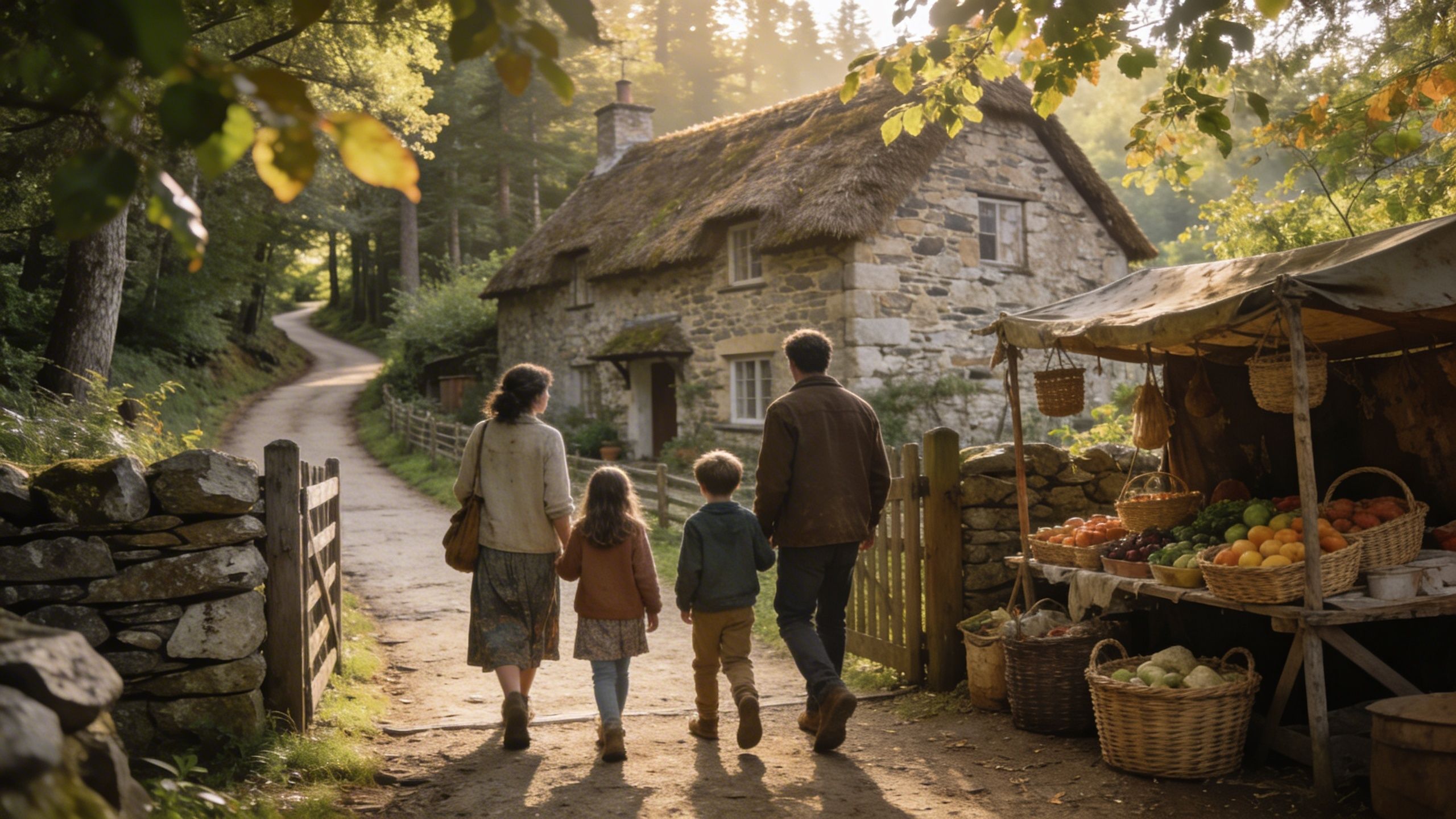
Imagine stepping out at dawn to buy sea-scented bread in a tiny Ligurian piazza, then winding up a forested lane where a stone farmhouse waits among olive trees. Italy asks you to slow down, to listen to seasons—cicadas in summer, truffle dogs in autumn—and to build a home that sits lightly on the land. For many international buyers the romance is real; the practical questions are not. Recent national data shows modest, regionally uneven price growth and rising foreign interest, so knowing where to seek verdant coastlines and forested refuge is as important as falling in love with them. See Istat's house price overview for context.
Living the Italian Verdant Coast & Forest Life
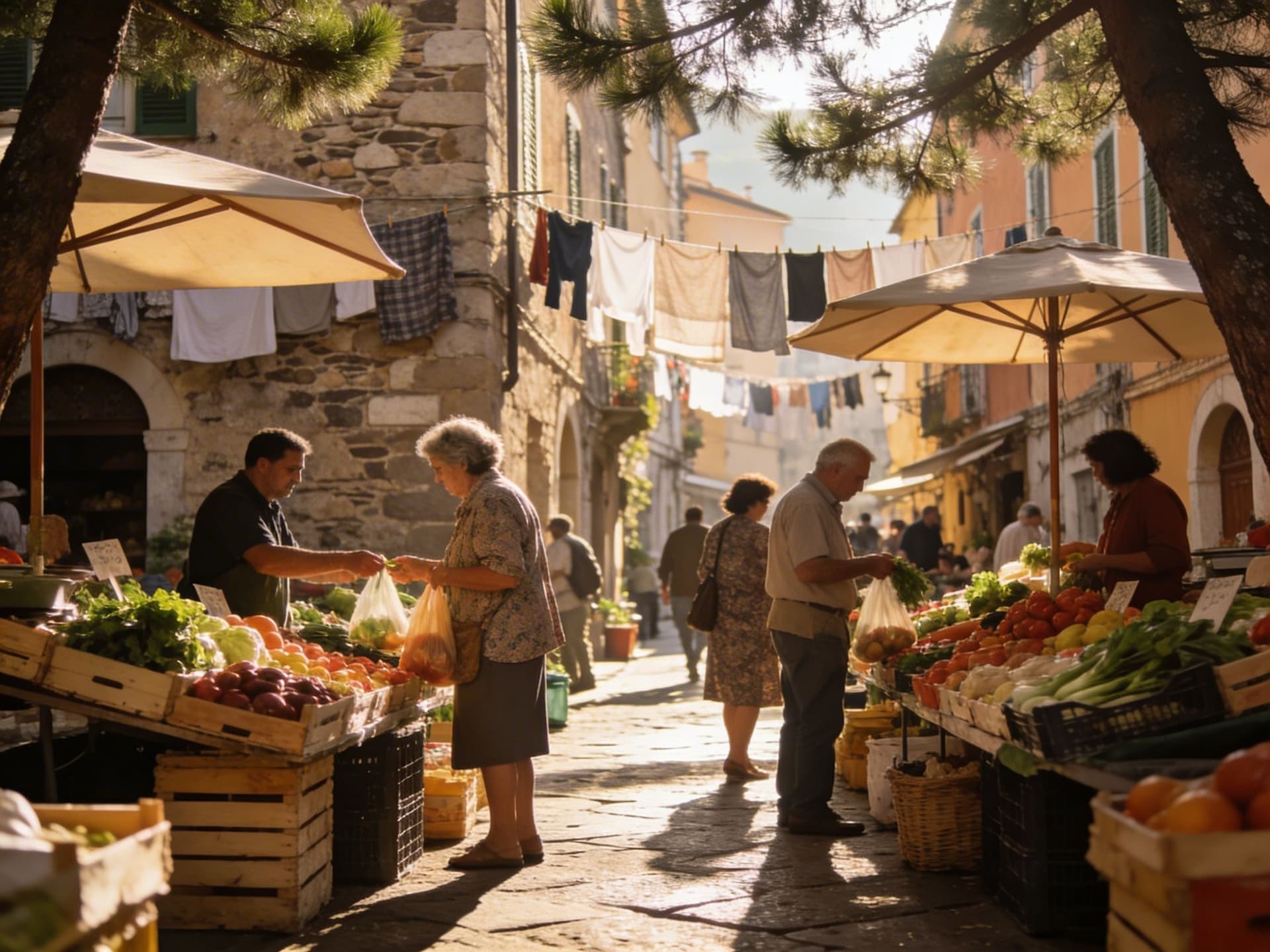
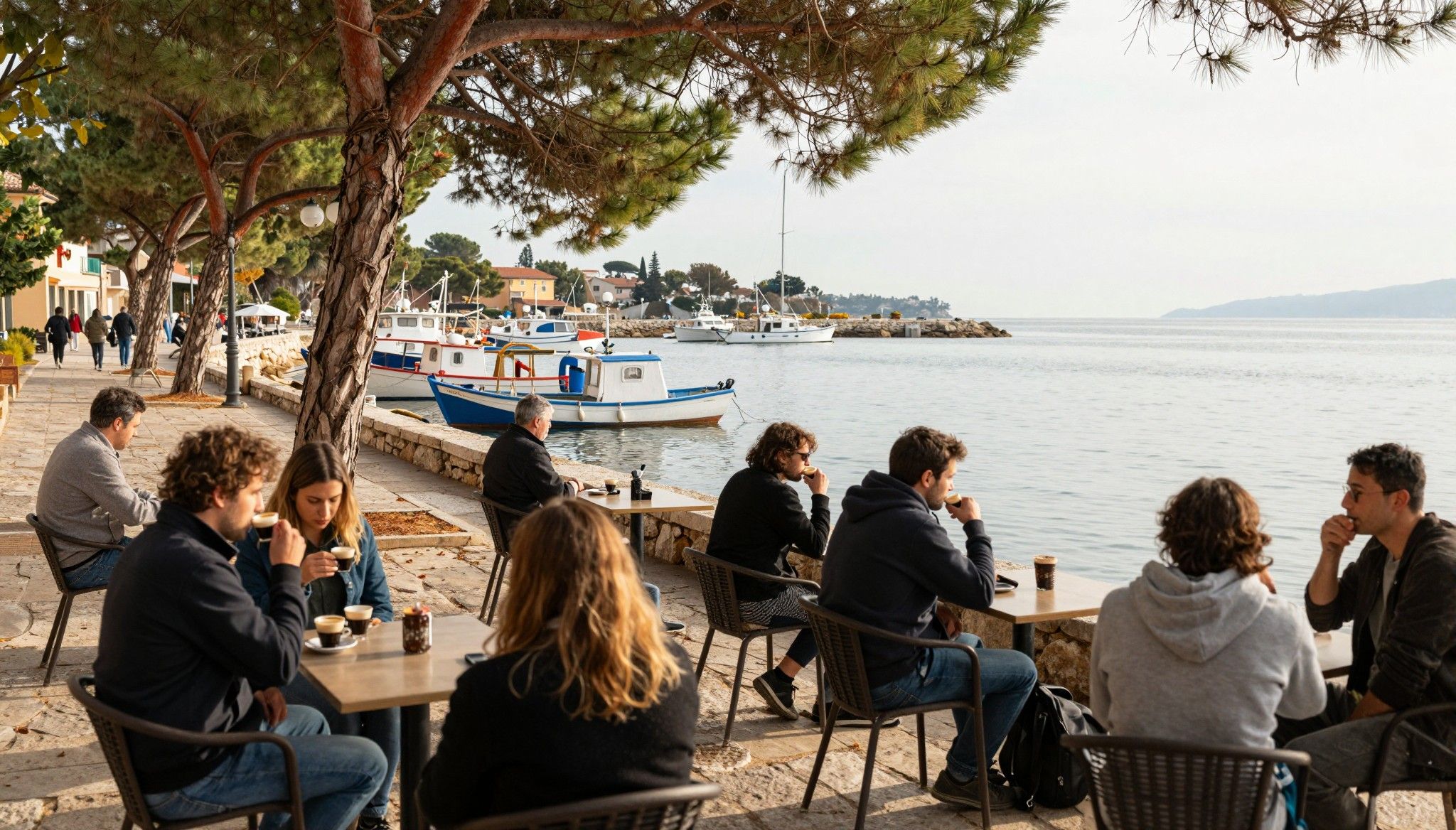
Living in Italy's greener coastal belts and forested interior is a sensory rhythm: early espresso under wisteria, markets of heirloom tomatoes, and afternoons on rocky coves with umbrella pines. Towns such as Camogli (Liguria) or Levanto offer intimate harbors and maritime trails; inland, places like Garfagnana (Tuscany) and Val d'Orcia's hilltops fold into chestnut woods and stone villages. The architecture is often low-rise, stone and timber-forward, with terraces and gardens that blur the line between house and landscape.
Neighborhoods that feel alive: from Brugnato to the Cilento
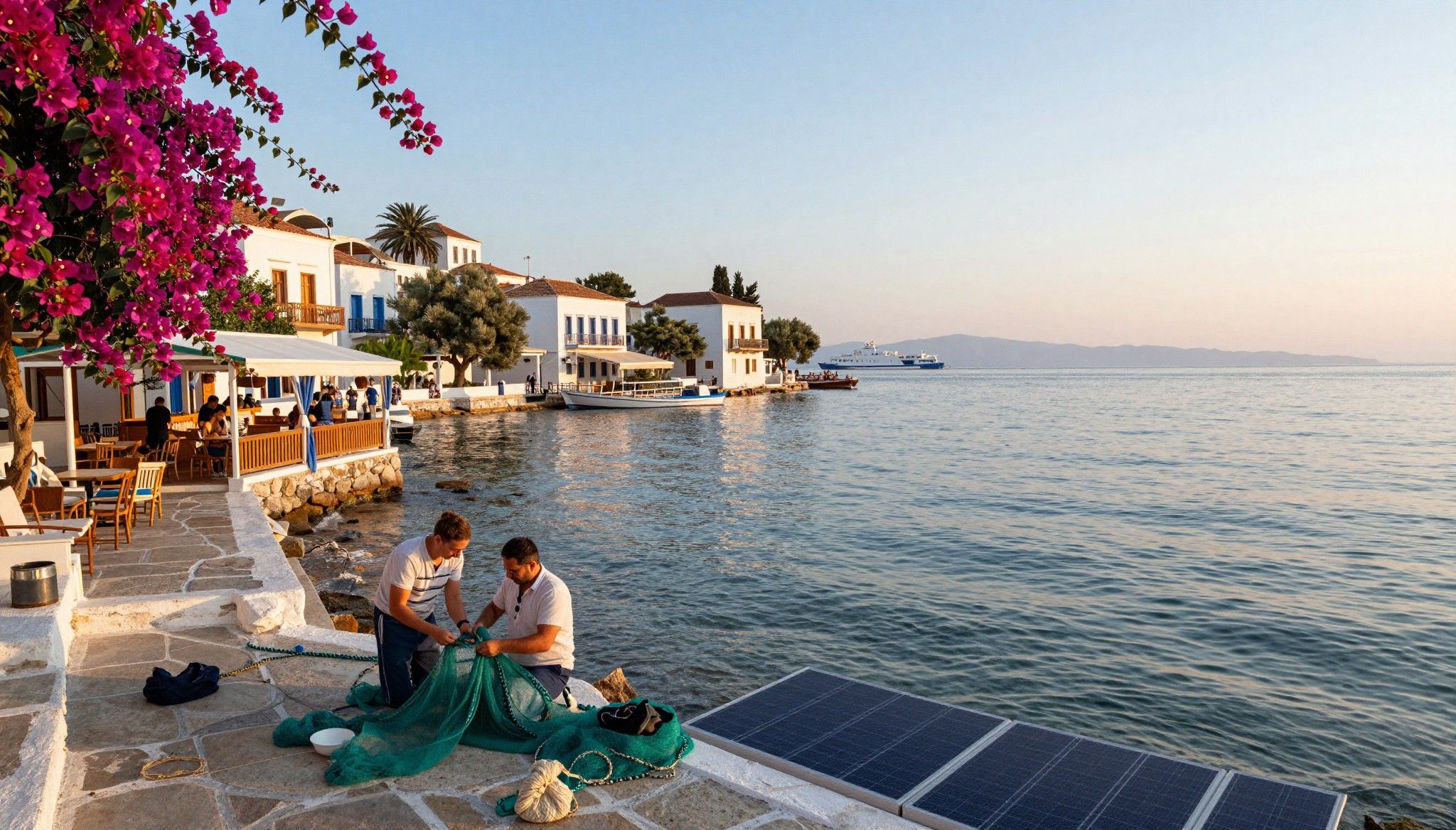
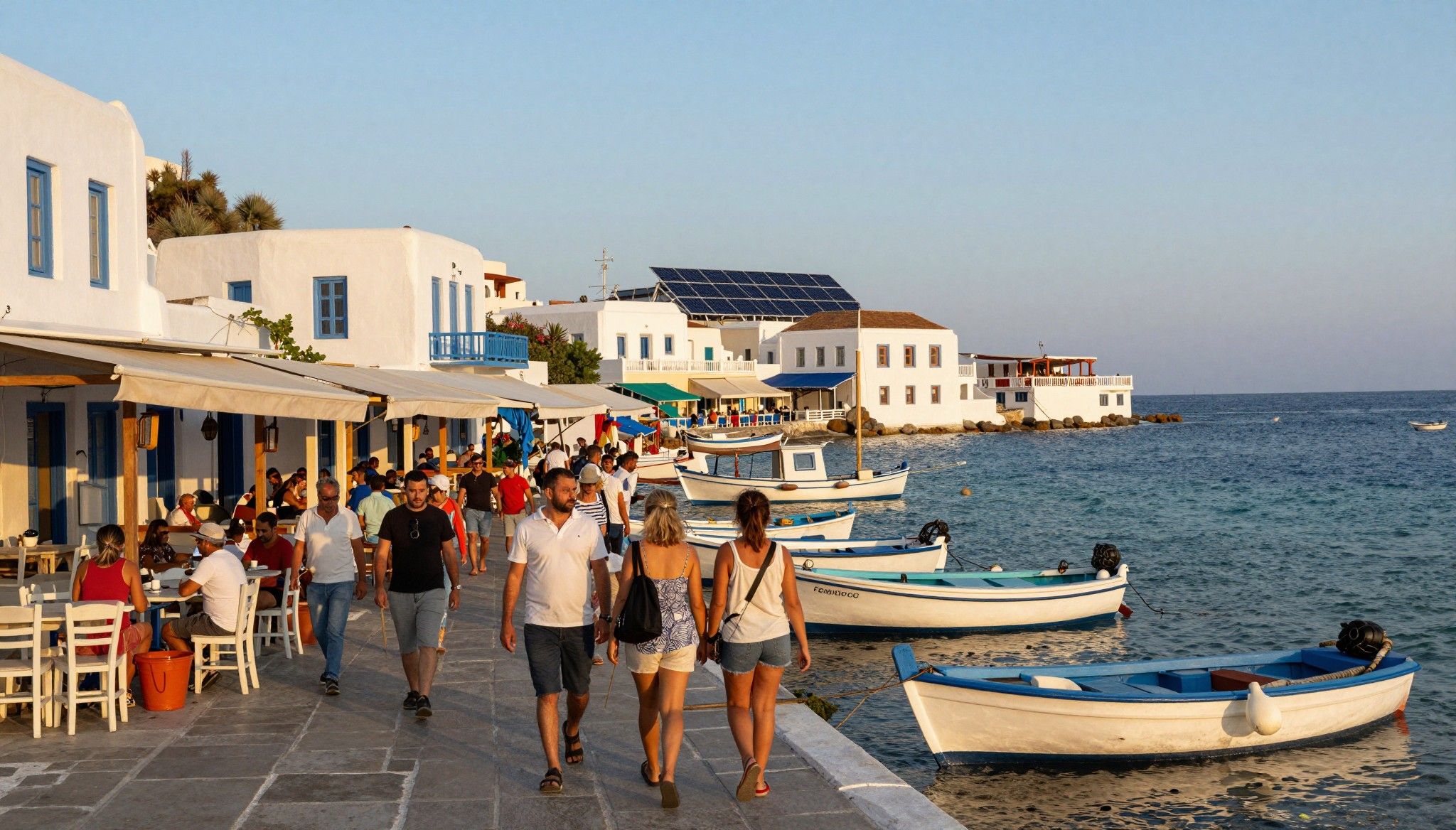
Walk Brugnato's lanes in Liguria and you meet bakers who still press focaccia by hand; in Cilento you find wild-coast beaches where fishing boats return at dusk. Each place has a micro-economy of artisans, markets and communal life that makes sustainable living tangible: solar panels on farm outbuildings, shared olive presses, community gardens. These micro-neighborhoods reward buyers who value integration over mere views.
Food, markets and seasonal pulse
A day here could begin with a market haul—ricotta, porcini, local wine—then a picnic in a chestnut grove. Autumn truffle festivals in Alba and harvest markets in Puglia redraw daily life: more home cooking, community feasts, and renewed demand for properties that support vegetable plots, cellars and outdoor kitchens. These seasonal economies shape which properties flourish: look for houses with garden space, good sun exposure, and simple storage for produce.
Lifestyle highlights to scout on visits: • Early-morning markets (e.g., Mercato Centrale di Firenze for regional produce) • Coastal walking paths (Via dei Ciclamini in Liguria, Sentiero degli Dei in Campania) • Small agriturismi offering hands-on harvest experiences • Local olive oil mills and cooperative presses • Community events (sagra del paese) that reveal neighborhood life
Making the Move: Practical, Place‑First Steps
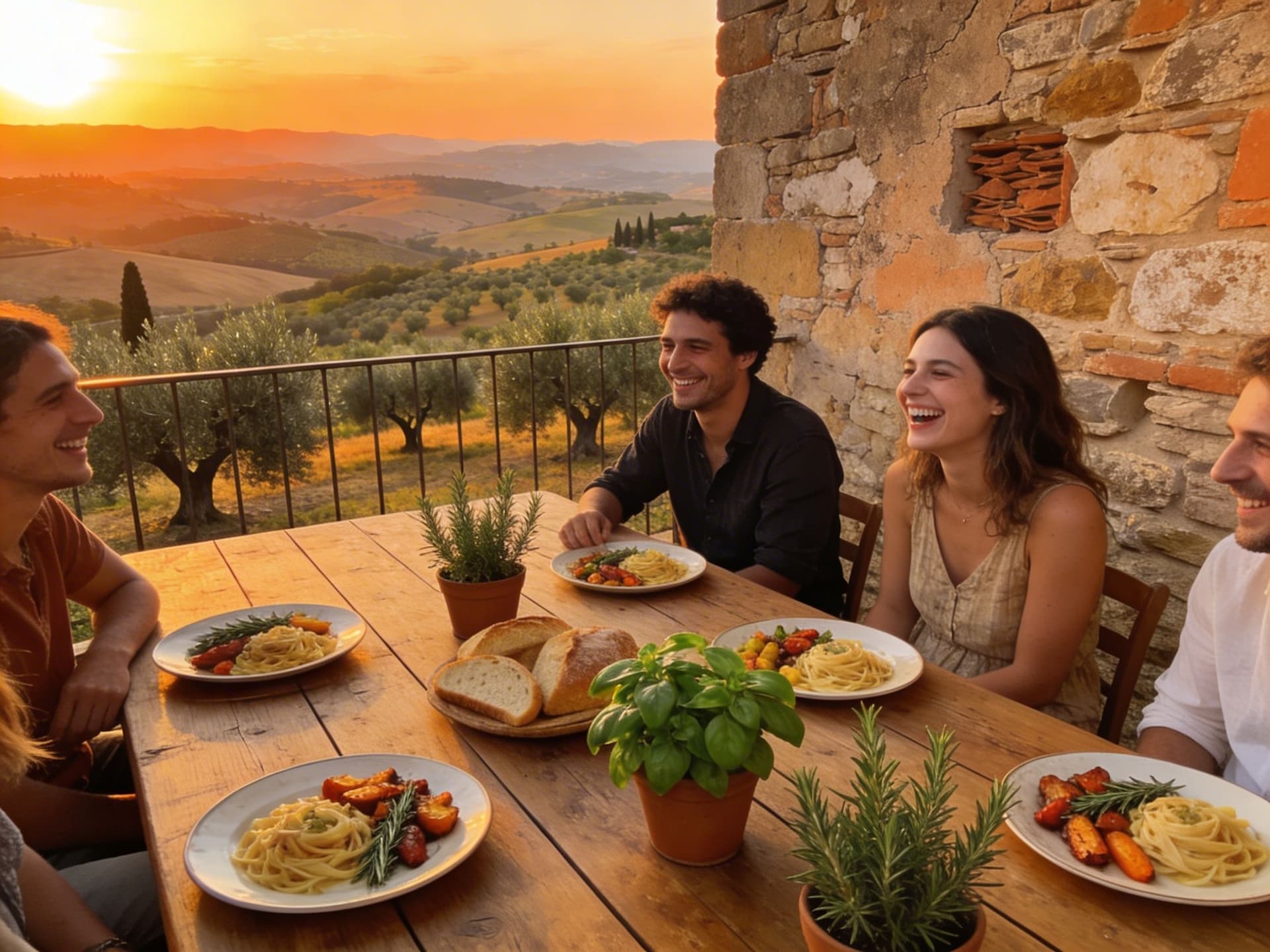
Your daydream should meet the market map. National and regional reports show growth concentrated in cities and prime rural pockets, while many verdant coastal towns still offer value. Work with local experts who read seasons and soil as fluently as listings; they’ll tell you whether a hillside cottage has water rights, how winter storms affect coastal access, and which communes are open to renovation projects eligible for incentives.
Property styles that match a low‑impact life
Stone farmhouses offer thermal mass and a canvas for passive upgrades; seaside cottages prize natural ventilation and salt‑tough materials; modern renovations can bring solar, heat pumps and rainwater capture while keeping local craft alive. When you choose, consider orientation for solar gain, mature trees for shading, and outdoor spaces suited to gardening and storing harvests.
How local agencies help preserve the lifestyle you want
1. Match you to micro-neighborhoods where your daily rituals are possible (market proximity, sea access, woodland entries). 2. Assess ecological fit: inspect garden soil, roof orientation for panels, and existing water systems. 3. Advise on regional incentives for restorations and energy upgrades. 4. Connect you with local craftspeople for authentic, low‑impact renovations. 5. Manage off‑market leads—many true character houses sell locally before listings appear.
Insider Knowledge: What Expats Wish They’d Known
Expat buyers often underestimate seasonal realities: a coastal road closed by winter storms, a town that empties between November and March, or the social choreography of village life. Data shows national price gains are uneven—some regions are appreciating faster than others—so pairing your lifestyle wish list with regional market data prevents surprises. For example, rising interest in Puglia has pushed some renovation prices higher even as inland villages remain affordable.
Cultural integration and everyday rhythms
Learn a few phrases, join a market morning, and offer your neighbor a jar of homemade conserve—small gestures unlock trust. Social life is often organized around local associations and church events; when you participate you quickly become more than an owner, you become part of the living landscape. Expect slower bureaucracy but warmer hospitality when you show commitment.
Longer-term stewardship: how life changes after you buy
Over time, buyers tell us the best investment is stewardship: hiring local gardeners, installing modest renewables and choosing materials that withstand salt and damp. Data-backed reports indicate international interest is growing in pockets like Tuscany and Puglia; that means plan for gradual community change rather than overnight transformation, and choose improvements that support biodiversity and local craft.
Practical red flags to watch for on viewings: • No documented water rights or unclear well access • Recent works without permits in historic cores • Poor roof state in regions with heavy winter rains • Overpriced “sea view” claims that block access to beaches • Unsuitable insulation/ventilation for long-term seasonal living
In Italy the dream of a verdant coastal or forested home is real—and attainable with the right local knowledge. Start with short exploratory visits in different seasons, work with agencies who know soil, sun and community, and prioritise homes that invite stewardship. If you love the sound of church bells and olive leaves in the wind, begin by booking a market‑day visit, ask an agent to show properties with usable gardens, and request professional checks on permits and water access. These small steps keep the romance rooted in reality.
British expat who traded Manchester for Mallorca in 2017. Specializes in guiding UK buyers to luxury Spanish estates with clear navigation of visas and tax.