When Italy’s Sun and Streams Shift Where to Buy
Italy’s surge in renewables (solar, hydro) is shifting where green living and property value align — buy where infrastructure supports the life you want.
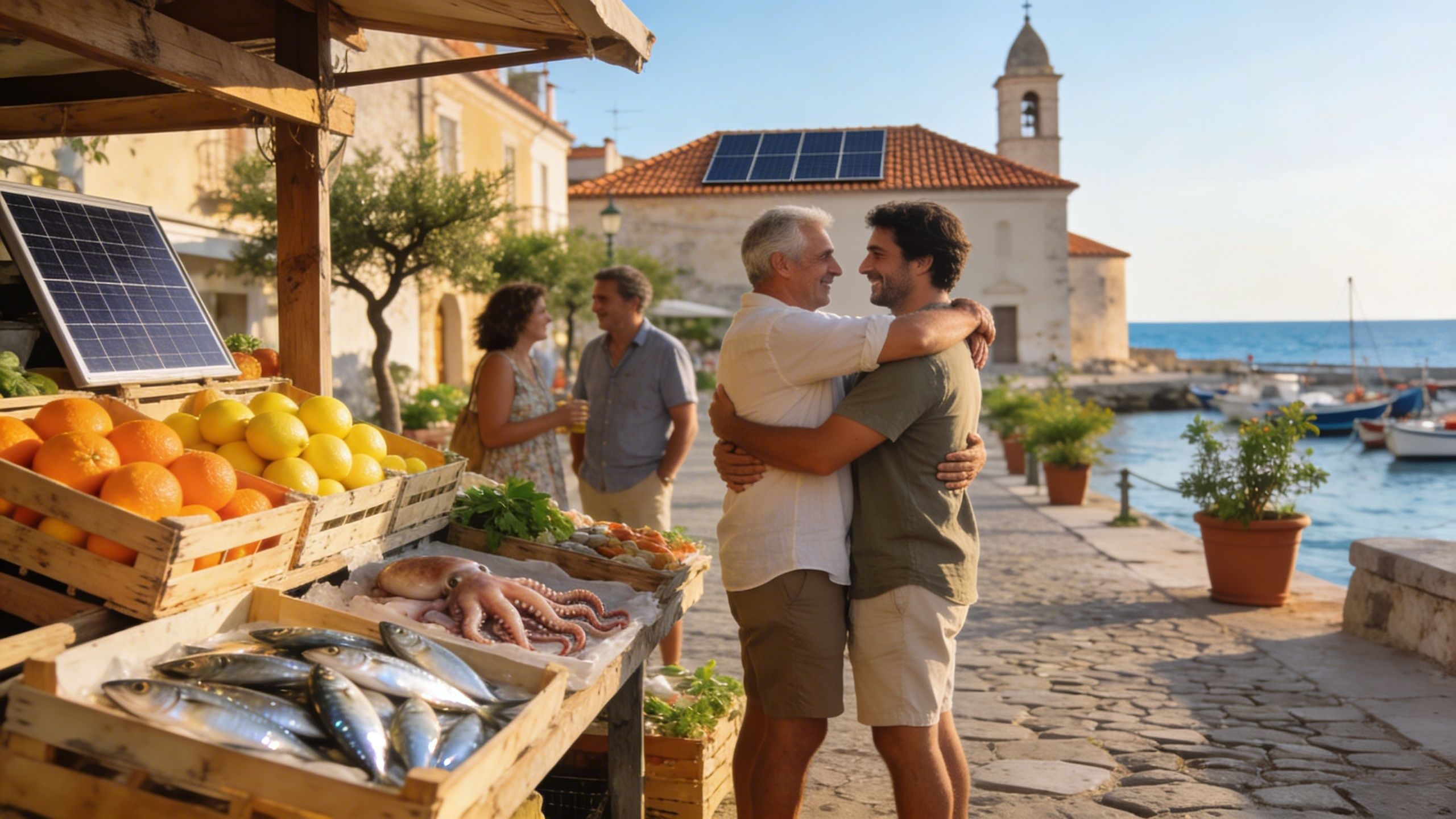
Imagine morning light pooling on a stone terrace in Puglia while solar panels hum quietly on a neighbor’s roof and the smell of espresso drifts from the corner bar. Italy is famously about food, light and craftsmanship — but lately the country’s landscape of energy and infrastructure is quietly rewriting where life and value converge. For buyers who prize green systems as much as olive trees, that shift changes which towns feel like a dream and which feel like an investment.
Living the Italy lifestyle — tuned to sun, sea and season
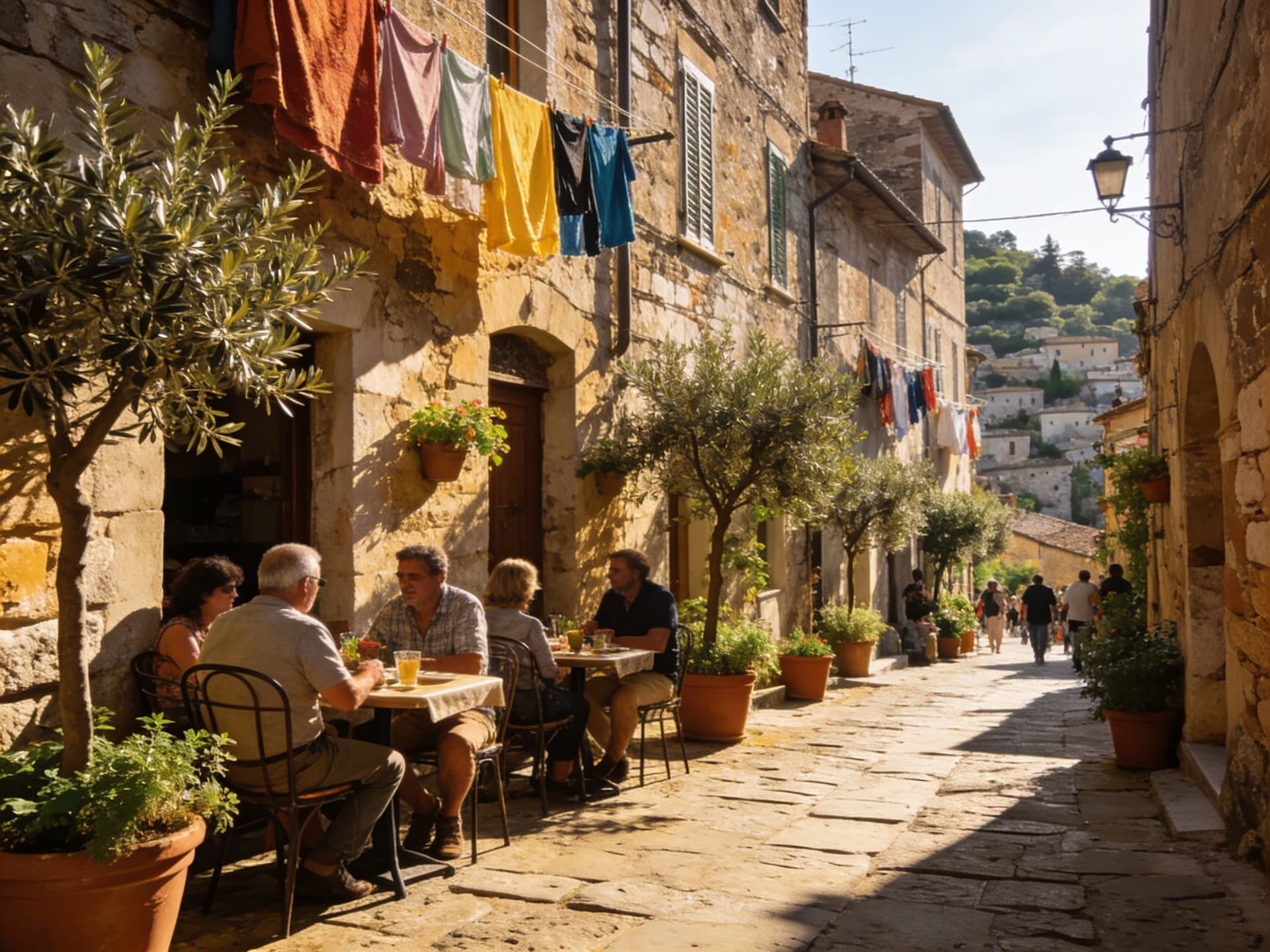
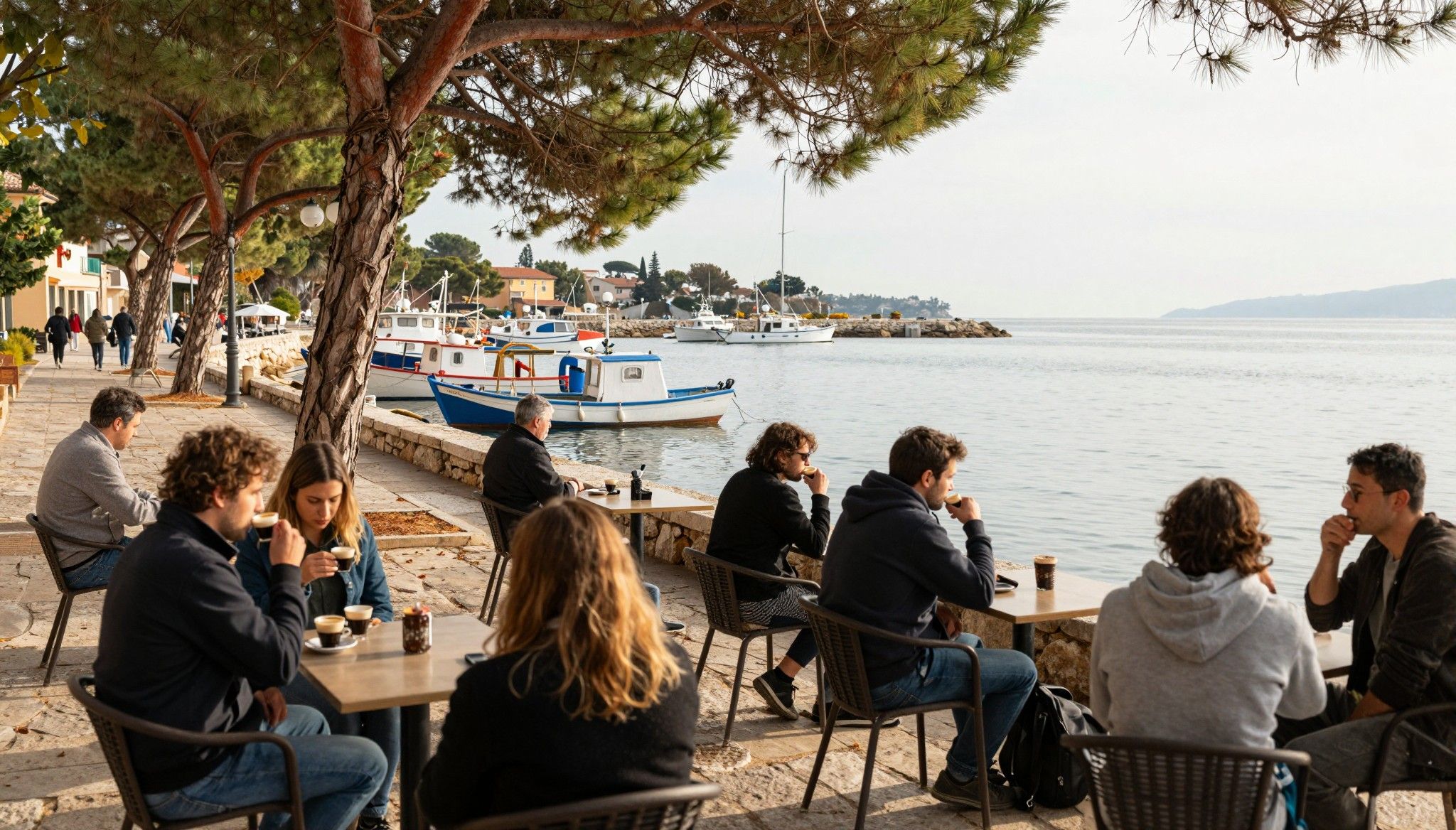
Daily life in Italy moves at a rhythm of markets, coffee, and the seasons. In Bologna you’ll find weekday mornings alive with panini and university chatter; on the Amalfi Coast the day is shaped by sea breezes, citrus groves and late-afternoon passeggiate. These textures matter because sustainable infrastructure — rooftop solar, local hydropower, distributed storage — isn’t abstract here. It becomes the hum behind your kettle, the habit that lets a hillside village keep its lights on without noisy diesel generators, and the quiet assurance that your home belongs to a living landscape.
Neighborhood pulse: towns where green systems meet everyday life
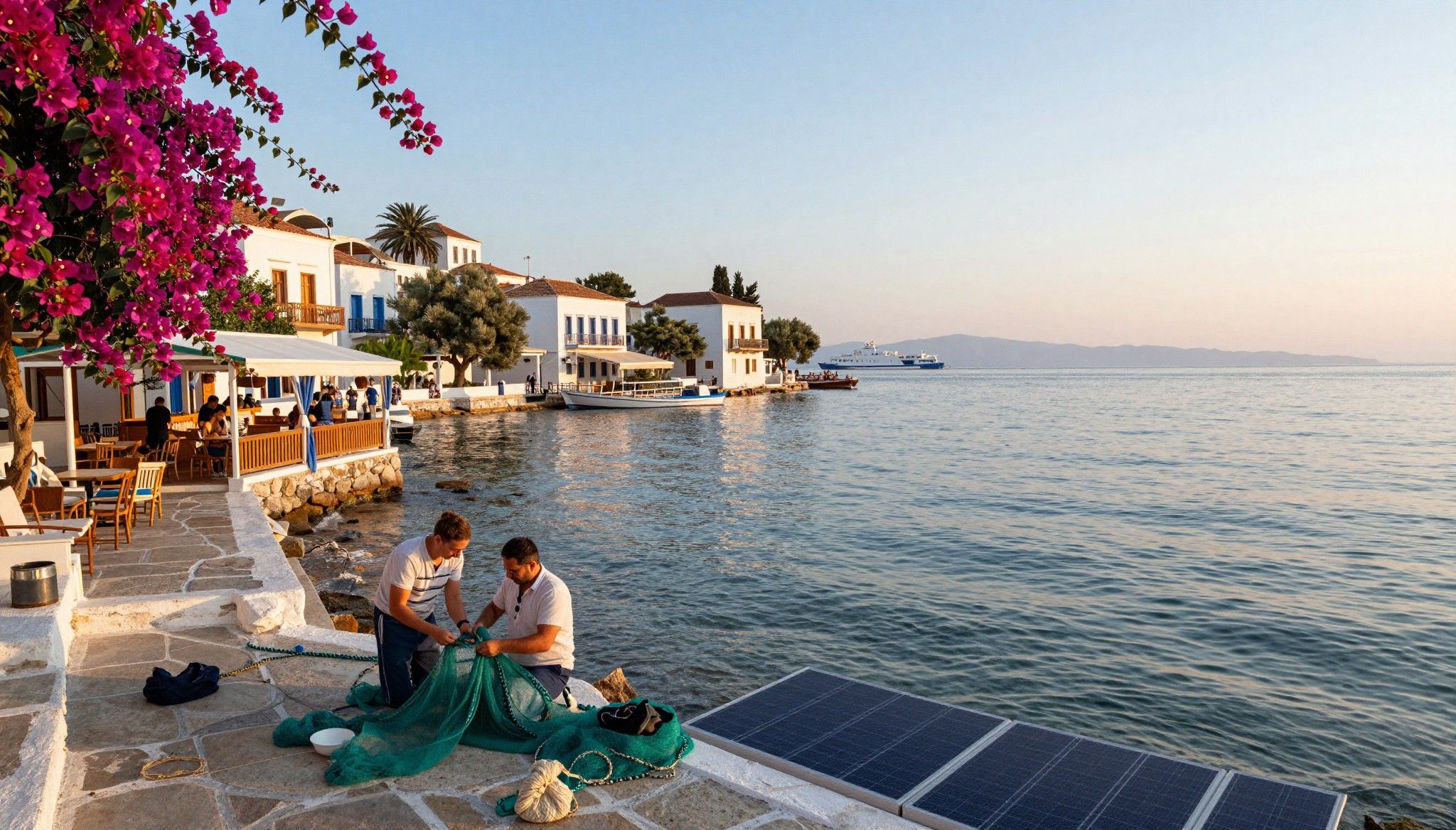
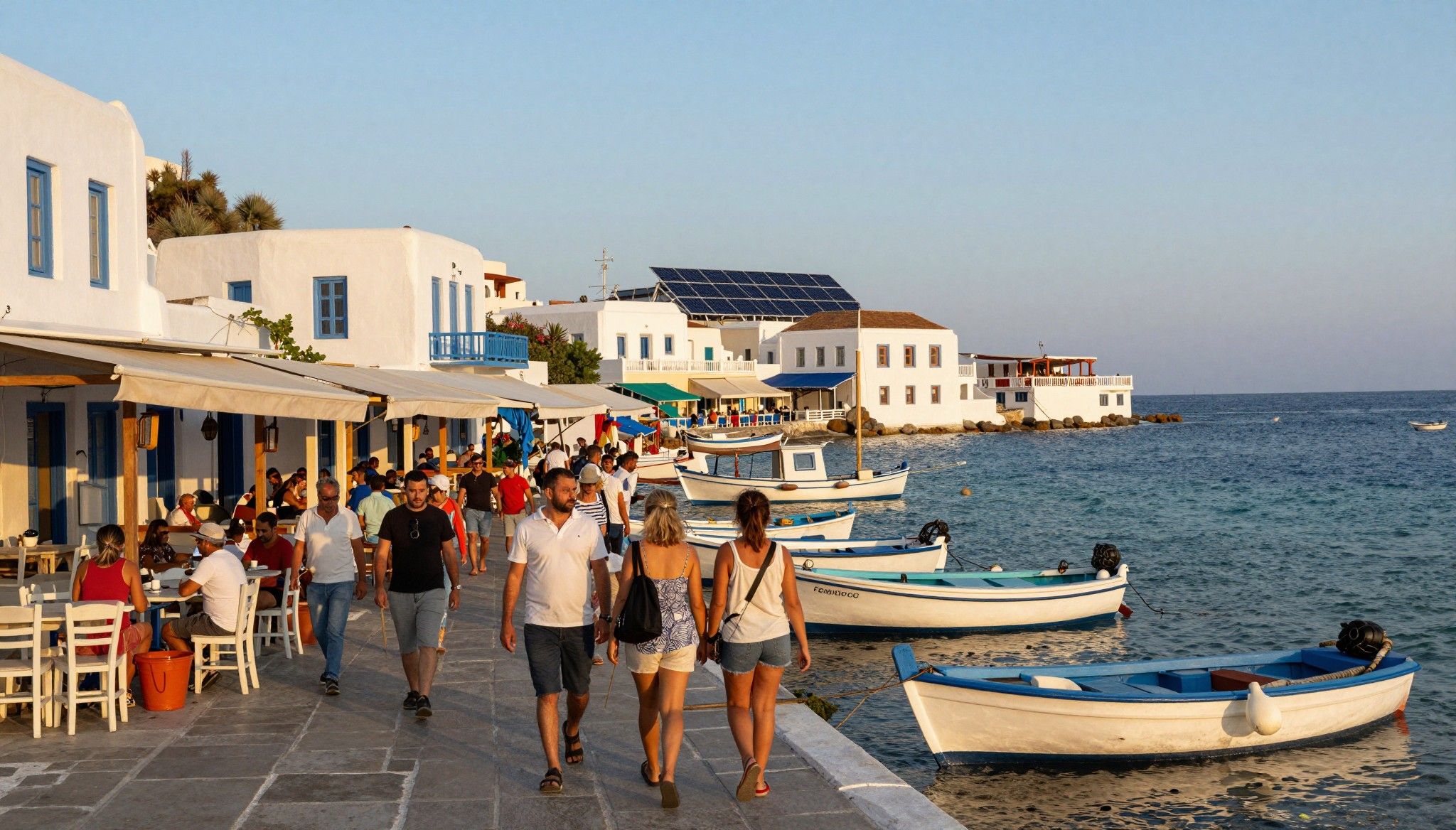
Look beyond the postcards. In regions like Puglia and Sicily, small-scale solar farms and rooftop panels are common on renovated masserie and seaside villas; in Trentino and parts of Tuscany, hydropower and district heating shape how neighborhoods are refurbished. Even within cities — think Milan’s refurbished districts around Porta Romana and Scalo Farini — green retrofits and new-builds with green roofs are changing daily routines: local produce markets that open early, shaded communal courtyards and quieter streets because cars are parked and the community meets outside.
Food, ritual and seasonal life that anchor where you buy
Seasonality is everything in Italy. Harvest festivals in Umbria and truffle season in Alba pace social life; summer on Sardinia’s coves is about daylight and alfresco dinners; winter in the Dolomites centers on wood fires and snow-sure heating systems. These rhythms affect property value: homes that can host seasonal life — a courtyard for summer dinners, good insulation for winter mountain life, simple PV systems to offset summer electricity — become more desirable, and more resilient to rising operating costs.
- Lifestyle highlights to look for — real places, real pleasures • Morning espresso at Bar Pasticceria Belli, Lecce; sunlit courtyards and bar banter. • Evening passeggiata along Viareggio’s promenades; small apartment blocks with communal terraces. • Weekend farmers’ market at Mercato Centrale, Florence; seasonal produce within walking distance. • Olive-harvest rituals in Puglia’s Itria Valley; masseria homes with integrated PV. • Snow-to-summer life in Bolzano; local hydro-fed district heating and alpine trails.
Making the move: how Italy’s green grid reshapes practical choices
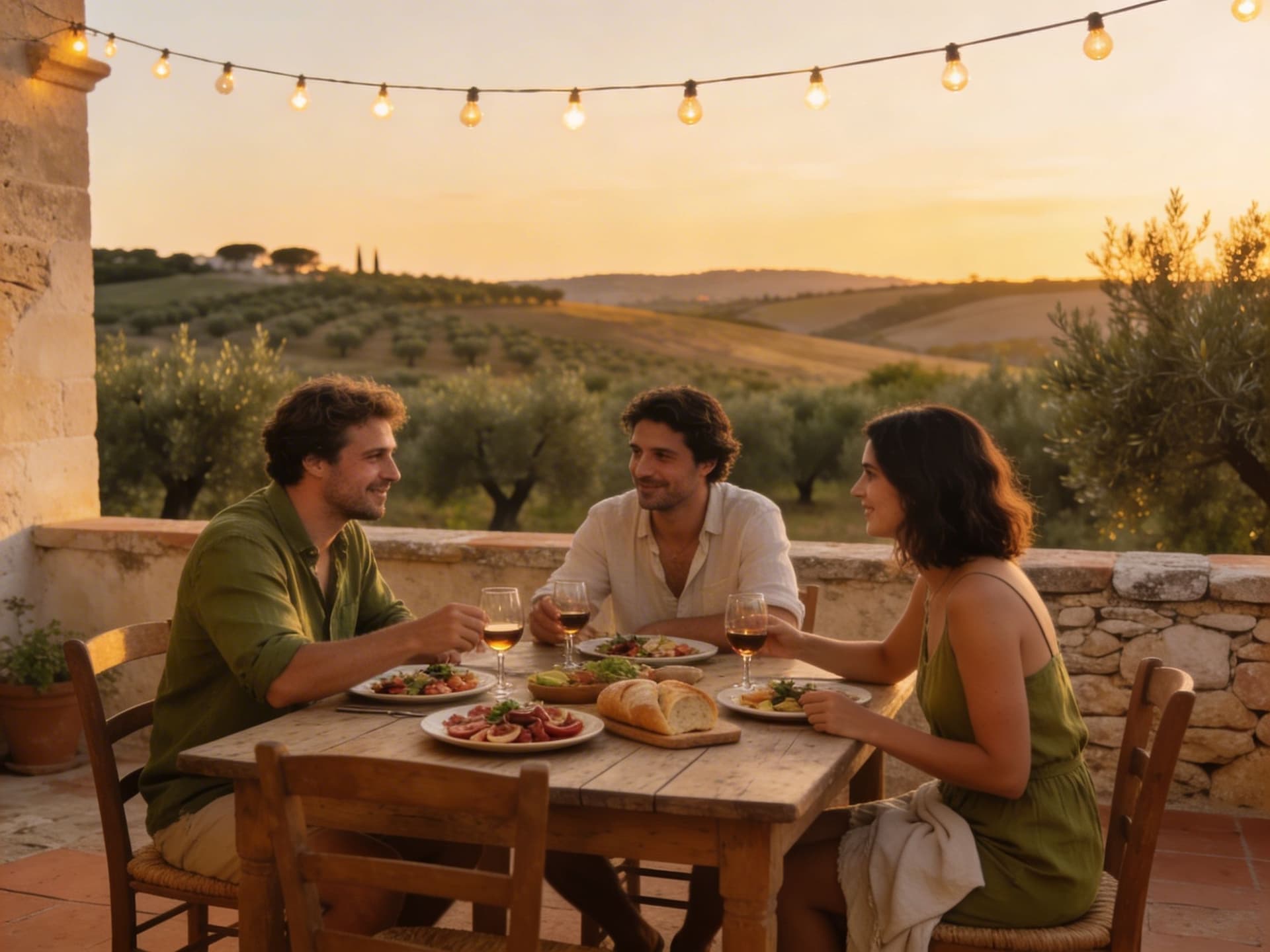
Recent national data shows renewables now make up a substantial share of Italy’s electricity mix, driven by solar and hydropower growth. That shift matters for buyers: towns with high renewable penetration tend to see lower running costs, better grid resilience, and more attractive retrofit incentives — and those fiscal and comfort benefits are increasingly reflected in local price dynamics. In short, energy infrastructure can be a lifestyle feature, not just a technical footnote.
Property styles that fit a green life
Stone farmhouse (masseria): thick walls, passive cooling and room for rooftop PV; perfect for food‑focused lives and olive groves. Urban apartment with shared courtyard: look for buildings with recent energy class upgrades and communal terraces. Alpine chalet: prioritize modern insulation and district heating access rather than charm alone. Choosing the right property type is about matching seasonal habits to the building’s ecological aptitude.
Working with local experts who understand both life and systems
- Steps to blend lifestyle wishes with practical checks 1. Visit in different seasons (spring market, high summer, late autumn harvest) to feel energy needs and community life. 2. Ask agents for the property’s energy class (Classe Energetica) and recent renovations tied to incentives. 3. Confirm local grid resilience: is there recent investment in storage or distributed generation nearby? 4. Check municipal plans for renewables or restrictions — some historic zones limit visible PV. 5. Factor in community amenities that reduce car use: markets, trains, bike paths and local co-ops.
Insider knowledge: what expats wish they’d known
Expats often tell a shared story: the first year is sensory joy and the second year is where practicalities surface. Many underestimated the value of reliable heating and coherent energy bills, or how local bureaucracy can slow a solar permit. Market data shows steady price growth concentrated in northern hubs while southern regions still offer striking value — but the real advantage is pairing region with green infrastructure that supports the life you want to lead.
Long-term lifestyle and stewardship
Think of your Italian home as a stewardship project. Choosing tiles, local stone and native plantings matters for biodiversity and maintenance. Seek houses with south-facing roofs for PV, rainwater collection for gardens and community initiatives — repair co-ops, food hubs, or shared orchards — that make sustainable living social and practical. These choices protect both lifestyle and value over a decade.
Conclusion — a small change, a different life If you want a home where breakfast happens outdoors, neighbours trade bread, and energy is quiet and local, Italy’s changing green infrastructure makes those dreams more affordable and dependable than you might expect. Start by visiting the regions you love in two seasons, ask agents about energy class and local renewable projects, and seek an agency that speaks both the language of lifestyle and technical detail. Then let the light, the markets and the daily rituals decide where you belong.
Dutch property strategist who helped 200+ families find sustainable homes in southern Europe; expert in legal pathways and long-term stewardship.