How Green Loans Cut Long‑Term Costs on Cyprus Homes
Discover how green mortgages, local regulations and seasonal rhythms reshape the cost and comfort of buying in Cyprus—practical steps backed by official sources.
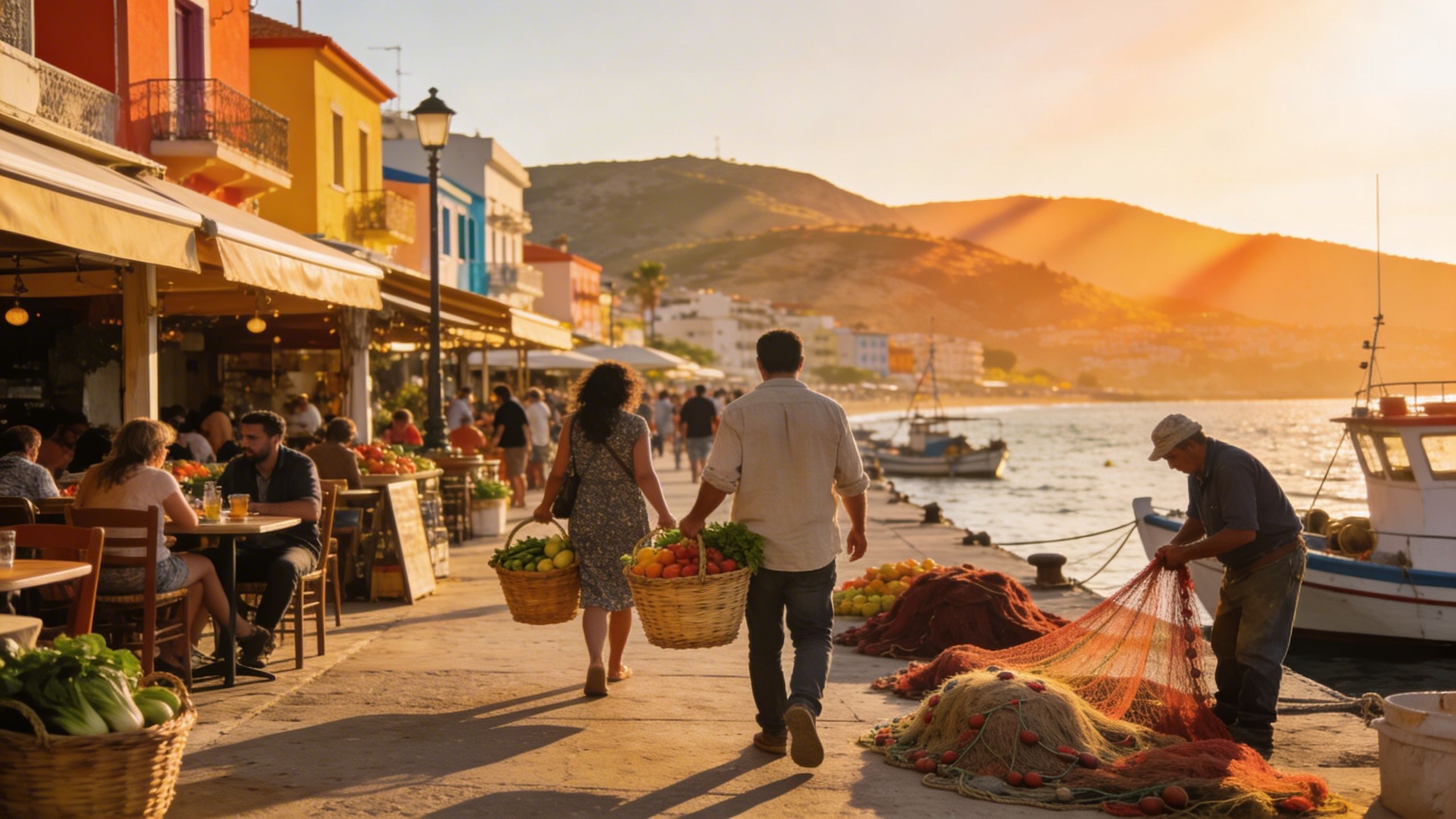
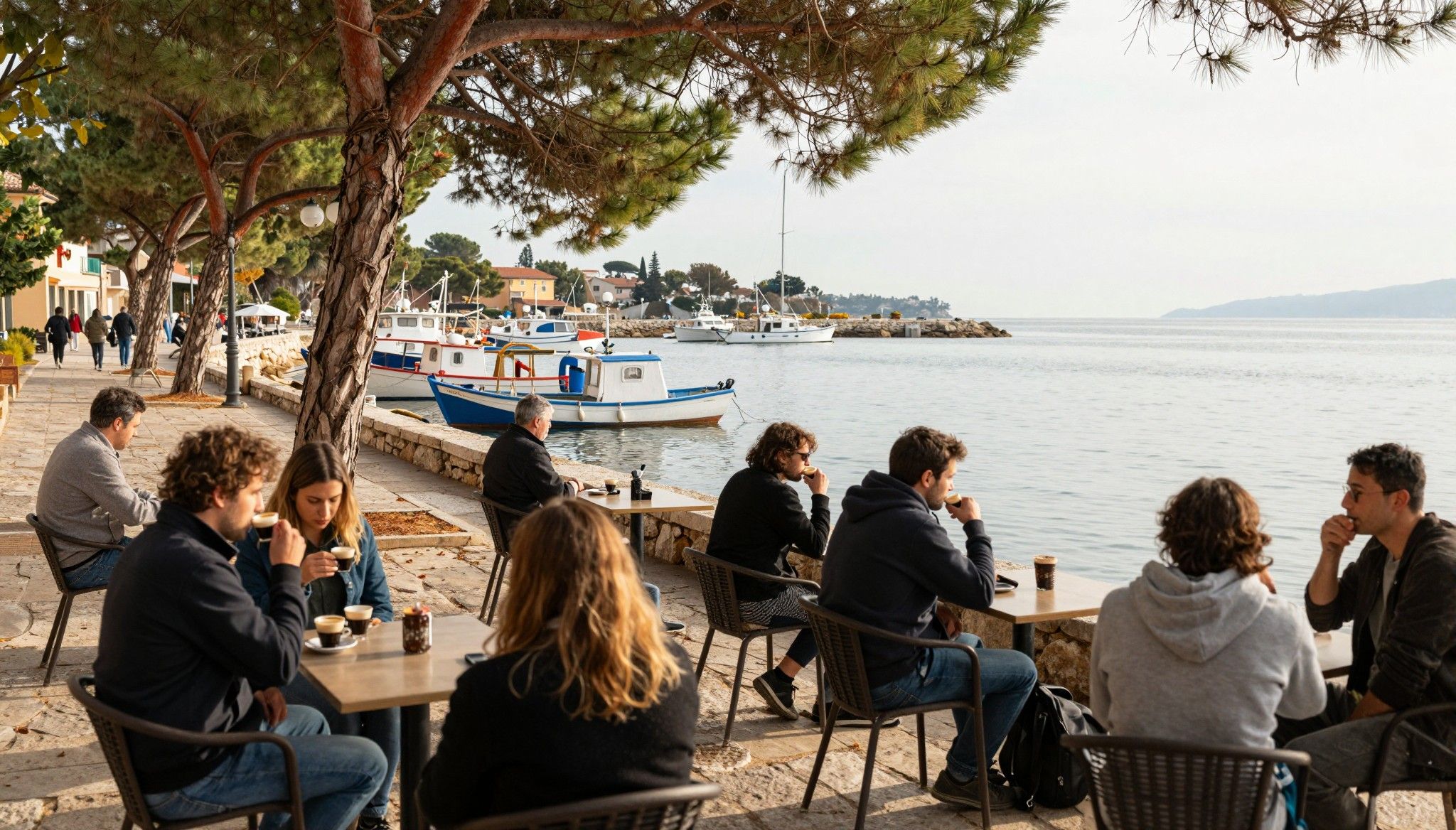
Imagine waking to coffee steam and sea salt in the air, wandering through a shaded lane in old Larnaca and finding a neighbourhood bakery that knows your order. Cyprus feels like that—sunlit mornings, limestone streets, and a measured pace that keeps summers languid and winters mellow. But beneath the postcard calm are real choices: when you buy here the seasons, local rules and new green finance options bend the long-term cost of ownership. This guide stitches those textures together: the life you’ll live, and the practical financing and compliance moves that make it sustainable.
Living the Cyprus life: light, limestone and neighbourhood rhythms
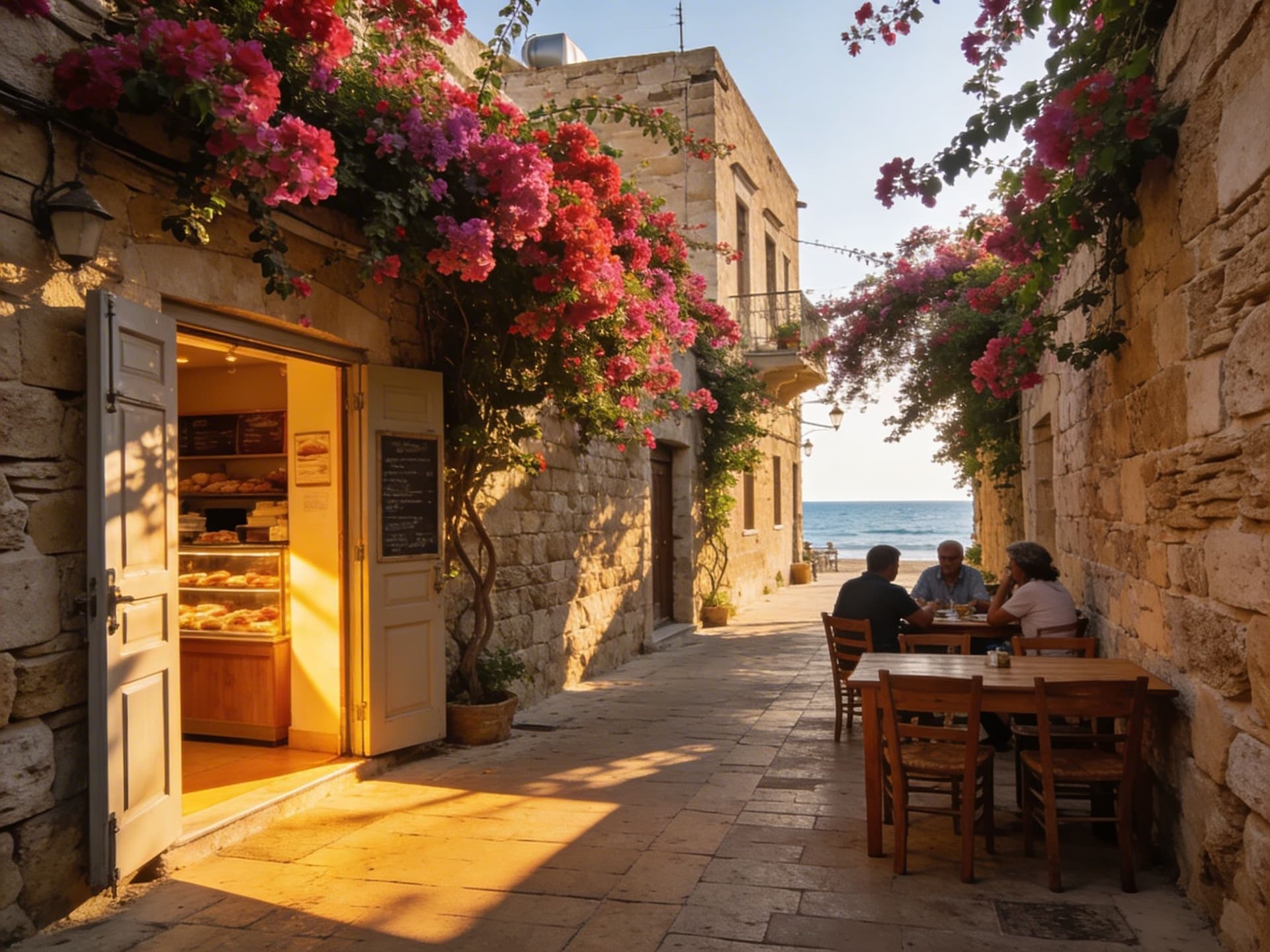
Cyprus is not one image but many: the coastal bustle of Limassol’s Marina, the layered history of Nicosia’s old town, the village slow‑time of Troodos with pines and tavernas. Life here is sensory—clanging coffee cups, bougainvillea, and late‑afternoon swims—so your property choice should mirror the rhythm you crave. For internationals, there’s a legal shape to that rhythm: permissions, documentation and occasional legislative shifts that influence what you can buy and where. Knowing these practical contours early keeps the dream grounded in reality without dimming the light.
Limassol and Paphos: coastal conviviality and modern comforts
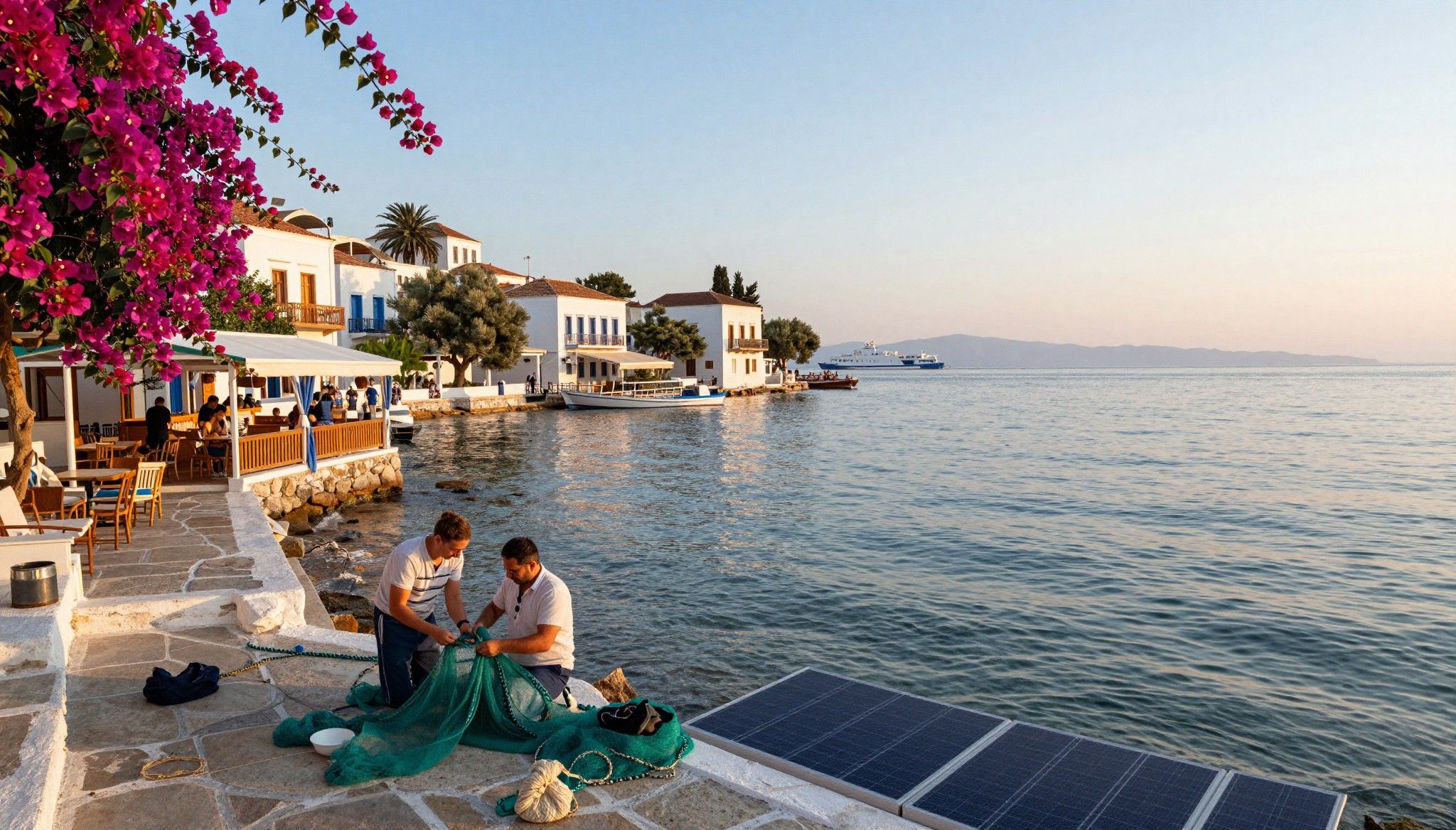
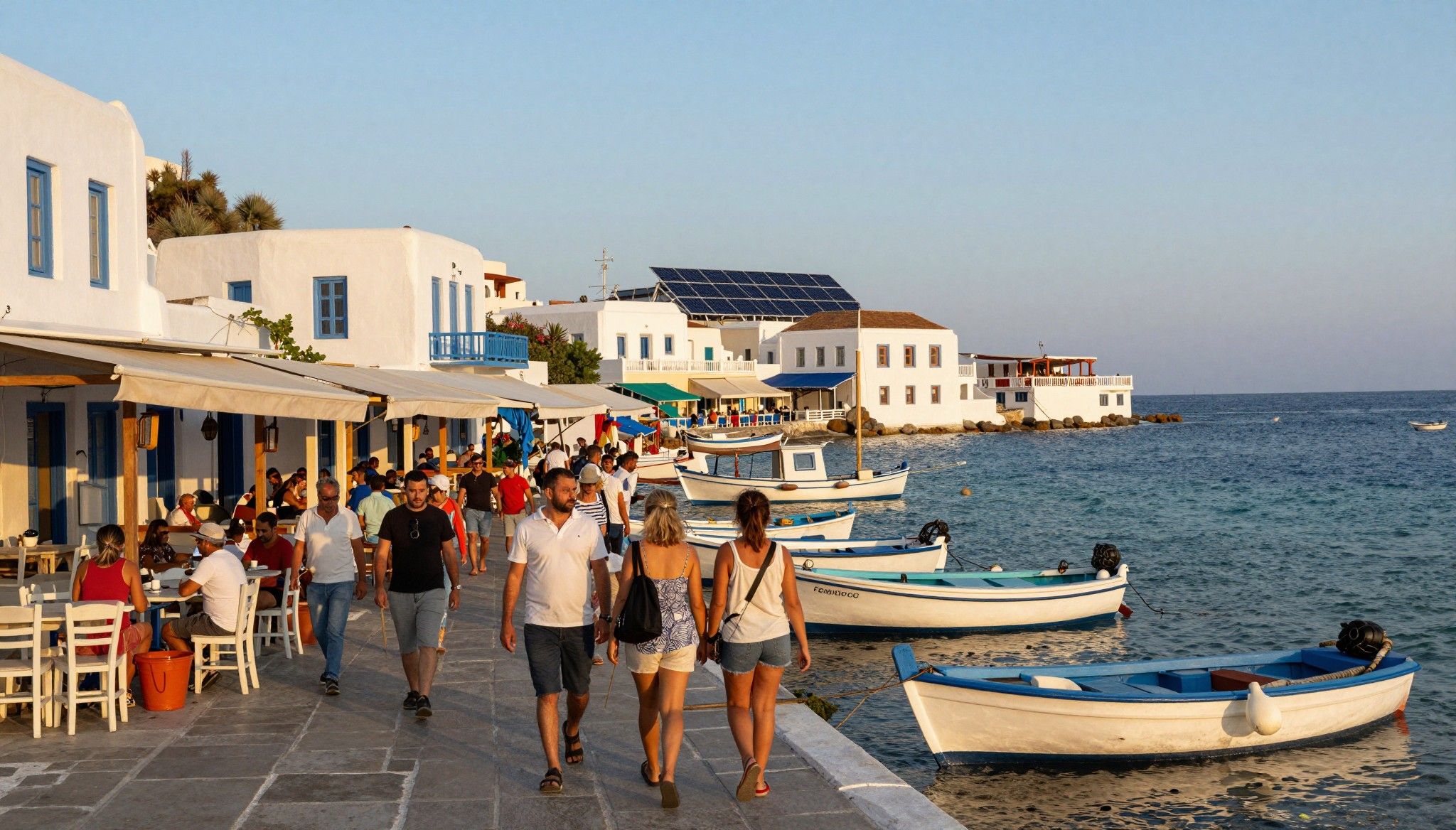
Limassol hums with cafés on Anexartisias, boutique design studios, and a strong expat scene drawn to its marinas and new‑build quality. Paphos offers quieter coves and a surprising number of restored stone homes that open onto fragrant courtyards. Both districts are where buyers often prioritise solar readiness and outdoor living—terraces, pergolas and water‑wise gardens that feel like extensions of the house rather than an afterthought.
Troodos, Nicosia & Larnaca: mountain calm, historic streets, salt‑air routines
Choose Troodos for mountain air, traditional stone architecture and wood‑burning stoves; Nicosia for compact neighbourhood life and municipal services; Larnaca if you want salt‑air mornings and a compact but vibrant food scene near Finikoudes. Each place shapes energy needs differently: insulation and thermal mass matter inland; shade, cross‑ventilation and solar shading matter along the coast. Match the house’s DNA to the microclimate and you’ll spend less on bills and more time enjoying the rhythms of place.
Making the move: mortgages, green loans and the small print
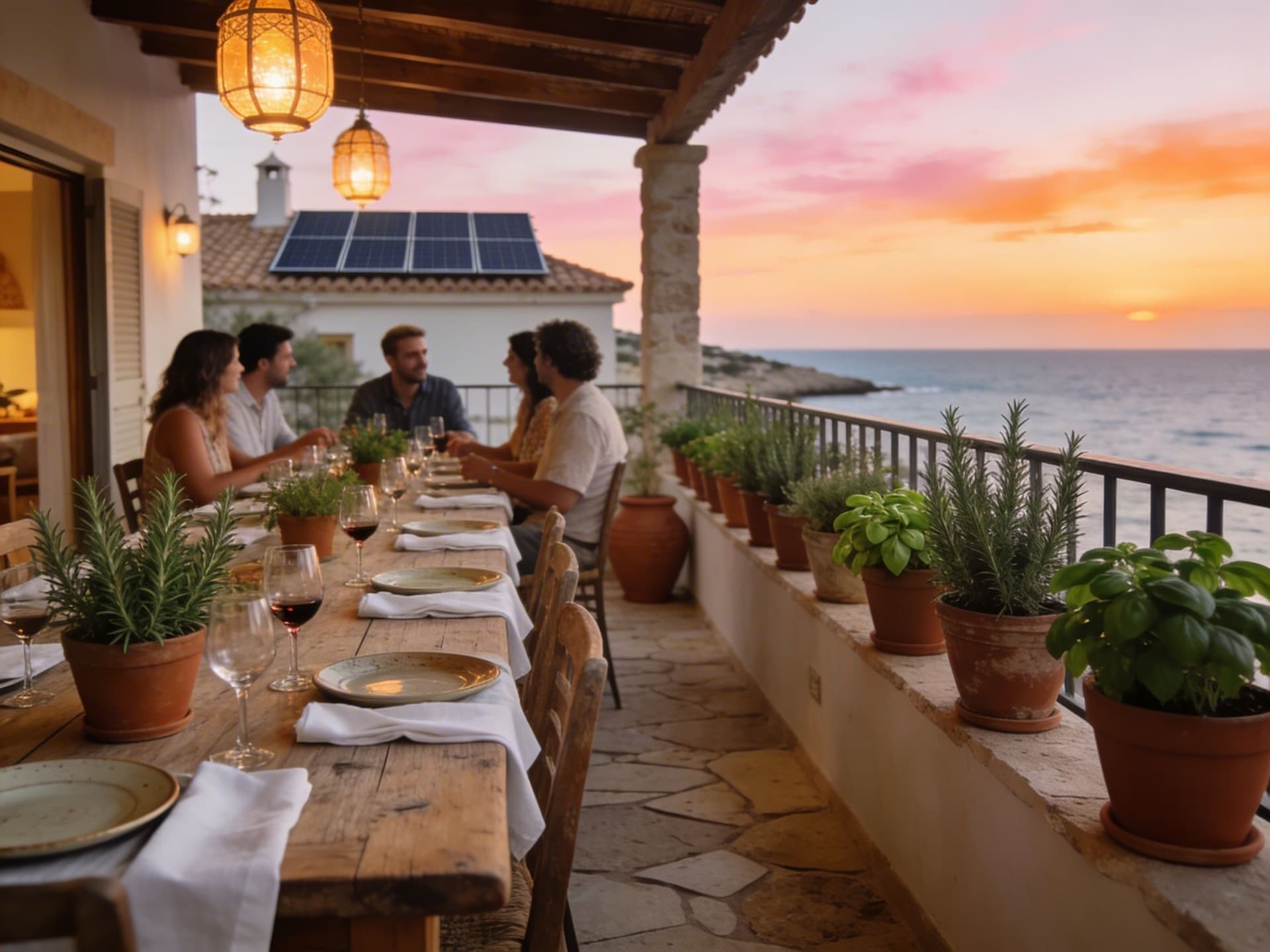
Recent data show Cyprus property prices rising modestly, with district variation and continued foreign interest—Paphos and coastal areas remain especially active. That market picture matters to finance: lenders price risk by region and property type, and green upgrades can materially change loan terms. Before signing, map price trends, compare lender green products, and check government guidance on foreign acquisition so paperwork doesn’t catch you by surprise.
Green mortgages and incentives: what to ask for
Cyprus is expanding renewables and grid connectivity, which lowers long‑term energy risk for owners who invest in solar and efficient design. Ask lenders whether they offer preferential rates or higher loan‑to‑value for homes with solar PV, efficient glazing, or A‑class energy performance. Even where formal “green mortgage” products are emerging slowly, banks often reward demonstrable efficiency with better pricing or reduced fees—so document upgrades and bring energy assessments to negotiations.
Permissions & loopholes: a candid look at compliance
Practically, Cyprus’ acquisition rules for non‑EU nationals can be inconsistent in application: transfers are commonly registered without prior permits, even though formal permission is technically required. That creates a mixed environment: opportunities for speed, but also a risk of later regulatory changes. Work with a conveyancer who reads the register and recent legislative proposals so you’re not caught by new limits or contested transfers.
- Checklist for green financing conversations with lenders
- Bring an EPC or energy assessment when you first enquire
- Ask if banks offer reduced margins for properties with solar PV or heat pumps
- Get contractor quotes for retrofit measures—banks like tangible costs
Insider knowledge: small choices that change life and costs
Expats often tell the same three stories: they under‑estimated summer shading needs, they over‑paid for sea view without checking energy loss, and they didn’t budget for seasonal maintenance. These are not glamorous, but they shape every sunset on your terrace. A few small, sustainable choices—deep eaves, planted pergolas, and increased thermal mass—turn a nice house into a low‑cost, restorative home.
Cultural rhythms that affect ownership
In Cyprus, social life often happens outdoors and later in the day; weddings or village festivals can reshape parking, access and seasonal rental demand. Neighbourhoods are built around squares, bakeries and churches—so a sunny courtyard is worth more than a modern kitchen in some villages. Factor these rhythms into decisions about layout, rental potential and retrofit plans.
How life evolves: from holiday house to rooted home
Many buyers arrive seeking a summer escape and, within two years, want year‑round comfort. That shift changes priorities—insulation, heating, and community ties become important. Plan for that evolution in your financing: include a small renovation allowance in mortgage talks and keep a list of vetted local contractors so green upgrades happen quickly when you decide to stay.
- Step-by-step: practical purchase checklist with sustainability in mind
- 1. Request the title and check for encumbrances; confirm transfer history at the District Lands Office.
- 2. Commission an energy assessment and contractor quotes for simple upgrades (solar, shading, insulation).
- 3. Speak to at least two banks about green‑friendly mortgage terms and include retrofit costs in valuation conversations.
- 4. Submit acquisition application (form COMM 145) if required; have your conveyancer manage deposit and registration timing.
Conclusion: Cyprus is a place to fall in love with—and to steward. The island rewards buyers who pair sensory attentiveness with careful financing strategy. Prioritise properties that lend themselves to solar, shading and passive comfort; bring energy evidence to lenders; and work with local agents and lawyers who understand both neighbourhood rhythm and changing rules. Start with a lifestyle map—where you want to sip coffee, swim at dusk and walk to market—then let green finance and clear compliance make that life affordable for the long run.
British expat who traded Manchester for Mallorca in 2017. Specializes in guiding UK buyers to luxury Spanish estates with clear navigation of visas and tax.