Greece: Season, Stewardship & Smart Home Choices
Sensory, seasonal Greece: balance the dream of sun, markets and olive groves with current tourism pressures and local rules — practical checks for sustainable buying.
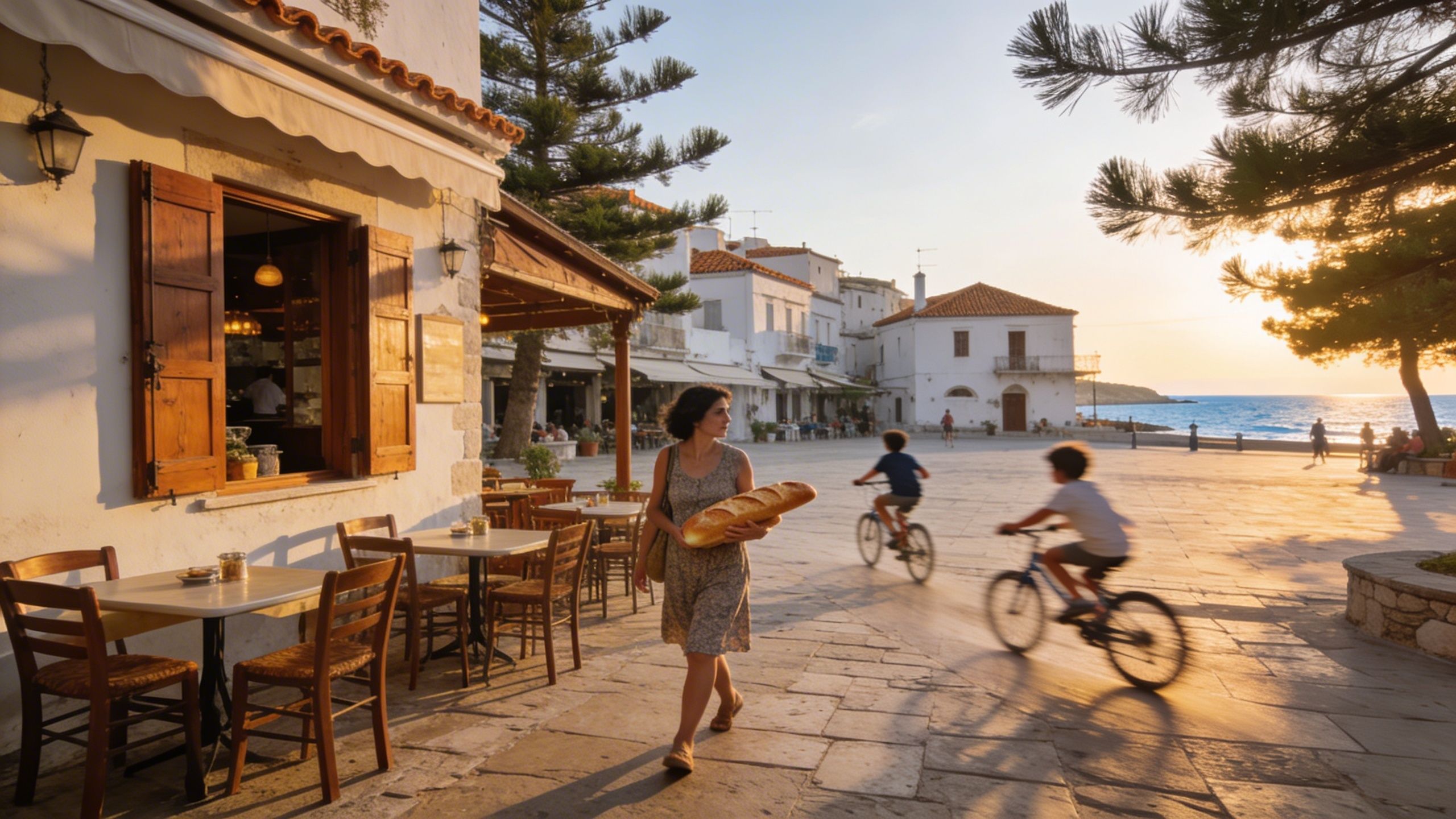
Imagine waking to sea-salted air in a limestone village, buying figs from the woman on the corner of Platia Iroon in Chania, then wandering home past bougainvillea and a stone wall that remembers the Ottoman era. In Greece, life slows to the cadence of markets, siestas and late-night taverna laughter; it’s an intimate marriage of seasonal rhythm and everyday ritual. But beneath that romantic surface lies a heated, changing market shaped by tourism, regulation and local resistance — realities every international buyer should meet with curiosity and care. Here we explore how the dream and the due diligence live together in Greece, with sensory scenes, practical checks, and a few contrarian truths you probably didn’t expect.
Living the Greek Life — mornings, markets and seaside slow time
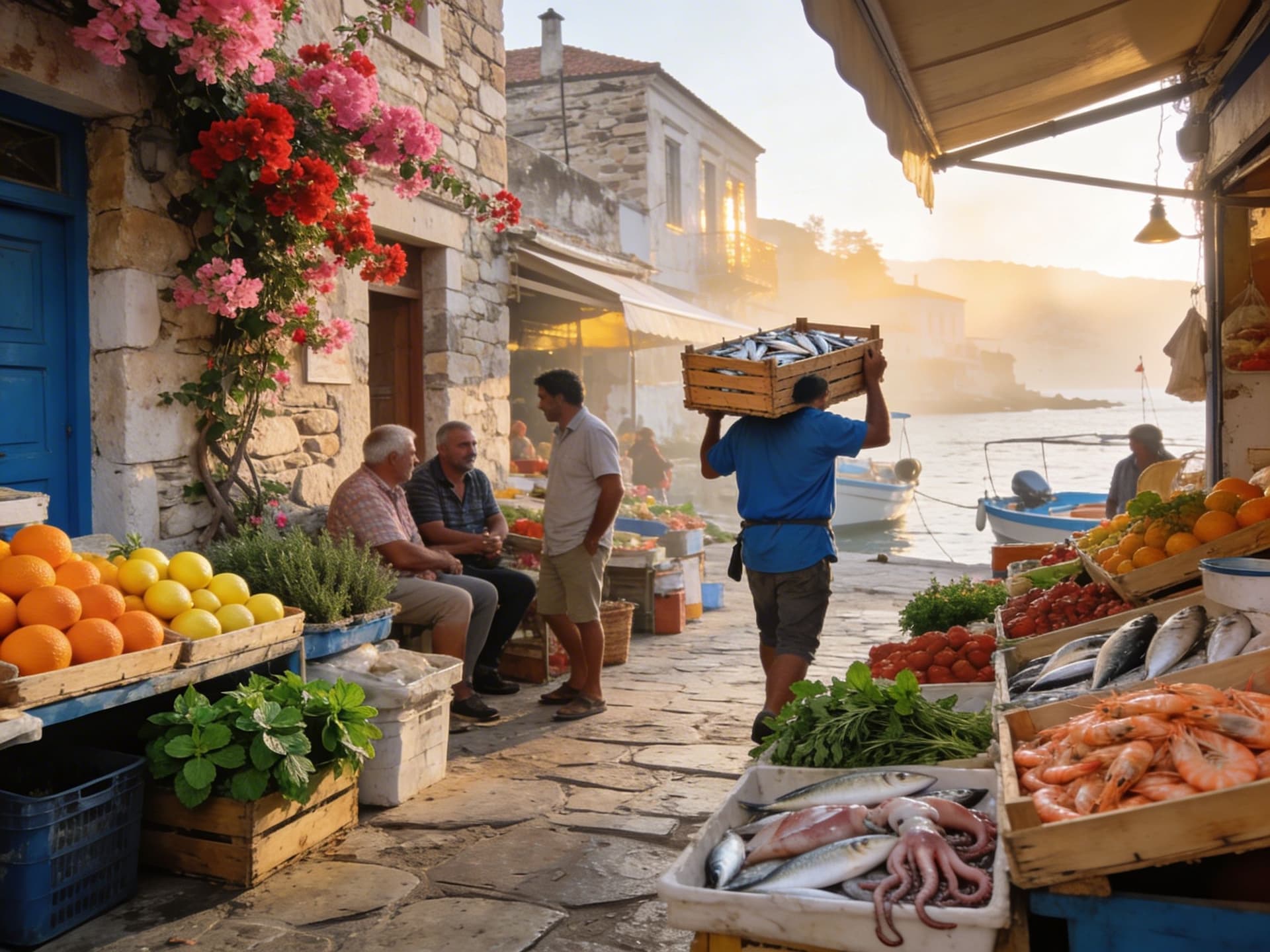
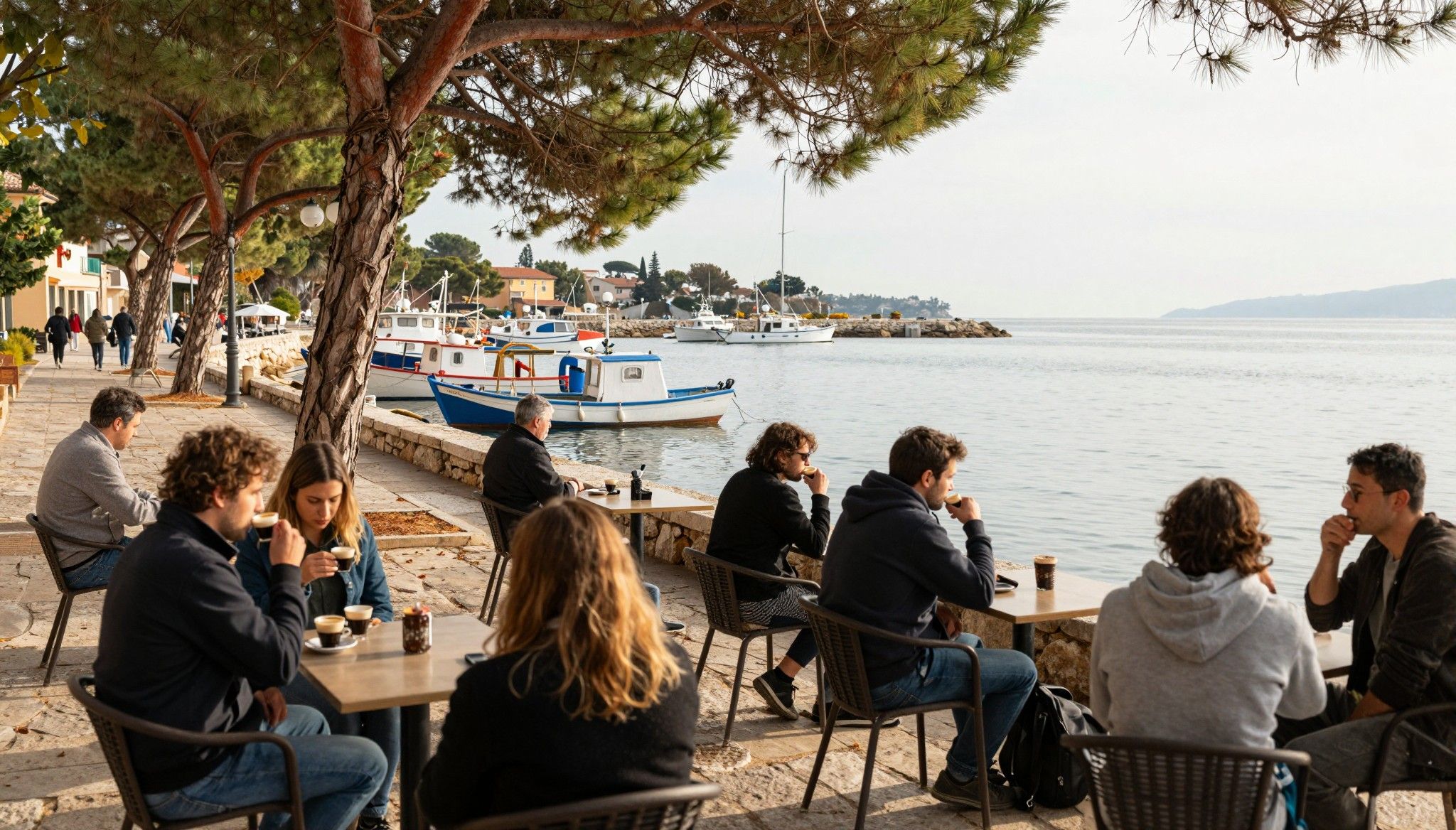
Picture an espresso at Aegina’s Alkioni café, the fragrant hum of sardines on the grill in Piraeus, or a slow Sunday lunch under a plane tree in Nafplio. Greek daily life is intensely local: neighbourhood bakeries (psistaria), municipal markets (laiki), and small ports where fishermen know everyone’s name. That texture of place — the scent of thyme on a windy headland, the clack of bouzouki at dusk — is what you’re buying into as much as mortar and tile. For eco-minded buyers, many properties sit within olive groves or terraced vineyards, where solar panels, cisterns and native planting help homes feel like a natural extension of the land.
Athenian pockets: Kolonaki hush, Koukaki kitchens, Exarchia’s edges
Athens is many cities in one. Kolonaki hums with quiet cafés and small galleries; Koukaki’s side streets host family-run tavernas and morning markets; Exarchia, once bohemian and raw, is evolving under pressure from tourism and new regulation. In 2024–25 Athens has seen policy responses to short-term rentals, including moratoria and stricter standards in some central neighbourhoods, which change where locals live and where buyers find authentic community. If you imagine living in Athens like a local, look beyond Syntagma and the Acropolis view — the neighbourhoods that feel most lived-in are often one or two streets off the tourist map.
Island moods: Cycladic white, Ionian green, northern hinterlands
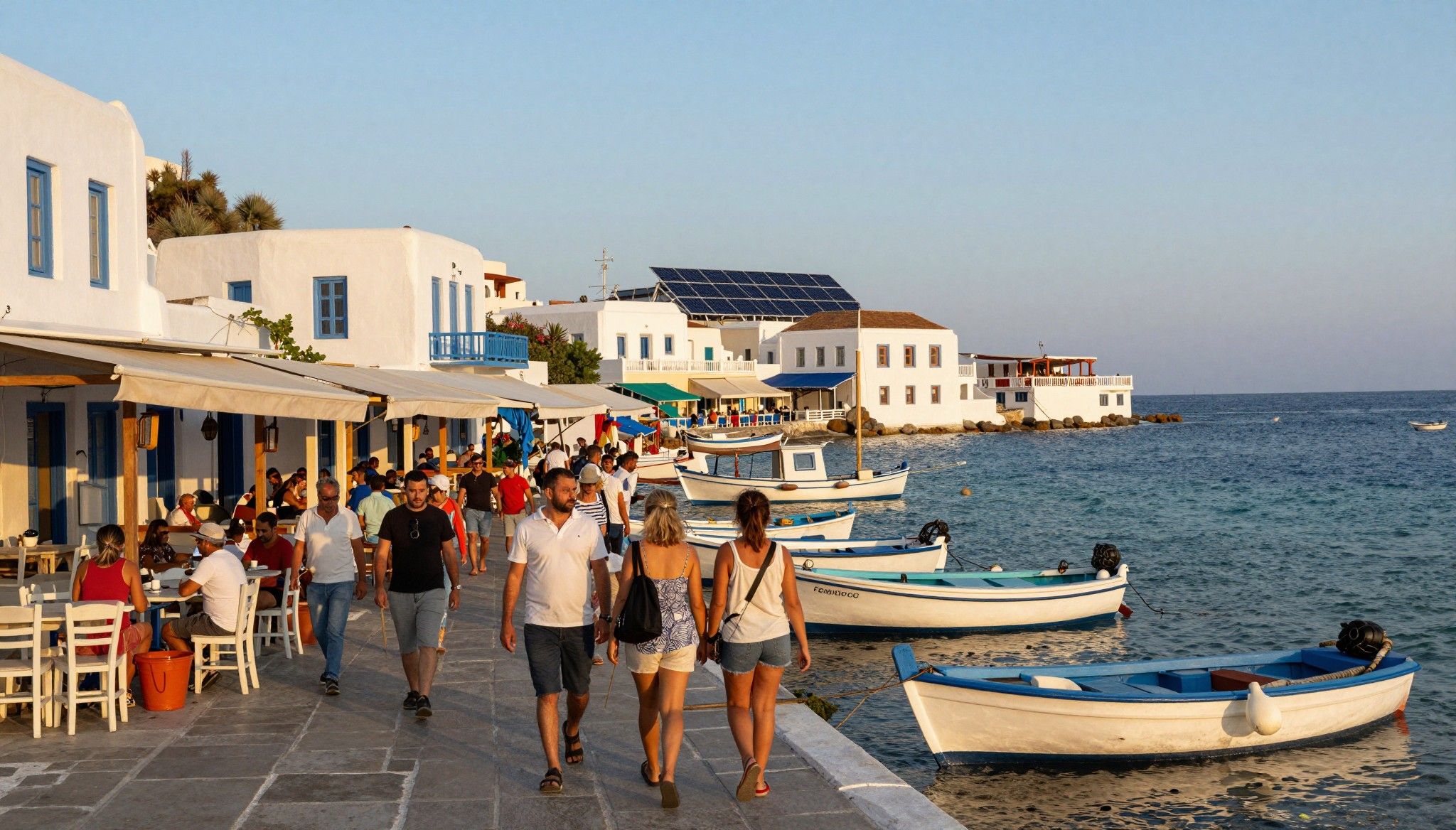
Island life runs a spectrum: the Cyclades glitter with whitewashed tourist circuits, the Ionian islands keep lusher gardens and a slower green rhythm, and northern Greece offers oak forests and secret rivers. Mass tourism has been a lifeline and a strain; some islands face overtourism and overbuilding while others retain quiet coves and working harbours. For eco-focused buyers, the Ionian and parts of the Peloponnese often offer easier integration of regenerative landscaping and water-conserving systems, while the Cyclades demand careful attention to water supply and construction limits.
- Morning markets and daily life: Laiki markets in Chania, Monastiraki flea market, Aegina fish stalls, Nafplio’s Saturday plateia fair, Elia beach mornings, and small island bakeries serving warm koulouri.
Making the Move: practical considerations that keep the lifestyle intact
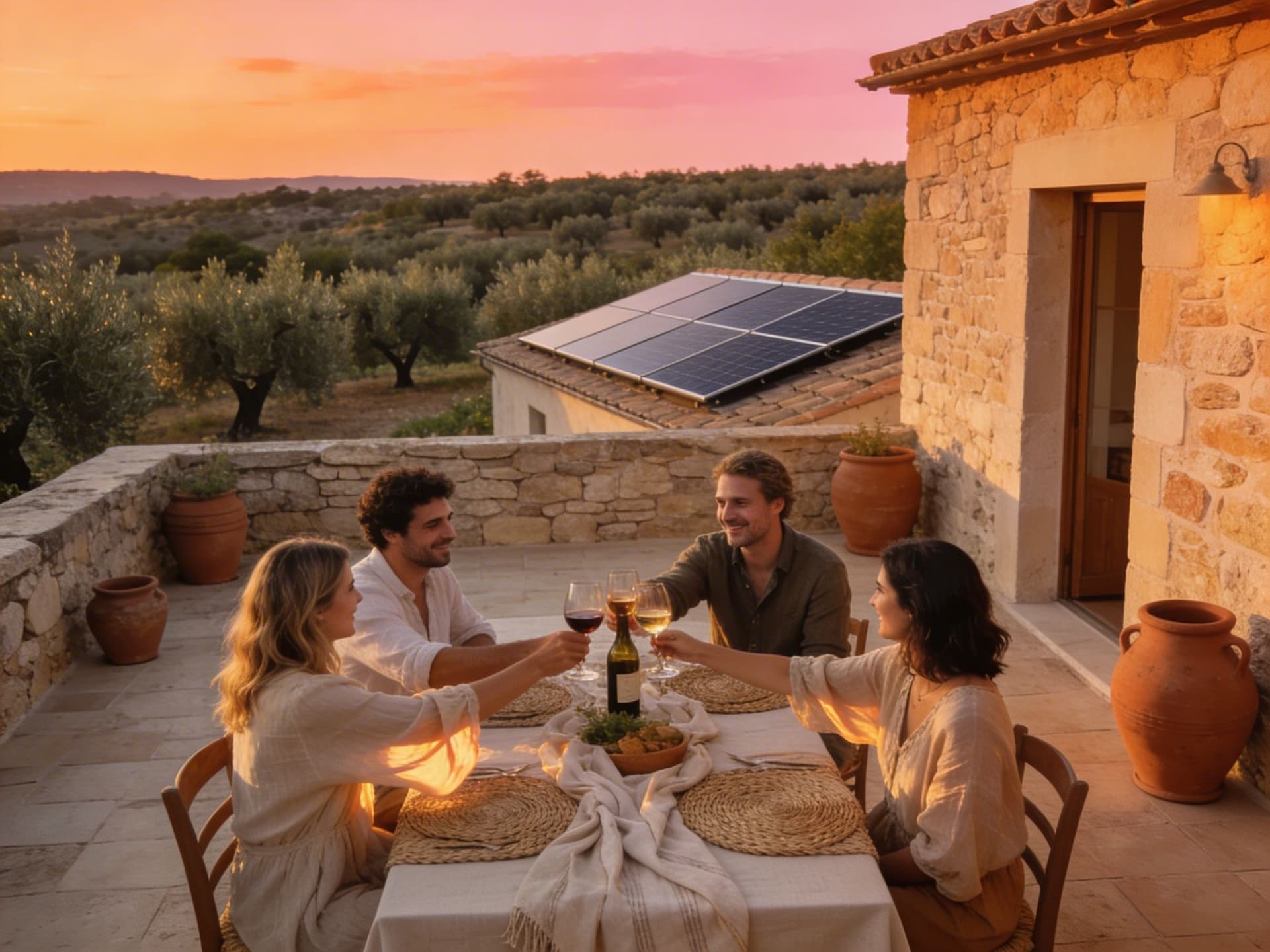
Your love for Greece should be accompanied by practical checks. The tourism boom — Bank of Greece figures show strong visitor growth and record receipts in 2024 — affects rental demand, seasonal pressure on services and sometimes local politics around housing. That reality can push price and renovation demand in hotspot areas, but it also creates opportunities for off‑peak discovery and community-minded purchases. Pair lifestyle scouting with targeted due diligence: water access, building permits (otoika), and neighbour agreements often determine whether a property becomes a seasonal escape or a sustainable, year-round home.
Property styles and how you’ll actually live in them
Stone-built village houses invite slow mornings and courtyard gardens; neoclassical flats in Athens place you within café life and municipal services; modern villas offer passive-solar orientation and room for olive trees. Think beyond square metres: terraces, cisterns, built-in shading and passive cooling will determine comfort across hot summers. If you plan to host friends or rent occasionally, consider access — steep island roads can offer privacy but complicate maintenance and deliveries. Always ask for detailed utility histories and any improvements tied to local planning permits.
Working with local experts who know the rhythm
A good local agent is more than a listing service: they are your cultural interpreter, translator of municipal codes, and synchroniser of builders and notaries. Choose advisors who can show you how a place lives in January as well as July — whether a square empties, how winds affect rooftops, where community water points lie. For sustainability-focused buyers, ask agencies about passive-design examples, local renewable installers, and community composting initiatives. Agencies rooted in place often have relationships with local craftsmen — stonemasons, lime plasterers and carpenters — who keep restorations authentic and resilient.
- Steps that blend lifestyle sense with practical checks: 1) Spend two separate weeks: one in peak season, one in off-season to feel rhythms. 2) Verify water and utility histories and ask about cistern capacity. 3) Request all building permits and check for retroactive approvals. 4) Meet neighbours and local council representatives about planned development. 5) Discuss seasonal rental rules with your advisor to understand legal changes and restrictions.
Insider Knowledge: what expats wish they’d known earlier
A common expat refrain: we romanticised sun and sea, but overlooked seasonality, local politics and the very real debate around tourists and housing. In 2024–25, regions have reacted to visitor pressure with new rules and moratoria in central Athens and on some islands; these measures can mitigate over-tourism but also shift investment flows. Many who stayed long-term advise buying where community life still functions year-round: small ports with bakeries open in winter, villages with a functioning clinic, and towns with steady ferry links. These qualities sustain daily life when the cameras move on.
Cultural integration, language and social rhythms
Greek social life values reciprocity and presence: neighbours help with olive harvests, cafés exchange news, and invitations to a taverna table are often the clearest path to belonging. Learning basic Greek opens doors — not as a transaction but as a shared respect — and small gestures (helping with a market carry, attending a local festival) build real ties. Expect bureaucracy to require patience; a relaxed, curious demeanour and interest in local crafts and seasonal work will ease many local interactions.
Long-term lifestyle: stewardship, seasons and legacy
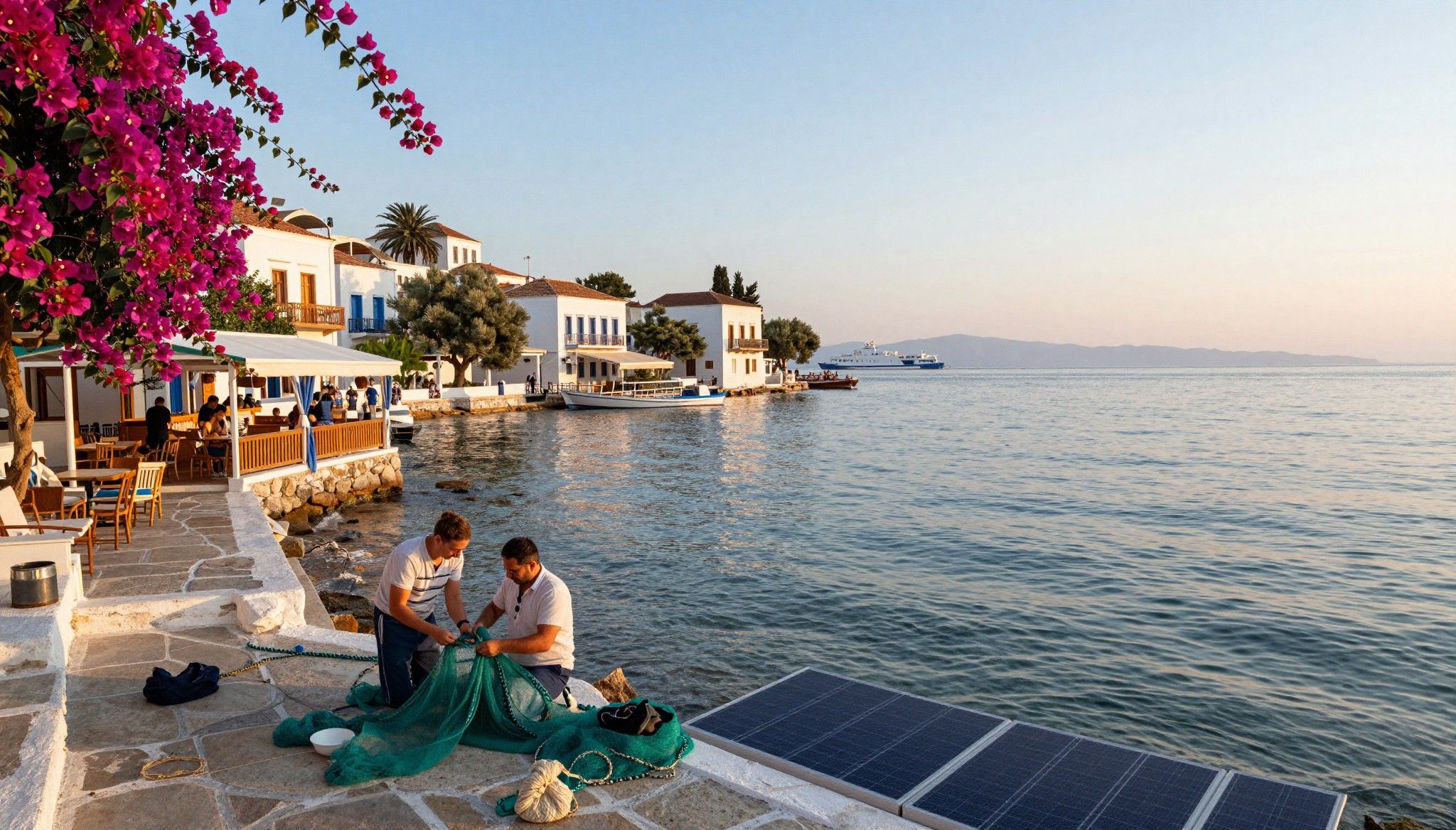
Buying in Greece can be the start of stewardship: planting native hedgerows, restoring terraces to reduce erosion, and fitting solar arrays are choices that protect the landscape and your investment. Think in decades: properties that respect water, soil and local building traditions hold their character and tend to require gentler maintenance. Consider partnerships with local conservation groups or craftsmen as part of the purchase plan — the home that integrates into its ecosystem will reward you every season.
- Red flags and local checks: Unregistered extensions or missing permits; no written agreement on shared water access; properties dependent on diesel generators; sales pushed as "short‑term rental goldmines" without local consent; steep access roads without maintenance agreements.
When you picture yourself in Greece — kneading bread in a sunlit kitchen, watching storm-clouds assemble over olive groves, walking home across a seaside plateia — let that image guide what you prioritise. Then pair that image with careful, place-specific checks: speak to neighbours, vet permits, and choose local agents who measure success by long-term stewardship as much as price. If you do both, you’ll not only buy a house in Greece; you’ll invest in a life that grows more rooted and generous with each season.
Next steps: Visit off-peak, meet local craftspeople, request full permit histories, and ask your agent for two references in the same town who will speak frankly about winters, water and community. When ready, agencies that specialise in eco-conscious restorations can introduce you to stonemasons, lime plasterers and solar installers who will help the home settle into its landscape. We’re here to connect you with advisors who share that long-term view.
Dutch property strategist who helped 200+ families find sustainable homes in southern Europe; expert in legal pathways and long-term stewardship.