Buy in Cyprus: Little‑Known Lifestyle Tradeoffs and Green Wins
Sense the island first: visit Cyprus across seasons, favour traditional materials + low‑impact upgrades, and match lifestyle to region using data from the Central Bank and local guides.
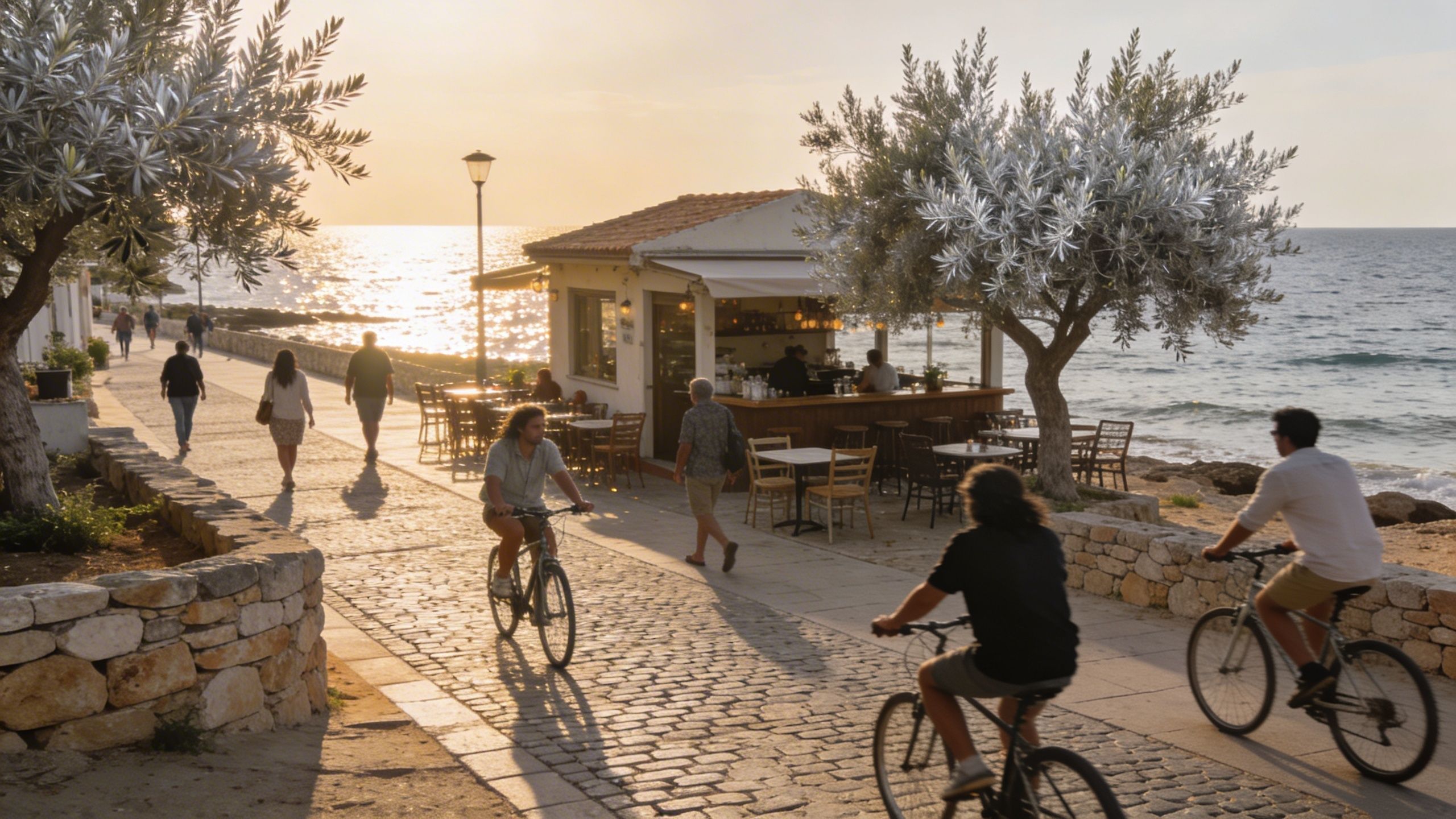
Imagine waking to the smell of wood‑fired souvlaki drifting from a nearby taverna, taking a late morning walk through plane trees in an Anatoliki Limassol lane, then slipping away to a coastal path where the sea light shimmers like crushed glass. That ease between village quiet and coastal sociability is what draws many of us to Cyprus — a small island whose rhythms are set by olive harvests, municipal markets and a sun that insists you live outdoors. For international buyers with an eye toward sustainable living, Cyprus is deceptively complex: the lifestyle is immediate and lovely, while market signals and seasonal rhythms quietly shape price and practicality. Recent data — and weeks spent talking to local buyers, architects and small‑scale olive farmers — show that the real decision isn’t simply “where” but “how” you want to belong here, in ways that honour the land.
Living the Cyprus life: sunlit routines and secret corners
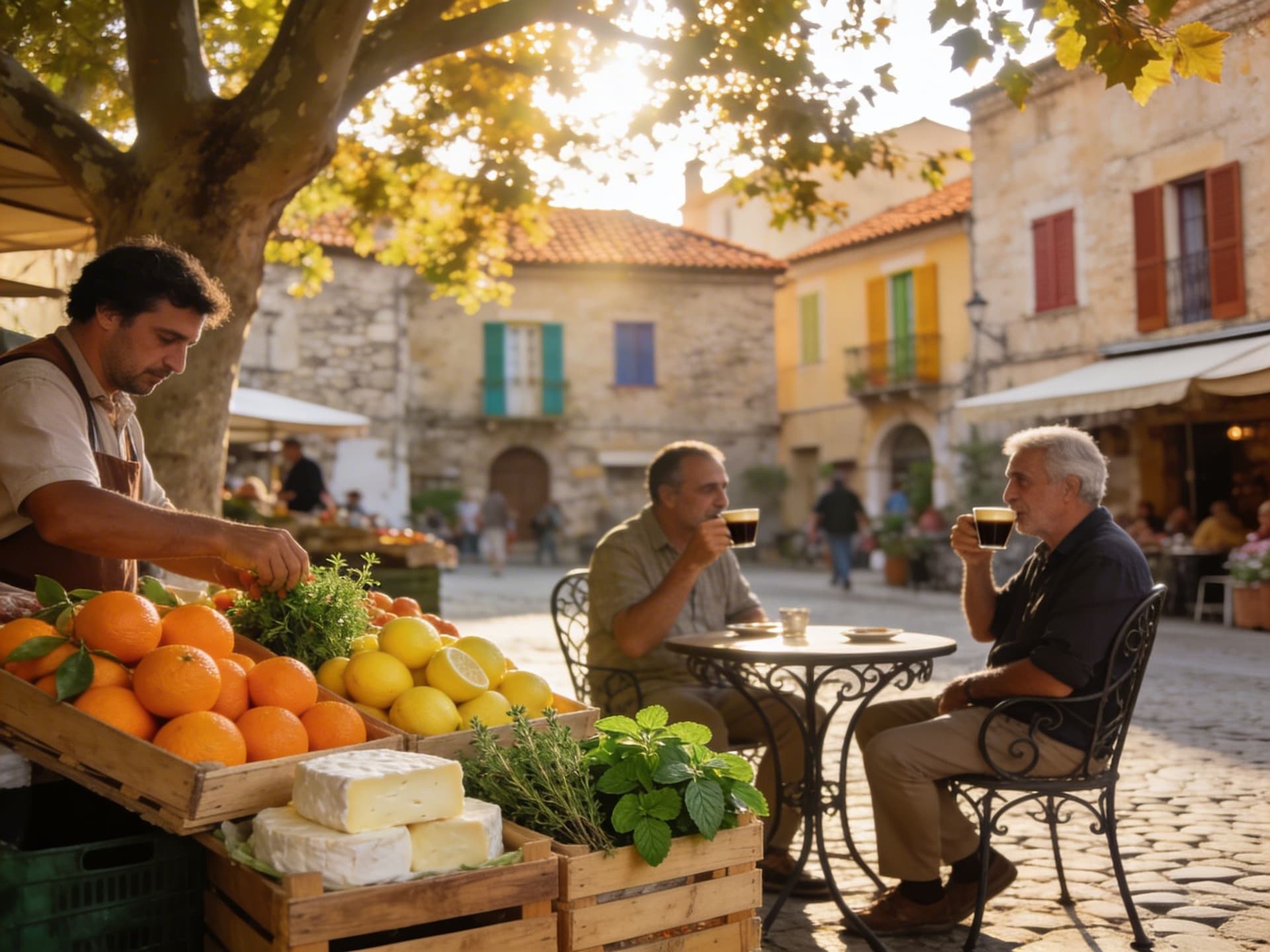
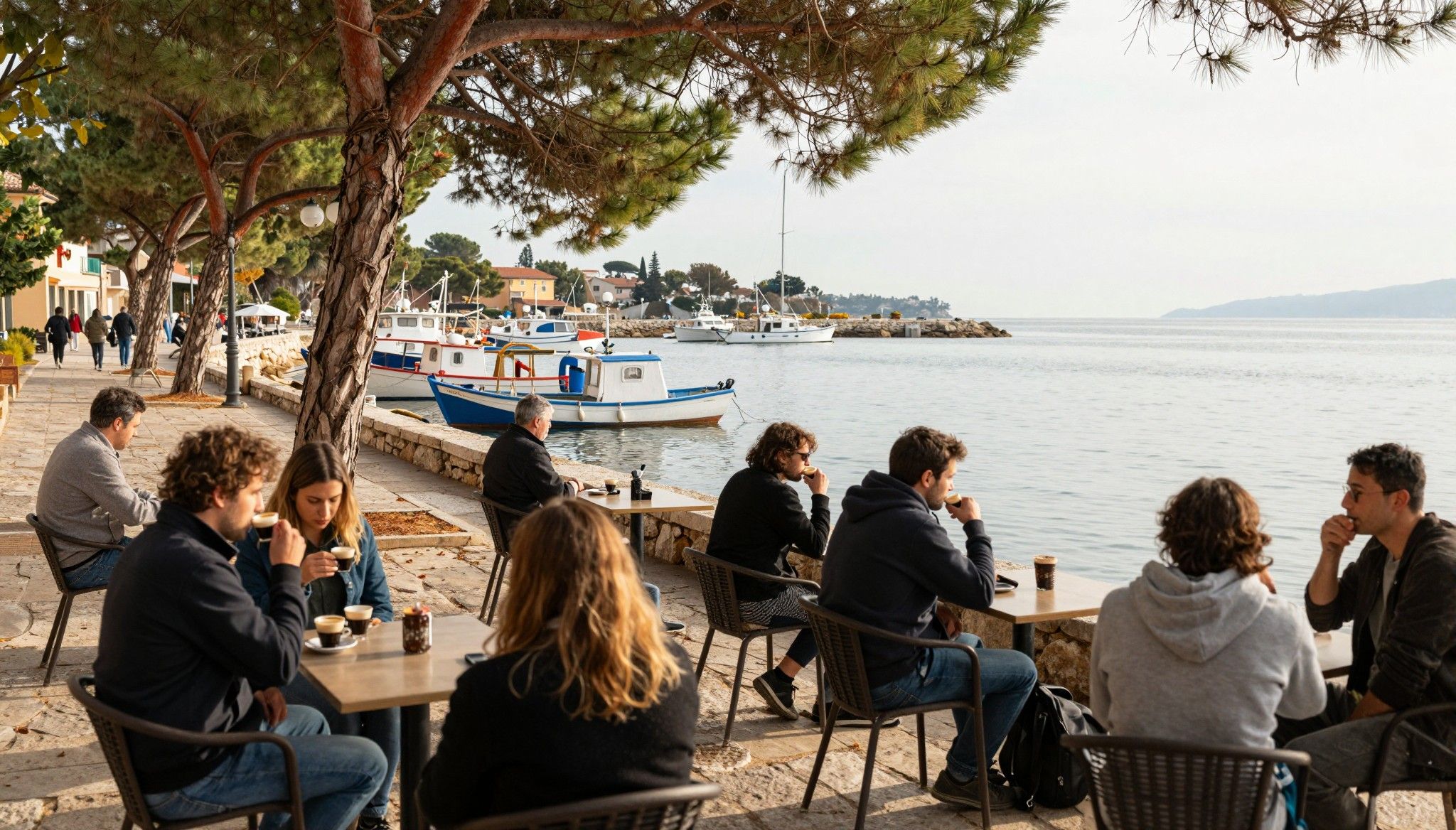
Cyprus wears many faces: the cosmopolitan ease of Limassol’s waterfront, the honey‑stone intimacy of Paphos lanes, the slow, herbal afternoons of Troodos mountain villages. Days begin with coffee and bread, often in a square where life unfolds slowly — children, pensioners, and fishermen all sharing light. Evenings favour outdoor dining, wines from small vineyards, and a communal pace that feels restorative; weekends are for beaches or vineyards, never far apart. For buyers thinking sustainably, these rhythms matter — they shape what features you’ll value: shaded courtyards, rainwater collection, thick stone walls and terraces that invite cross‑ventilation.
Mountain villages and vineyard afternoons
Drive inland toward Troodos and you'll find Omodos, Pedoulas and tiny hamlets where stone houses and cobbled lanes host festivals and small wineries. These places are quietly regenerative: local tile roofs, communal olive presses, and stone masonry that ages kindly. If your dream includes a garden of herbs, a terrace for late suppers and proximity to hiking trails, a renovated village house can deliver more lifestyle per square metre than a new coastal apartment. Practical note: villages reward buyers who embrace slow renovation and local craft — think lime plaster, natural insulation and sourcing timber from nearby workshops.
Seaside rhythm: Limassol, Larnaca and the coastal pulse
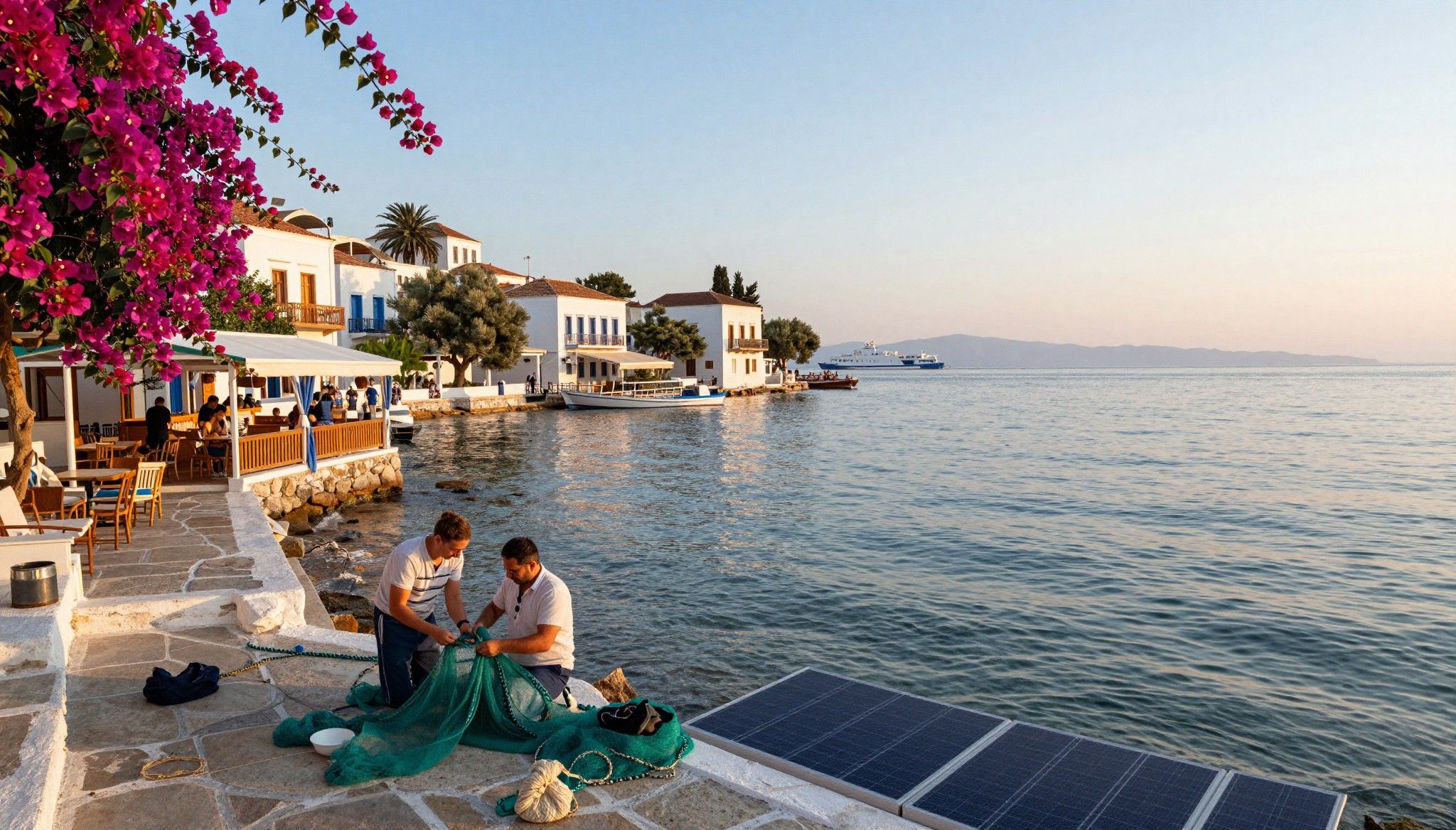
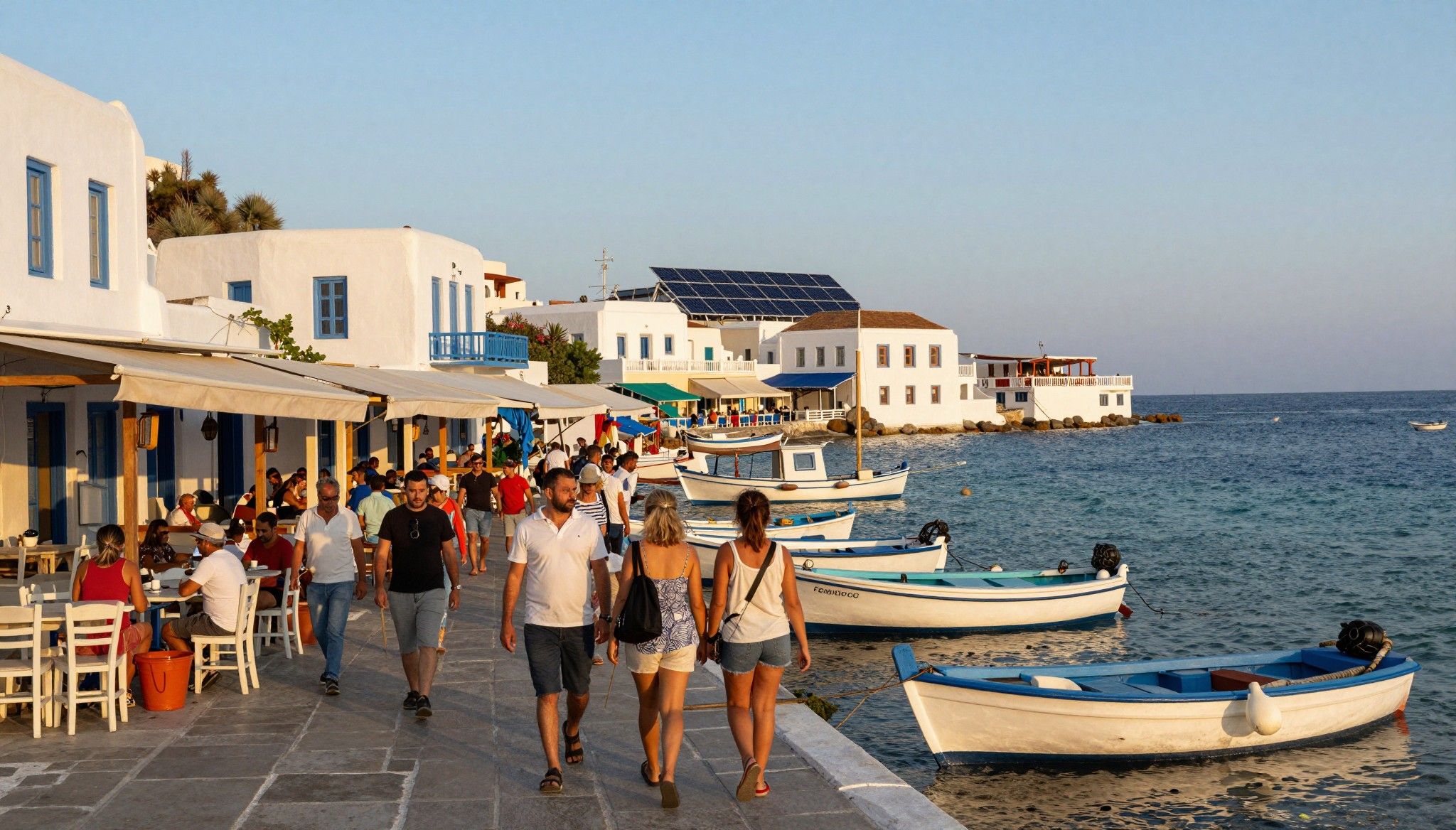
Limassol’s marina and Larnaca’s palm‑lined promenades offer a cosmopolitan counterpoint: boutique cafés, small galleries and evenings that stretch into blue‑lit nights. Coastal homes here favour indoor‑outdoor living — terraces, pergolas, and shallow pools shaded by oleander and pomegranate trees. But the coast also brings tradeoffs: denser developments, higher short‑term rental demand and a premium for sea views. For buyers who want both convenience and conservation, look for developments that prioritise native planting, rooftop solar readiness and communal green space rather than manicured lawns that demand water.
- Lifestyle highlights to taste and test in Cyprus: • Morning espressos at the old Nicosia coffee houses and markets • Sunday meze and village festivals in Omodos or Lefkara • Kayaking in Akamas and sunset swims at Lara Bay • Wine tastings at family‑run wineries in the Troodos foothills • Limassol Marina walks and seafood at Old Port tavernas • Farmers’ markets in Larnaca for halloumi, tal‑masa and local citrus
Making the move: practical considerations that preserve lifestyle
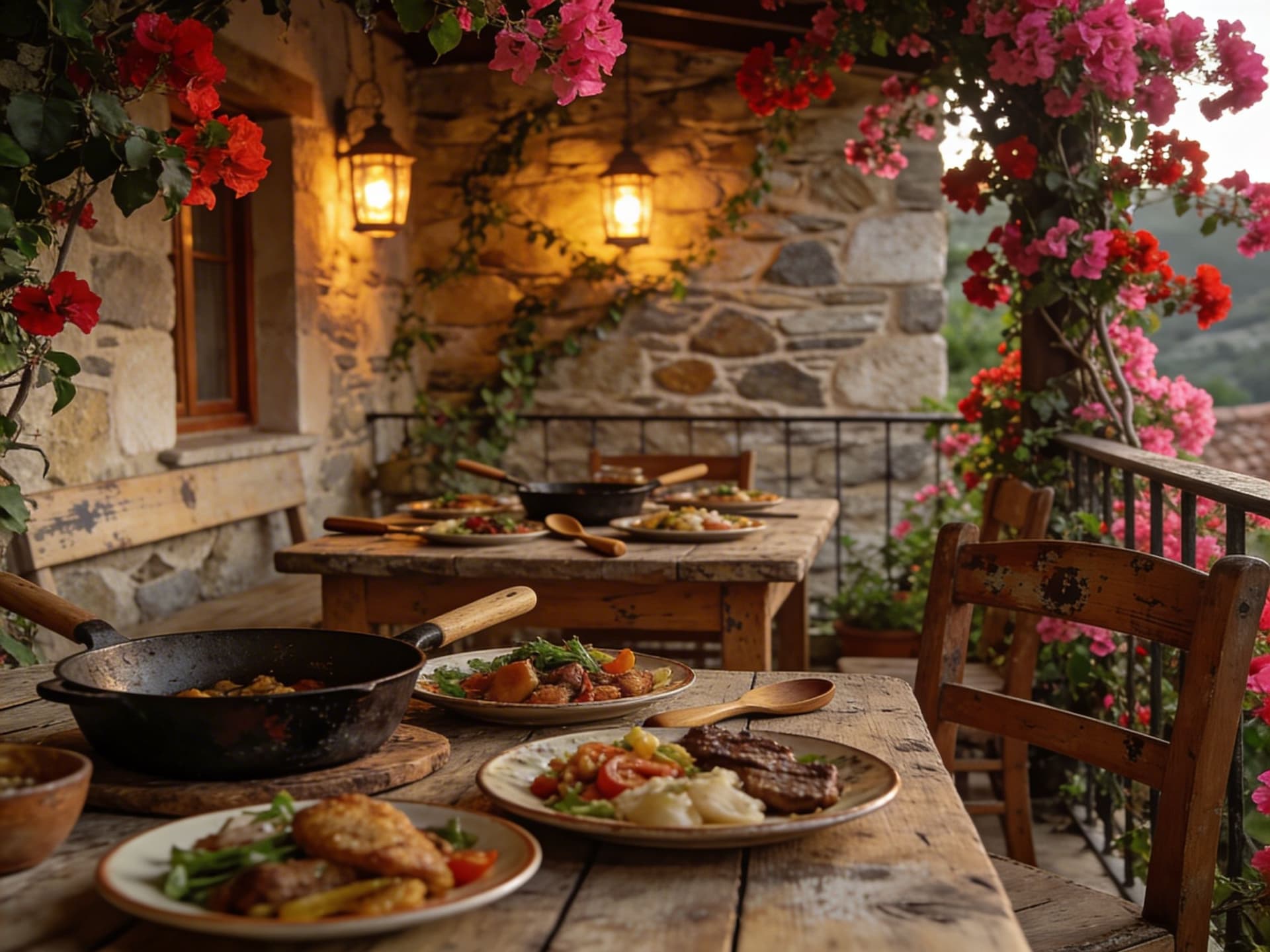
The data matters because it frames where value sits. The Central Bank’s property indices show steady, regionally varied growth in recent quarters, with demand concentrated in Limassol and Paphos while Nicosia has remained steadier. That means the lifestyle you choose will influence price dynamics: coastal convenience often costs more up front, while inland villages reward patience and thoughtful renovation. For eco‑minded buyers this is good news — modest homes in traditional villages can be transformed into low‑impact sanctuaries with lower purchase prices and higher lifestyle payoff.
Property styles and how they shape daily life
Stone village houses offer thermal mass and charm but often need modern interventions: insulation, efficient glazing and discreet photovoltaic systems. Coastal apartments typically include marble finishes and large glazed balconies that favour light; retrofit priorities there are shading solutions and efficient heat pumps. New eco developments are emerging, but the real sustainable wins come from marrying traditional materials (local stone, timber) with modern systems (solar PV, battery storage, greywater reuse). Think of the property as the vessel for your lifestyle: a courtyard for herbs, a north‑facing veranda for summer shade, and space for small‑scale composting.
- How to combine lifestyle and practical steps when buying in Cyprus: 1. Visit across seasons — feel the winter mountain hush and the summer coastal bustle. 2. Prioritise properties with passive features (thick walls, cross‑ventilation) before adding tech. 3. Ask sellers about utility histories and rooftop load for solar. 4. Choose local contractors experienced in lime plaster and stone repair. 5. Negotiate a timetable that allows phased, low‑impact renovation rather than wholesale gutting.
Insider knowledge: small truths expats wish they’d known
Expat communities are warm and practical — English is widely spoken in business and services, but learning Greek opens doors to deeper friendships and access to village networks. Local rhythms are seasonal: municipal life slows in August while festivals and wine harvests accelerate activity in autumn. A common regret among recent buyers is under‑estimating local bureaucracy and timeframe for permit approvals; another is overlooking small maintenance items like drainage and garden micro‑irrigation that matter in summer. Knowing these little things makes the lifestyle sustainable rather than aspirational.
Cultural integration and daily belonging
Make an effort to attend village fetes, join a local volunteer group or the neighbourhood bakery queue — these are how you truly belong. Practical steps include learning basic Greek phrases, hiring local artisans for repairs, and shopping seasonally at farmers’ markets. The payoff is more than convenience: deep social ties that turn a house into home and a garden into a patchwork of shared produce and recipes. For many buyers that sense of rootedness becomes the most valuable return on investment.
Long‑term stewardship: how your choices shape the place
When you buy with stewardship in mind you become part of a longer story: replanting terraces with native shrubs, fixing old cisterns for rain capture, and committing to natural materials. These decisions lower running costs and maintain the island’s character. Small gestures — like accepting native stone walls rather than replacing them with rendered fences — sustain biodiversity and keep villages alive. Over time, buyers who invest in place‑keeping see greater lifestyle returns: healthier gardens, better shading, and neighbours who share tools and seasonal labour.
If Cyprus feels right, begin by visiting in two different seasons and make a short checklist: neighbourhood character, passive design features, permit history, utility records and a local builder’s estimate for cosy, low‑impact upgrades. Work with an agency that understands both the green details and the local rhythms — they’ll introduce you to properties that feel lived in rather than staged. Finally, plan a phased stewardship budget: small, thoughtful interventions will protect your lifestyle and the island’s character long after you’ve moved in.
Ready to live where olive trees matter as much as square metres? Start by choosing a season to visit, pick two contrasting neighbourhoods — a coastal town and a mountain village — and bring a short list of local craftsmen to meet. That first, slow walk through a market or down a shaded lane will tell you more than ten glossy listings. When you’re ready, a Moss & Hearth partner in Cyprus can help you find a home that fits the island’s light, your values and a long, low‑impact life here.
Danish relocation specialist who moved from Copenhagen to the Algarve; supports families with seamless transitions, local partnerships, and mindful purchases.