Greece: Season, Craft and Where Value Waits
Fall in love with Greece’s seasonal, craft‑rich life—then buy with ecological sense. Market shifts, Golden Visa reforms and local infrastructure make timing and local expertise essential.
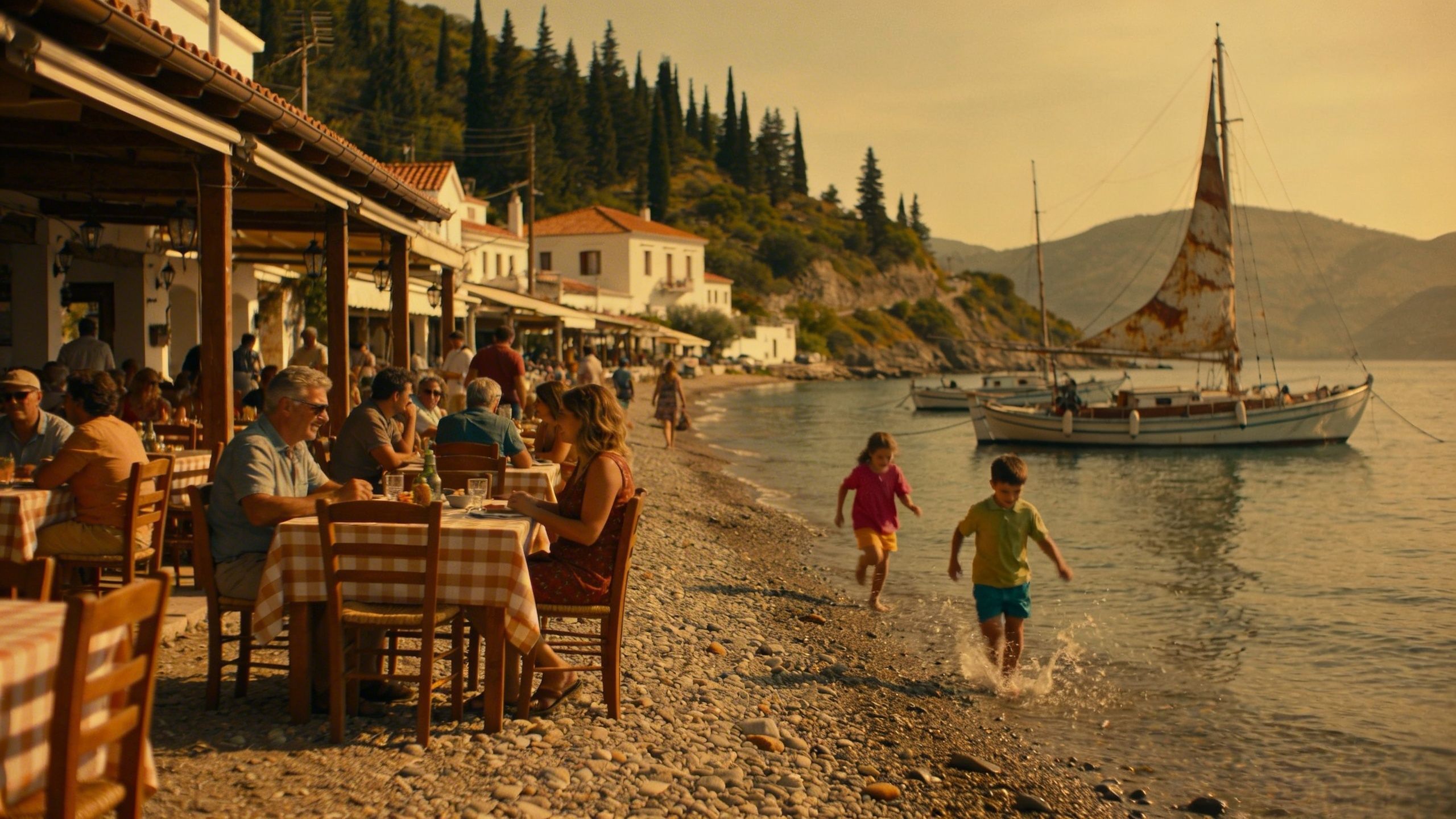
Imagine waking before dawn to the smell of baking koulouri and sea-salt on the breeze, then wandering a quiet lane in Plaka or an olive‑shaded road in Mani. Greece is a place of tactile mornings — stone, cedar, citrus and the steady arithmetic of light — where the landscape shapes life and homes are invitations to live slowly. For international buyers drawn to green living and local craft, Greece offers a rare mix: a warm-climate rhythm, centuries‑deep building traditions, and modern opportunities for renewable retrofit. Yet the market also keeps surprising those who come with only postcard expectations. Recent market analysis shows the picture is nuanced: hotspots are pushing prices while many coastal and inland pockets still offer genuine value.
Living the Greece lifestyle
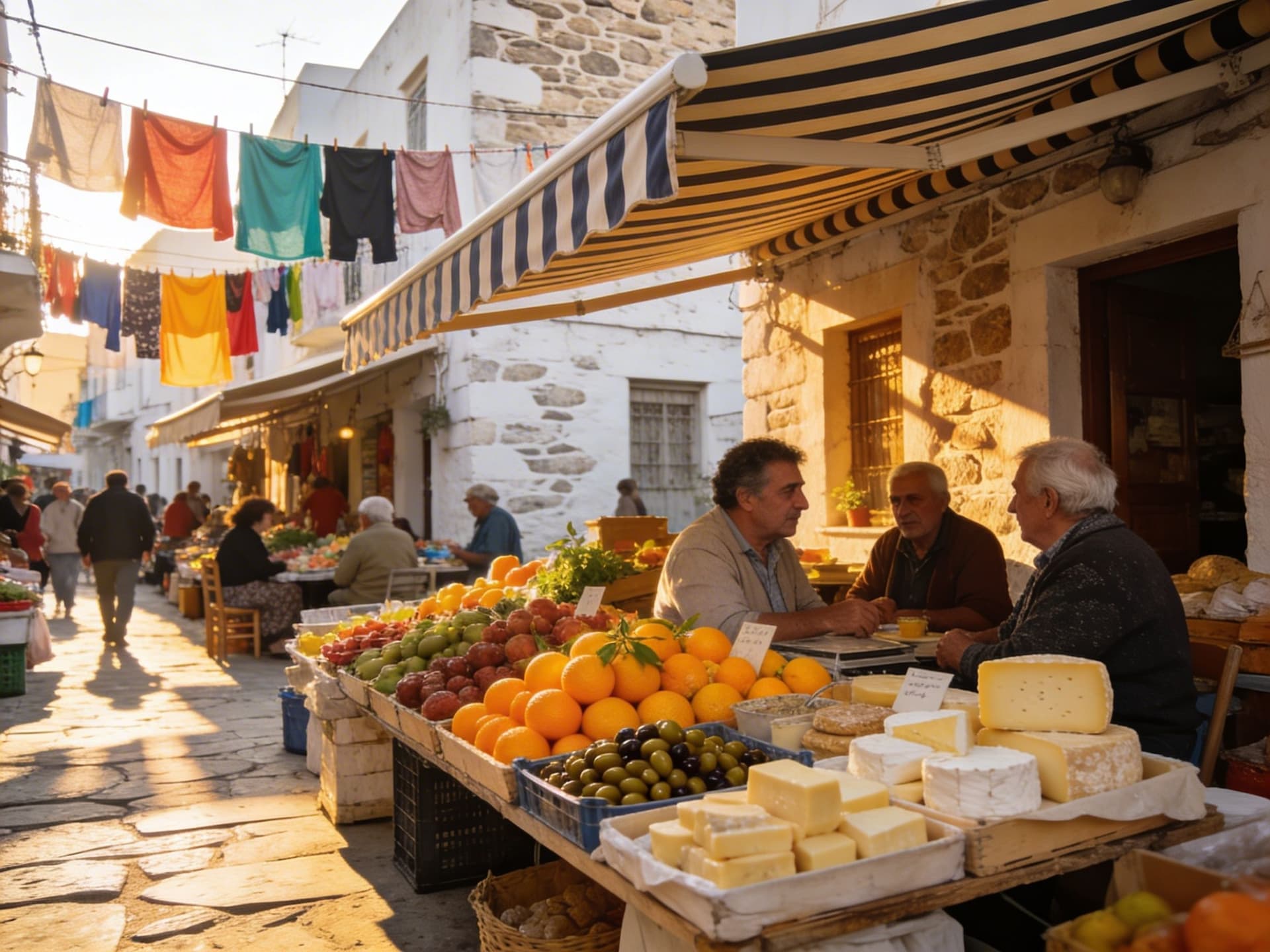
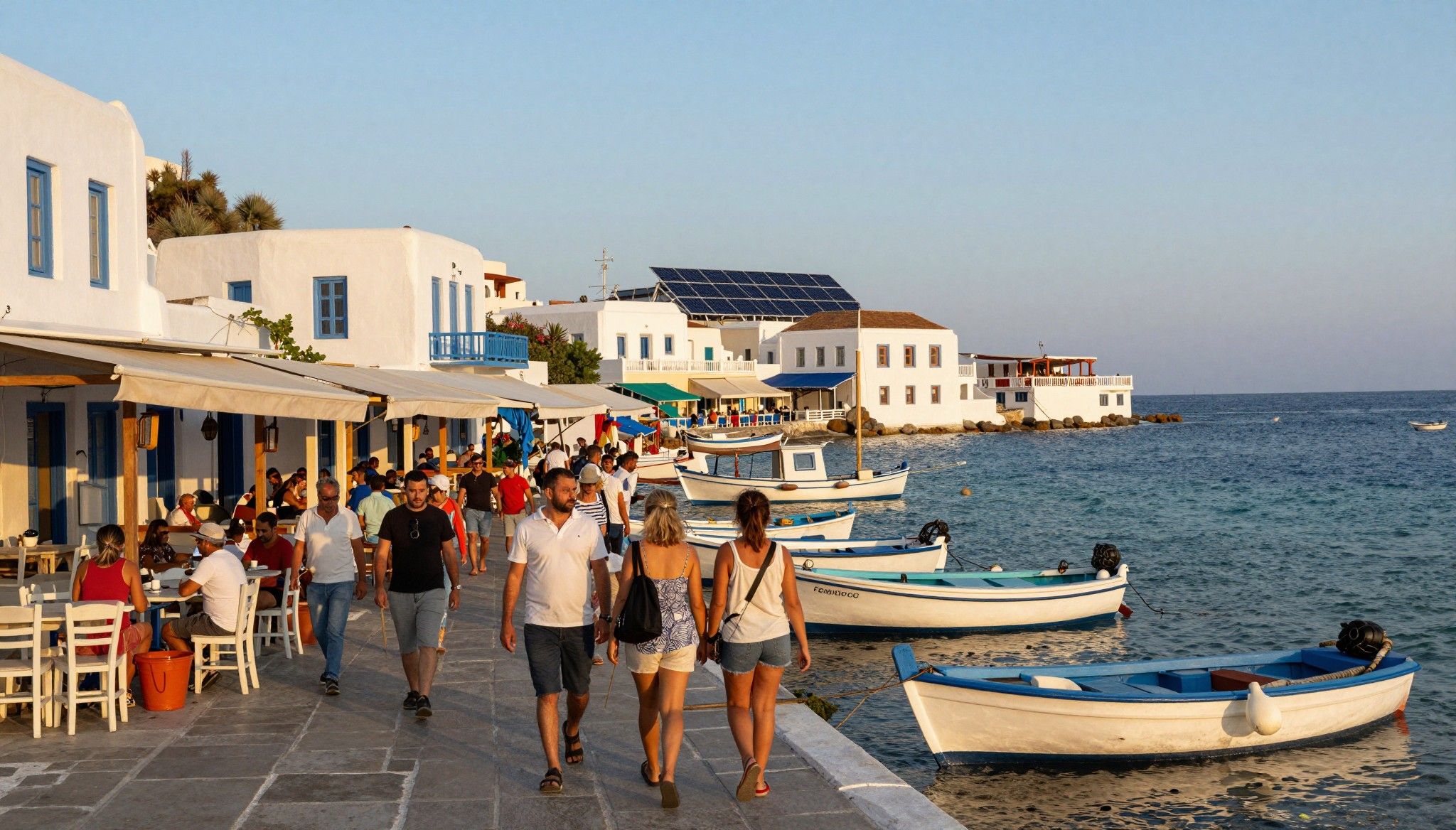
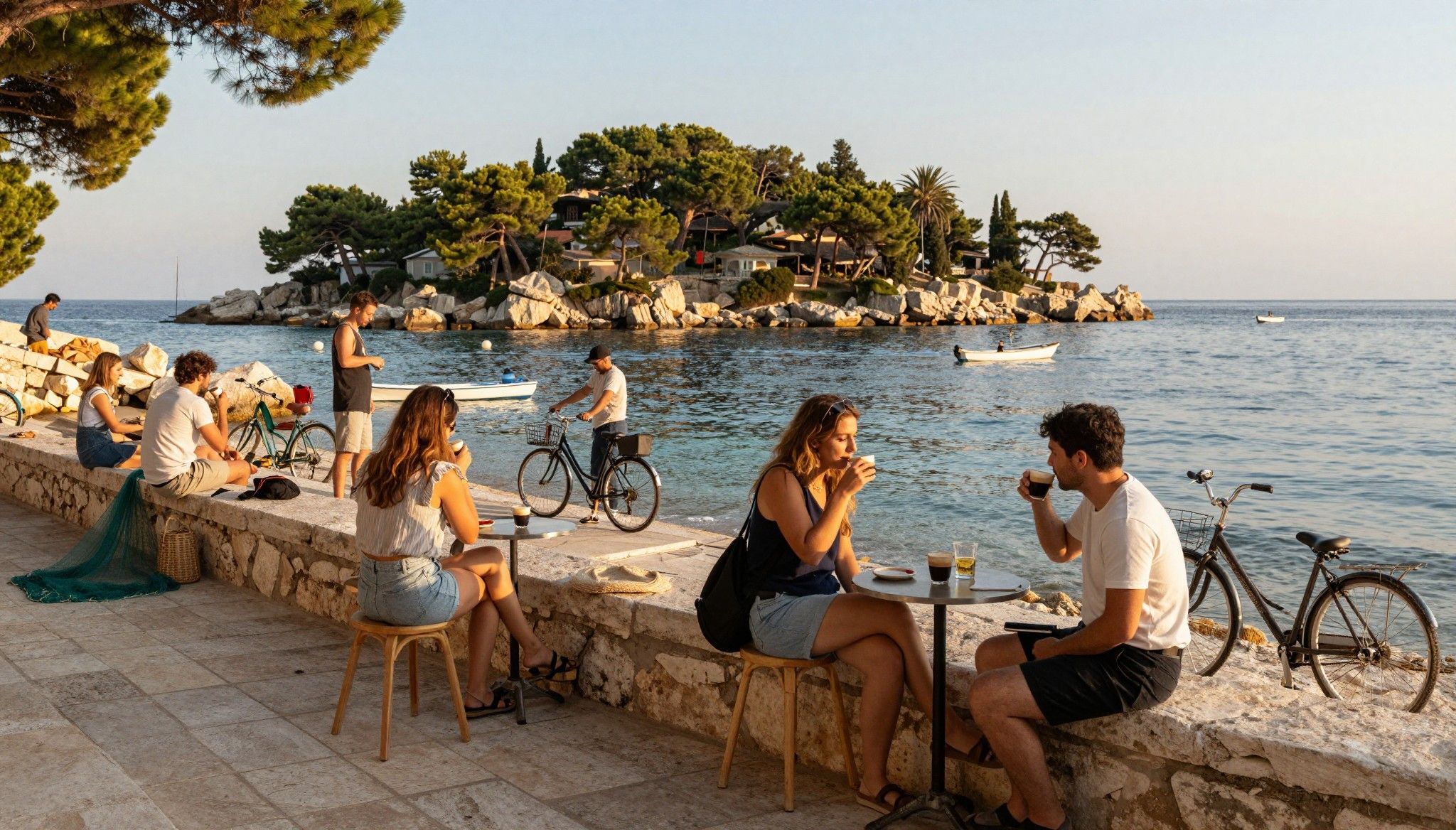
Living in Greece feels improvised and deliberate at once. Days are organized around light and season: morning coffee at a corner kafeneio, a long midday pause in summer, and communal dinners that run late into balmy nights. Neighborhoods are defined by a few sturdy anchors — a bakery, a municipal square, a taverna family — and the architecture always speaks of materials close to hand: stone walls, lime plaster, wooden shutters and pergolas that shade terraces. For eco‑conscious buyers, these traditional materials mean easier retrofit and a language of low‑impact craft that pairs well with solar panels, rainwater collection and native planting.
Athenian Riviera to Exarchia: Contrasts in a day
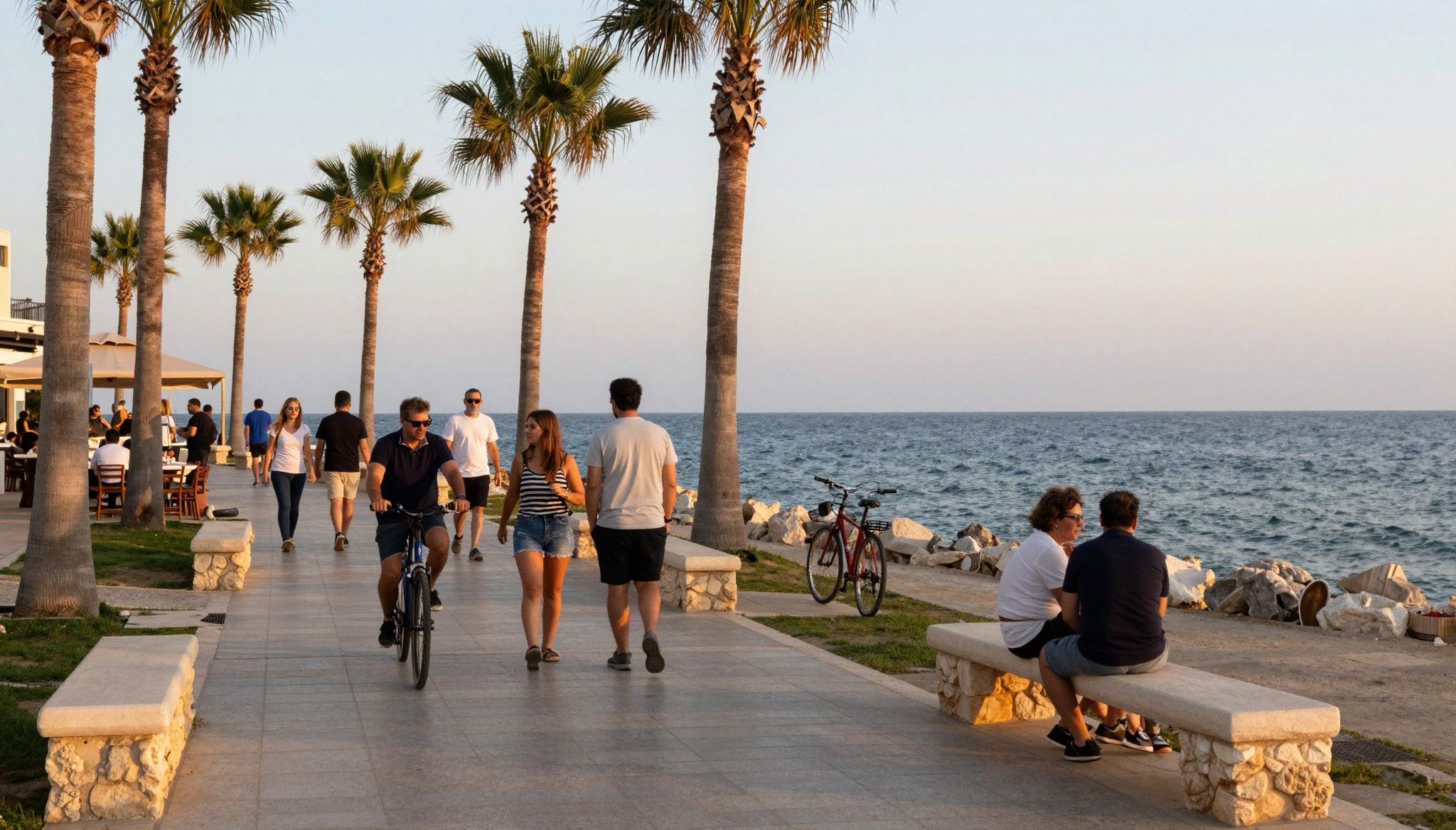
Start the morning on the Athenian Riviera — Glyfada’s sea promenades and Vouliagmeni’s pine‑framed coves — and the afternoons in Exarchia’s bookstalls and slow cafes. The Riviera is about sunlight, yacht‑dotted horizons and modern developments (the Hellinikon project is reshaping nearby values), while central neighborhoods like Plaka, Koukaki or Exarchia offer urban texture: narrow lanes, rooftop gardens and a palpable sense of history. Each setting delivers a different relationship to the land and sea, and each suggests different property priorities: thermal mass and shading for sunny coastlines; insulation and compact courtyards for city life.
Islands and rural Greece: seasons that teach you to live differently
Islands such as Paros, Syros and Naxos hum with summer life; Crete and parts of the Peloponnese sustain year‑round communities with farmers’ markets and artisan cheesemakers. Inland villages teach seasonal resilience: olive harvests in November bring neighbors together to press oil in family mills; spring is for pruning and sea‑side villages empty into contemplative calm. For the eco‑minded buyer, these rhythms inform practical choices — garden orientation for xeriscaping, cistern capacity for dry months, and the value of properties that include productive land or established orchards.
Making the move: practical considerations that preserve the life you want
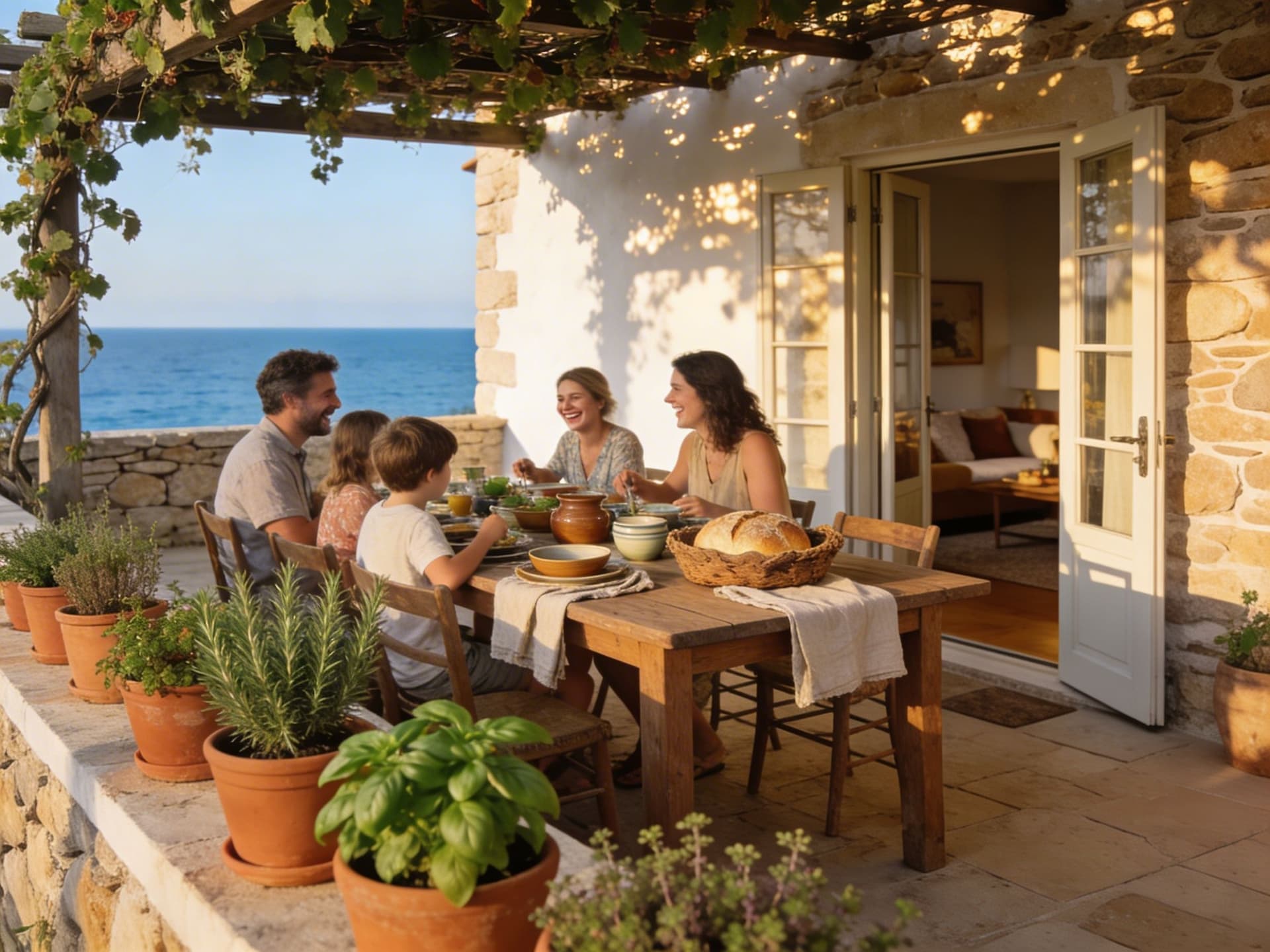
The romance of sunlit terraces meets a market that is regionally varied. Athens and islands have posted notable price rises in recent years, while secondary cities and many rural pockets remain comparatively affordable. Government and industry data show steady national growth but clear segmentation: Thessaloniki, parts of Crete and Athenian coastal suburbs have outpaced other regions. That means a buyer’s lifestyle brief — whether seasonal island ownership, year‑round remote work in a city, or a restored stone home inland — should directly guide where you look and which tradeoffs you accept.
Property styles and their lived advantages
The common property archetypes — neoclassical townhouses, island Cycladic homes, stone farmhouses and modern villas — each shape daily life. A Cycladic whitewashed house offers cross‑breeze cooling and simple indoor‑outdoor flow; a stone Mani house provides thermal mass and seasonal insulation; a modern villa may deliver rooftop solar and heat pumps. Think beyond aesthetics: choose materials and layouts that reduce energy needs, enable local craftsmanship in restoration, and support low‑maintenance gardens planted with local species.
Working with local experts who understand lifestyle, not just listings
- 1. Meet architects or builders skilled in traditional materials — stone, lime, timber — to estimate realistic retrofit costs and local sourcing times. 2. Hire an agent who can show how neighborhoods feel across seasons and can introduce you to local craftsmen and community networks. 3. Ask for energy audits and water‑use histories so you know how a home performs across the year. 4. Prioritize agencies that understand permits for rooftop solar, cisterns and protected‑area restrictions.
Insider knowledge: what expats wish they'd known sooner
Buyers often underestimate the pace at which policy and infrastructure shift the market. Greece’s residency‑by‑investment rules and regional reclassification have changed recently, altering which areas are most attractive for residency applications and investment. Likewise, transport projects — from Thessaloniki’s metro to new airports on Crete — can reroute demand swiftly. These forces mean timing a purchase around policy or planned infrastructure can be smart, but it requires local intel and flexibility.
Cultural integration, language and daily community life
Greek social life still centers on small gestures: a neighbor’s plate at the door, siesta rhythms, and the informal economy of recommendations. Learning a few phrases and showing respect for local customs opens doors faster than any listing. Many expats find community in volunteer olive harvests, cooking workshops, or local cultural associations — ways to both live sustainably and belong. Expect to build relationships slowly and reward them by supporting local craft and food producers.
Long‑term lifestyle considerations
- 1. Climate resilience: prioritize shading, stone thermal mass, and water management for increasing summer heat. 2. Community viability: check year‑round population and services — some islands become quiet off‑season. 3. Stewardship: plan for local maintenance and learn basic repair skills or hire trusted local craftsmen. 4. Income mix: if renting, balance seasonal yield with respectful hosting that supports, not displaces, local life.
Greece offers an intoxicating life: village festivals that sing into the night, small markets where you choose cheeses by touch, and a landscape that encourages slow‑time stewardship. Practically, buyers should pair that dream with targeted questions about seasonality, building fabric and changing rules. Start by visiting in different seasons, meet local tradespeople, and work with an agency that values ecological fit as much as floorplans. When you pair want with know‑how, Greece rewards with a home that ages like olive wood — richer with time.
- Next steps: small, grounded actions to begin - Visit in shoulder seasons (April/May or October) to feel true year‑round life. - Ask agents for performance data (energy, water use) and local references from recent buyers. - Seek out properties with native gardens or space for regenerative planting. - Prioritize agents who introduce you to community, craftspeople and local governance contacts.
If Greece feels like a life you want to grow into, treat the purchase as the start of stewardship rather than a one‑time transaction. The right local agency will connect you to seasonal rhythms, sustainable builders and neighborhoods that match the life you imagine. Take the time to listen to place, and you’ll arrive with a home that makes everyday feel like a slow, bright hymn to the Mediterranean.
British expat who traded Manchester for Mallorca in 2017. Specializes in guiding UK buyers to luxury Spanish estates with clear navigation of visas and tax.