Close Smart in Croatia: Negotiation & Green Stewardship
Fall in love with Croatia’s light and rhythms, then close with season‑aware negotiation and green stewardship clauses to protect lifestyle and value.
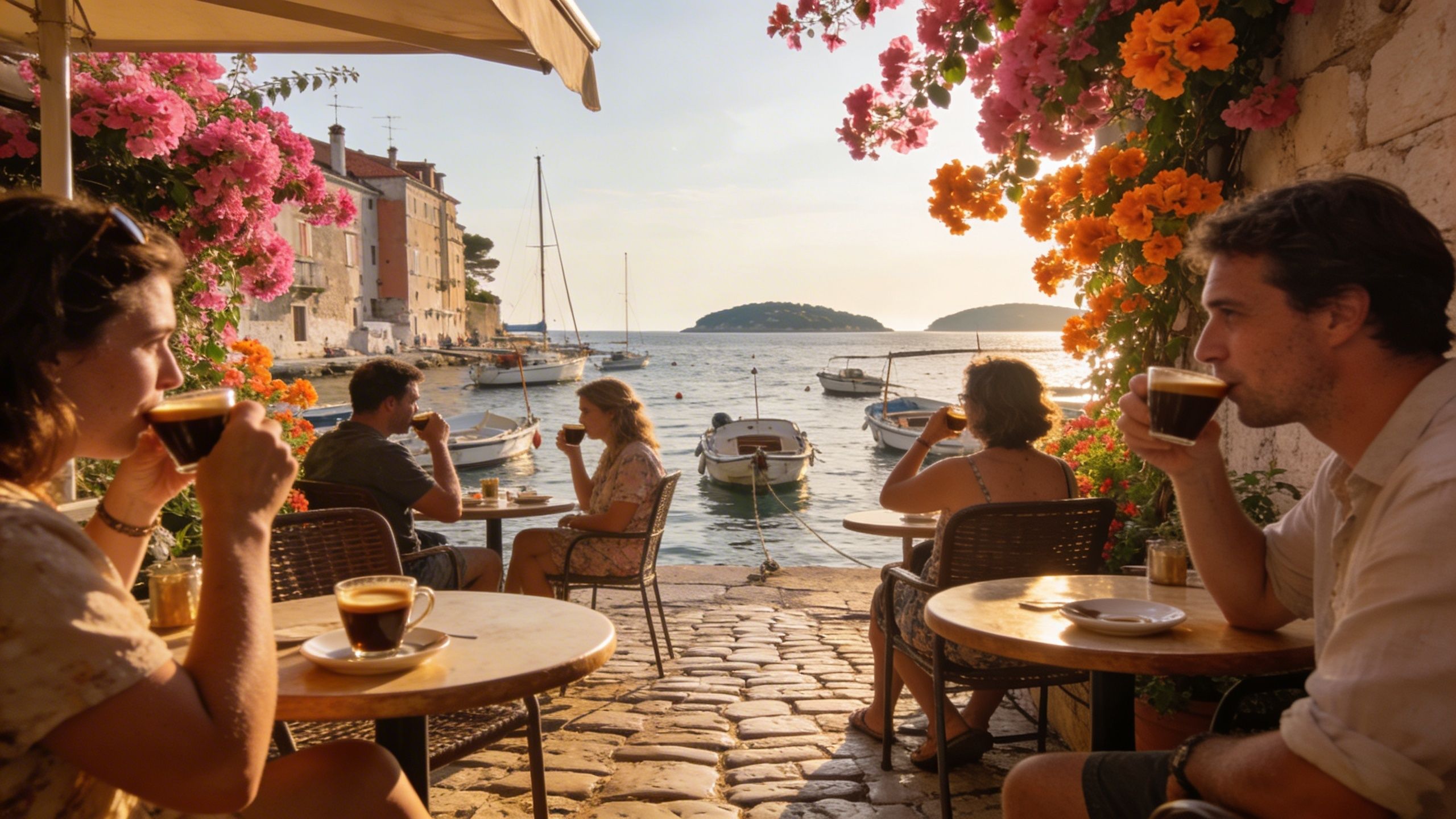
Imagine a slow morning in Rovinj: espresso steam mingles with sea salt, a local baker slides fresh fritule into a paper bag and an old stone house hums with the promise of renovation. That sensory promise—light, sea, craft—draws many international buyers to Croatia. But the dream and closing day are separated by negotiation, paperwork and the quiet work of stewardship. This guide blends those lived moments with the practical steps that protect both your purchase and the landscape you fell in love with.
Living Croatia: the lifestyle that shapes what you buy
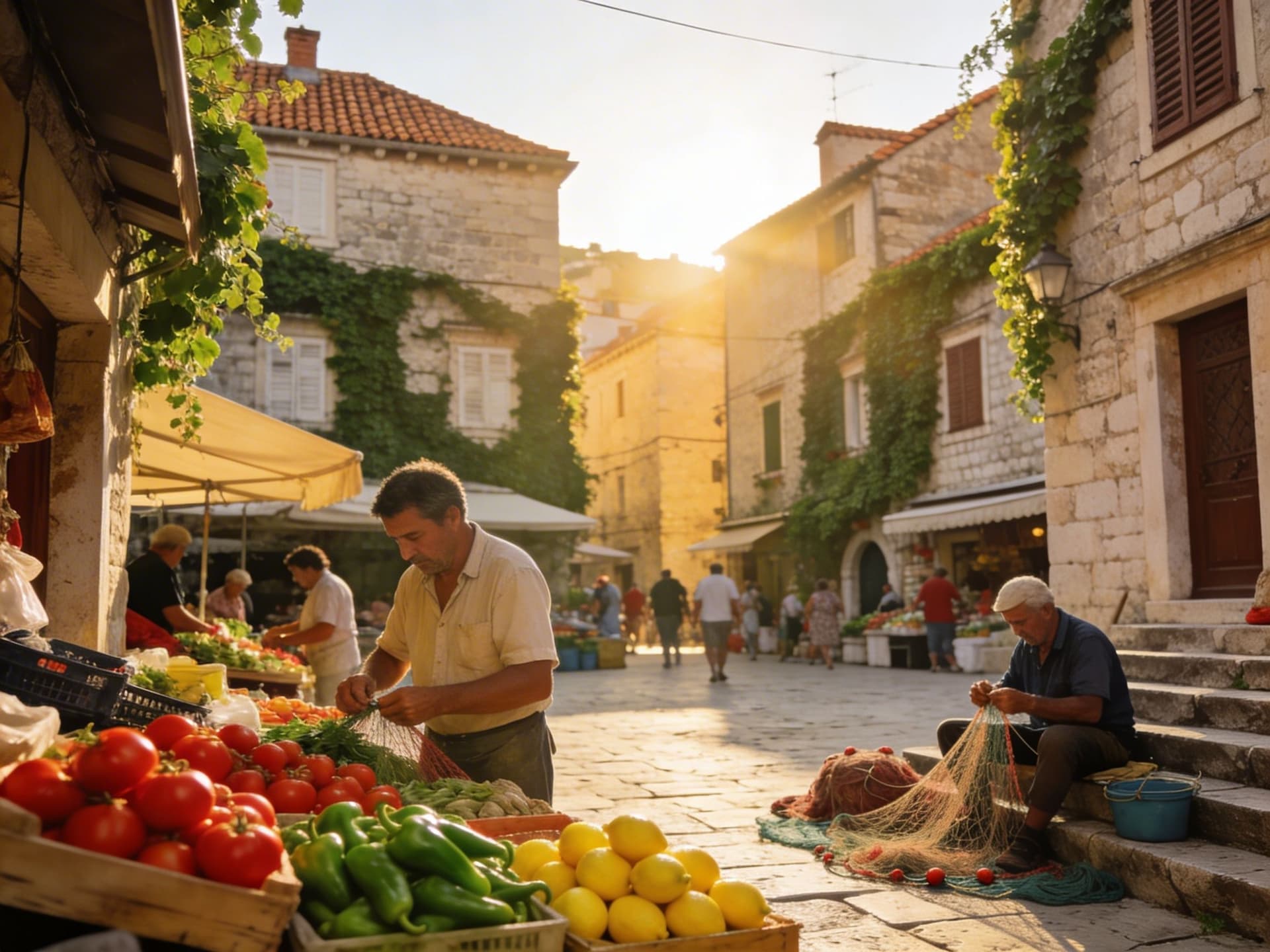
Croatia’s rhythm—coastal mornings, lavender-scented hinterlands and market Saturdays—changes the way property is used. Coastal towns like Split and Dubrovnik pulse with tourist seasons, while inland Istrian villages and continental hamlets offer a quieter, year‑round cadence. Recent market reports show strong price growth on the coast and faster rises in city centres, which changes negotiation levers: you’re buying a lifestyle as much as square metres. Understanding where daily life happens will keep you from overpaying for an image.
Coast vs. Countryside: how daily life differs
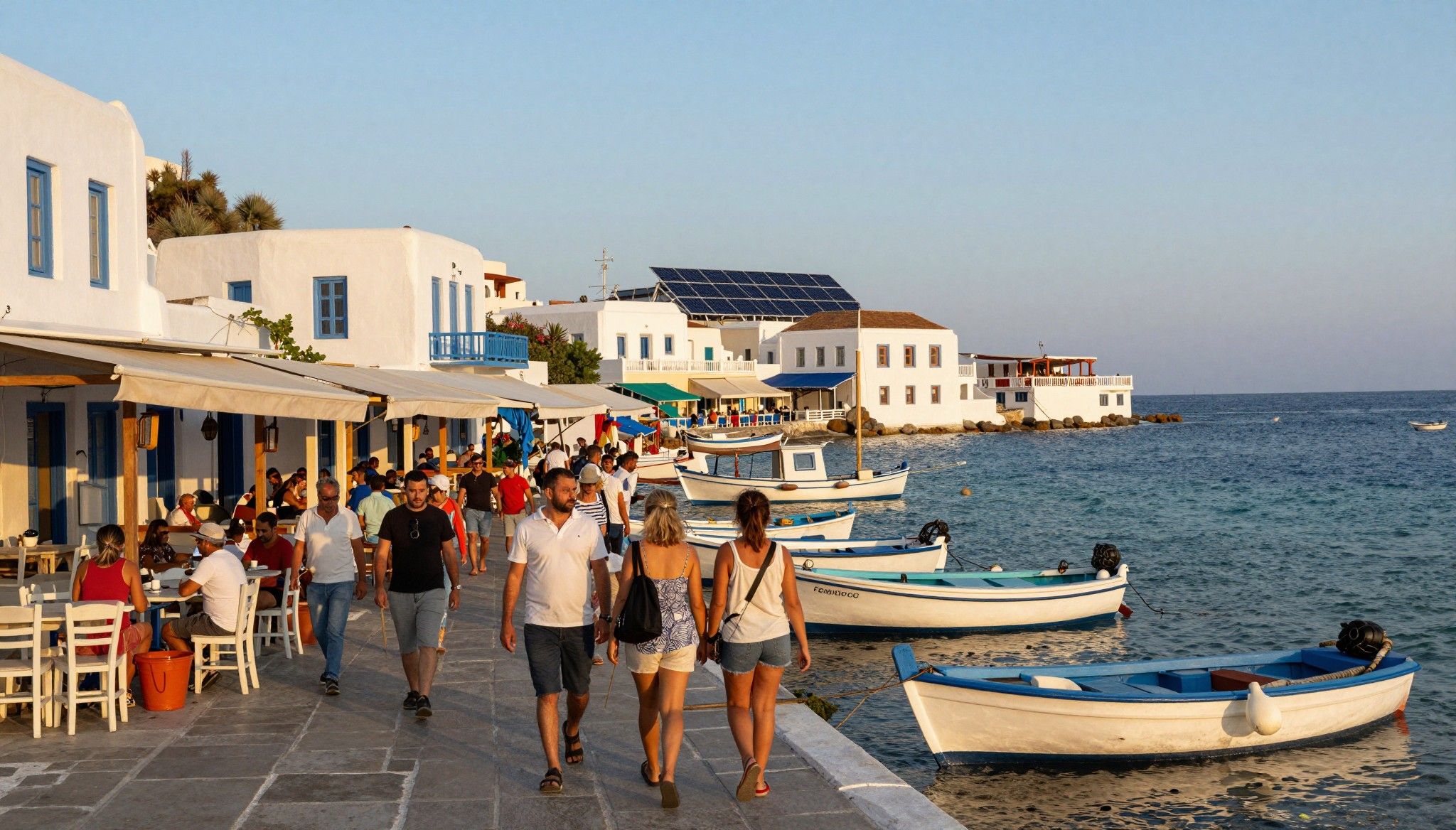
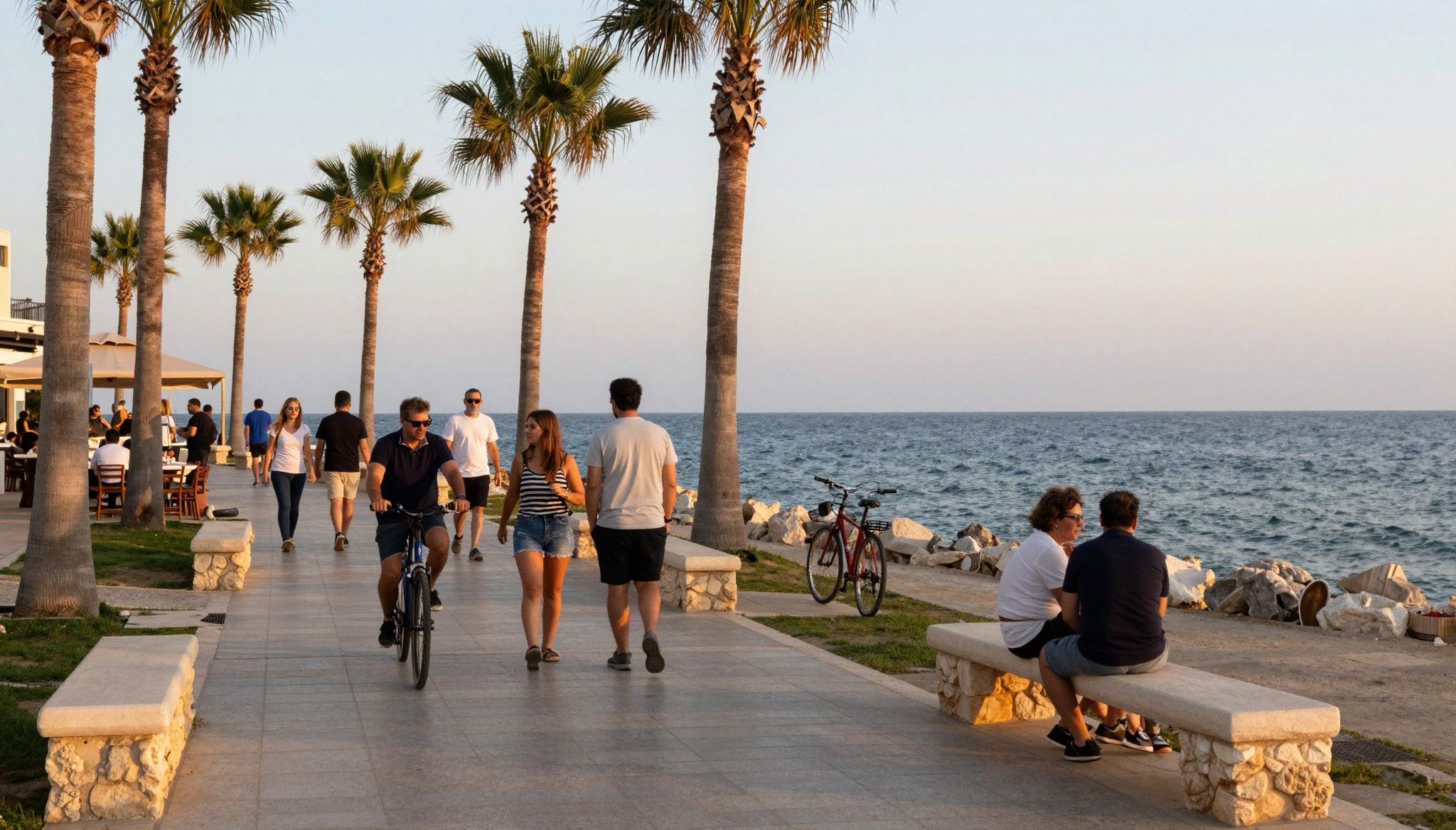
On the coast—Olupina, Brodarica, the alleys of Rovinj—life moves with tourism: outdoor dining, seasonal hires, and bustling summer markets. Inland—motovun lanes, Zagorje vineyards—you’ll find longer winters, stronger neighbour ties, and properties that age gracefully with lower seasonality. Transaction data for 2024–2025 shows coastal price premiums and shifting volumes; that’s why your closing strategy should reflect the seasonal economy of the place you choose.
Neighborhood notes: real streets that matter
Picture Varoš in Split for early‑morning walks; Špancir in Varaždin for music and craftsmanship; Komiža on Vis for a slow, fisher‑centred life. Each street—Ulica Sv. Ivana in Dubrovnik’s Lapad, Grisia in Rovinj—has a different rental rhythm, owner profile and preservation rule. Those micro‑differences matter when you negotiate: a Venetian stone façade may increase maintenance expectations, while an inland garden adds value for year‑round living.
Making the move: negotiation, closing and green stewardship
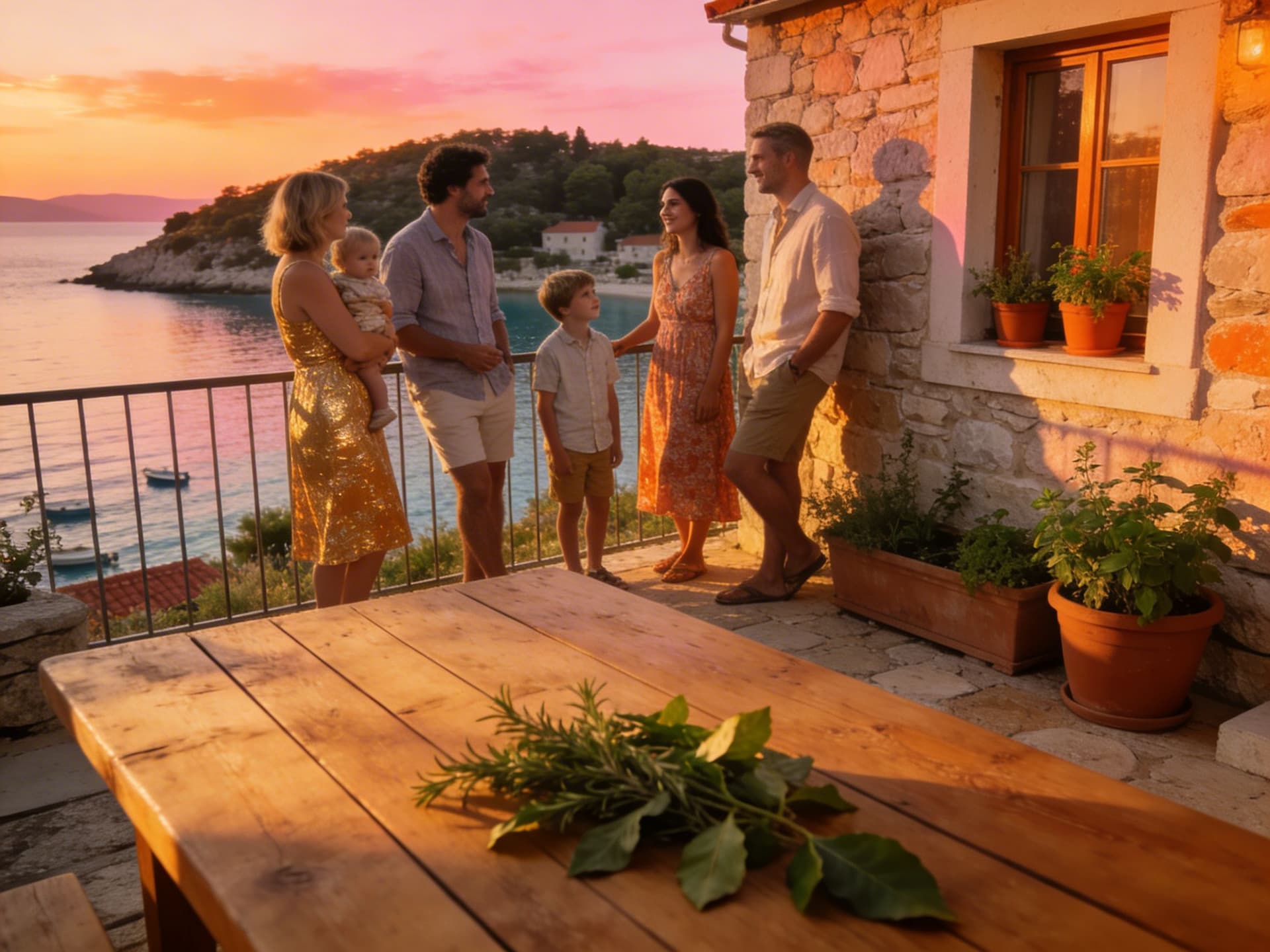
Negotiation in Croatia is a conversation between lifestyle and numbers. With coastal prices higher and transaction volumes cooling in 2025, buyers have new leverage—but only if they come prepared. Combine market data with knowledge of local costs (restoration, septic systems, coastal protection zones) and insist on clauses that protect both your wallet and the property’s ecological integrity.
Property types and what to watch for
Stone restorations on the Dalmatian coast charm with thick walls and sea views but often hide damp, salt‑worn elements. Contemporary coastal builds offer insulation and mechanical ventilation but may lack the porous, breathable qualities of traditional lime mortar. inland stone farmhouses tend to be thermally forgiving but need modern heating and insulation. Match the property’s build to how you intend to live there—seasonally or year‑round—and budget realistically for adaptation.
- Negotiation checklist that keeps lifestyle front and centre
1. Ask for a season‑specific walk‑through (inspect in low and high season). 2. Include a clause for verification of utilities and road access before final payment. 3. Negotiate an ecological covenant if native planting, cisterns or solar are important to you. 4. Request a schedule of repairs with fixed deadlines and escrowed funds. 5. Confirm whether coastal protection or heritage rules limit extensions or solar arrays.
Insider knowledge: what expats wish they’d known
Expat buyers often learn the hard way that the things sold as 'authentic character' can also be expensive to maintain. Neighbours’ expectations, municipal rules about façades, and seasonal accessibility can change the lived experience. Several buyers told us they underestimated garden water access and the cost of sympathetic restorations; others missed the quiet power of community rituals—market stalls, church festivals, and volunteer fire brigades—that make a place feel like home.
Cultural practicalities: language, local rules and neighbourhood life
Croatians value directness and neighbourly reciprocity. Learning simple phrases, showing interest in local festivals and attending market days opens doors. For legal matters, EU citizens have parity in purchases; non‑EU buyers typically need reciprocity approval or special permit—your lawyer and agent should confirm current rules before offer stage. Local agencies add value by translating municipal language into actionable steps and by knowing which mayors enforce coastal setbacks tightly.
- Red flags and stewardship traps to avoid
• Unresolved coastal protection permits that block roof solar or terraces. • Missing utility easements or seasonal road closures that show only in winter. • Vendors who sell 'turnkey' but omit ongoing maintenance costs for old systems. • Properties with informal land uses or unregistered additions—always check registry records and municipal plans. • Overreliance on tourism income projections without season‑aware stress‑testing.
How local agencies help: beyond transactions to stewardship. An agency fluent in the region—whether Split’s kantun or Istria’s pitch—does more than hand over keys. They coordinate surveyors, shepherd permits, connect you with local craftsmen who use traditional lime, chestnut wood and stone, and set up seasonal caretaking. Choose partners who can draft green clauses (e.g., native planting, graywater systems, rooftop PV allowances) and who understand how stewardship preserves both value and the habitat.
Practical next steps (a short, action‑oriented sequence)
1. Visit in two different seasons and take a local agent with you. 2. Commission a pre‑offer technical survey focusing on moisture, foundations and access. 3. Ask your lawyer to draft a purchase contract with escrow, repair schedule and environmental clause. 4. Budget 10–20% for sympathetic upgrades (insulation, lime renders, rainwater capture). 5. Line up a local steward (caretaker or property manager) before you close.
Conclusion: buy the life, then protect it. Croatia can feel like a hand‑stitched sweater—textured, warm, full of small repairs that become rituals. Close with clauses that match the rhythm of the place, and plan stewardship that honours local ecology and craft. Let your purchase be both a sanctuary and a contribution: to community livelihoods, to biodiversity, and to a coastal or inland life that keeps ageing beautifully.
Norwegian market analyst who relocated from Oslo to Provence; guides investors with rigorous portfolio strategy and regional ecological value.