Coast vs Hill: Italy’s Seasonal Truths for Buyers
Season shapes Italian life — match your dream to the season and micro‑market, using data (ISTAT) and local stewardship to turn a postcard into a year‑round home.
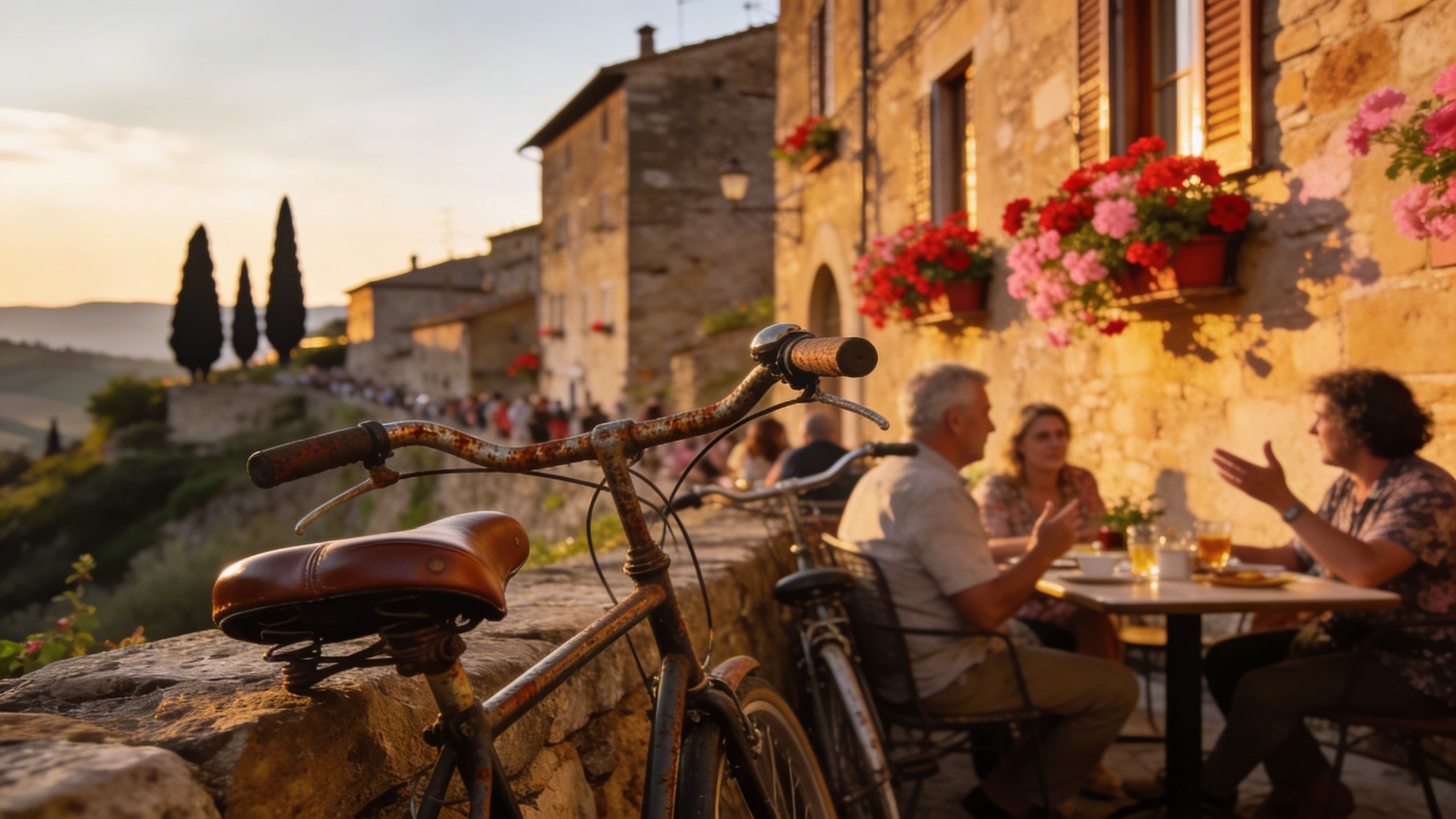
Imagine a morning in Italy: an espresso pulled at a corner bar on Via dei Coronari in Rome, sunlight warming ancient stone; a fisherman mending nets at Livorno’s small port; olive groves scenting a hill village outside Lecce. This is a country where seasonal rhythms set the pace of life — and where those rhythms quietly shape which homes make sense to buy and when.
Living the Italy lifestyle — more than a view
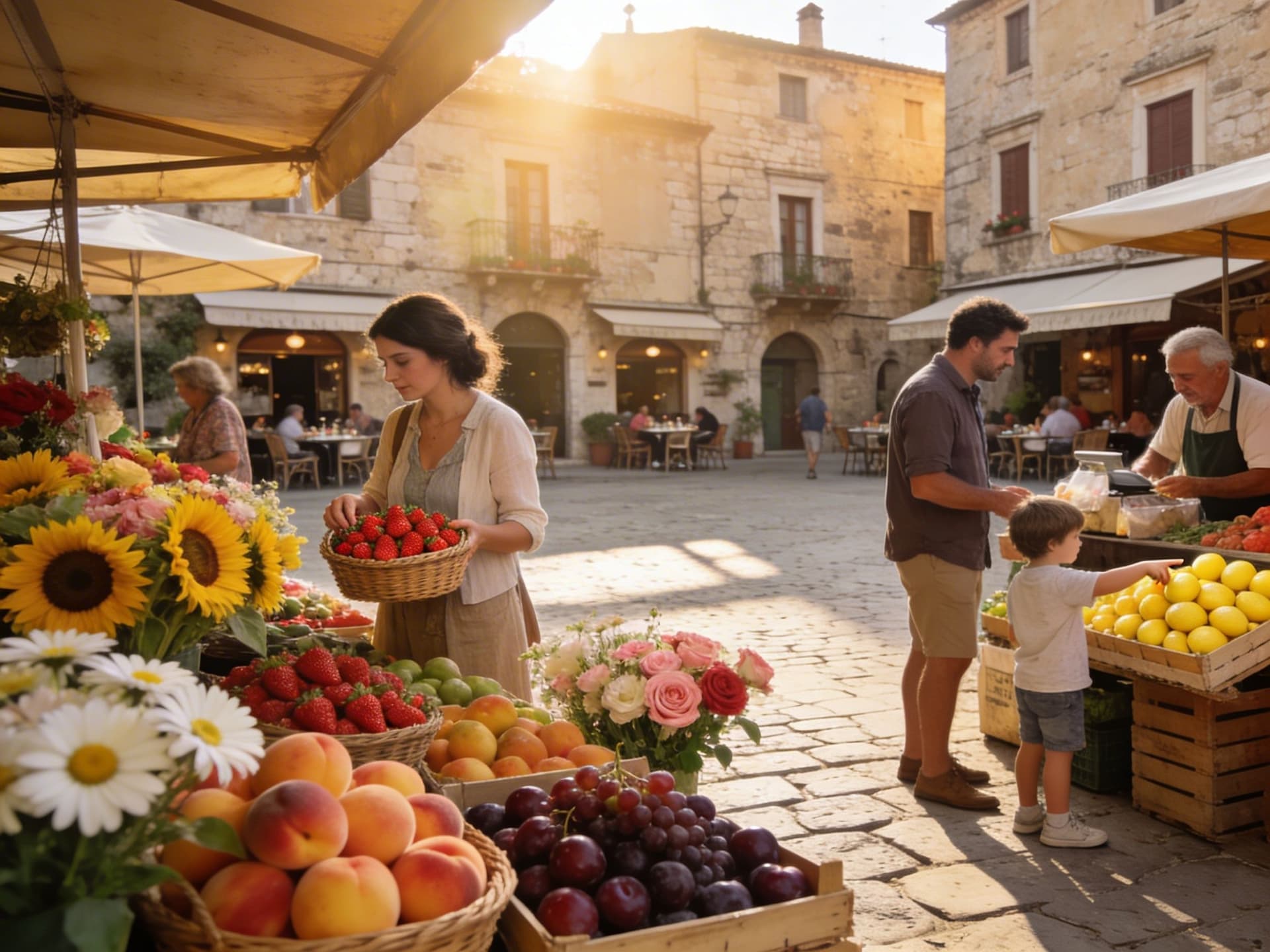
Italy’s appeal is sensory and social: mornings at marchés, afternoons beneath plane trees, and evenings that stretch into long seated dinners. Neighborhoods differ not only by architecture but by daily rituals — from the barista culture of Milan’s Brera to the coral‑roofed siestas of Puglia’s inland towns. When you buy here, you’re buying into these patterns as much as a plot of land or a façade.
City centers: cobbles, services, and the espresso pulse
Historic cores — Florence’s Oltrarno, Milan’s Brera, Bologna’s Quadrilatero — deliver daily life you can walk into: markets before work, aperitivo on the way home, immediate access to cultural life. These areas are compact, lively, and command premium prices, but they also reduce car dependency and amplify local, sustainable living.
Coast and countryside: seasonality, solitude, and stewardship
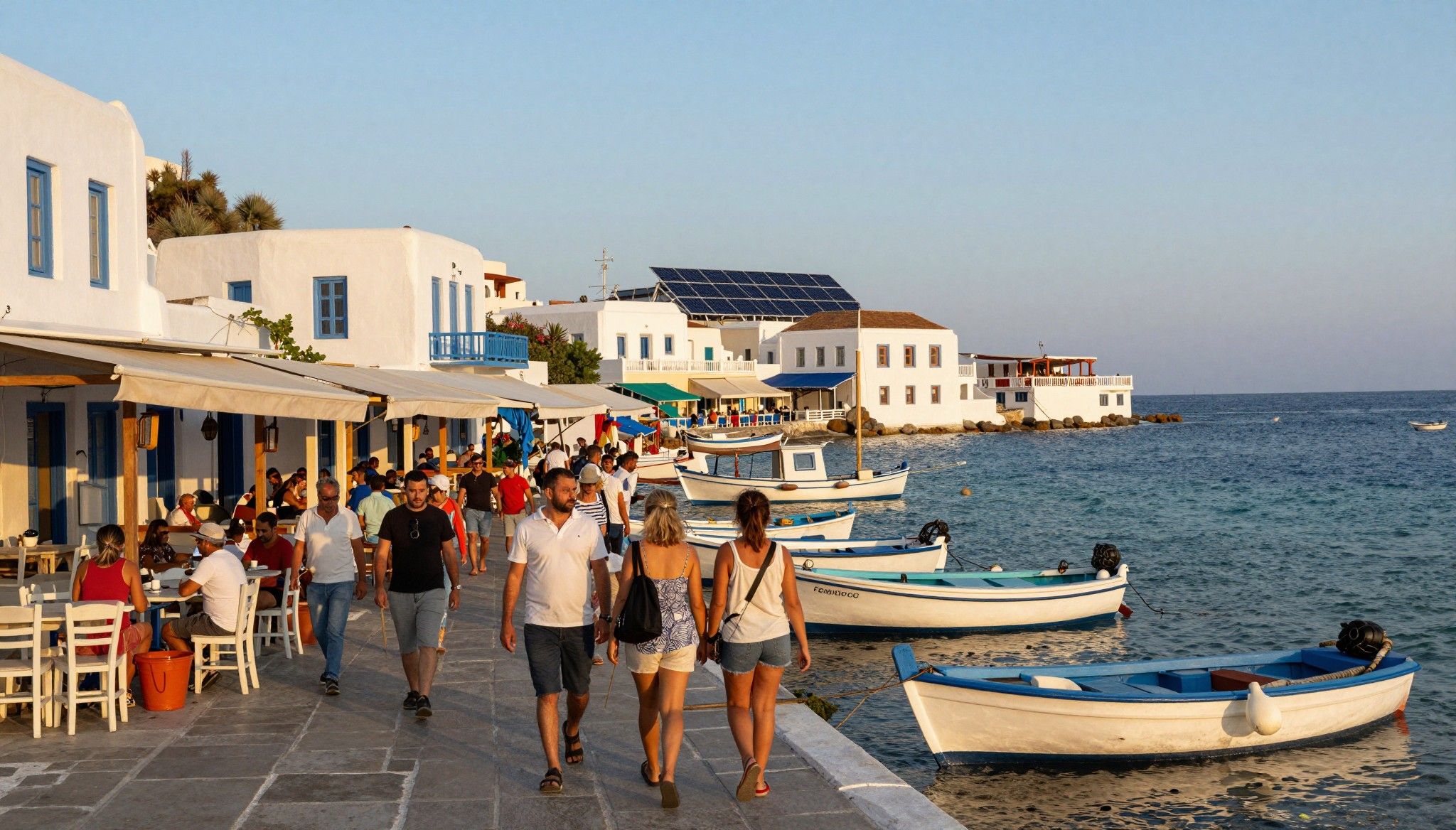
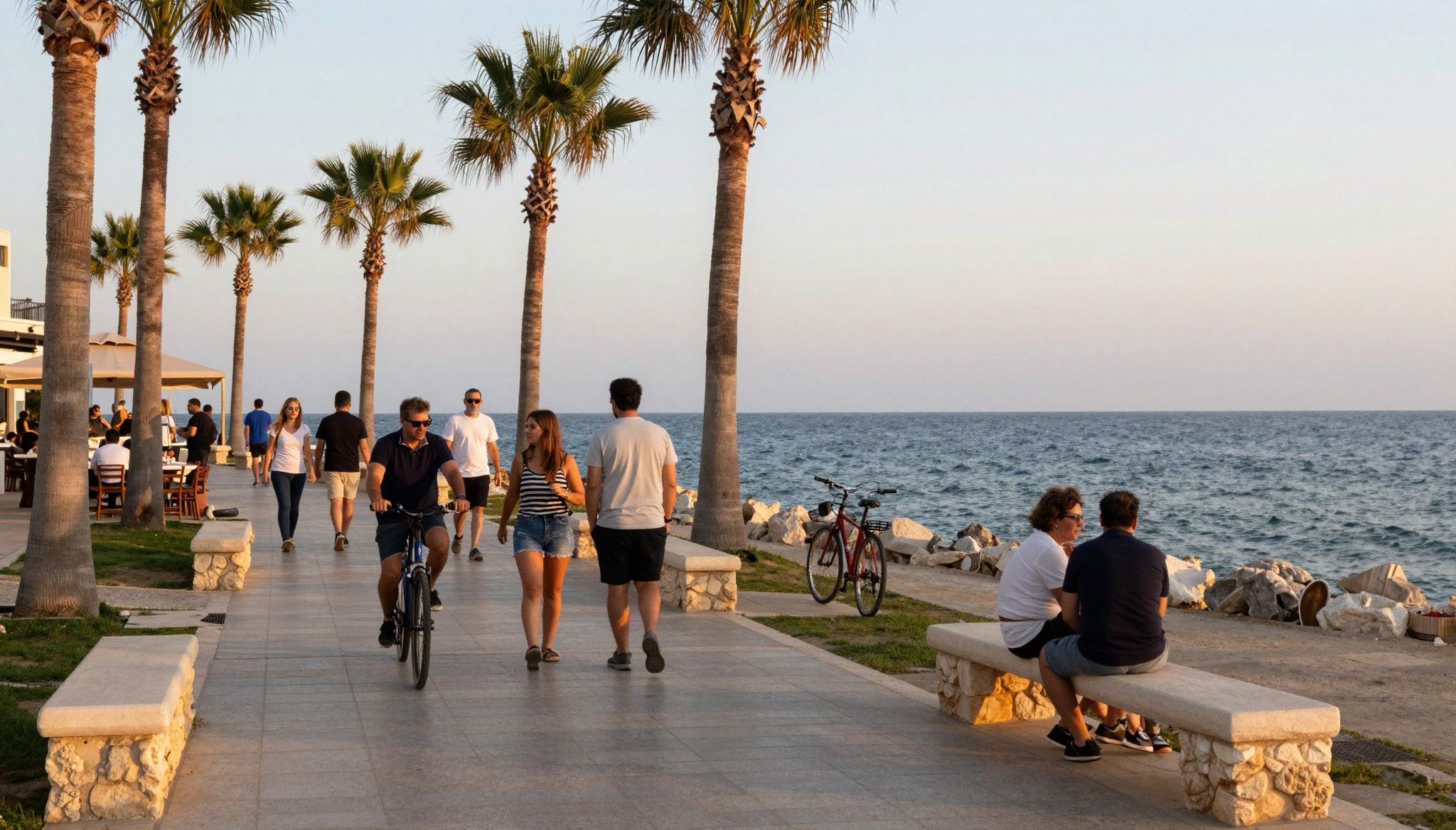
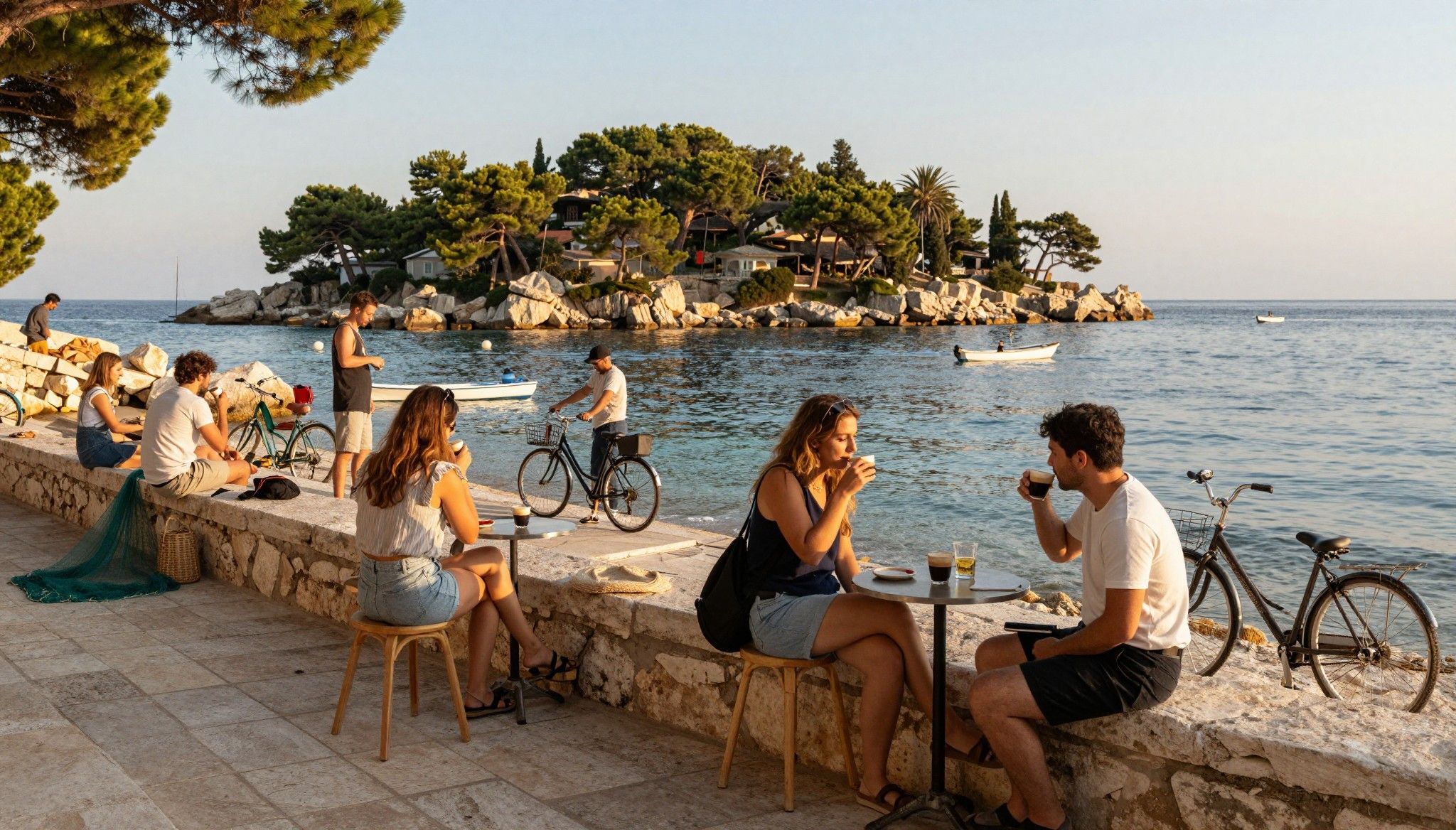
Seaside villages and hilltop farms offer space, gardens, and slower rhythms — but they are profoundly seasonal. Coastal towns fill with life in summer and thin out in winter; inland villages celebrate harvests and local craft during autumn and spring. That cyclical population shift affects local services, rental prospects, and the mood of a place across the year.
- Lifestyle highlights: markets, crafts, and quiet rituals
- Saturday mercato at Campo de’ Fiori — fresh produce, cured meats, and neighborhood gossip
- Truffle fairs in Piedmont and Tuscany — seasonal communities that drive local cottage economies
- Artisan workshops in Le Marche and Umbria — stone masons, chestnut carpenters, and lime plaster traditions
Making the move: how season, market data and place interact
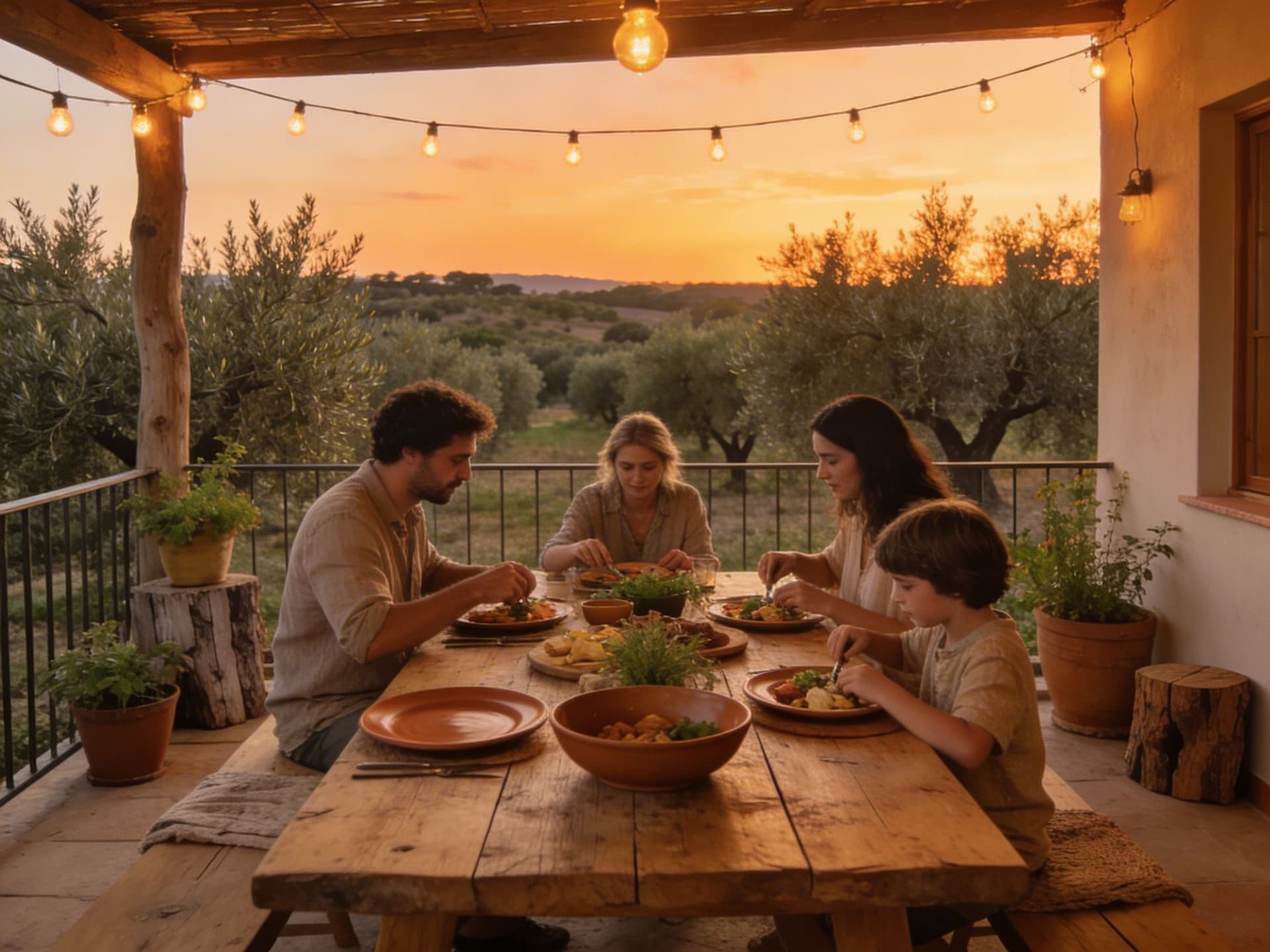
The practical side is where dreams meet rhythm: national data show modest, steady price movement (ISTAT’s quarterly releases point to slight year‑on‑year gains), but regional spreads are huge. Milan and Florence sit at the high end; southern provinces and many inland hill towns remain deeply affordable. That contrast is an opportunity if you match your lifestyle with the right micro‑market.
Property styles and the life they enable
A pied-à-terre in a historic center gives immediate cultural access but often lacks outdoor space. A renovated farmhouse in Tuscany buys gardens, stone, and the chance to grow your own food — but it requires attention to systems (insulation, water, drainage) if you want low‑impact living. New eco‑builds around urban peripheries trade authenticity for efficiency: solar arrays, heat pumps, and rainwater capture that cut running costs and fit a regenerative lifestyle.
Working with local experts who know seasonal life
Local agents and architects who live the rhythm of place are invaluable. They can point out southern villages where autumn harvests animate the community, or Ligurian hamlets where rain‑resistant stonework matters most. Look for agents who demonstrate stewardship — references to regenerative landscaping, energy retrofits, and community networks show they aren’t just selling views.
- Steps to match lifestyle and property (seasonally smart)
- Define how you’ll use the home across seasons: permanent residence, seasonal retreat, or rental. Each choice favors different locations and technical features.
- Ask for local climate history and house performance: ask if walls are lime‑plastered, whether roofs use breathable tiles, and how winter heating costs behave.
- Prioritise water and energy resilience — cisterns, solar PV potential, and passive cooling — especially in places that swell with summer visitors.
Insider knowledge: practical truths expats wish they’d known
Expat experience often starts idealistic and then sharpens into practical wisdom. A common refrain: know the year‑round community, not just the high season. Tax incentives and residency programs (which have drawn attention to Milan and other cities) can make a financial case to move, but they won’t replace the need for neighbours, nearby markets, healthcare access and reliable tradespeople.
Cultural integration and daily life
Language matters in small towns where the barista remembers you and bureaucracy still prefers paper. Learn key phrases, join the local associazione, and patronise artisans — this builds goodwill and faster repairs. In cities, international communities ease the transition but look for neighborhoods with thriving, mixed local life rather than tourist bubbles.
Long‑term stewardship: how your home can give back
Think beyond resale. Select properties where small investments — native hedges, greywater systems, improved insulation — will improve comfort, biodiversity, and value. Buying in a village with a cooperative olive press or a shared tool shed matters more to ecological living than the square metre you save at purchase.
- Red flags local buyers look for
- Empty high‑season towns with closed shops outside summer — ask about year‑round population.
- Poor drainage or visible damp in basements — these cost more than cosmetic renovations.
- Homes without easy access to skilled trades — check local restoration expertise before committing.
Conclusion: Italy as a year‑round life, not just a postcard
If you want Italy for its seasonal life, buy with the seasons in mind. Use official data to understand price trends, choose agents steeped in local craft and ecology, and prioritise homes that already fit — or can be modestly adapted to — a sustainable, year‑round life. Start with a short research trip in a targeted season: taste the market when the place is alive for the life you hope to live.
British expat who traded Manchester for Mallorca in 2017. Specializes in guiding UK buyers to luxury Spanish estates with clear navigation of visas and tax.