Why Summer House‑Hunting in France Often Backfires
Seasonal reality and France’s green loans change the cost of dreaming — visit off‑season, combine éco‑PTZ with audits, and let stewardship guide your offer.
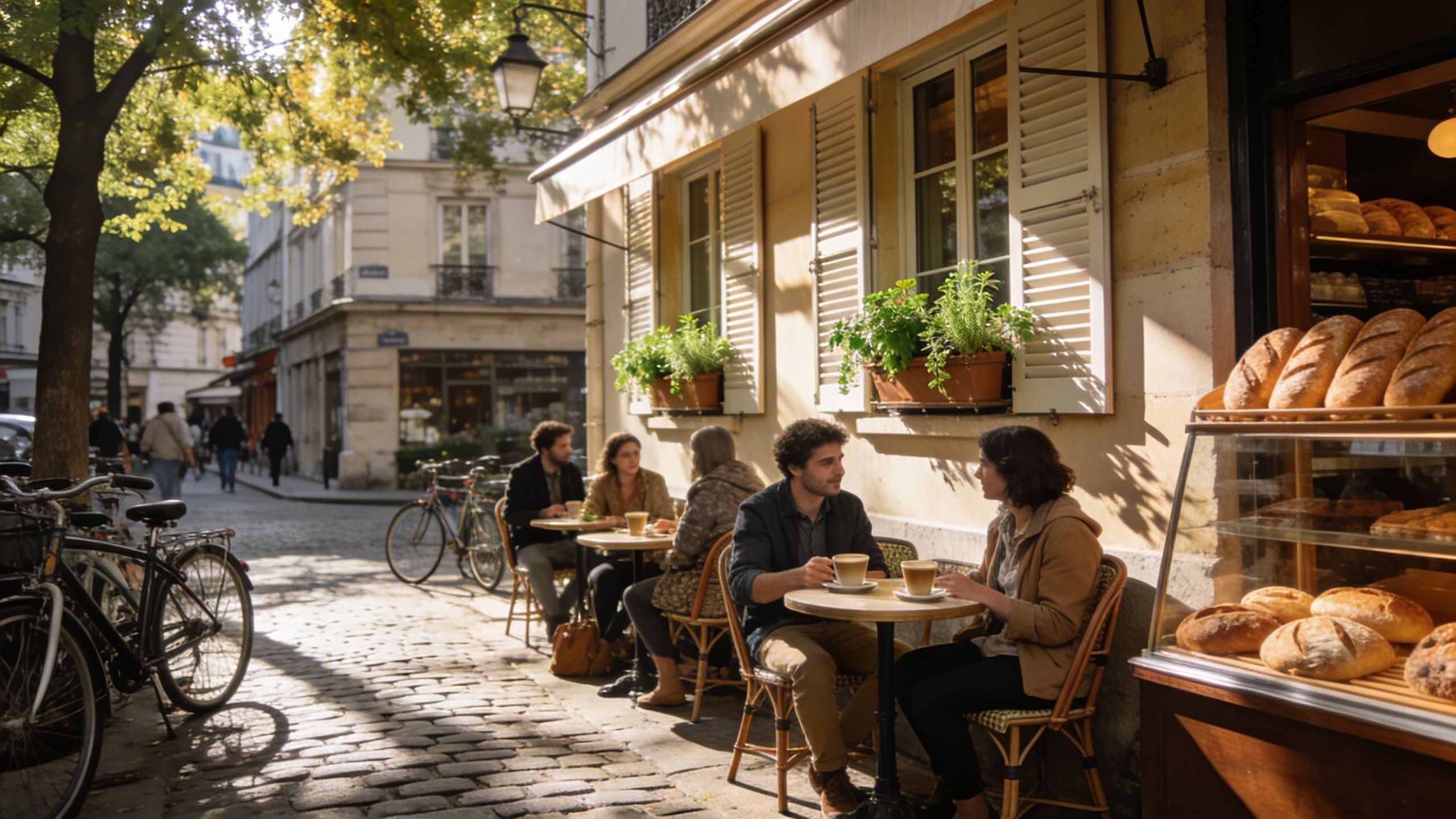
Imagine a sunlit terrasse in Aix-en-Provence where morning light slants through plane trees, a boulangerie sends up the scent of pain au levain, and a neighbor mends a bicycle while discussing the village market. That slow, textured life is why you’re drawn to France. But beneath the romance are seasonal rhythms and financing rules that change the cost of that dream — and sometimes the best move is to wait.
Living the French life: more than postcard moments
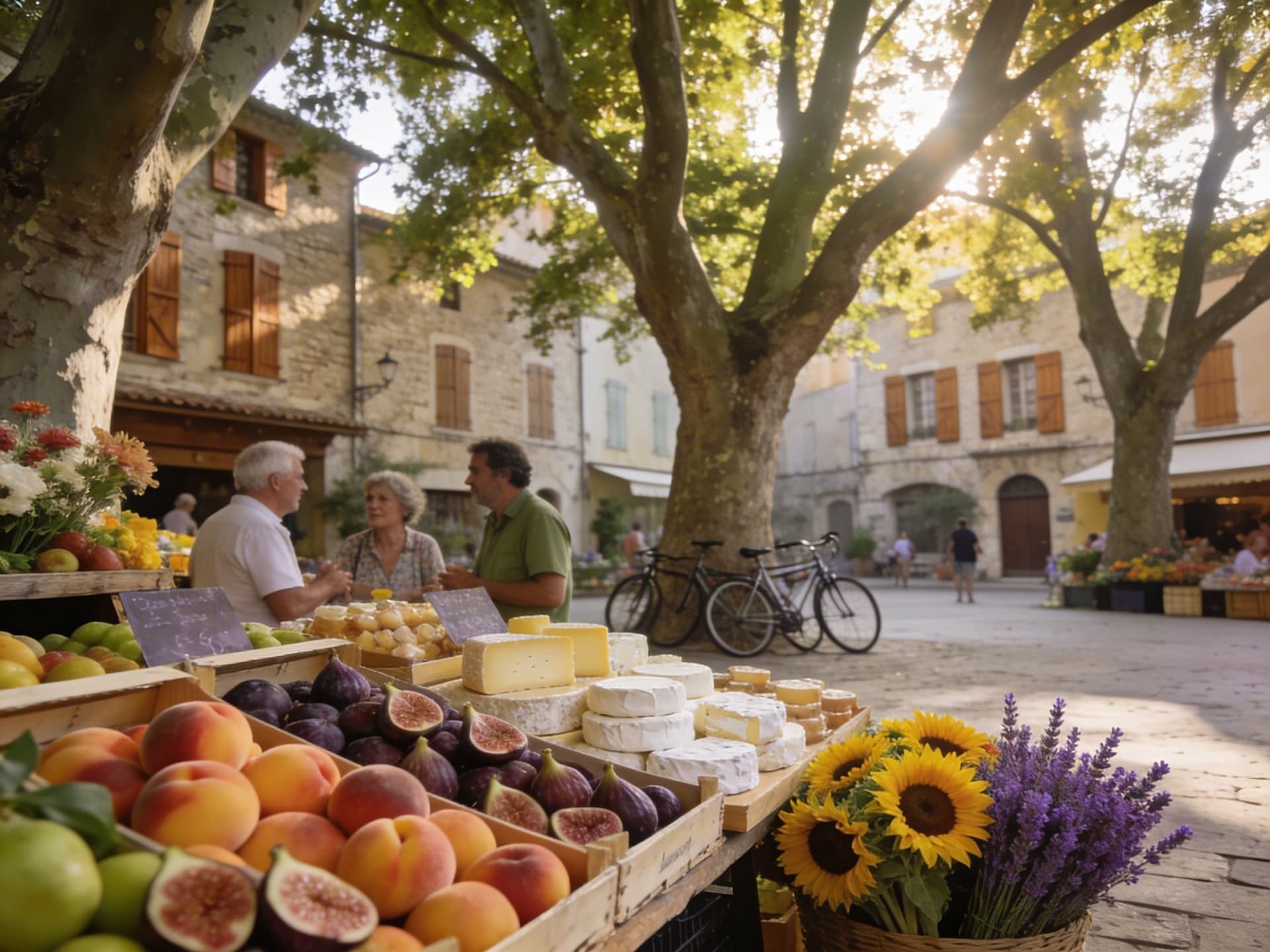
France’s daily life is shaped by narrow rhythms: market mornings, café pauses, long lunches in summer, and crisp, wood‑smoke evenings in winter in the countryside. Whether you’re in Le Marais (Paris), the Carré d’Or (Nice), or the medieval lanes of Sarlat, the relationship between house and place matters — courtyard gardens, stone walls that breathe, and compact kitchens built for conviviality. These are the details that make a property sing long after its price tag fades from memory.
Neighbourhood snapshots that tell stories
Stroll the rue Montorgueil in Paris at 10 a.m. and you’ll find produce vendors, small-fromagerie counters, and apartments whose windows open onto a chorus of city life. By contrast, the rues near Biarritz’s Grande Plage are about surf wax, late-night crêperies, and houses built to catch Atlantic light. In Provence, villages like Lourmarin pulse around shaded squares and weekly markets — a different tempo entirely, one that shapes what kind of house is useful and what retrofit work you’ll actually enjoy doing.
Food, markets and seasonal social life
Weekends often begin with market runs: oysters on the Atlantic coast, truffles in Périgord in winter, and strawberries at small stalls in the Loire come spring. Local cafés double as community noticeboards; neighbourhood boulangeries know you by name. These sensory rituals influence where you buy — proximity to markets, sun exposure for terraces, pantry space for local produce — and they should inform financial choices too (for example, whether to budget for solar shading or winter heating upgrades).
- Lifestyle highlights to weigh when choosing a property in France:
- Rue Montorgueil morning routine (Paris) — walkable daily life, small-unit living
- Sarlat’s stone houses — thick walls, cooler summers, renovation needs
- Biarritz coast — outdoor lifestyle, salt air considerations for materials
Making the move: timing, money and green loans
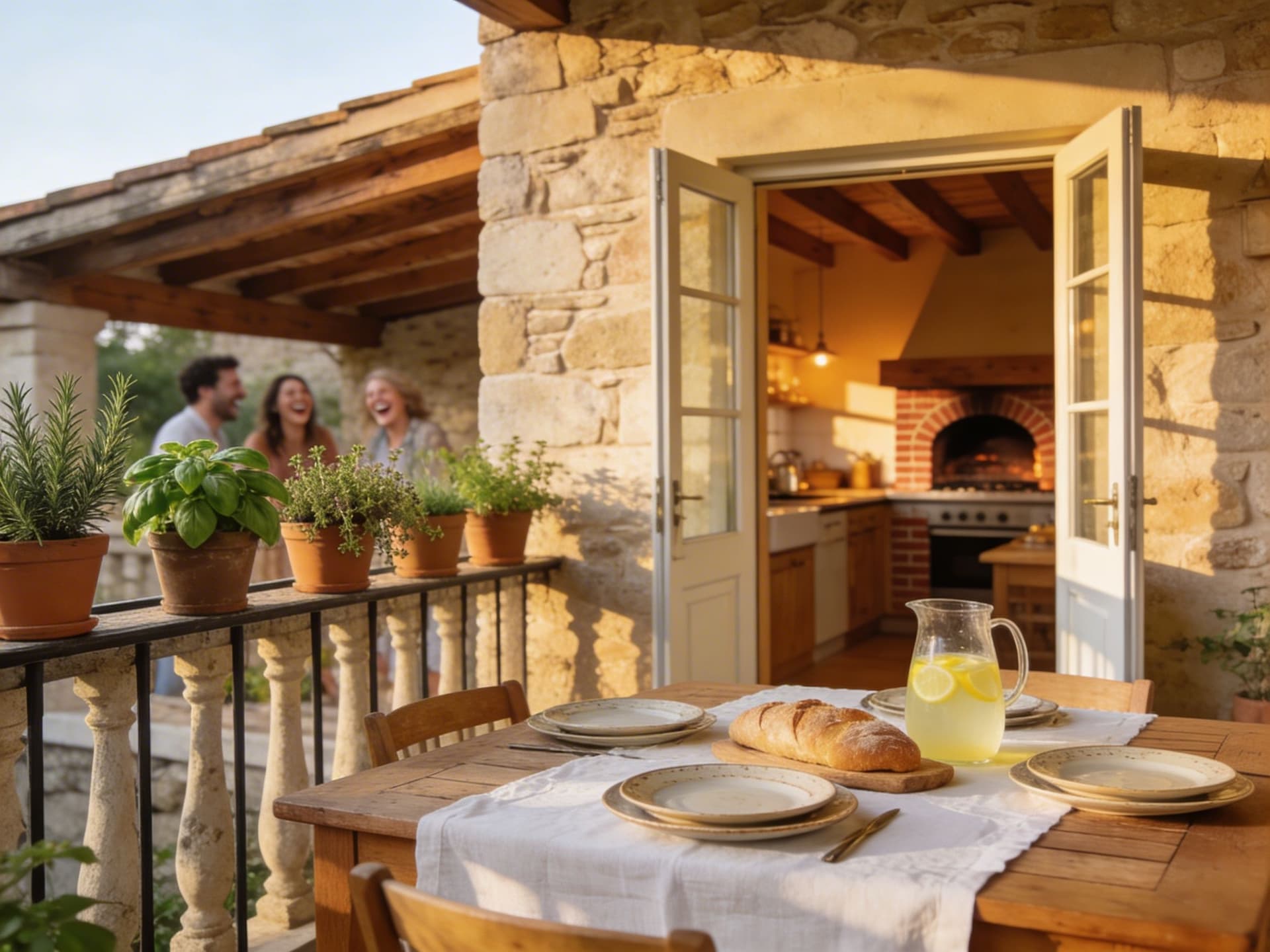
The practical world nudges into the idyll: mortgage availability shifts with interest rates, and France’s green finance tools can change renovation math. Market signals in 2024–25 showed a tentative recovery in transactions, but regional variation is the rule — Paris behaves differently from rural Dordogne. If you’re buying, seasonality affects negotiation leverage; if you’re renovating, national incentives like the eco‑PTZ and renovation grants can reduce long‑term running costs. Knowing the calendar — both political and seasonal — can save tens of thousands.
Green loans that reshape renovation choices
France’s éco‑PTZ (eco prêt à taux zéro) remains a powerful tool: interest‑free financing for energy upgrades up to €30,000 (higher in some combined packages), available to owners and certain copropriétés when work is done by RGE‑certified professionals. Paired with MaPrimeRénov' and local grants, it can cut payback time for insulation, heat pumps, and solar hot water — turning an otherwise costly renovation into a net benefit. Always confirm current program rules and eligible works with official sites before you bid.
When rates matter: reading the market
Mortgage rates in recent years moved from high volatility toward more stability; by late 2025 average long‑term rates trended back into the low‑to‑mid 3% range for competitive borrowers. That shift makes renovations financed with favourable green loans more attractive — but regional price momentum varies, so align timing with both lending conditions and local seasonality rather than national headlines.
- How to blend lifestyle timing with green finance (step by step):
- 1) Visit out of season (late autumn or winter) to see the real daily life and to have more negotiation leverage.
- 2) Get an energy audit early — it frames renovation quotes and eligibility for éco‑PTZ and grants.
- 3) Secure mortgage pre‑approval while comparing banks that handle éco‑PTZ packaging.
- 4) Build renovation costs into your offer: if the property needs insulation or a new boiler, include realistic contractor quotes.
Insider knowledge: what expats wish they'd known
Expat stories often start with a dreamy photo and end with a surprise — unexpected copropriété rules, balky heating systems, or a higher‑than‑expected taxe foncière. Practical surprises become manageable when you plan: speak with a notaire early, ask for syndic budgets in co‑ops, and check that planned green works fit local heritage restrictions in old towns. These small checks preserve both lifestyle and value.
Cultural and community notes that change where you buy
Language shapes access: neighbourhood associations, mairie notices, and even grant applications are often in French. Joining local groups — market vendors, restoration ateliers, or a mairie’s sustainability advisory — speeds approvals for garden changes, rooftop solar, or exterior works. In smaller towns, relationships often unlock responsible contractors and better prices.
Long-term stewardship: the ethical buyer’s checklist
- Consider these stewardship factors before you sign:
- Insulation quality and thermal bridging — affects bills and comfort
- Local heritage restrictions — plan for permitted materials and techniques
- Water management on site — rain capture, soakaways, and garden design
- Access to RGE‑qualified tradespeople for grant eligibility
When you plan for long‑term stewardship, green loans and grants stop being afterthoughts and become central tools. They let you buy a property that matches the life you want — a kitchen garden in Brittany, passive‑cool rooms in Provence, or a compact Parisian flat with efficient heat recovery.
Conclusion — how to marry the romance with the rules: visit in the off‑season, get a proper energy audit, pre‑approve finance, and speak to an agent who understands local ecology and green finance. That way the first morning coffee in your new French kitchen is not just a dream but a well‑planned, sustainable reality.
Swedish advisor who left Stockholm for the Costa Brava in 2019. Specializes in sustainable, sea‑view homes for Scandinavian buyers and green finance insights.