Verdant Italy: Stewardship Opportunities, Not Just Views
Italy’s verdant coasts and forested interiors offer lifestyle-rich opportunities; modest price growth and energy incentives reward stewardship-minded buyers who plan patiently.
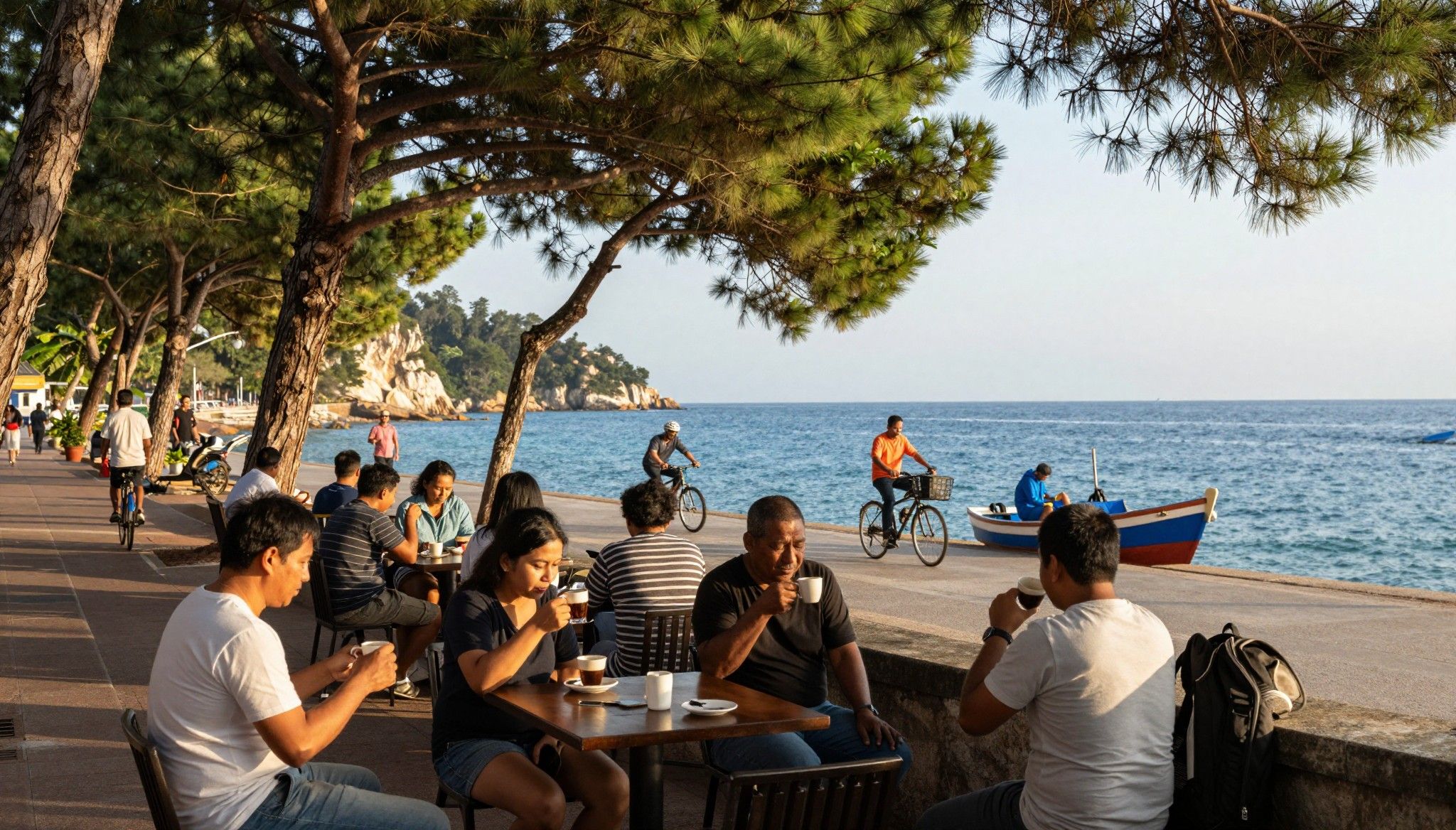
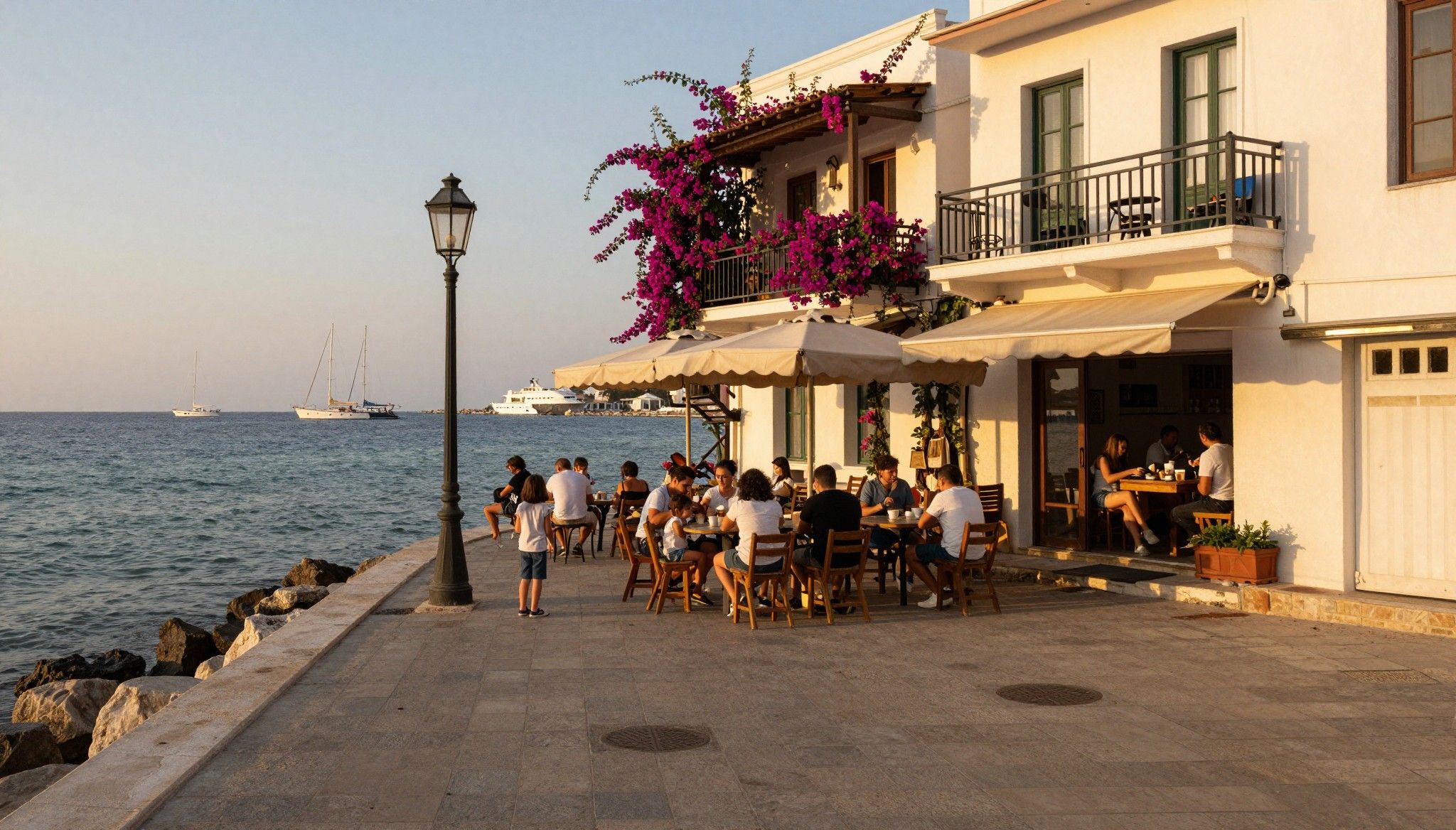
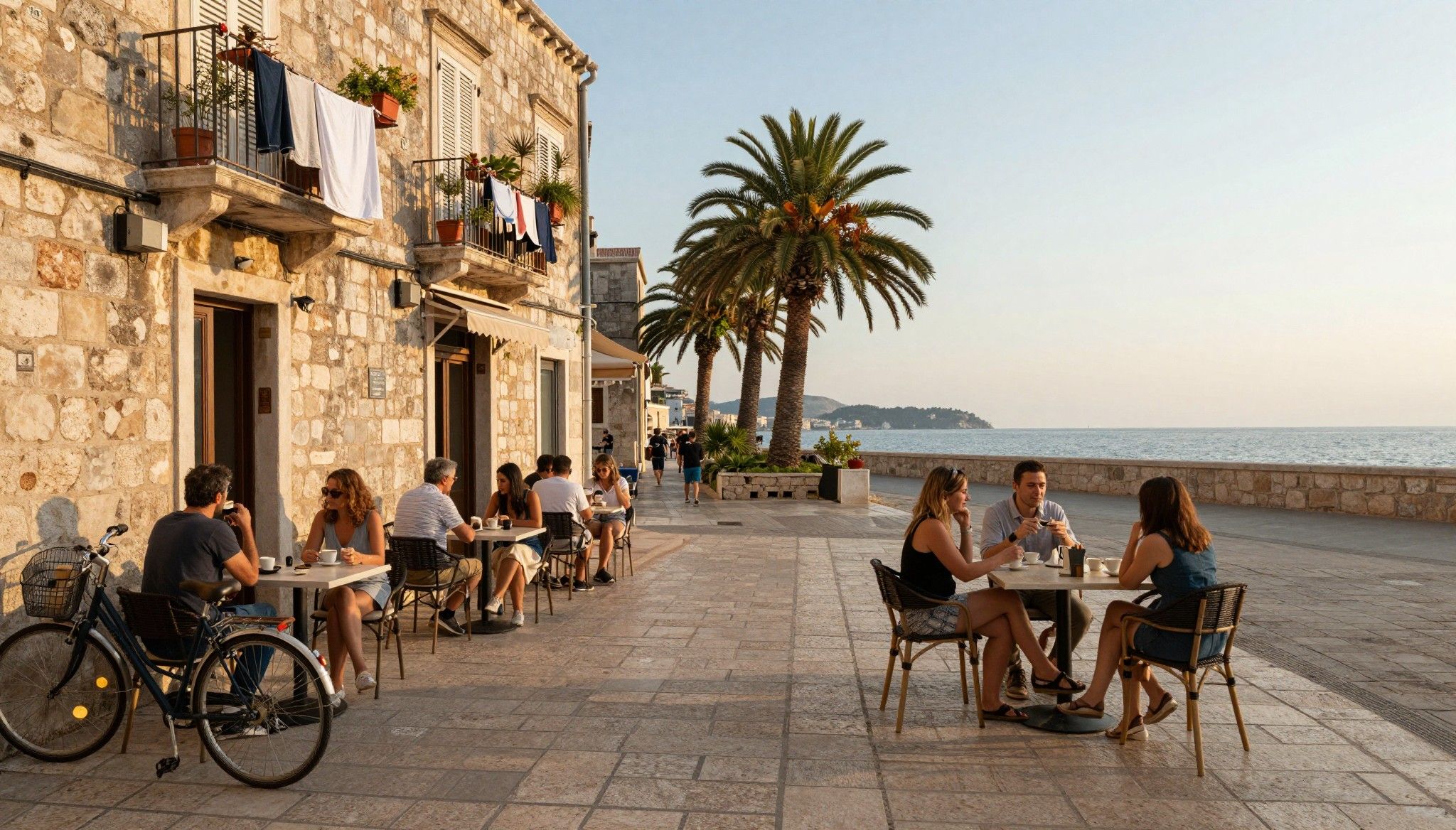
Imagine waking to the smell of sea salt and woodsmoke, stepping out onto a stone terrace framed by pines, then cycling through a hill town where a barista already knows your name. Italy’s verdant coasts and forested interior stitch together small, intensely lived places — cliffside fishing hamlets, terraced olive groves, cool chestnut forests — where a house is part of a landscape and a rhythm, not just an asset. For international buyers who value nature, craft, and seasonal life, Italy offers a rare combination: dramatic coastlines, lush hinterlands, and villages where sustainability feels like tradition.
Living the Italian verdant life
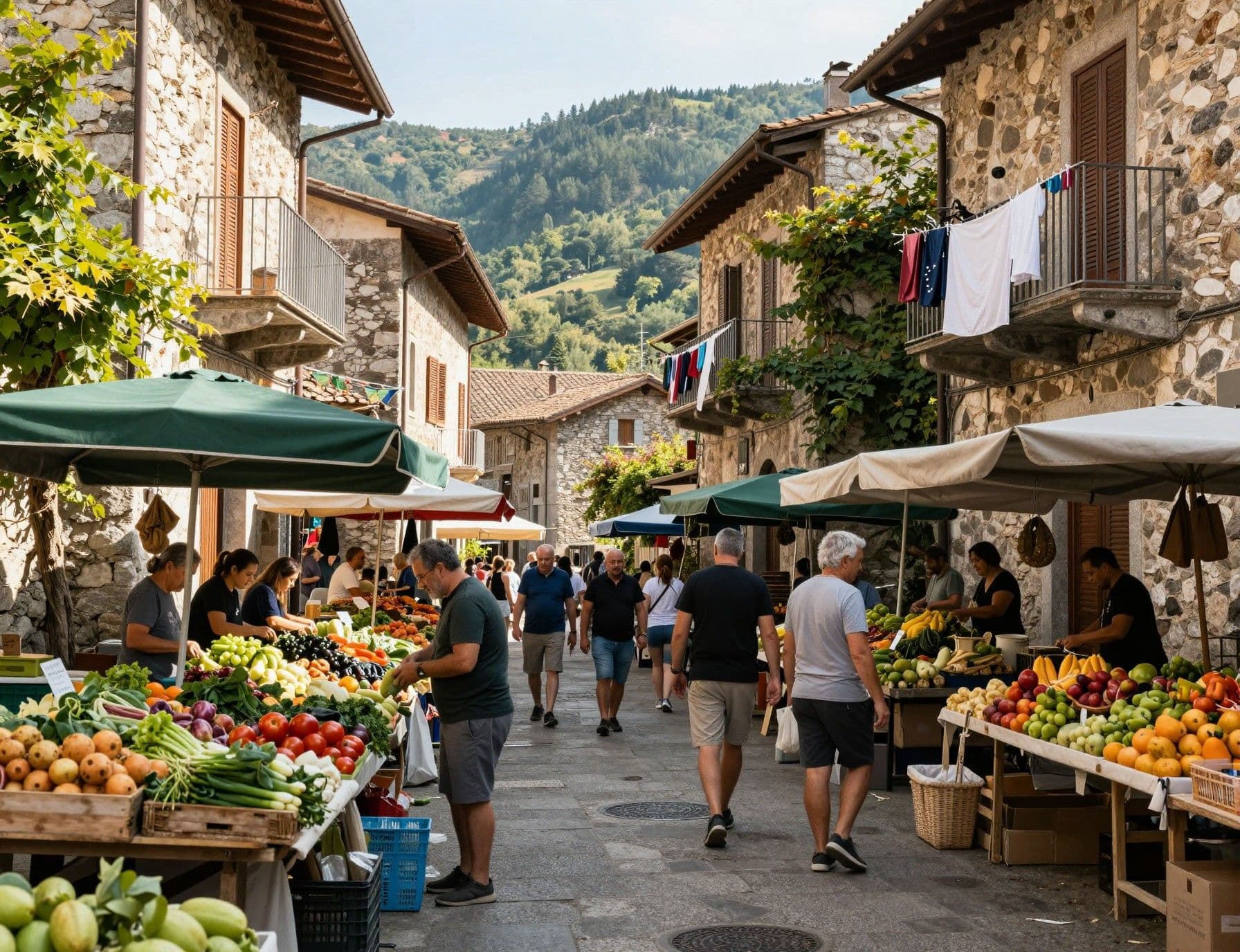
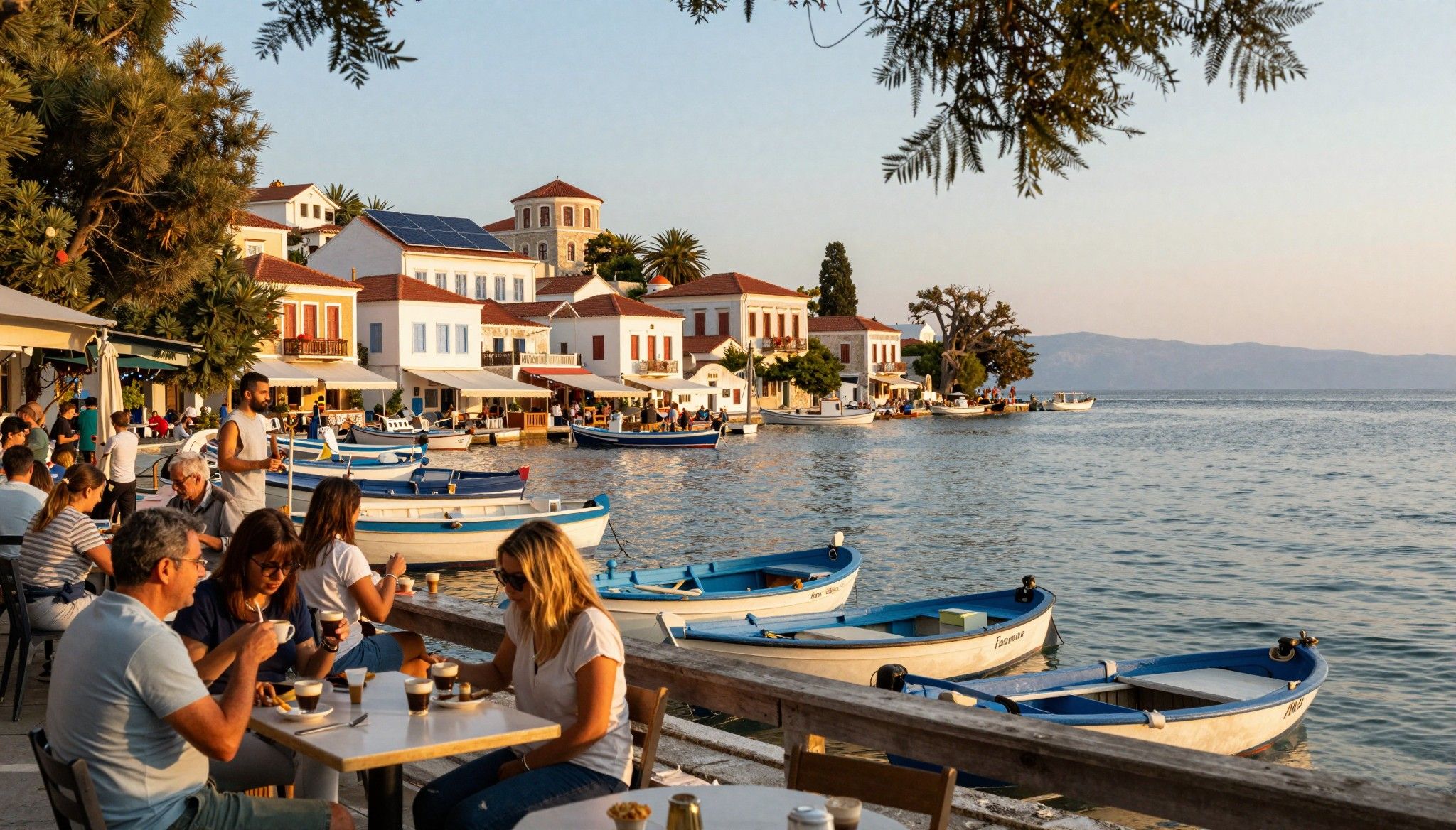
Days in Italy are measured in markets and meals, long walks and coffee breaks. In coastal Liguria you’ll trade hurried commutes for cliff-top promenades; in Tuscany’s woodsy Val d’Orcia mornings melt into afternoons in vineyard shade; in the Marche or Calabria you’ll discover beaches backed by fragrant pine belts. This is living slow, but it’s not passive — locals tend small farms, run cooperatives, and restore stone houses with local timber and lime. The market is responding: after a period of stasis, recent studies show modest price growth and renewed transaction activity across many regions, signalling both renewed demand and opportunity for buyers who choose with care.
Neighborhood spotlight: Cinque Terre hinterlands and Ligurian hill towns
Step inland from the famous seaside terraces and you’ll find olive-scented lanes, emptied stone cottages being revived by slow-design renovators, and local markets selling anchovy paste and hand-pressed oil. Streets like Via Roma in Levanto or the lanes around Manarola aren’t just tourist postcards — they host real, tight-knit communities where barter and mutual help remain common. For buyers wanting a home that breathes with the landscape, these places combine coastal access with forested walks and community-based living.
Food & ritual: markets, aperitivo, and harvest seasons
Food structures daily life in Italy: morning markets (Mercato di Campo de’ Fiori in Rome’s nearest equivalent), aperitivo at sunset, and festival-driven harvest cycles. Buying here means inheriting a calendar: chestnut festivals in October, truffle fairs in Piedmont in autumn, and lemon markets along the Amalfi. These seasonal rhythms shape how properties are used — gardens for preserving, cellars for wine, terraces for late summer dining — and often determine the most joyful parts of life abroad.
Morning markets in hill towns; cliffside promenades and pine-scented beaches; local harvest festivals (truffle, chestnut, citrus); cooperative olive presses and small wineries; village cafés where language practice happens organically; walking trails that begin behind your gate.
Making the move: practical considerations that keep the dream green
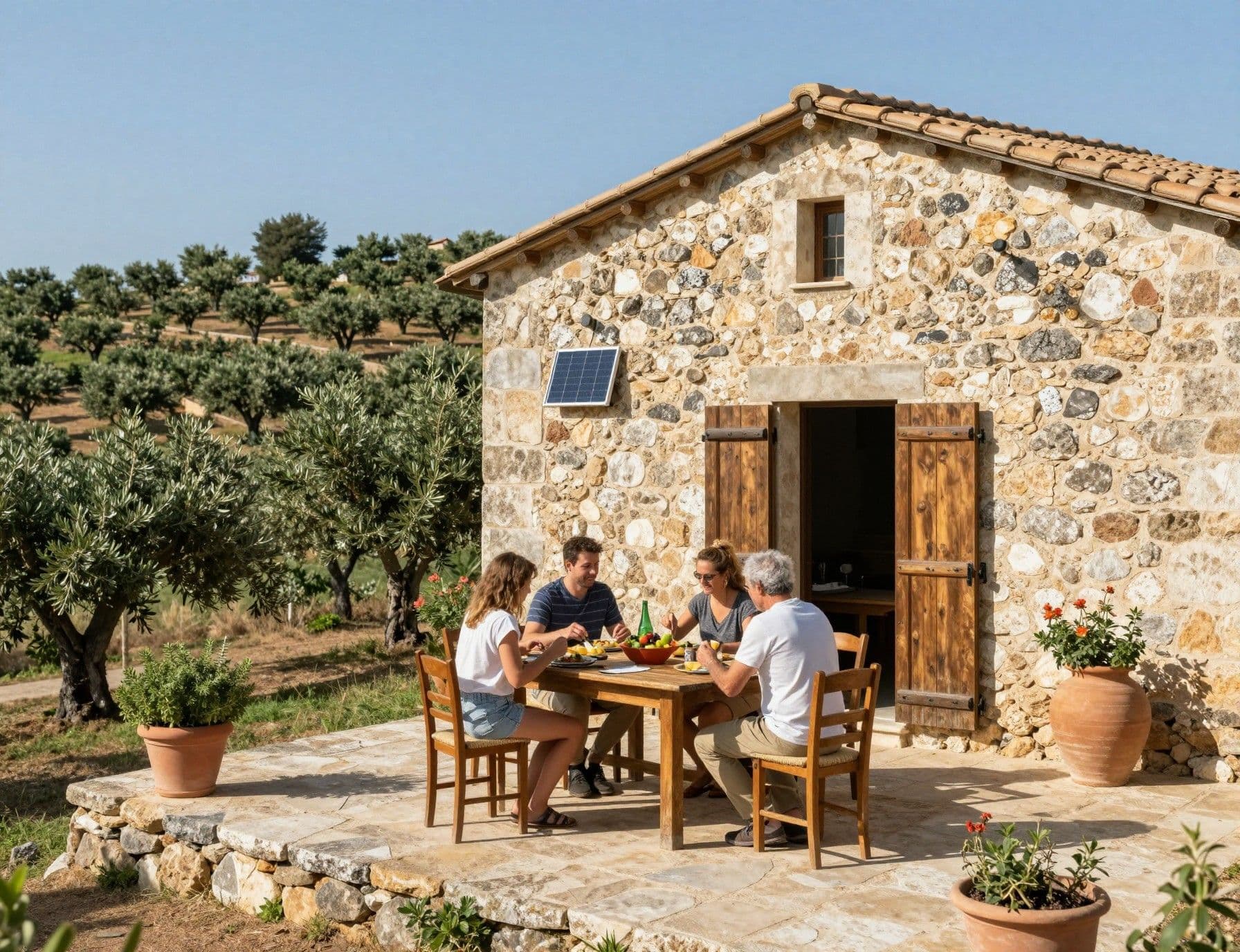
The romantic image of a restored farmhouse can hide practical realities. Market data suggests modest, patchy price increases in recent years, with fresh demand in certain mid‑sized cities and coveted coastal towns. That means competition in popular spots, but also pockets of value inland or in under-the-radar hill communes where stewardship-minded buyers can add real ecological and aesthetic value through sensitive renovation. Use data to target places where prices are stable and the local community supports green restoration.
Property types and how they shape daily life
Stone casa colonica (farmhouse) gives you thick walls and passive thermal mass — great for low‑energy living but often heavier renovation. A restored borgo apartment offers culture and community but limited outdoor space. Newer ecological builds near towns supply solar readiness, mechanical ventilation, and modern insulation but can feel less rooted. Match the property archetype to how you want to live: do you want a garden for vegetables or a small pied-à-terre for long summers?
Working with local experts who understand green living
1. Find an agent with experience in energy-efficient retrofits and local restoration regulations; they’ll spot permitted works and realistic budgets. 2. Engage a local architect (geometra or ingegnere) early to assess masonry, passive solar potential, and rainwater capture options. 3. Use ENEA and Agenzia delle Entrate resources to check which energy incentives apply to a planned renovation and how to document works for tax credits. 4. Prioritise insulation, shutters/secondary glazing, and PV readiness before aesthetic upgrades — these decisions cut running costs and preserve building fabric. 5. Explore local co-ops or municipal programmes that support biodiversity projects or communal orchards.
Insider knowledge: what expats wish they’d known before buying
Most buyers underestimate the role of seasonality and local rhythm. A house looks very different in August (busy, sunlit, noisy) than in November (quiet, pine-needle quiet, woodsmoke). Expats tell us their happiest moves started with a month-long stay in the off-season: you learn where services cluster, which cafés close for summer, and where the community truly lives. Another common surprise is paperwork timing — approvals for restorations and energy upgrades are local and can take months; plan activities around that patience.
Cultural cues and community integration
Language unlocks trust: a few phrases go a long way at the market or with a municipal official. Participate in local rituals — help at the olive press, attend a patron saint’s festa — and you’ll be quickly seen as a neighbour, not a ‘tourist owner’. Practical kindnesses (sharing produce, hiring local craftsmen) build goodwill that smooths later projects and makes stewardship easier.
Long-term stewardship: how life changes after you buy
Owning in Italy often shifts priorities from capital gain to care. Buyers tell us they discover joy in seasonal maintenance: pruning olive trees, tending terraces for winter rains, and retrofitting for summer shade. Choose durable materials (lime plaster, chestnut beams) and low-impact systems (rainwater tanks, solar thermal) and the property ages more gracefully while staying true to the landscape’s ecology.
Start with an extended off-season visit; prioritise passive measures (insulation, shutters) over cosmetic fixes; hire local restoration-minded architects; confirm incentive eligibility early via ENEA; budget extra time for permits and community consultation.
Conclusion: Italy asks for time and returns rooted living. If you’re drawn to verdant coasts, terraced olive hills, and communities that still measure life by the seasons, buy with stewardship in mind. Use data from national statistics and local observatories to target places where demand is steady but not overheated, bring local experts into the conversation early, and prioritise renovations that deepen a home’s relationship to land. The result is not only a property but a place you belong to — green, lived-in, and resilient.
Norwegian market analyst who relocated from Oslo to Provence; guides investors with rigorous portfolio strategy and regional ecological value.