Buy to Steward: Closing & Green Upgrades in France
Fall in love with France’s rhythms, then close as a steward: negotiate with energy diagnostics, local experts, and a renovation roadmap for sustainable living.
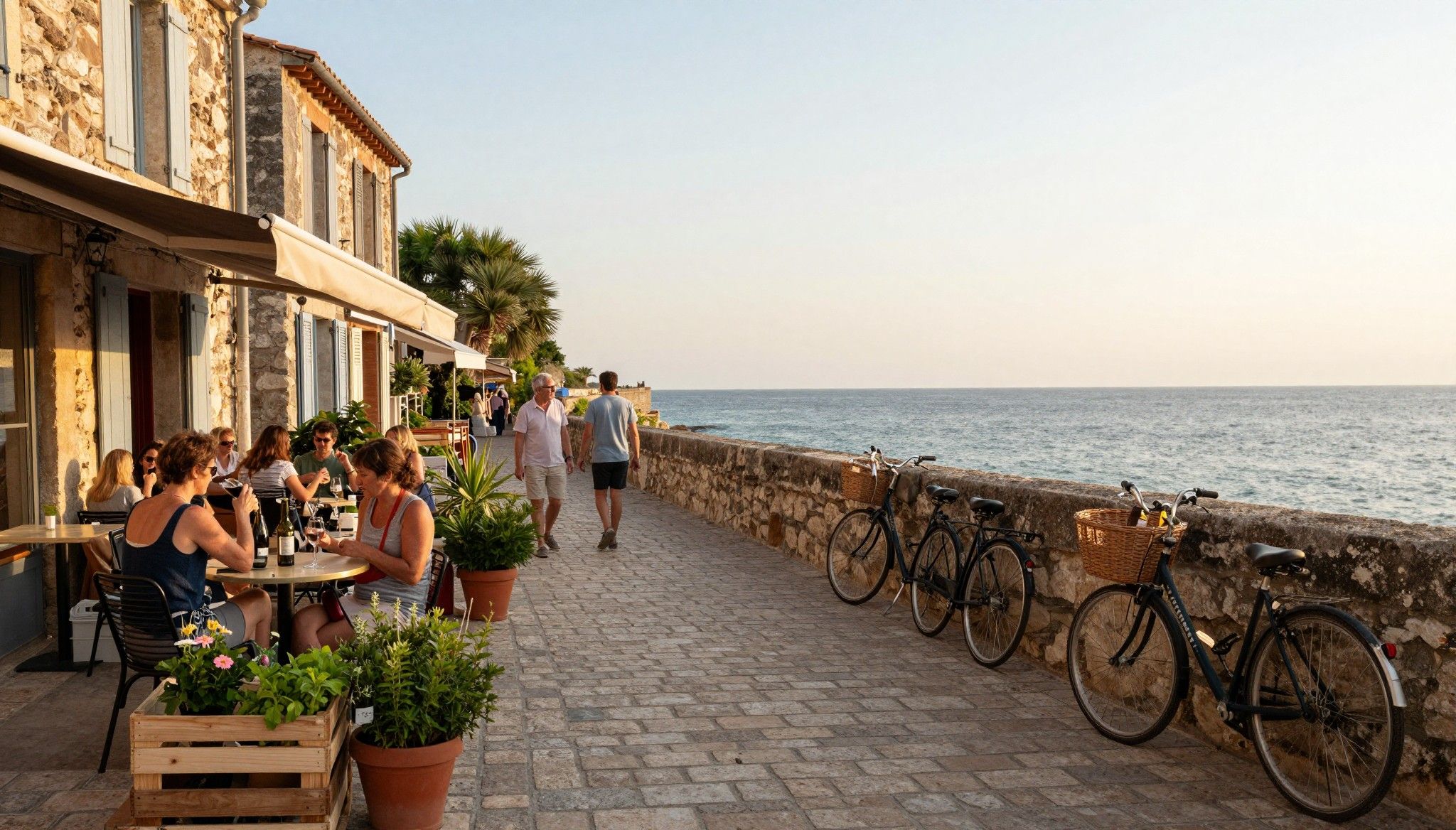
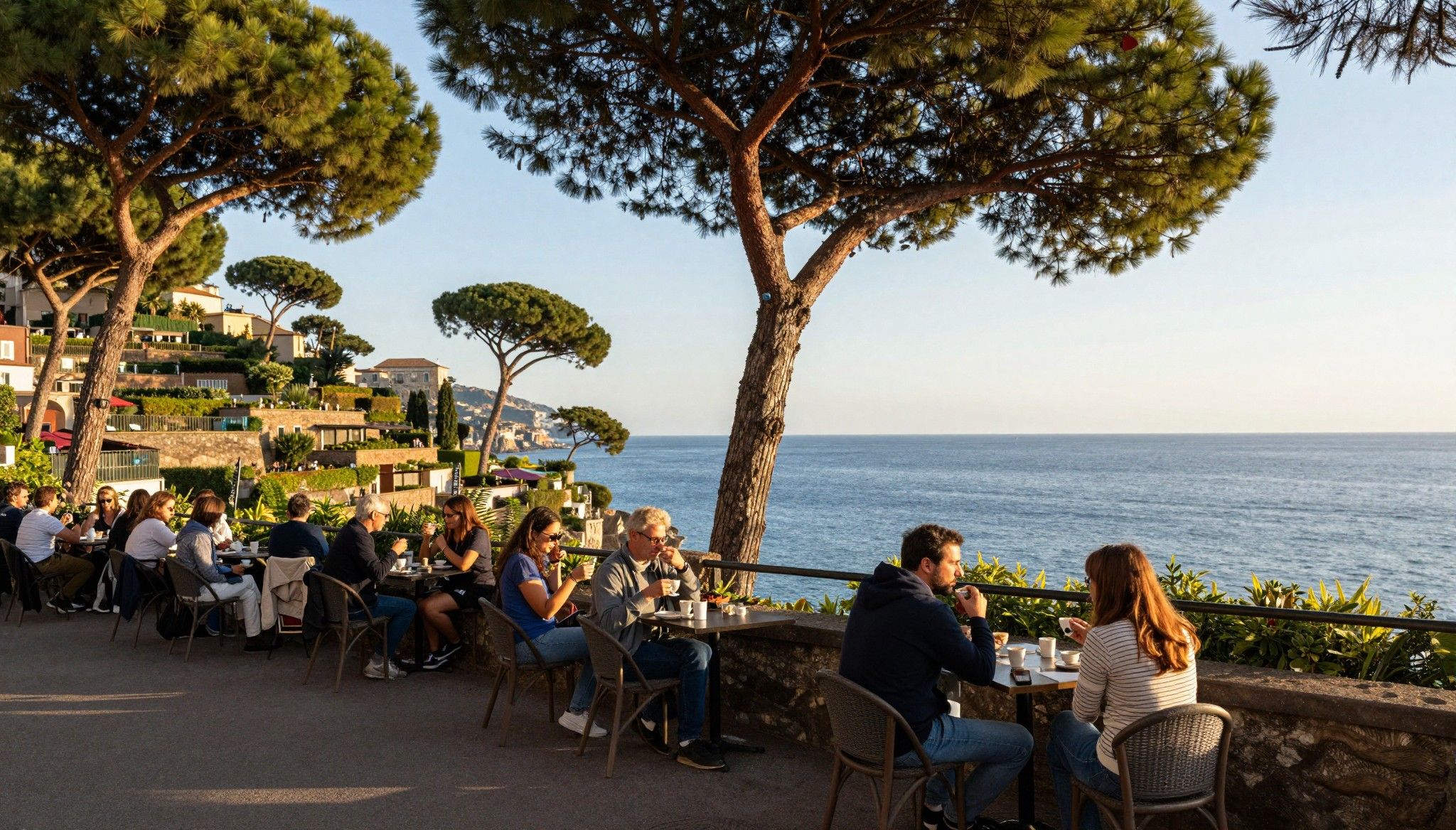
Imagine waking to a boulangerie’s first batch of croissants on rue des Martyrs in Paris, or watching silk-like morning mist lift from the lavender fields of the Luberon. France is a place where seasons write the rhythm of daily life — markets at dawn, long lunches, slow restoration of old stone houses and afternoons by the sea. For international buyers, that rhythm is seductive, but closing the deal and stewarding a French home with ecological care requires local knowledge. This guide blends the sensual pull of place with practical steps for negotiation, closing and post-purchase stewardship in France.
Living the French Life — what you’ll actually wake up to
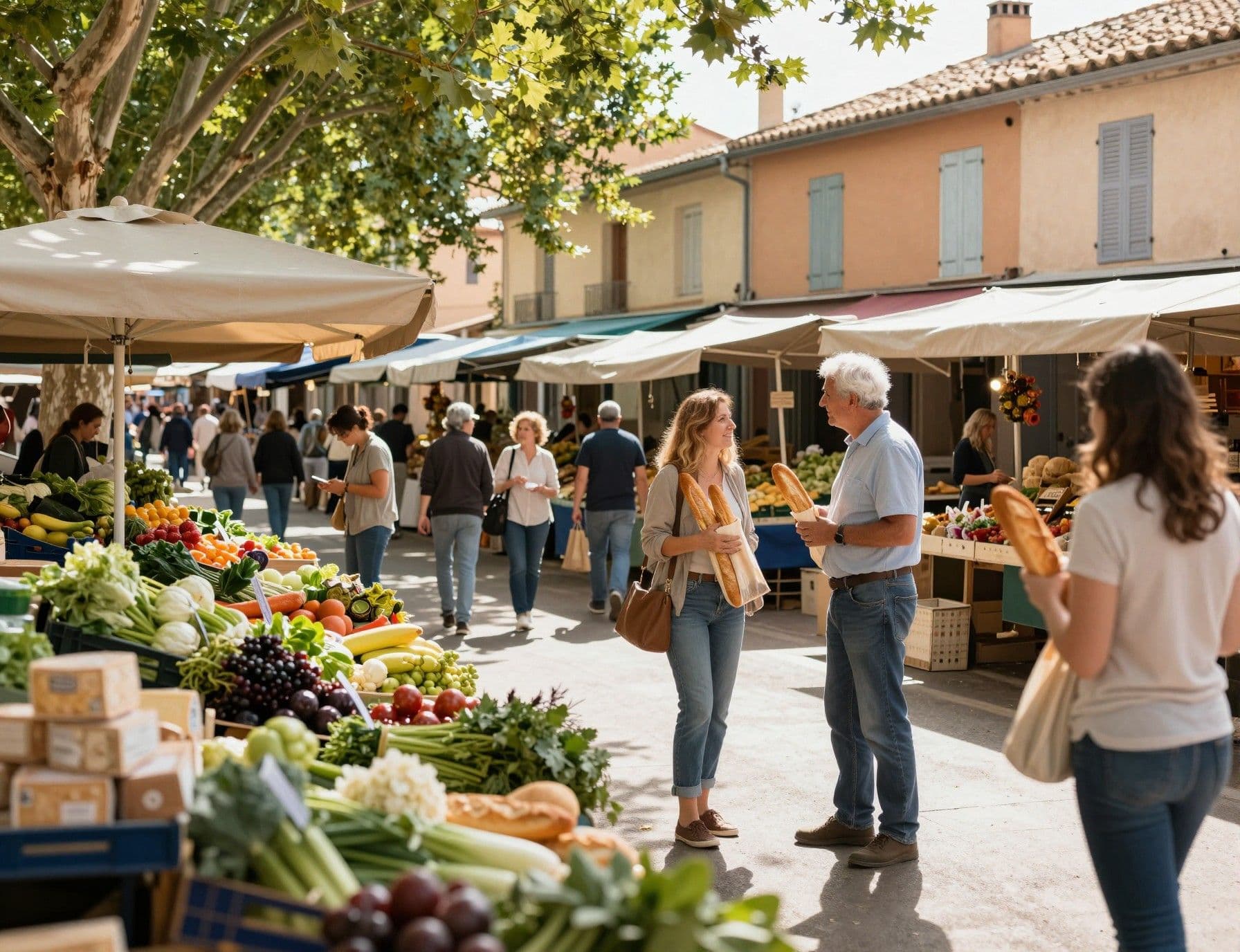
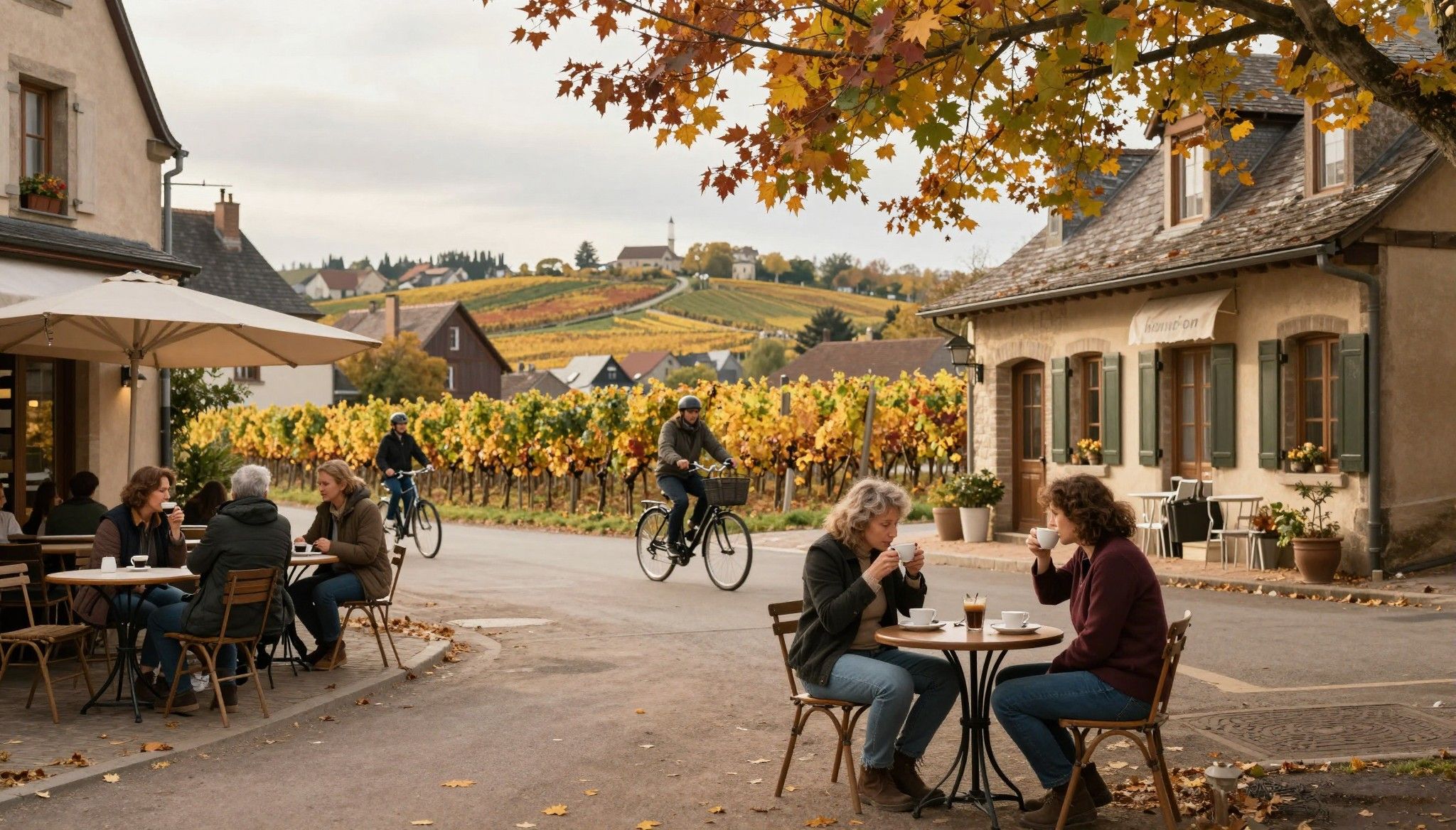
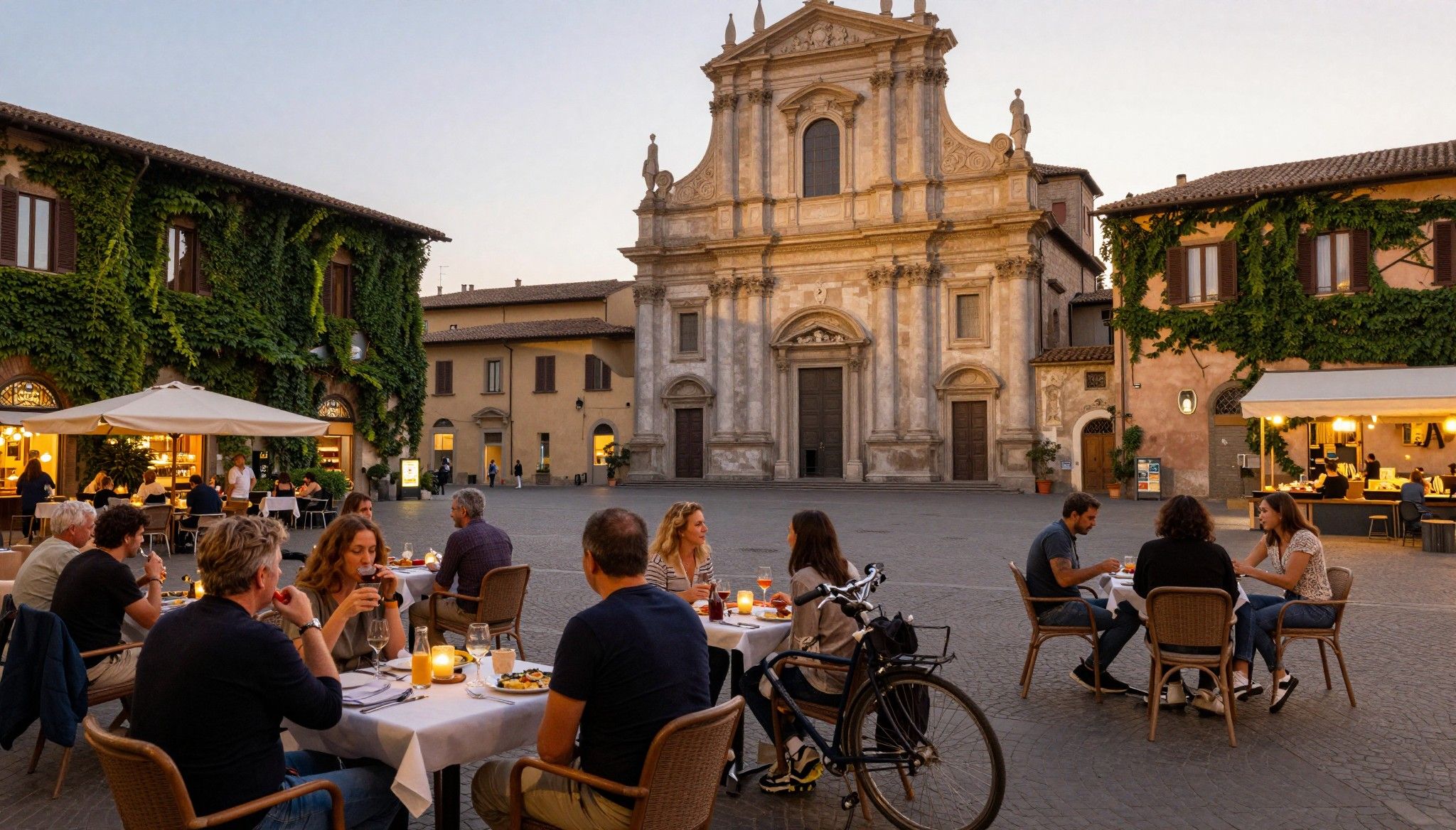
Every town in France has a different pace: the morning market that defines a village, the riverside cafés where locals linger, the narrow streets of historic quarters that seem to hold a hundred small lives. From Paris’s Marais to Lyon’s Croix-Rousse, to the wild Atlantic coasts and the honeyed hilltops of Provence, neighbourhood character shapes how you use a home — whether you want a planted courtyard for beehives or a small, sunny atelier for ceramics. Real market context matters: national price maps and notarial indices show wide regional variation, so lifestyle choices and practical checks go hand in hand.
Neighborhoods that feel like a second skin
Picture the Marais: chestnut trees, tiny bookshops, and morning espresso where neighbours debate small things loudly and warmly. Contrast that with Île-de-Ré’s slow beaches and salt marshes, where houses lean into sea breezes and rooftop terraces become living rooms in summer. In Lyon, courtyards and traboules (hidden passages) create community microclimates; in Provence, terraces shaded by plane trees and olive groves shape daily rituals. These textures matter when negotiating: a yard with mature trees or a south-facing roof for solar panels can sway both price and stewardship plans.
Food, markets and the calendar of living
Sunday morning markets are not tourist fluff — they are where you’ll plant roots, learn local rhythms and source seasonal food that inspires how you live. The calendar of truffle season, grape harvest, local fêtes and market days changes how neighbourhoods breathe and affects viewing schedules and local demand. While national indexes show recent stability in prices overall, local seasonal spikes around festivals or coastal high seasons can still change the mood of negotiations and the availability of craftsmen for sustainable upgrades.
Making the Move: closing with stewardship in mind
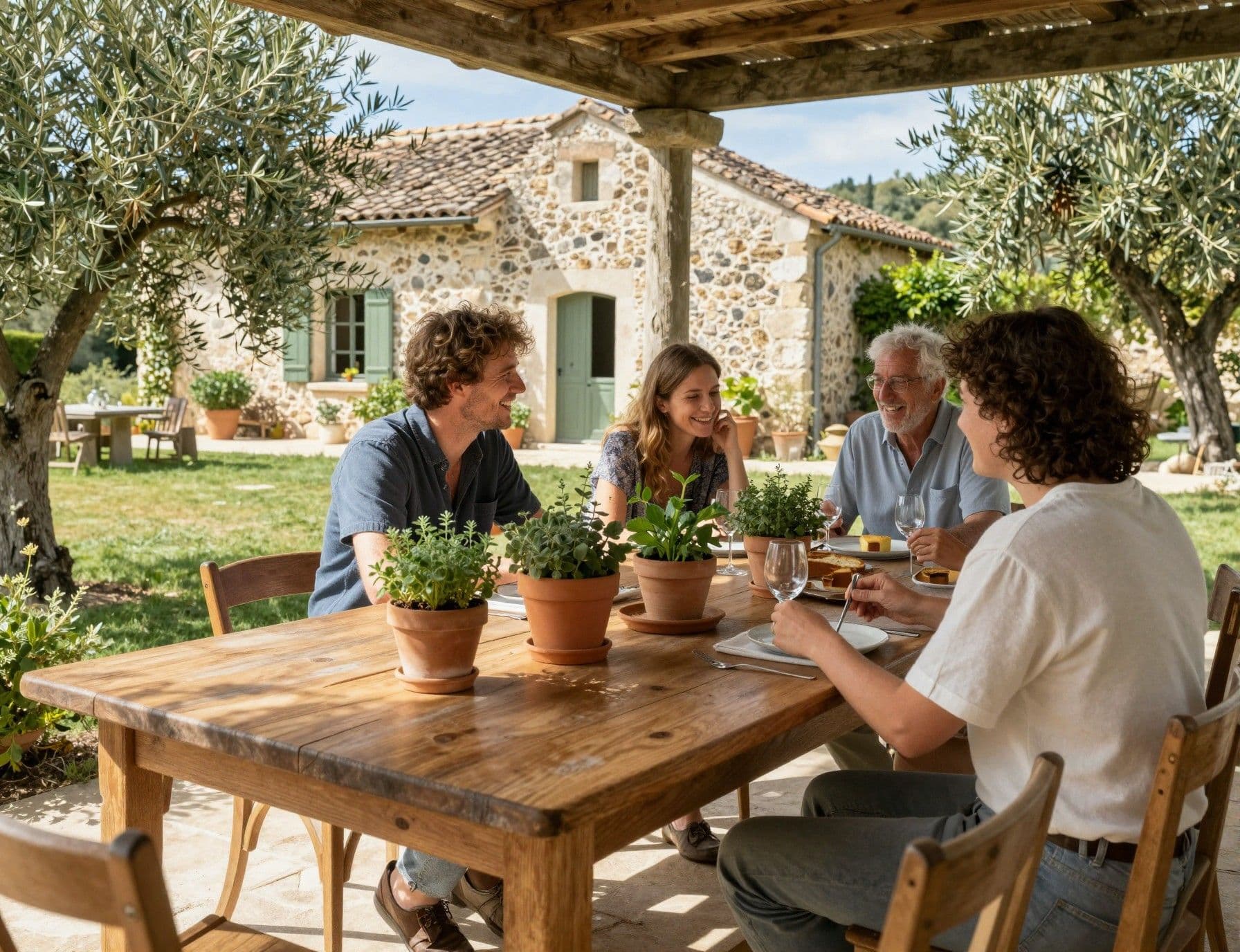
Closing in France is a ceremony of paperwork and local practices, from the compromis de vente to the notaire’s final acte authentique. But for the eco-minded buyer, the phase when you negotiate and close is also the moment to embed stewardship: insist on a recent Diagnostic de Performance Énergétique (DPE), check roof orientation for solar potential and factor in renovation windows for heritage-sensitive insulation. New rules and evolving DPE methodology mean energy labels now shape rental eligibility and renovation grants; get the correct, up-to-date diagnostics before you sign.
Property types and what they demand for green stewardship
A stone mas in Provence wants breathability and lime renders; a Loire Valley manor needs careful heritage-minded upgrades; a Bordeaux apartment may require shared-copropriété agreements for solar or insulation work. Each property type brings a different negotiation leverage: an attic ripe for conversion can add habitable space and improve insulation simultaneously; a south-facing roof is a bargaining chip for future solar. When you negotiate, ask sellers for recent invoices for heating, insulation and any MaPrimeRénov’ or local grants — they both prove work and reveal what’s left to plan.
Working with local experts who understand both French law and green practice
- 1. Hire a notaire early: they hold title records and can flag easements, servitudes and historic protections that limit interventions. 2. Add a local, sustainability-minded architect or thermicien to assess upgrade paths and realistic budgets. 3. Use an agent who knows the neighbourhood — they’ll help you weigh lifestyle trade-offs (market morning vs. evening tranquillity) and find properties with green potential. 4. Ask for a written list of outstanding maintenance items and realistic quotes before the final signature to avoid surprise costs.
Insider Knowledge: expat truths, timing and the unexpected costs
Expats often romanticise a life of village fêtes and garden dinners — and those things are real — but practical realities reshape the dream in the first two years: slow permit timelines, seasonal availability of trades, and the quirks of copropriété boards. Expat experience shows that the most sustainable homes are those bought with patience and a plan: a measured renovation schedule, local contractors chosen for craft not speed, and realistic energy upgrade timelines. Read the DPE closely and treat it as a roadmap, not merely a label.
Many buyers are surprised by how evolving energy regulations affect a property’s future use. The Cour des comptes and ministries have pushed for better DPE reliability and stricter rules on rental eligibility: understanding these changes helps you avoid a house that looks charming but is costly to run or impossible to rent without major upgrades. Use official reports to understand which energy bands are now penalised or incentivised and plan your negotiations around realistic upgrade costs.
Red flags and practical checks before you close
- • Missing or old DPE without supporting invoices — ask for recent energy bills and diagnostic reports. • Unresolved copropriété decisions about façade, roof or shared heating — these can trigger large post-purchase costs. • Sellers who can’t produce building permits for past works — insist on documented approvals. • Local flood or coastal erosion zoning not disclosed — check with the mairie and risk maps. • Overly optimistic verbal promises about neighbours or services — get commitments in writing.
Conclusion: buy for the life, close for the future. Fall in love with a French rhythm first — the markets, the meals, the seasons — but close with a steward’s checklist: verified diagnostics, written maintenance histories, realistic renovation timelines and local experts who can translate lifestyle into long-term value. When you fuse love of place with practical stewardship, your French home becomes more than an asset: it becomes a regenerative, lived-in sanctuary.
Dutch property strategist who helped 200+ families find sustainable homes in southern Europe; expert in legal pathways and long-term stewardship.