Paper Trails & Picnic Tables: Due Diligence in France
Fall for French life—then verify the paperwork. Practical due diligence, local permits, and sustainability-minded checks to protect your dream home in France.
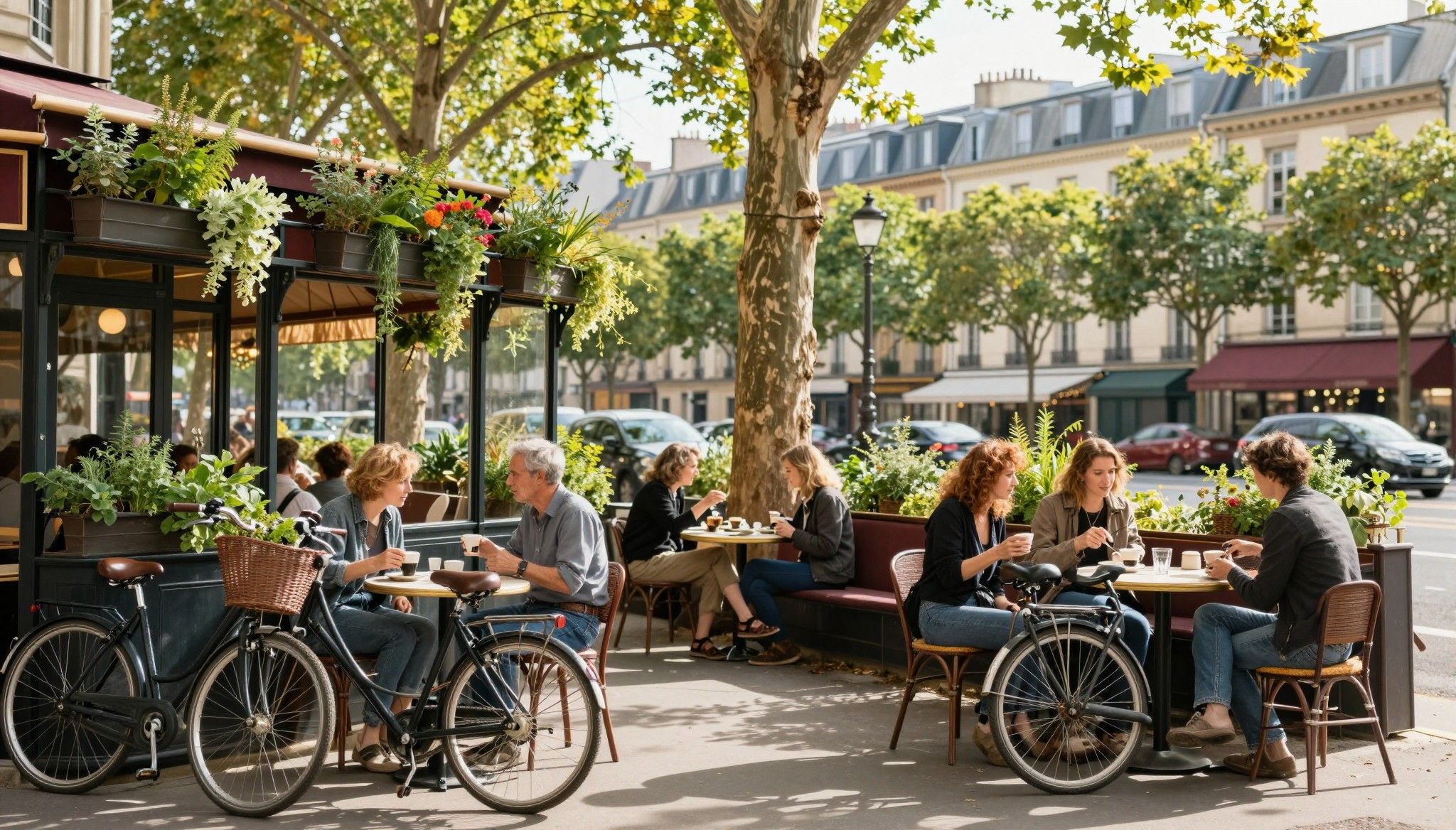
Imagine waking to the smell of fresh bread on Rue des Martyrs, then cycling past a community garden to a sun-dappled market where the stall holders know your name. That easy, sensory rhythm—morning markets, long lunches, hedgerows and stone walls—is the France many dream about. But the most romantic French days are made secure by small, often invisible things: title deeds, local planning rules, and a permit stamped by the mairie. This guide blends the lived-in pleasure of French life with the exact due-diligence steps you need to protect both the lifestyle and the landscape you’re buying into.
Living the France lifestyle: neighborhoods, seasons, and senses
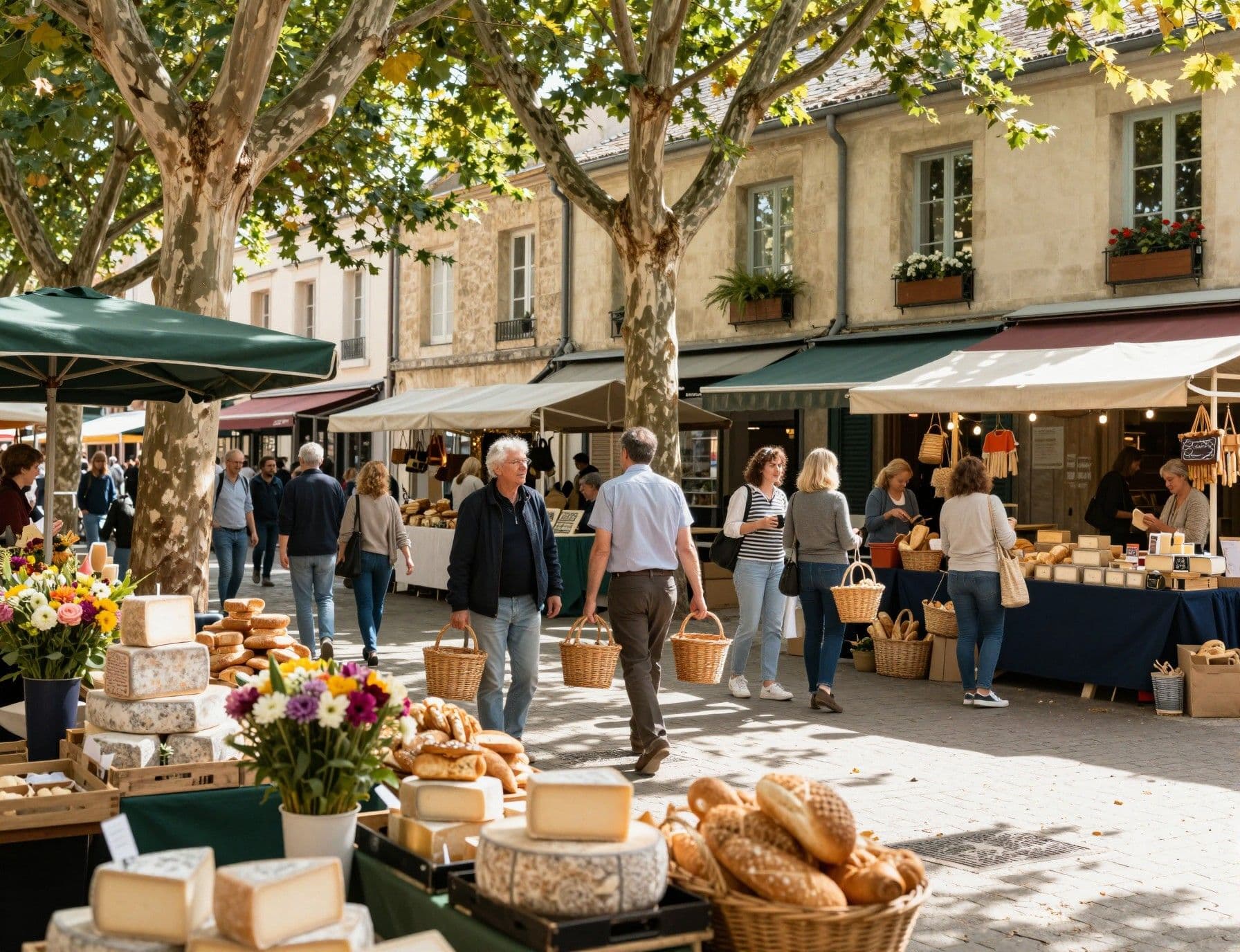
France is not one mood but many: the lavender hush of Provence, the cliffside light of Étretat, the oak-lined lanes of the Dordogne and the lively terraces of Lyon’s Croix-Rousse. Days are paced by markets, boulangeries and cathedral bells; evenings by aperitifs and kitchen gardens. For international buyers, the joy is finding the micro‑rhythm that fits you—weekday markets in Antibes, Sunday brocantes in Saint‑Rémy, or surf-and-supper life along the Landes coast—and then securing a property that honours both character and regulation.
Neighborhood spotlight: Marais to Médoc — where local colour meets lived-in ecology
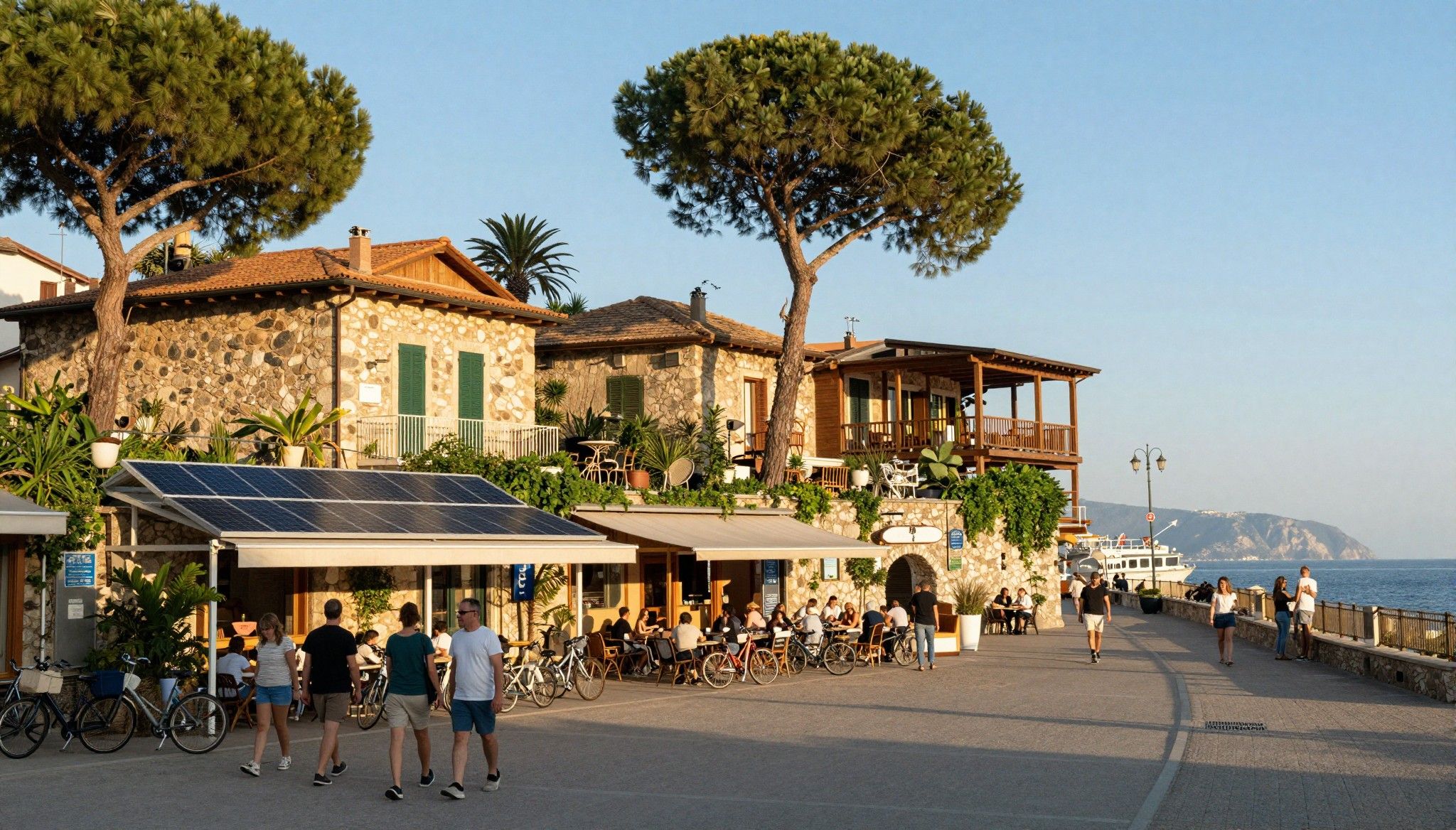
Choose the Marais and you’ll fall asleep to the hum of cafés and small galleries; pick Médoc and your days will be vineyard walks and oyster lunches. Each neighborhood carries an ecological fingerprint—stone terraces with south-facing gardens, small plots for herbs, or oak groves that define property setbacks. When you visit, look not only at façades but at tree lines, water flow on the road, and neighbours’ reuse habits; these quietly reveal how easily your sustainable ideas (solar panels, rainwater tanks, planted roofs) will sit inside local practice.
Food, markets and the season that shapes lifestyle decisions
Life in France orbits food seasons: oyster season on the Arcachon basin, truffle markets in Périgord, and spring asparagus in the Rhône valley. These cycles matter for property choice—proximity to markets means less driving, and gardens planted to local seasons need less irrigation. If you crave a garden that feeds you year-round, seek south-facing courtyards near village markets; if you want coastal breezes, prioritize window placement and wind-break plantings that protect terraces without harming native dunes.
- Market‑day lifestyle highlights
- Sunday brocante at Place Sainte‑Catherine, Bordeaux — hunt for reclaimed timber furniture and meet neighbours.
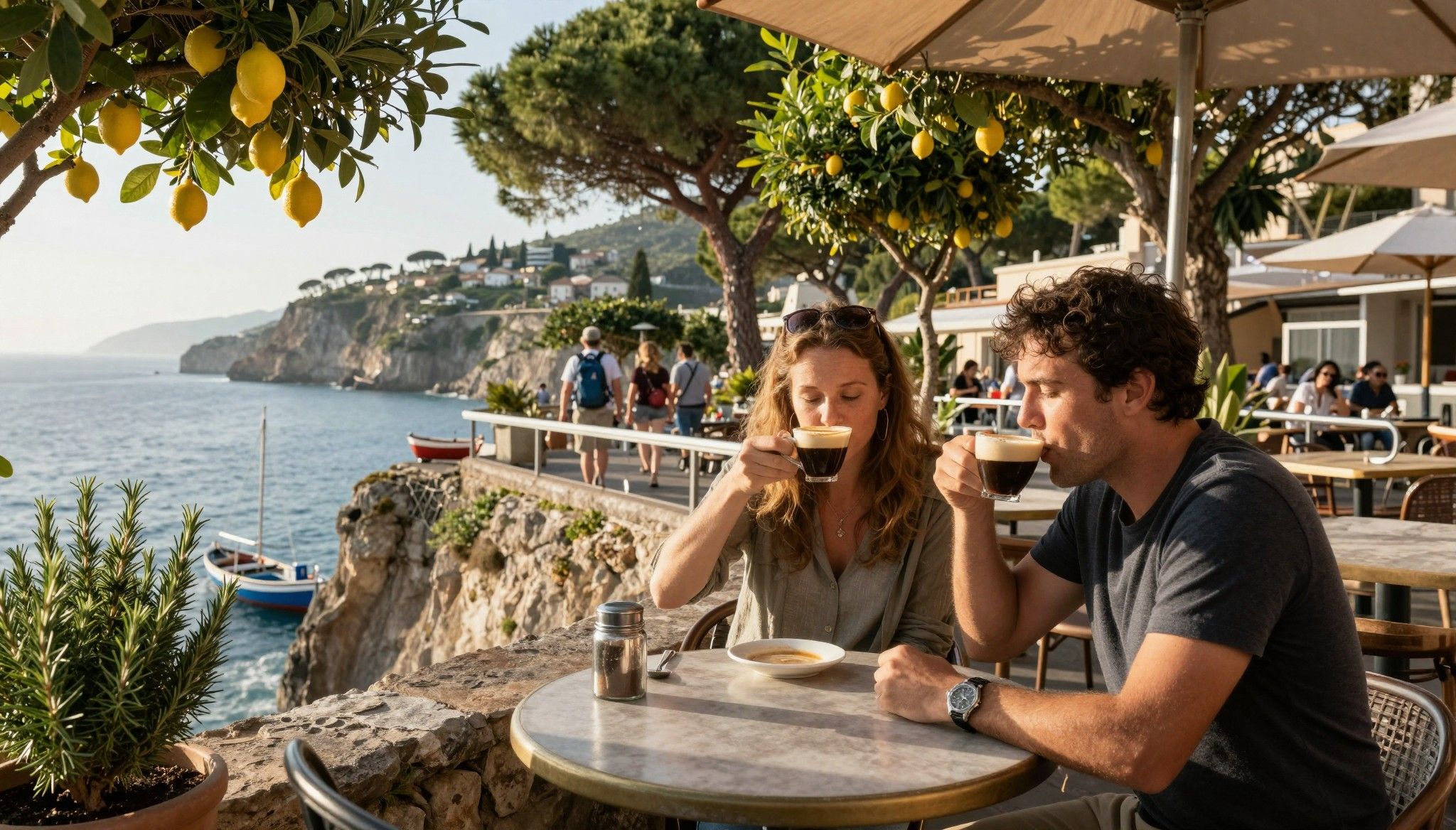
- Morning coffee at Café Le Progrès, Rue des Martyrs, Paris — notice how balconies and window boxes shape street life.
- Evening marché under plane trees in Aix‑en‑Provence — perfect for sourcing seasonal produce and local artisans.
Making the move: practical considerations that protect the life you want
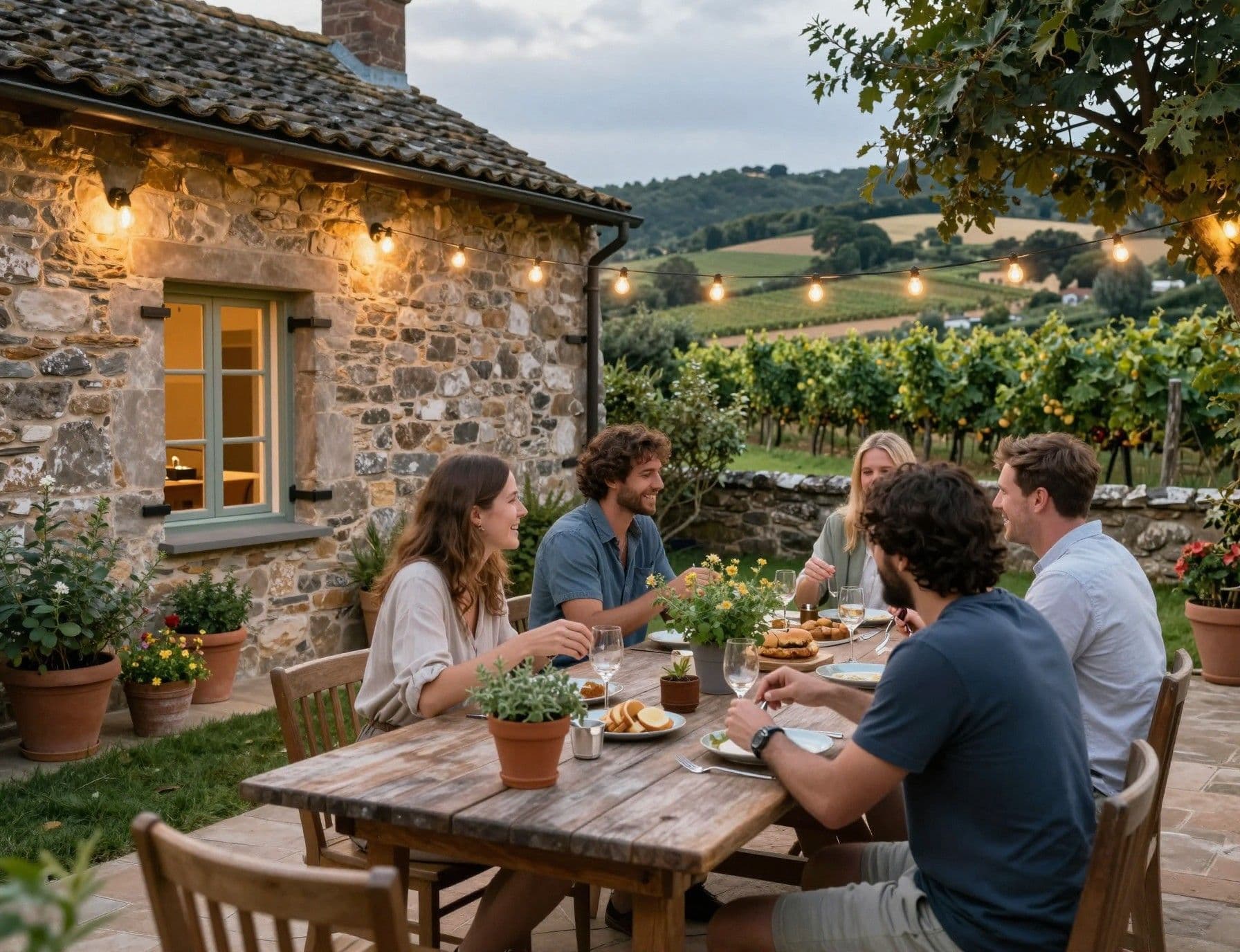
The dream of a sunlit terrace must meet municipal reality. French planning law is deliberate: tiny renovations can be a declaration préalable while extensions commonly require a permis de construire. Service-public lists how and when to apply, and the mairie’s urban planning documents (plan local d’urbanisme) will tell you what is allowed where. Before committing, ask your agent for the dossier local—this saves months of frustration and keeps your garden plans and solar ideas possible rather than merely aspirational.
Property styles and what they mean for sustainable living
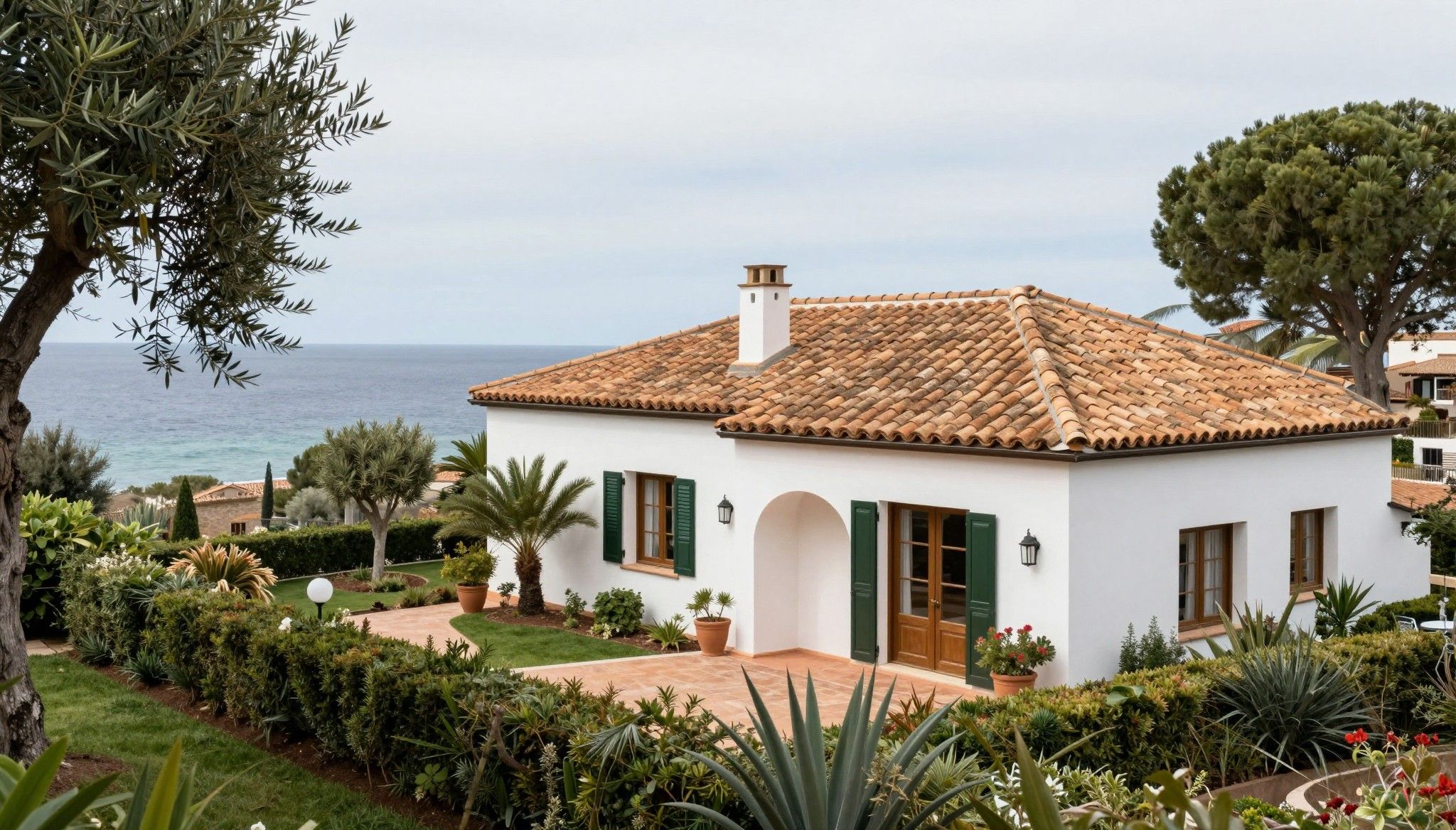
Stone farmhouses, Haussmann apartments, renovated mills and coastal villas each carry different retrofit potential. A south-facing stone barn in Dordogne offers thermal mass and easy solar gain, while a listed village house may restrict external changes. Notaires and INSEE data show regional price divergence—urban centres often command premiums while rural properties can offer more space for gardens and renewable installs. Match your property type to the sustainability upgrades you imagine to avoid regret later.
Working with local experts who protect your vision
Find an architect familiar with local heritage rules, a notaire who explains servitudes and taxe foncière nuances, and an agent who can read the mairie’s urban plan. Agencies that specialise in renovation and ecological retrofits are invaluable; they can estimate installation costs for solar, heat pumps, and biodiversity-friendly gardens. Ask for references of past projects—photos and contactable owners—so you see what a concept actually becomes on the ground.
- Checklist before you sign (lifestyle + legal)
- 1. Request the cadastre plan and title deed to confirm boundaries and any co-ownership rules.
- 2. Review local PLU/zoning with the mairie and confirm permit requirements for your intended works.
- 3. Obtain recent diagnostic reports (DPE, termite, asbestos) and ask how upgrades could lower energy use.
- 4. Budget for transfer costs, potential restoration surprises, and sustainable upgrades (insulation, heat pump, solar).
Insider knowledge: red flags, myths, and the expat truth
Two myths tumble quickly: that France is uniformly expensive, and that paperwork is a mere formality. National indices show pockets of strong value—western Brittany and interior Occitanie, for instance—while Paris and some Mediterranean enclaves remain costly. Likewise, paperwork is meticulous but transparent: do it well and it shields you. Expats often tell us their biggest surprise wasn’t the language but the patience required for approvals—start early and plan for municipal rhythms.
Cultural cues that change where you buy
French neighbours value rhythm and reciprocity: communal composting, shared water use, and respect for building lines. In many villages the mayor’s approval is social as much as legal—introductions, friendly visits, and clear communication smooth projects. Learn phrases about your work plans, bring a small gift when you introduce yourself, and enlist a bilingual neighbour or local agent to translate not only words but local expectations.
Long-term stewardship: how to keep the land and community healthy
Buying in France is the start of a long relationship with place. Prioritise materials that age gracefully—stone, lime, chestnut—and create gardens that support local pollinators. Consider legal instruments like servitudes that protect access and views, and include clauses in sale contracts for conservation measures if the land is ecologically sensitive. A home that contributes to local biodiversity is more likely to be cherished—and easier to resell to like-minded neighbours.
- Red flags to watch for
- Unclear boundaries in the cadastre or missing title deeds — always ask for certified copies from the notaire.
- Properties in protected zones (ABF/Architectes des Bâtiments de France) without clear permissions for exterior changes.
- Missing or outdated DPE (energy performance) and diagnostic reports — these are essential for budgeting upgrades.
- Steps to close with confidence
- 1. Sign a compromis with clear suspensive clauses for financing, survey results and permit feasibility.
- 2. Commission a local surveyor and request the full set of diagnostics (DPE, plomb, amiante, termites).
- 3. Confirm transfer costs with your notaire and schedule final signatures; ensure any conservation commitments are written into the acte.
A final note on timing and temperament
Don’t rush a visit during high-summer festival weeks; go in shoulder seasons when the real tempo of a place emerges and the mairie is open. Start paperwork early—permits and cadastral checks take time—and build relationships with local experts who respect both your vision and the land. If you marry patience with curiosity, France will reward you with a home that feels not like a purchase but like a belonging.
Ready to turn the picnic-table dream into an address? Gather the dossier: title deed, cadastre plan, diagnostics and PLU extracts. Contact a notaire and an architect experienced in local heritage, and choose an agency that understands sustainable retrofits. Small, careful checks now preserve the markets, hedgerows and morning light you fell in love with—so your purchase becomes stewardship as much as property.
Swedish advisor who left Stockholm for the Costa Brava in 2019. Specializes in sustainable, sea‑view homes for Scandinavian buyers and green finance insights.