Malta: Coastline Life, Green Retrofits & Local Truths
Malta blends rugged coastline, historic limestone living and growing green demand; pair its seaside rituals with tight local due diligence and modest eco retrofits.
Imagine waking to the smell of espresso and sea salt, stepping out onto a limestone balcony that catches the golden morning light — Malta feels like an intimate Mediterranean village stretched along a rugged coastline. The island’s compact size means beaches, markets and a centuries‑old street life are never far, yet behind that postcard calm lies a dynamic property market and a growing green consciousness. For environmentally minded buyers, Malta offers a surprising mix: solar-ready roofs, restored farmhouses with native gardens, and neighborhoods where you can cycle to a café and still feel a world away. Below we pair that lived-in imagination with practical, research-backed advice so you can fall in love — and buy wisely.
Living the Malta life
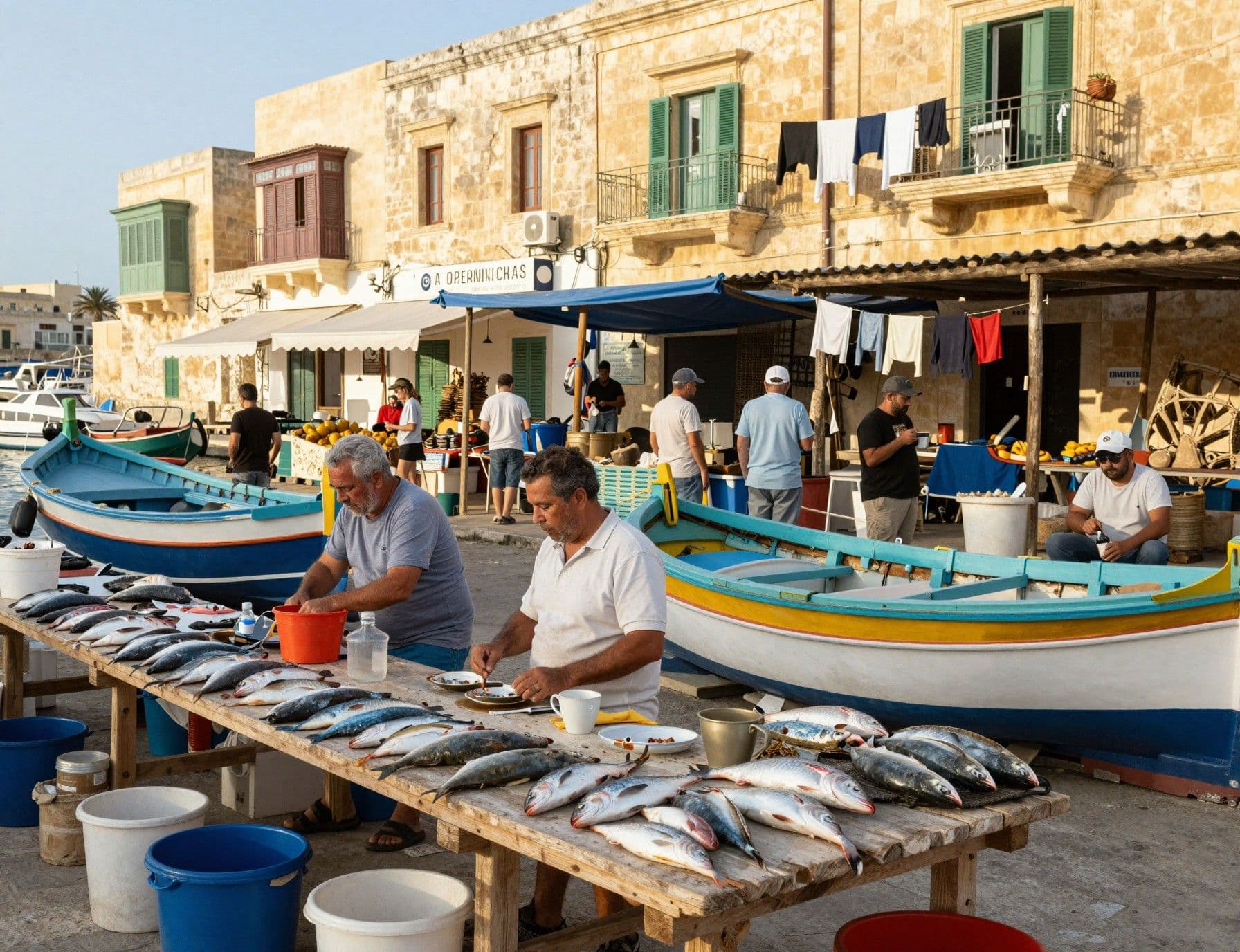
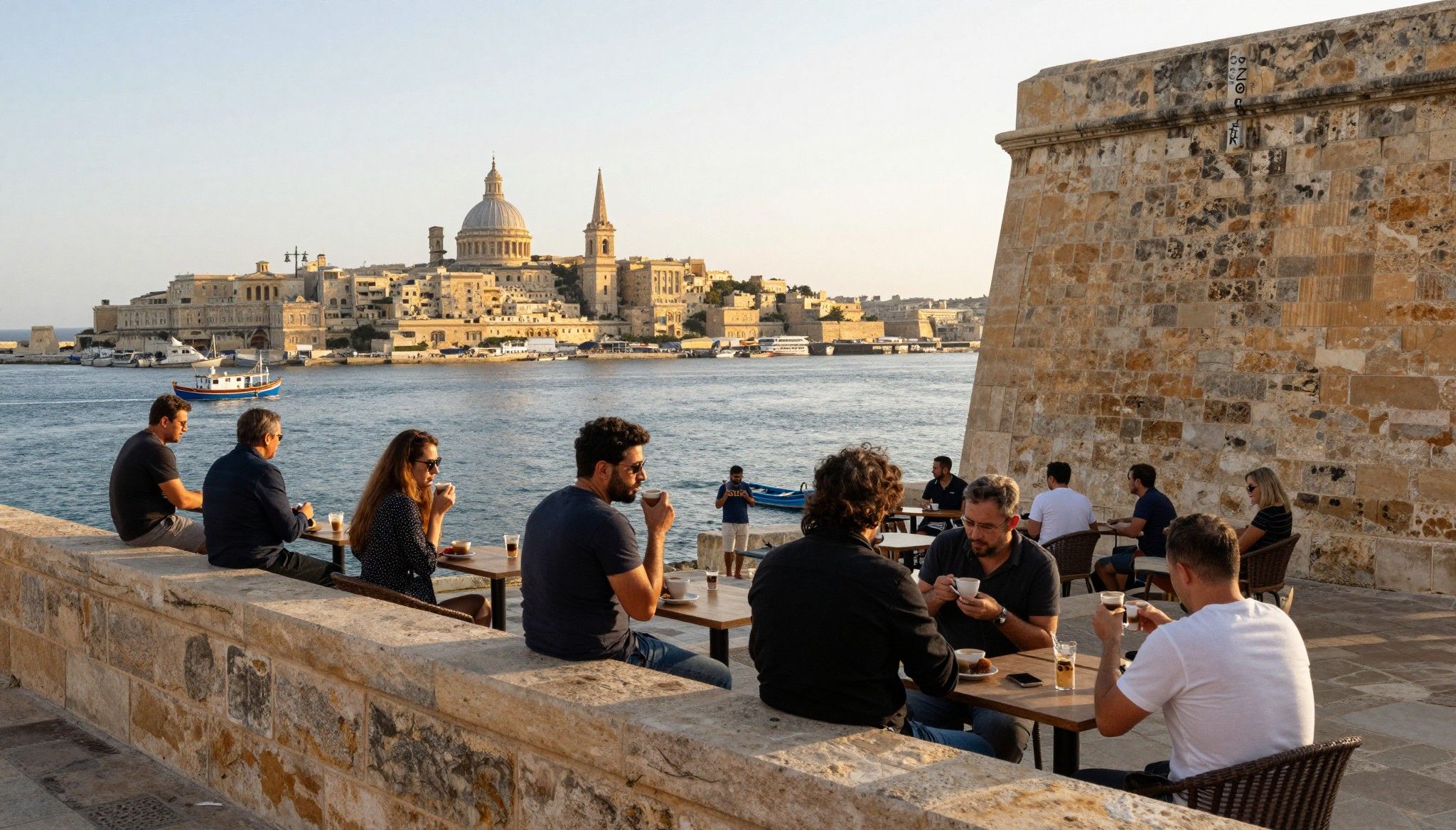
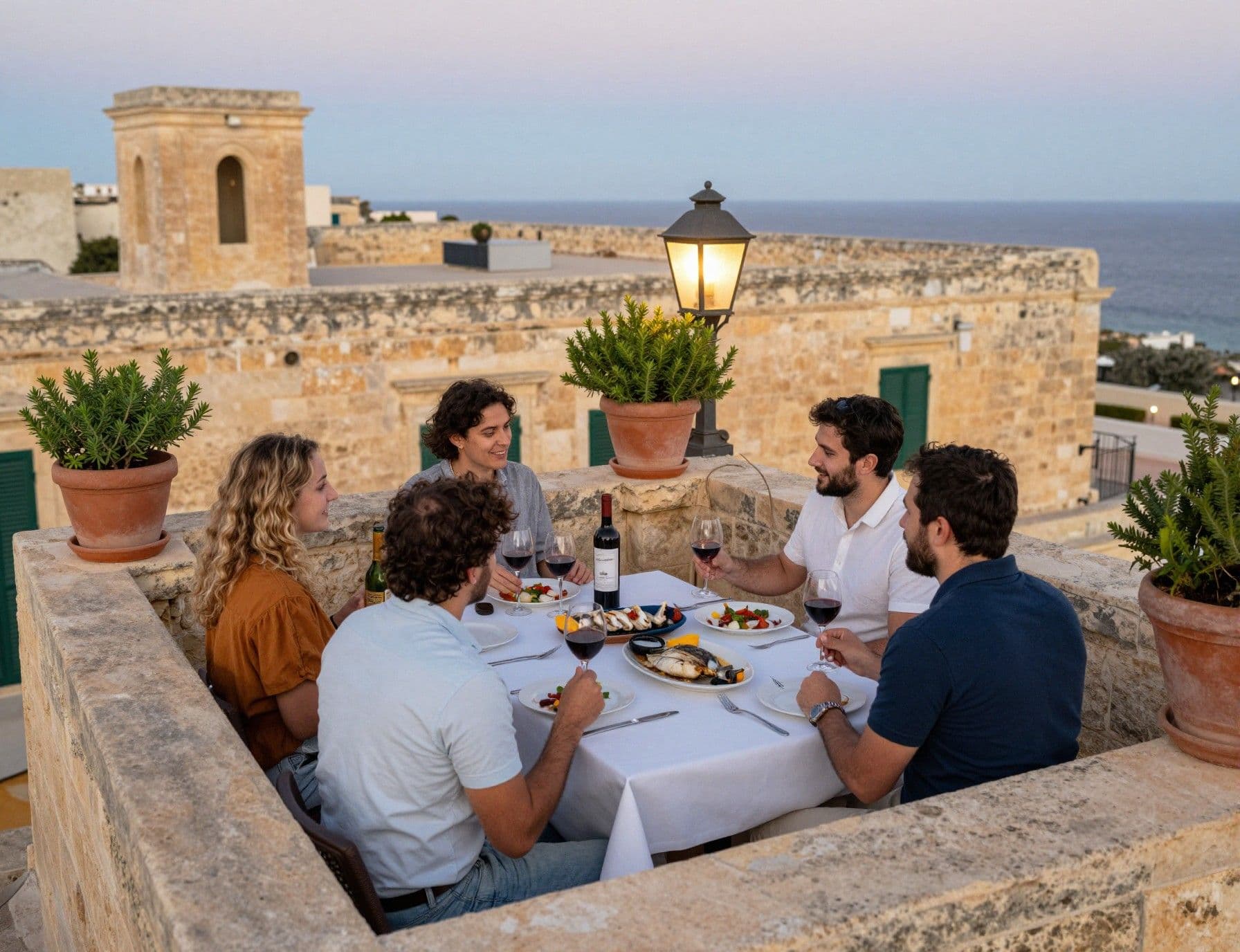
Malta’s daily rhythm is shaped by light, limestone and language. Streets in Valletta and Mdina hum with history; coastal towns like Marsaxlokk and Mellieħa open slowly for fishermen’s markets and aperitivi. Evenings are for long meals of lampuki pie, sun‑cooled wines and conversation that stretches across small piazzas. The island is bilingual — English as an official language eases practical life for internationals — while Maltese music, festas and sea rituals anchor communities to the seasons and the sea.
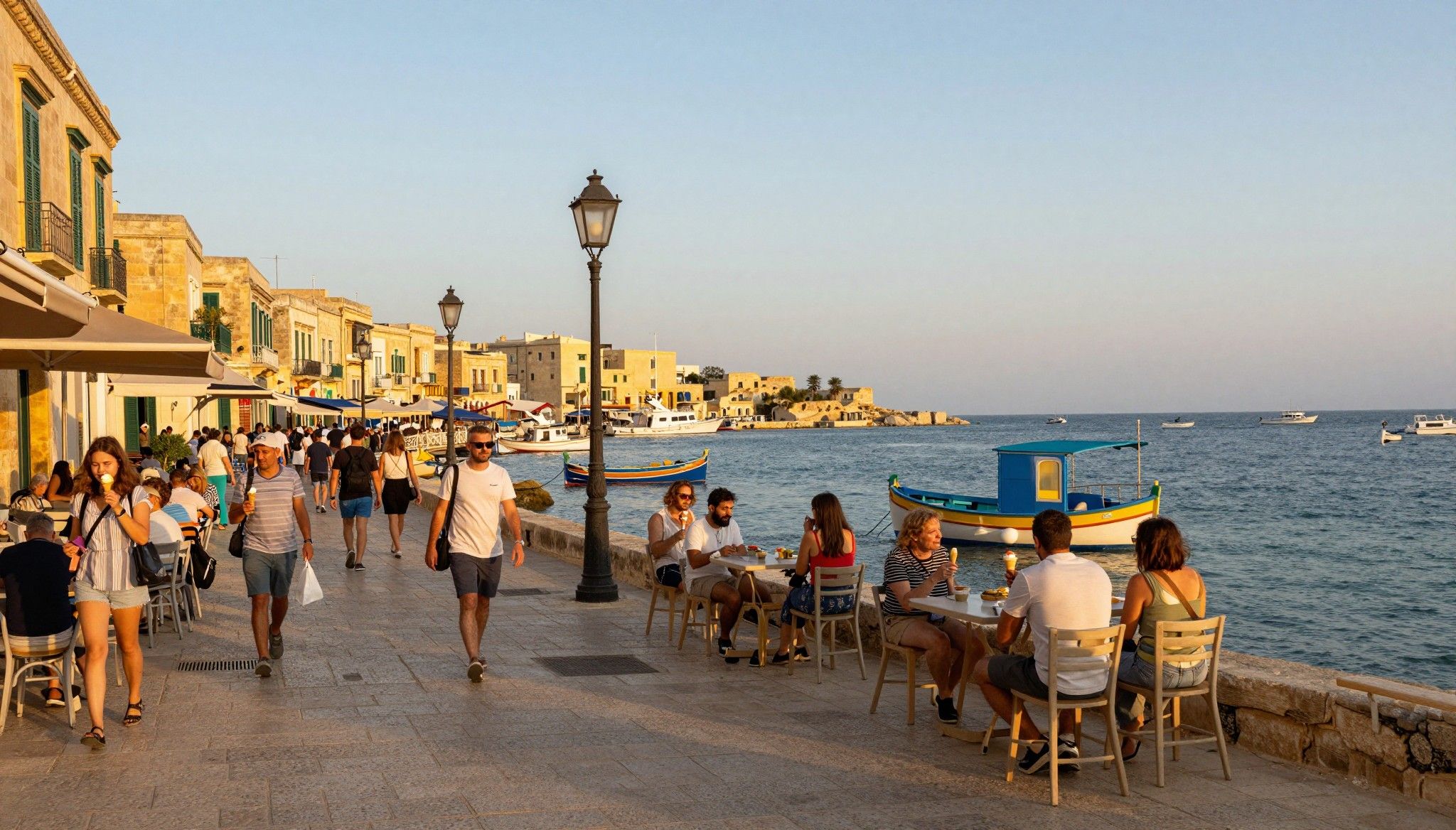
Neighborhood spotlight — Marsaxlokk and the south coast: picture mornings at the fish market on Xatt is-Sajjieda, fishermen mending nets, and pastel luzzu boats lining the bay. Properties here range from converted fishermen’s cottages to modern terraces with sea views; many homes embrace outdoor living with terraces and small Mediterranean gardens. For green buyers, the south’s wind exposure makes rooftop solar and shaded outdoor areas practical investments that also preserve the island’s low‑key coastal charm.
Food, ritual and social life: the island’s kitchens are a celebration of local produce — olives, citrus, fresh seafood and field greens. Cafés like Caffe Cordina in Valletta or family-run pastizzerias in Gżira are where you learn the local gossip and find expat community noticeboards. Weekend rituals center on the sea: a morning dip at St. Peter’s Pool, a late lunch in Marsalforn on Gozo, or a Sunday drive to Ta' Qali for a craft market. These routines will shape the kind of property you choose: a compact pied‑à‑terre for buzzing squares, or a bigger house with a courtyard if you want garden time.
Lifestyle highlights
- Walkable historic cores: Valletta and Mdina offer layered streets, cafes and cultural life within stone's throw of residences.
- Coastal routines: Mellieħa and St. Julian’s combine beach days with cafe terraces and active expat scenes.
- Island escapes: Gozo’s slower pace and restored farmhouses appeal to buyers seeking space and seasonal gardens.
- Local markets & food: Marsaxlokk fish market, Valletta’s farmers’ stalls and street pastizzerias are daily life essentials.
- Green possibilities: rooftop solar, rainwater capture in rural homes, native-step gardens that flourish in limestone soils.
Making the move: practical considerations
Malta’s market is compact and active — recent government statistics and market reports show steady price growth and robust transaction volumes, especially for well‑located apartments and refurbished houses of character. That momentum means timing and local know‑how matter: you want an agent who knows which streets quieten after the tourist season and which building types keep value through renovations. Below are the property realities that pair with the lifestyle above.
Property styles and how they fit life
Historic townhouses and maisonettes offer thick limestone walls, shaded internal courtyards and a tactile sense of place — excellent for low‑energy living when paired with insulation and discreet heat pumps. Newer apartments near business hubs like Sliema or Ta’ Xbiex favour compact layouts and rooftop terraces; they’re practical for remote workers who want cafés and coworking nearby. On Gozo, restored farmhouses bring space and soil for food gardens, but expect upgrades to plumbing, insulation and electrical systems if you value modern comfort and energy efficiency.
Working with local experts who understand the lifestyle
Choose agents who can translate lifestyle ambitions into property reality: ask for examples of past sales in the exact street you love, references from expats, and knowledge of green retrofitting professionals. An agent who understands the Malta Permanent Residence Programme and local permitting will save time and reduce surprises. Verify claims with official sources — NSO or Residency Malta documentation — and insist on clear, written comparisons between similar properties before making offers.
- Practical steps that keep lifestyle front‑and‑centre: 1. Map daily loops: visit morning cafés, nearest markets and the commute you’d actually take to see if the rhythm fits. 2. Match property type to seasonality: pick a townhouse for winter light and a coastal apartment for summer breeze. 3. Prioritise retrofit potential: roofs, shutters and small courtyards often deliver the easiest eco gains. 4. Get written estimates for solar and insulation before bidding — factor them into your offer. 5. Confirm residency/permitting advice with a local lawyer or the Residency Malta handbook.
Insider knowledge: what expats wish they’d known
Expats often romanticise the slow Mediterranean life, then bump into local realities: narrow streets, parking constraints, and a tiny market where the “best” property disappears quickly. The honest truth is that good local contacts — a reliable builder, a notary who speaks English, and an agent with street‑level knowledge — are worth their weight in limestone. Cultural integration is gentle; say yes to invitations, learn a few Maltese phrases, and you’ll find doors opening to neighborhood life in ways that guidebooks don’t capture.
Language and social customs
English is widely spoken, making banking, healthcare and school searches straightforward for internationals, but Maltese festivals and parish festas are the social heart of towns. Expect late dinners, local conversation by the harbour, and neighbors who value continuity — small gestures, like learning when the market opens or helping with a festa setup, foster real belonging. These social norms also influence where you’ll want to live: quieter urban cores for cultural immersion or outer suburbs for families seeking calm and gardens.
Long‑term lifestyle and stewardship
Look beyond immediate charm and plan for stewardship: invest in native landscaping that thrives on limestone soils, choose materials sympathetic to Maltese architecture, and prefer reversible retrofits that preserve character. Reports from local industry bodies indicate rising interest in energy‑efficient homes; being an early adopter of modest green upgrades often improves rental appeal and resale, particularly in sought‑after historic cores and coastal villages.
- Expat red flags to watch for: • Properties listed without clear title or with ambiguous common‑area obligations. • Overly polished listings that hide small, constant maintenance needs (old plumbing, damp in basements). • Promises of “instant residency” without documented compliance to the MPRP requirements.
- A simple due‑diligence sequence: 1. Verify title and permits with a Maltese notary. 2. Commission an independent survey for structural, damp and services checks. 3. Obtain written quotes for necessary green upgrades. 4. Confirm residency or permit implications if you’re a non‑EU national. 5. Negotiate inclusion of realistic timelines for repairs in the contract.
Conclusion — live the life, mind the details: Malta rewards a slower, nature‑infused life where stone, sea and community shape your days. To protect that lifestyle, pair romantic instincts with local expertise: choose agents who know streets and seasons, insist on clear documents, and plan modest, reversible green upgrades that increase comfort and value. If you can picture drinking espresso on a limestone balcony at dusk, the next practical step is to ask an agent for a walking‑day itinerary of the exact neighborhood you love, and a costed list of small sustainability upgrades — the two combined reveal whether the dream can be lived sustainably and affordably.
Swedish advisor who left Stockholm for the Costa Brava in 2019. Specializes in sustainable, sea‑view homes for Scandinavian buyers and green finance insights.