Cyprus: Permit Pitfalls, Green Wins & Seasonal Timing
Fall into Cyprus: from Limassol cafés to Troodos stone lanes — practical due diligence, permit checks and green upgrades to protect lifestyle and title.
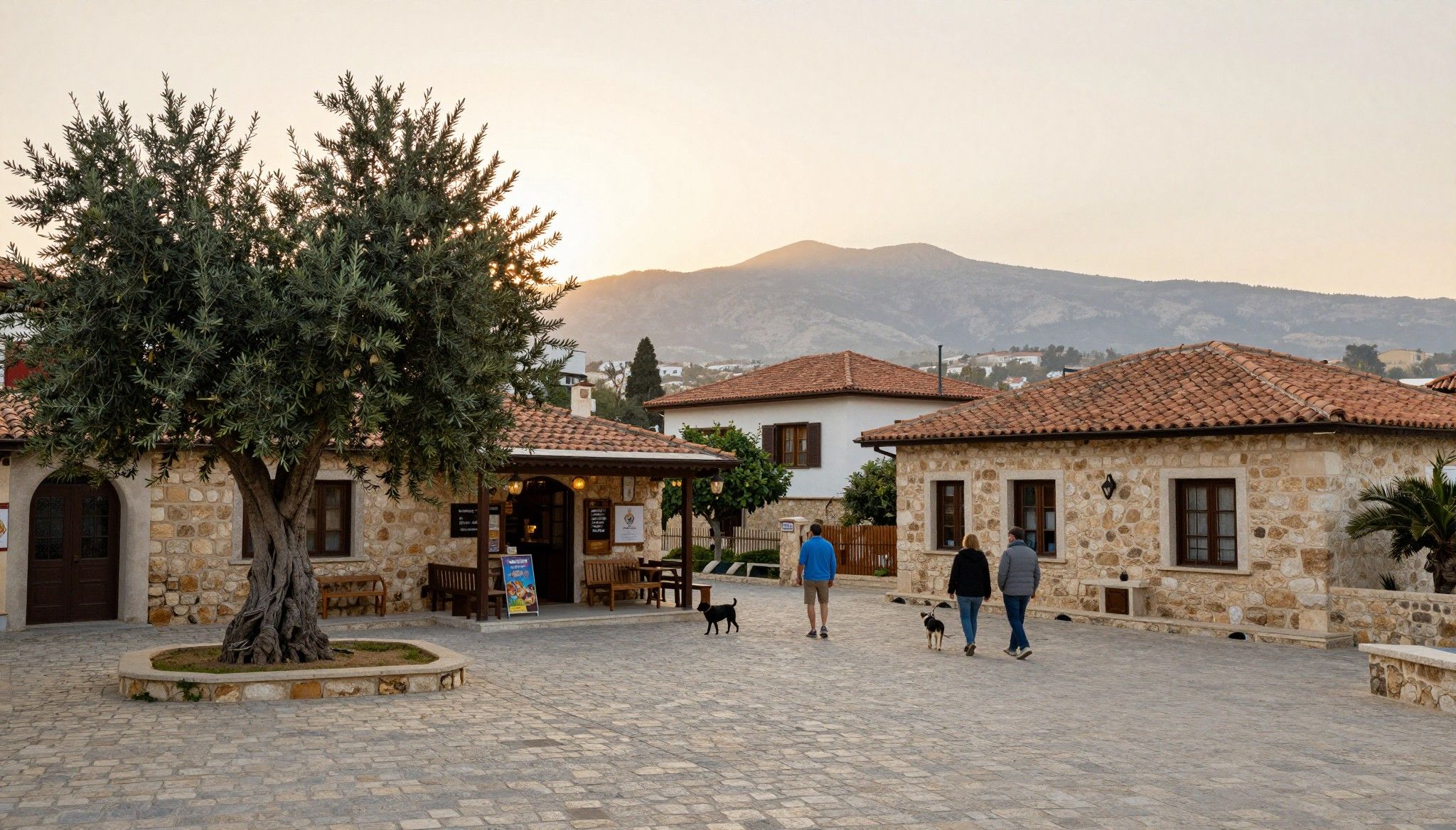
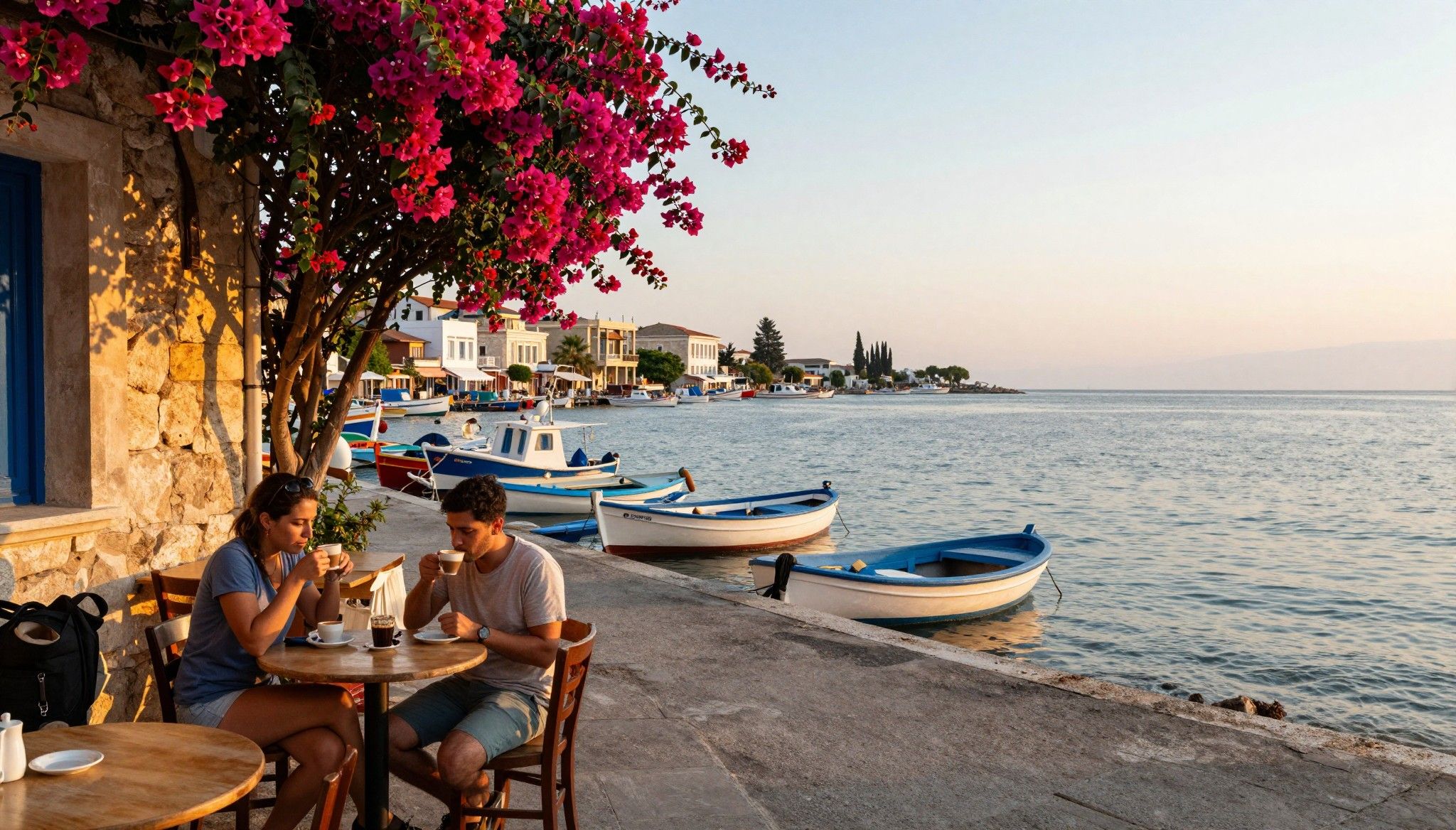
Imagine waking to the scent of citrus trees and the distant chatter of a seaside kafeneio, then walking to a waterfront café on Limassol’s Old Port with a paper in hand. Cyprus moves slowly in the best way: sun-warmed stone, a coffee culture that stretches into long afternoons, and villages where olives and bougainvillea frame narrow lanes. That ease is what draws many of us, but the path from dreamy mornings to legally secure ownership is textured: permits, council approvals for non-EU buyers, and local customs shape how your life here actually begins.
Living Cyprus: sunlit rhythms and local corners
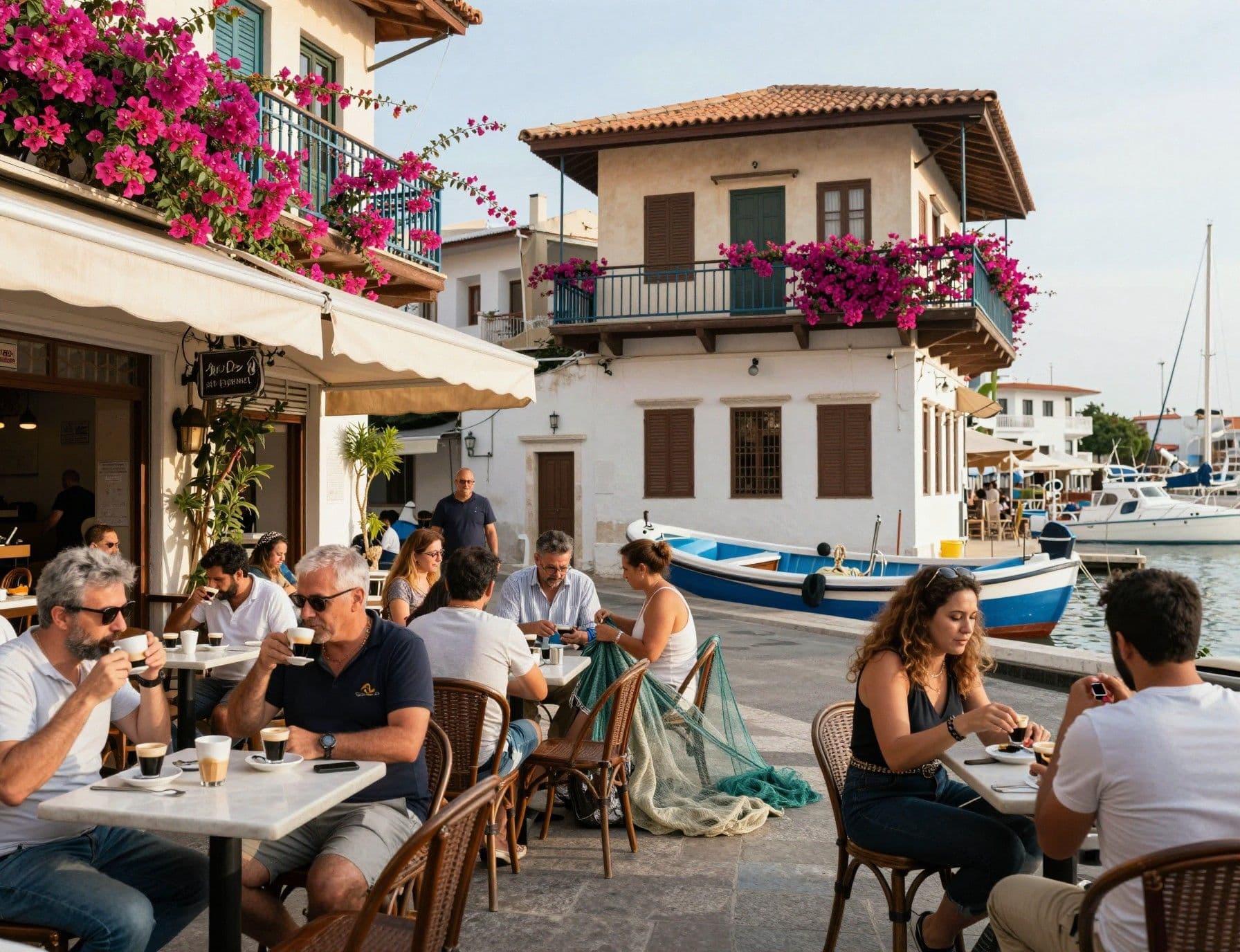
Cyprus is not a single lifestyle — it is a set of seasonal rhythms. Coastal towns like Limassol and Paphos hum with seaside terraces and marina promenades; Nicosia keeps a quieter, honeycombed urban life where historic courtyards meet modern cafés; the Troodos foothills offer stone-built villages and slow harvest seasons. Picture weekend markets in Larnaca, a fish tavern on Pissouri Bay at sunset, and winter hikes through cedar-scented slopes. These textures matter because the property you choose will either amplify that daily life or sit awkwardly beside it.
Limassol & Old Town: coastal conviviality
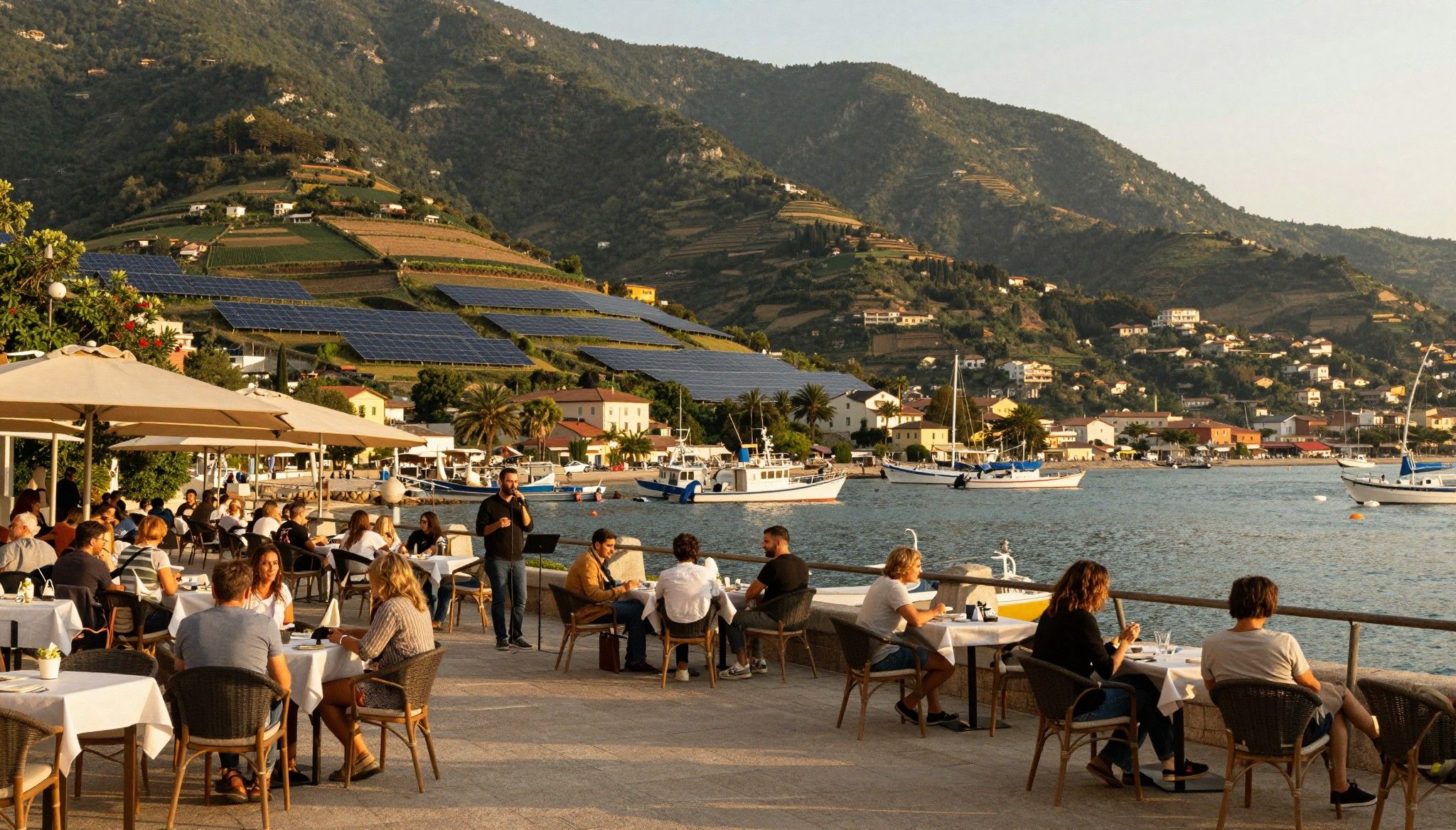
Limassol’s Old Port and Agios Nikolaos district reward slow exploration: waterfront cafés, boutique bakeries on Anexartisias Street, and evenings by the marina. For buyers seeking a social, walkable life with easy access to international schools and eco-conscious developments, Limassol blends convenience and conviviality. Expect modern apartments with shaded terraces, small urban gardens, and growing demand for properties with solar-ready roofs.
Troodos & the villages: a quiet, regenerative pace
Head inland and you’ll find villages like Kakopetria and Omodos where stone houses, grape arbors and communal squares set a rhythm of seasonal festivals and hands-on life. These properties ask for stewardship — olive-tree pruning, rainwater capture, and sympathetic restoration of stonework — but reward with deep connection, cooler summers and space for kitchen gardens.
- Lifestyle highlights: a day in Cyprus
- Morning espresso at a Limassol kafeneio; midday swim at Governor’s Beach; late-afternoon market in Larnaca; sunset meze on the Paphos promenade; weekend hike in Troodos; seasonal village festivals (wine, nuts, olive harvest).
From daydream to deed: how Cyprus’ rules shape your move
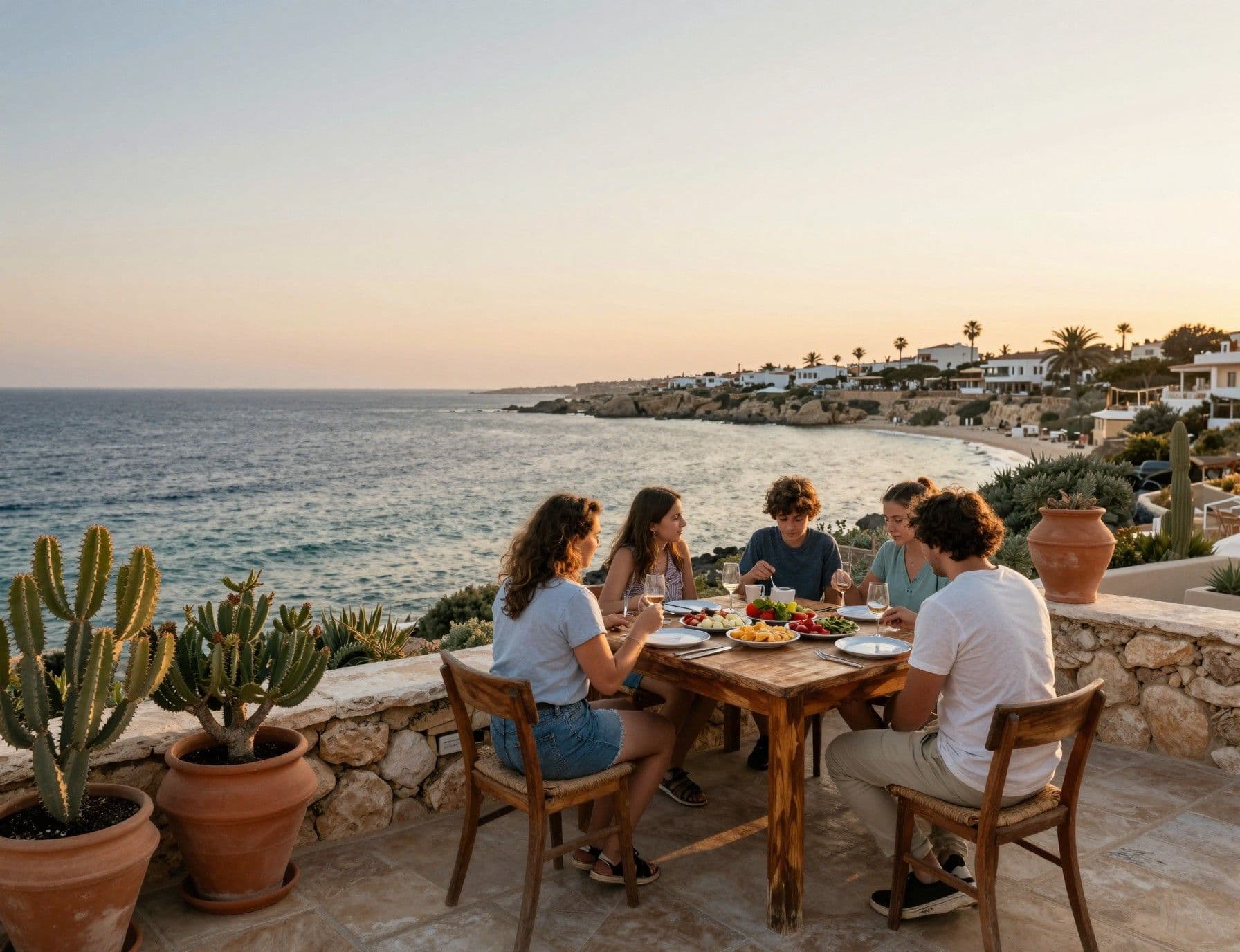
Dreams are buoyed by sun and community, but the purchase process has concrete shape. Non-EU buyers typically require permission from the Council of Ministers or district administration to buy immovable property beyond certain limits, and developers’ planning consents and clear title are red lines. Recent government guidance clarifies required documents and the permit process, so a local lawyer and agent who know the paperwork are essential partners.
Property types that fit the life you want
Coastal apartments offer minimal maintenance and social access to cafés and marinas; village houses trade convenience for land and a chance to practice regenerative gardening; new eco-developments increasingly include photovoltaic readiness, water-efficient landscaping and natural stone façades. Match property type to daily patterns: if your life is café-based and social, pick a walkable block; if you long for quiet mornings among olive trees, choose a village plot with water-harvesting potential.
Work with experts who protect both lifestyle and legal title
- 1. Reserve a property and request planning consents and proof of title; 2. Apply for necessary non-EU purchase permission early; 3. Hire a local lawyer to do searches and draft the sale contract; 4. Insist on an independent valuation and energy/water-efficiency checks; 5. Complete title transfer at the Land Registry and register utilities.
Insider knowledge: red flags, small wins and seasonal timing
House prices across Cyprus have shown steady regional variation; apartment demand in coastal towns has pushed prices while interior villages can be more affordable. Recent RPPI data show continuing price momentum in many coastal districts, which makes thorough pre-purchase checks and a nimble timeline important. Small wins — insisting on solar-ready upgrades, confirming VAT status to avoid transfer fees, or timing viewings outside peak summer — can protect both pocket and lifestyle.
Common red flags to spot during viewings
- Missing planning consent for an apartment; developer entities with opaque ownership; off-plan projects with unclear delivery schedules; properties without clear title or historic disputes; suspiciously low utilities or structural surveys.
When to move: a contrarian timing tip
Instead of the obvious summer hunt, consider late autumn and winter viewings. The island slows; developers and agents have time to answer questions, local life is visible beyond the tourist gloss, and you’ll see how light shifts across a property in lower sun — a practical check that reveals insulation, winter winds and how a garden performs off-season.
- Practical green checks for any Cyprus property
- Confirm solar panel orientation and permit history; inspect water-harvesting and greywater systems; check wall and roof insulation and window glazing; ask for EPC or energy data where available; review landscaping for native, drought-tolerant planting potential.
What expats most wish they’d known (and how to avoid common mistakes)
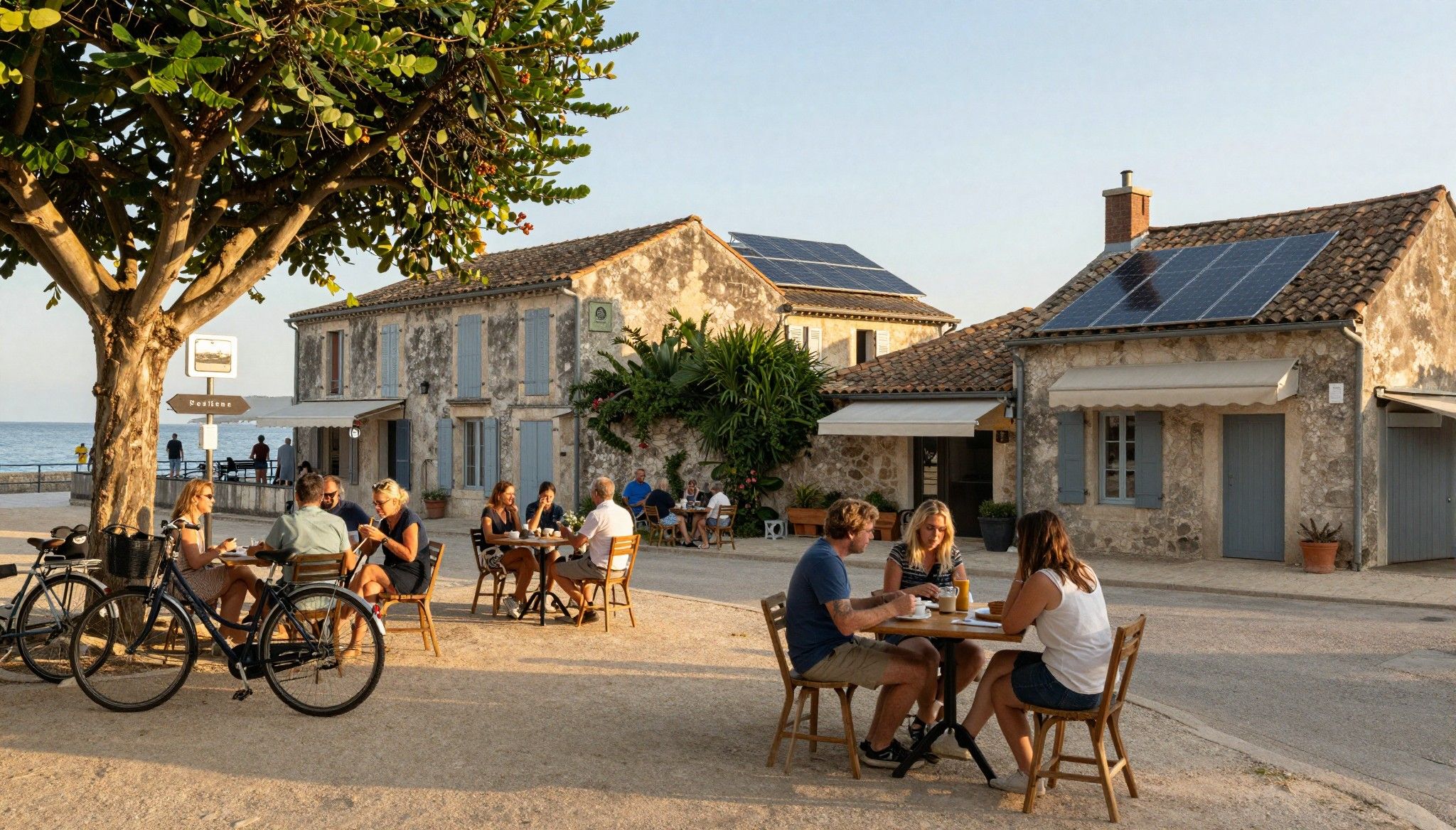
Expats often underestimate the time it takes to get formal permissions or overvalue summer impressions. Many also miss the chance to negotiate eco-upgrades as part of the sale — a modest photovoltaic allowance, improved insulation or native-plant landscaping can reduce running costs and embed sustainability from day one. Listening to neighbors over coffee will teach you more about a block than a glossy brochure ever will.
Long-term stewardship: living lightly on the island
Owning in Cyprus is an invitation to long-term care: olive trees need pruning, cisterns need maintenance, and terraces will weather differently in coastal salt air. Plan for a stewardship budget and choose local tradespeople who understand traditional materials like lime plaster and stone — they’ll keep the character while improving performance.
- Next steps to make the life happen: 1) Book winter or autumn viewings to see properties off-season; 2) Hire a local lawyer immediately to start permit searches; 3) Request developer planning consents and proof of clear title in writing; 4) Negotiate specific green upgrades into the sale; 5) Plan a stewardship budget for year-one maintenance.
If Cyprus feels like a place you could belong, let the island’s texture guide your choices: choose a neighborhood that matches your daily rhythms, insist on clear paperwork that protects your future, and fold sustainable features into negotiations. With the right local partners — an agent who knows the lanes and a lawyer who knows the registers — the life in those sunlit courtyards becomes not just possible but durable.
Swedish advisor who left Stockholm for the Costa Brava in 2019. Specializes in sustainable, sea‑view homes for Scandinavian buyers and green finance insights.