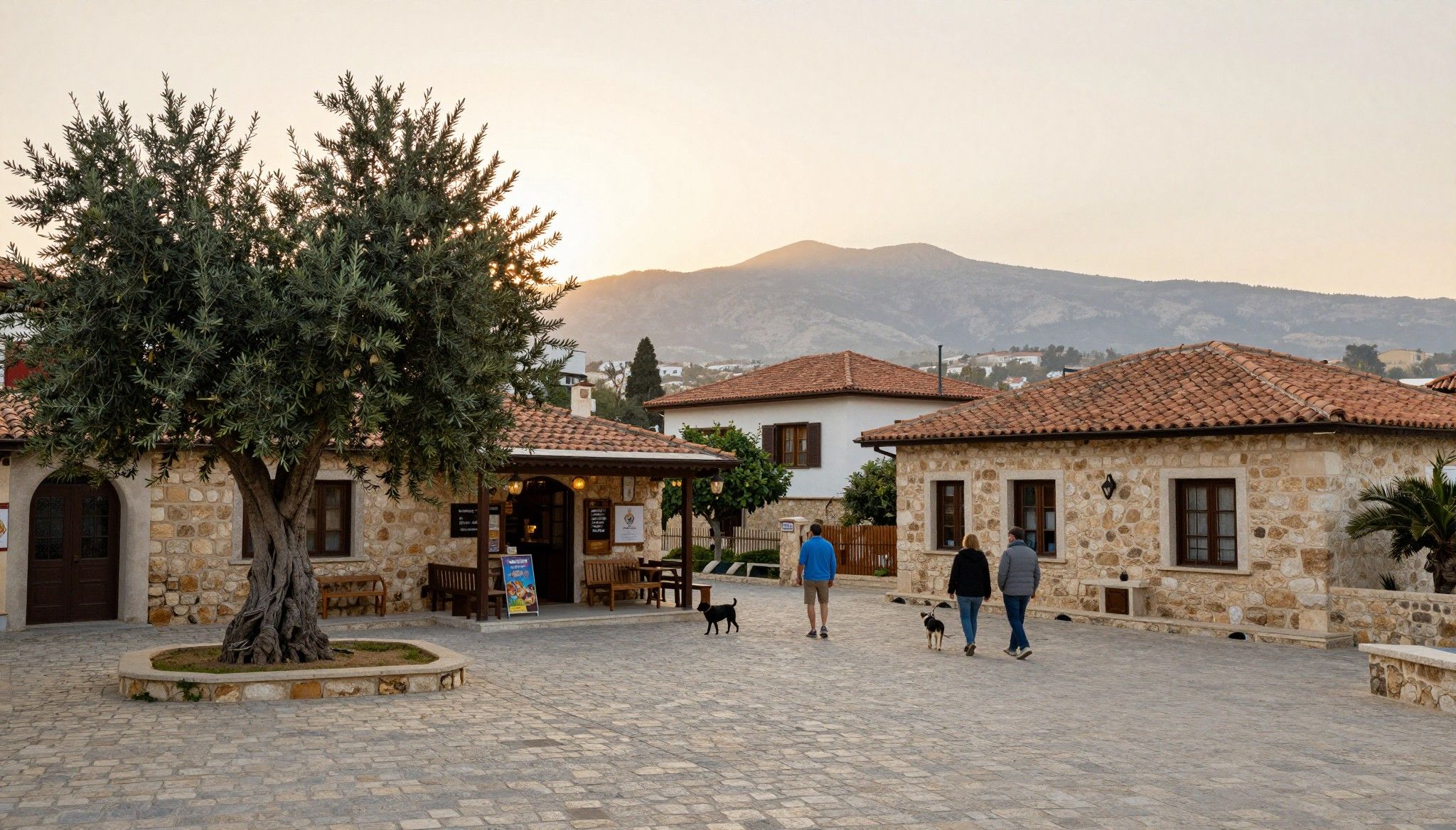
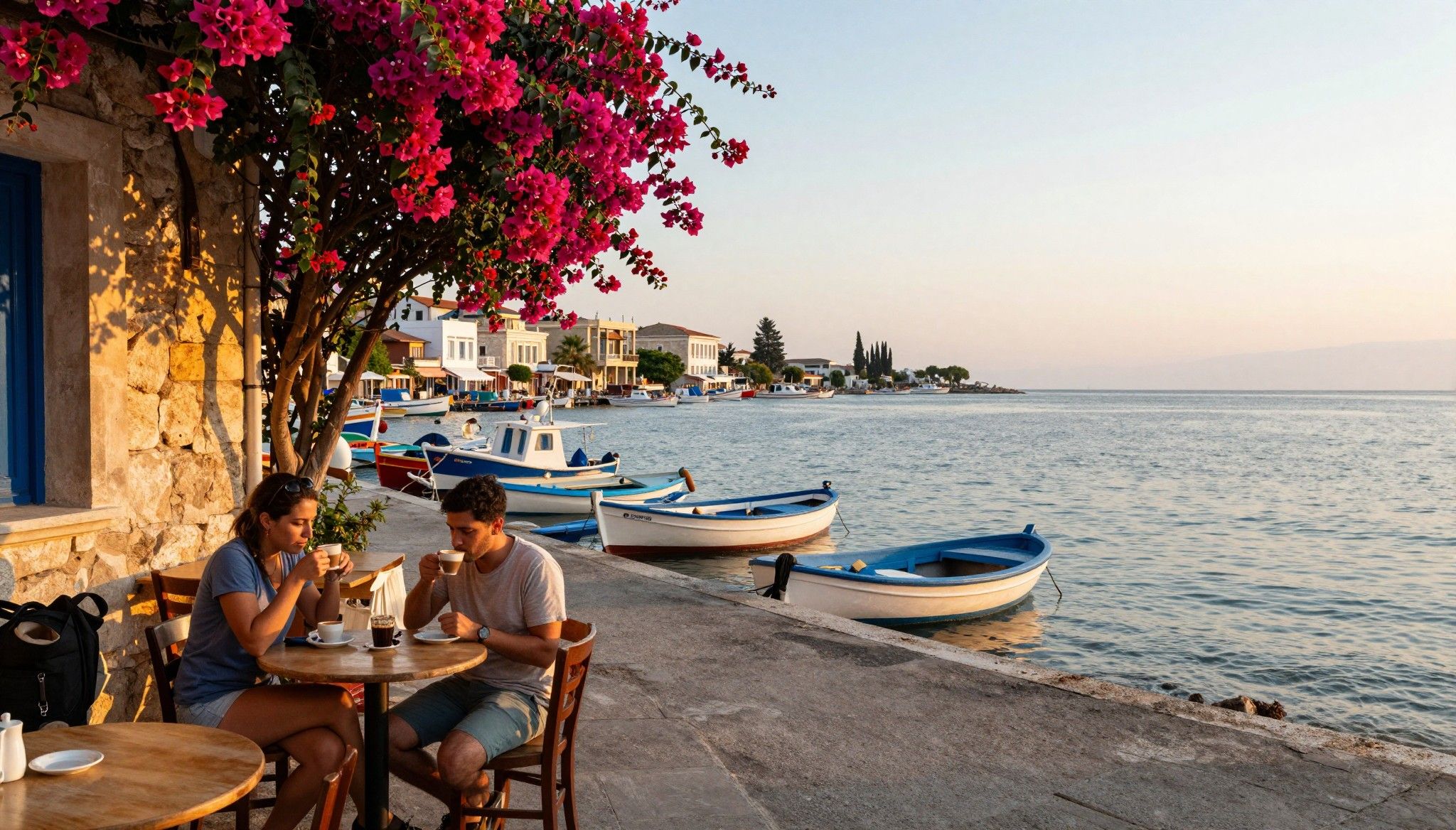
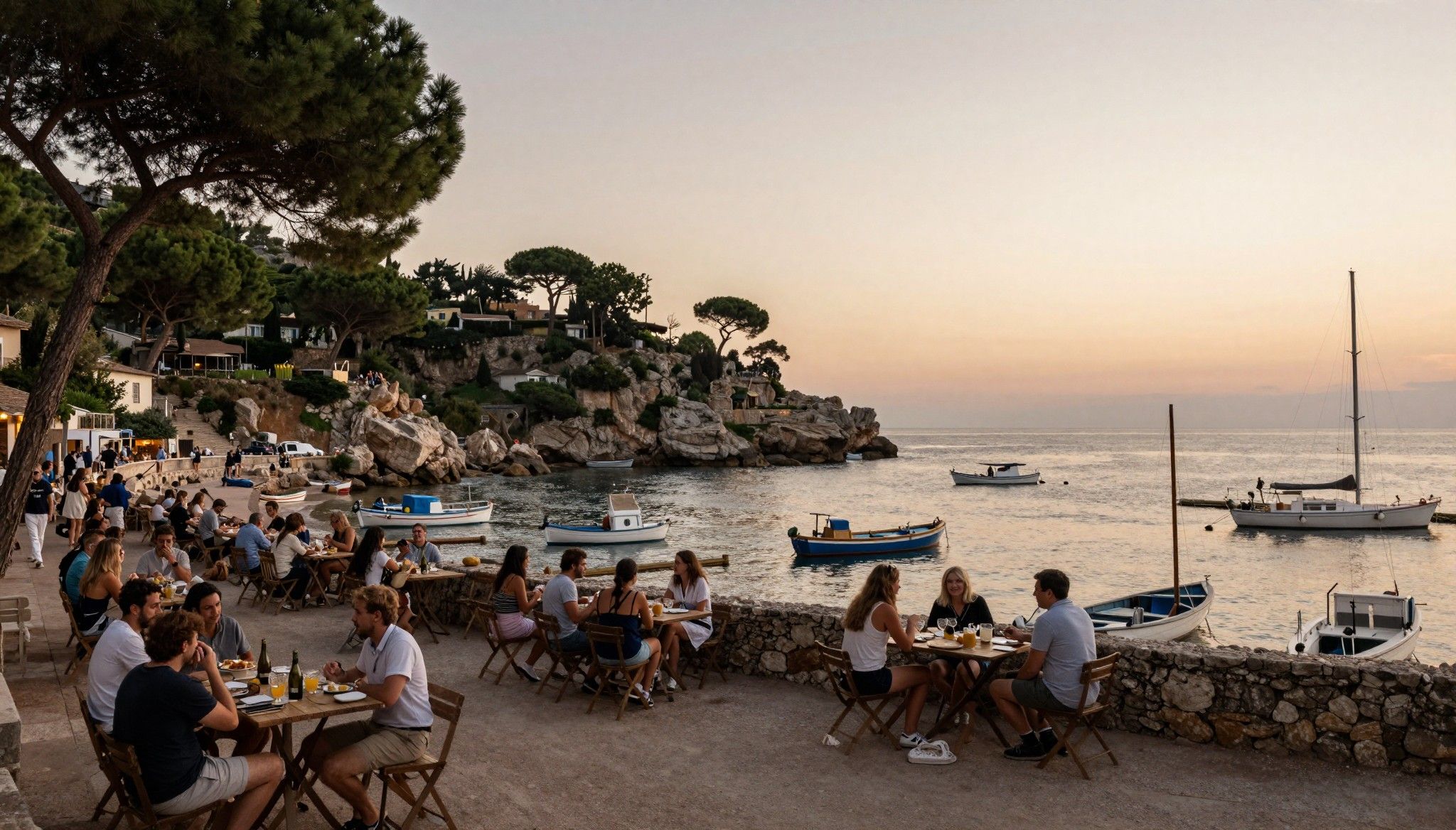
Italy’s Green Grid: The Quiet Value Behind the Price
Italy’s growing renewable grid quietly reshapes local value — choose homes near green projects for lower costs, resilience and richer everyday life.
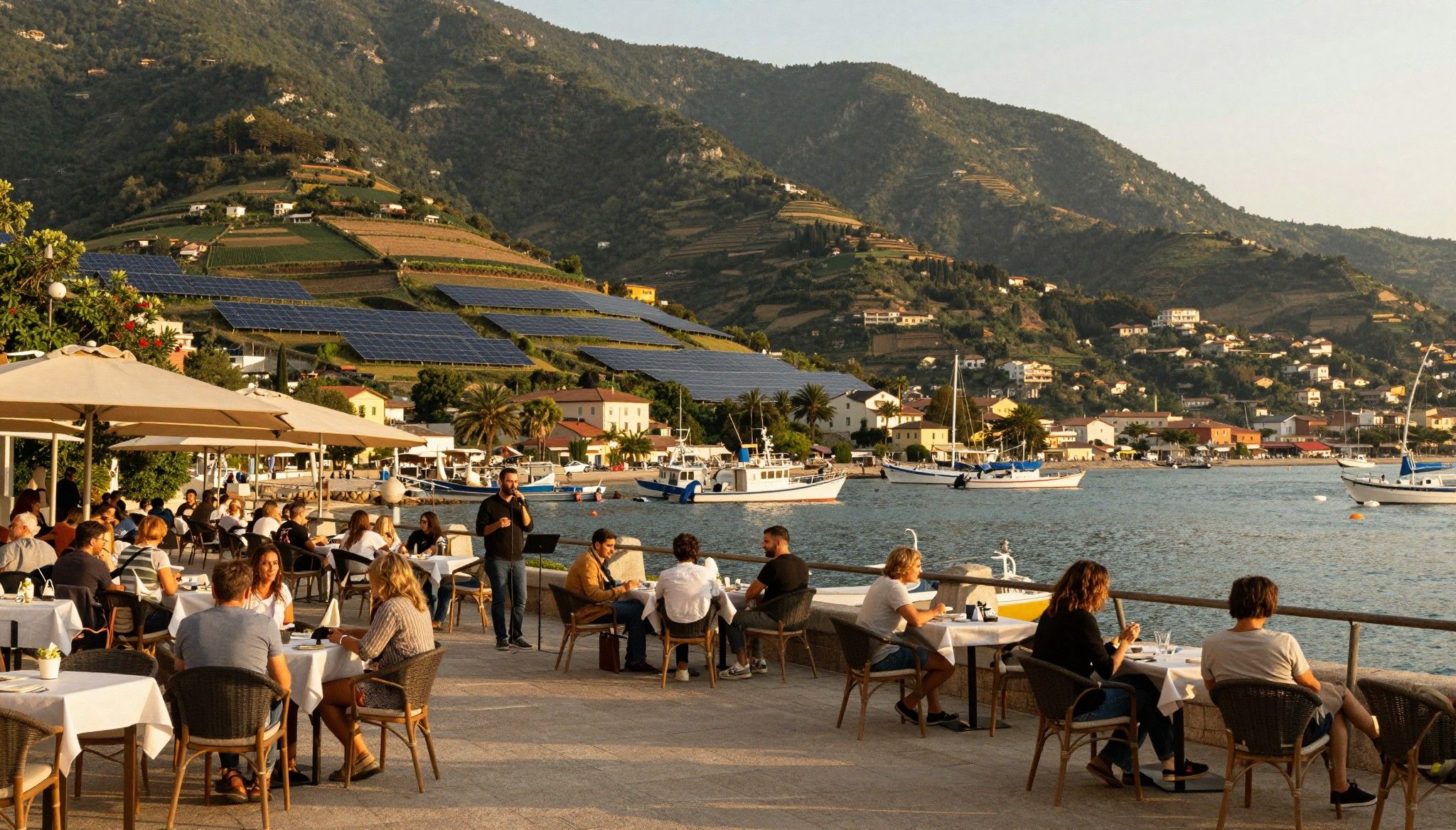
Imagine waking to the soft clatter of espresso cups on a stone piazza, then cycling past olive groves dotted with low-slung solar panels toward a coastal market. That gentle choreography — food, light, small-scale renewables, craftspeople — is how many of us picture living in Italy. But beneath the postcard is a quieter, surprising reality: Italy’s rapid roll-out of renewable infrastructure is changing neighbourhood values, lifestyle resilience and what ‘expensive’ really means.
Living the Italy lifestyle that breathes sustainability
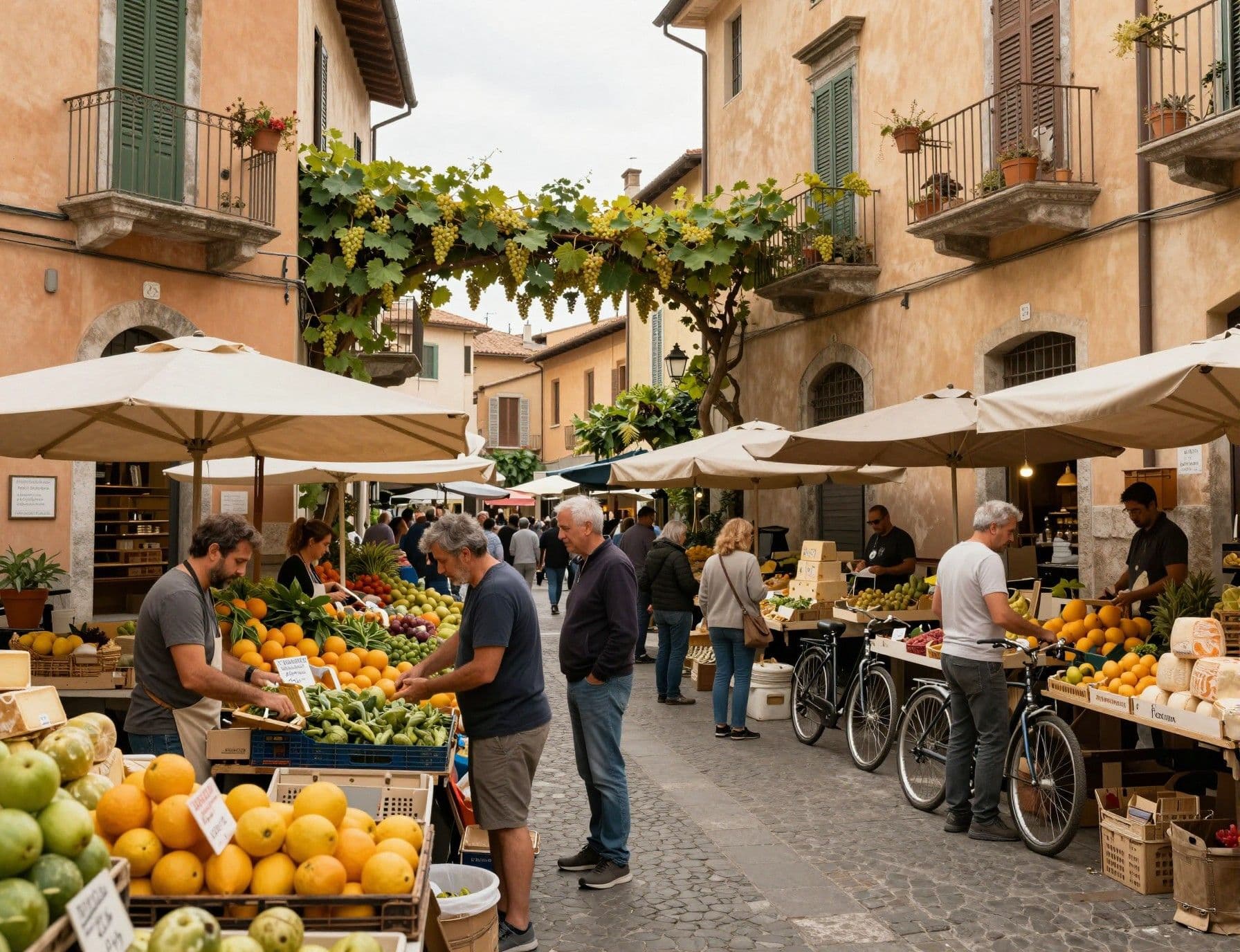
Italy moves at the pace of ritual — morning markets, long lunches, evening passeggiata — and that rhythm shapes how homes are used. In towns from Lecce’s sun-warmed alleys to the gentle hills of Emilia-Romagna, life spills outdoors: terraces for late‑day wine, community gardens where neighbours trade seedlings, and small workshops that value reclaimed timber and stone.
Neighborhood spotlight — Bologna to Puglia: green threads through place
Walk Bologna’s porticoes and you’ll find a city balancing university energy with innovative mobility; drive south to Puglia and the light explains why solar fields sit alongside centuries‑old olive groves. In parts of Lombardy and Emilia-Romagna, new agri‑voltaic and floating PV projects coexist with vineyards and pastures, creating landscapes where energy generation quietly enhances local economies rather than overwhelming them.
Food, markets and seasonal life — how culture amplifies green living
Sundays are for mercato mornings: citrus sellers in Amalfi, fish stalls in Genoa, wild mushroom tips in Tuscany. This seasonal economy favours local supply chains, shorter transport arcs and community resilience — qualities that align with homes built or retrofitted for energy efficiency and local resource use. As renewables cover a larger share of Italy’s electricity mix, living near green infrastructure increasingly means reliable, lower‑cost power for everyday life.
- Morning markets in Palermo, San Lorenzo market in Florence, farmers’ co-op in Emilia-Romagna, sunset swims on the Amalfi Coast, winery lunches in Chianti
Making the move: where green infrastructure changes the property story
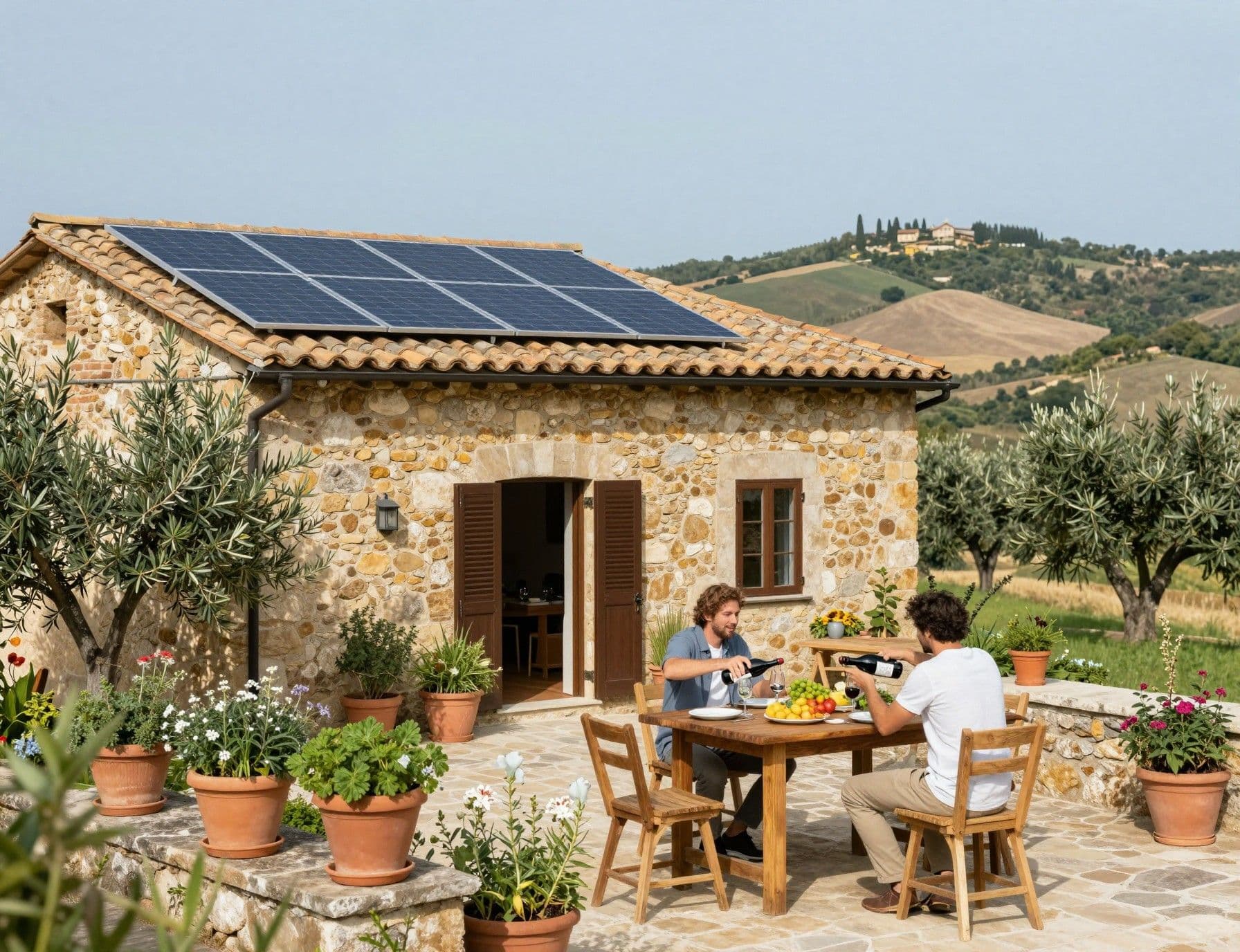
Buying in Italy used to be framed as historic core versus countryside escape. Now, renewables and green infrastructure are a third axis: proximity to community solar, agri‑voltaic projects, and regional energy cooperatives can lower running costs and improve life quality. Market recovery and rising foreign interest mean you should weigh lifestyle signals — not just price per square metre — when judging value.
Property styles that suit green living
Stone farmhouses with thick walls stay cool in summer and pair naturally with rooftop PV and solar thermal; compact city apartments with shared green roofs can tap community energy schemes; modern conversions in former industrial towns often come with space for EV charging and battery storage. Choose a property by how it invites outdoor life, passive comfort and lightweight retrofits.
Working with local experts who understand place and power
A local agent who knows both neighbourhood rhythms and regional energy projects will save you weeks of guesswork. Look for advisors who can point to community energy cooperatives, recent retrofit projects, or nearby utility upgrades; these are the practical levers that convert lifestyle promises into day‑to‑day savings and resilience.
- 1. Visit a neighbourhood at market time to feel daily life 2. Ask agents about nearby renewable projects and grid improvements 3. Check seasonal light and wind exposure for PV/wind potential 4. Factor in retrofit potential and local craftsperson networks
Insider knowledge: myths, tradeoffs and what expats wish they’d known
Many international buyers assume Italy is either prohibitively costly or only attractive as a summer retreat. The truth is messier: some coastal towns hold premium prices but limited year‑round infrastructure, while inland communities near new solar and storage projects are quietly improving services and local employment — and with that, property desirability.
Cultural notes — living like a local without losing your voice
Language opens doors, but practical kindness counts most: learning a few phrases, joining a volunteer harvest or market co‑op, and inviting neighbours for a simple meal accelerates belonging. Expect slower bureaucracy and richer social rituals; these are part of the joy and the challenge of making Italy home.
Long‑term lifestyle: stewardship, community and value
As Italy adds gigawatts of solar and wind capacity, homes connected to local renewable ecosystems will often enjoy lower operational costs and better resilience. Stewardship — restoring terraces, planting native hedgerows, and choosing sympathetic retrofit materials — not only nurtures biodiversity but tends to protect long‑term value in communities where care is visible.
- Look for: cooperative solar schemes; buildings with recent roof upgrades; neighbourhoods with active markets; proximity to public transit; local artisans for restoration
- 1. Ask for recent energy bills and roof condition reports 2. Check municipal plans for renewable projects or grid upgrades 3. Request local references: neighbours, market vendors, parish or community groups 4. Factor retrofit allowance into offer price and timeline
I’ve walked foggy mornings in the Po plain and sunlit afternoons on Sicilian terraces; both places are richer when homes respond to climate and community. If you care about land, light and lasting neighbourhoods, think beyond headline prices. In Italy, green infrastructure can be the quiet bargain — lowering living costs, deepening community ties and releasing a property’s true value.
Next steps: visit neighbourhood markets, ask agencies about local renewable projects, and prioritise properties that already speak the language of low energy and long stewardship. When you buy with place and planet in mind, Italy rewards you with a life that tastes better and costs less to live.
Norwegian market analyst who relocated from Oslo to Provence; guides investors with rigorous portfolio strategy and regional ecological value.