Close After the Harvest: Timing & Stewardship in France
Close after the harvest: time negotiations and stewardship in France to gain negotiation leverage, better contractor access, and deeper community integration.
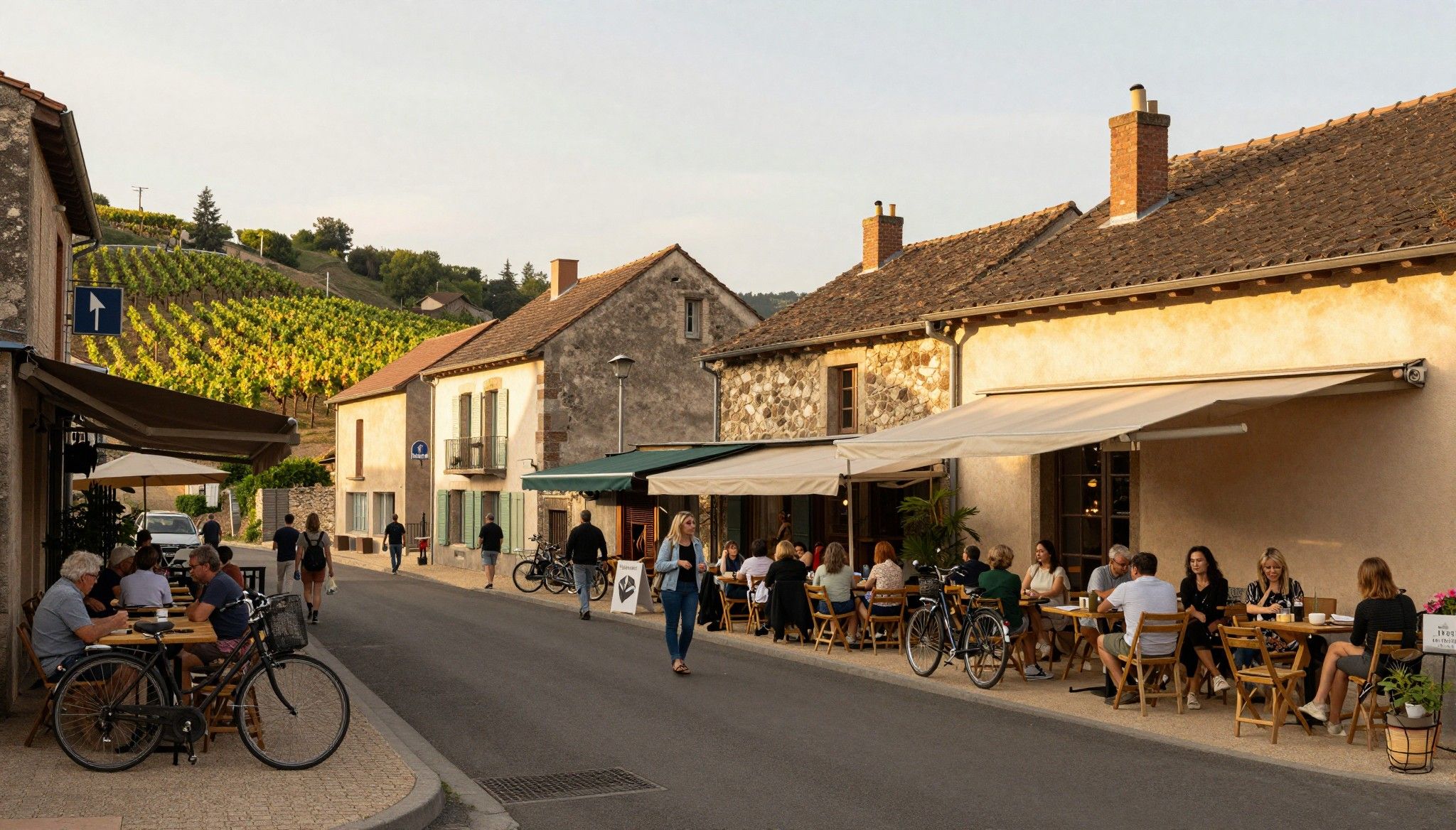
Imagine waking to the smell of warm baguette and chestnut smoke, strolling a market square where farmers close their stalls after the harvest — and then signing the deed to a stone farmhouse nearby. In France the rhythm of seasons and local festivals doesn’t just shape daily life; it quietly reshapes bargaining power, closing windows and stewardship priorities. This guide shows why negotiating and closing after harvest-time – when markets settle and local priorities shift to land, repair and energy upgrades — can give international buyers both lifestyle advantage and practical leverage.
Living the French rhythm: seasons, markets and neighbourhood life
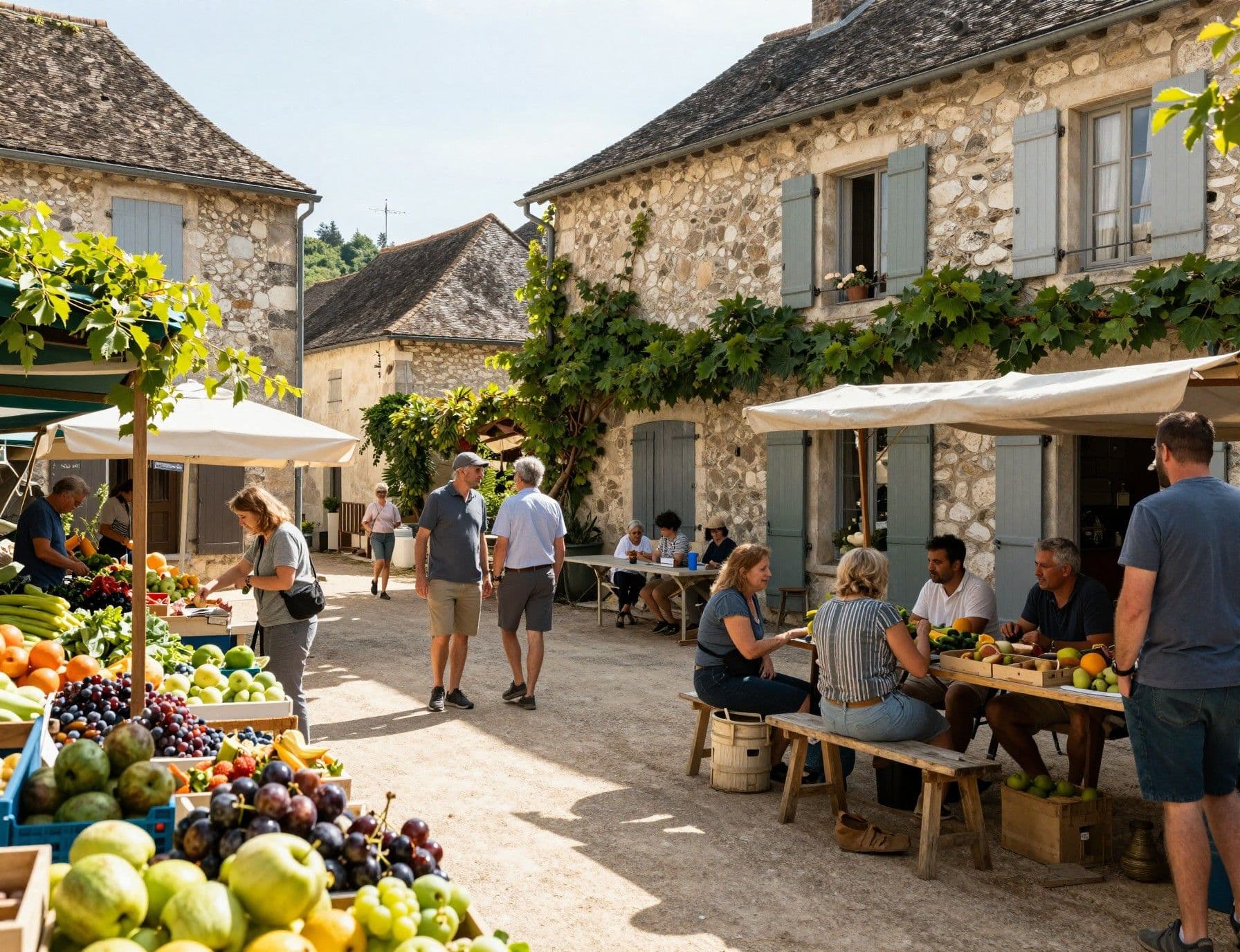
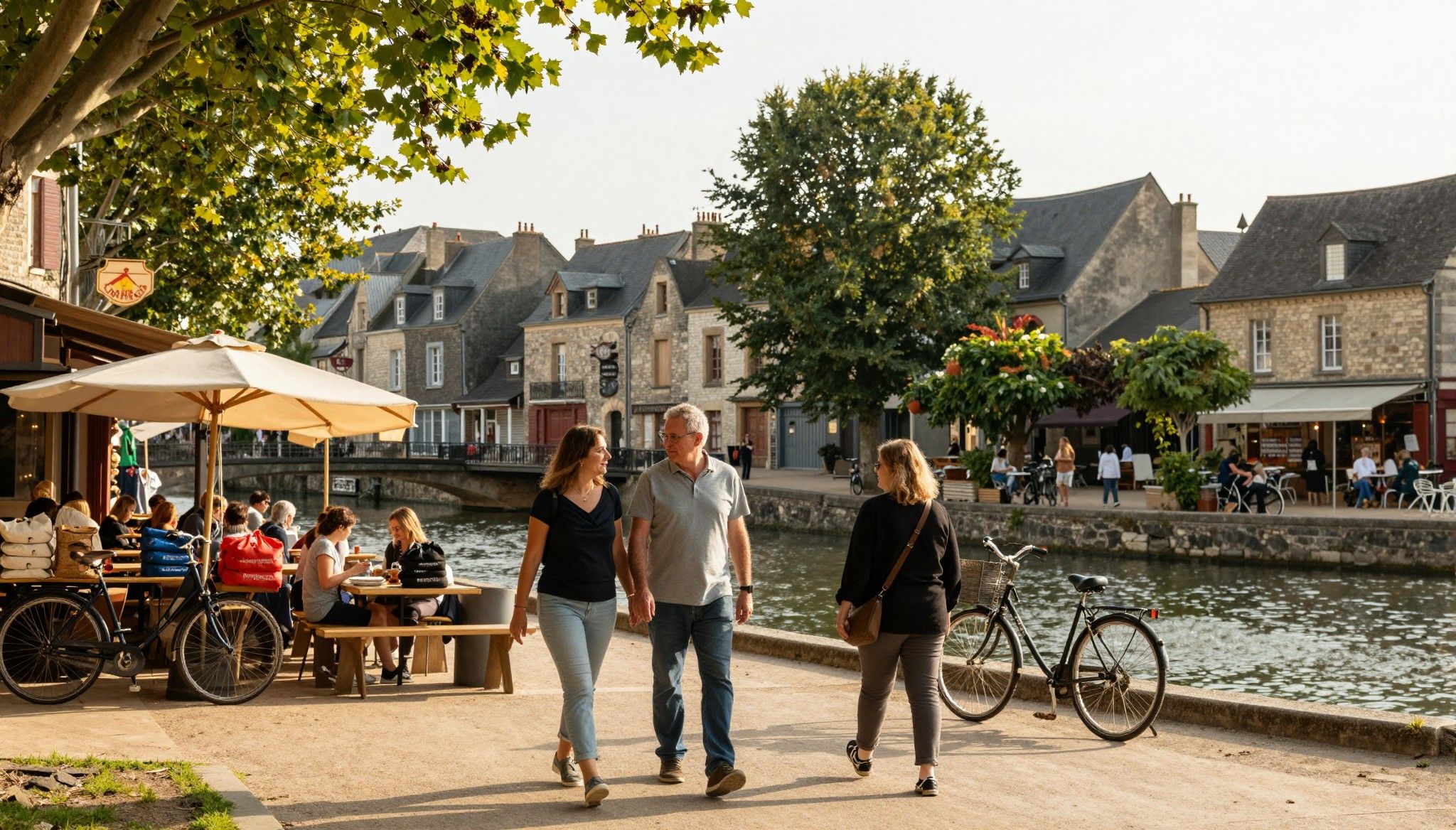
France moves at a human pace. Mornings begin in cafés on Rue Montorgueil or in Antibes' old port with espresso and a chance encounter. Afternoons in villages like Saint-Rémy-de-Provence slide into long, restorative lunches. Come autumn the countryside hums with harvests — grapes, walnuts, chestnuts — and communal rituals that re-anchor people to place. For an international buyer this seasonal life translates into real windows of discovery: markets that reveal food culture, municipal rhythms that determine renovation access, and neighbours who are present — not merely transient.
Neighbourhood character: from Belleville to the Basque coast
Each French neighbourhood speaks its own language. In Paris, Belleville hums with multicultural bakeries and artists; in Bordeaux, Chartrons balances antique shops with vine-walks; along the Basque coast Biarritz mornings smell of sea and coffee, and markets brim with Basque peppers and fish. Knowing these textures matters: a property on rue des Martyrs will offer daily bustle; a stone mas in Luberon gives late-summer cicada symphonies and seasonal market trade that shapes repair schedules and garden work.
Food, festivals and the quiet work of stewardship
Markets and festivals are more than charm; they are a timetable for stewardship. After grape harvest or the chestnut fairs, locals focus on roof repairs, olive-pressing, and winter insulation — work that affects access, local tradespeople availability, and energy upgrades you may want to schedule after purchase. Understanding festival calendars and harvest timing gives you a practical edge when scheduling surveys, contractor visits, and final walkthroughs.
- Lifestyle highlights worth timing your house‑hunt around
- Provence lavender and village markets (June–August) — see gardens and outdoor living in full bloom
- Vendange (grape harvest, September–October) — meet vineyard owners, inspect cellars, and observe winterisation needs
- Autumn truffle fairs and chestnut markets (November) — discover rural community life and local supply chains
Making the move: market signals and practical timelines
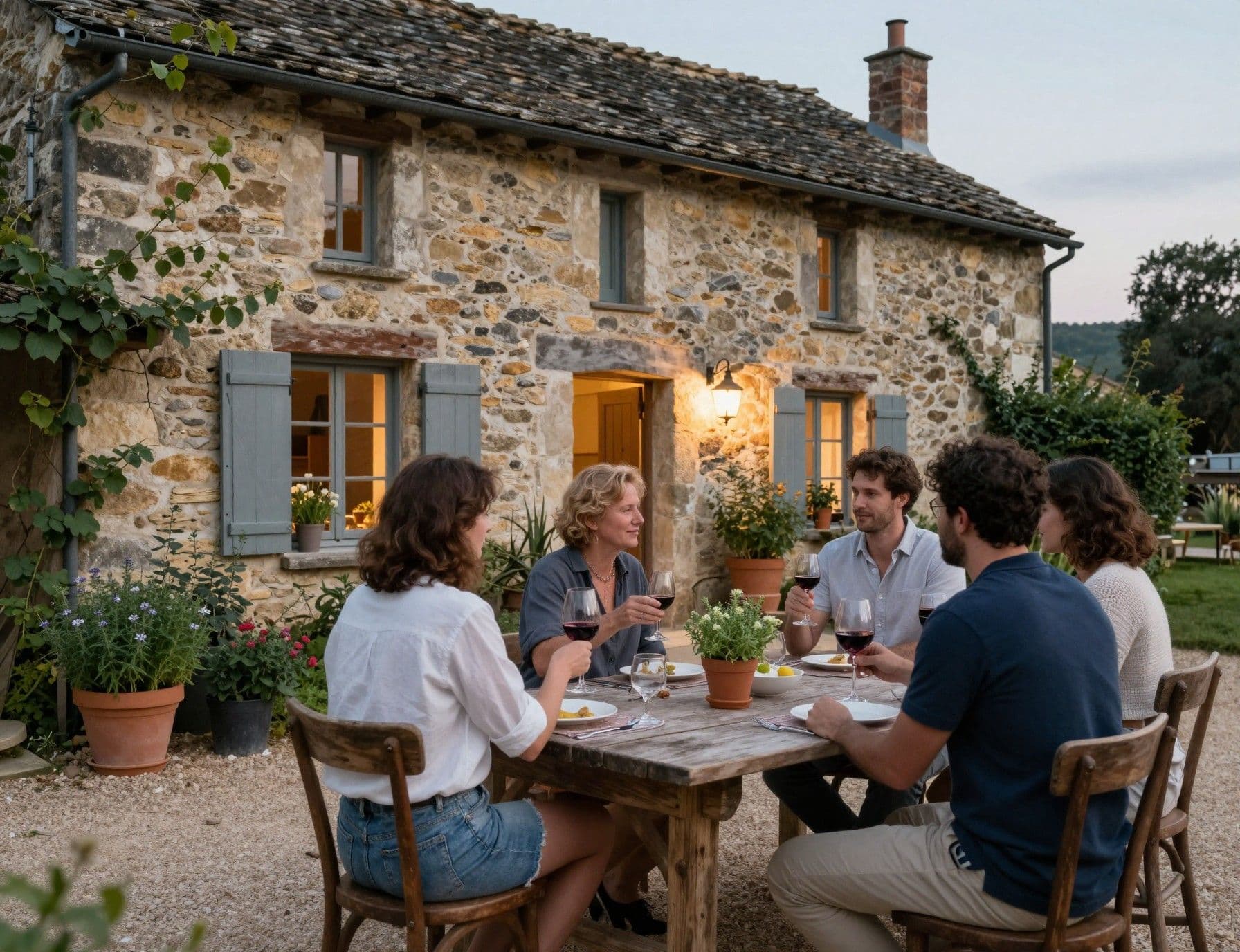
The French market showed signs of stabilisation through 2025 and early 2026, with transaction volumes and prices normalising after a dip. That quietening creates practical benefits for international buyers: less frantic competition, more time for due diligence, and clearer sightlines on post‑purchase stewardship needs such as energy upgrades or roof works. Use data-driven timing to turn lifestyle timing into negotiation leverage.
Property styles and what they mean for stewardship
Stone farmhouses require masonry attention and often offer thermal mass benefits but need updated insulation; town apartments may have shared heating systems and stricter co‑pro rules; contemporary villas frequently present easier solar integration but may sit in regulated coastal zones. Match your eco‑priorities to a property type and budget for seasonally timed maintenance that respects local craft cycles — masons after harvest, electricians in off‑peak months.
Working with local experts who understand seasonal reality
Choose agencies and notaires who live in the rhythm you want: agents who show up to markets, architects who work with local stone, and notaires used to scheduling closings around harvests and municipal calendars. They’ll flag when a seller is likely to accept a lower offer — often after a busy season when urgency is lower — and advise on realistic timelines for energy audits, conservation grants, or roof grants tied to municipal budgets.
- Steps to time negotiations and closing with the seasonal cycle
- 1. Visit during a harvest or festival to feel daily rhythms and assess contractor availability; 2. Request surveys immediately and schedule tradespeople after harvest when they have bandwidth; 3. Use quieter off‑season months to negotiate final price and closing dates; 4. Plan stewardship projects (insulation, solar) for spring when permits and installers are available.
Insider knowledge: expat lessons and stewardship truths
Expats often arrive enchanted and then learn that timing is practice: local officials take their holidays in August, municipal grant cycles run on winter budgets, and the best builders are booked at harvest. Buyers who time closings to respect these cycles avoid delays, secure better estimates, and form goodwill with neighbours who care for shared lanes and oak trees.
Cultural integration and everyday stewardship
Mornings in French villages are about exchange: a brief chat at the boulangerie, helping the neighbour with a ladder, swapping seeds. Stewardship here is social; thoughtful post‑purchase priorities — planting pollinator strips, investing in native hedging, or restoring a stone wall — are also gestures of neighbourliness that quickly weave you into local life. That social capital can be worth as much as a price concession.
Long-term stewardship: planning beyond the deed
Think beyond the notarial signature: set a 12–24 month stewardship plan prioritising energy upgrades, native planting, and maintenance aligned with craft calendars. This approach preserves value, cuts running costs, and deepens your connection to place. It also positions you to access regional subsidies or tax credits tied to ecological renovation when they open.
- Practical red flags and what to ask before you sign
- Is the roof recently inspected and timed with seasonal storms? Ask for dates and invoices.
- Is there a history of communal works (co‑pro) planned after local festivals? Request minutes.
- When are local craftsmen available? Confirm earliest possible start dates post‑closing.
Conclusion: sign with the season in mind
If France seduces you with markets, harvests and slow Sundays, let its seasonal rhythm guide the technicalities. Closing after harvest can mean calmer negotiations, clearer contractor schedules, and a stewardship plan that’s both ecological and social. Work with local notaires and agents who know those rhythms — they’ll turn a signed deed into a home that grows with the land.
Norwegian market analyst who relocated from Oslo to Provence; guides investors with rigorous portfolio strategy and regional ecological value.