Cyprus: Love the Life, Do the Due Diligence
Fall in love with Cyprus’s light, food and neighbourhoods — then protect that life with targeted due diligence: title checks, coastal and planning rules, and renewable incentives.
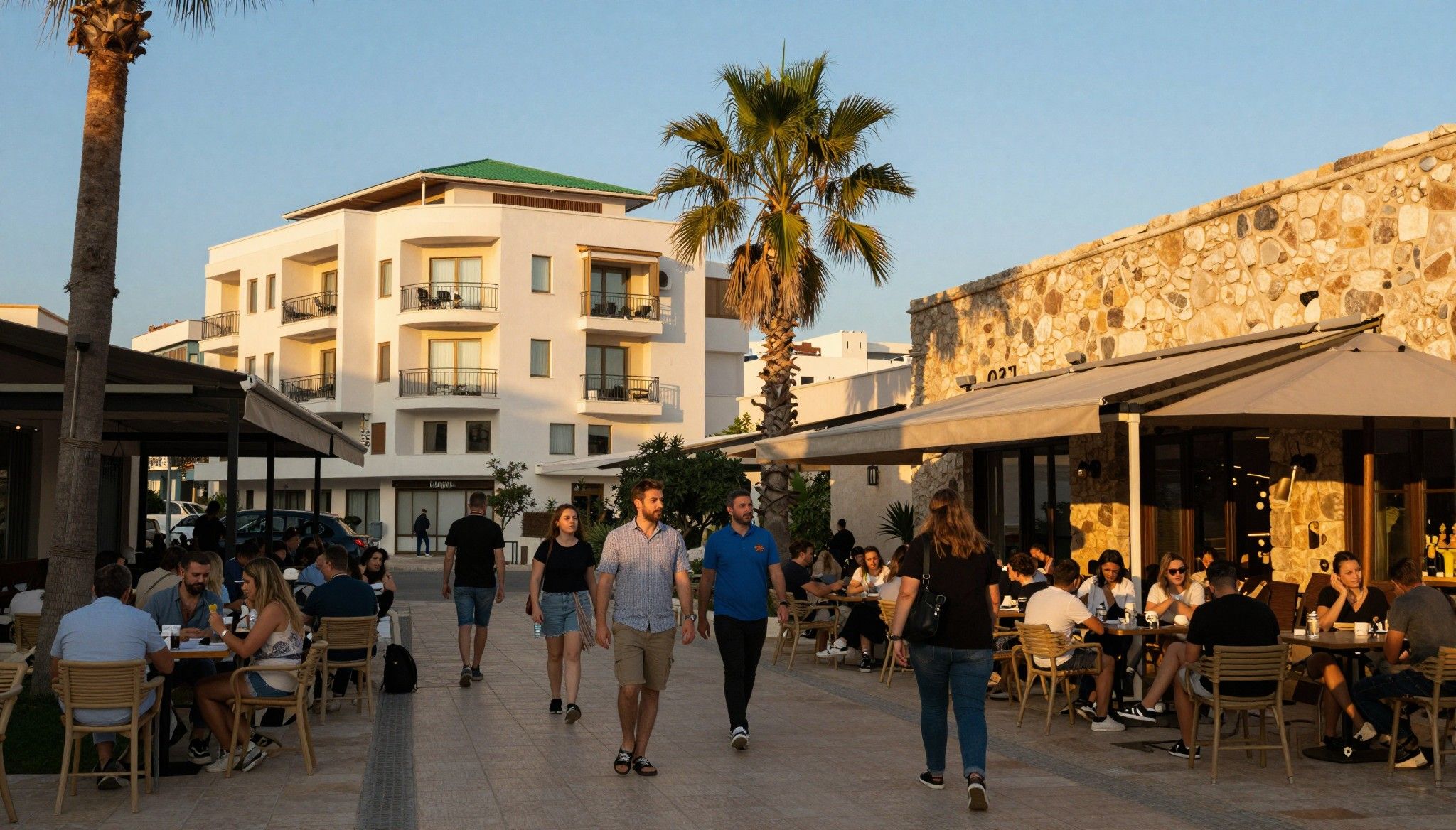
Imagine waking to a pale-gold Mediterranean morning, coffee steaming as gulls wheel above a small harbour in Larnaca or a rosemary-scented breeze drifts through a stone farmhouse window in the Troodos foothills. Cyprus has a rhythm that feels both ancient and intimate: late breakfasts, market chatter, and evenings that stretch long into the jasmine-scented dusk. But the island’s lyrical everyday life sits alongside a very particular legal and environmental landscape—permissions, coastal-protection rules and renewable-energy incentives that quietly shape which homes are possible and which are wise to buy. Before you sign on dream alone, these local realities matter; they protect both place and purchase and make your home part of a healthier island story.
Living Cyprus: daylight, food and neighbourhoods
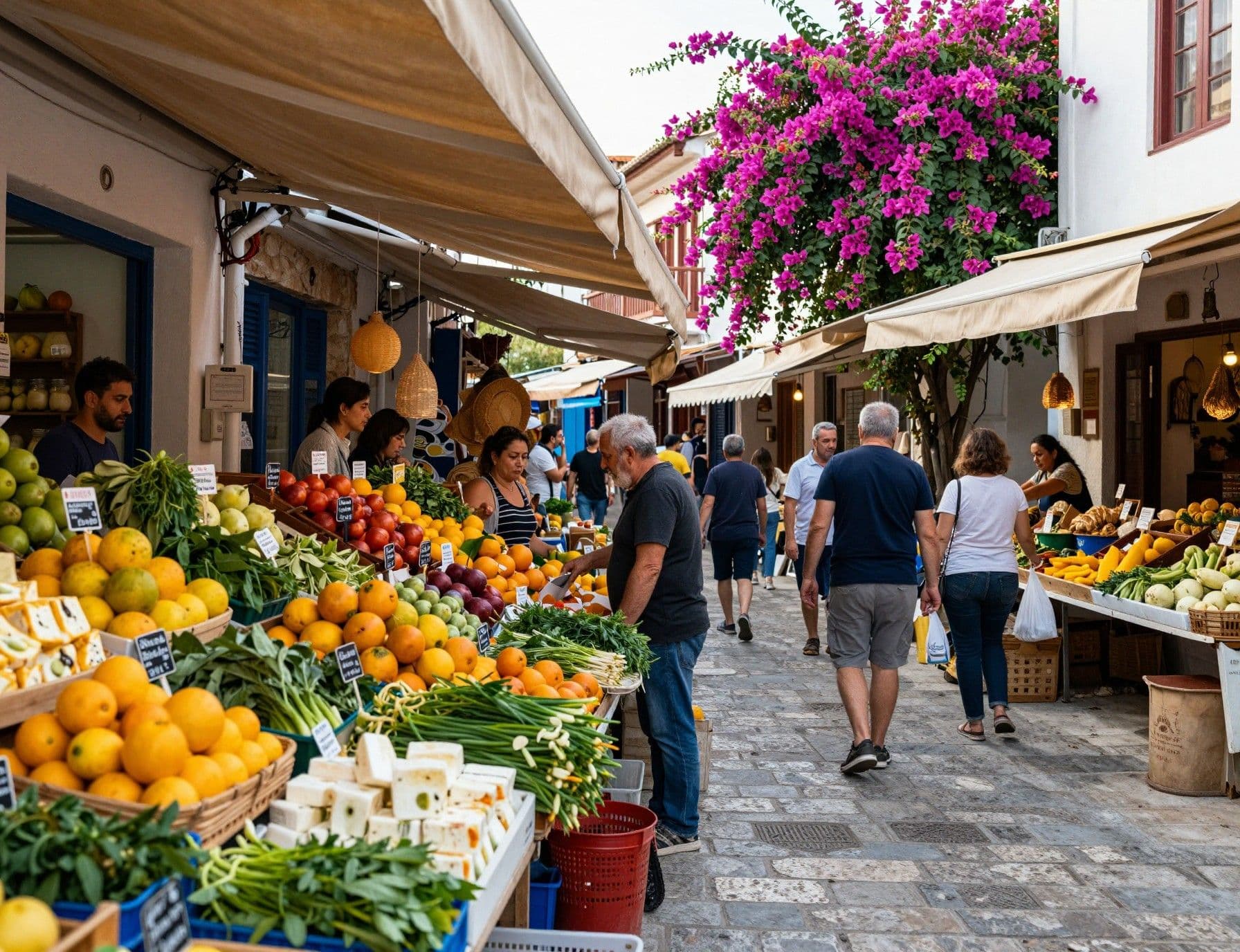
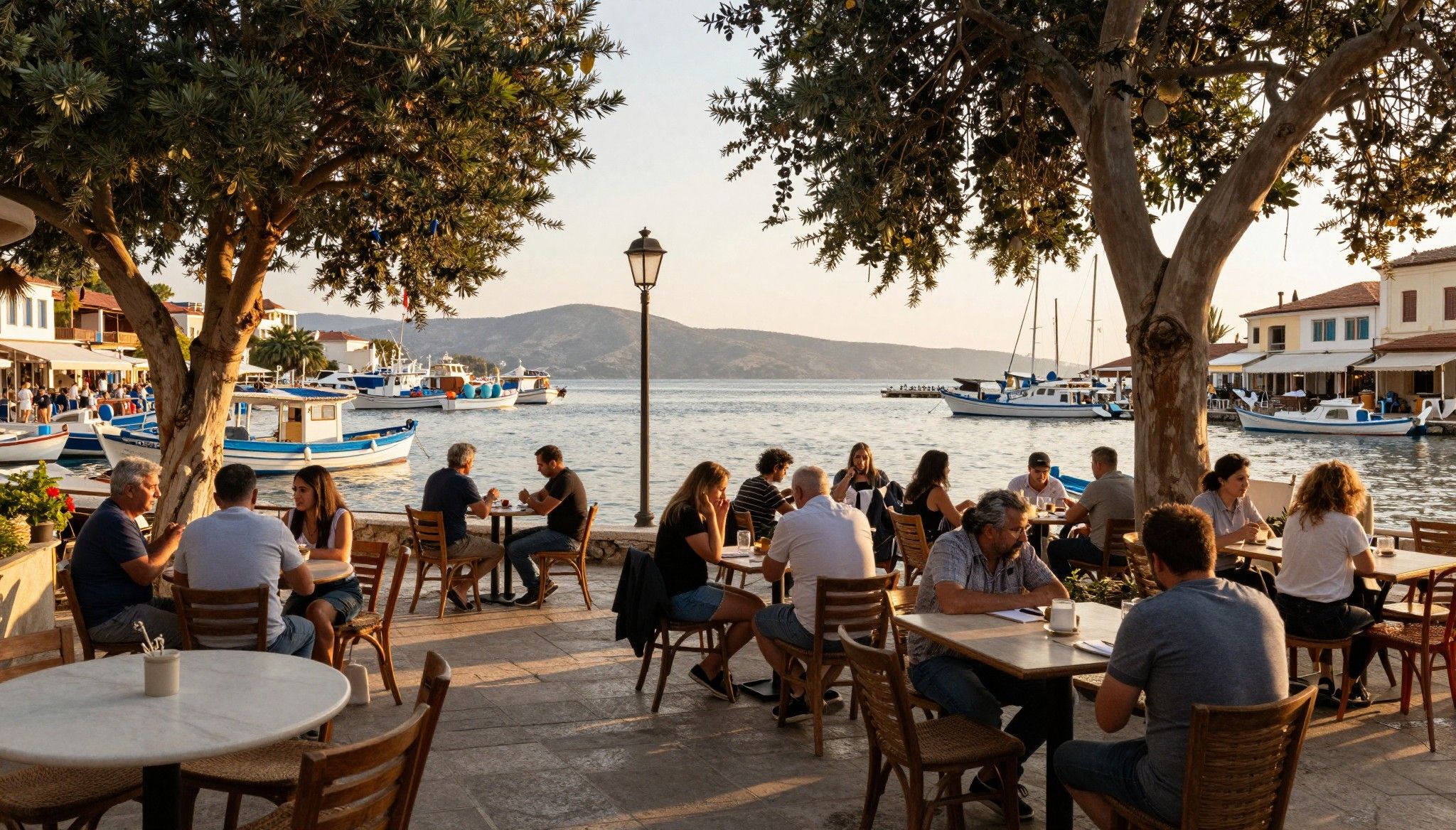
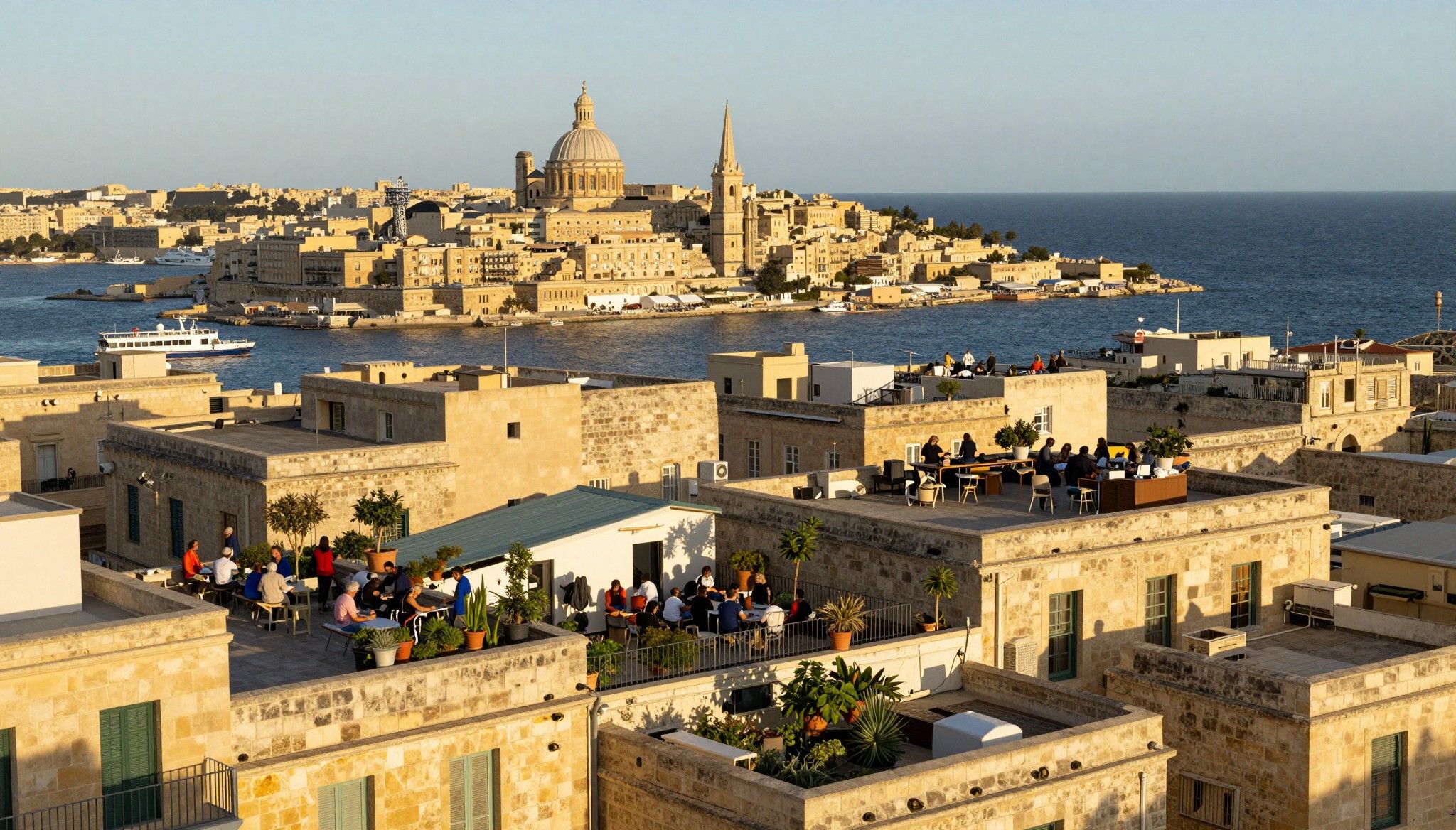
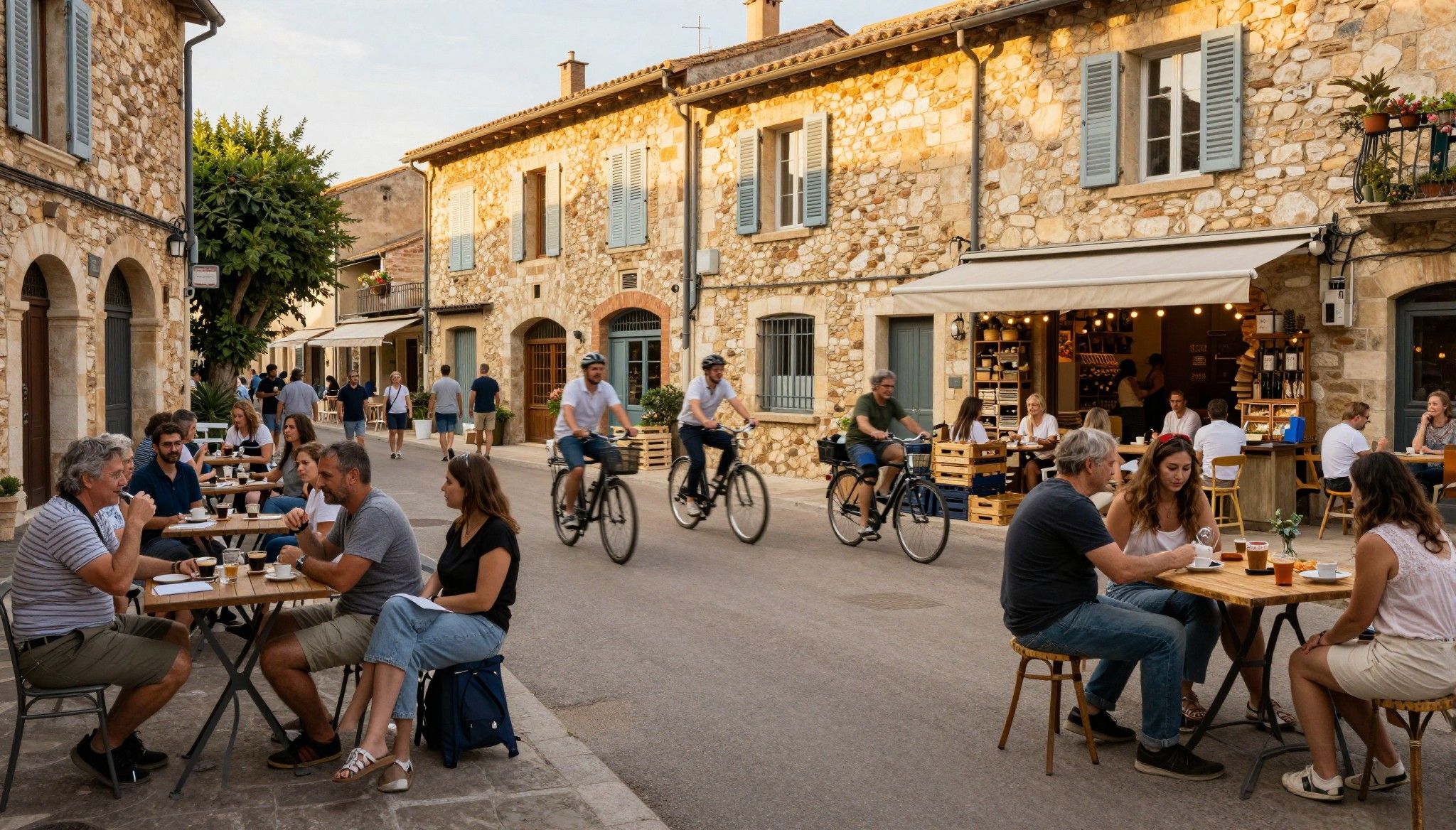
Daylight is a local currency here: terraces are rooms, rooftops harvest evenings and neighbourhood life happens outdoors. Picture Nea Salamis cafés humming with global expats and Cypriot families, the old stone streets of Paphos smelling of frying halloumi, and the narrow lanes of Lysi or Kato Paphos where bougainvillea spills over low walls. Each neighbourhood carries a pulse—Paphos’ archaeological calm, Limassol’s seafront energy, Polis’s slow coastal charm—and the house you choose must answer that rhythm, not displace it.
Neighbourhood spotlight — Limassol seafront and old town lanes
Walk the Molos promenade at dawn and the city reads as layered: yachts and joggers, old fishermen’s cafés, and pocket courtyards where neighbours meet for late coffee. For buyers this mix means coastal apartments can offer lively social life but require careful checks on building regulations, communal maintenance and tourism-related rules. If you crave a balance of seaside mornings with a quiet courtyard for bees and potted herbs, seek developments with green roofs, native planting and clear communal governance.
Food, markets and the slow rituals that matter
Morning markets in Nicosia and Paphos teach you the island’s seasonal calendar: carob, citrus, wild greens and olives in autumn; figs and tomatoes in summer. These local rhythms influence gardens and renovation choices—you’ll want south-facing terraces for winter sunshine and rainwater capture systems for drier months. Small practical choices like a covered outdoor kitchen or drought-tolerant planting make daily life simpler and more sustainable.
- Lifestyle highlights to look for when you visit: strollable streets near cafés; access to a weekly farmers’ market; a communal garden or rooftop space; nearby coastal paths or a pine‑fringed walk; evidence of native planting and water-wise landscaping.
Making the move: due diligence that preserves place
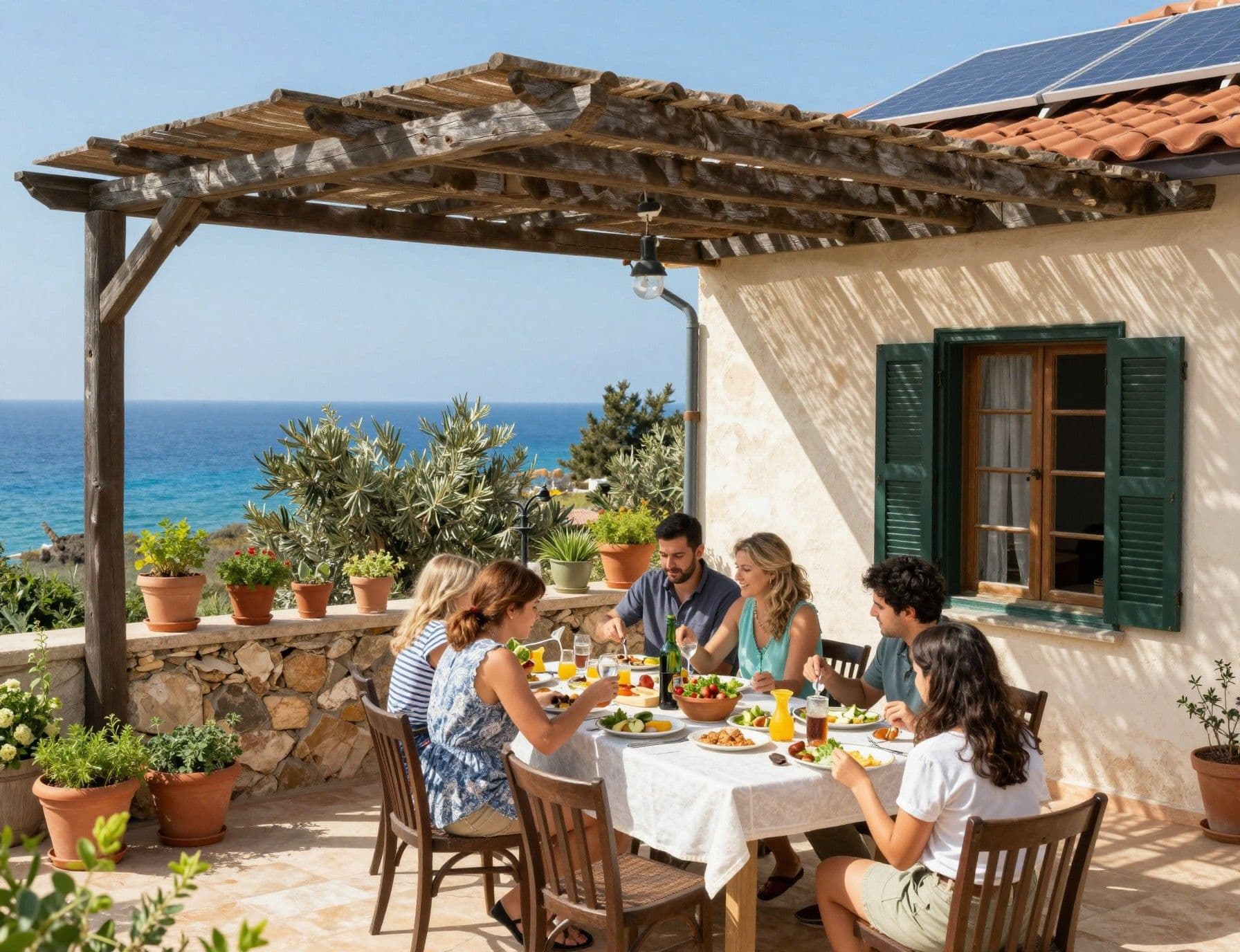
The island’s regulations are designed to protect landscapes and ensure safe ownership, especially where coastal strips, agricultural land or protected zones are concerned. Non‑EU buyers often need district administration permission and developers must present planning consent; this isn’t bureaucracy for its own sake but a safeguard for ecosystems and title clarity. Treat permit checks as part of falling in love responsibly: they decide whether your dream terrace can legally exist and whether that olive grove remains an olive grove.
Property types & what they actually offer
Traditional stone houses in the villages bring thick walls and passive cooling but often need careful energy upgrades and listed‑building permissions for changes. Coastal apartments offer easy seaside living yet can sit inside strict coastal-protection bands where new construction or expansions are limited. New eco-developments may feature PV-ready roofs and greywater systems; they can save you money long-term but insist on clear planning consent and long-term maintenance agreements.
Work with experts who protect both lifestyle and title
A local lawyer, a chartered surveyor and an agent who knows municipal habits are non‑negotiable. Ask agents for a clear timeline to title-deed registration and for copies of planning permissions and environmental assessments where relevant. Probe whether nearby properties have legal constraints (coastal buffers, reservoir protection zones, floodplain rules) — these are the same constraints that keep a place beautiful and resilient, and they can affect future alterations and resale value.
- Six practical steps to marry lifestyle vision with legal safety: 1. Request title-deed history and a land registry search before paying large deposits. 2. Confirm whether you need district administration permission (non-EU buyers often do). 3. Ask for planning consent documents and any environmental or coastal restrictions. 4. Commission a structural and services survey that includes water and septic checks. 5. Verify eligibility for renewable-energy grants and net‑metering connections. 6. Agree a timeline for deed transfer and post-sale responsibilities in writing.
Insider knowledge: the things expats wish they’d known
Expats quickly learn that small, local choices make island life easier and greener: a modest PV array with net‑metering, a cistern for garden water, shaded pergolas and native plantings. Grants for domestic renewables exist now and can materially reduce operating costs—ask for recent grant approvals and whether the property’s meter setup supports net‑metering. Those who retrofit with local materials find their homes breathe better, stay cooler in summer and feel more honest in the landscape.
Cultural integration and everyday practicalities
English is widely spoken, especially in urban and coastal areas, but learning a little Greek opens doors to village life and quieter markets. Social life often centres on local kafenions and taverna tables—being present, patient and curious earns invitations and practical help when you need a tradesperson or advice on a permit. Local timing matters: municipal offices and craftsmen may operate on a different pace than you’re used to; build time into plans and maintain good local relationships.
Longer-term: stewardship, resale and community
Think of your purchase as joining a place rather than buying an object. Properties that respect coastal buffers, maintain mature trees and integrate simple renewables are easier to live in and tend to retain value because they align with tightening environmental rules. When you sell, buyers increasingly ask about energy costs, legal clarity and whether a home sits in a protected zone—be the vendor who can answer those questions confidently.
- Red flags to watch for during due diligence: • No clear title-deed chain or long delays promised for registration. • Missing planning consent or evidence of unauthorised extensions. • Property inside recent coastal or reservoir protection buffers without approvals. • Sellers unable to show recent utility and septic/drainage reports. • No documentation for past renovations or energy upgrades.
Conclusion — make the island your home, with care and curiosity. Cyprus rewards those who listen: to market rhythms, to the seasons, and to local rules that protect the places you’ll love. Start with a few practical steps—secure a local lawyer, commission surveys, and check renewable-grant eligibility—and allow an agent who understands sustainable living to introduce you to neighbourhoods that feel like your life. Then, when you finally sip that espresso on your own terrace, you’ll know the place was chosen with care for both your future and the island’s.
British expat who traded Manchester for Mallorca in 2017. Specializes in guiding UK buyers to luxury Spanish estates with clear navigation of visas and tax.