Verdant Greece: Lifestyle Wins and Buying Realities
For buyers drawn to Greece’s green coasts and forests: marry seasonal, sensory life with market reality — mid‑range homes often deliver the truest sustainable value.
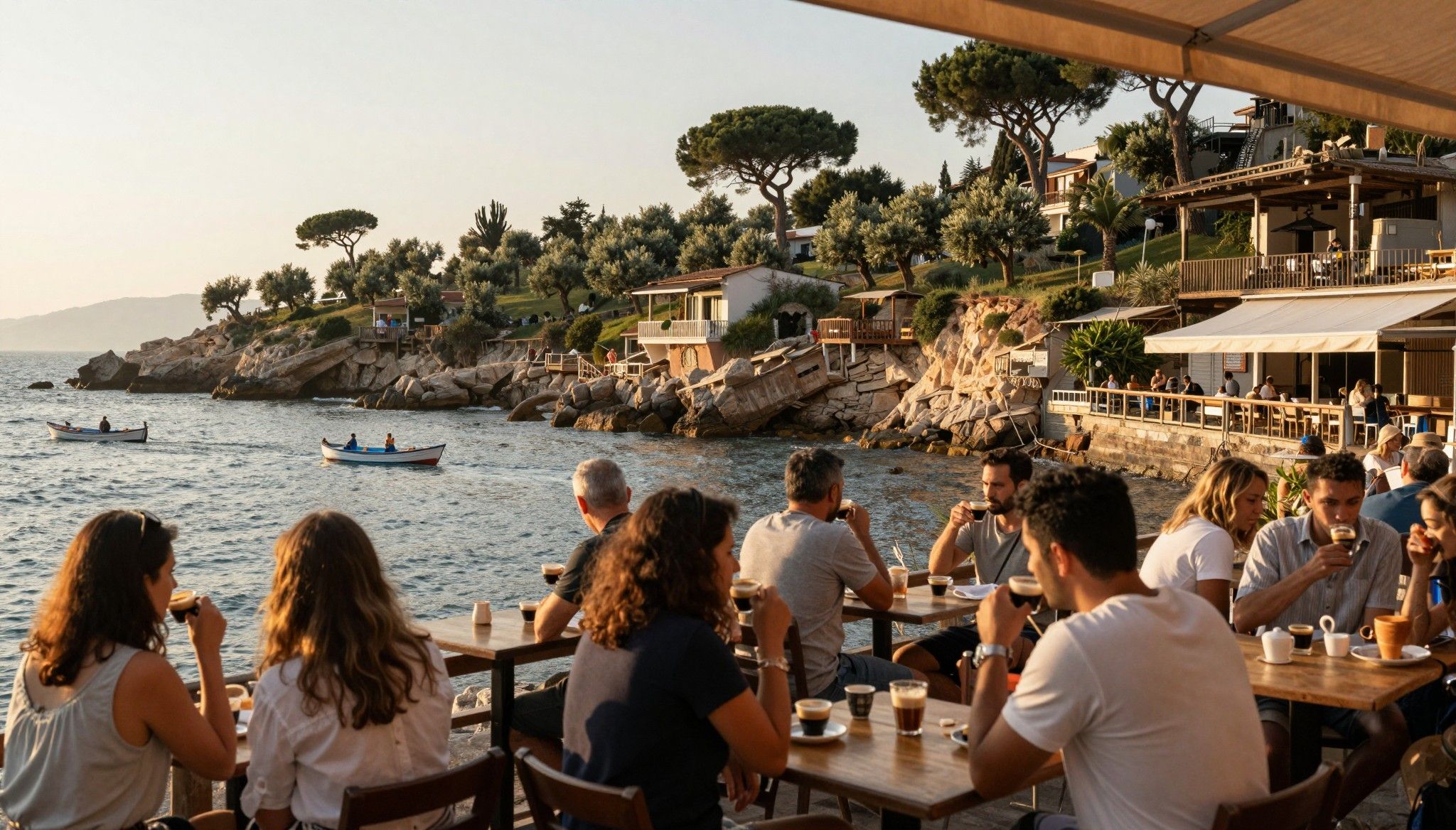
Imagine waking to the smell of baking bread in a stone village on the Pelion slopes, then finishing the day watching fishermen mend nets beneath a pink Santorini sunset. Greece moves in seasons — loud, generous summers and soft, introspective winters — and homes here are lived in as part of that rhythm. For international buyers who want verdant coasts, forested ridgelines and human-scale towns, Greece feels both immediate and eternal: olive groves, cedar-fringed coves and narrow streets that ask you to slow down. But love alone is not a purchase plan; the smart move pairs that feeling with local market facts and on-the-ground agency expertise.
Living the Greece lifestyle
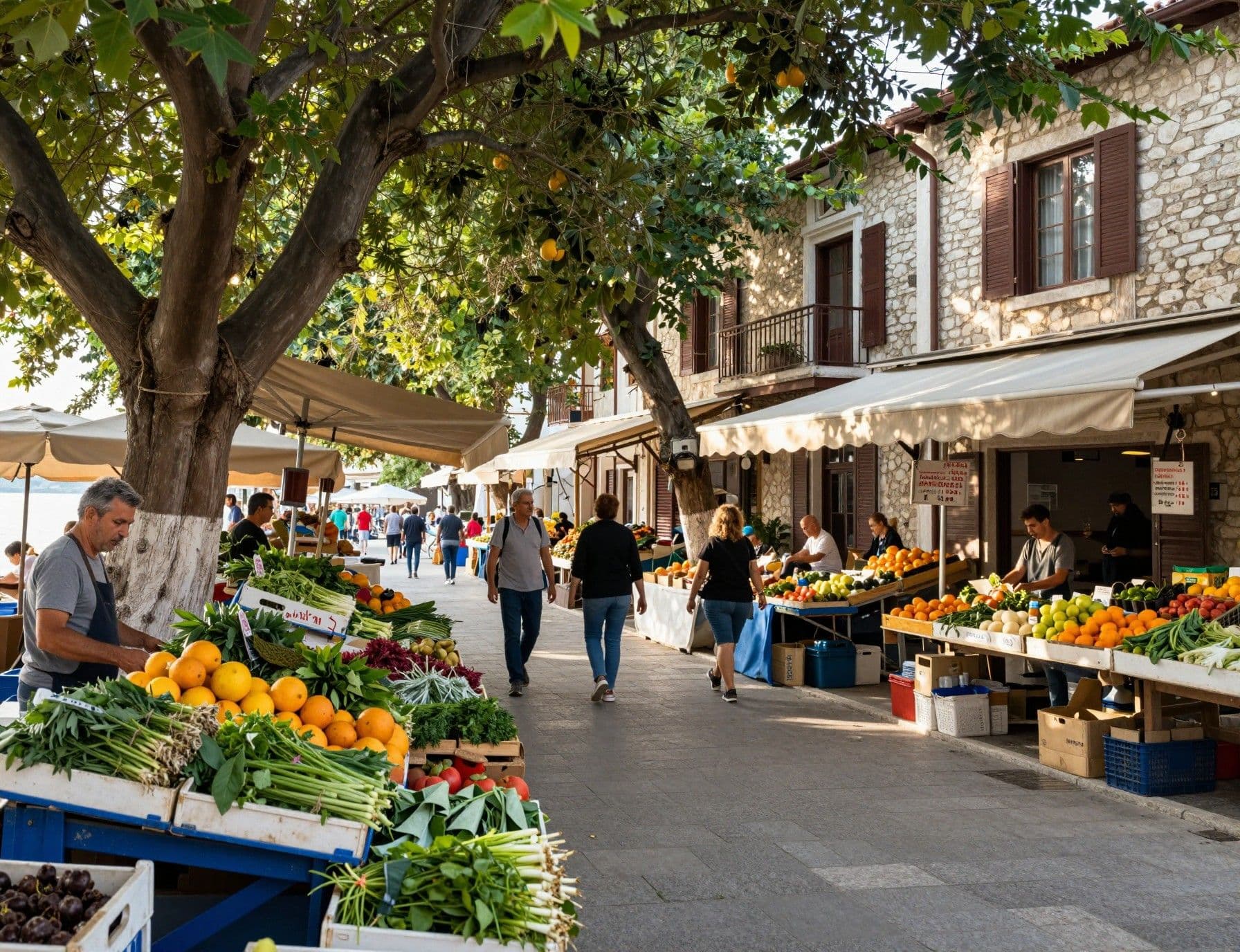
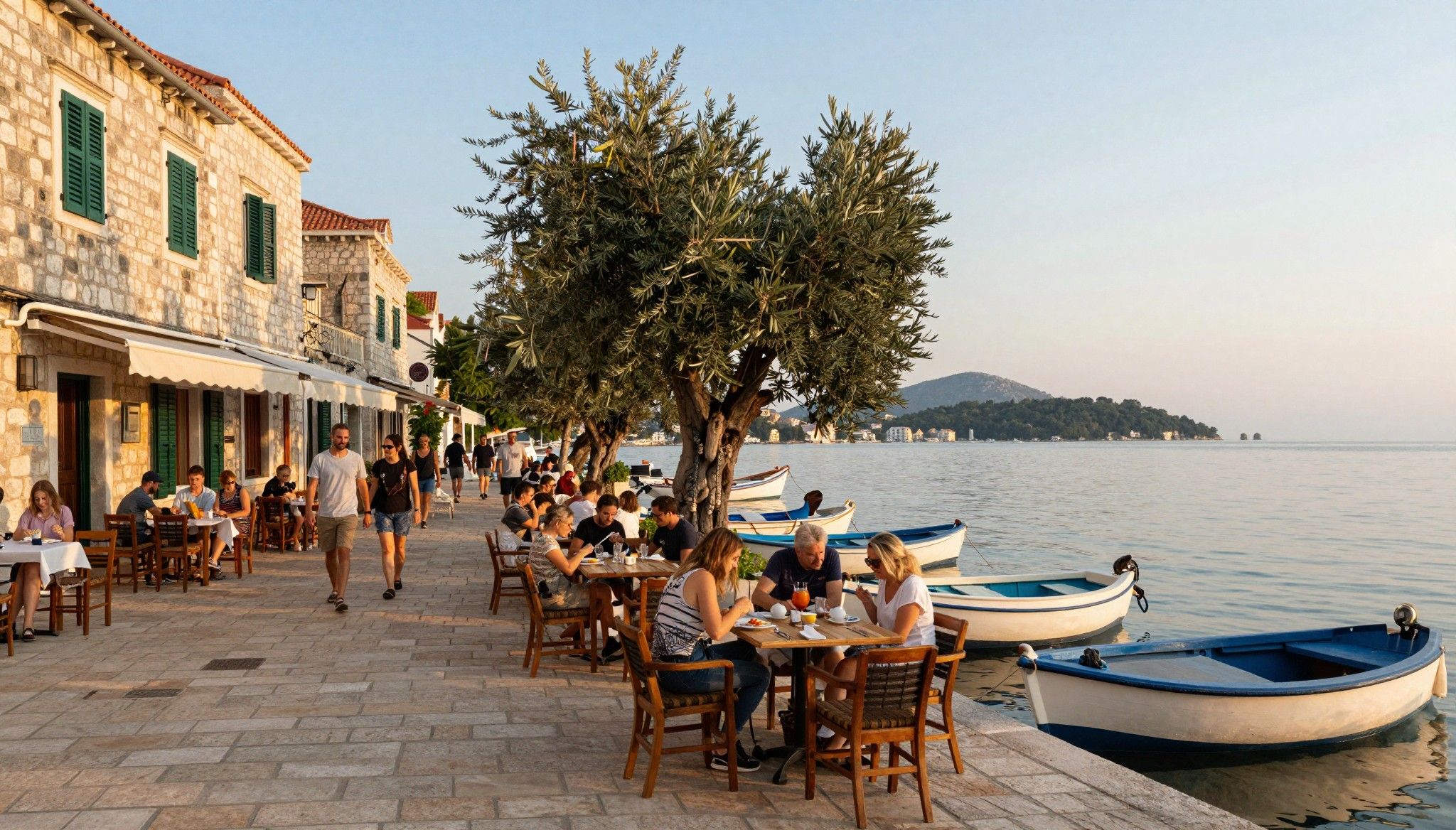
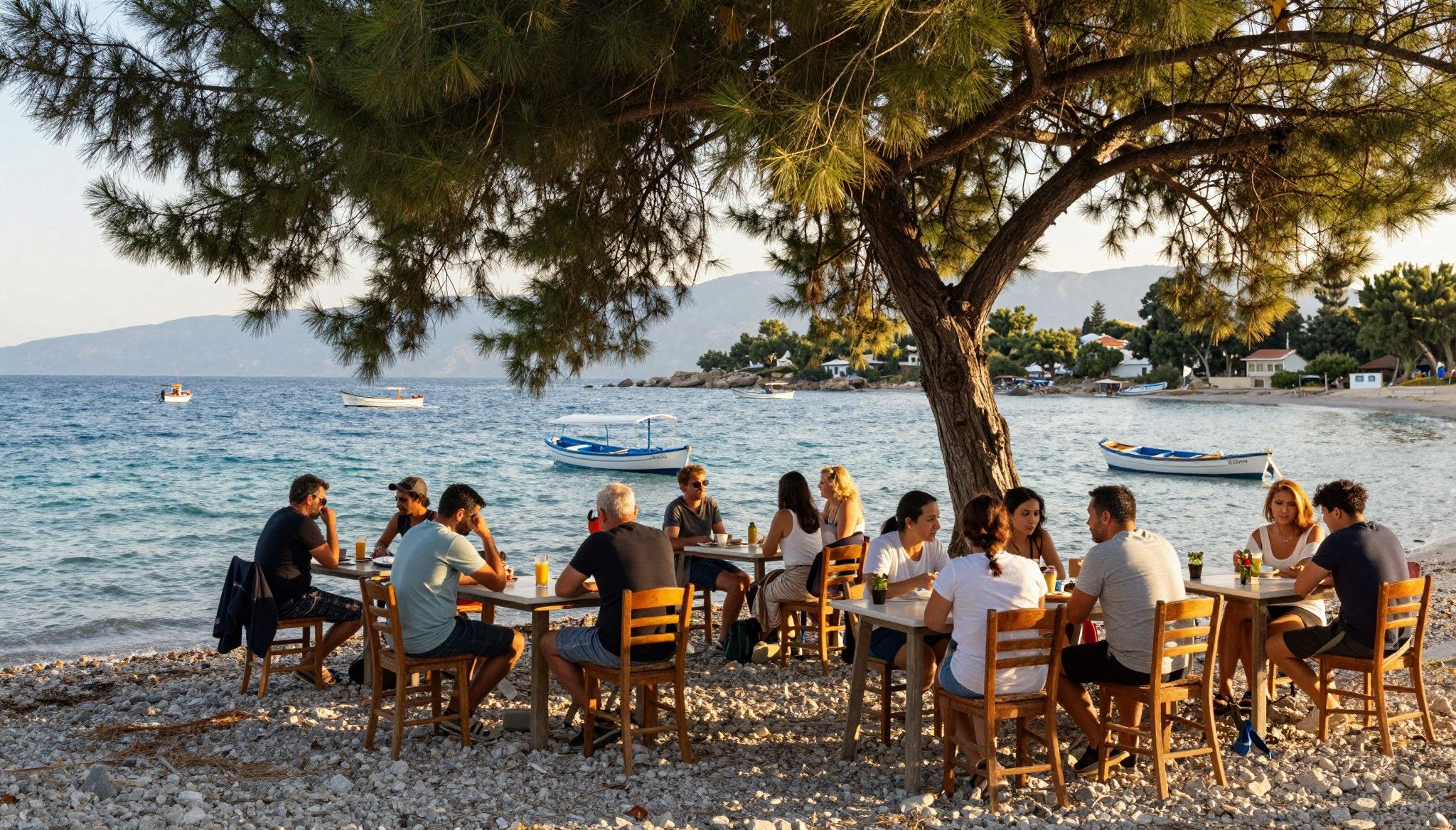
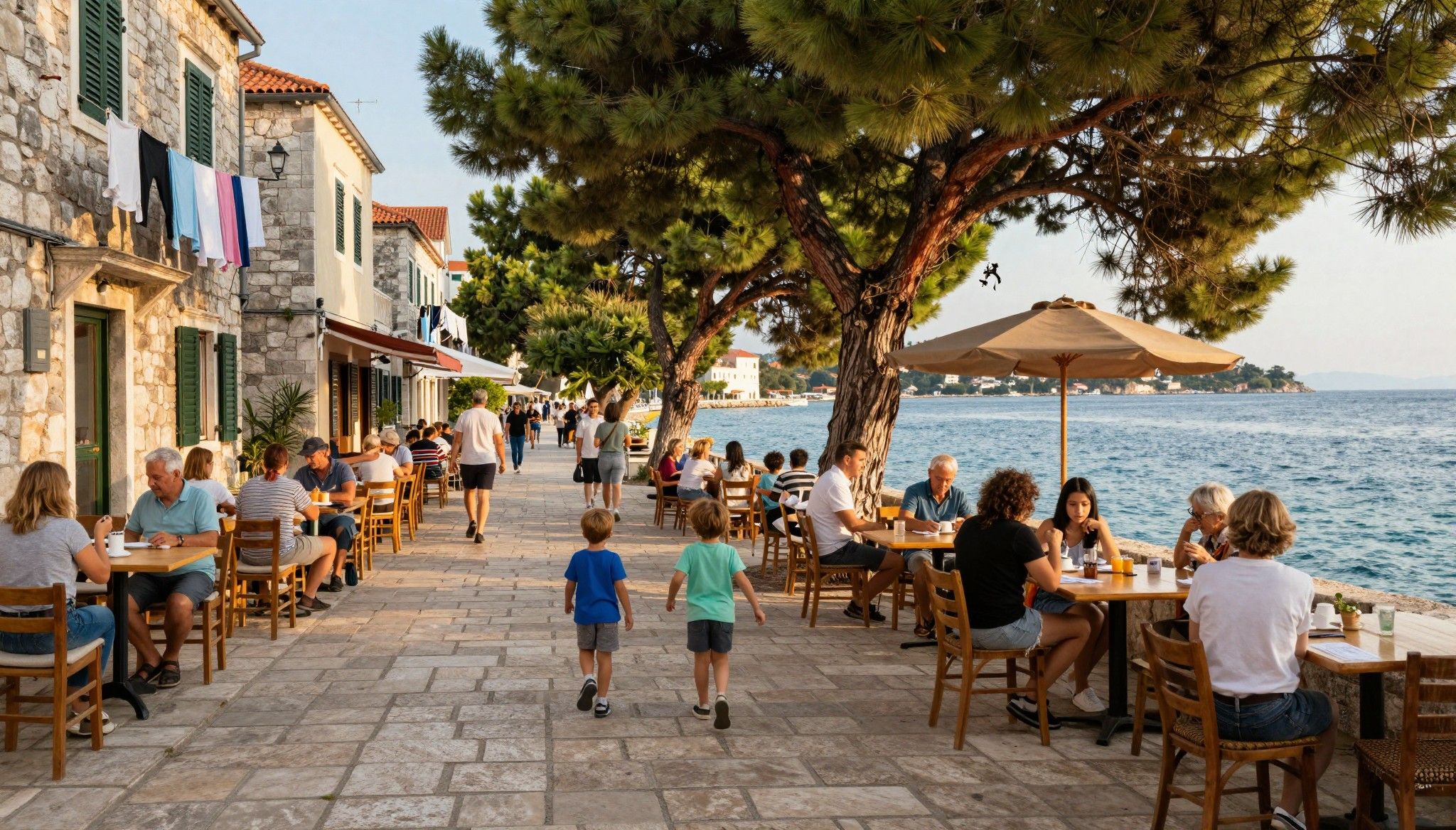
Daily life in Greece is tactile: coffee pulled at a corner kafeneion, markets overflowing with figs and wild greens, islands that close and reopen with the seasons. In Athens you feel a city rooted in history yet alive with neighbourhood bakeries and riverside parks; along the Ionian coast the pace is softer, with Venetian squares and dense pines that drop to pebbled bays. Verdant regions — Epirus, the Ionian islands, Pelion and parts of Crete — offer a rare combination: rugged coastline within reach of forests, and communities that still tend land and sea. For buyers seeking ecological harmony, look for homes with mature gardens, rainwater harvesting potential and simple passive cooling features that suit Mediterranean climates.
Neighbourhood spotlights: Athens, Pelion, Corfu
Athens’ Koukaki and Thissio feel leafy and lived-in: terraces spill with jasmine, bakeries start before dawn and small parks host elderly chess players. Pelion’s Milies and Tsagarada are mountain villages where stone houses sit under plane trees and the sea is a short drive away, perfect for buyers who want woodland walks and family-run tavernas. Corfu’s north-west coast keeps hidden coves and Venetian lanes — properties here often come with thick stone walls, original shutters and gardens heavy with citrus. Each place trades off proximity to services for atmosphere: the closer to historic centres, the more civic life; the deeper into green regions, the more you buy silence and space.
Food, markets and daily rituals
Mornings are market-led: talk to vendors in the Varvakios market in Athens or a village bazaar in Chania and you’ll find chefs, grandmothers and neighbors swapping recipes. Dining is local-first — sea-bream grilled with lemons from a neighbour’s tree or mountain greens sautéed with local olive oil — and many expats tell us food opened doors to friendships faster than language lessons. Seasonal festivals (olive harvests, chestnut fairs, panigiria) stitch communities together and are excellent windows into local life — attend one and you’ll leave with preserved lemons and an invitation to dinner.
- Lifestyle highlights to seek when house‑hunting in Greece:
- Morning espresso at a corner kafeneion (Koukaki — Athens; Paleokastritsa — Corfu)
- Village markets where sellers name the farmer and the grove
- Rain-swollen springs and forest trails for autumn and spring living
- Coastal walks that end at family-run tavernas serving catch of the day
Making the move: practical considerations
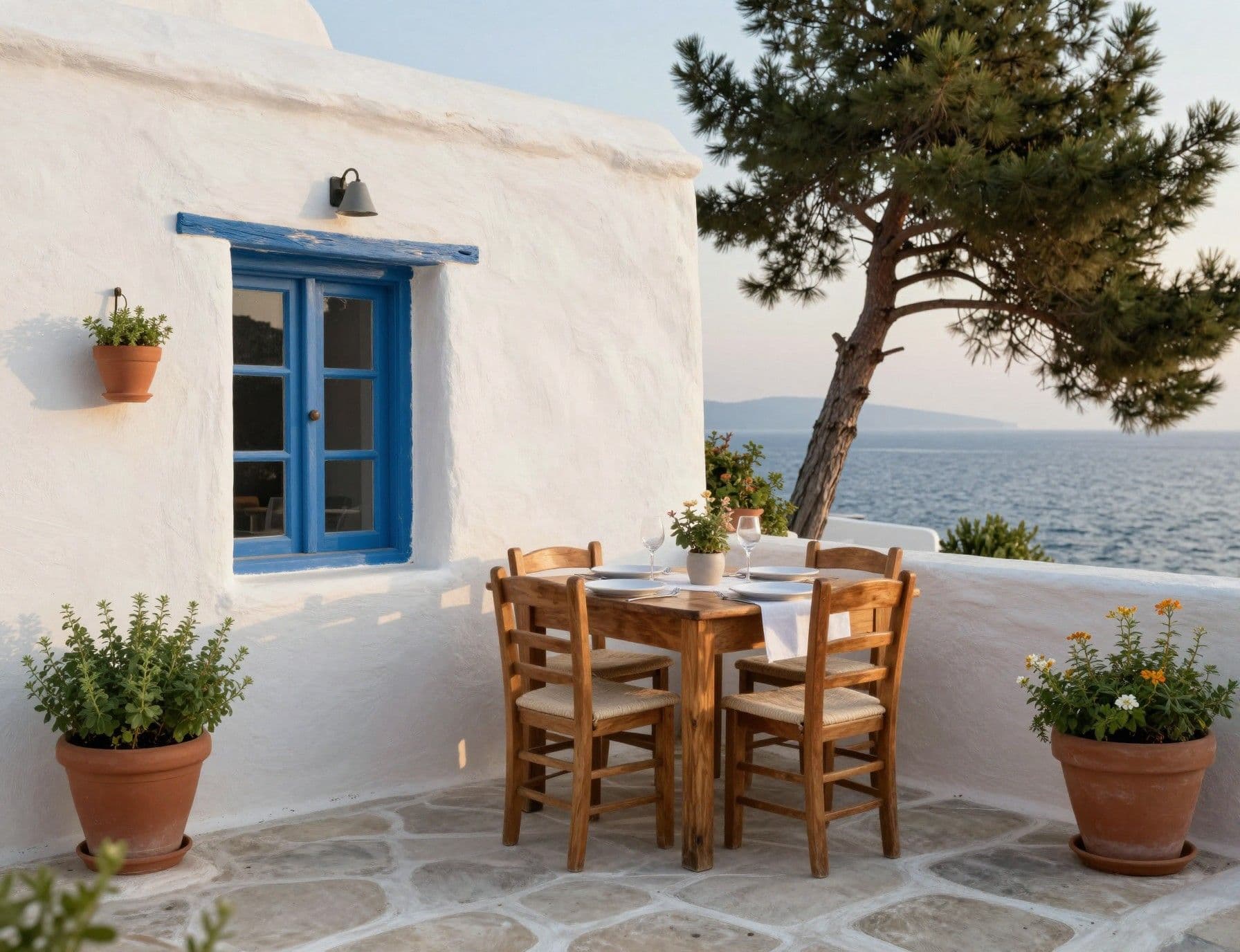
The dream needs to meet the market. Recent industry surveys show many foreign buyers target mid-range homes sized for seasonal life rather than trophy villas, which affects running costs and maintenance expectations. Tourism and property demand remain strong in coastal and island hotspots, but regulation and residency rules shifted over recent years, so timelines and thresholds matter — especially if residency is part of your plan. Good local agents translate lifestyle desires into realistic property types and neighbourhood choices.
Property types & what they actually provide
Stone village houses offer thermal mass and effortless integration with terraces and edible gardens, but they can need careful structural work and updated insulation. Modern apartments in Athens or Thessaloniki give year‑round convenience, easier management and often better rental liquidity. New eco-builds on the mainland increasingly come with solar-ready roofs and greywater systems; in islands, prioritise passive cooling, cistern capacity and materials resistant to sea-spray. Match the property type to how you intend to use it — seasonal, year‑round, rental — and budget for landscape and conservation work if you value biodiversity.
Working with local experts who know the life you want
A local agent who breakfasts where you will live understands the rhythm that photos cannot show: road access in winter, where the village bakery closes for August, or which elevations keep morning sun and evening breeze. For eco-minded buyers, seek agents familiar with renewable installations, organic garden planning and low-impact renovation. Ask for references from recent buyers, onsite visits with an architect, and a neighbourhood walk with a local to sense real sound levels and community patterns.
- Steps to align lifestyle goals with practical buying actions:
- Define your year‑round versus seasonal use and list required amenities (healthcare access, year-round shops, internet speed).
- Have a local architect assess passive design opportunities (insulation, shading, cisterns) before making an offer.
- Confirm residency/residence-by-investment rules and thresholds if these affect timelines; get legal counsel early.
- Budget for landscaping and biodiversity work to retain soil, shade trees and pollinator habitats that make the property feel whole.
Insider knowledge: what expats wish they'd known
Here’s the real talk: high-season crowds are real in many islands and parts of the coast, and that affects noise, service availability and local prices. Yet tourism is uneven — many verdant regions see quieter years or concentrated weekends, which is where long-term residents build a different pace of life. Expat homeowners often tell us their biggest surprise was how quickly small gestures — learning basic Greek, joining the Friday market, volunteering at a panigiri — turned neighbours into allies. Practical patience and cultural curiosity make the biggest difference.
Language, social rhythms and local customs
Greek is generous and melodic; learning the basics opens doors. Expect local shops to close for long lunches in summer and sometimes for a full August siesta; plan errands accordingly. Social life orbits around food and shared moments — a neighbour bringing figs or an invitation to a seaside taverna is how communities bond. For families, local schools vary considerably; expat networks and local agents can point you toward bilingual or internationally-minded options.
Seasonality, market reality and what it means for value
Tourism remains a central economic force — 2024 arrivals and receipts were high in many reports — which keeps some coastal markets buoyant. But surveys and transaction data show many foreign buyers now prefer attainable, mid-range homes rather than high-end speculative purchases, a trend that supports steady community integration rather than seasonal turnover. Use published market reports and agent networks to compare lists of recent transactions in your target area; this reveals real pricing and helps avoid seasonal price illusions.
- Red flags and local realities to watch for:
- Properties advertised with ambiguous titles or missing land registry references — insist on full deeds and a registry search.
- Water access issues on drier islands — check cistern size and municipal supply schedules.
- Older houses that need seismic retrofitting or insulation upgrades — budget accordingly.
Many buyers find value in mid-range properties that are easy to maintain and convert to low‑impact living. REMAX Greece’s recent survey shows foreign demand focused on homes sized for seasonal life, which translates into lower running costs and simpler stewardship commitments. If you intend to rent, choose durable finishes and easy-care gardens; if you plan year‑round living, prioritise insulation, solar-readiness and community healthcare access.
- A quick checklist before you sign:
- Confirm full title deeds and any outstanding liens via a Greek notary and land registry search.
- Get a structural and environmental survey (salt‑air exposure, water table, protected flora) to estimate conservation needs.
- Ask local agents to map utility access, waste collection schedules and peak-season service variations.
Conclusion: live with the land, buy with the facts
Buyers who fall in love with Greece find that the best decisions come from listening: to seasons, to neighbours, and to local data. Use market reports and local counsel to firm up timelines and legal requirements, and pair that diligence with an agent who understands gardening cycles, storm routes and where winter light hits the terrace. When lifestyle and due diligence move together, your house becomes a home within the landscape — a place that gives back, quietly and generously. Ready to see properties that match your rhythm? Ask an agent to walk your favourite neighbourhood with you, at dawn and at dusk.
Danish relocation specialist who moved from Copenhagen to the Algarve; supports families with seamless transitions, local partnerships, and mindful purchases.