Greece: Sunlit Life, Real Green Value
Greece is not just sun and sea — its fast-growing renewables and local green practices make homes cheaper to run and richer to live in. Practical steps and sources included.
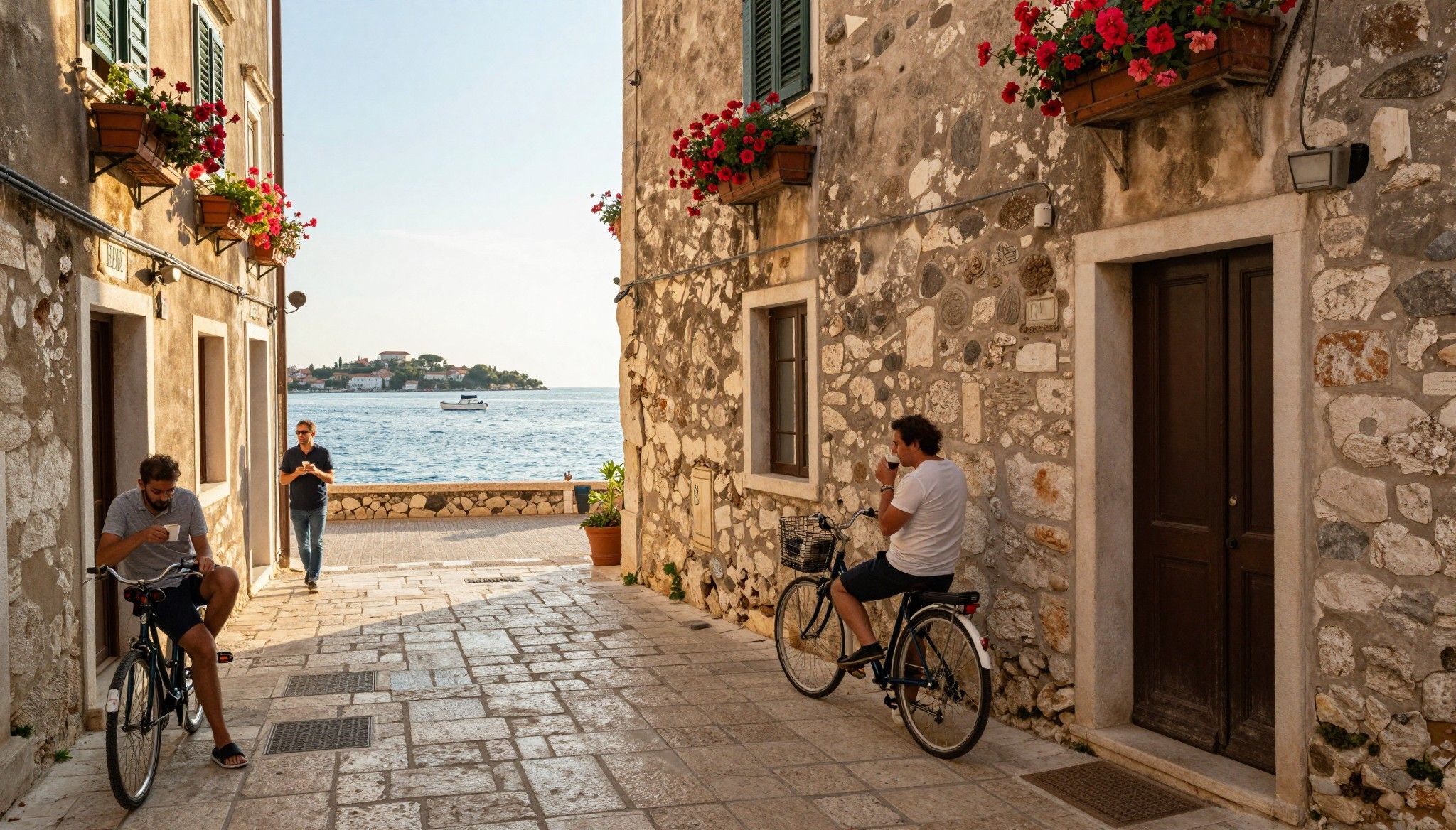
Imagine sipping an espresso at a sun-warmed table on a narrow Athens side street, olive branches scenting the air, while a local market announces the morning catch — and knowing your home can be powered by that same bright, Greek sun. That is the quietly persuasive promise of modern Greece: ancient light, lively neighborhoods and a fast-growing green infrastructure that changes how homes feel, run and hold value.
Living the Greece lifestyle — sunlit, local, sustainable
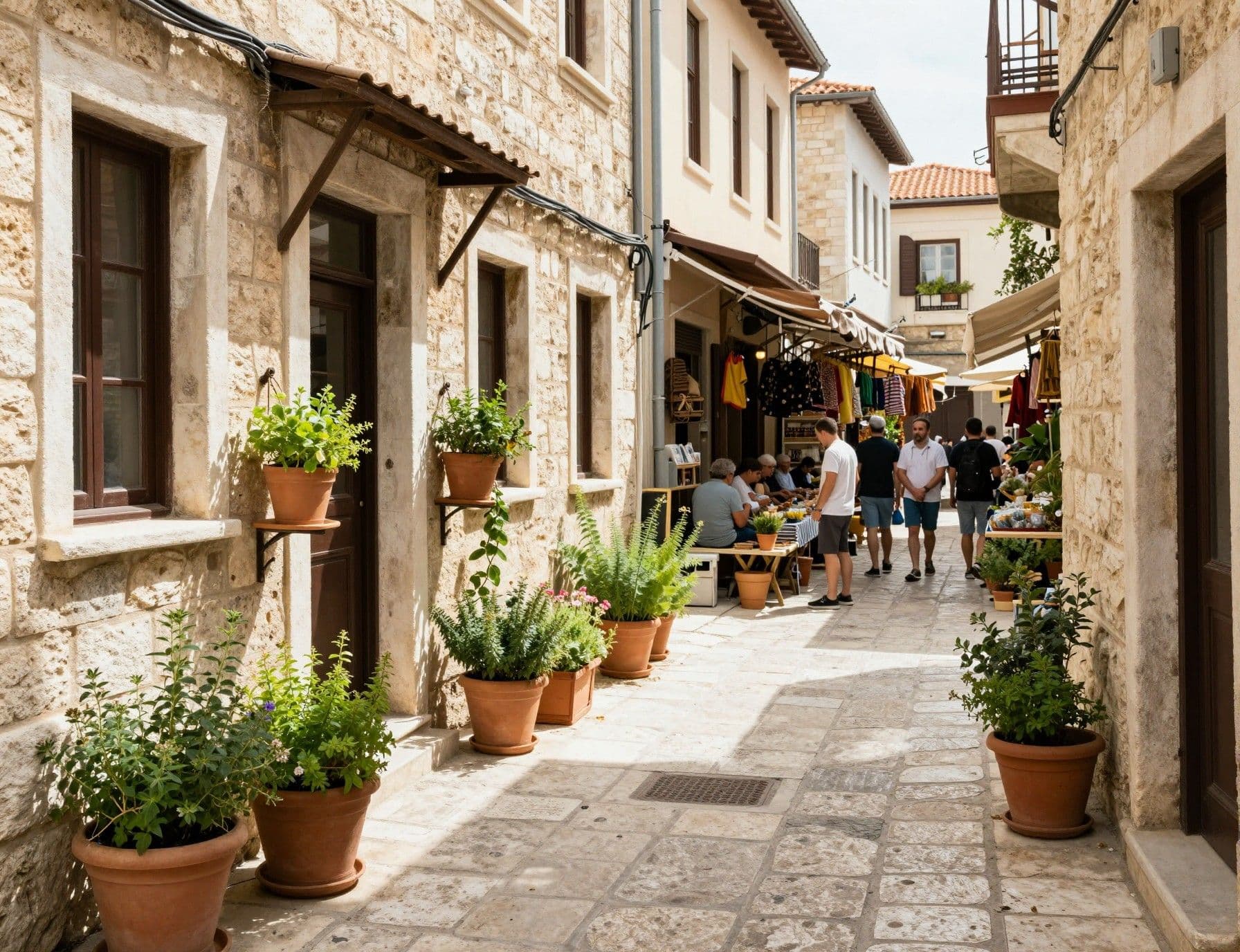
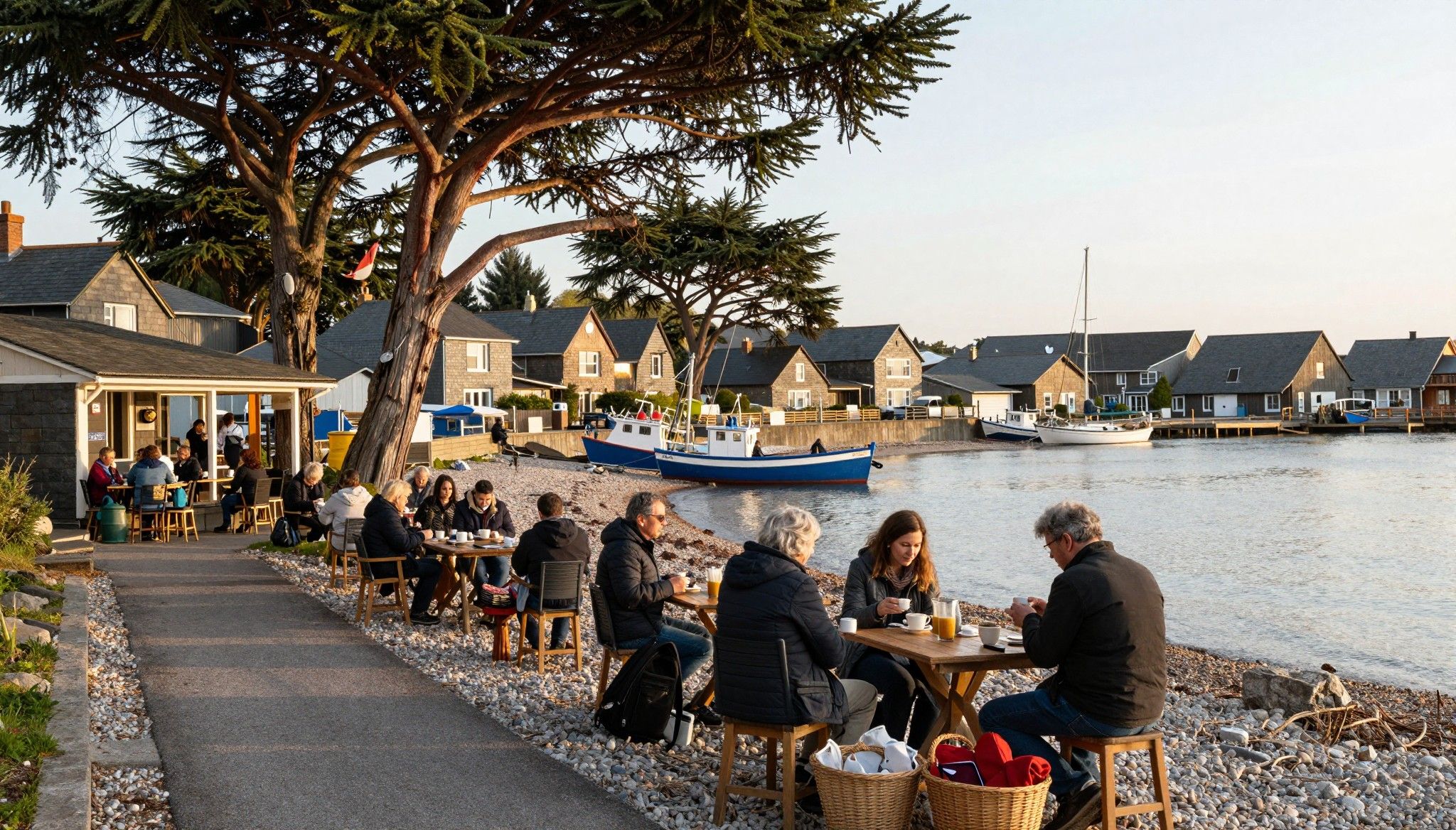
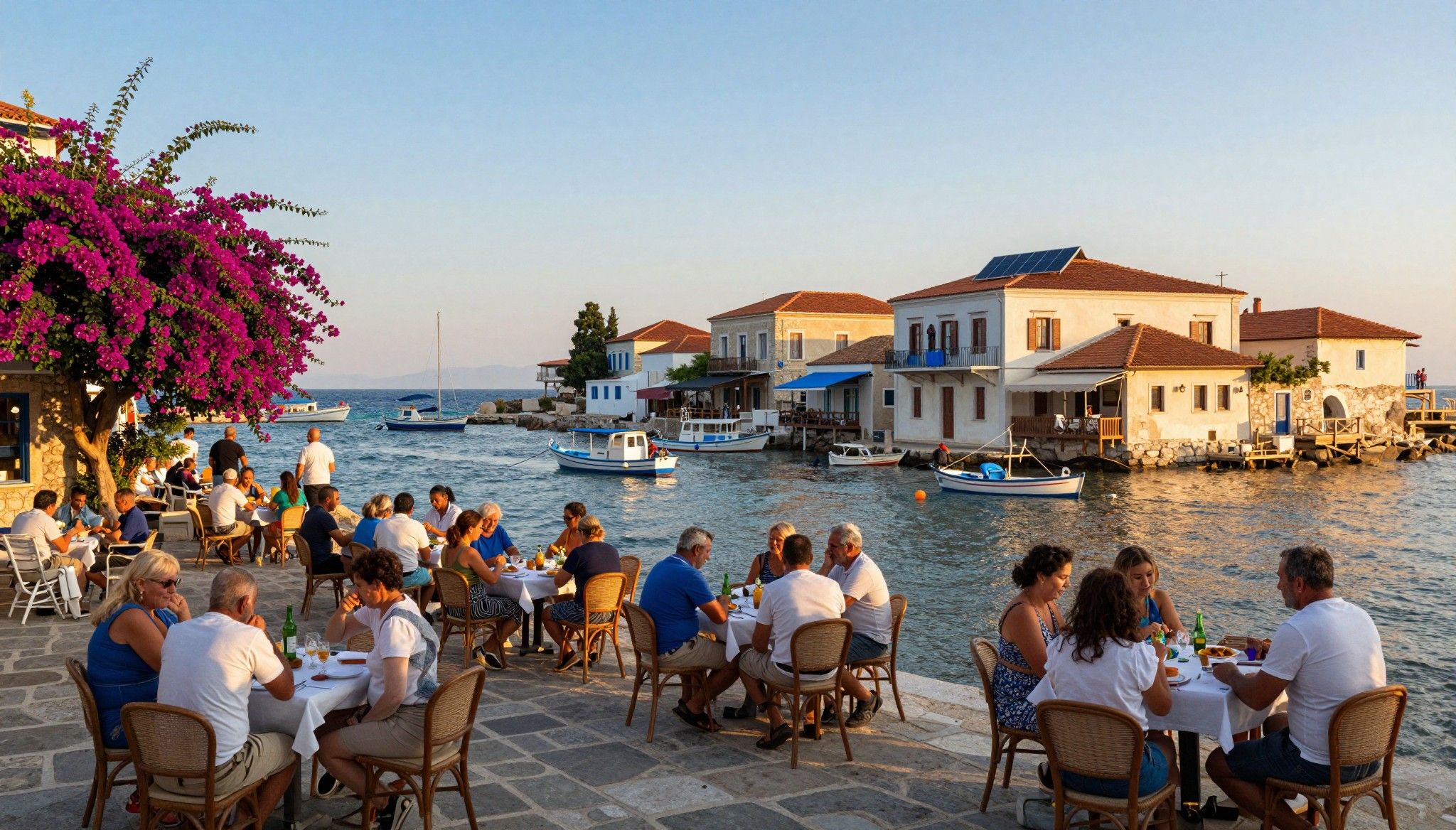
Life here moves with seasons: late breakfasts in Athens’ Pangrati, siesta-soft village hours on Amorgos, and long, low-light evenings on Crete where tavernas glow beneath cypress silhouettes. The feel is tactile — stone steps, handmade cups, bougainvillea draped over garden walls — and increasingly practical, with solar panels, heat pumps and rooftop gardens entering everyday home life as described in recent market reports.
Neighborhood spotlight: Athens’ Koukaki and the Athenian Riviera
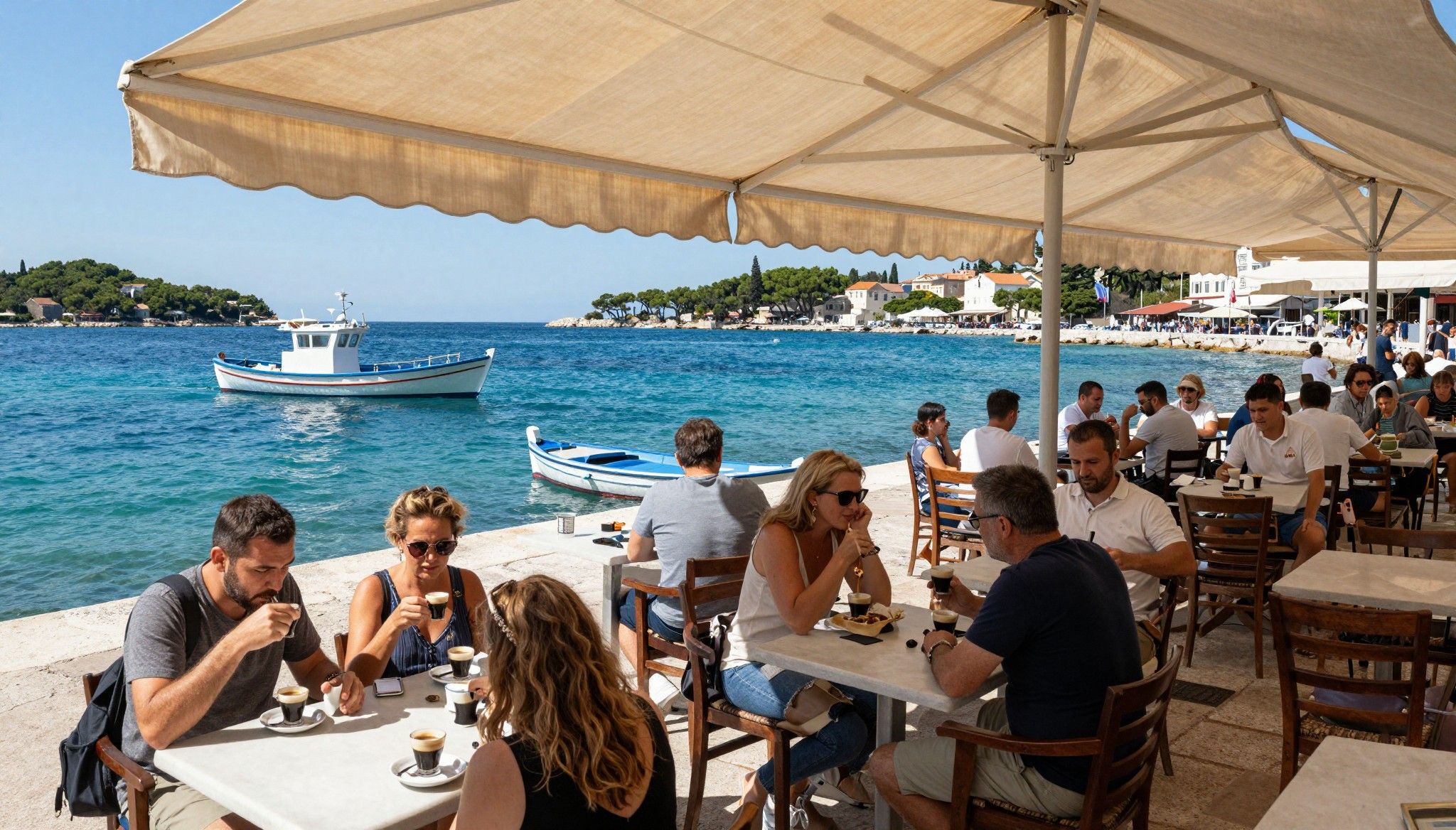
Koukaki hums with espresso culture and late-night tavernas; balconies overflow with potted herbs; and narrow streets make walking a daily ritual. By contrast, Glyfada and Vouliagmeni along the Athenian Riviera offer marine breezes, coastal promenades and newer developments that more readily adopt energy-efficient design — a tradeoff between classic urban intimacy and seaside, eco-forward living.
Food, markets and small rituals that shape where you live
From the Kolonaki greengrocer to the fish stalls in Piraeus, local markets punctuate weekly life. That rhythm changes the way properties are used: roof terraces that host morning market unpacking, attics turned into cool summer bedrooms, and courtyards repurposed into productive gardens. The rapid roll-out of solar across Greece means those terraces increasingly double as micro power stations, shifting everyday costs and comfort.
- Morning espresso at Kafenio Vasilis (Koukaki) — street-side living and micro-neighbourhood ties
- Sunday fish market in Piraeus — fresh food culture that favors compact kitchens and local supply chains
- Sunlit rooftop terraces in Mykonos and Crete — social spaces that double as solar platforms
Making the move: practical, green-first considerations
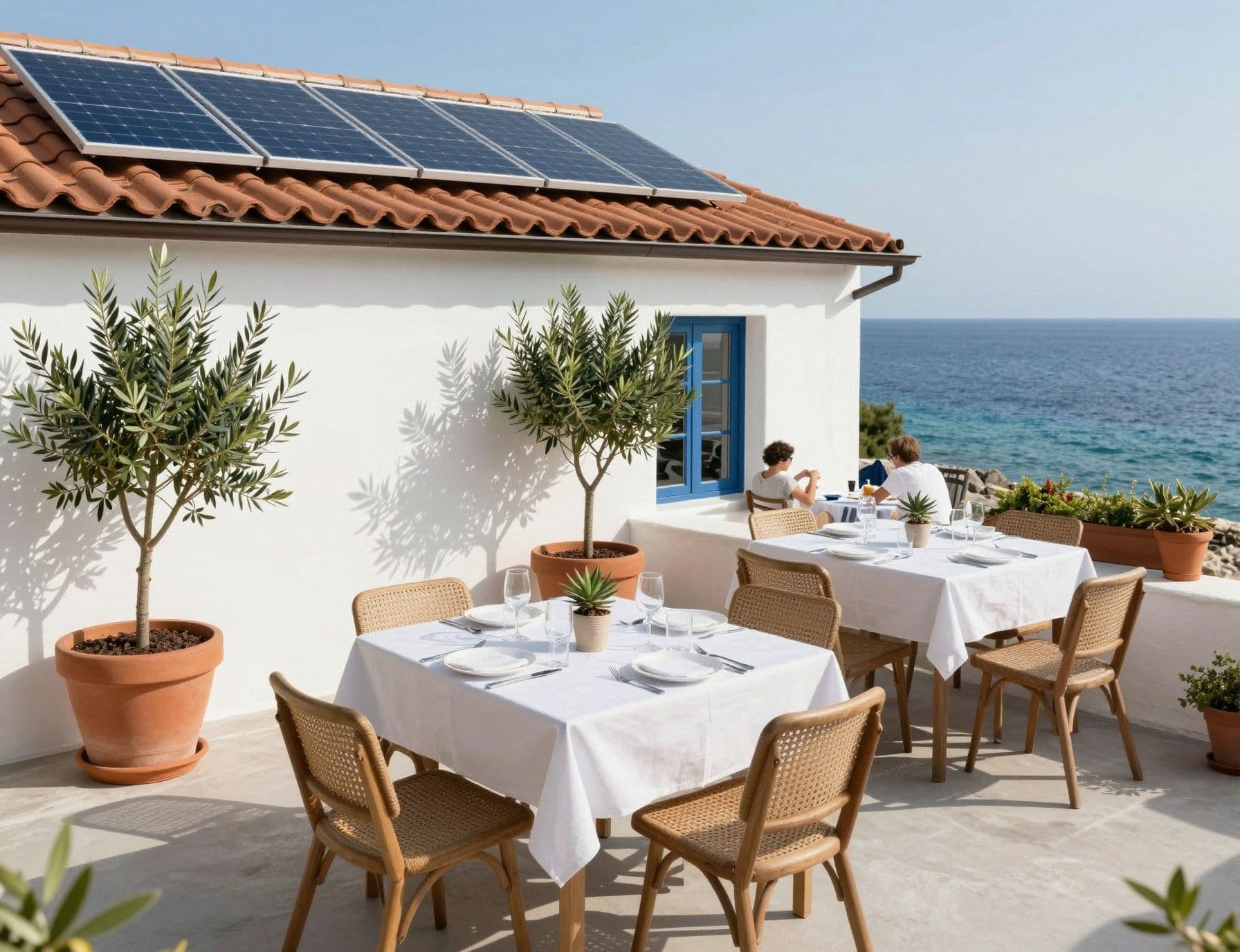
The dream of an eco-anchored home in Greece is within reach, but it requires marrying lifestyle choices to local realities: grid constraints on remote islands, seasonal water needs, and varying local permitting for additions like PV or cistern systems. Recent property analyses show steady price rises in 2024–25, so prioritizing features that reduce running costs — quality insulation, PV readiness, and rainwater capture — makes both ecological and financial sense.
Property styles and what they actually give you
Stone village houses give shade and cool summers but often need electrical and thermal upgrades. New-builds on the Athenian Riviera promise insulation, mechanical ventilation and space for PV, while island cottages offer priceless views and the challenge of upgrading discreetly. Think less 'style only' and more 'what will save you money and feel green year-round.'
Working with local experts who understand green life
Seek agents and architects who have done solar retrofits, water-saving landscaping and thermal upgrades. A trusted local agent can connect you to municipal planners who know island grid limits, and to craftsmen who preserve stonework while adding breathable insulation. These teams turn romantic ideas into usable, low-footprint homes.
- Visit in off-peak season to judge winter heating needs and water availability.
- Request recent energy bills and any PV or insulation certificates before bidding.
- Budget for discreet, traditional-friendly upgrades (insulation, heat-pump, greywater systems).
- Ask about grid curtailment or export limits — islands can curtail renewable generation during low demand.
Insider knowledge — what expats wish they’d known
Expat buyers tell the same stories: the euphoria of a harvest of lemons from your courtyard, the surprise of summer winds that keep you cool, and the mild shock of a winter that makes good insulation essential. They also warn: don’t assume every idyllic island will accept a big PV array, and don’t expect every seller to have updated technical paperwork.
Cultural and seasonal realities that shape everyday life
Language, neighborhood rituals and municipal rhythms matter. Many Greeks run errands mid-morning, socialize late into the evening, and prize outdoor living — so look for homes with genuine outdoor rooms. Seasonality is more than tourism: winter storms test roofs and drainage, while shoulder seasons reveal what life is like beyond postcard summers.
Long-term lifestyle and sustainability choices
If you plan long-term, prioritize passive-first upgrades and choose sites with water resilience and access to local supply chains. Community projects — local energy cooperatives or organic markets — are growing in many regions, turning individual upgrades into a neighborhood-level quality-of-life change.
- Join or start a local energy cooperative to lower installation costs and share storage.
- Plant native landscaping for summer shade and pollinators; it reduces irrigation and nurtures local biodiversity.
- Choose craftsmen who use local stone and breathable lime renders for healthier thermal behaviour.
Buying in Greece is as much about adopting a rhythm as acquiring a roof. The best purchases blend an honest read of local realities — grid limits, seasonal water, and paperwork — with a lifestyle-first wish: morning markets, courtyard dinners, and a house that leans into the sun instead of fighting it.
Next steps: visit in shoulder season, ask agents about recent energy upgrades, and bring an architect or sustainability-focused surveyor on your second visit. With the right local team, your Greek home can be both a sensory destination and a low-impact, resilient place to live.
British expat who traded Manchester for Mallorca in 2017. Specializes in guiding UK buyers to luxury Spanish estates with clear navigation of visas and tax.