Why Sidelining Summer Is Malta’s Smart Move
Why skipping Malta’s high summer could save money and find greener homes—backed by NSO and industry data showing steady price growth and local buying rules.
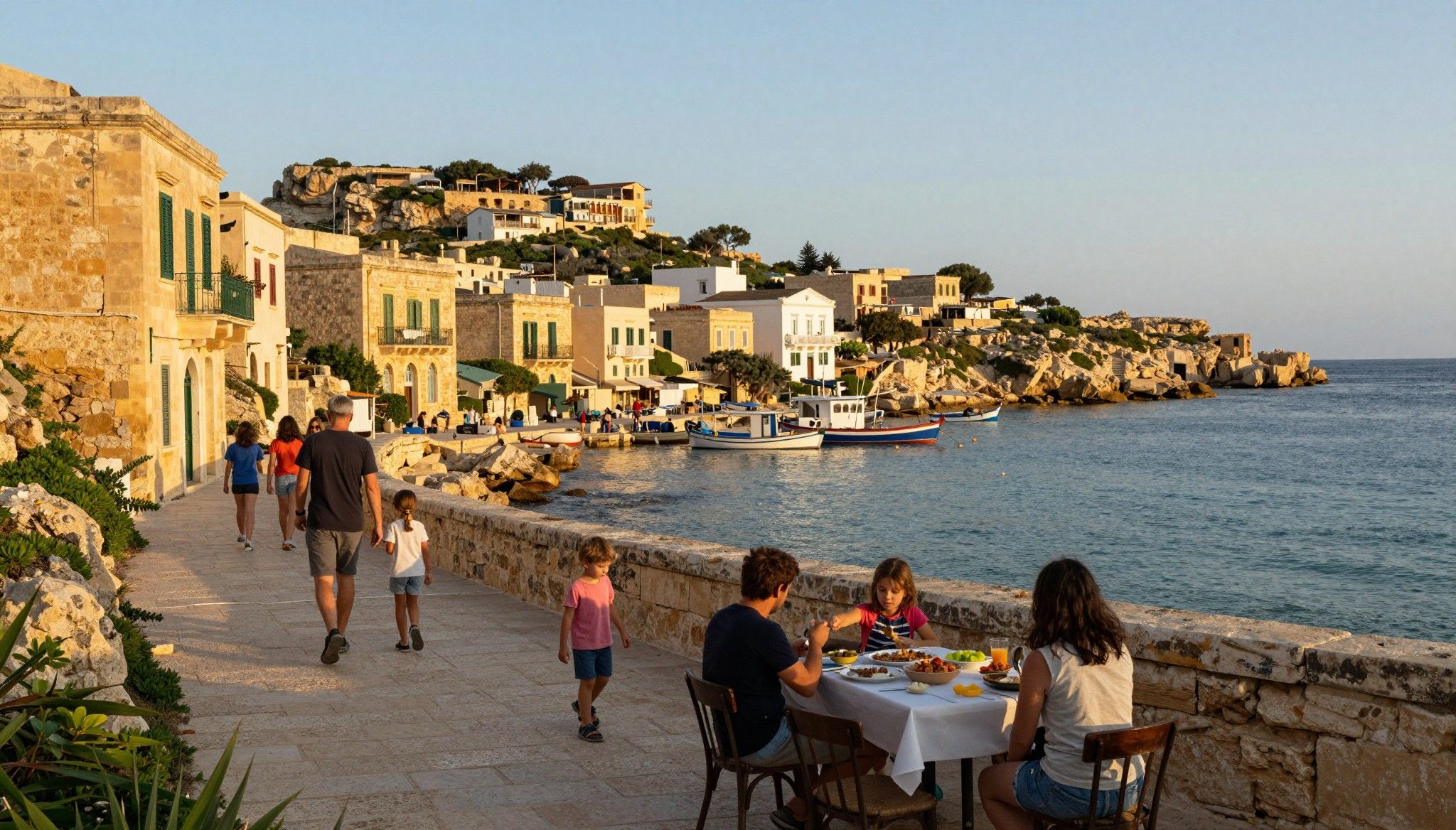
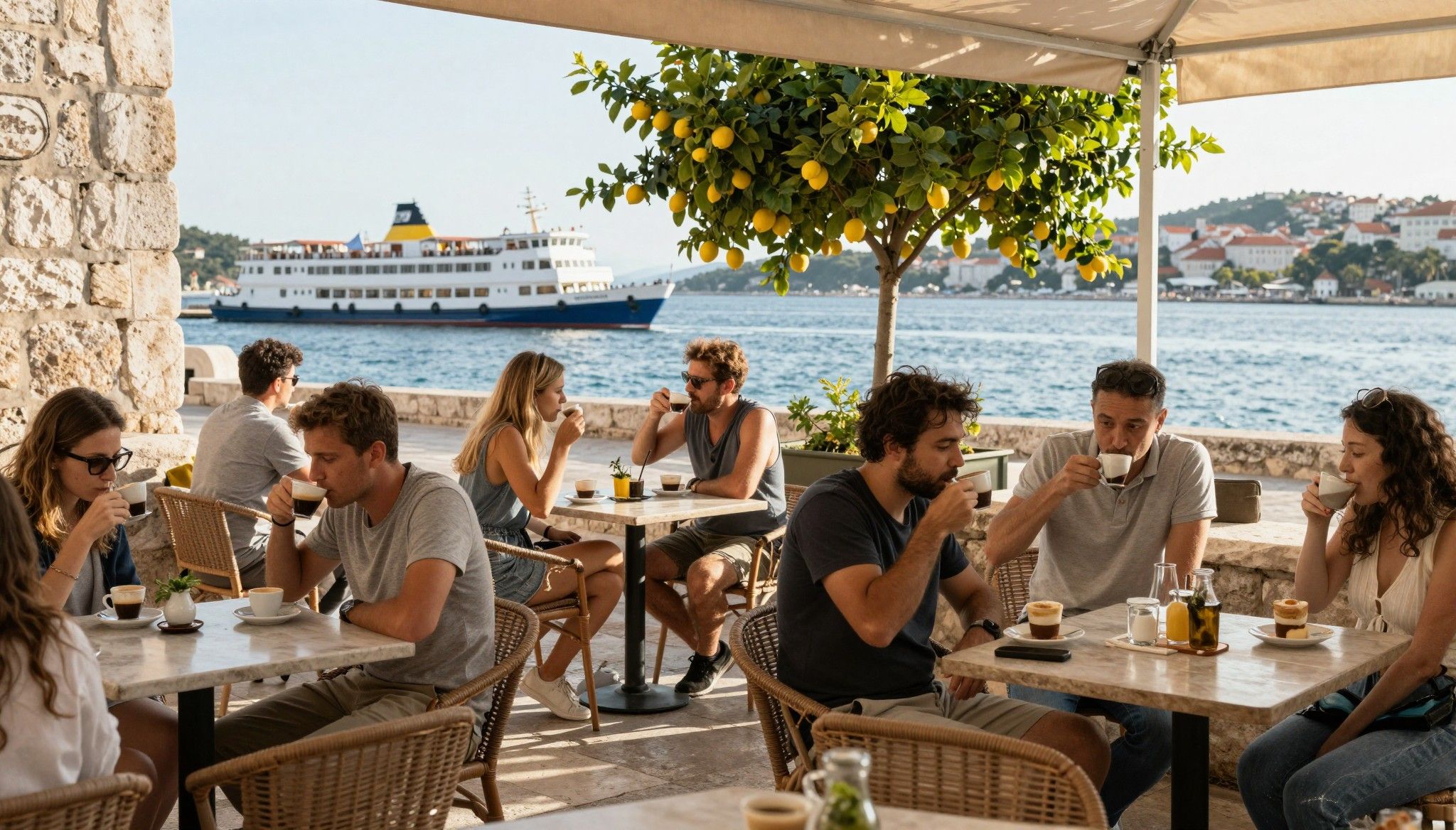
Imagine sipping an espresso at a shaded table on Swordfish Street in Sliema while children dart past with scuba fins, the limestone warmed by late-morning sun. Malta’s compact island life compresses sea, market, and forested garrigue into walkable rhythms—one minute you’re in a 17th‑century piazza, the next you’ve found a wild coastal path where wind-blown juniper smells like home. For international buyers drawn to verdant coastlines and honest, lived-in architecture, Malta feels like an easily held secret; for planners and investors, recent data shows it’s a market that moves fast. That pace is why when you time your search matters as much as where you look.
Living the Malta lifestyle
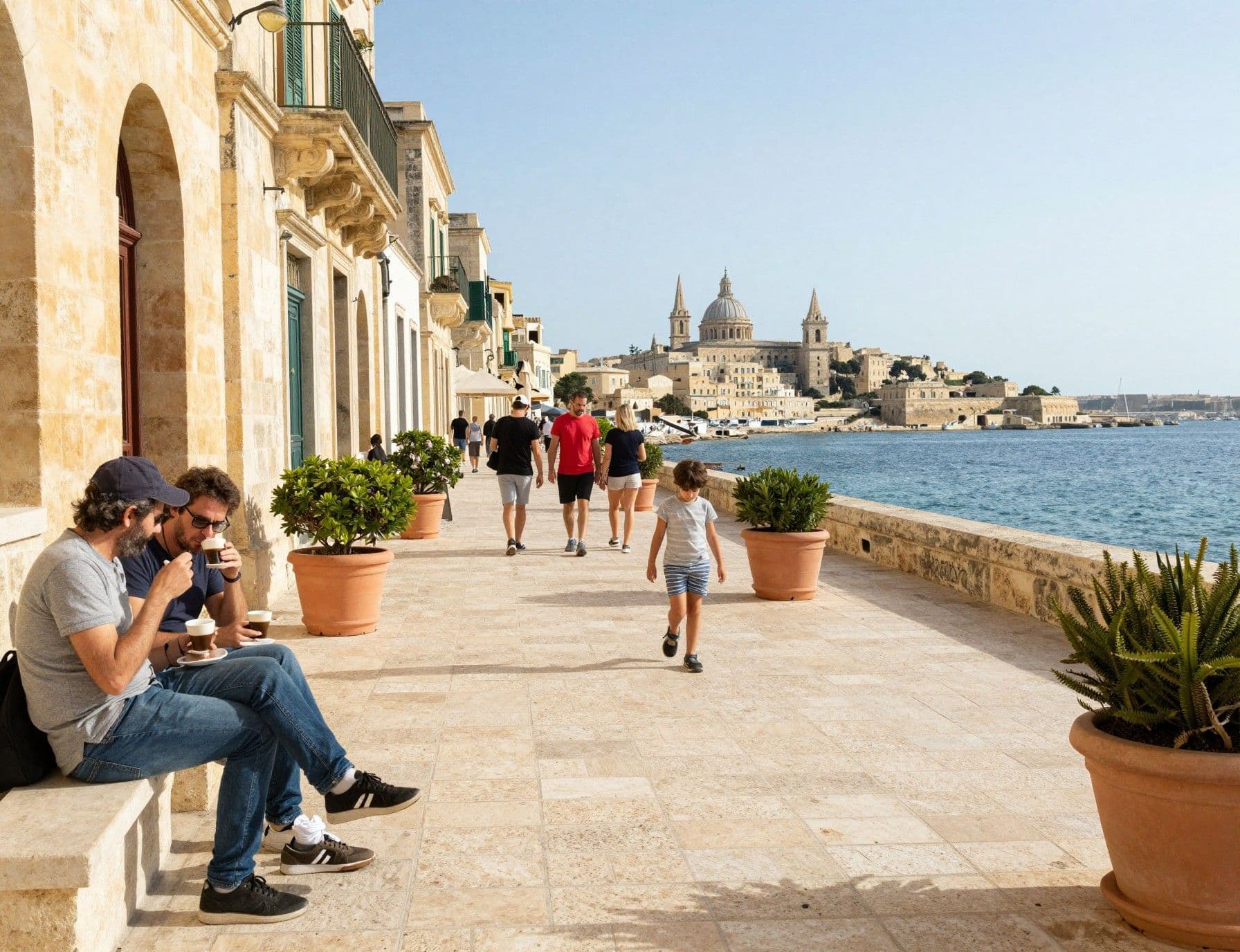
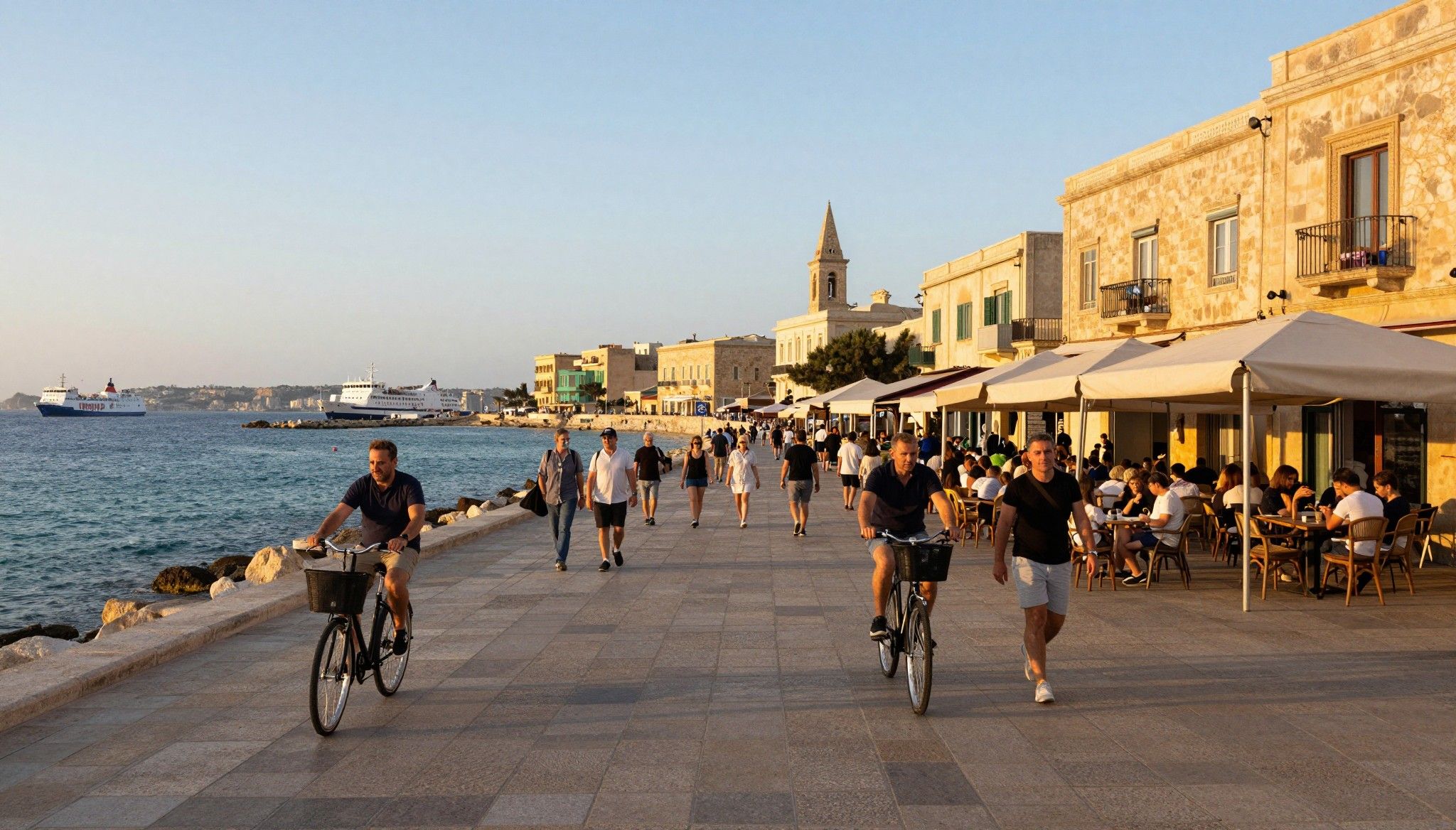
Daylight in Malta shapes the day: cafés flush with espresso steam at 08:30, fishermen repairing nets by late afternoon, and rooftops blooming with jasmine at dusk. Neighborhoods vary in texture—Tigné Point has glossy promenades and waterfront ease, while Rabat and Mdina offer narrow, shadowed streets where stone and rosemary rule. For those who love the sea and a small‑scale forested hinterland, places like Mellieħa and the quieter parts of Gozo promise morning swims followed by hikes through low, aromatic scrub that feels restorative in a way urban beaches rarely do.
Neighborhood spotlight: Sliema, St Julian’s, and the north coast
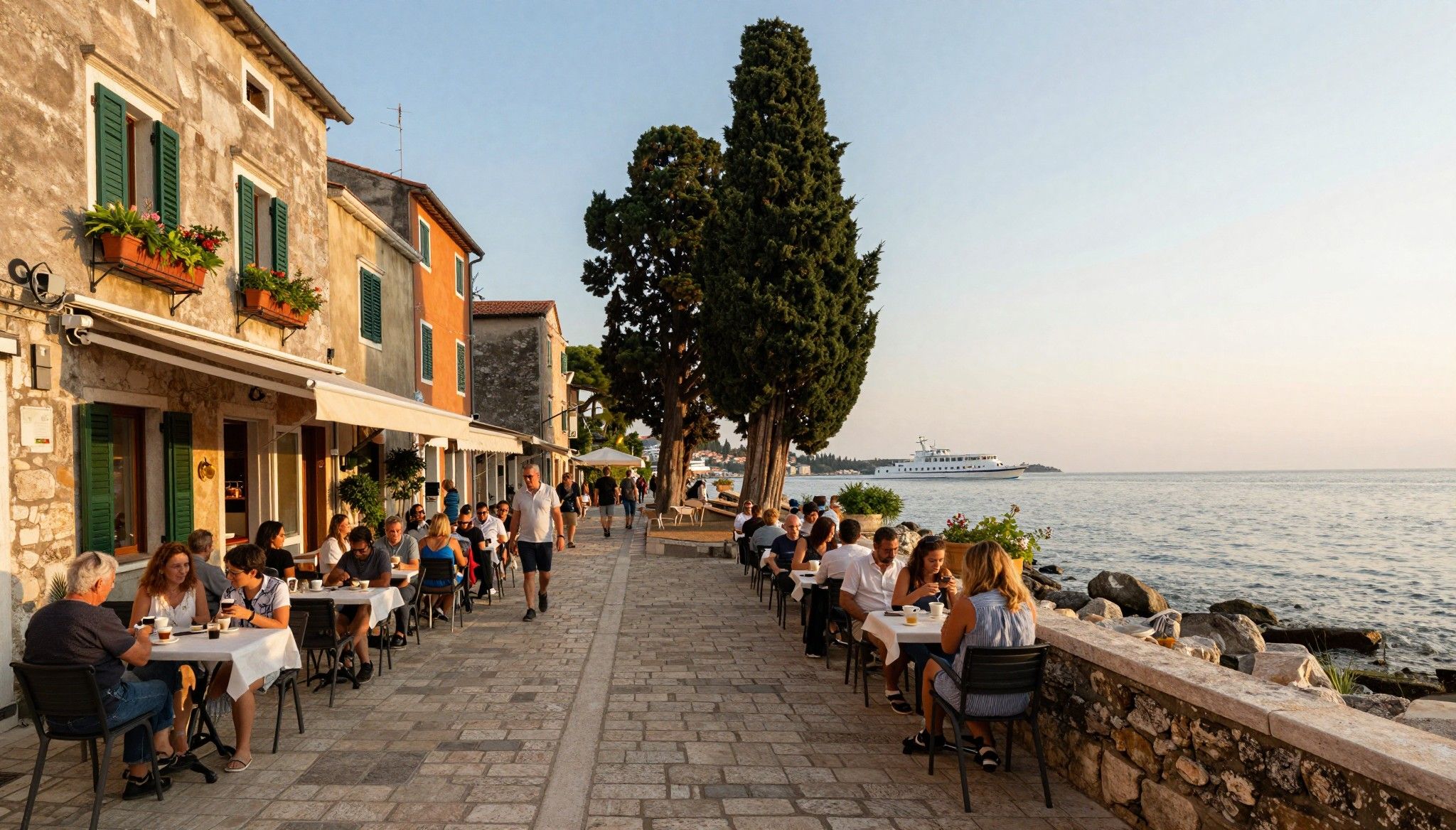
Sliema’s seafront cafés, Tigné’s modern promenade and St Julian’s lively harbourside combine convenience with a strong expat and digital‑worker presence. Walkable streets, small artisan shops, and pocket parks mean daily life can be car‑light—perfect for buyers who value outdoorsy rhythms. Conversely, choose Mellieħa or Gozo for a quieter, greener tempo: wide beaches, limestone terraces, and houses that open onto gardens rather than busy streets, where solar panels and cisterns often tell the story of self-reliant island living.
Food, markets and everyday pleasures
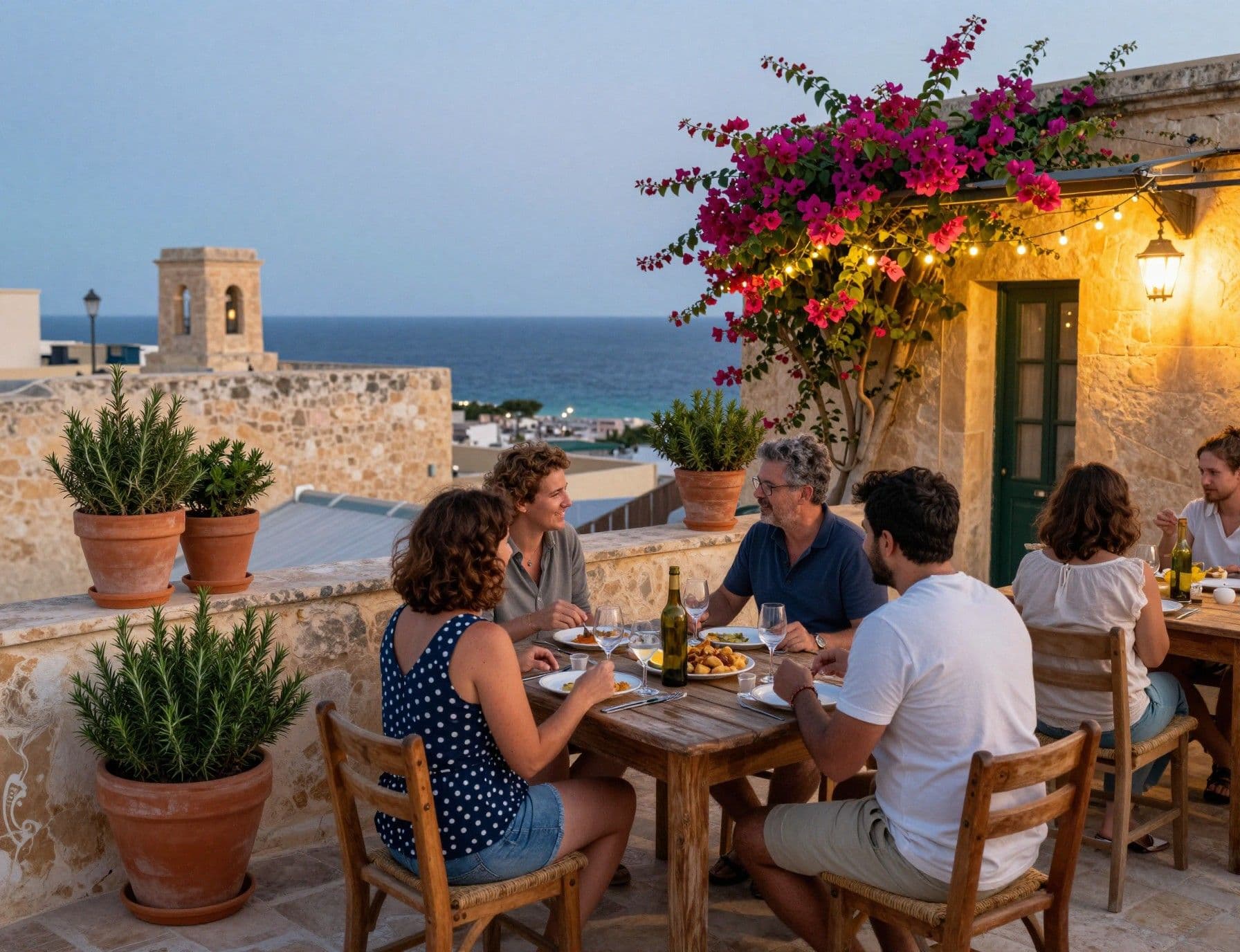
Weekends pulse with outdoor markets—Marsaxlokk’s fish market on Sunday morning is a ritual of hammered light and open nets—while hole-in-the-wall pastizzerias keep office workers and retirees equally loyal. Malta’s food scene mixes North African, Sicilian and British traces: slow‑roasted rabbit (fenek) in village squares, fresh lampuki in autumn, and cafés where you’ll hear Maltese and English braided together. These sensory rhythms should steer your property wish list: a courtyard for morning shade, a roof terrace for evening breeze, or space for a small, native garden that supports local pollinators.
- Lifestyle highlights you can actually buy into
- Tigné Point promenade morning runs and close cafés
- Marsaxlokk Sunday fish market and seaside terraces
- Mellieħa and Gozo for coastal walks, home gardens and starry skies
- Pembroke and Swieqi for family life, schools and green pockets
Making the move: practical considerations
Dreams meet rules in Malta: the island’s size makes every location a neighborhood, and recent reports show prices have been climbing—transaction value rose meaningfully in 2024 and the Residential Property Price Index keeps nudging upward. That means timing, permit knowledge and local connections materially affect both price and choice. Before you fall for a sea‑view terrace, pair your lifestyle checklist with a short legal briefing: acquisition rules (AIP permits), Special Designated Areas, and local building quirks like traditional Maltese balconies and roof structures.
Property styles and what they mean for daily life
Limestone townhouses with internal courtyards are tactile, cool in summer, and forgiving of small budgets for heating in winter; modern apartments near Portomaso bring concierge services and easy rentals but come with higher prices and HOA rules. Think about water: many older homes rely on cisterns, while newer builds often come with modern plumbing and sometimes greywater plans. If sustainability is your north star, prioritise south‑facing terraces for passive solar gain, space for roof PV, and a small cistern or rain‑capture plan to reduce mains demand.
Working with local experts who know place and practice
A Maltese agent who lives the rhythm of the towns will show you where the afternoon breeze actually hits the terrace and which lanes flood when heavy rain arrives. Retain a lawyer experienced in AIP permits and SDA rules early; their guidance can make the difference between a smooth contract and months of delay. For eco-minded buyers, ask agencies for homes with documented energy upgrades, PV installations, or native gardens—these features often translate to lower running costs and more harmonious island living.
- Steps to blend lifestyle and process (simple checklist)
- Map your day: spend at least two mornings and two evenings in any preferred neighborhood before bidding.
- Ask about AIP/SDA status before making an offer; have a lawyer confirm permit implications.
- Prioritise passive design and small renewables—roof orientation, available terrace and cistern potential.
Insider knowledge: the realities expats tell new buyers
Expats often say the surprise isn’t the heat or the limestone—it’s the small social customs that shape day-to-day belonging. Neighbours still exchange favours; roof terraces host impromptu dinners; and English works in shops, hospitals and schools but Maltese names and rhythms soften life into something local. Practically, buyers should expect steady price growth—NSO figures through late 2025 show persistent increases—so move decisions that blend lifestyle readiness with realistic timing will save both frustration and money.
Cultural integration and everyday social rules
Attend local festa (village feast) evenings and markets to meet neighbours; small gestures—bringing bread or fruit—open doors faster than formal introductions. For families, school choices often determine where you live: international schools cluster near St Julian’s and Sliema, while village schools give a more Maltese immersion. Language blends easily—English is official—but learning a few Maltese phrases signals respect and builds friendships over time.
Long-term lifestyle and stewardship
Think beyond purchase: Malta’s compactness makes infrastructure, community, and environmental stewardship inseparable from your home’s value. Investing in native landscaping, modest PV, and water capture not only reduces bills but aligns with local conservation norms and can ease permit processes for renovations. If you plan rental use, note that central apartments command steady demand, while houses in quieter north zones may offer better seasonal peace but lower yield consistency.
- Red flags experienced buyers flag
- Unclear AIP status or missing SDA assurances
- Promises of sea views without verified easements (roof access, balconies)
- Older plumbing and no cisterns where water scarcity makes capture valuable
- Neighbourhood misfits: late-night tourist zones if you want quiet year‑round
Conclusion: if Malta’s green coast has called you, answer with curiosity and careful timing. Recent statistics from the NSO and industry reports make one thing clear—prices are moving, and so are buying rules—so blend sensory discovery with legal and sustainability checks. Spend time in chosen neighbourhoods across seasons, hire a lawyer familiar with AIP procedures, and seek out homes with passive advantages (orientation, courtyards, cistern-ready roofs). Do that and you’re buying more than a house—you’re buying a daily island life, with rosemary-scented winds and a small garden that hums each spring.
Norwegian market analyst who relocated from Oslo to Provence; guides investors with rigorous portfolio strategy and regional ecological value.