Summer Illusion: Why Italy’s High Season Can Mislead Buyers
Italy’s summer charm can mislead buyers — use seasonal visits, local data and expert agents to match year-round lifestyle with property choices.
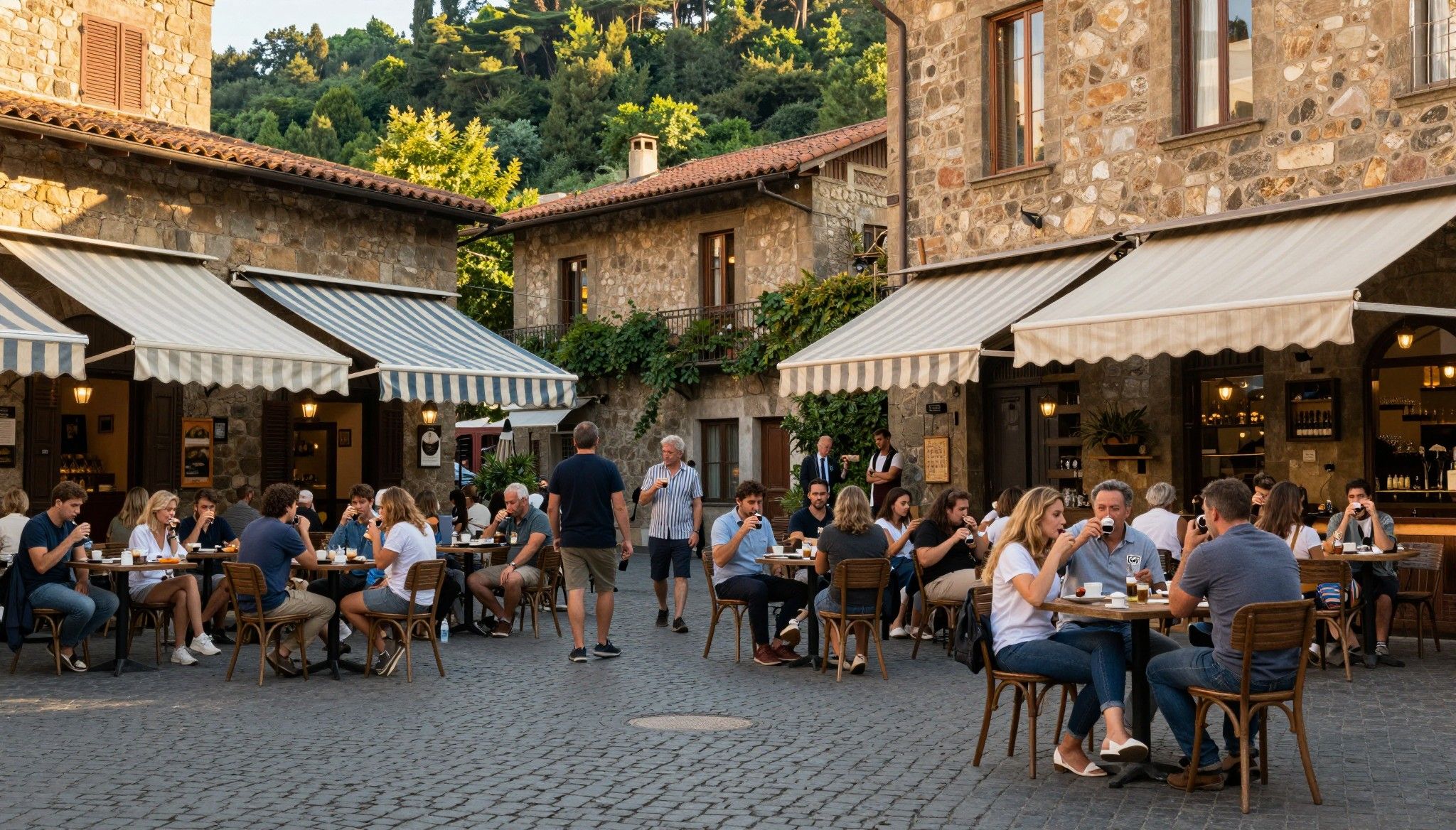
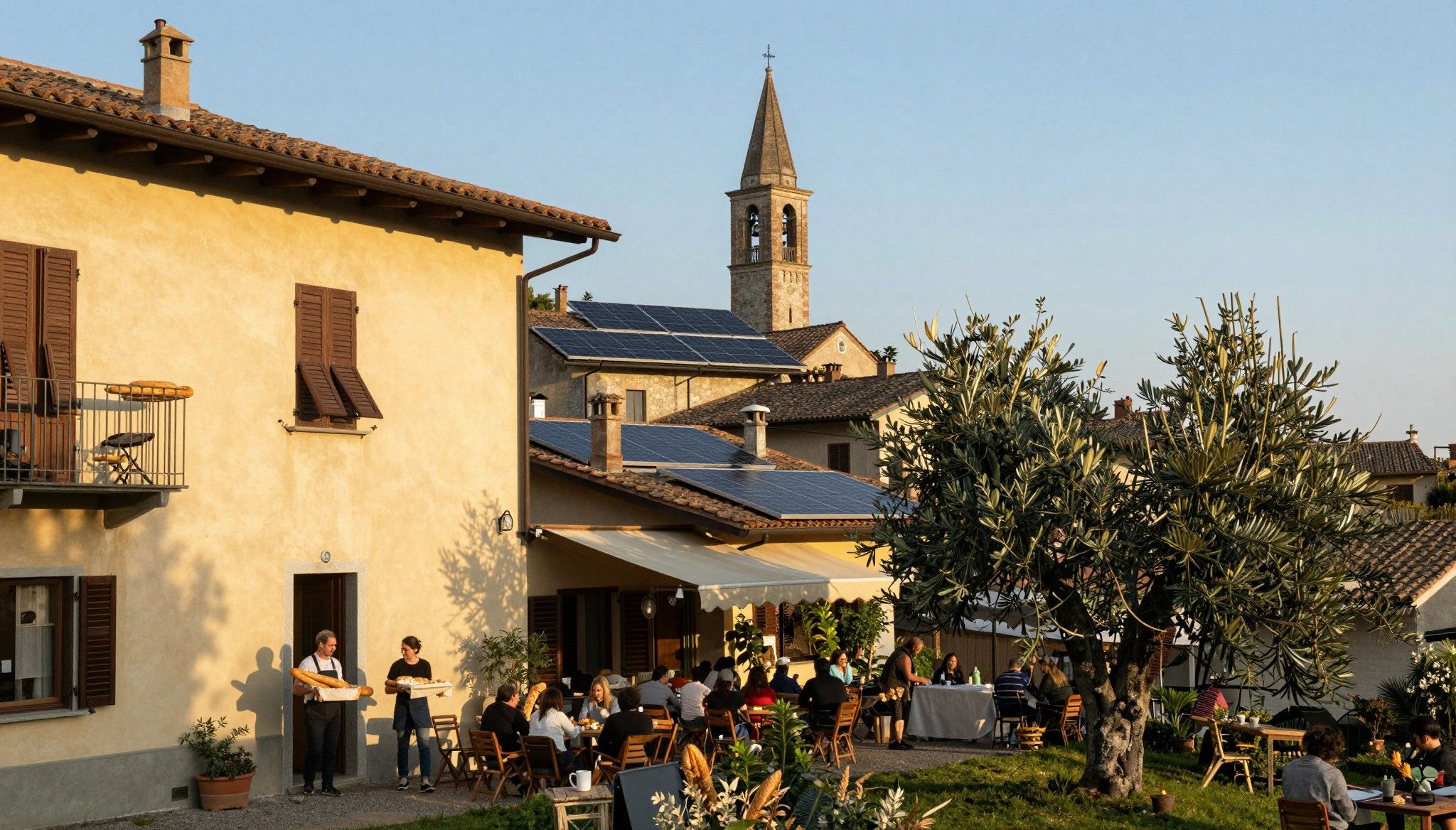
Imagine waking to the smell of baking focaccia and the soft clatter of a morning espresso cup — narrow streets warming as shopkeepers sweep sunlit steps. In Italy, everyday life moves with seasons: spring markets brimming with artichokes, summer evenings spent at seaside trattorias, and quiet winters where stone houses breathe slowly. That rhythm is the first thing foreign buyers fall in love with; the second is the subtle truth beneath the romance: the market, like the light on a Tuscan stone wall, changes with season and place.
Living the Italy lifestyle
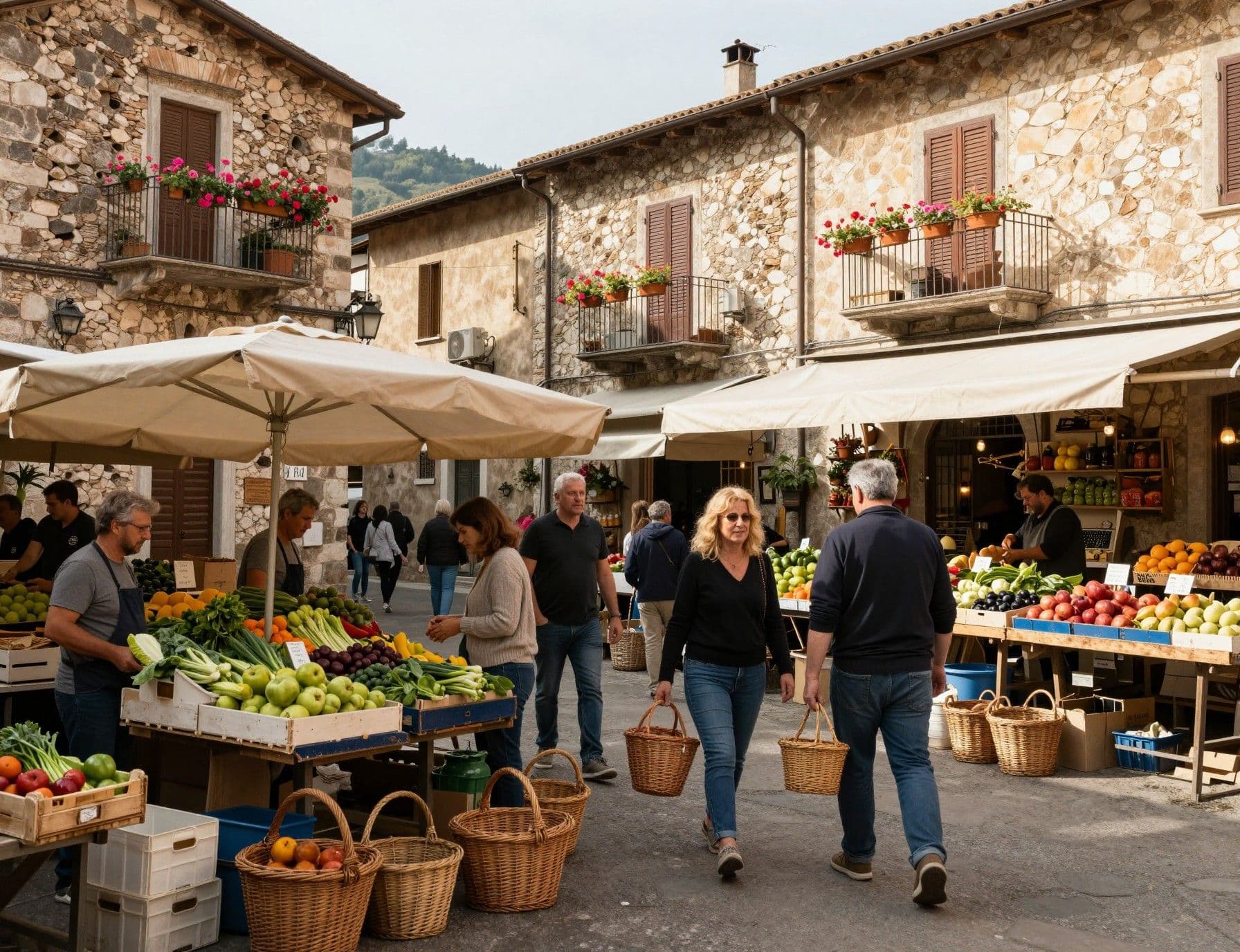
This is a country of micro-climates and micro-cultures: a coastal village in Puglia has a different tempo to an apartment near Milan’s Navigli. Living here means learning local clocks — when the market opens, when the sea breeze arrives, when shutters stay closed in August. For buyers, those rhythms shape daily life and the value of a home: a balcony that’s perfect in May may be a suntrap in July, and a stone farmhouse that feels idyllic in autumn reveals its heating needs in January.
Neighborhoods that teach you to slow down (and where)
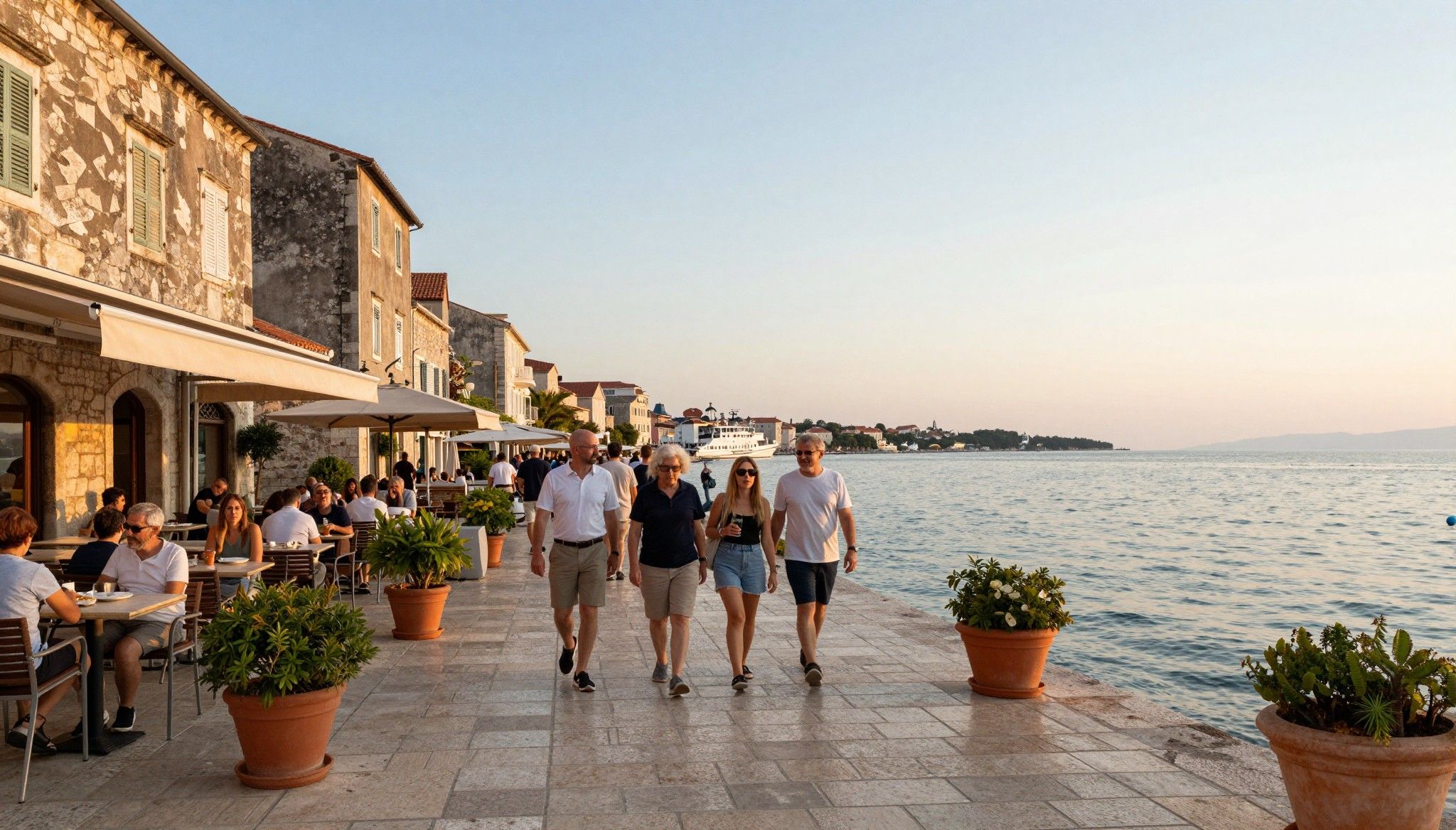
Take Florence’s Oltrarno — artisans still hammer leather and pull espresso at tiny bars, and a rooftop garden feels like a shared amenity. In Rome, Trastevere hums with evening passeggiata and small-scale markets; head north to Emilia’s hills for long lunches and cycling lanes dotted with vineyards. On the coast, Salento’s tiny fishing docks and Liguria’s cliffside villages reward patience: you trade the immediacy of big-city amenities for quiet public squares and neighbors who remember your name.
Food, markets and seasons — how taste maps to property
Food is civic infrastructure here: weekly mercato routines knit communities and shape where people gather. In Sicily, winter citrus markets mean a terrace planted with oranges is more than pretty — it’s part of local life. In Veneto, the proximity to rich food producers translates into farmhouses with utility rooms built for curing salami or pressing grapes. When you buy, think about where you want your kitchen life to happen — a street-level flat near a market, or a rural kitchen designed for preserving?
- Morning espresso at Bar La Terrazza (Florence), Saturday fish market in Trapani, sunset aperitivo on Lungomare di Bari, volunteer olive harvests in Tuscany, hidden beach at Cala Violina (Maremma), small‑scale ceramic studio in Faenza.
Making the move: lifestyle meets reality
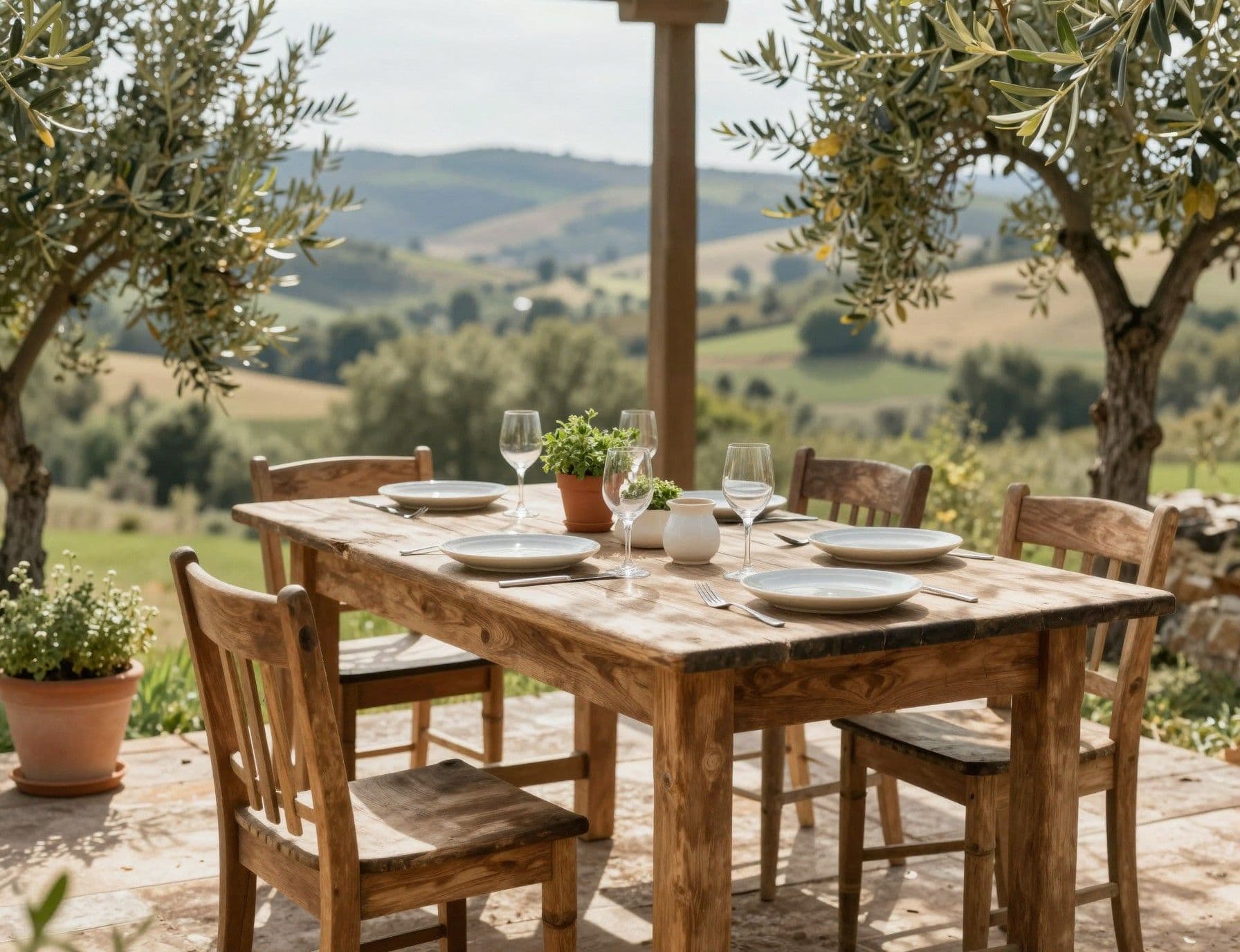
Dreams meet data when you decide to buy: recent national indicators show modest but steady house price growth and a rebound in transactions, driven by diverse regional dynamics. That means prices are not uniformly ‘too high’ — they rise in demand pockets and stay gentle where winters bite or infrastructure is thin. Use national indexes to see trends, but always layer local reality — talk to a neighborhood agent and visit off-season to see how places actually behave.
Property styles and how they shape life
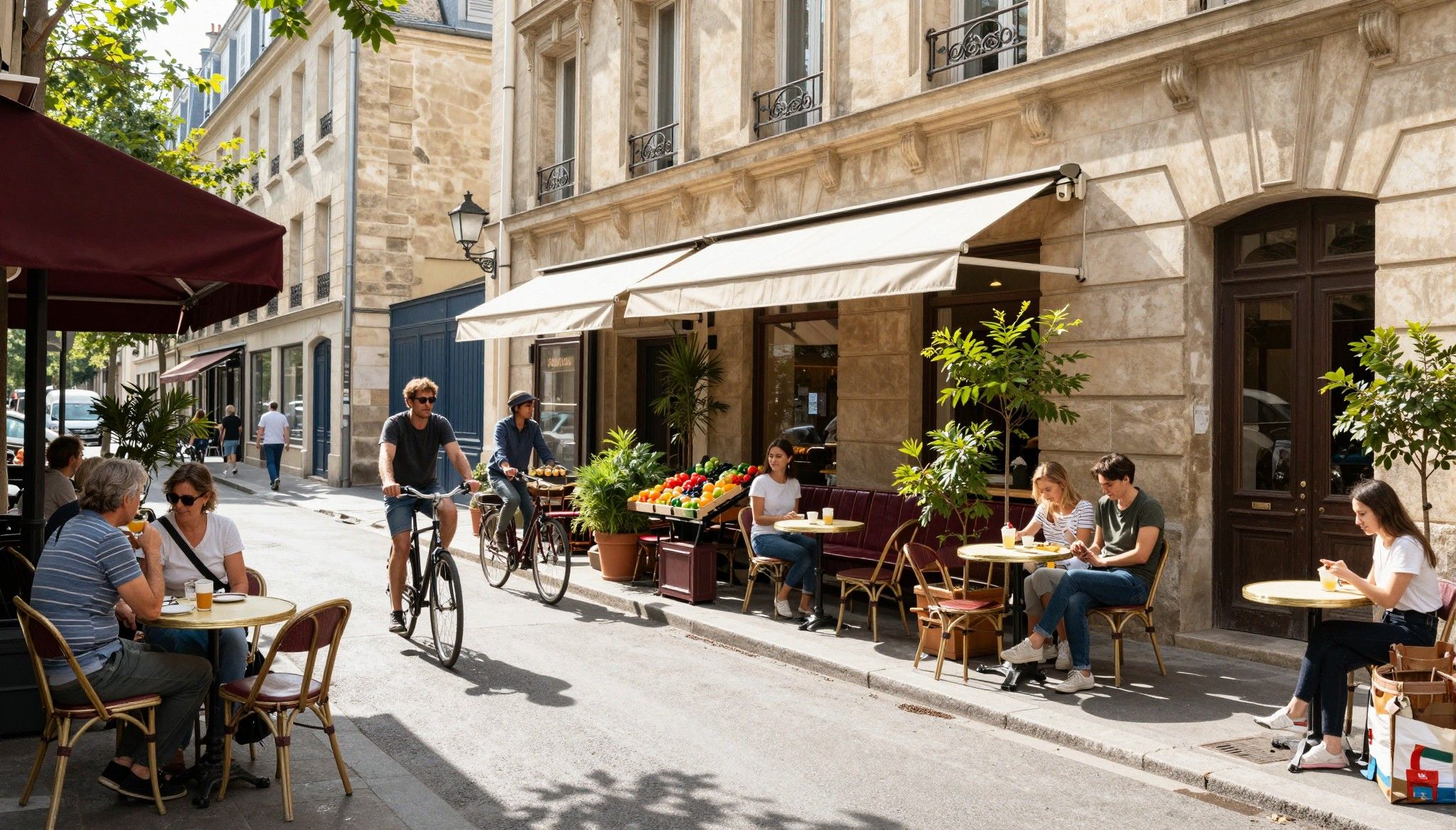
A Venetian palazzo apartment offers compact, walkable life with high style but limited outdoor space; a Tuscan farmhouse gives land, olive trees and a sense of stewardship — and comes with maintenance. Coastal flats lean toward rental income in summer; alpine chalets are about winter access and insulation. Match the property’s physical characteristics to your year-round habits: if you want gardening and foraging, prioritize land and water access; if you crave cafe culture, prioritize central streets and small piazzas.
Working with local experts who know the lifestyle
- Hire an agent steeped in the region’s rhythms; ask for off-season visits; commission a local builder or conservator for an inspection; speak with a neighbour or local merchant; verify water, heating and winter access before signing.
Insider knowledge — what expats wish they'd known
Real talk from people who moved here: summers flatter a place, winters reveal its bones. A sun-drenched terrace can become a maintenance chore, and a tiny, crowded market square may feel lonely come November. Integrating means learning small civic rituals — who runs the mercato, when garbage is collected, and where locals gather after work. These patterns influence daily joy far more than square metres or view percentages.
Cultural integration, language and community
You’ll be welcomed more easily when you show curiosity: learn food vocabulary, attend a parish festival, volunteer at a local olive harvest. Language accelerates trust and opens doors to maintenance favours, local pricing and quieter listings. Many expats find small-town life requires patience but rewards effort with invitation and shared projects that deepen stewardship.
Long-term lifestyle and practical steps
- Visit the place in three different seasons; commission a technical survey focused on energy and water systems; budget for climate-adaptive upgrades (insulation, shutters, rainwater harvesting); confirm local service access (internet, healthcare, waste collection); work with an agency versed in eco-sensitive renovations.
Italy is a mosaic of experiences: mornings filled with market chatter, afternoons with slow siesta in sunlit courtyards, evenings with shared plates under string lights. For international buyers who want a home that’s part of the land and community, the secret is season-aware curiosity — choose a property whose year-round personality matches the life you want to lead, and partner with local experts who protect both your wallet and the landscape.
Dutch property strategist who helped 200+ families find sustainable homes in southern Europe; expert in legal pathways and long-term stewardship.